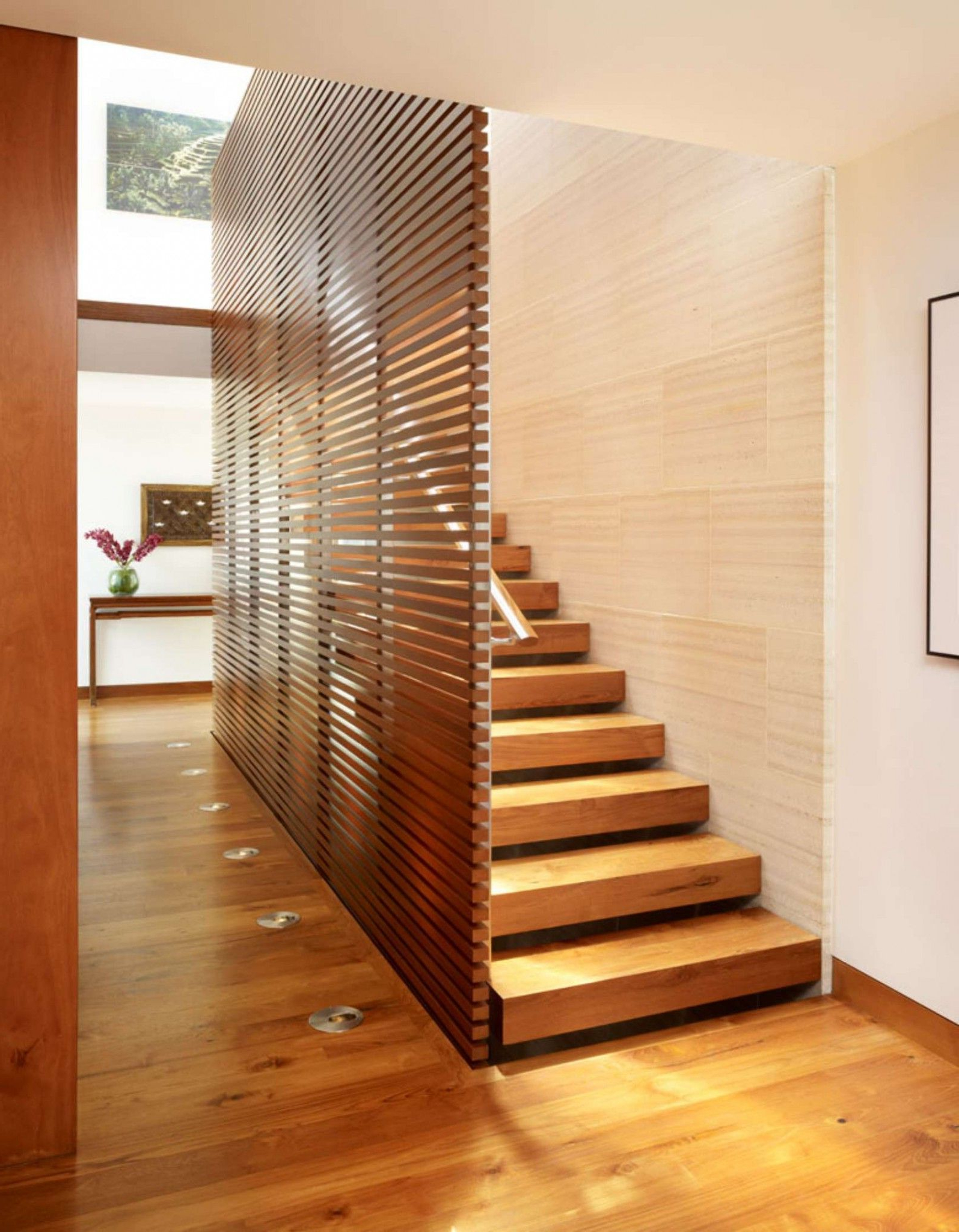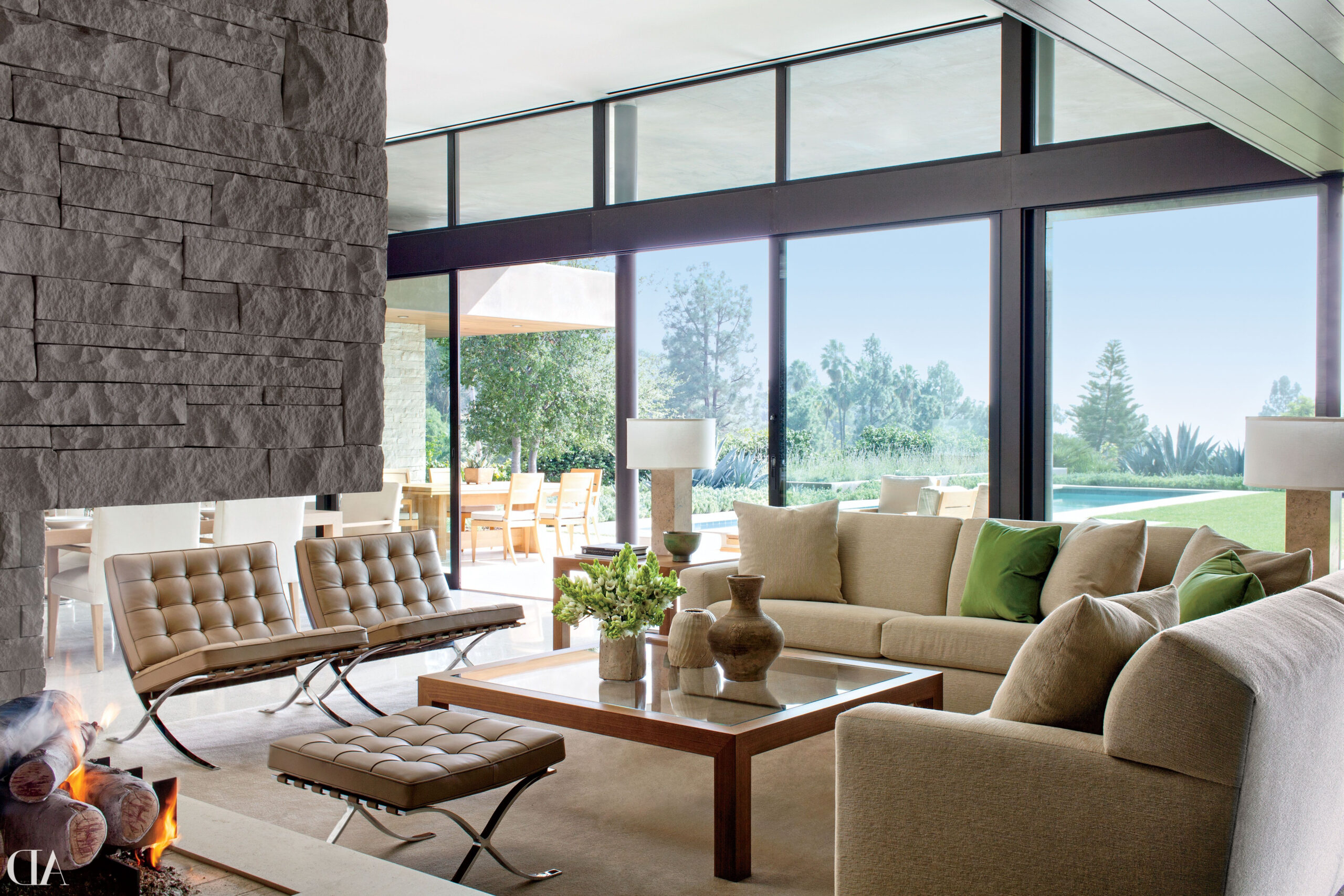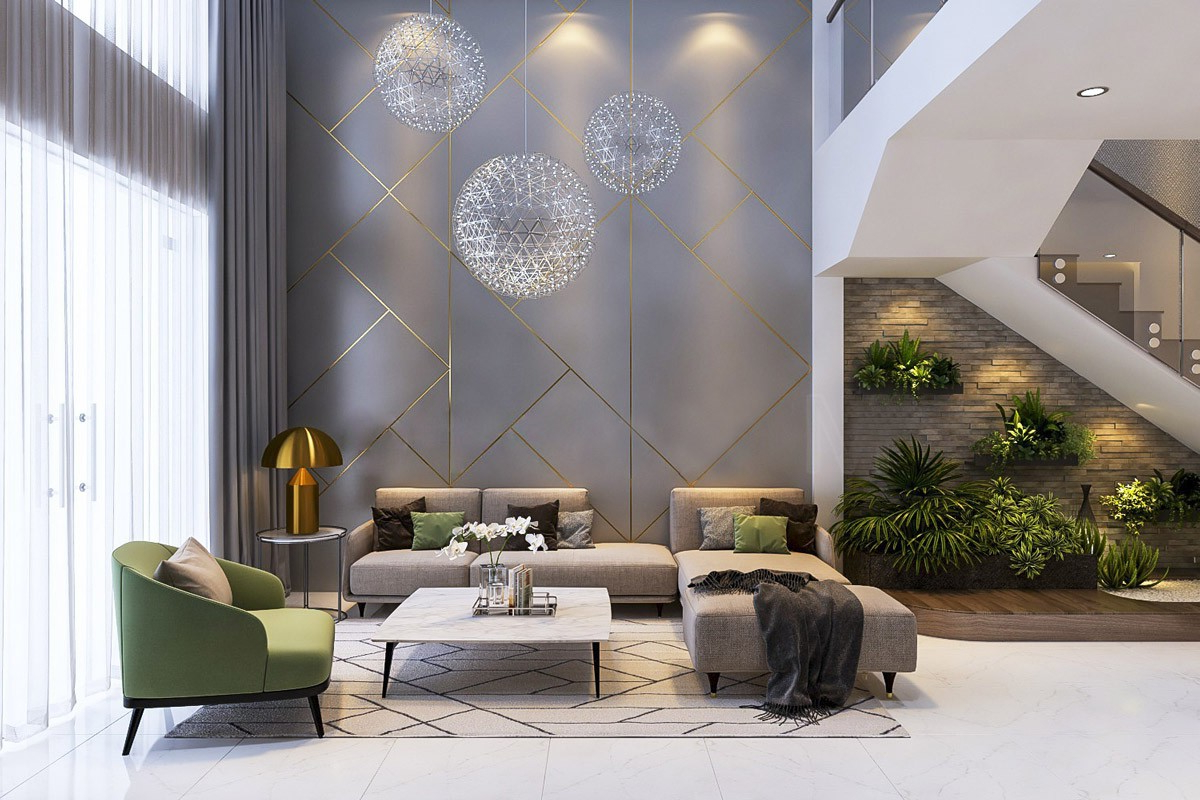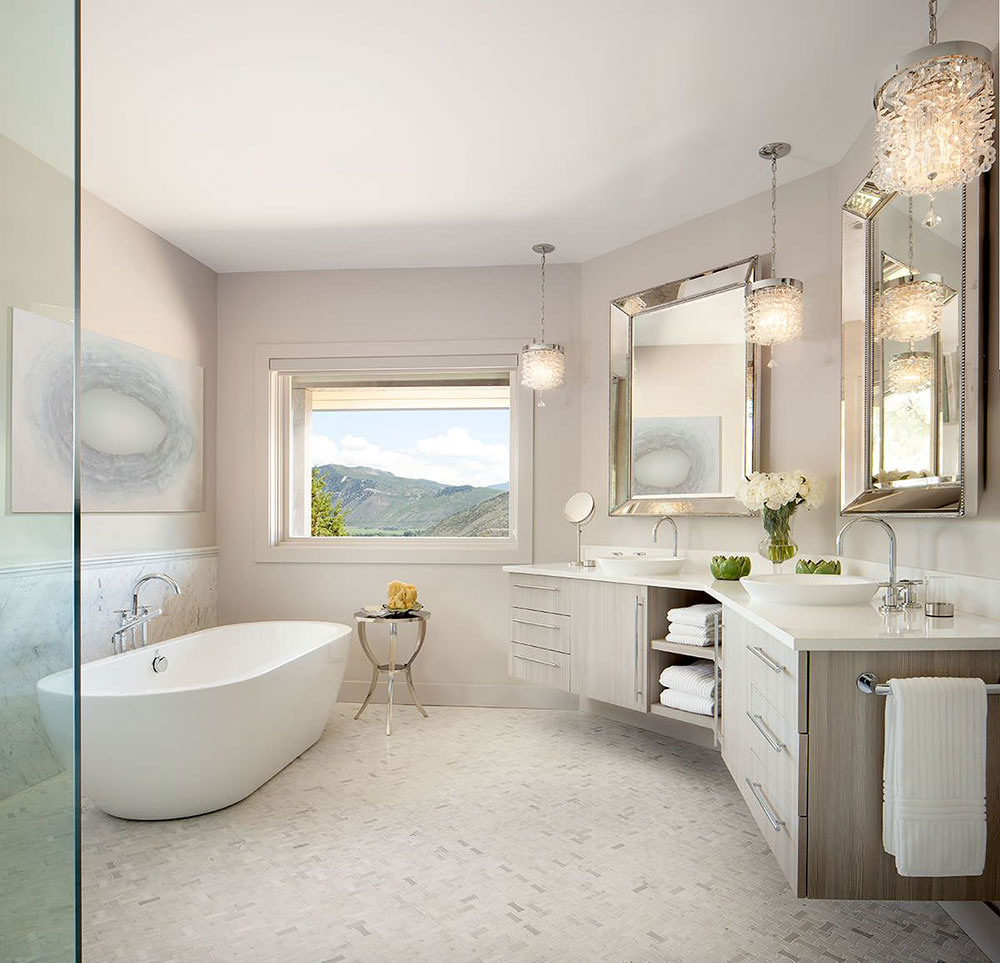
There’s something magical about the pairing of white and black that has captivated designers and homeowners for decades. It’s not just about color—it’s about creating visual harmony, depth, and sophistication that transcends fleeting fashion trends. Whether you’re starting fresh or updating your current space, understanding how to properly balance these two powerful colors can make all the difference.
White and black interior design has always been more than just a simple color combination. It’s a sophisticated approach to creating spaces that feel both modern and classic, bold yet refined. This timeless duo offers endless possibilities for homeowners who want their living spaces to feel fresh and exciting while maintaining an air of permanence. Think about it—how many times have you walked into a room and immediately felt calm, elevated, and well-designed? Chances are, that feeling came from a masterful use of white and black elements working together. The beauty of this combination lies in its versatility and ability to adapt to different styles, from minimalist Scandinavian to dramatic contemporary. It’s a design philosophy that speaks to those who appreciate quality over quantity and understand that good design stands the test of time.
The Foundation of Timeless Elegance
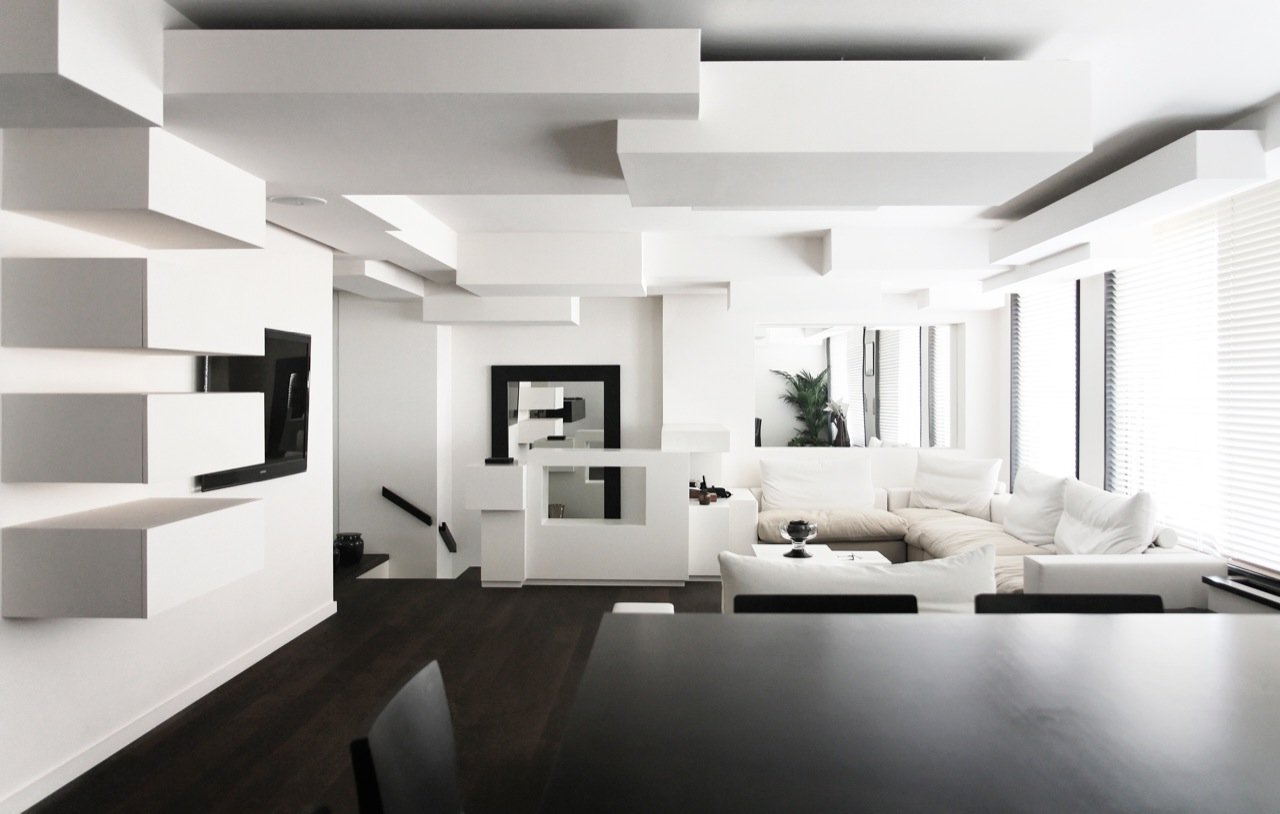
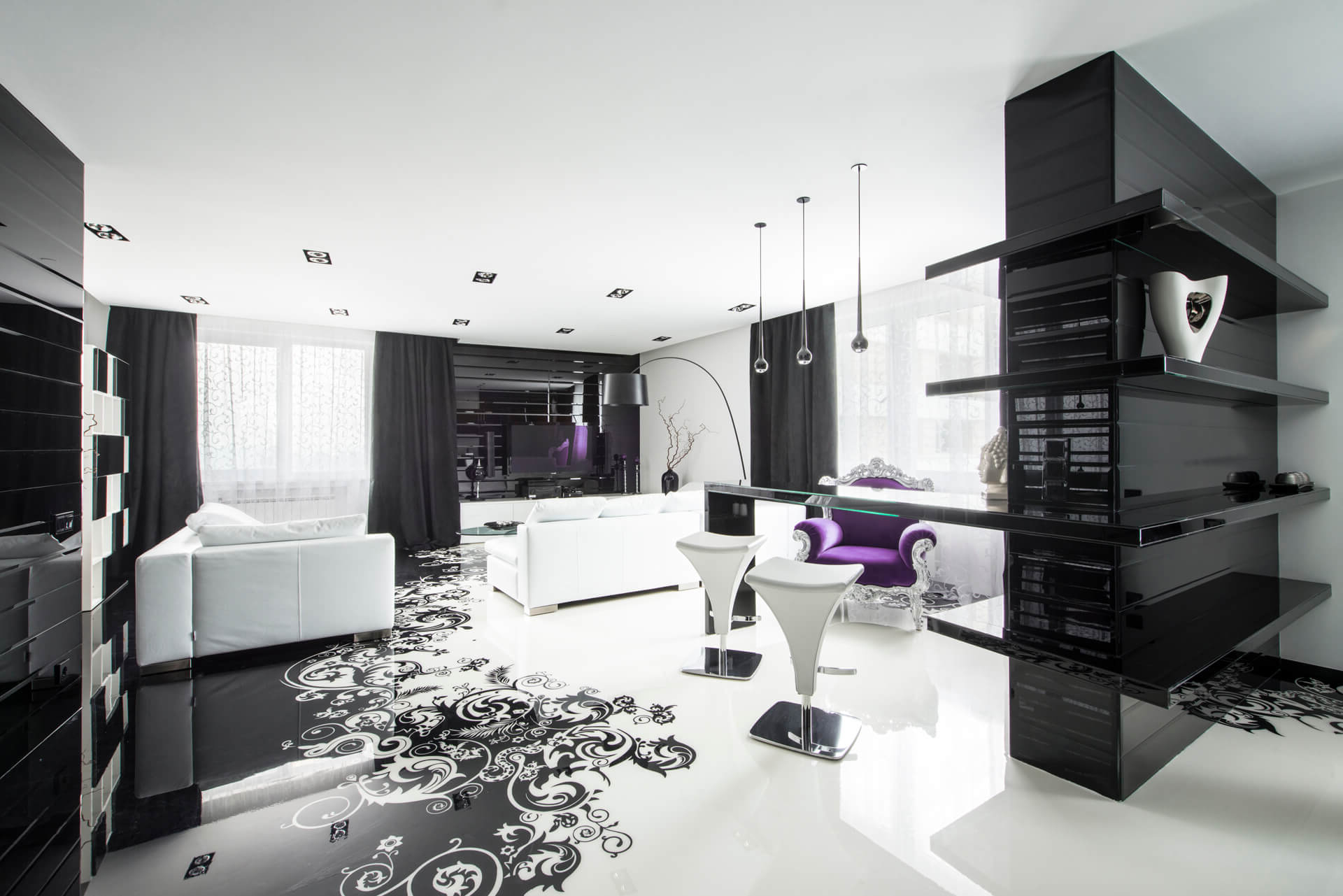
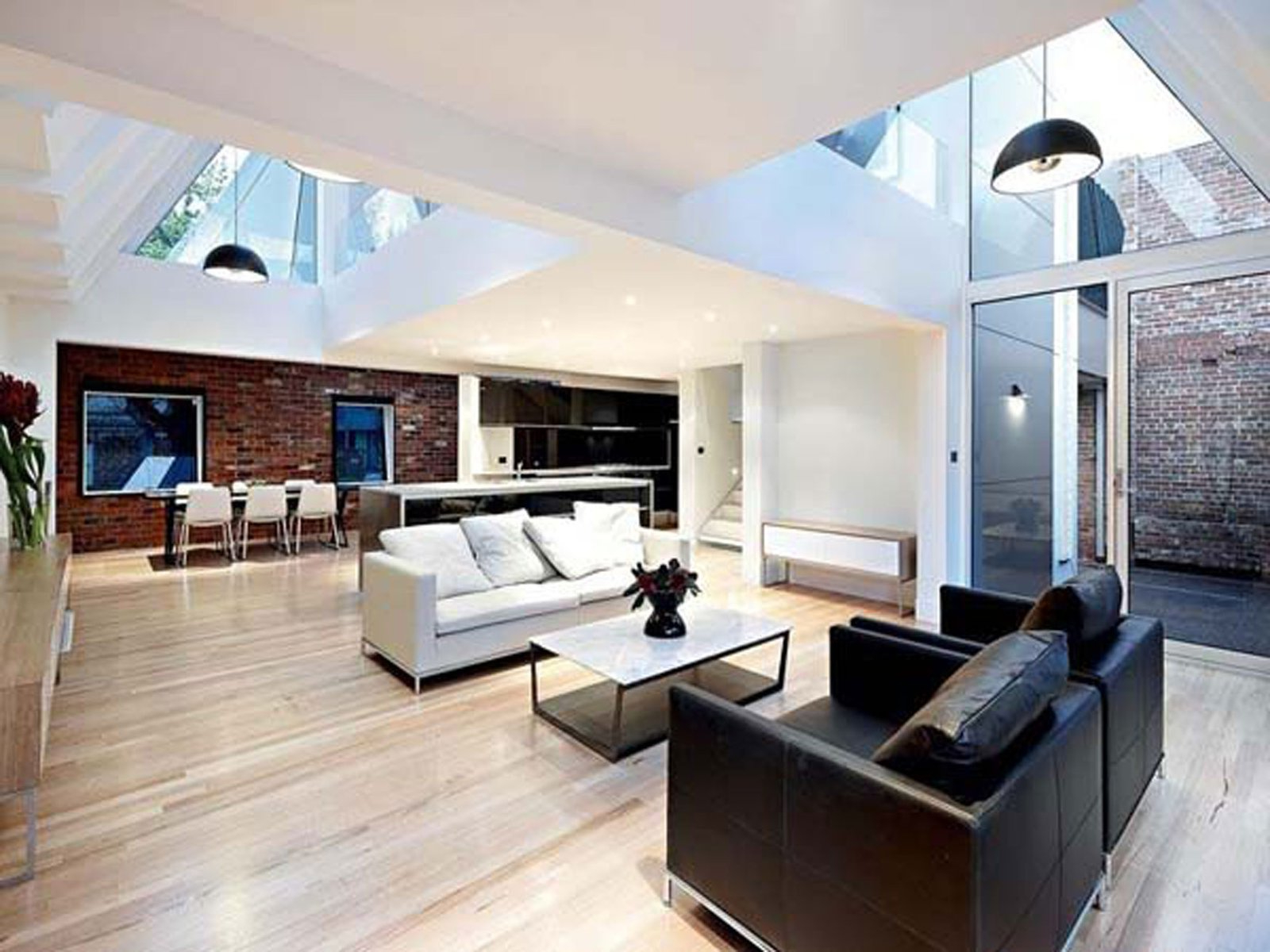
The foundation of any successful white and black design scheme rests on understanding how these colors interact with each other and with light. White acts as a canvas, providing brightness and openness, while black adds drama and depth. When used correctly, they create a visual rhythm that draws the eye around the room naturally. Consider a living room where white walls provide the backdrop, but black furniture or accent pieces create focal points. The contrast isn’t harsh—it’s calculated and intentional. Many designers recommend starting with white as your primary color, then introducing black strategically rather than overwhelming the space. This approach allows the black to pop without dominating the room. The key is in layering these colors thoughtfully. For instance, you might use white paint on walls, black accents on chairs, and white textiles like throw pillows and blankets to balance everything out. This creates a sense of movement and visual interest that keeps the space feeling dynamic and alive.
Creating Depth Through Strategic Placement
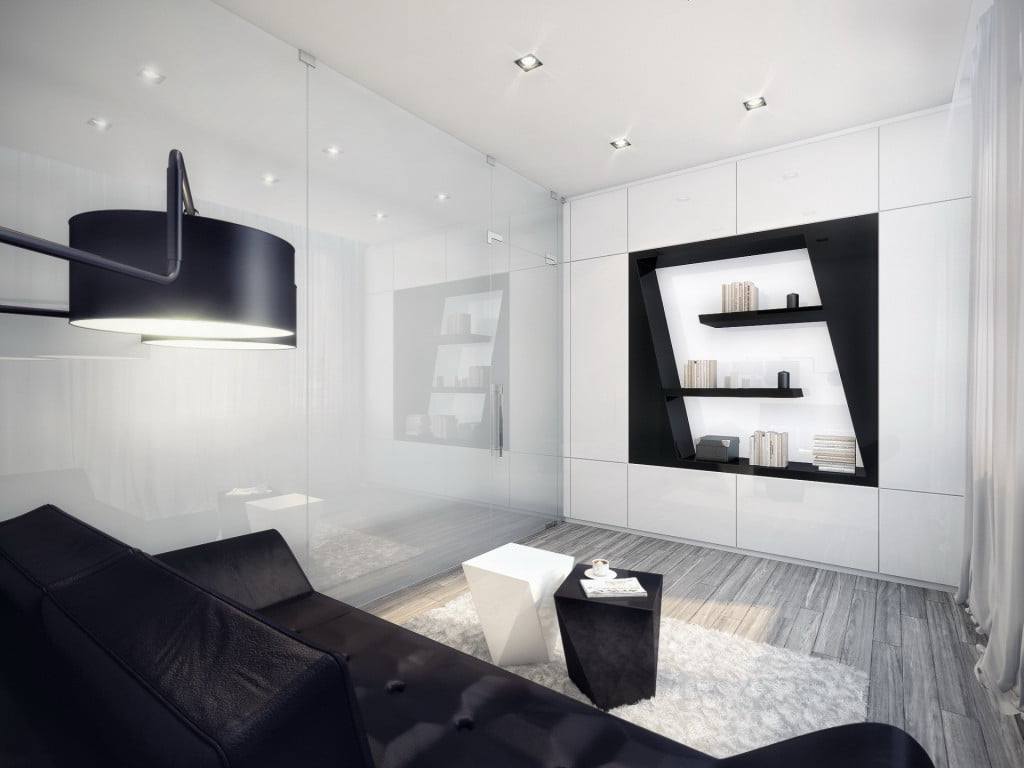
One of the most beautiful aspects of white and black interiors is how they can manipulate the perception of space. Light-colored walls make rooms appear larger, while dark accents add weight and dimension. This technique works particularly well in smaller spaces where you want to maximize the feeling of openness. A common mistake people make is using too much black, which can make a room feel heavy and closed-in. Instead, try using black in smaller doses—perhaps a black coffee table, a few black frames, or even black hardware on white cabinets.
The idea is to create a visual hierarchy that guides the eye through the space. Think about how a painting might be placed on a white wall. The black frame draws attention, but the white background allows it to breathe. This same principle applies to interior design. You can create a dramatic focal point with a black sofa against white walls, or use black and white striped bedding to add visual texture without overwhelming the senses.
Textural Harmony in White and Black Spaces
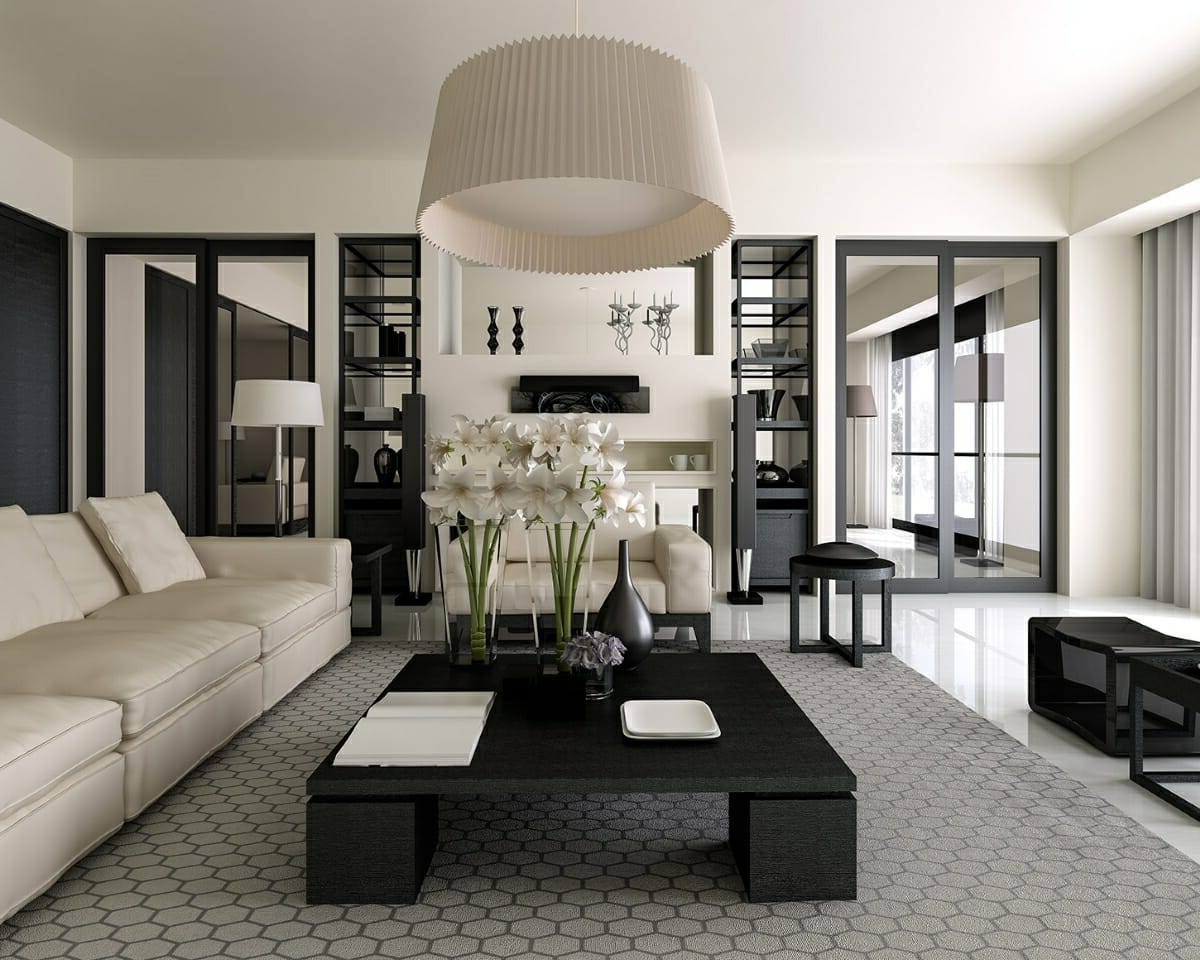
The magic happens when you combine these two colors with different textures. White and black work beautifully together because they complement each other’s textures in ways that make spaces feel rich and inviting. Imagine a white leather sofa paired with black metal legs, or a white linen chair with a black velvet cushion. These combinations create layers of tactile experience that make a room feel more substantial and lived-in. Natural materials like wood, stone, and metal can bridge the gap between the two colors effectively.
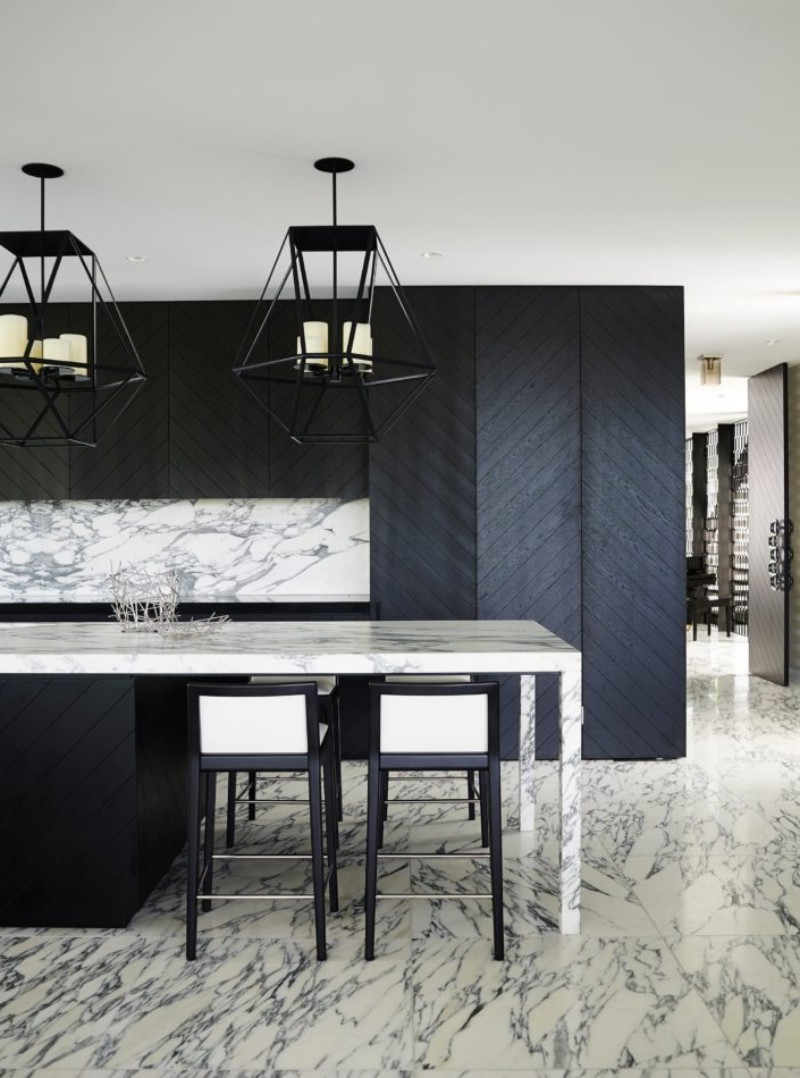
For example, a white marble coffee table with black iron legs provides a perfect balance of softness and structure. Textures also help break up large expanses of white or black, preventing them from feeling flat or monotonous. Consider incorporating materials like woven baskets, wool rugs, or ceramic vases in various shades of gray to add complexity to your palette. The result is a space that feels grounded and welcoming rather than clinical or stark.
Lighting as the Final Touch
Proper lighting is crucial when working with white and black interiors. Natural light makes white appear bright and airy, but it also reveals any imperfections in the design. Artificial lighting can either enhance or undermine the effectiveness of your color scheme. Task lighting, ambient lighting, and accent lighting all play roles in bringing your white and black space to life. Pendant lights in black or brushed metal can add visual interest to a white ceiling or white kitchen island. Table lamps with black bases can create cozy reading nooks in white rooms.
The interplay between light and shadow created by white and black surfaces can be incredibly dramatic. During the day, white walls reflect natural light, making rooms feel expansive and cheerful. At night, carefully placed lighting can highlight black accents and create a sense of warmth and intimacy. Don’t overlook the power of dimmers—they allow you to adjust the mood throughout the day and create different atmospheres for different activities.
Practical Applications and Real-World Examples
Let’s look at some practical applications of white and black design in everyday settings. In kitchens, white cabinetry with black hardware creates a clean, modern look that’s easy to maintain. The black handles add personality without being overwhelming. Bathrooms benefit from white tiles with black grout lines, which create visual interest while keeping the space feeling fresh and clean. Bedrooms can use white bedding with black accent pillows to create a peaceful yet stylish environment. Living areas often see success with white sofas and black side tables, allowing the room to feel both spacious and focused.
These examples show how the combination works across different areas of the home, proving that white and black aren’t limited to one particular style or space. They simply require thoughtful planning and consideration of how each element interacts with others.
Avoiding Common Pitfalls in White and Black Design
Despite its popularity, white and black design comes with potential pitfalls that can ruin even the best intentions. One major issue is using too much of one color, which can make a space feel unbalanced or overly dramatic. Another common problem is choosing materials that clash rather than complement each other. For example, using a glossy white finish with matte black accessories can create an inconsistent look. It’s also important to consider the overall vibe you want to achieve. If you’re going for a minimalist aesthetic, avoid adding too many decorative elements that might compete with the simplicity of the color scheme.
Some people fall into the trap of thinking that more black automatically means more sophistication, but that’s not always true. Sometimes less is more, especially when it comes to achieving that classic, timeless appeal. Remember that personal comfort matters too—your space should feel like a retreat, not a museum exhibit.
Making White and Black Work for Your Lifestyle
The beauty of white and black design is that it can adapt to different lifestyles and needs. For busy families, the clean lines and neutral tones offer a calming base that’s easy to maintain. White walls can hide minor scuffs and marks, while black accents provide a way to add personality without committing to bold colors. The combination also works well for people who entertain frequently, as it creates a sophisticated backdrop for guests while allowing for flexible decor changes. If you love changing things up seasonally, white and black give you a stable foundation that won’t shift your entire aesthetic. You can swap out textiles, artwork, and accessories to keep the space feeling fresh without altering the core design elements. This flexibility makes the combination appealing to people who want their homes to evolve over time while maintaining their essential character.
White and black interior design isn’t just about following trends—it’s about creating spaces that feel both current and classic. These colors offer endless possibilities for expressing personal style while maintaining timeless appeal. Whether you’re designing a new space or refreshing an existing one, remember that the key lies in balance and intentionality. Let white provide the breath and black add the soul. When these two elements work together harmoniously, they create environments that feel both sophisticated and comfortable.
The secret isn’t in having the most expensive materials or the latest design fads—it’s in understanding how to use these fundamental colors to build spaces that will continue to delight for years to come. So don’t be afraid to experiment with white and black combinations. Start small if you’re unsure, but trust the process. After all, some of the most beautiful homes in the world have been built on the simple foundation of white and black.