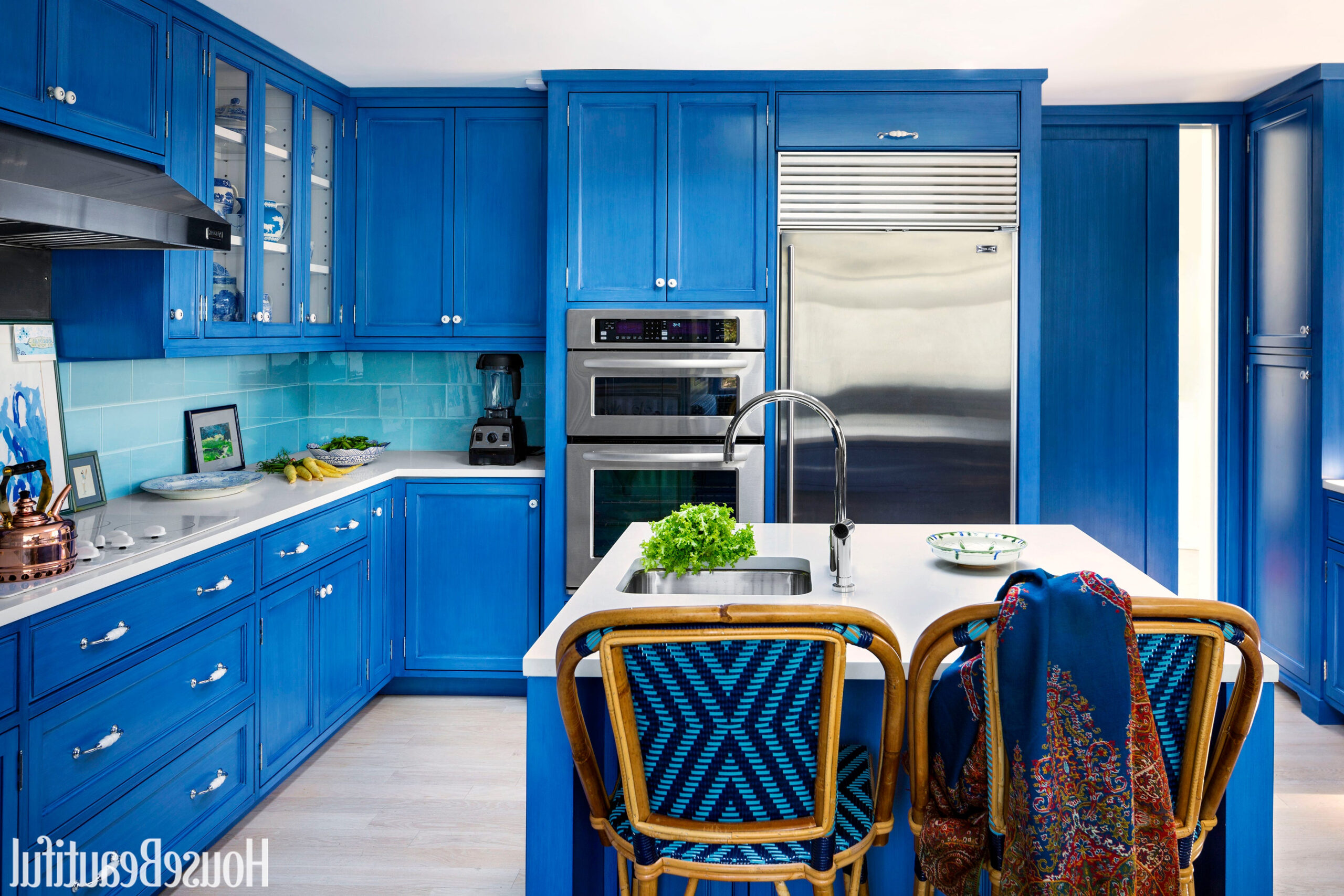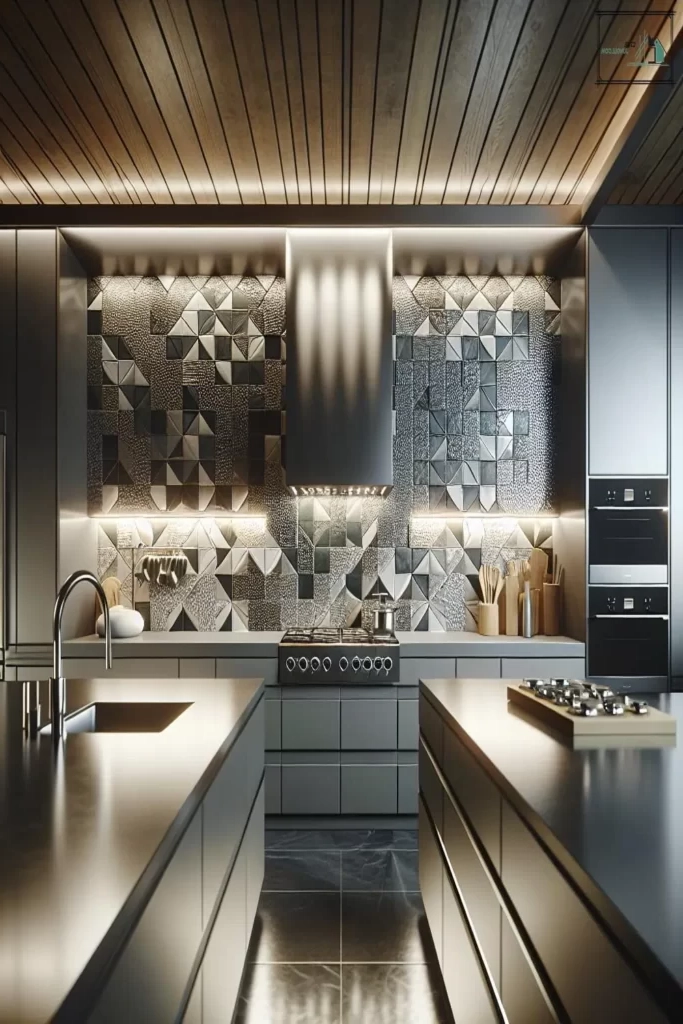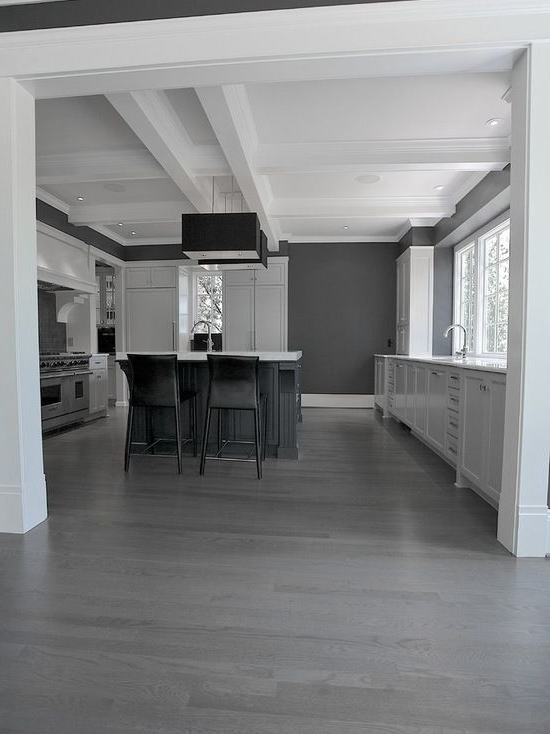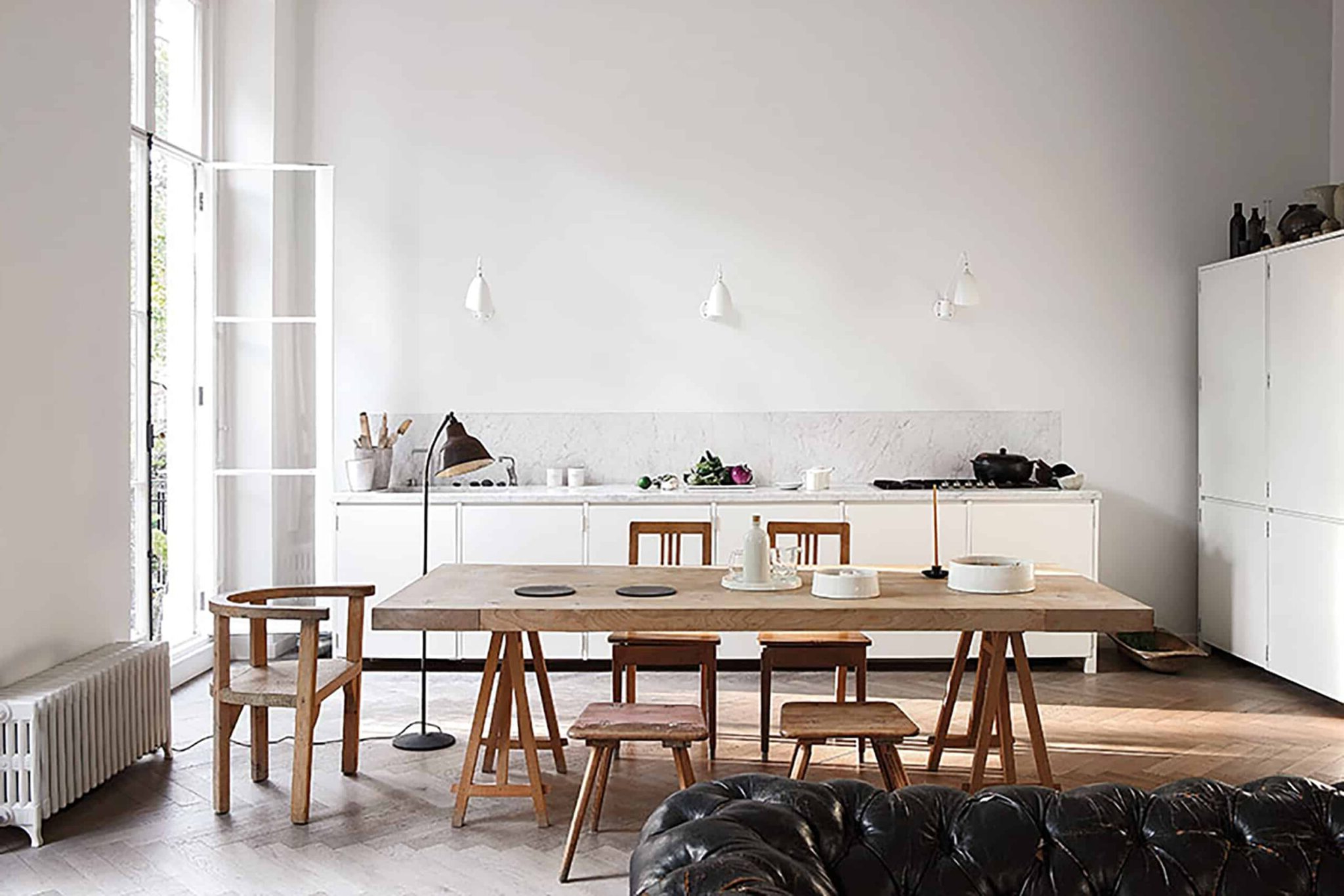
Every morning when you reach for that coffee mug or open your pantry door, you’re making a subconscious choice. These tiny interactions shape your entire kitchen experience, and the handles you choose say a lot about both function and feeling. But have you ever stopped to think about why certain handles feel more natural to grip than others? What makes some designs seem more inviting while others feel cold and clinical? It’s time to uncover the fascinating psychology behind the handles that guide our daily routines.
Kitchen handles might seem like simple accessories, but they’re actually sophisticated tools that influence how we interact with our most-used spaces. They’re everywhere – from the sleek pulls on modern cabinets to the classic knobs on traditional doors. Yet beneath their surface lies a complex web of psychological factors that affect everything from how easily we can open a cabinet to whether we feel comfortable using our kitchen space. The way handles feel in our hands, how they look, and even their placement all contribute to our overall relationship with our kitchen environment. This isn’t just about aesthetics – it’s about creating a space that feels intuitive, comfortable, and genuinely enjoyable to use every single day.
The Role of Touch and Texture
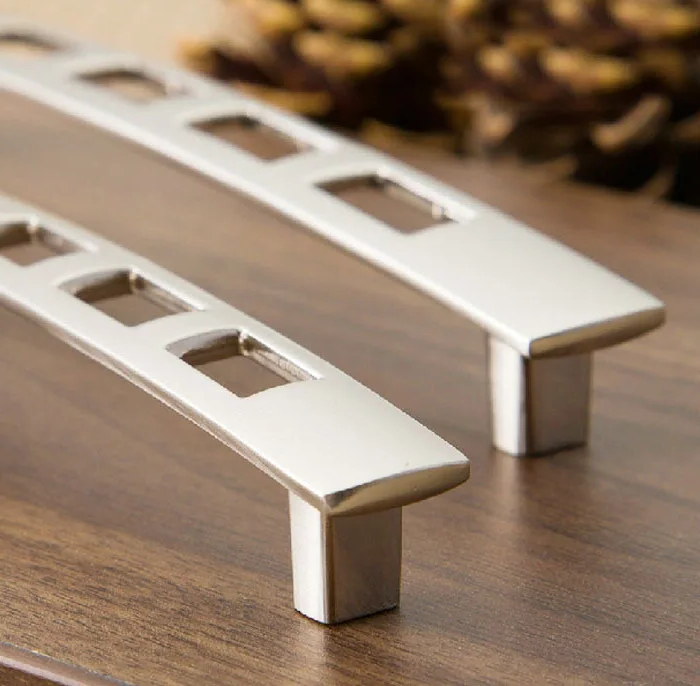
When you first touch a kitchen handle, your brain immediately begins processing sensory information. This isn’t just about visual appeal – it’s about how your skin interacts with different materials and surfaces. Smooth ceramic handles might feel luxurious and clean, while wood-textured options can make a space feel more organic and homey. The texture affects not just comfort but also grip security. A handle that feels too slippery might cause accidents, especially when hands are wet from washing dishes. Consider how a brushed steel handle differs from a matte finish one – the former might feel more modern and sleek, while the latter offers better grip and hides fingerprints more effectively. Think about how you feel when you touch something familiar versus something completely new – that same principle applies to handle textures. A handle that feels right in your hand can make mundane tasks like opening cabinets feel effortless and satisfying.
Visual Psychology and Design Preferences
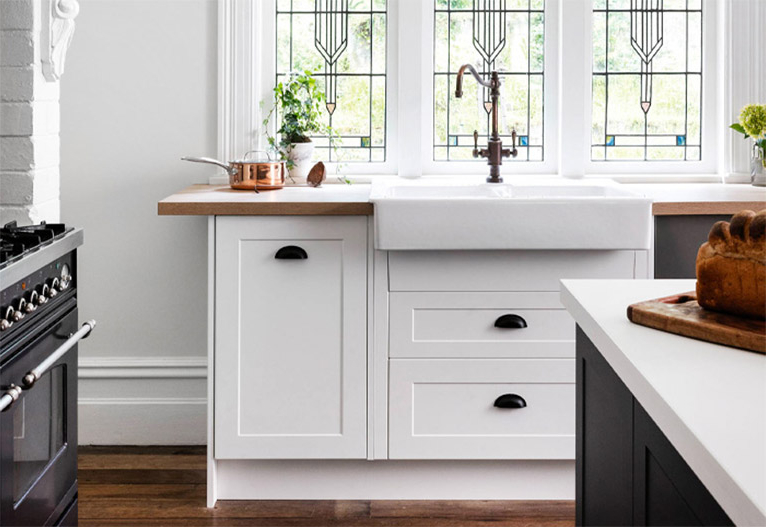
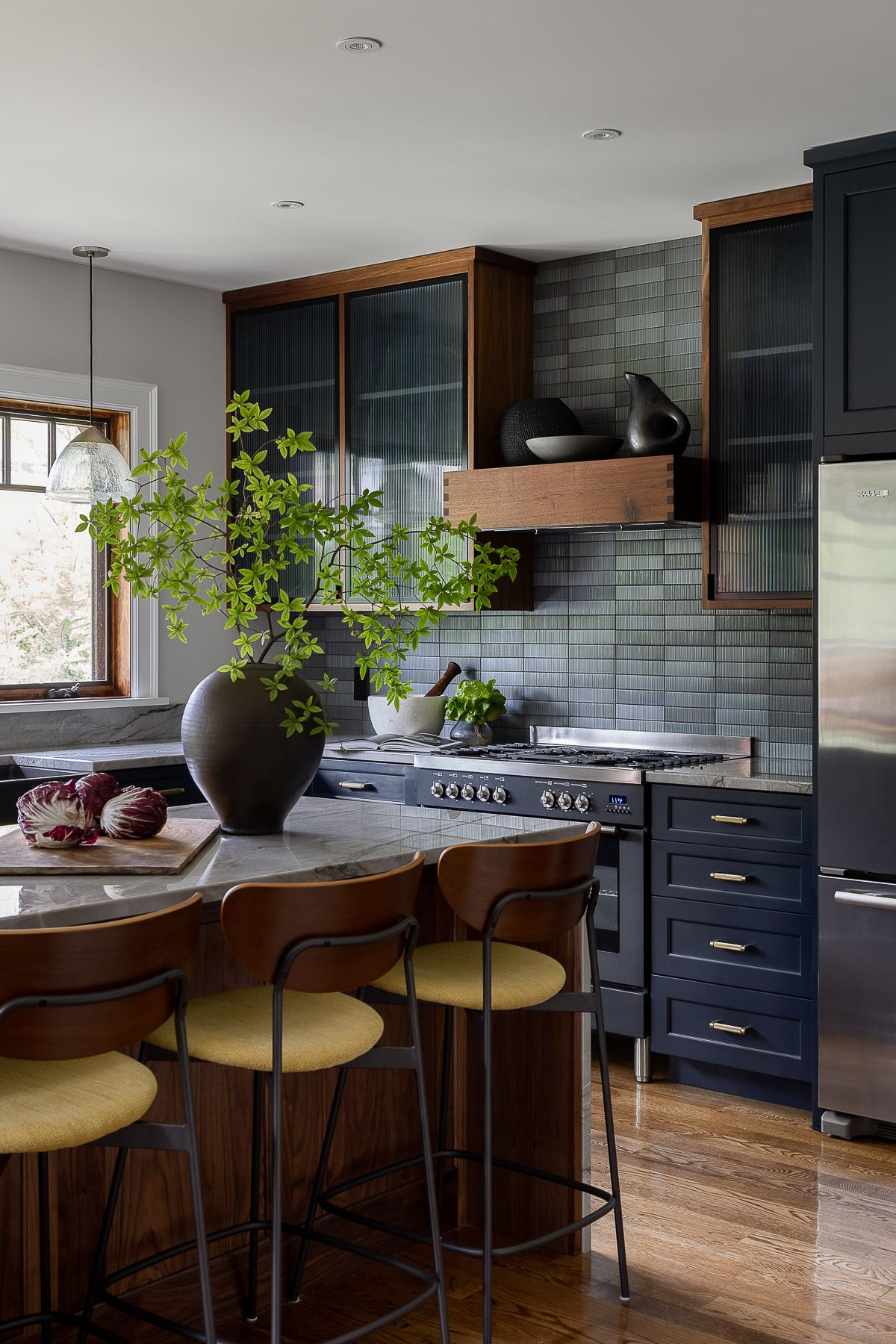
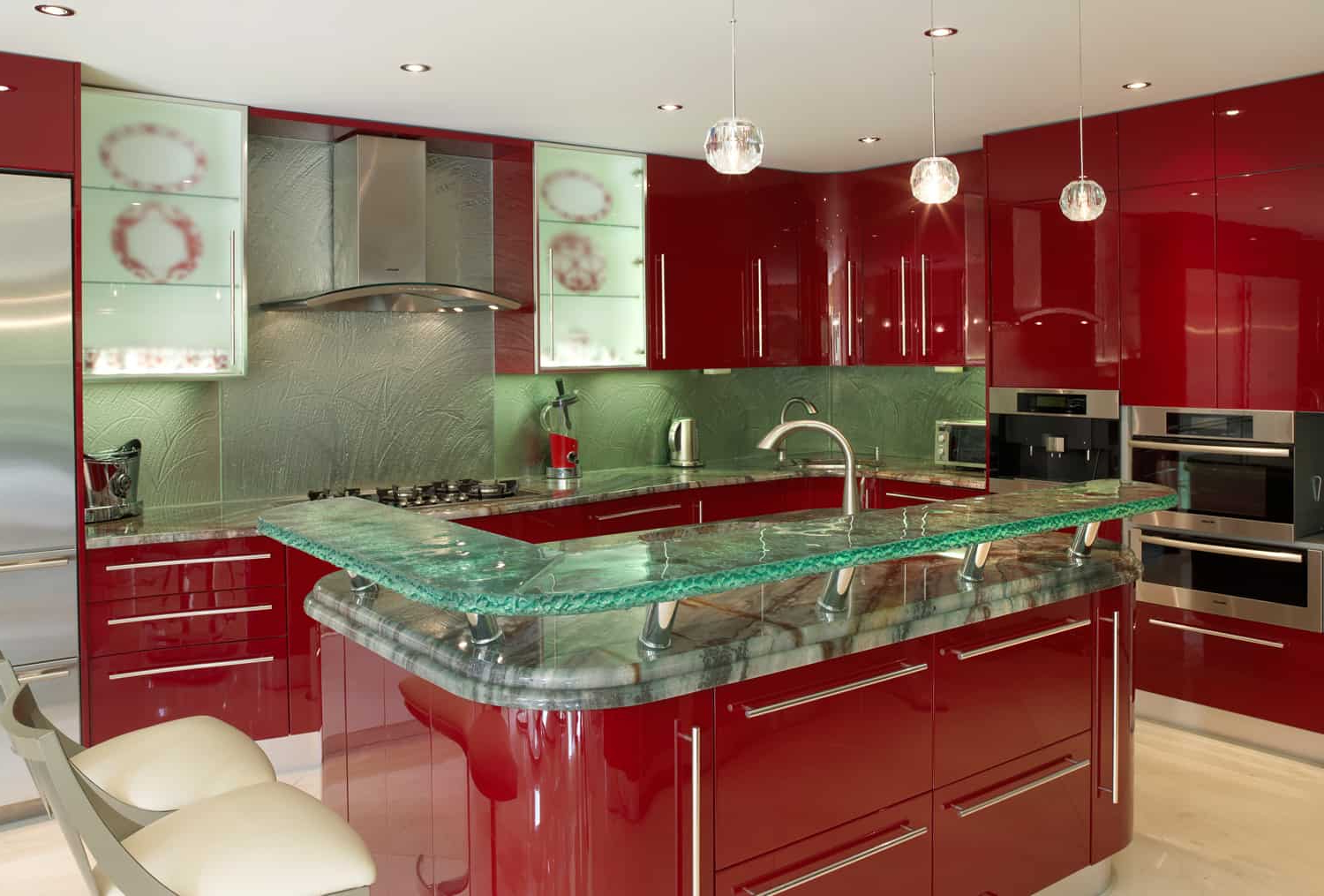
Our eyes are constantly scanning for patterns, shapes, and arrangements that feel right to us. Kitchen handle designs follow these same principles. Curved handles often feel more welcoming and approachable, while angular designs might communicate precision and modernity. The size and proportion of handles matter enormously too. A handle that’s too large can feel overwhelming, while one that’s too small might be difficult to grasp properly. Color choices play a significant role in how we perceive the entire kitchen space. Dark handles can create a sense of sophistication and contrast, while light-colored ones might make a small kitchen feel more spacious. The psychology of color in kitchens is well-documented – warm tones like brass or copper tend to make spaces feel cozier, while cool metals like stainless steel suggest cleanliness and modernity. What happens when you see a handle that seems out of place in your kitchen? Your brain immediately registers that something is off balance, even if you can’t explain exactly why.
Cognitive Load and User Experience
Modern kitchens demand efficiency, and handle selection directly impacts how much mental effort we spend on simple tasks. If a handle requires too much force to operate, or if it’s positioned awkwardly, it creates unnecessary cognitive load. This means your brain has to work harder to accomplish basic functions, which can lead to frustration and fatigue over time. Consider the difference between a handle that opens smoothly with a gentle push versus one that requires a strong grip or awkward twisting motion. The right handle design should make operations feel almost automatic. This is particularly important for elderly users or those with limited mobility – a handle that’s easy to grasp and operate can make a significant difference in independence and confidence. Think about how many times you’ve struggled with a stubborn cabinet handle during a busy morning routine – that moment of frustration is exactly what poor handle design creates.
Emotional Connection and Personal Identity
Handles aren’t just functional elements – they’re part of our emotional relationship with our homes. The choices we make about kitchen hardware often reflect our personal style and values. A handle that feels nostalgic might remind you of your grandmother’s kitchen, while a modern geometric design could express your contemporary aesthetic preferences. This emotional connection extends beyond appearance to how the handle makes you feel when you interact with it. Does it make you feel confident and capable, or does it make you feel uncertain and clumsy? People often describe their kitchen handles as feeling like extensions of themselves – the right handle can make you feel more organized and put-together, while the wrong one might make you feel frustrated and inefficient. This psychological attachment to hardware can be surprisingly powerful, influencing how satisfied you are with your entire kitchen space.
Accessibility and Inclusivity Considerations
The psychology of handle selection must also consider how different people interact with their kitchens. Age, physical ability, and dexterity all play roles in how someone uses handles. For older adults, handles that require minimal grip strength and offer good tactile feedback are essential. Large, easy-to-grasp handles work better than small, intricate designs. For children or people with arthritis, the same principles apply – handles should accommodate various hand sizes and grip abilities. The concept of universal design becomes crucial here, ensuring that kitchen handles serve everyone in the household. Consider how a handle designed for someone with limited hand mobility might differ from one designed for someone with full range of motion. The goal isn’t to create one-size-fits-all solutions, but rather to recognize that different users have different needs and preferences. This inclusive approach to handle selection can make kitchens more welcoming and usable for everyone.
Practical Applications and Real-World Examples
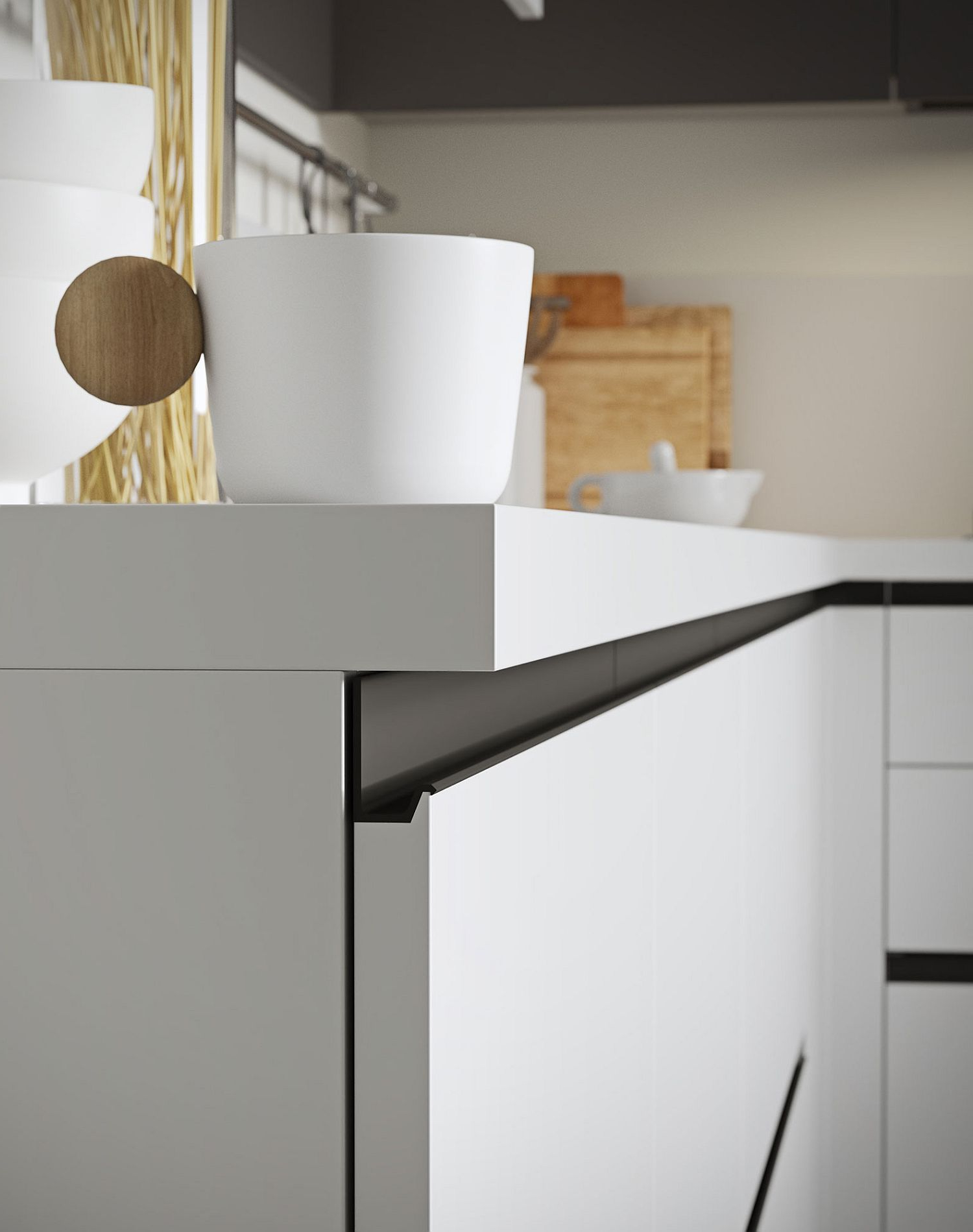
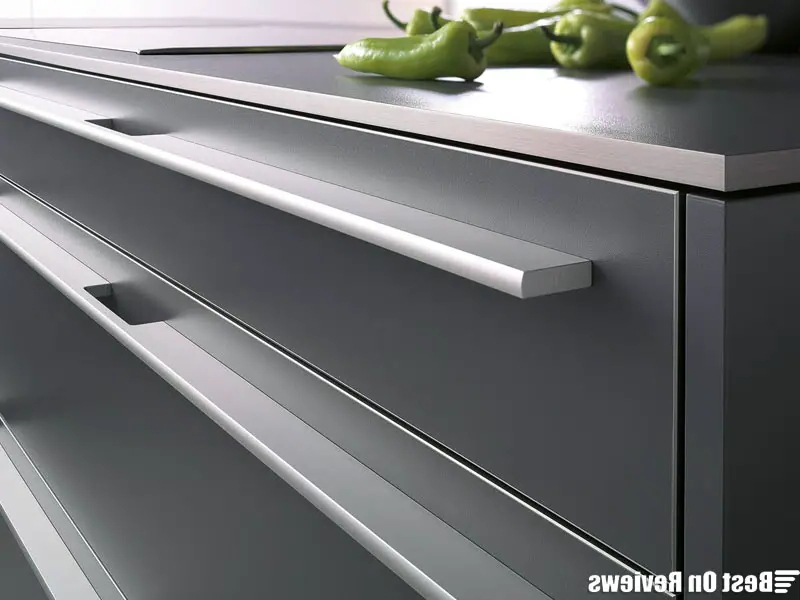
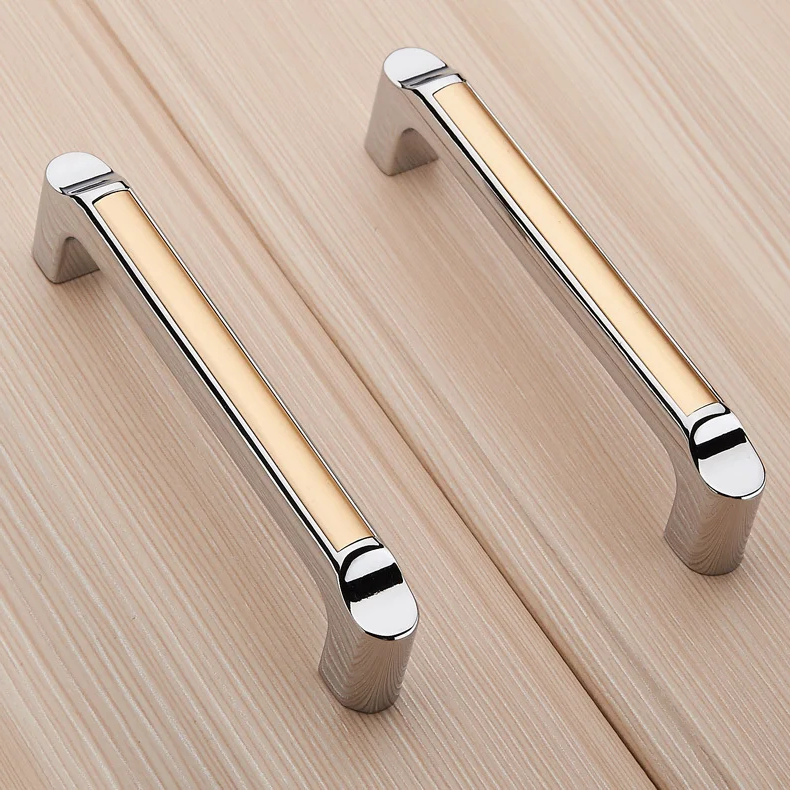
Let’s look at some actual situations where handle psychology makes a real difference. A popular trend in modern kitchens is the use of continuous rail handles that span multiple cabinet doors – these create a seamless look but require careful consideration of length and spacing. The psychological effect is one of elegance and continuity, but the practical impact depends on how well they’re sized and positioned. Another common scenario involves mixing materials – combining wood and metal in the same kitchen can create visual interest, but it also requires thoughtful planning to ensure the combination feels intentional rather than chaotic. Consider how a kitchen might feel with all handles being the same material versus having variety – the latter can create interesting focal points but might also overwhelm the senses. Real-world examples show that successful kitchens often feature handles that complement each other in both form and function, creating a cohesive experience that supports daily activities without drawing attention to the hardware itself.
The next time you find yourself choosing kitchen handles, remember that you’re making decisions that go far beyond simple decoration. Every curve, color, and texture contributes to how you feel in your kitchen and how efficiently you can navigate your daily routine. The psychology behind handle selection reveals that these small details matter tremendously – they can make your kitchen feel more comfortable, efficient, and personally satisfying. Whether you’re designing a new kitchen or updating an existing one, consider how your handle choices support your lifestyle and your emotional connection to the space. The right handles don’t just look good – they make your life easier, your kitchen more enjoyable, and your daily routine more pleasant. Ultimately, the best handle selections are those that feel intuitive and supportive, helping you focus on what matters most: enjoying your kitchen and the moments you create within it.
[sps_html tag=”img” src=”https://roofdrivein.com/wp-content/uploads/2026/01/24-dreamy-modern-kitchen-cabinets-hardware-home-decoration-and-with-regard-to-modern-kitchen-handles-for-cabinets.jpg” alt=”24 Dreamy Modern Kitchen Cabinets Hardware - Home Decoration And … with regard to Modern Kitchen Handles For Cabinets” style=”width: 100%; height: auto;”]
[sps_html tag=”img” src=”https://roofdrivein.com/wp-content/uploads/2026/01/unique-minimalist-kitchen-handles-matte-black-cabinet-knobs-and-pulls-throughout-understanding-the-psychology-behind-modern-kitchen-handle-selection.jpg” alt=”Unique Minimalist Kitchen Handles Matte Black Cabinet Knobs And Pulls throughout Understanding the Psychology Behind Modern Kitchen Handle Selection” style=”width: 100%; height: auto;”]
[sps_html tag=”img” src=”https://roofdrivein.com/wp-content/uploads/2026/01/making-a-statement-in-the-kitchen-with-modern-cabinet-handles-home-in-understanding-the-psychology-behind-modern-kitchen-handle-selection.jpg” alt=”Making A Statement In The Kitchen With Modern Cabinet Handles - Home … in Understanding the Psychology Behind Modern Kitchen Handle Selection” style=”width: 100%; height: auto;”]
[sps_html tag=”img” src=”https://roofdrivein.com/wp-content/uploads/2026/01/12-modern-kitchen-handles-we-love-right-now-mouths-of-mums-with-regard-to-modern-kitchen-handles-for-cabinets.jpg” alt=”12 Modern Kitchen Handles We Love Right Now - Mouths Of Mums with regard to Modern Kitchen Handles For Cabinets” style=”width: 100%; height: auto;”]
[sps_html tag=”img” src=”https://roofdrivein.com/wp-content/uploads/2026/01/the-9-best-modern-kitchen-cabinet-handles-throughout-understanding-the-psychology-behind-modern-kitchen-handle-selection.jpg” alt=”The 9 Best Modern Kitchen Cabinet Handles throughout Understanding the Psychology Behind Modern Kitchen Handle Selection” style=”width: 100%; height: auto;”]