Have you ever noticed how different kitchen layouts make you feel? Maybe one space feels energizing while another makes you want to escape. It’s not just about aesthetics—it’s about psychology. The way we arrange our kitchens speaks volumes about how we want to live, work, and interact with our spaces.
Kitchens aren’t just places where we cook meals anymore. They’ve evolved into the heart of our homes, serving as social hubs, creative spaces, and even personal sanctuaries. But what really matters when designing or rearranging your kitchen? The answer lies in understanding the psychology behind contemporary layouts. Every countertop placement, every appliance position, and every design decision impacts not just functionality but our emotional well-being. Whether you’re planning a complete kitchen overhaul or simply reorganizing your current space, grasping these psychological principles can transform how you experience your daily routine.
The Science of Flow and Movement
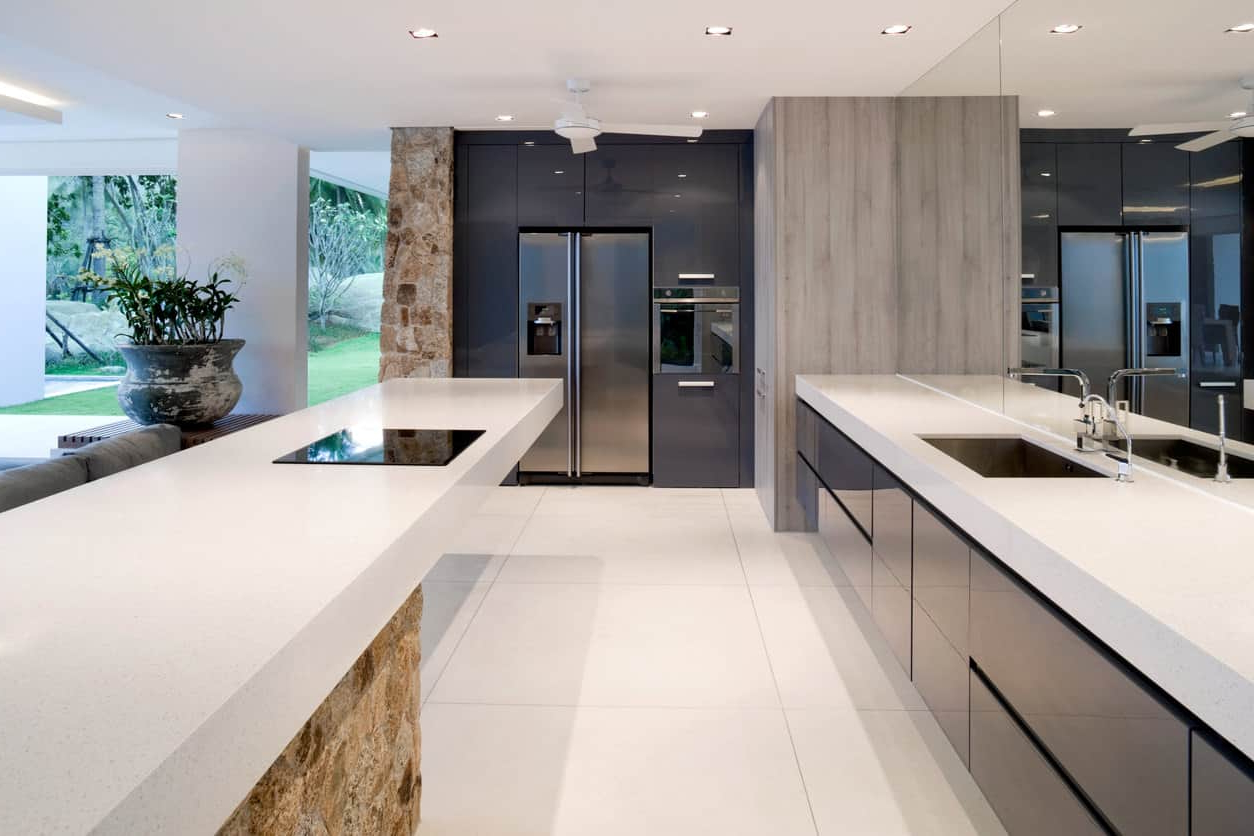
Think about how you move through your kitchen. Do you follow a natural path from fridge to sink to stove? That’s not accidental. The psychology of kitchen layout revolves around creating smooth, intuitive pathways. When you can navigate your kitchen effortlessly, you feel confident and efficient. But when everything feels cramped or misaligned, stress builds up. This concept isn’t new—architects and designers have long understood that movement patterns directly affect comfort levels. For example, the famous ‘work triangle’ principle suggests placing the refrigerator, sink, and stove within easy reach of each other. This creates a logical workflow that reduces fatigue and anxiety during meal prep. Modern kitchens often incorporate multiple work zones, allowing for multitasking without feeling overwhelmed. Try visualizing your kitchen as a three-dimensional dance floor—every element should move together in harmony rather than compete for attention.
Color Psychology and Emotional Impact
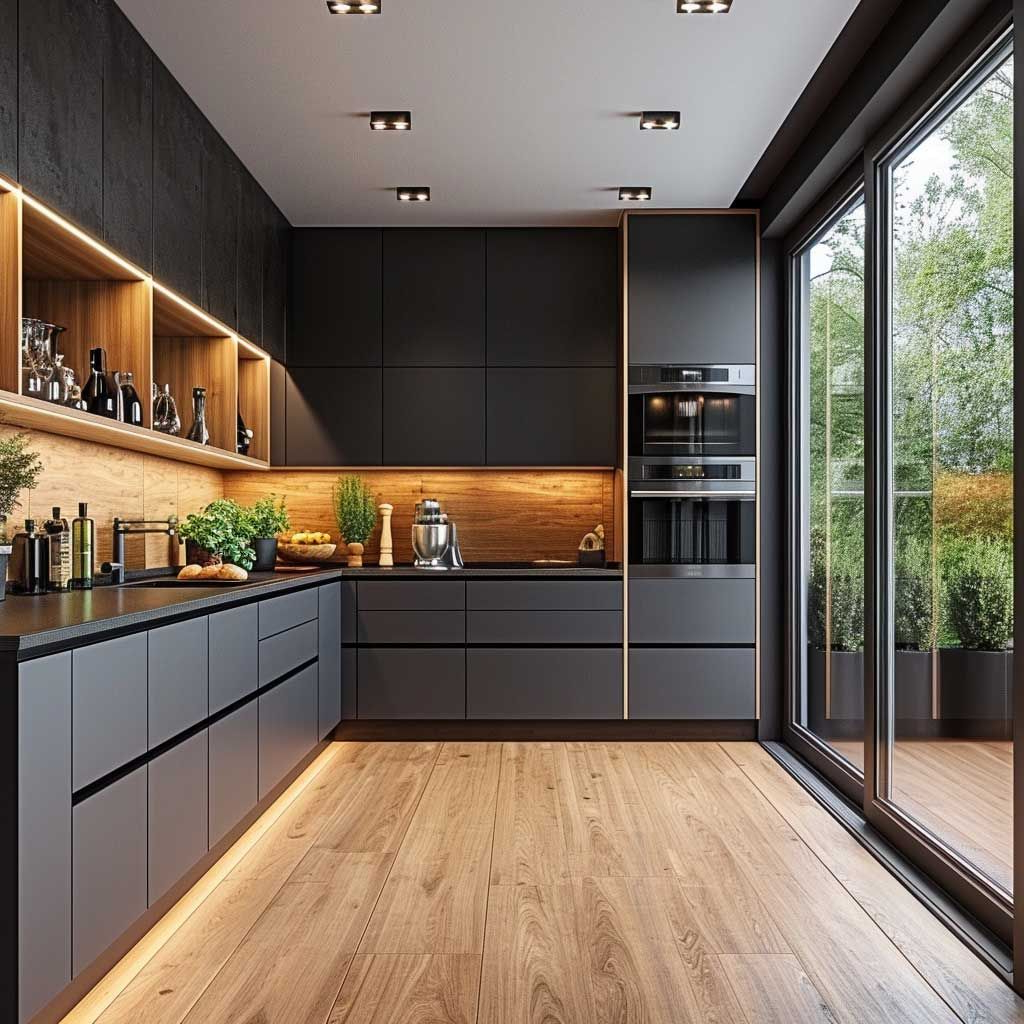
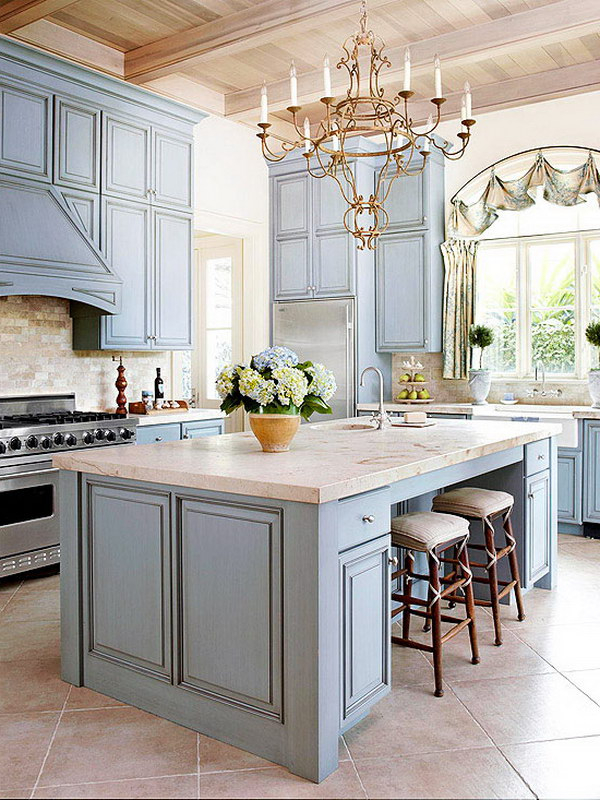
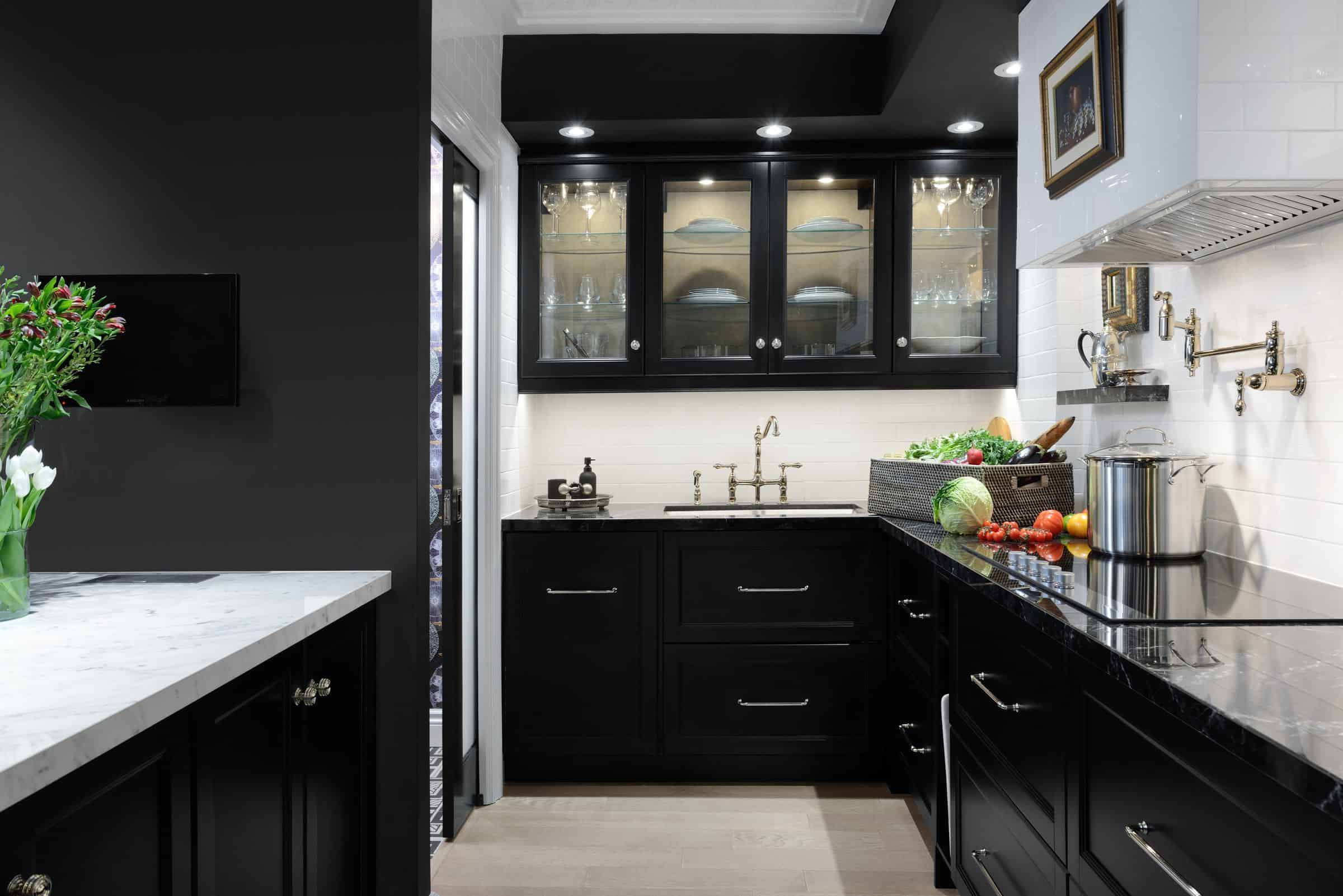
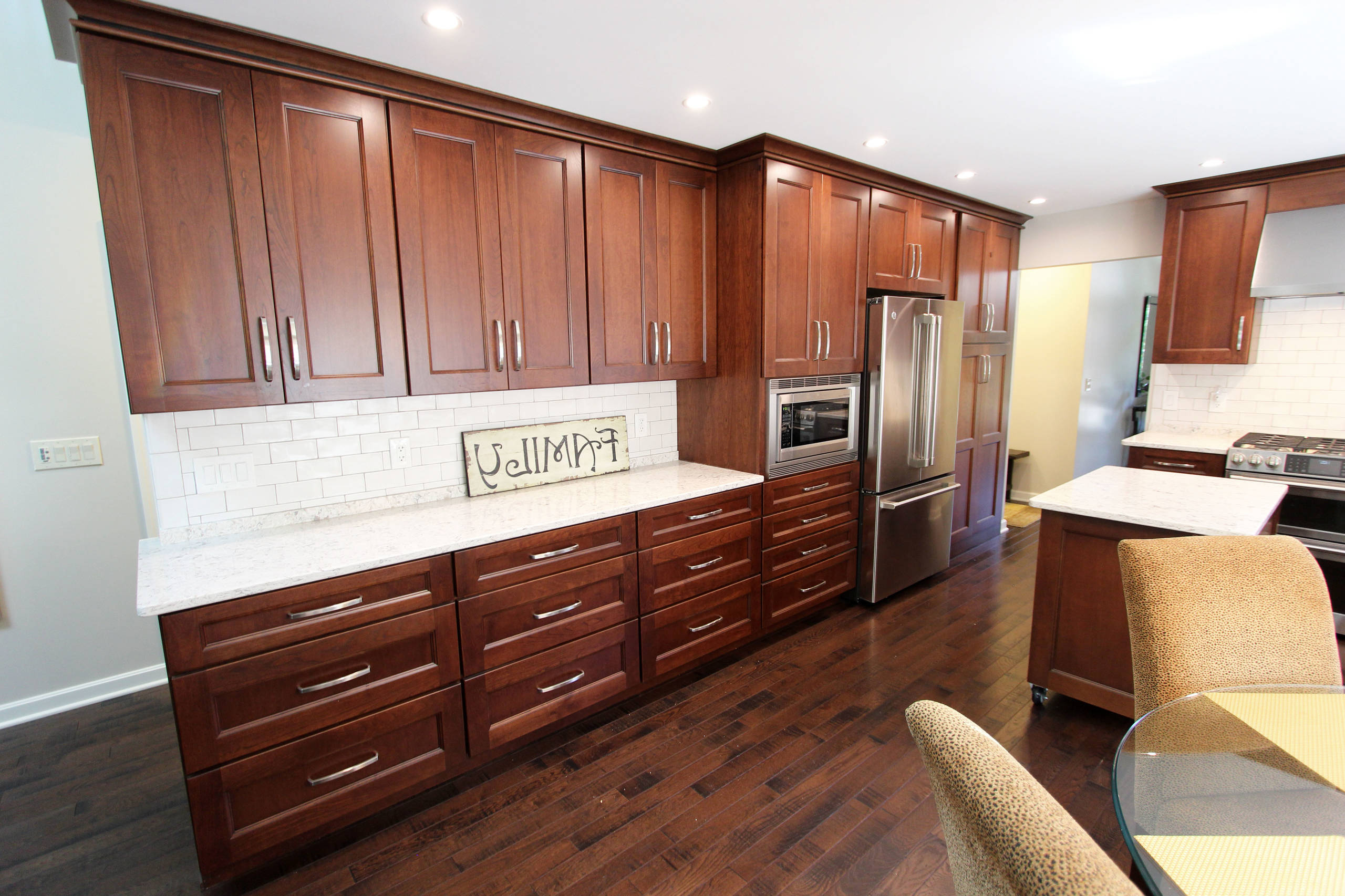
Colors don’t just decorate your kitchen—they influence your mood and behavior. Warm tones like reds and oranges can stimulate appetite and energy, making them perfect for dining areas. Cool blues and greens promote calmness and clarity, ideal for prep zones where focus matters. Neutral colors like beige and white create spaciousness and cleanliness, helping people feel more organized. But here’s the thing: too much of any color can overwhelm. Think about how you feel in a room painted entirely in bright yellow versus one with soft pastels. The psychology of color is subtle but powerful. Many people unconsciously gravitate toward certain hues because they associate them with positive memories or feelings. A kitchen painted in warm terracotta might remind someone of their grandmother’s cozy kitchen, triggering comfort. Understanding these associations helps explain why some people feel inspired in a bright, modern space while others prefer the warmth of wood tones and earthy colors.
Lighting and Its Influence on Mood
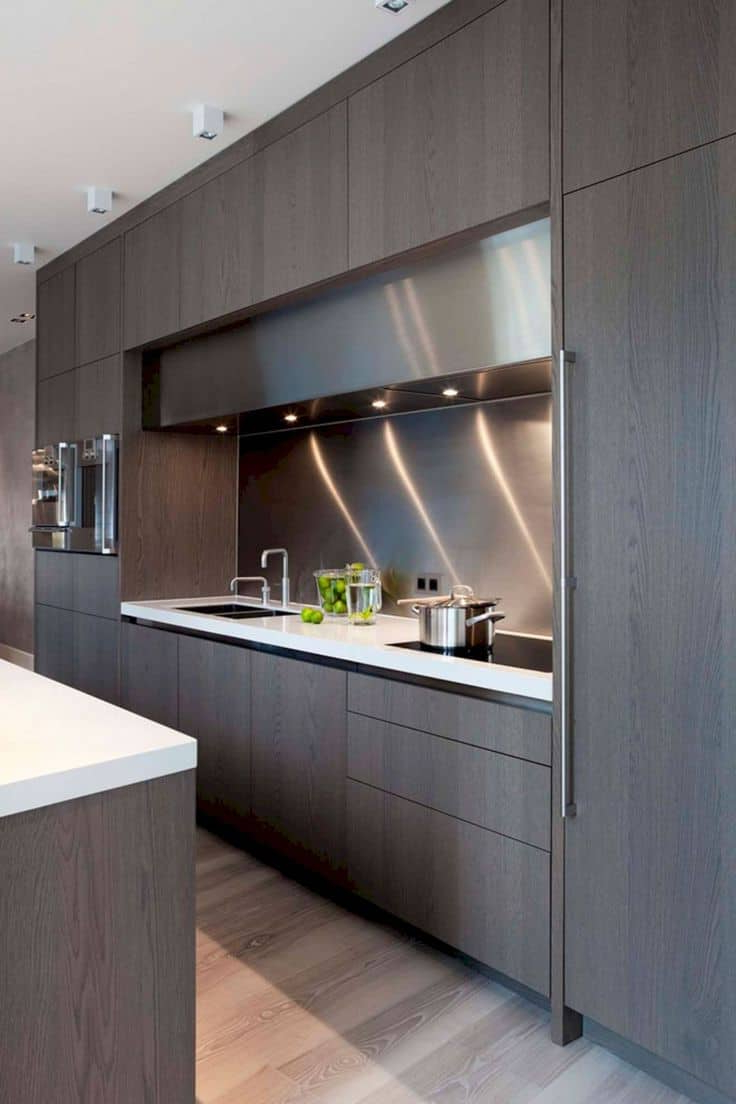
Natural light is like a mood booster for any room. When sunlight floods your kitchen, it naturally lifts spirits and increases alertness. But what happens when you’re cooking after dark? The right lighting can make all the difference. Task lighting over countertops helps prevent eye strain and mistakes in food preparation. Ambient lighting sets the tone for relaxation or productivity. Dimmable options offer flexibility throughout the day. Studies show that people working in well-lit environments make fewer errors and feel more satisfied with their tasks. Consider how different lighting scenarios affect your kitchen experience. Morning light might energize you for breakfast prep, while softer evening lights create a welcoming atmosphere for dinner. Some kitchens now feature smart lighting systems that adjust automatically based on time of day or activity. These technologies tap into our biological rhythms, supporting natural sleep-wake cycles and overall wellness.
Storage Solutions and Mental Clarity
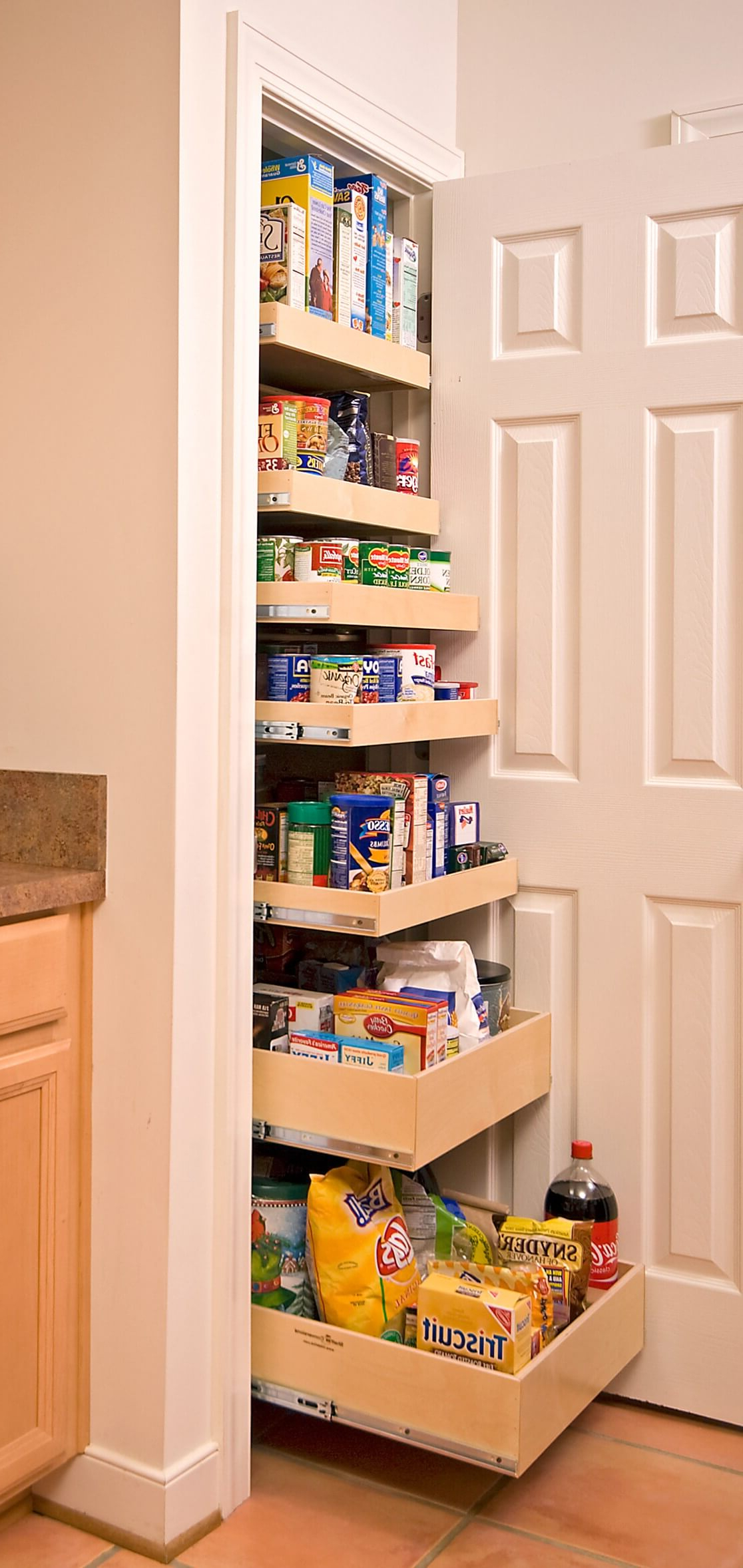
A cluttered kitchen leads to a cluttered mind. The psychology behind storage isn’t just about keeping things neat—it’s about mental organization. When everything has its place, your brain doesn’t waste energy trying to remember where things are. Open shelving can make a space feel airy and inviting, but too much exposure can lead to visual chaos. Closed cabinets offer privacy and order, though they may feel restrictive. The key is balance. Pull-out drawers, pantry organizers, and labeled containers all contribute to reducing cognitive load. People who keep their kitchens tidy report lower stress levels and better decision-making abilities. This isn’t just about appearance—it’s about mental efficiency. Imagine preparing dinner with a clean, organized workspace versus searching through messy cabinets for ingredients. The difference in stress levels and cooking satisfaction is remarkable. Modern kitchen designs often incorporate hidden storage solutions that maintain visual appeal while maximizing practicality.
Social Spaces and Connection Patterns
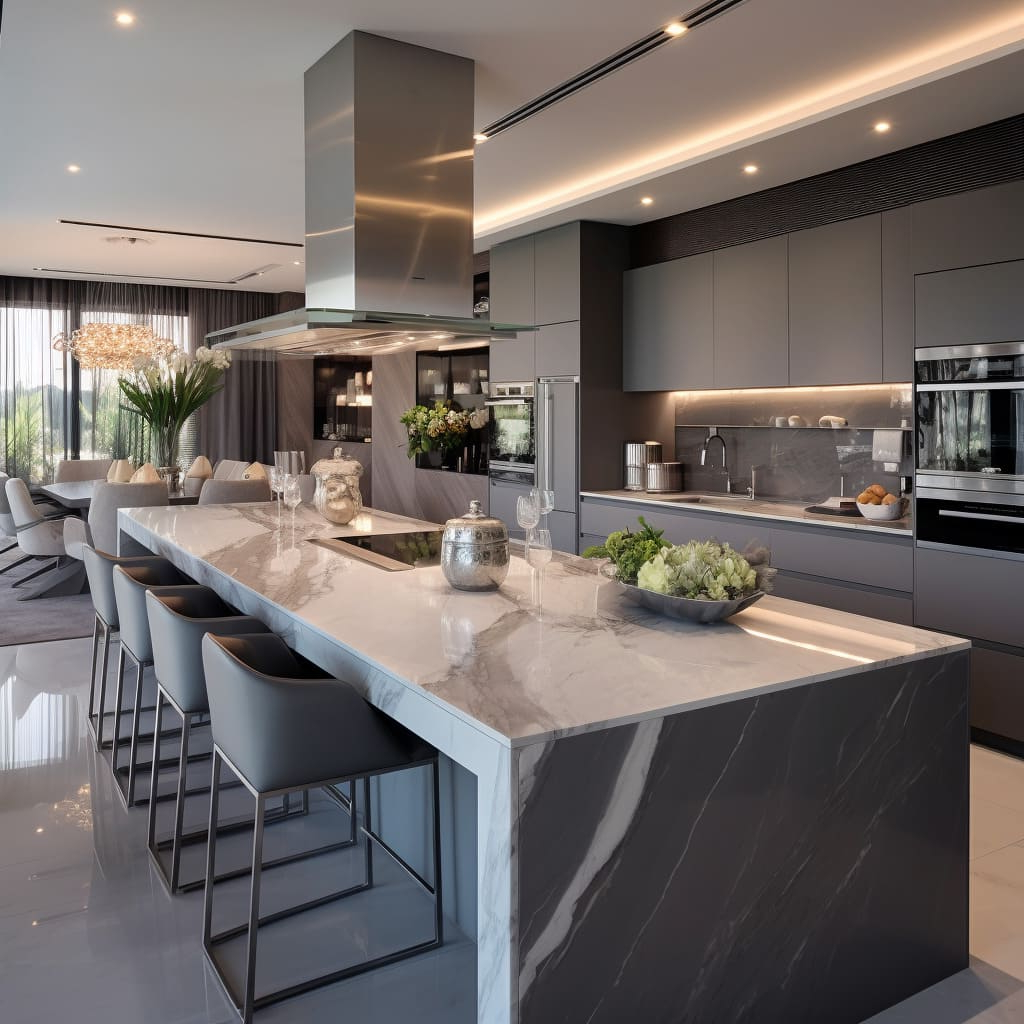
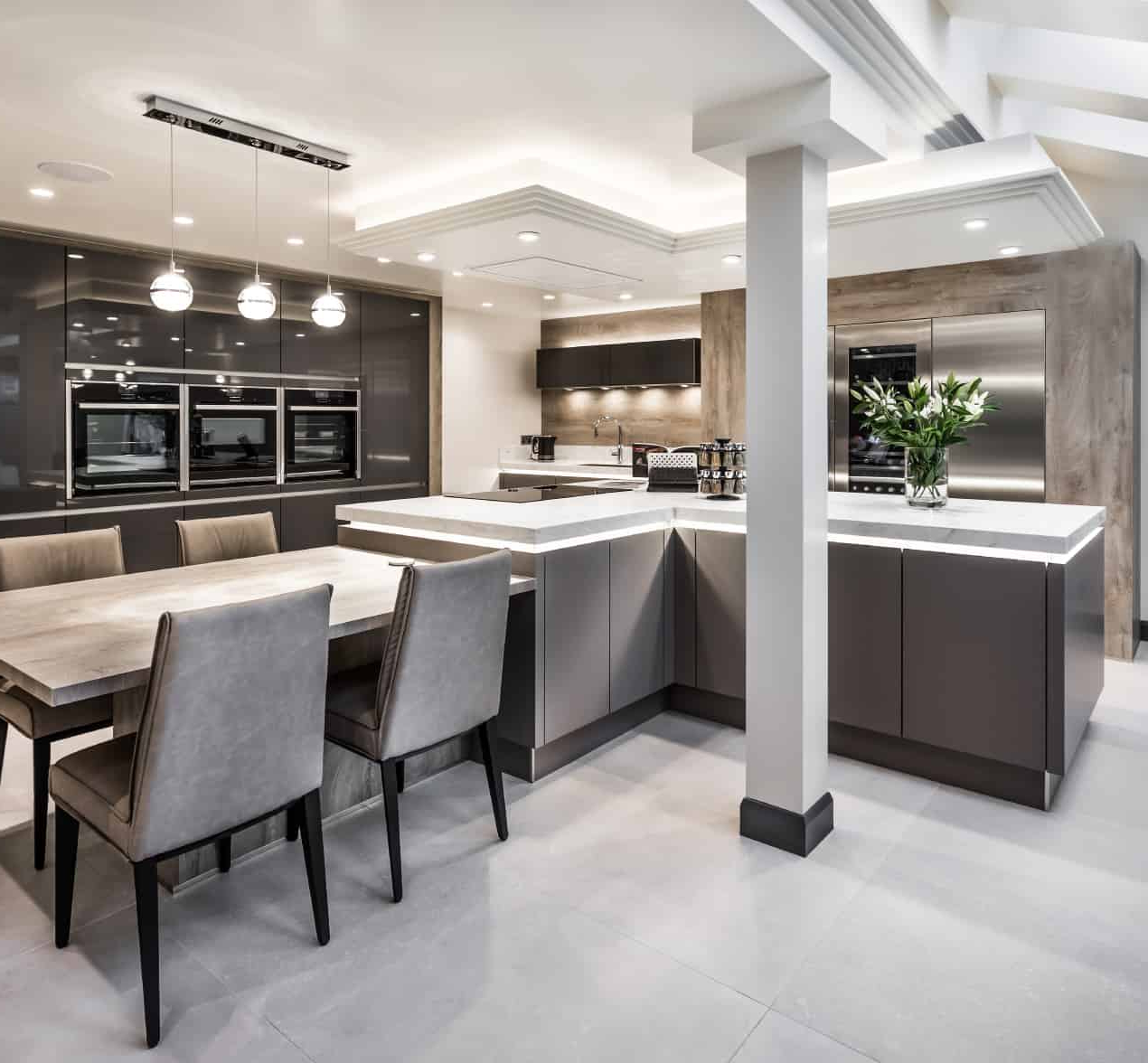
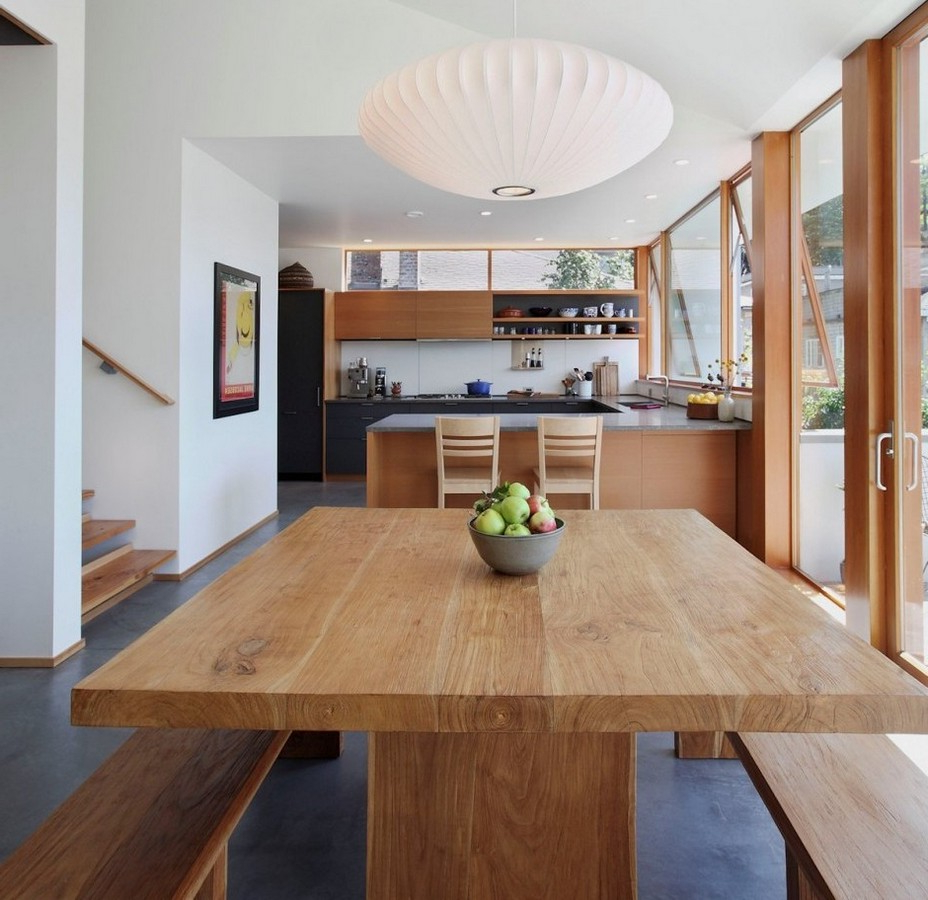
Today’s kitchens often double as living rooms, family centers, and gathering spots. The layout affects how people connect with each other and with the space itself. Islands that separate rather than unite can create barriers between family members or guests. Open designs encourage conversation and collaboration, especially during meal prep. But there’s a sweet spot—the kitchen should invite interaction without forcing it. Some people thrive in open-concept spaces where they can watch others cook or chat while preparing meals. Others prefer more defined areas that allow for quiet work or focused activities. The psychology of social spaces in kitchens relates directly to how families function. When everyone can participate in food preparation, it builds stronger bonds. But when the kitchen becomes a battleground of competing personalities, it can cause tension. Successful layouts consider both group dynamics and individual needs, creating flexible spaces that adapt to various situations.
Personalization and Identity Expression
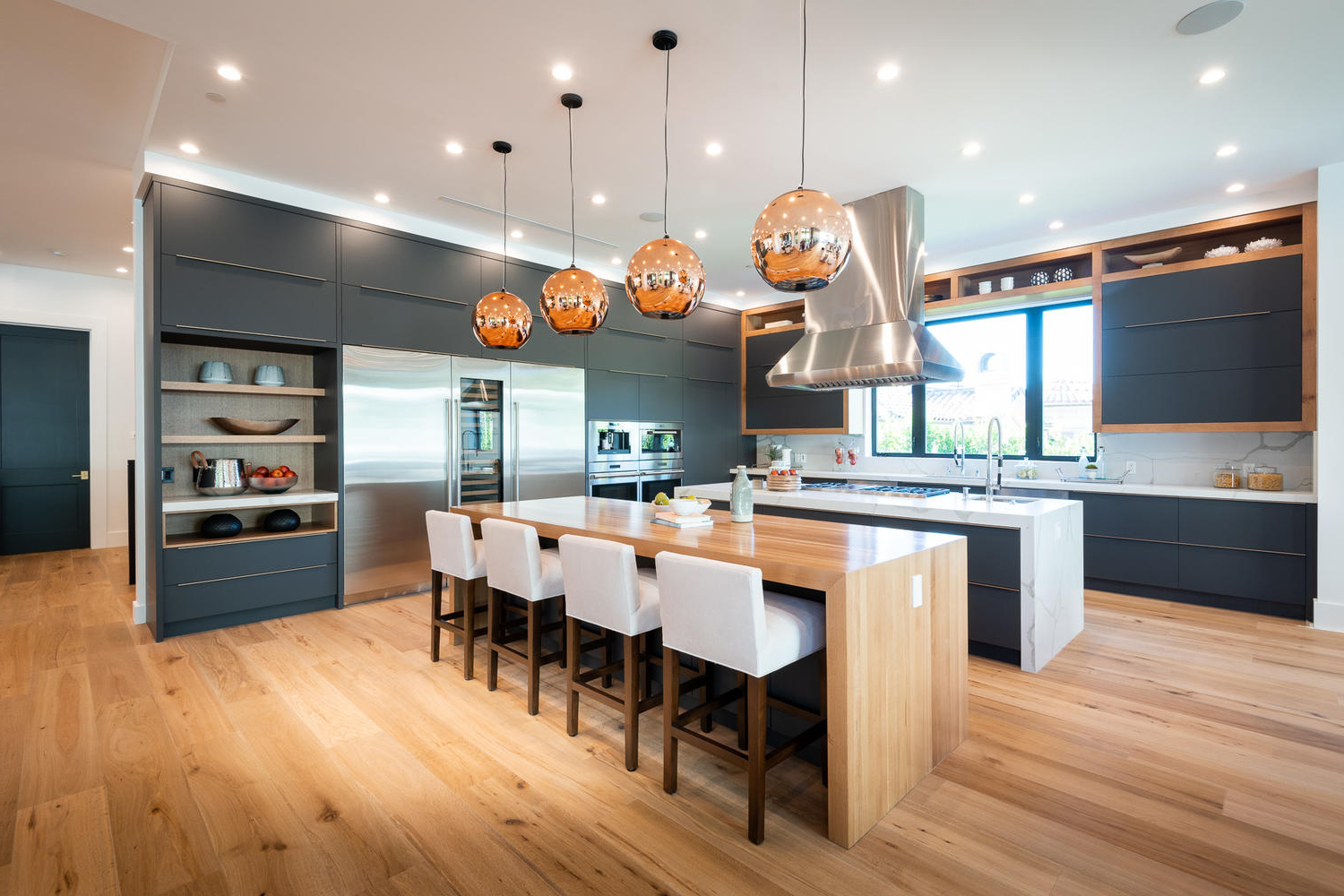
Every kitchen tells a story about its owner. The choice of materials, colors, and styles reflects personal values and lifestyle preferences. Someone who loves entertaining might choose a large island and high-top seating for social gatherings. A busy parent might prioritize practical features like easy cleanup surfaces and quick-access storage. The psychology of personalization goes beyond simple decoration—it’s about expressing who you are and how you want to live. Custom elements like built-in spice racks or personalized artwork can make a space truly yours. These touches create emotional connections that go beyond functionality. When people feel connected to their environment, they’re more likely to take care of it and enjoy using it regularly. Consider how your kitchen reflects your personality. Does it inspire creativity or cause frustration? The answers often reveal important insights about your relationship with your home and yourself.
Understanding the psychology behind contemporary kitchen layouts reveals how deeply design choices impact our daily lives. From the way we move through space to how we process information and connect with others, every aspect of kitchen design influences our well-being. The best kitchen layouts aren’t just functional—they’re designed to support our emotional needs and enhance our quality of life. Whether you’re planning a major renovation or simply rearranging your current space, consider how each element contributes to your overall experience. Remember that your kitchen should feel like a friend—comfortable, supportive, and encouraging. By applying these psychological principles, you can create a space that not only looks great but also makes you feel good every single day. The most successful kitchen designs are those that recognize that we don’t just eat in our kitchens—we live, work, and connect there too. So take a moment to evaluate your space honestly. What does it say about you? How could it better serve your needs? The answers might surprise you.
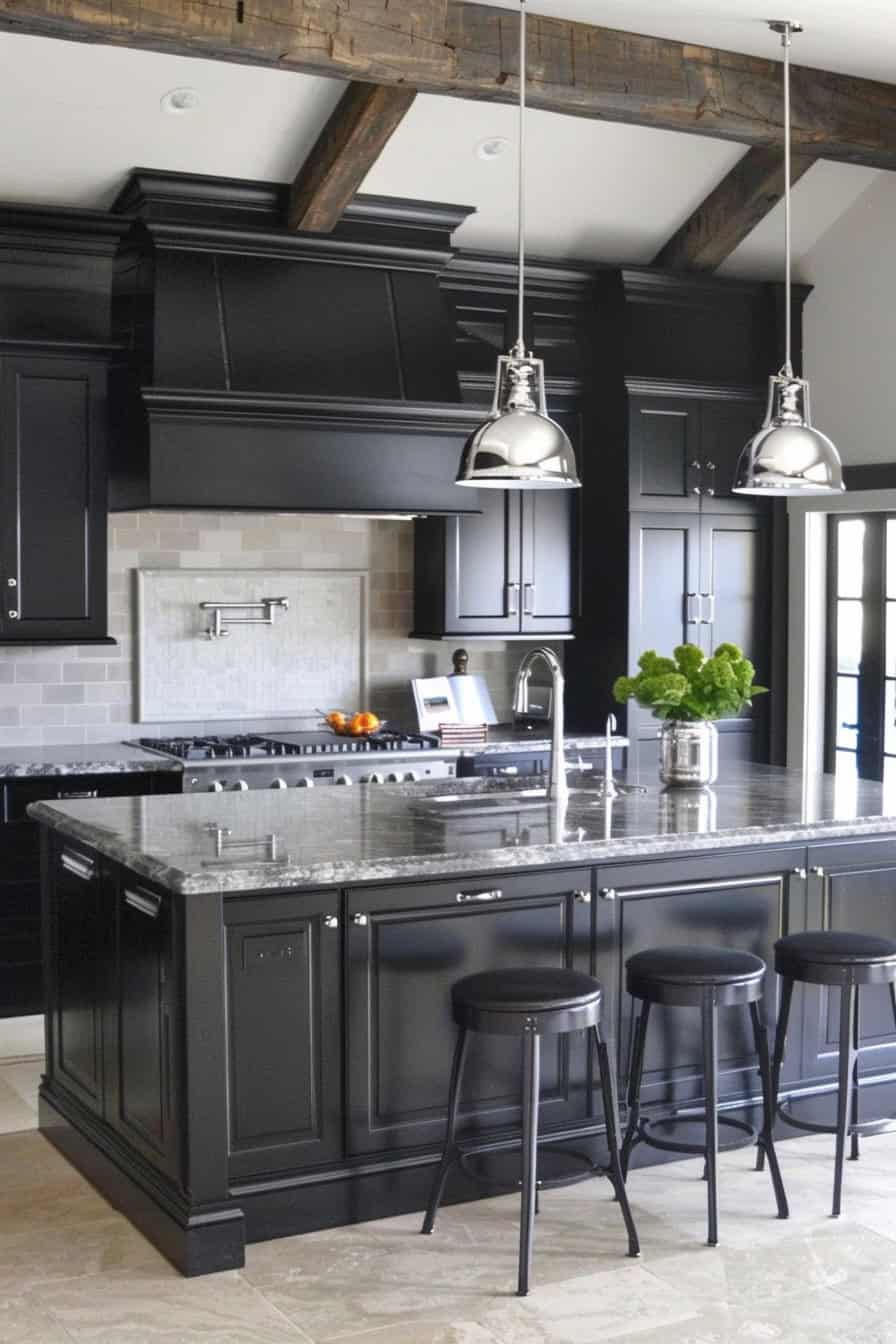
[sps_html tag=”img” src=”https://roofdrivein.com/wp-content/uploads/2026/01/modern-home-interior-design-kitchen-cabinets-matttroy-in-understanding-the-psychology-behind-contemporary-kitchen-layouts.jpg” alt=”Modern Home Interior Design Kitchen | Cabinets Matttroy in Understanding the Psychology Behind Contemporary Kitchen Layouts” style=”width: 100%; height: auto;”]
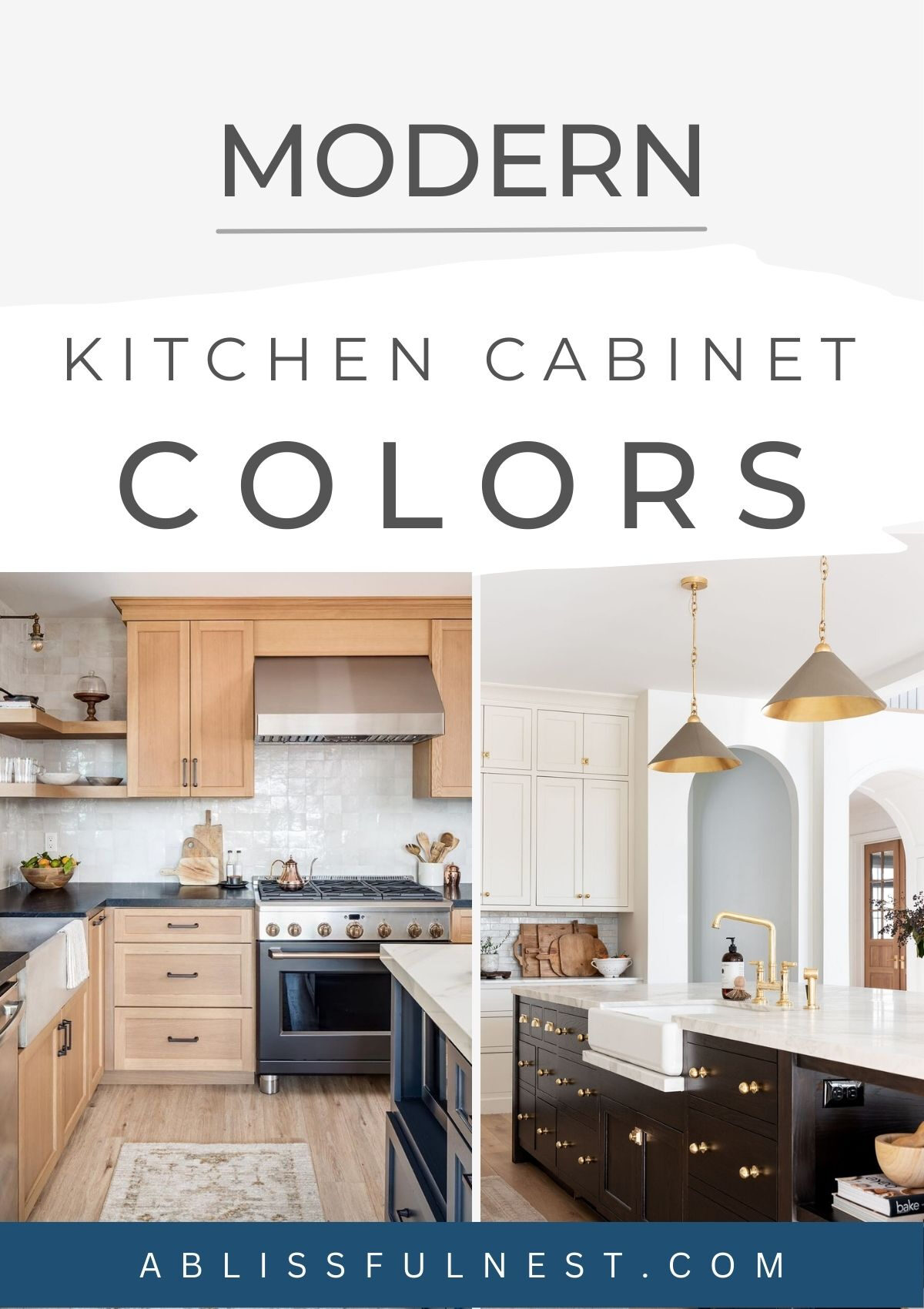
[sps_html tag=”img” src=”https://roofdrivein.com/wp-content/uploads/2026/01/contemporary-designer-kitchens-contemporary-kitchen-design-centre-in-understanding-the-psychology-behind-contemporary-kitchen-layouts.jpg” alt=”Contemporary Designer Kitchens | Contemporary Kitchen Design Centre in Understanding the Psychology Behind Contemporary Kitchen Layouts” style=”width: 100%; height: auto;”]
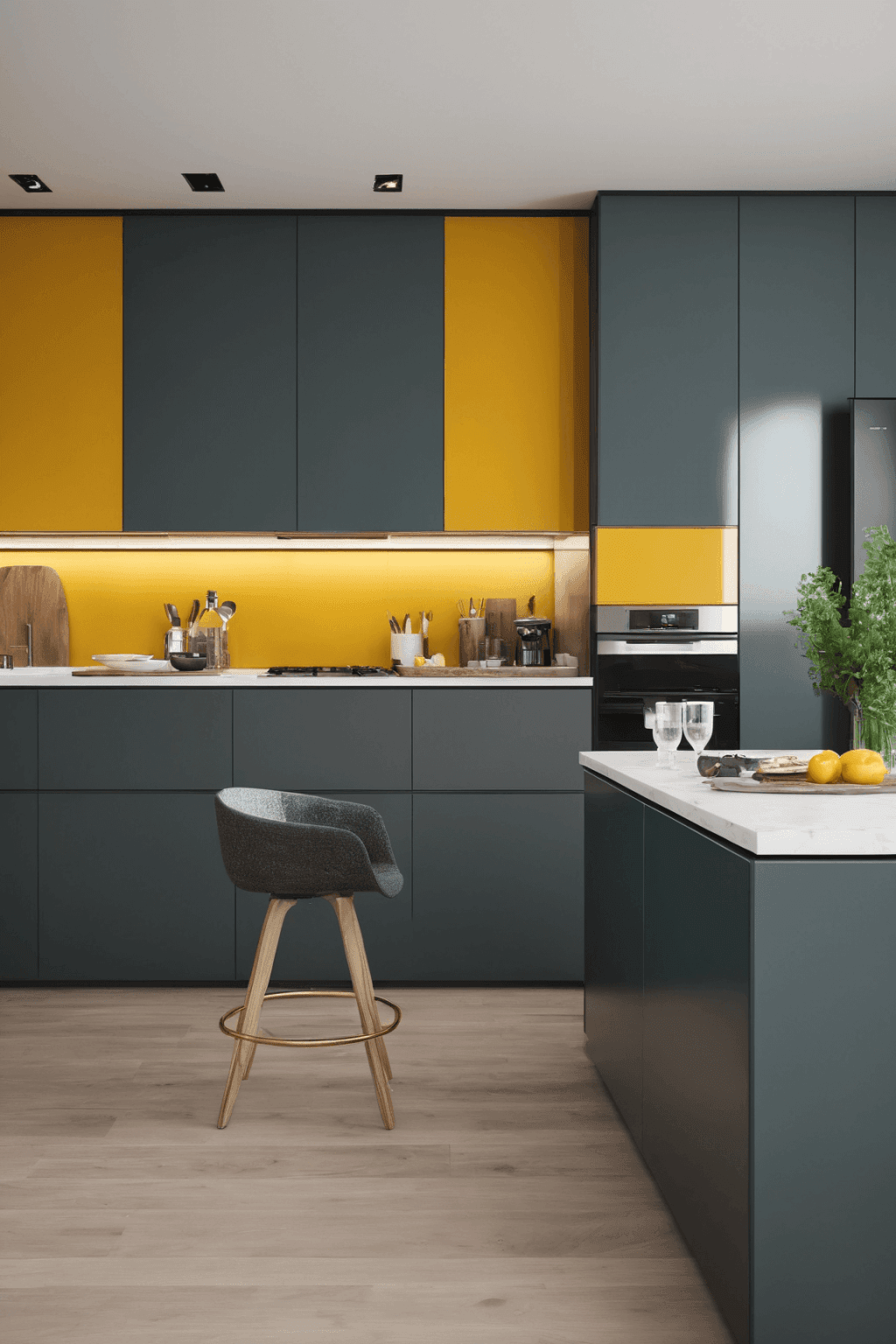
[sps_html tag=”img” src=”https://roofdrivein.com/wp-content/uploads/2026/01/60-modern-kitchen-design-ideas-photos-home-stratosphere-with-understanding-the-psychology-behind-contemporary-kitchen-layouts.jpg” alt=”60 Modern Kitchen Design Ideas (Photos) - Home Stratosphere with Understanding the Psychology Behind Contemporary Kitchen Layouts” style=”width: 100%; height: auto;”]
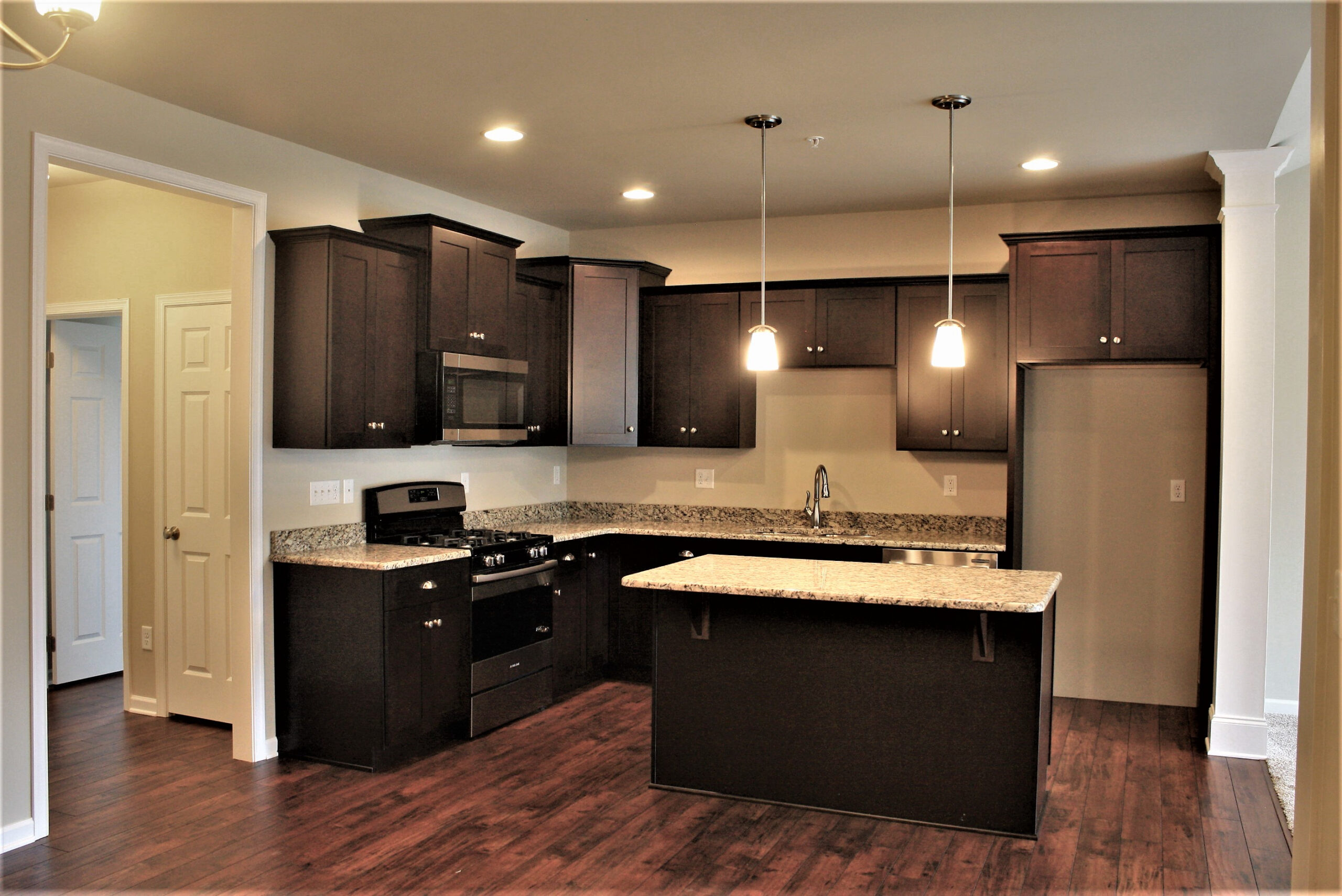
[sps_html tag=”img” src=”https://roofdrivein.com/wp-content/uploads/2026/01/discover-the-charm-of-l-shaped-kitchens-in-modern-design-333-images-with-regard-to-understanding-the-psychology-behind-contemporary-kitchen-layouts.jpg” alt=”Discover The Charm Of L Shaped Kitchens In Modern Design • 333+ Images … with regard to Understanding the Psychology Behind Contemporary Kitchen Layouts” style=”width: 100%; height: auto;”]
[sps_html tag=”img” src=”https://roofdrivein.com/wp-content/uploads/2026/01/16-innovative-modern-kitchen-design-ideas-that-create-your-dream-kitchen-with-modern-kitchen-design.jpg” alt=”16 Innovative Modern Kitchen Design Ideas That Create Your Dream Kitchen. with Modern Kitchen Design” style=”width: 100%; height: auto;”]