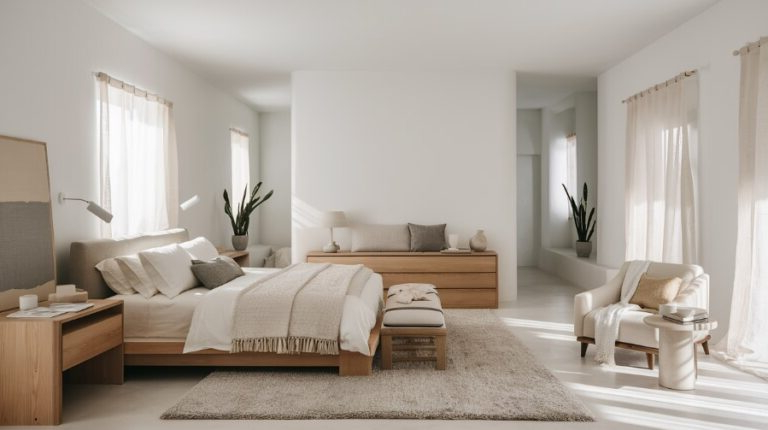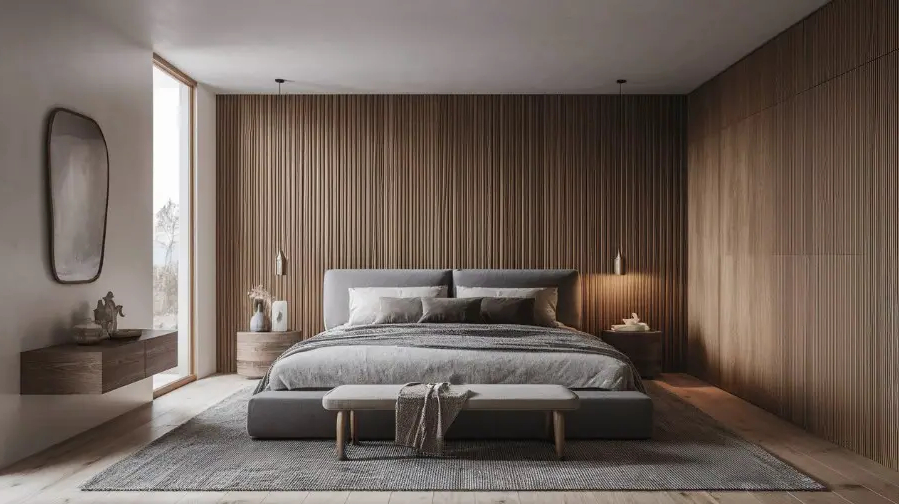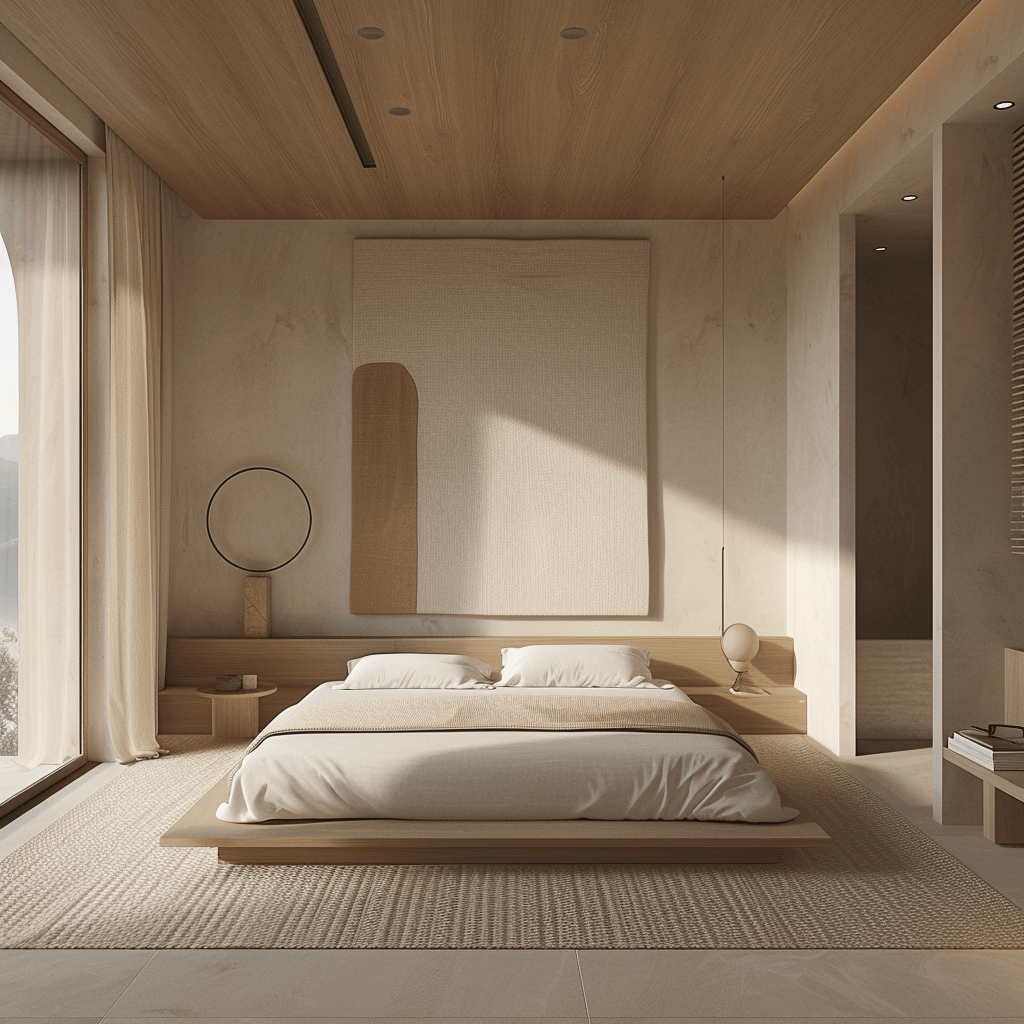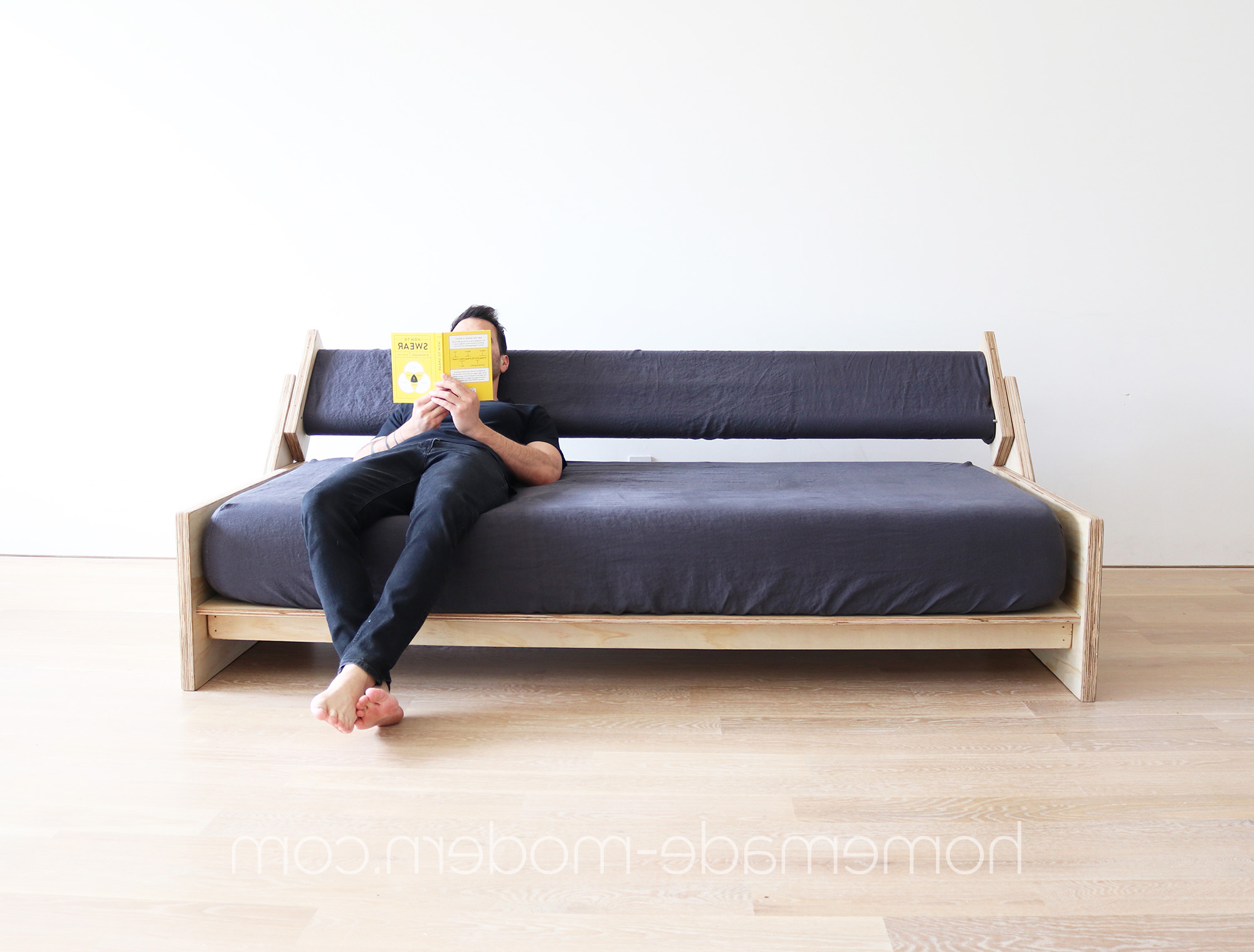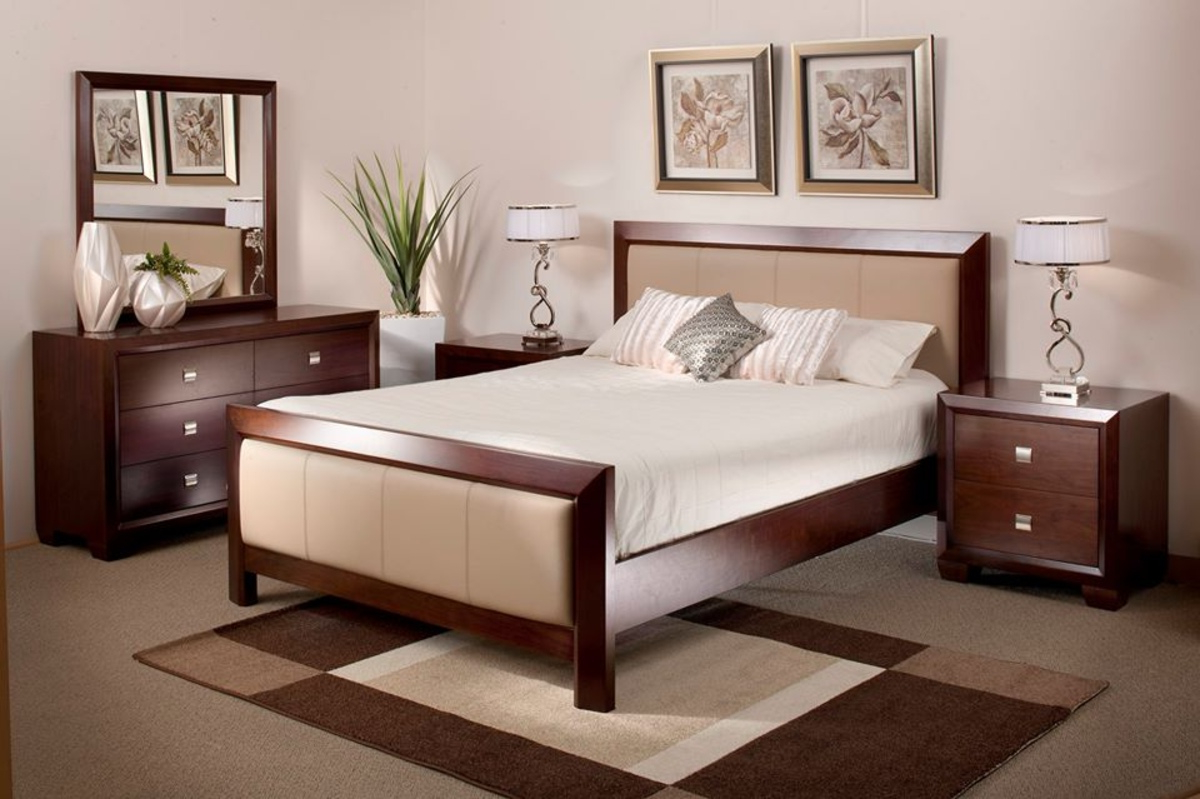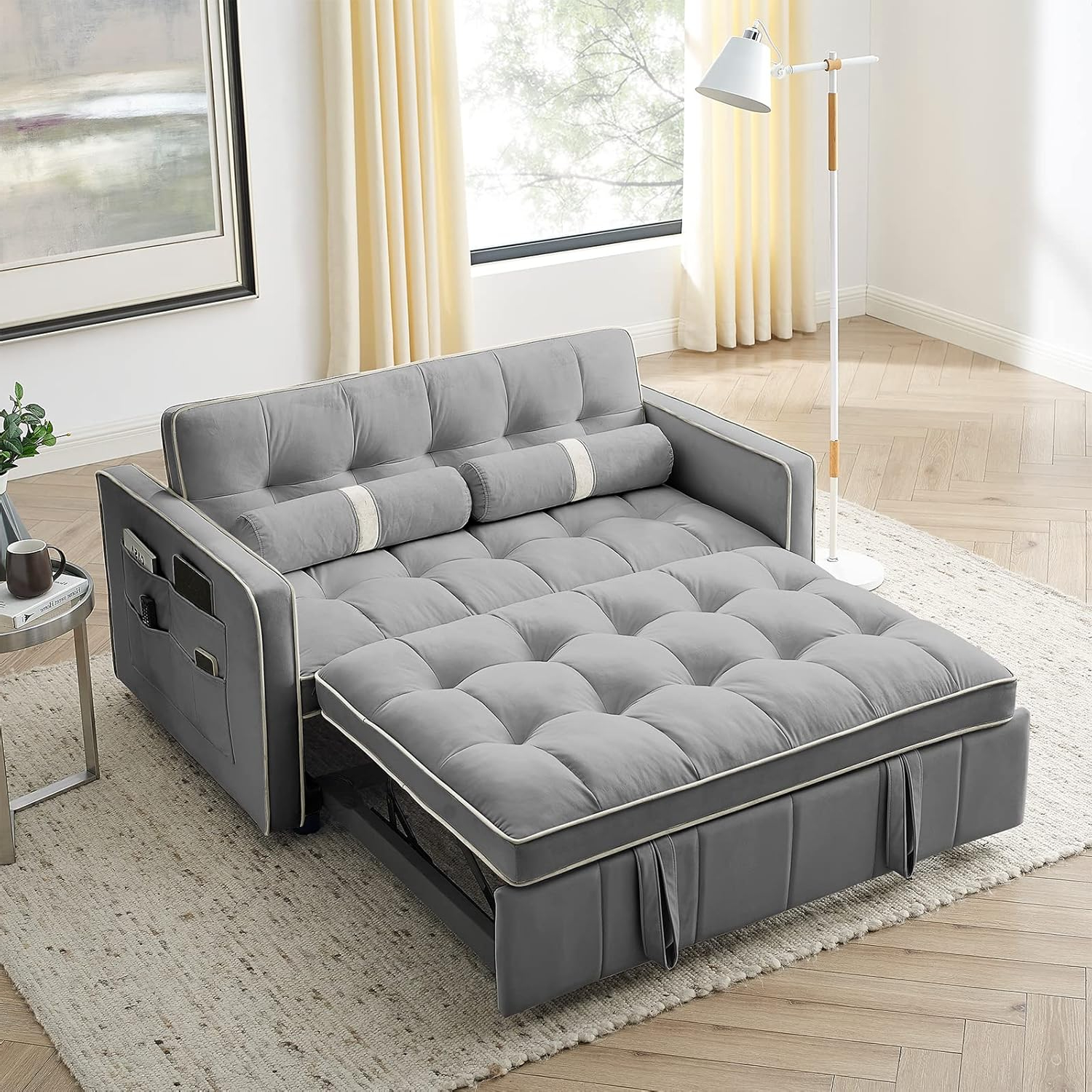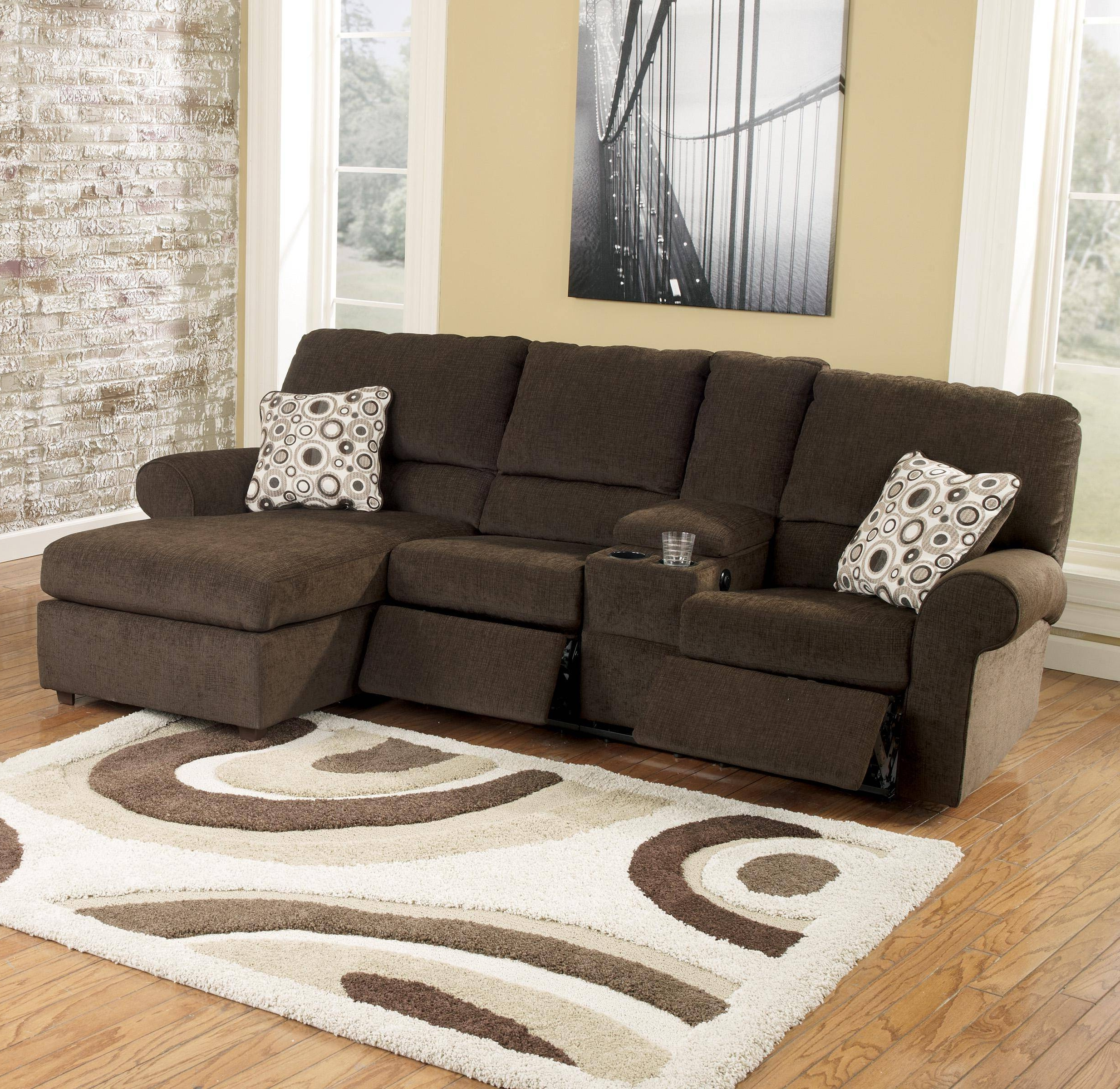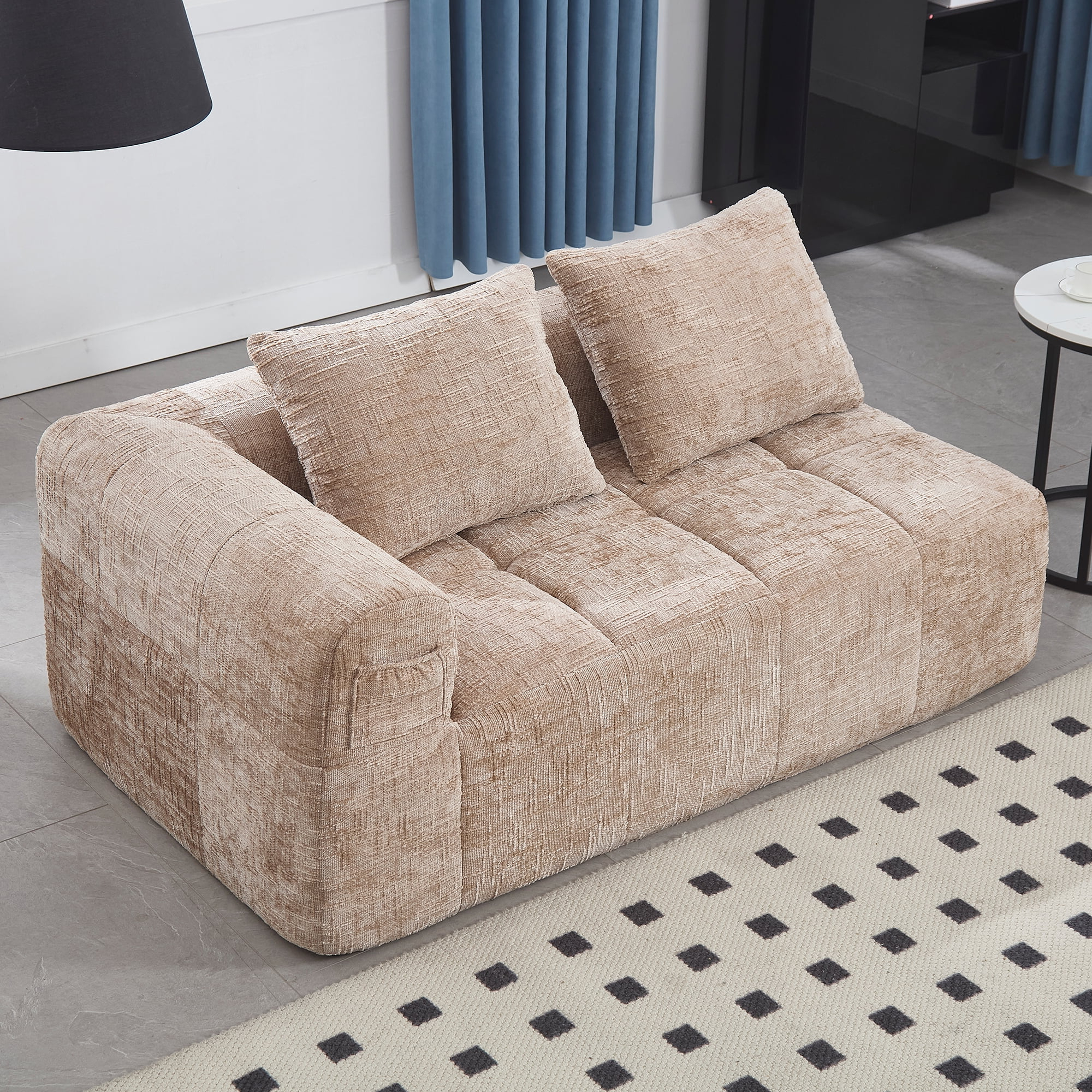
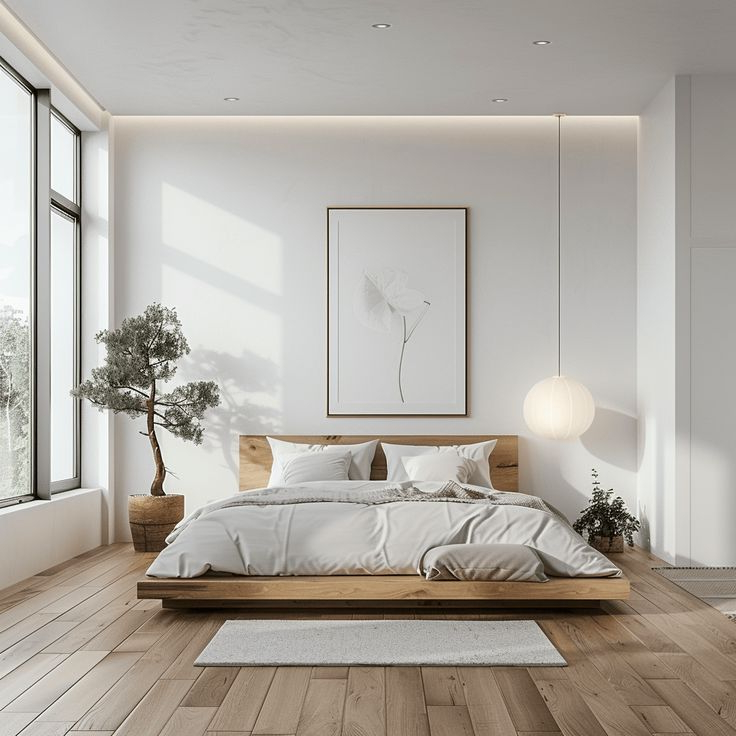
In our increasingly cluttered world, the bedroom has become one of the few sanctuaries where we can truly unwind. But what makes a bedroom feel genuinely peaceful? It’s not just about having fewer things – it’s about choosing the right things with intention. Minimalist bedroom furniture design isn’t about deprivation; it’s about creating space for what matters most.
Have you ever walked into a bedroom and instantly felt calmer? That’s the power of thoughtful design. Minimalist bedroom furniture design has gained popularity not just for its aesthetic appeal, but for its ability to reduce stress and enhance sleep quality. This approach focuses on intentional choices rather than random accumulation. The philosophy behind it suggests that when we remove the unnecessary, we make room for what brings genuine joy and comfort to our daily lives. The result? A bedroom that feels spacious, serene, and perfectly suited to your needs.
Core Philosophy Behind Minimalism
Minimalism in bedroom design isn’t about having nothing – it’s about having exactly what you need and love. Think of it like a well-organized library where every book has its place and purpose. When you strip away excess, you create breathing room both physically and mentally. This approach recognizes that our sleeping environment profoundly impacts our rest and overall well-being. The fewer distractions we have, the better we can focus on what really matters during our most important time of day – sleep. Many people find that their bedrooms become more personal and meaningful when they’ve removed items that no longer serve them.
The Power of Negative Space
One of the most misunderstood aspects of minimalist design is the importance of negative space. This isn’t empty space – it’s purposeful emptiness that allows elements to breathe. Imagine standing in a room with three pieces of furniture versus one piece. Which feels more comfortable? The answer often lies in how much space you give yourself to move around freely. In bedrooms, this translates to avoiding overcrowding, leaving enough room to walk comfortably between the bed and nightstand, and ensuring there’s visual space around each piece. This creates a sense of calm that’s almost tangible. Consider how a single, well-placed lamp can create a focal point while still maintaining openness.
Quality Over Quantity: Choosing Wisely
This principle might seem simple, but it’s where many people struggle. Instead of buying multiple small items, invest in fewer, higher-quality pieces. A solid wooden bed frame will last decades, whereas a flimsy metal one might break after a year. The same applies to storage solutions – a beautiful chest of drawers that holds everything neatly is far better than several mismatched boxes. Quality furniture also tends to age gracefully, meaning your investment pays off over time. Take time to consider materials, construction, and durability before purchasing anything. You’ll find that one excellent piece can transform your entire space, while five average pieces often create more problems than solutions.
Color Psychology in Minimalist Design
Colors play a crucial role in how we feel in a space. Soft neutrals like beige, cream, and warm grays create a soothing backdrop that helps us relax. These tones reflect light beautifully and don’t overwhelm the senses. Darker colors, while sometimes used strategically for accent walls, should be used sparingly in bedrooms to avoid creating a heavy atmosphere. White and off-white shades are particularly popular because they make spaces feel larger and cleaner. Some designers recommend using a color palette of two to three tones maximum to maintain harmony. The goal is to create an environment that supports good sleep rather than one that demands attention.
Functional Simplicity: Every Piece Has a Purpose
Every item in a minimalist bedroom should serve a clear function. Ask yourself: does this piece add value to my daily routine? Does it make my life easier? If the answer is no, it probably belongs elsewhere. For example, a nightstand with three drawers might seem practical until you realize you only use one drawer regularly. A simpler version with just one drawer and a small shelf works just as well. This approach extends beyond furniture to accessories too. A decorative pillow might look nice, but if it makes your bedding messy, reconsider its placement. The idea is to eliminate anything that adds complexity to your morning routine or evening wind-down process.
Creating Visual Harmony Through Proportions
When selecting furniture, pay attention to scale and proportion. A large bed in a small room can make the space feel cramped, while a tiny bed in a large room can make everything feel sparse. The key is balance. A bedroom with a queen-size bed typically needs more floor space than a twin-sized one. Consider the height of your ceiling and how furniture will relate to it. Tall, narrow pieces can make low ceilings feel lower, while shorter, wider pieces can make high ceilings feel more intimate. This isn’t about following rigid rules – it’s about creating visual comfort. A room with carefully considered proportions feels more grounded and peaceful.
Minimalist bedroom furniture design offers more than just a pretty face – it provides a framework for living more intentionally. When we take time to choose thoughtfully, we create spaces that actually support our well-being. The beauty of this approach lies in its simplicity and effectiveness. You don’t need to be a designer to implement these principles. Start small – perhaps with one piece of furniture or one area of your bedroom. Notice how removing clutter changes your mood and energy levels. The journey toward minimalism isn’t about perfection – it’s about finding what works for your lifestyle and making adjustments along the way. As you continue refining your space, you’ll discover that less really can be more, especially when it comes to your most personal retreat.
[sps_html tag=”img” src=”https://roofdrivein.com/wp-content/uploads/2026/01/15-minimalist-bedroom-furniture-ideas-to-enhance-your-sleep-quality-throughout-understanding-the-fundamentals-of-minimalist-bedroom-furniture-design-principles.jpeg” alt=”15 Minimalist Bedroom Furniture Ideas To Enhance Your Sleep Quality throughout Understanding the fundamentals of minimalist bedroom furniture design principles” style=”width: 100%; height: auto;”]
[sps_html tag=”img” src=”https://roofdrivein.com/wp-content/uploads/2026/01/55-minimalist-bedroom-ideas-that-will-instantly-calm-your-mind-edward-regarding-understanding-the-fundamentals-of-minimalist-bedroom-furniture-design-principles.png” alt=”55 Minimalist Bedroom Ideas That Will Instantly Calm Your Mind - Edward … regarding Understanding the fundamentals of minimalist bedroom furniture design principles” style=”width: 100%; height: auto;”]
[sps_html tag=”img” src=”https://roofdrivein.com/wp-content/uploads/2026/01/10-modern-minimalist-bedroom-furniture-ideas-for-a-sleek-look-throughout-minimalist-bedroom-furniture-ideas.jpg” alt=”10 Modern Minimalist Bedroom Furniture Ideas For A Sleek Look throughout Minimalist Bedroom Furniture Ideas” style=”width: 100%; height: auto;”]
[sps_html tag=”img” src=”https://roofdrivein.com/wp-content/uploads/2026/01/10-modern-minimalist-bedroom-furniture-ideas-for-a-sleek-look-with-understanding-the-fundamentals-of-minimalist-bedroom-furniture-design-principles.jpg” alt=”10 Modern Minimalist Bedroom Furniture Ideas For A Sleek Look with Understanding the fundamentals of minimalist bedroom furniture design principles” style=”width: 100%; height: auto;”]
[sps_html tag=”img” src=”https://roofdrivein.com/wp-content/uploads/2026/01/55-minimalist-bedroom-ideas-that-will-instantly-calm-your-mind-edward-within-understanding-the-fundamentals-of-minimalist-bedroom-furniture-design-principles.jpg” alt=”55 Minimalist Bedroom Ideas That Will Instantly Calm Your Mind - Edward … within Understanding the fundamentals of minimalist bedroom furniture design principles” style=”width: 100%; height: auto;”]