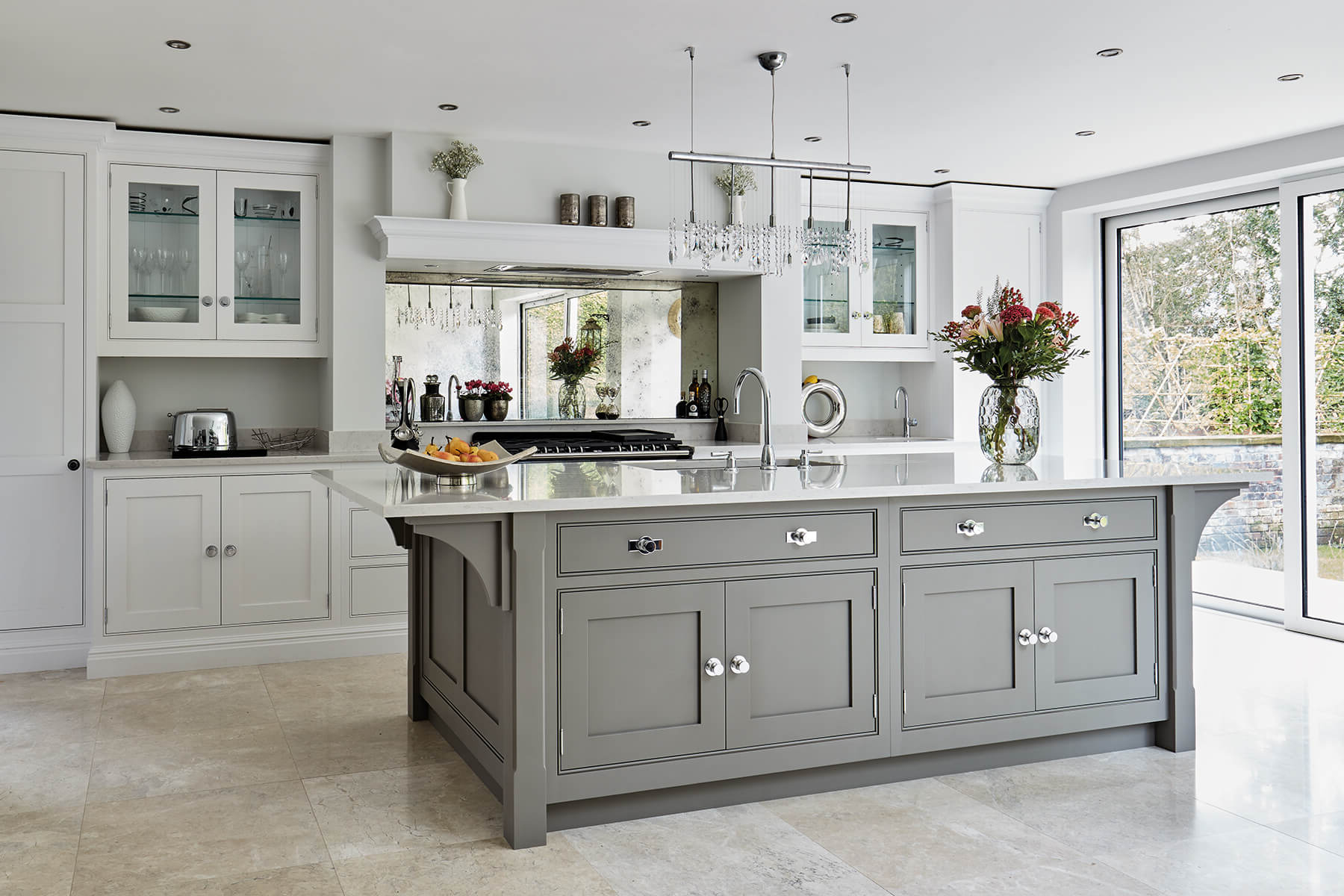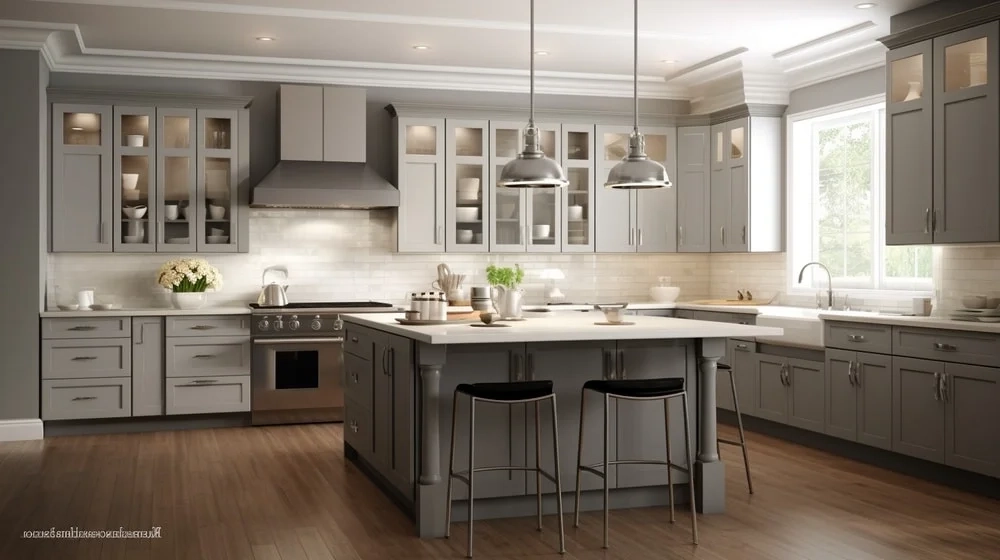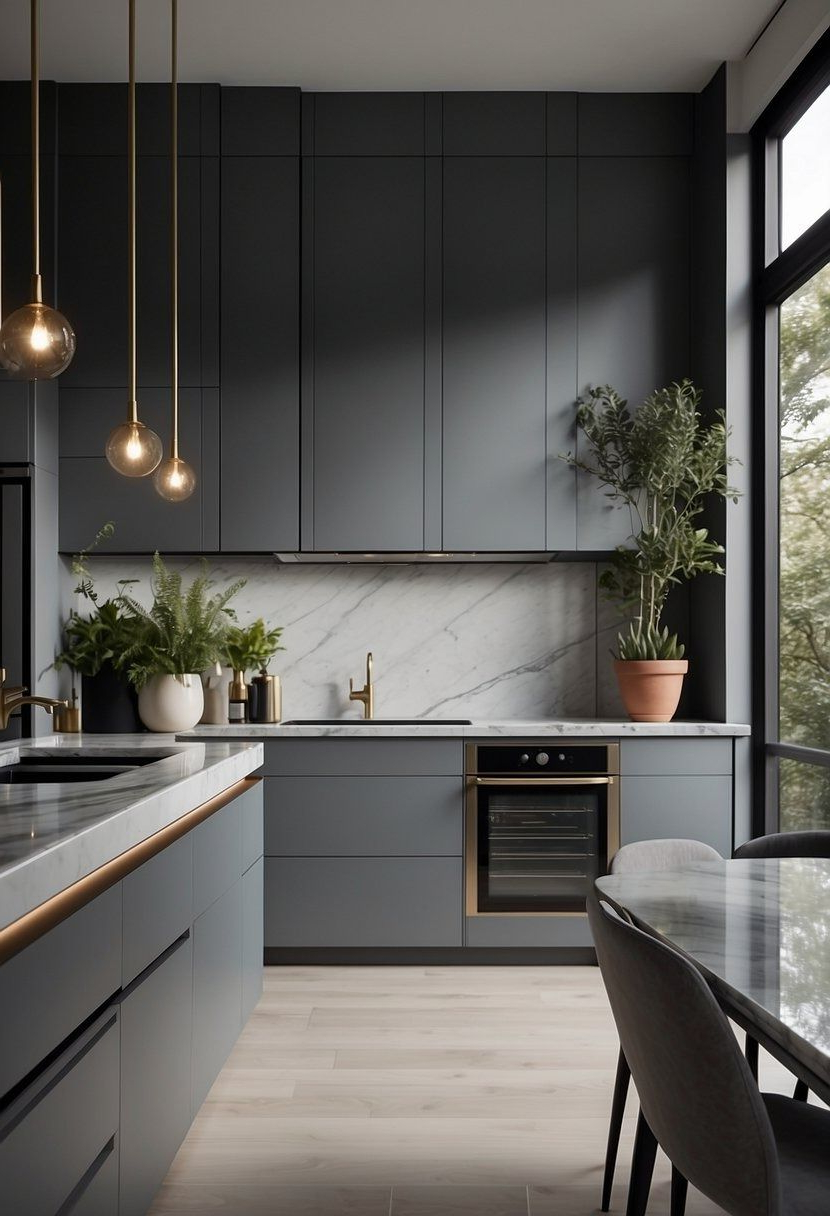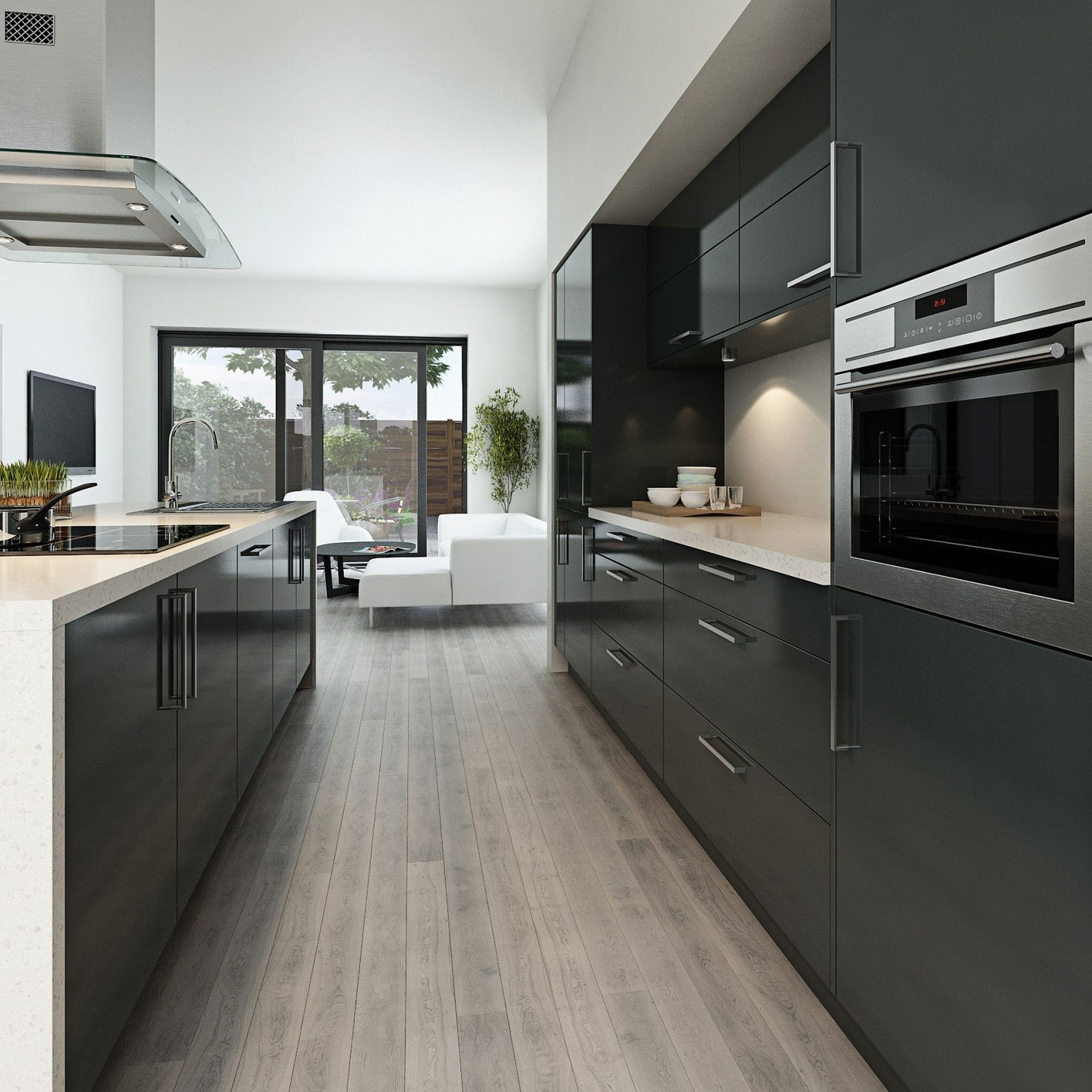
Gray cabinets have undergone quite the transformation over the past few decades. What started as basic storage solutions have evolved into sophisticated design elements that define entire kitchen aesthetics. This evolution isn’t just about color—it’s about how we think about space, function, and style.
When you walk into a modern kitchen today, you’re likely to see gray cabinets everywhere. They’ve become so common that many people forget they were once considered unusual. But this wasn’t always the case. The shift toward gray cabinetry represents more than just a color trend—it’s a reflection of changing lifestyles, design philosophies, and our relationship with home spaces. Gray cabinets have moved from being an afterthought to becoming the centerpiece of countless kitchens across the country.
The Early Days: Practicality Over Aesthetics
In the early 1900s, kitchen cabinets were all about function. Wood was expensive, so homeowners often built their own cabinets using whatever materials they could find. Gray paint or stain was frequently used because it masked dirt and wear better than lighter colors. These early gray cabinets were purely utilitarian, with little consideration for visual appeal.
During the 1950s and 60s, mass production techniques made cabinets more affordable, but they still prioritized practicality. Many families opted for dark gray or charcoal cabinets that were easy to clean and maintain. These weren’t considered stylish—they were simply functional. The focus was on durability rather than beauty, and gray was often chosen simply because it was available and cost-effective.
The 1970s brought a wave of ‘earth tone’ colors to kitchens, with gray cabinets often appearing alongside browns and beiges. These combinations were meant to create a warm, homely feeling, though they lacked the sophistication that gray would later achieve.
The 1980s: A Shift Toward Lighter Shades
The 1980s marked a significant turning point for kitchen design. As homes became larger and lighting improved, designers began experimenting with lighter colors. Gray cabinets were still around, but they were often paired with white or light wood tones to create a fresh, airy feel.
This decade introduced the concept of ‘neutral’ kitchens, where gray served as a versatile base color. Homeowners appreciated that gray cabinets could work with both traditional and contemporary decor styles. The look was clean and modern, but not too bold. It allowed for personal touches through hardware, backsplashes, and accent pieces.
During this time, manufacturers began offering more variety in gray finishes. From soft dove grays to deeper slate tones, there were options for different tastes and preferences. The 1980s established gray as a legitimate design choice, rather than just a practical necessity.
The 1990s: Gray Gets Sophisticated
The 1990s saw gray cabinets evolve from simple neutral backgrounds to more nuanced design elements. Designers began treating gray as a serious color choice, not just a compromise between white and dark woods.
This era introduced textured gray cabinets, with options like brushed steel gray, matte finishes, and even subtle wood grain patterns. These variations added depth and character to kitchens that might otherwise have looked flat or generic. The decade emphasized quality over quantity, with homeowners investing in well-made gray cabinets that would last for years.
The 1990s also witnessed the rise of ‘gray and white’ combinations, which became incredibly popular. This pairing offered the best of both worlds—gray’s versatility and white’s freshness. Many kitchens featured gray upper cabinets with white lower cabinets, creating a classic yet modern look that appealed to a broad audience.
The 2000s: The Gray Revolution
The new millennium brought a revolution in gray cabinet design. Suddenly, gray wasn’t just acceptable—it was trendy. This shift happened gradually, with gray cabinets appearing in magazines, design shows, and real homes across America.
What changed during this time? For one, homeowners became more adventurous with their design choices. Gray cabinets were no longer seen as boring or outdated. Instead, they were viewed as sophisticated and timeless. The color’s ability to complement various décor styles made it incredibly appealing to people of all ages.
The 2000s also saw the emergence of ‘monochromatic’ kitchens, where gray was used as the dominant color throughout the space. This approach created a sense of unity and calm that many found appealing. Designers began showcasing kitchens where everything from countertops to appliances was in various shades of gray, creating stunning visual effects.
Technology improvements also played a role. Better manufacturing processes meant that gray cabinets could now offer more consistent finishes and better durability. Homeowners had access to higher-quality options than ever before.
Modern Era: Gray as Art
Today’s gray cabinets represent the culmination of decades of evolution. They’re no longer just functional pieces—they’re artistic statements. The current market offers an incredible range of gray options, each with its own personality and purpose.
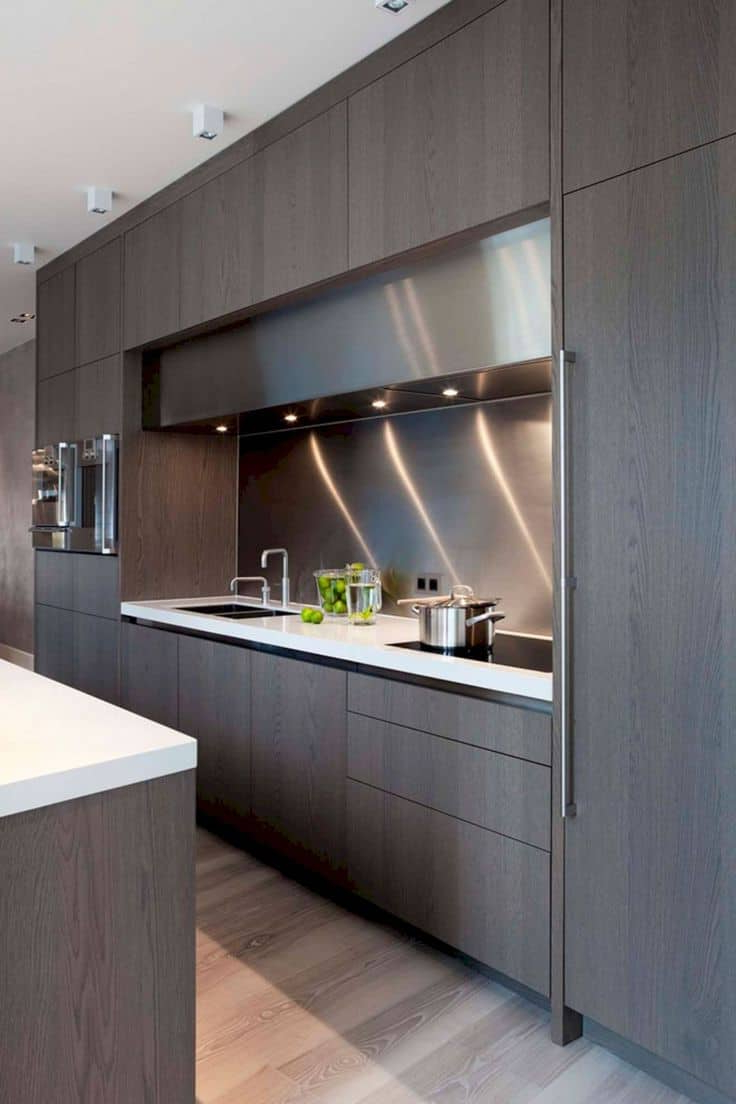
Contemporary gray cabinets come in countless varieties: from warm charcoal that adds richness to a room to cool graphite that creates a modern, crisp feel. Some feature metallic accents, others have natural wood textures, and some are completely matte or glossy. The possibilities seem endless.
What makes modern gray cabinets particularly special is their versatility. They work beautifully with rustic, industrial, minimalist, and traditional styles. A gray kitchen can feel cozy and welcoming or sleek and contemporary depending on how it’s styled. The key is choosing the right shade and finish for your specific space and lifestyle.
The influence of social media has also helped gray cabinets gain popularity. Instagram and Pinterest are filled with images of stunning gray kitchens, inspiring homeowners to try this look themselves. The visual impact of these photos has helped normalize gray as a mainstream choice.
Choosing the Right Gray for Your Kitchen
With so many gray options available, selecting the perfect shade can feel overwhelming. Here are some practical tips to help guide your decision:
• Consider your kitchen’s natural light. Darker grays work best in bright spaces, while lighter grays can brighten darker rooms
• Think about your existing décor. If you have lots of wood tones, choose a cooler gray to balance things out
• Test samples in different lighting conditions throughout the day to see how they look
• Consider the size of your kitchen. Lighter grays can make small spaces feel bigger
• Look at how the gray interacts with your flooring, countertops, and appliances
Popular gray trends today include:
• Warm charcoal grays that add depth without overwhelming a space
• Cool graphite tones that create a modern, clean look
• Soft silver-gray tones that offer versatility
• Matte finishes that reduce glare and fingerprints
• Textured surfaces that add visual interest
The evolution of gray kitchen cabinets tells us something important about how we view our living spaces. What started as simple, practical storage solutions have transformed into design elements that reflect our personalities and lifestyles. Gray cabinets today represent more than just a color choice—they’re about creating spaces that feel both comfortable and sophisticated.
Whether you prefer a classic charcoal gray or a modern silver tone, the key is finding the right fit for your home and your way of life. The journey from basic utility to elegant design shows how much our relationship with home has evolved. Gray cabinets aren’t just part of our kitchens anymore—they’re part of our stories, our memories, and our daily lives. The future of gray cabinets looks bright, with new innovations and styles emerging regularly. As we continue to redefine what makes a kitchen beautiful, gray will undoubtedly remain a popular and versatile choice for homeowners seeking both function and form.
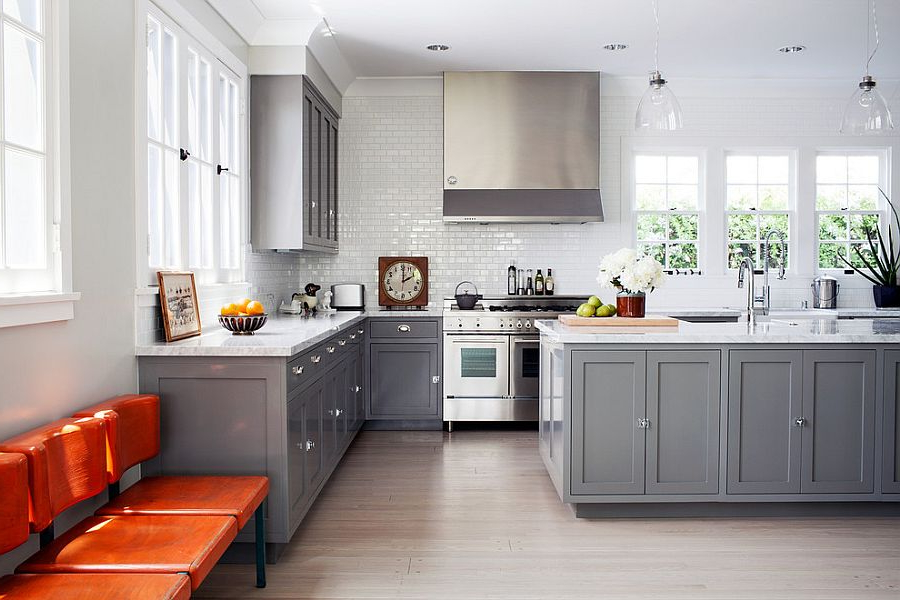
[sps_html tag=”img” src=”https://roofdrivein.com/wp-content/uploads/2026/01/99-modern-gray-kitchen-cabinets-kitchen-remodeling-ideas-on-a-small-intended-for-understanding-the-evolution-of-modern-kitchen-gray-cabinets.jpg” alt=”99+ Modern Gray Kitchen Cabinets - Kitchen Remodeling Ideas On A Small … intended for Understanding the Evolution of Modern Kitchen Gray Cabinets” style=”width: 100%; height: auto;”]
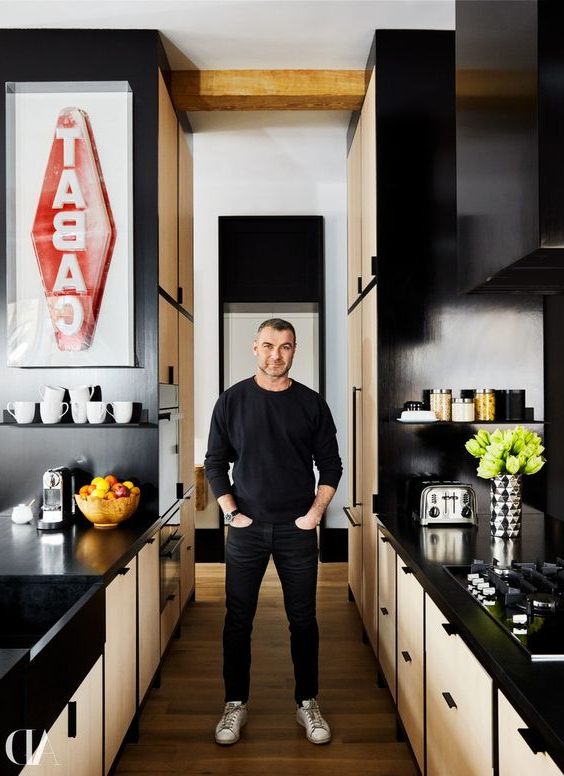
[sps_html tag=”img” src=”https://roofdrivein.com/wp-content/uploads/2026/01/modern-grey-kitchen-cabinets-a-perfect-in-depth-guide-in-understanding-the-evolution-of-modern-kitchen-gray-cabinets.webp” alt=”Modern Grey Kitchen Cabinets: A Perfect In-Depth Guide in Understanding the Evolution of Modern Kitchen Gray Cabinets” style=”width: 100%; height: auto;”]
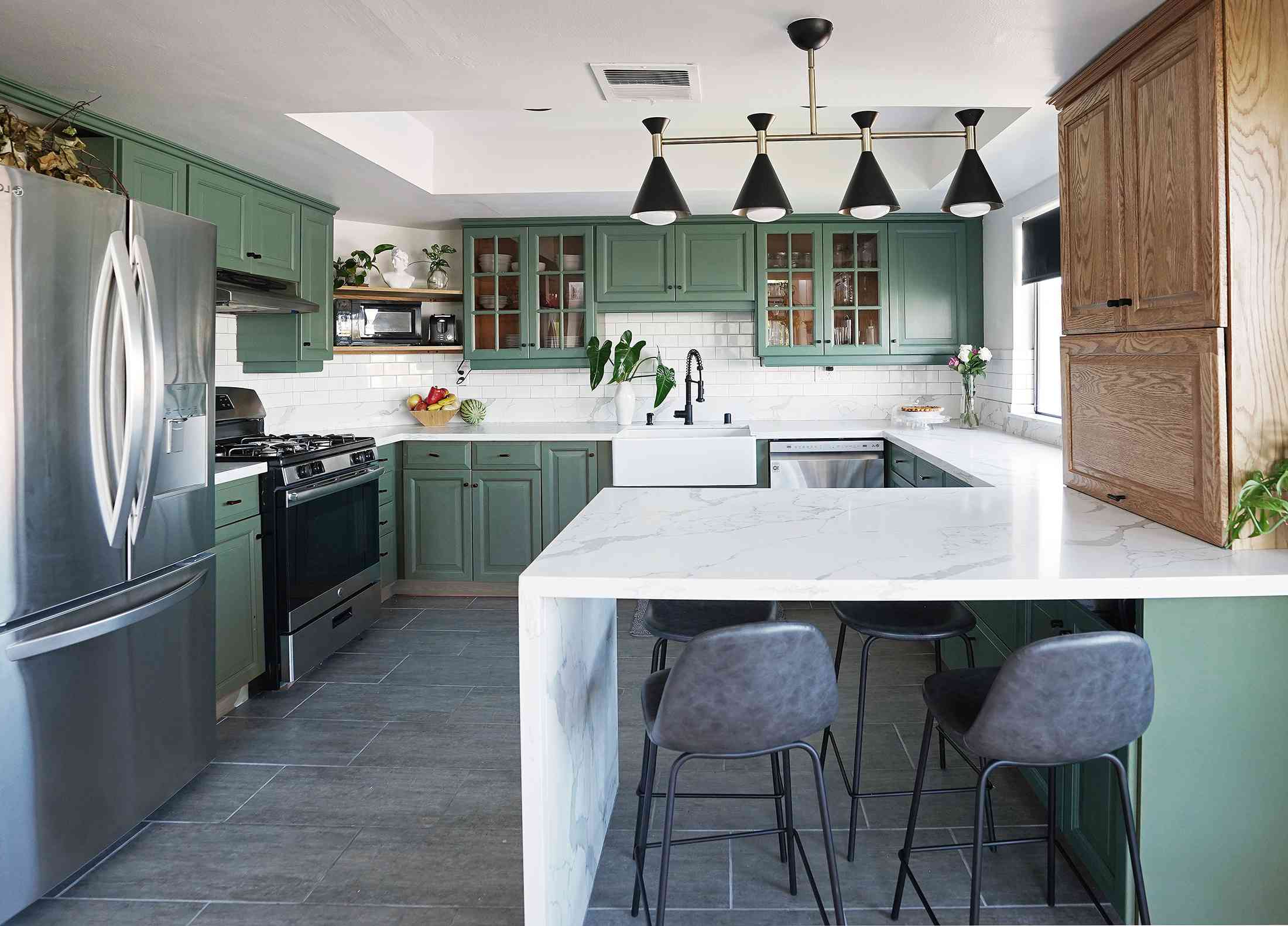
[sps_html tag=”img” src=”https://roofdrivein.com/wp-content/uploads/2026/01/35-gray-kitchen-cabinets-thatll-transform-your-space-stallionzo-within-understanding-the-evolution-of-modern-kitchen-gray-cabinets.jpg” alt=”35 Gray Kitchen Cabinets That’ll Transform Your Space – Stallionzo … within Understanding the Evolution of Modern Kitchen Gray Cabinets” style=”width: 100%; height: auto;”]
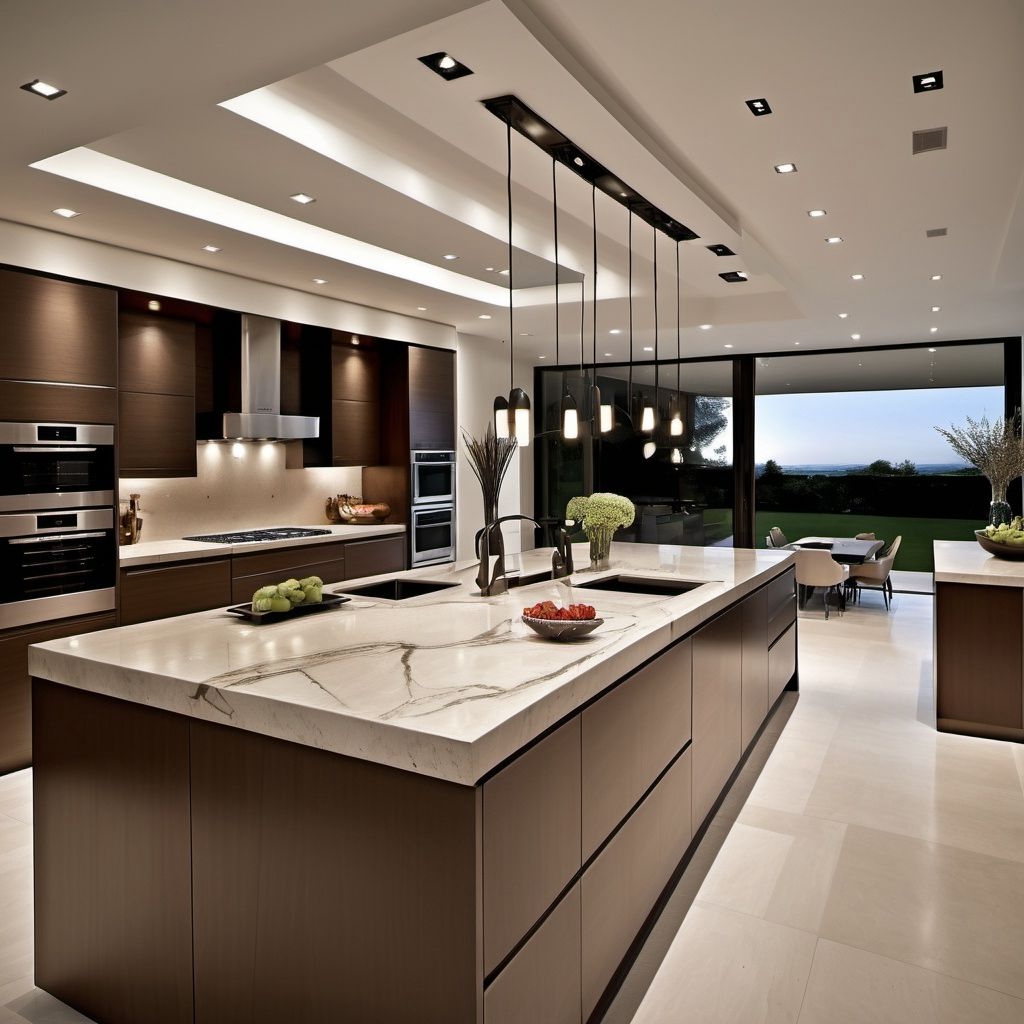
[sps_html tag=”img” src=”https://roofdrivein.com/wp-content/uploads/2026/01/15-modern-kitchen-cabinets-for-your-ultra-contemporary-home-inside-understanding-the-evolution-of-modern-kitchen-gray-cabinets.jpg” alt=”15 Modern Kitchen Cabinets For Your Ultra-Contemporary Home inside Understanding the Evolution of Modern Kitchen Gray Cabinets” style=”width: 100%; height: auto;”]
[sps_html tag=”img” src=”https://roofdrivein.com/wp-content/uploads/2026/01/kitchen-gray-25-modern-grey-kitchen-cabinet-ideas-lily-ann-cabinets-inside-understanding-the-evolution-of-modern-kitchen-gray-cabinets.jpg” alt=”Kitchen Gray 25+ Modern Grey Kitchen Cabinet Ideas | Lily Ann Cabinets inside Understanding the Evolution of Modern Kitchen Gray Cabinets” style=”width: 100%; height: auto;”]