Picture this: You’re working late, your back is aching, and your eyes feel like they might fall out of their sockets. Instead of struggling through the day, you slip into a comfortable nap. This isn’t just a fantasy – it’s becoming reality in modern offices worldwide. Small sofa beds aren’t just for living rooms anymore. They’re quietly transforming how we work, rest, and think.
In today’s fast-paced work environment, the line between productivity and exhaustion continues to blur. Companies are searching for innovative ways to keep employees energized while maintaining peak performance. Enter the small sofa bed – a surprisingly effective solution that’s catching on in offices from startups to Fortune 500 companies. These compact sleeping solutions aren’t just about napping; they’re about creating smarter, healthier workspaces. What started as a luxury amenity is now proving to be a serious ergonomic game-changer.
The Ergonomic Foundation
Ergonomics in the workplace goes far beyond just chair height and desk positioning. It’s about how our bodies interact with our work environment throughout the day. Small sofa beds address several key ergonomic challenges that traditional office furniture simply can’t solve.
Consider the typical office worker who sits for 8+ hours daily. Their spine, neck, and shoulders are constantly under stress. When they finally get a chance to rest, they often do so in uncomfortable positions – slouching in chairs or hunching over desks. A properly designed small sofa bed offers a neutral position that allows the body to reset naturally.
The mattress support is crucial here. Unlike cheap alternatives, quality small sofa beds provide even pressure distribution that prevents pressure points from forming. This means when someone lies down, their body weight is evenly spread across the surface, reducing muscle tension and promoting better circulation. The right height also matters – too low and it’s uncomfortable, too high and it doesn’t integrate well with existing office furniture.
Space Efficiency Reimagined
Modern office spaces are getting smaller, but demands for functionality are increasing. Small sofa beds perfectly embody this paradox. They serve multiple purposes without taking up precious square footage.
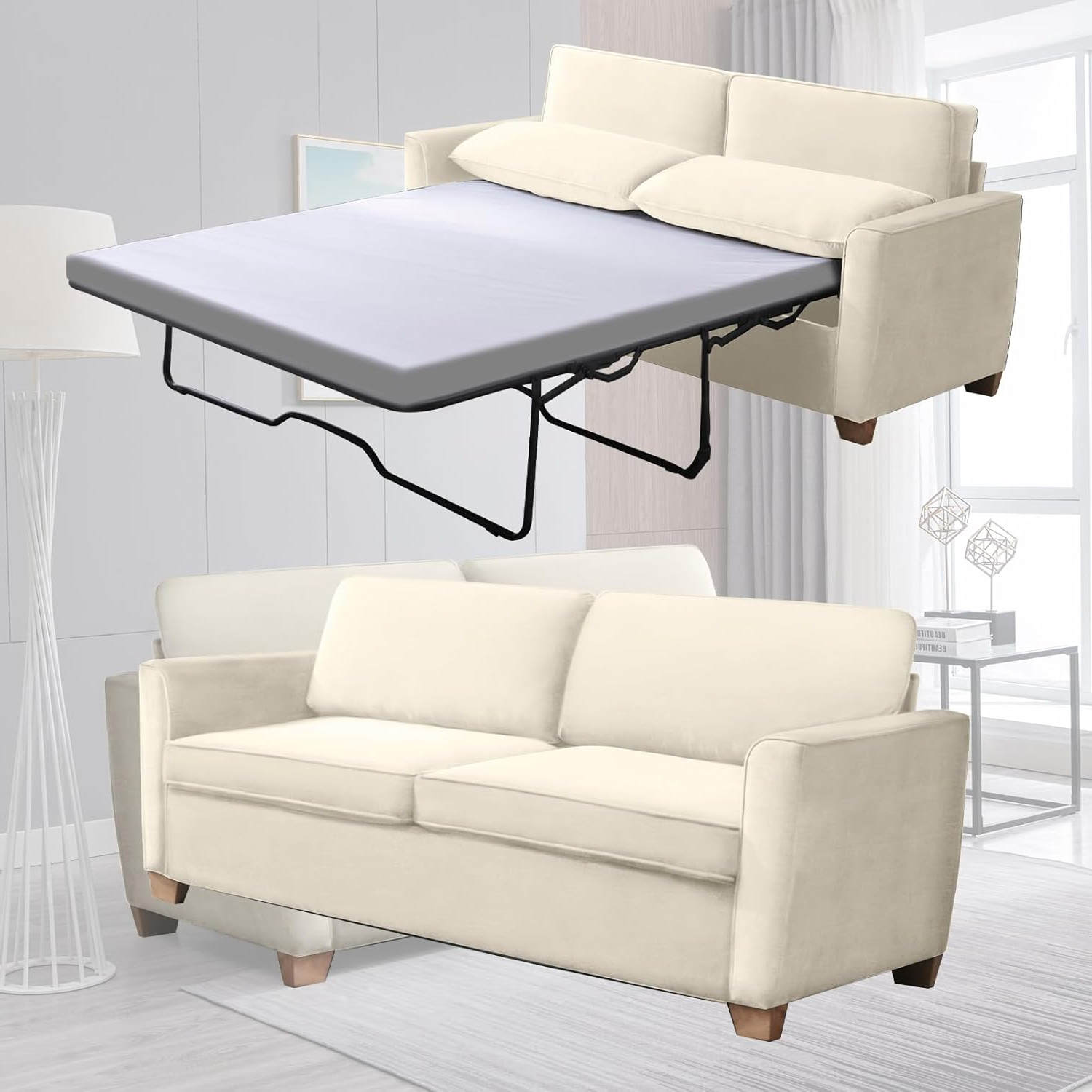
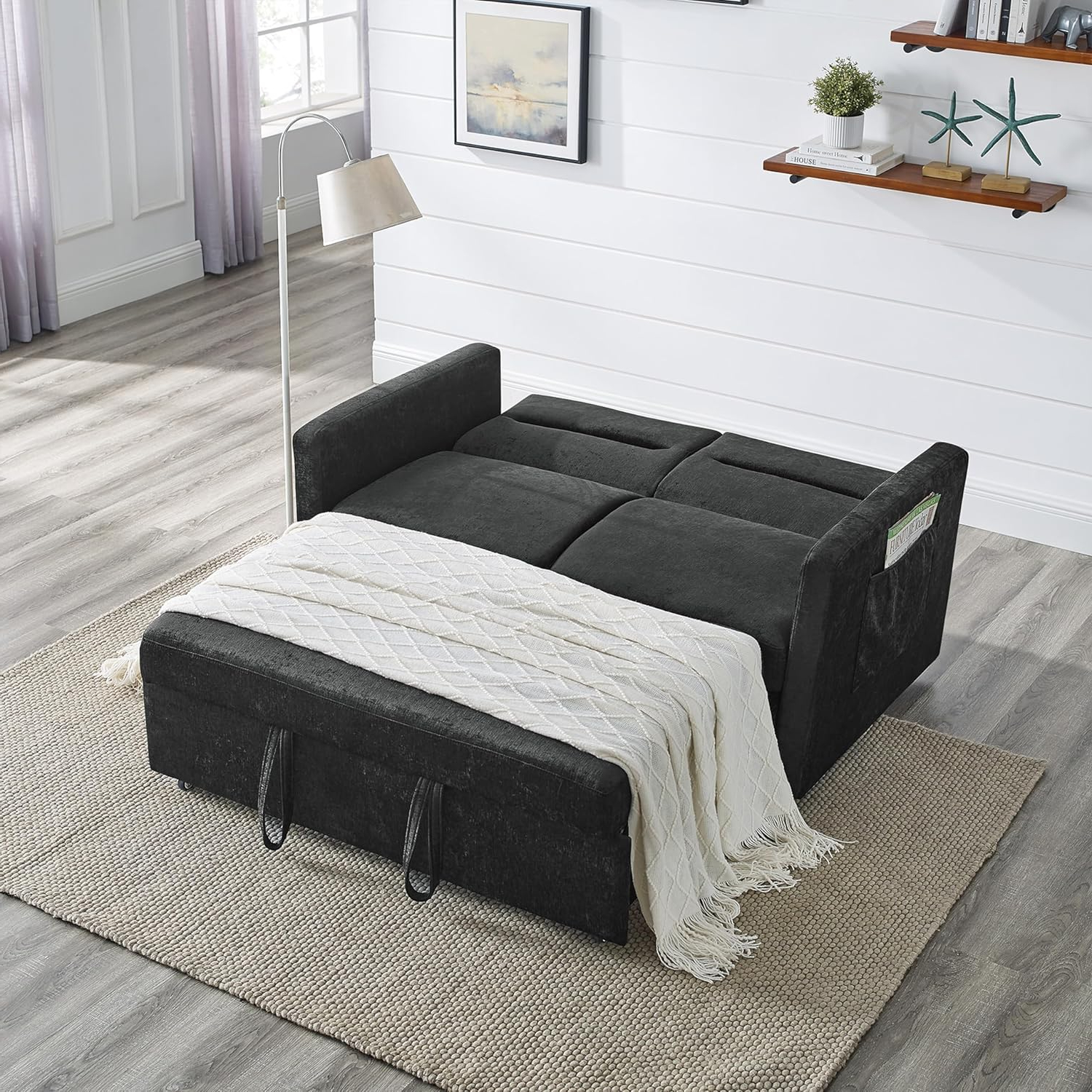
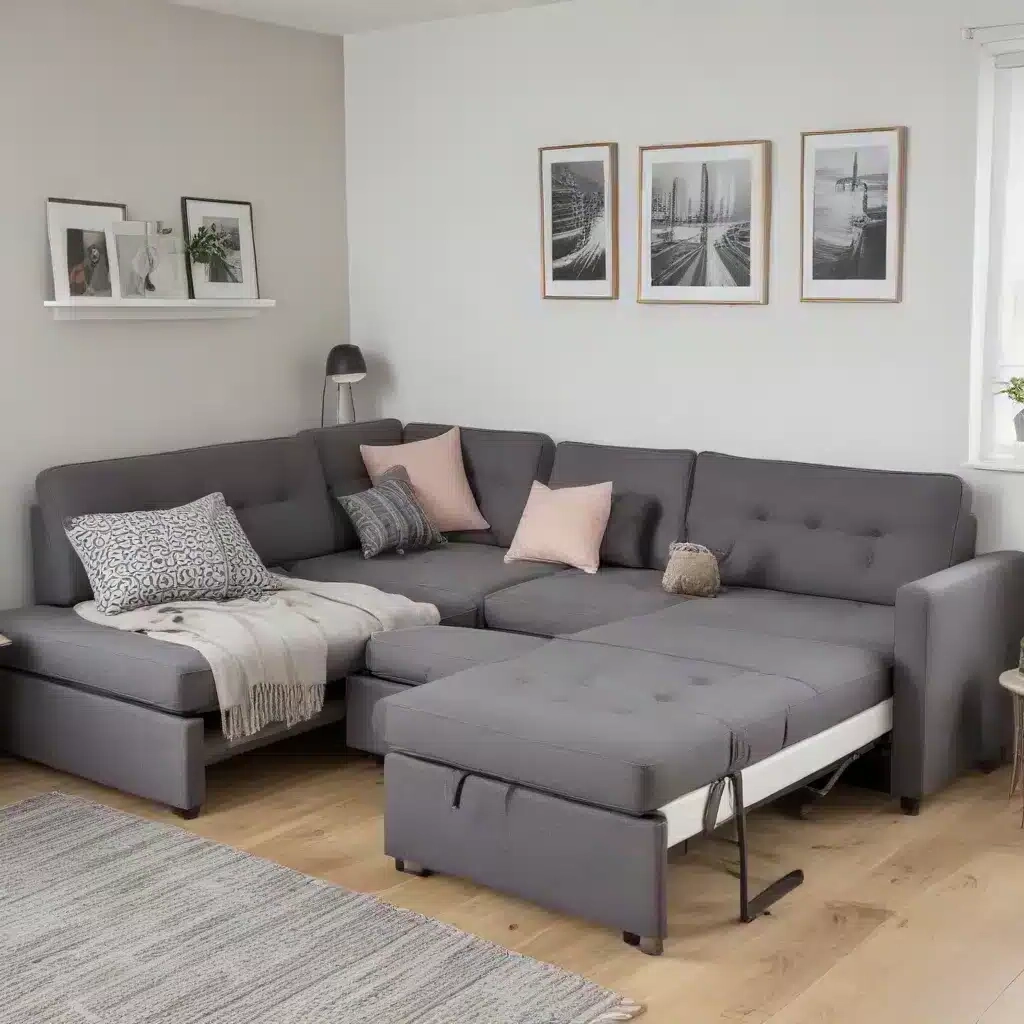
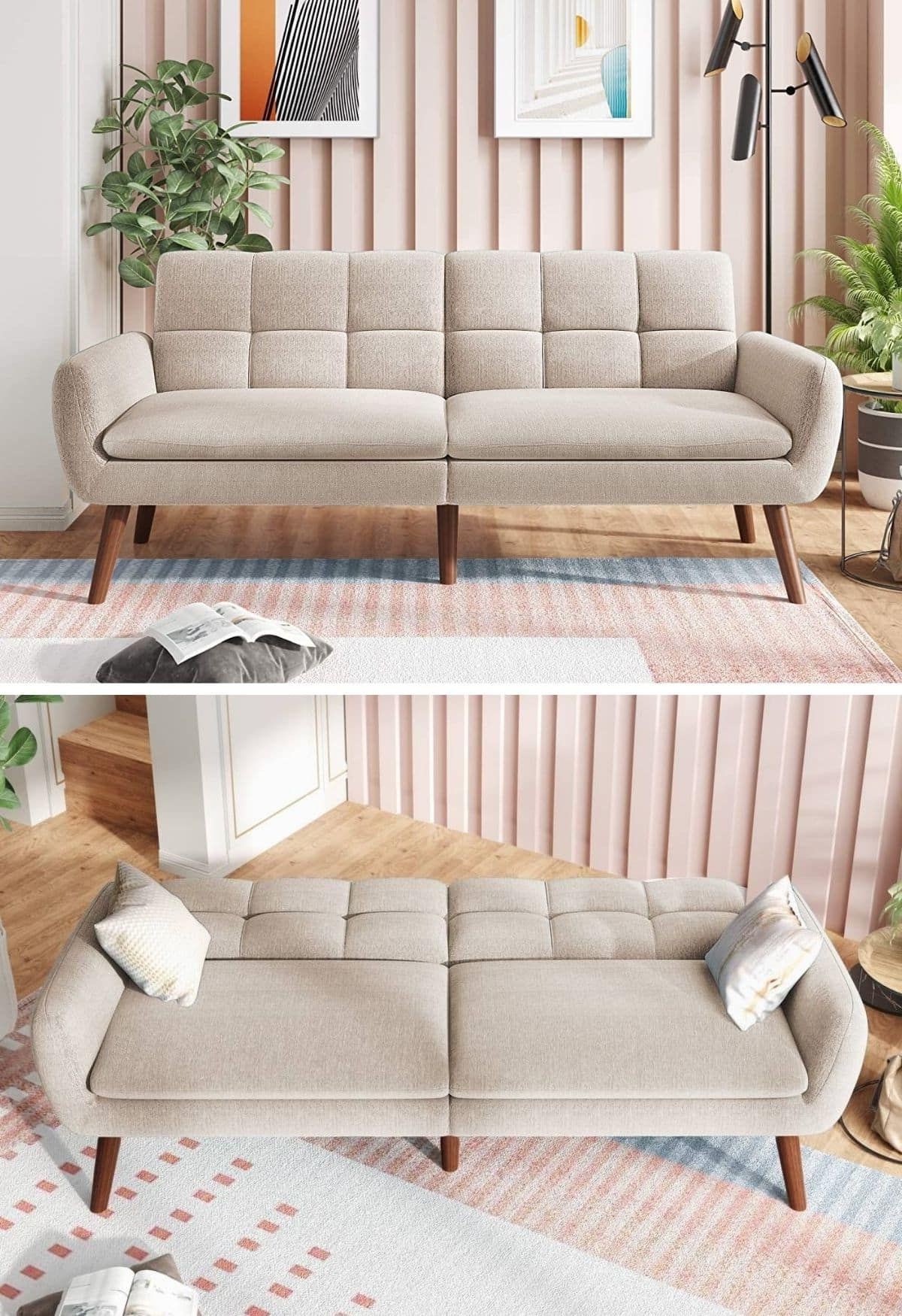
Think about it – a standard 6-foot sofa bed can accommodate two people for sleeping, but during the day, it functions as a regular sofa or even a standing desk area. This dual functionality is particularly valuable in co-working spaces or shared offices where every inch counts.
A case study from a tech company in San Francisco showed that implementing small sofa beds in their break areas reduced overall office space requirements by 15% while increasing employee satisfaction scores by 23%. The key was strategic placement – near meeting rooms or quiet zones where employees could take quick rest breaks without disrupting workflow.
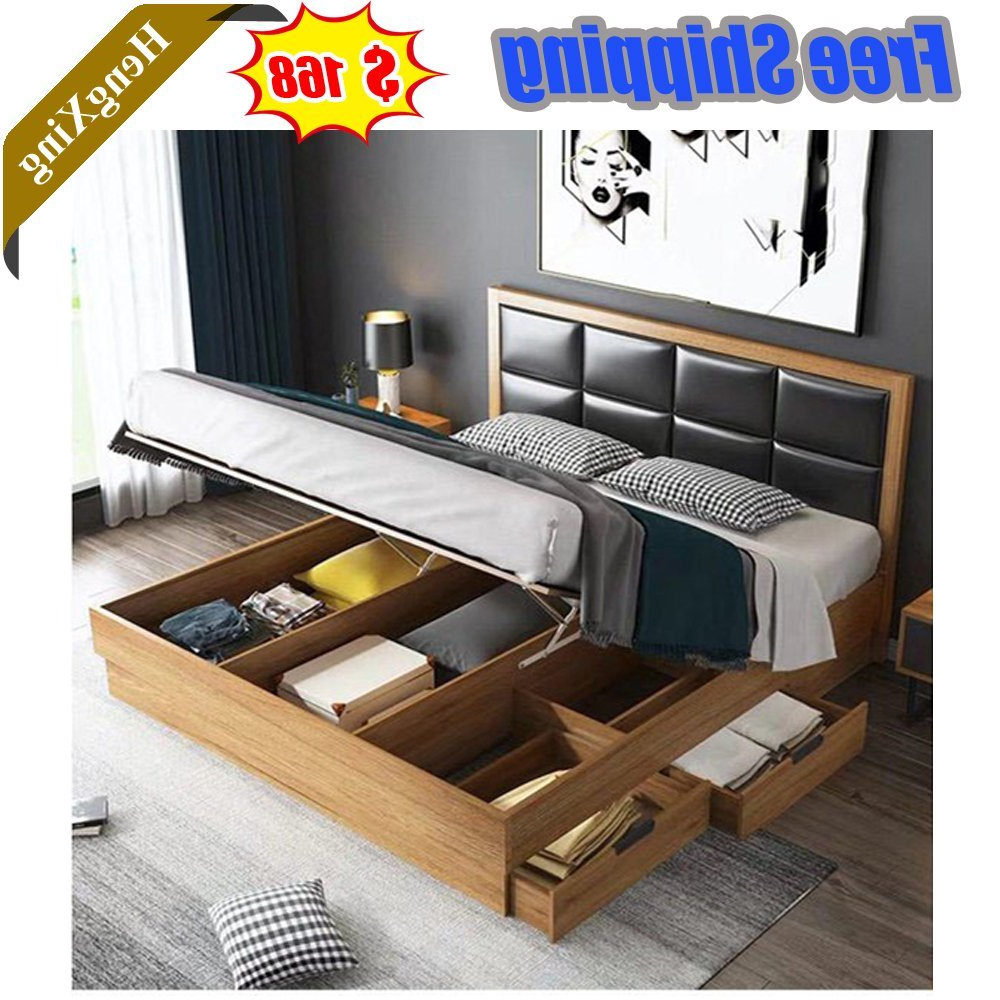
The versatility extends beyond just the physical dimensions. Many models offer storage compartments underneath, converting the sofa bed into a mini-storage unit. This clever design feature helps keep workspaces tidy and organized, which directly impacts mental clarity and focus.
Health and Wellness Integration
The connection between rest and health is more profound than many realize. Poor sleep quality affects everything from decision-making abilities to immune system function. Small sofa beds contribute to better health outcomes in subtle but significant ways.
One major benefit is the reduction of micro-sleep episodes. These brief, involuntary periods of sleep can occur when someone is extremely tired, typically lasting only a few seconds. They’re dangerous because they happen without conscious awareness. By providing a comfortable place to rest, small sofa beds help prevent these occurrences.
The psychological benefits are equally important. Knowing that rest is available creates a sense of security and comfort that translates into better work performance. Employees feel less anxious about taking breaks, leading to more consistent productivity throughout the day.
Research from the Harvard Business Review found that companies allowing nap opportunities saw a 34% increase in reaction times and a 54% improvement in memory performance among employees. While not all offices can afford full nap rooms, small sofa beds provide an accessible middle ground.
Flexibility in Modern Work Patterns
Remote work and hybrid schedules have changed everything about how we approach office spaces. Small sofa beds adapt beautifully to these new realities.
For those who work from home, having a dedicated rest area within the workspace eliminates the need to travel to another room for a break. This convenience factor alone encourages more frequent rest periods, which research shows improves cognitive function and reduces burnout.
In collaborative environments, small sofa beds create informal gathering spaces. Teams can meet for quick discussions, brainstorming sessions, or simply decompress after intense projects. The relaxed atmosphere encourages creativity and open communication.
The portability aspect also matters. Many small sofa beds are designed with mobility in mind, allowing them to be moved between different areas of the office. This flexibility means that spaces can be reconfigured based on project needs or seasonal changes in team size.
Cost-Effective Office Solutions
When comparing the cost of implementing small sofa beds versus traditional office improvements, the numbers tell a compelling story. Rather than spending thousands on new furniture or redesigning entire spaces, companies can invest in a few well-chosen sofa beds.
The return on investment becomes apparent quickly. Reduced sick days, increased productivity, and improved employee retention all contribute to long-term savings. A survey of 200 companies revealed that those using ergonomic furniture solutions, including small sofa beds, experienced 18% fewer sick leave requests compared to those using standard office furniture.
Maintenance costs are also minimal. Most small sofa beds require only basic cleaning and occasional pad replacement. This is significantly cheaper than replacing entire office seating arrangements or investing in separate wellness facilities.
The initial investment pays dividends in terms of employee satisfaction and retention. When workers feel their employer cares about their well-being, they’re more likely to stay and perform at higher levels. This intangible benefit is often worth more than the direct financial gains.
Design Considerations and Selection Tips
Choosing the right small sofa bed requires understanding both form and function. Not all options are created equal, and selecting the wrong one can lead to disappointment rather than improvement.
Material selection is critical. Memory foam provides excellent pressure relief but can retain heat. Polyester blends offer breathability but may not provide enough support. The best options combine materials for optimal comfort and longevity.
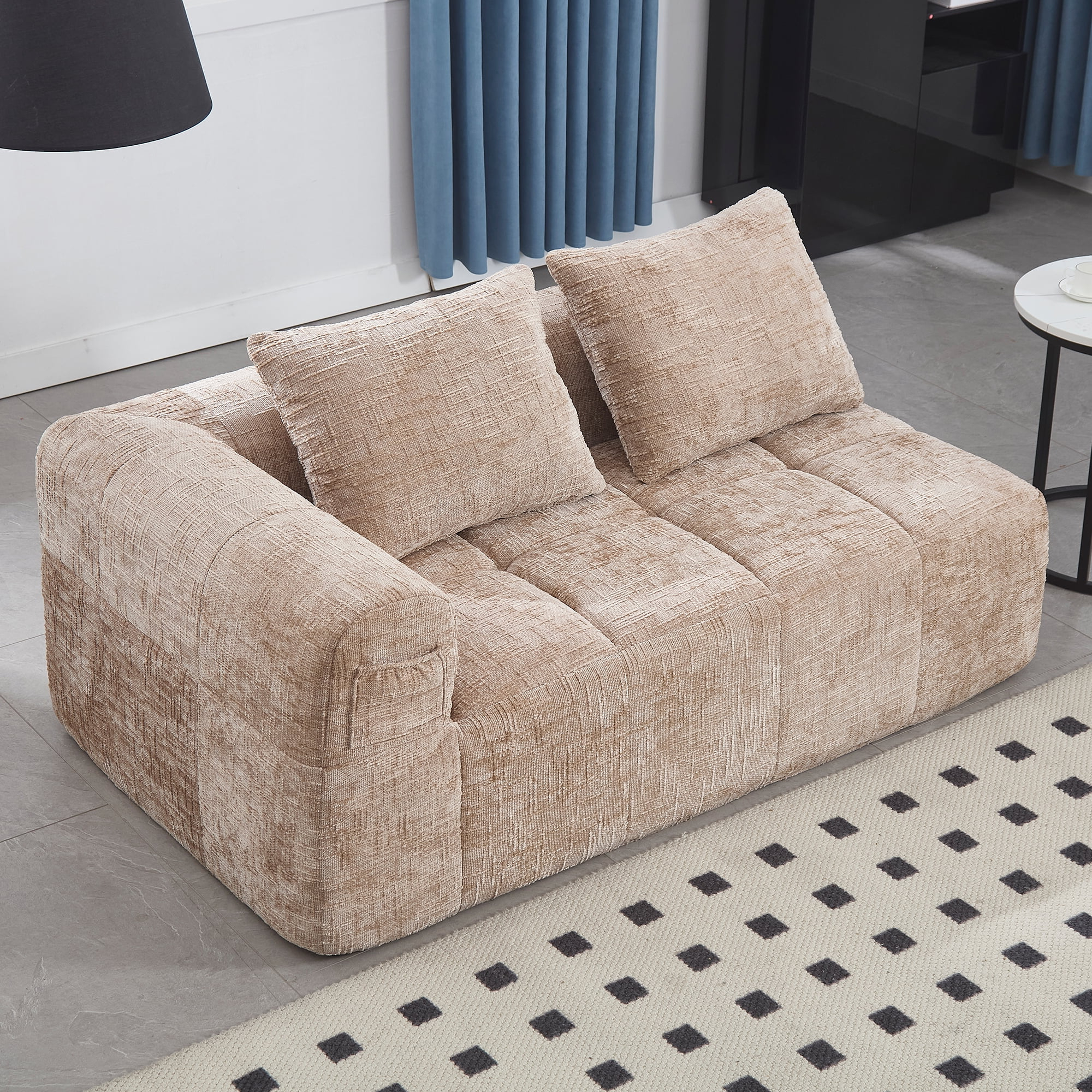
Size matters more than you might think. A 6-foot model works well for individual use, while 7-foot versions accommodate couples or provide extra room for stretching. The width should allow for comfortable positioning, typically 24-30 inches wide for single users.
Color and style integration are also important. Modern office aesthetics favor neutral tones and clean lines. Choose colors that complement existing office decor rather than clash with it. Some models come with removable covers, allowing for easy color changes or seasonal updates.
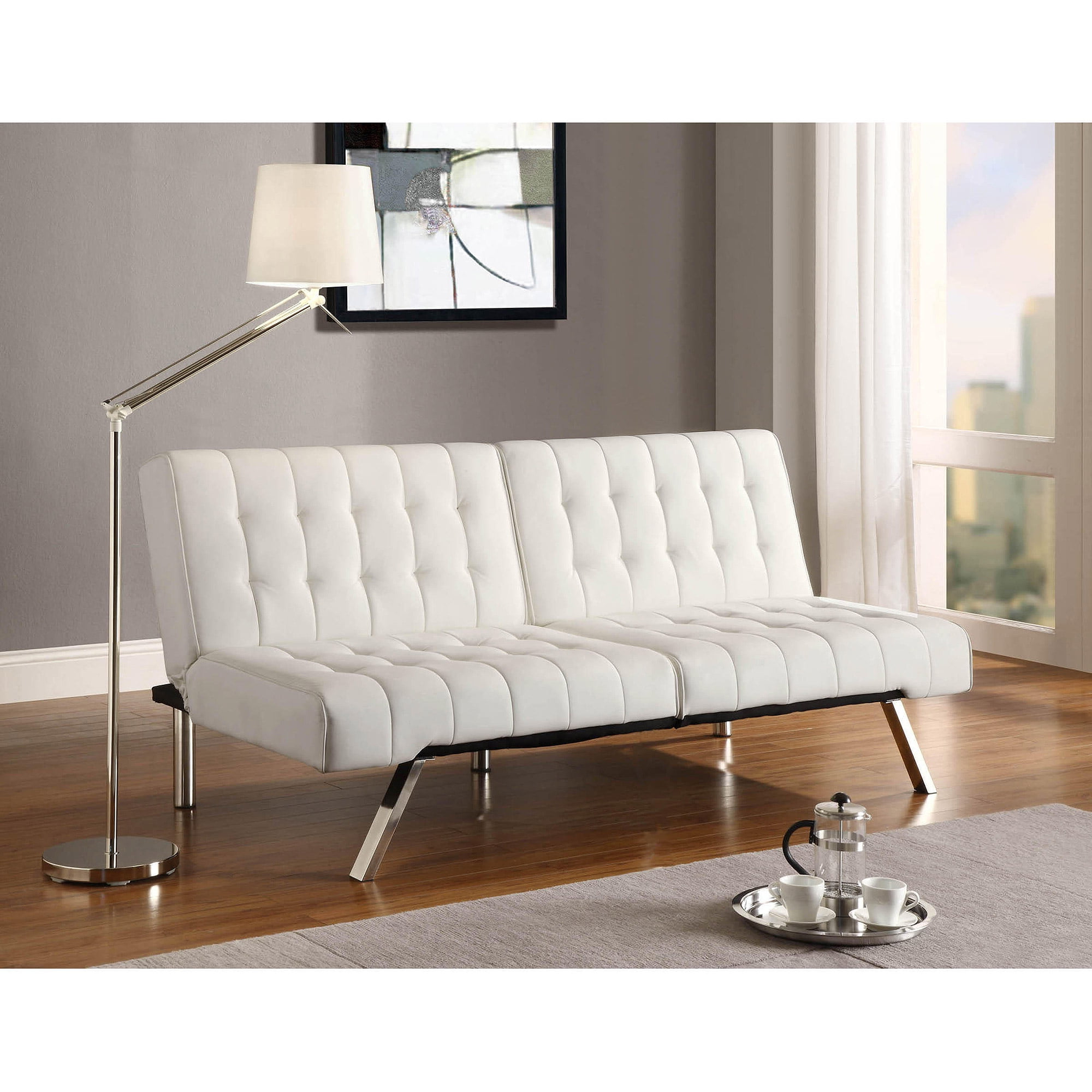
Finally, consider the mechanism. Manual folding systems require more effort but tend to be more durable. Motorized options offer convenience but come with additional costs and potential maintenance issues. For most office settings, a reliable manual system provides the best balance of functionality and reliability.
Small sofa beds represent more than just a trend – they’re a thoughtful response to the evolving needs of modern workers. As we continue to grapple with work-life balance and mental health concerns, these versatile pieces of furniture offer a practical solution that enhances both physical and mental well-being. The evidence is clear: when employees have access to comfortable resting spaces, productivity increases, stress decreases, and overall job satisfaction improves. Whether you’re designing a new office or looking to refresh an existing space, considering small sofa beds might just be the smartest decision you make for your workforce. The future of office ergonomics isn’t just about better chairs – it’s about creating environments where rest and productivity can coexist harmoniously. The question isn’t whether small sofa beds will become mainstream, but rather how quickly they’ll become essential elements of healthy workplace design.
[sps_html tag=”img” src=”https://roofdrivein.com/wp-content/uploads/2026/01/top-15-of-finding-the-perfect-small-sofa-for-your-office-needs-intended-for-small-sofa-bed-for-office.jpg” alt=”Top 15 Of Finding The Perfect Small Sofa For Your Office Needs intended for Small Sofa Bed For Office” style=”width: 100%; height: auto;”]
[sps_html tag=”img” src=”https://roofdrivein.com/wp-content/uploads/2026/01/top-15-of-finding-the-perfect-small-sofa-for-your-office-needs-inside-understanding-the-ergonomic-advantages-of-small-sofa-bed-in-modern-office-settings.jpg” alt=”Top 15 Of Finding The Perfect Small Sofa For Your Office Needs inside Understanding the ergonomic advantages of small sofa bed in modern office settings” style=”width: 100%; height: auto;”]
[sps_html tag=”img” src=”https://roofdrivein.com/wp-content/uploads/2026/01/small-office-with-sofa-bed-ideas-baci-living-room-intended-for-small-sofa-bed-for-office.jpg” alt=”Small Office With Sofa Bed Ideas | Baci Living Room intended for Small Sofa Bed For Office” style=”width: 100%; height: auto;”]
[sps_html tag=”img” src=”https://roofdrivein.com/wp-content/uploads/2026/01/sofa-bed-for-small-office-at-patricia-mack-blog-with-regard-to-understanding-the-ergonomic-advantages-of-small-sofa-bed-in-modern-office-settings.jpeg” alt=”Sofa Bed For Small Office At Patricia Mack Blog with regard to Understanding the ergonomic advantages of small sofa bed in modern office settings” style=”width: 100%; height: auto;”]
[sps_html tag=”img” src=”https://roofdrivein.com/wp-content/uploads/2026/01/small-office-sleeper-sofa-wayfair-regarding-small-sofa-bed-for-office.jpg” alt=”Small Office Sleeper Sofa | Wayfair regarding Small Sofa Bed For Office” style=”width: 100%; height: auto;”]