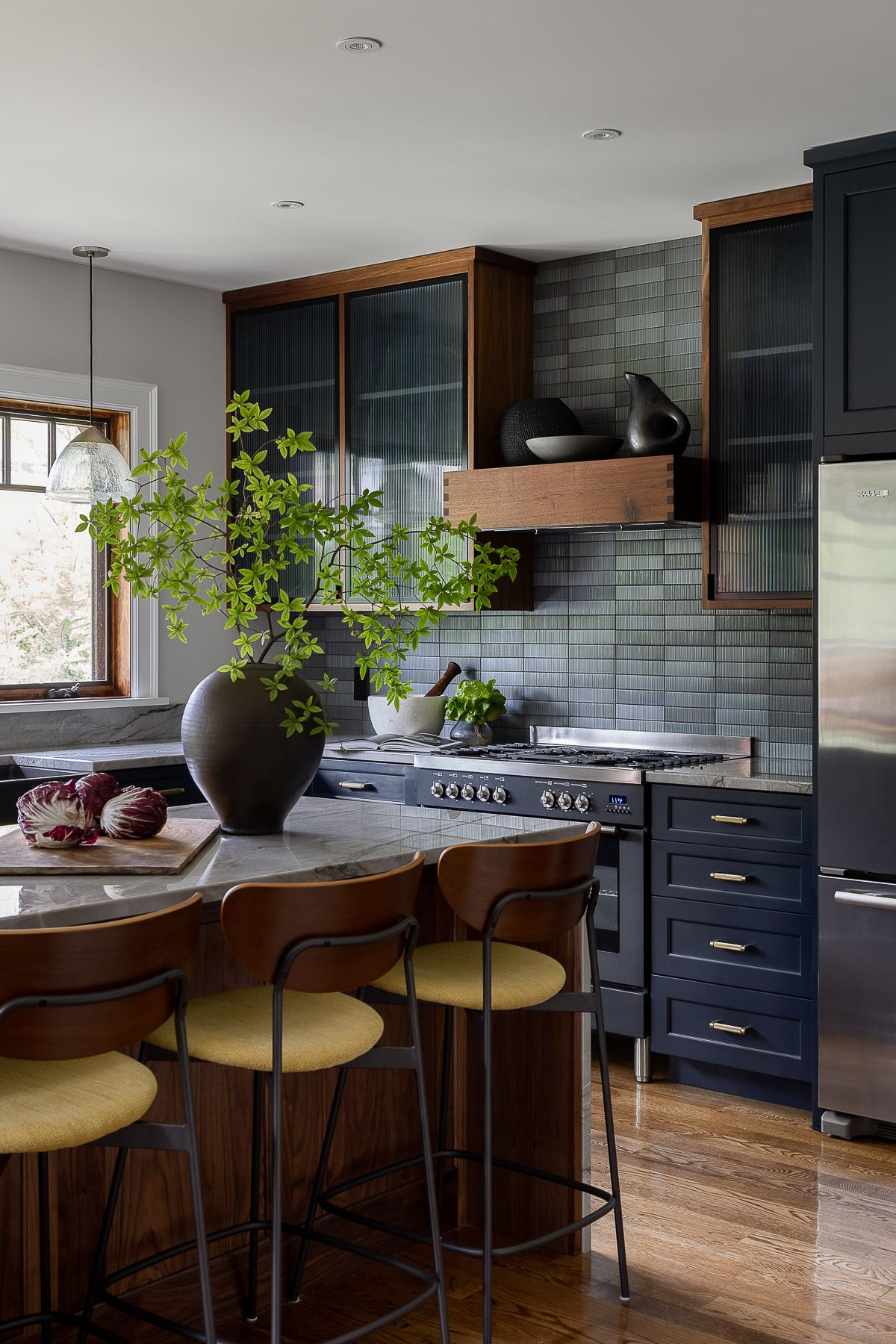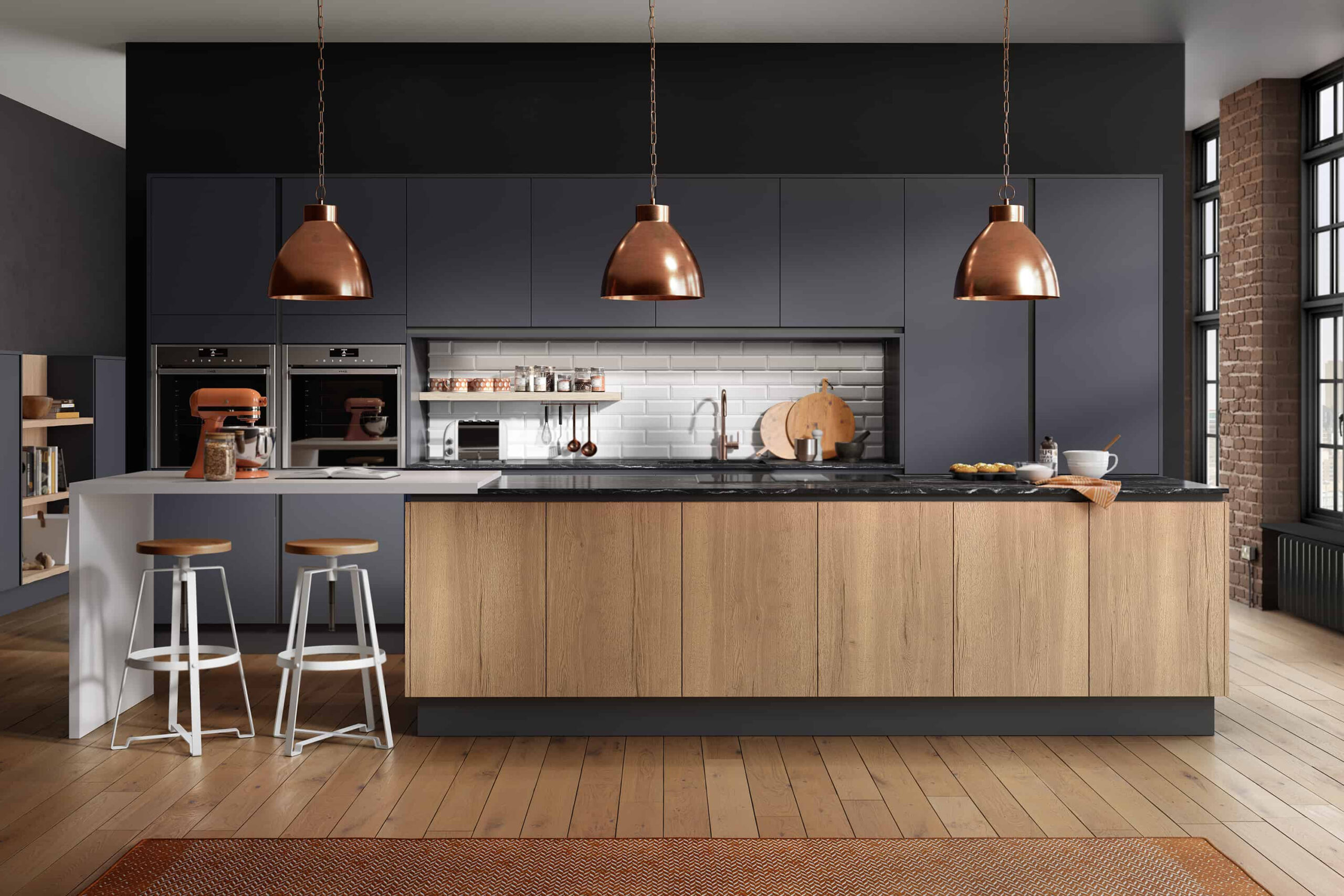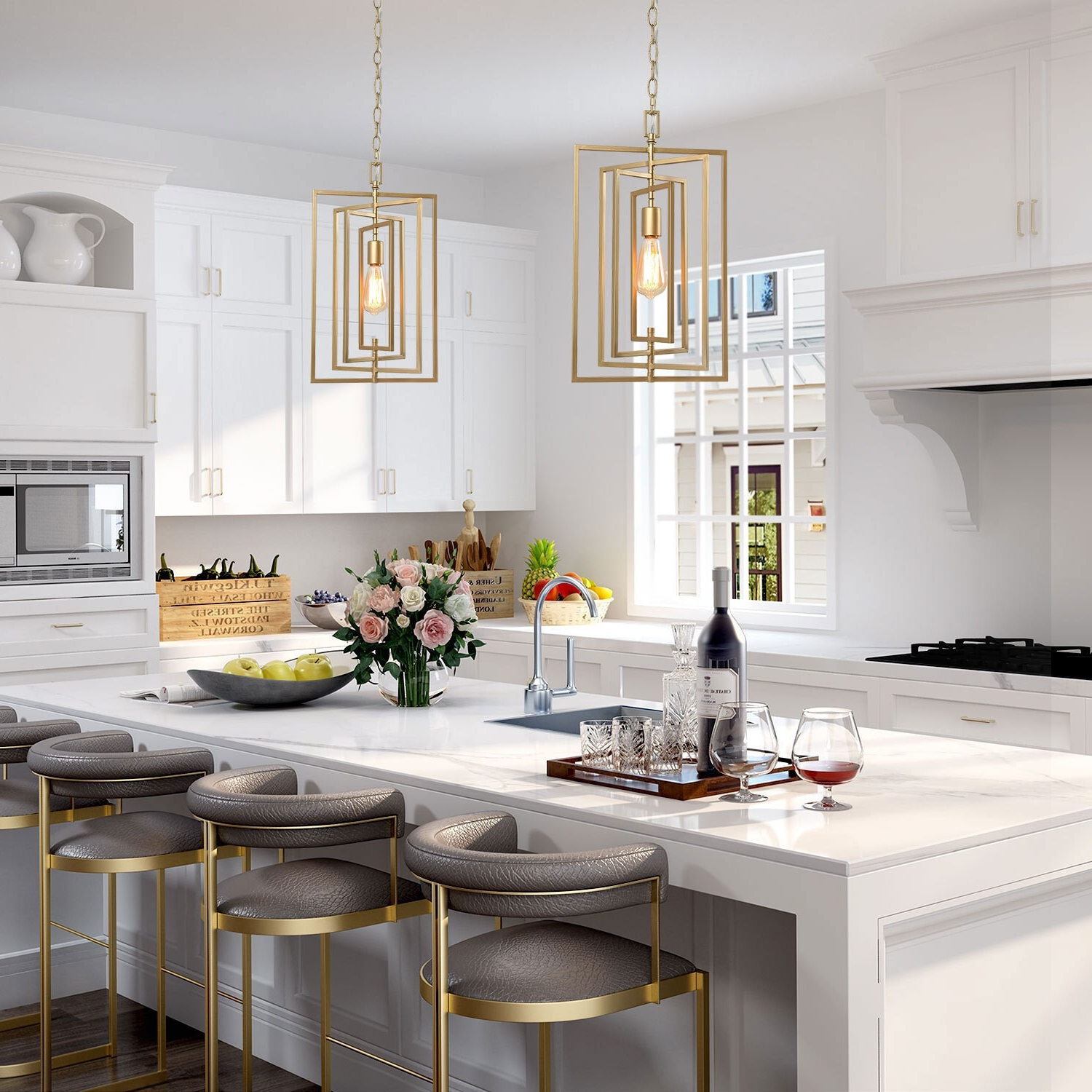
Every time you open a cabinet door, turn a knob, or pull a drawer, you’re interacting with something far more significant than just a handle or hinge. Kitchen hardware isn’t just about looks—it’s about how we live, work, and cook in our spaces. It’s the bridge between design aesthetics and daily functionality.
Think about it. You spend hours in your kitchen each day. Whether you’re chopping vegetables, stirring sauce, or simply grabbing a snack, your hardware is constantly in play. The difference between a kitchen that feels welcoming and one that feels chaotic often comes down to thoughtful hardware choices. Today, we’re diving deep into how modern kitchen hardware works, why it matters, and what makes some pieces truly exceptional.
What Makes Kitchen Hardware Special
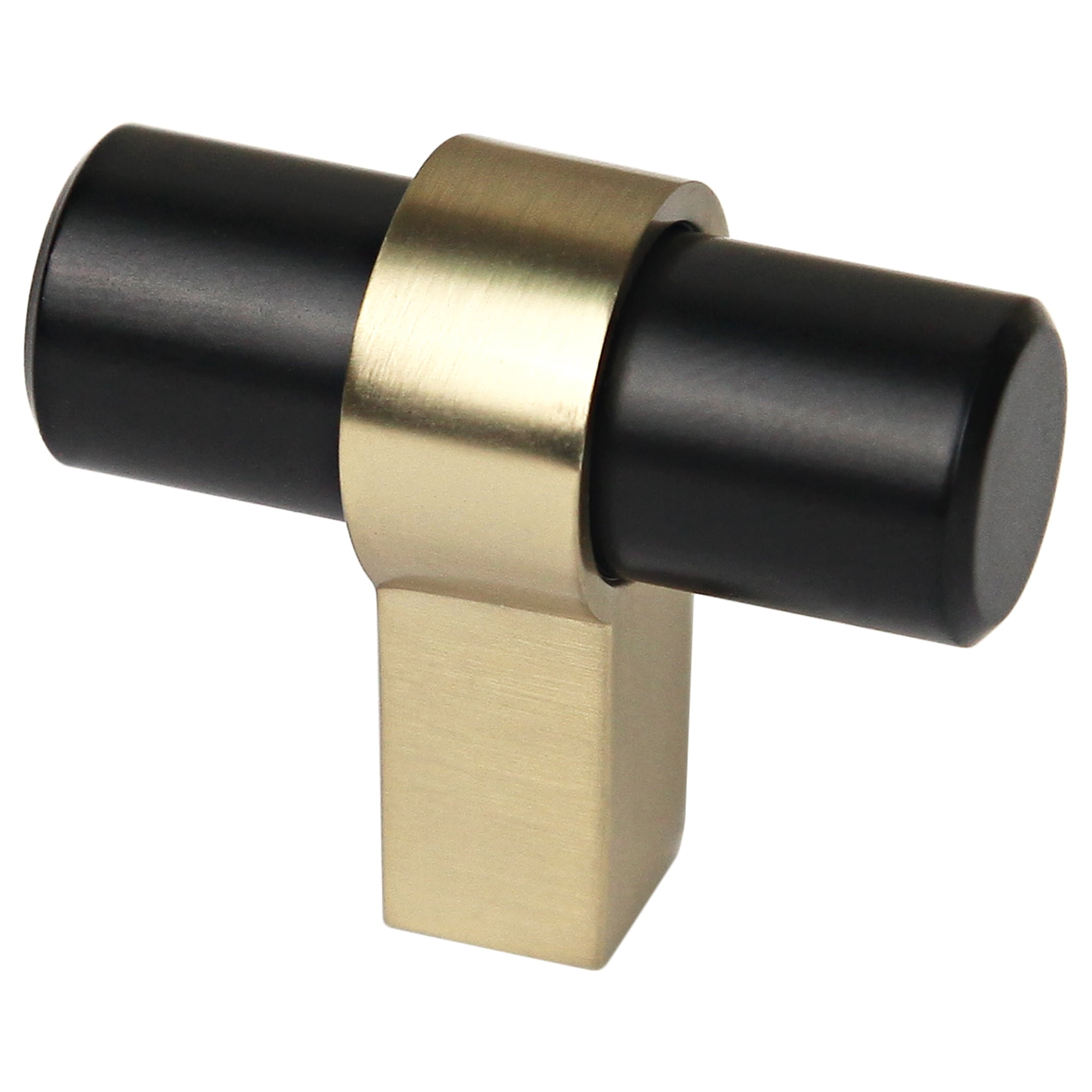
Kitchen hardware stands apart because it faces unique challenges. Unlike bedroom furniture, kitchen fixtures must withstand moisture, heat, and constant use. They also need to blend seamlessly with design trends while remaining practical. The materials used today range from brushed brass to matte black stainless steel, each offering different benefits.
Consider a simple drawer pull. A well-made one can last decades, while a cheap alternative might break after months. This durability matters more than you might think. When hardware fails, it creates frustration and disrupts your routine. Good hardware should feel solid, respond smoothly, and look good even after years of use.
The Role of Materials in Kitchen Design
Materials drive everything from appearance to performance. Let’s break down what you’ll typically find:
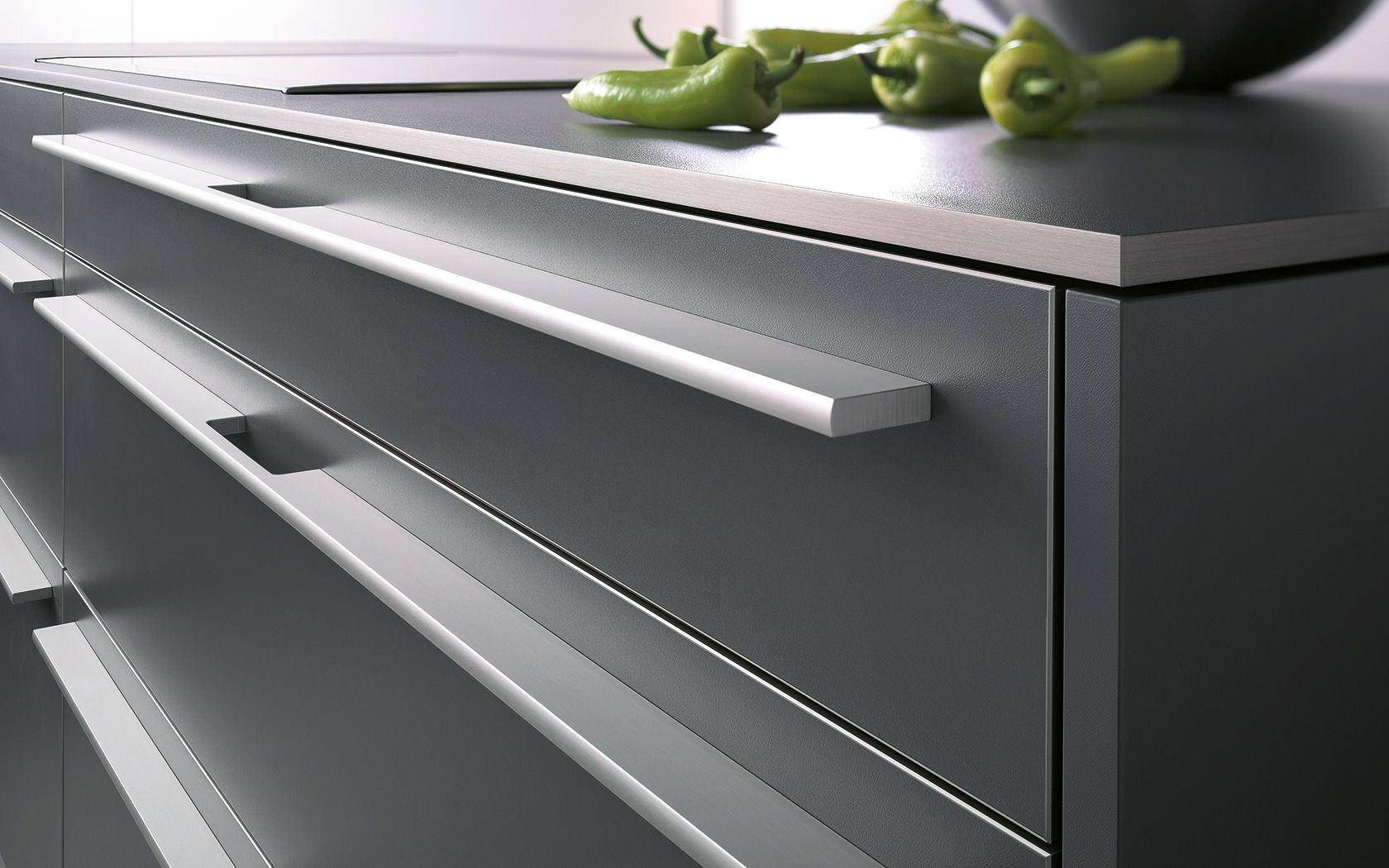
• Stainless Steel: The classic choice, it’s durable and easy to clean. Perfect for modern kitchens with a sleek, industrial vibe.
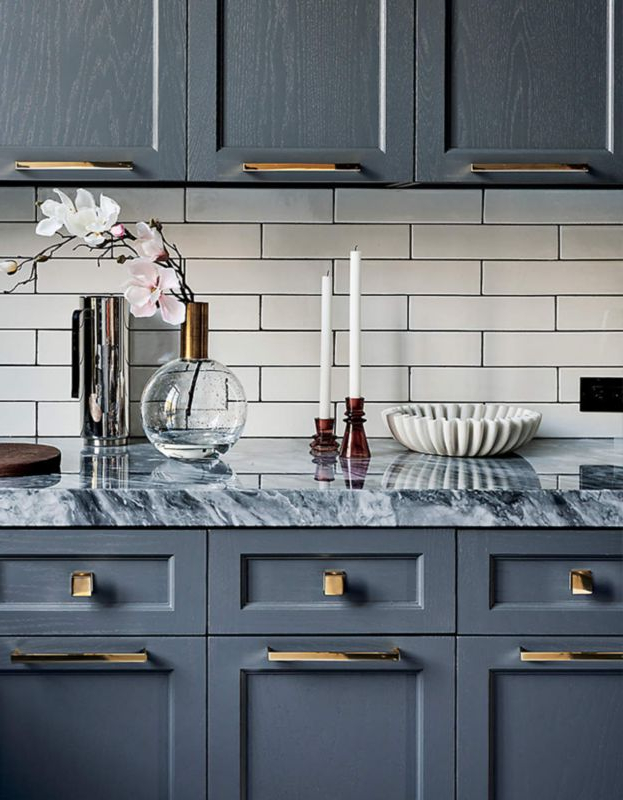
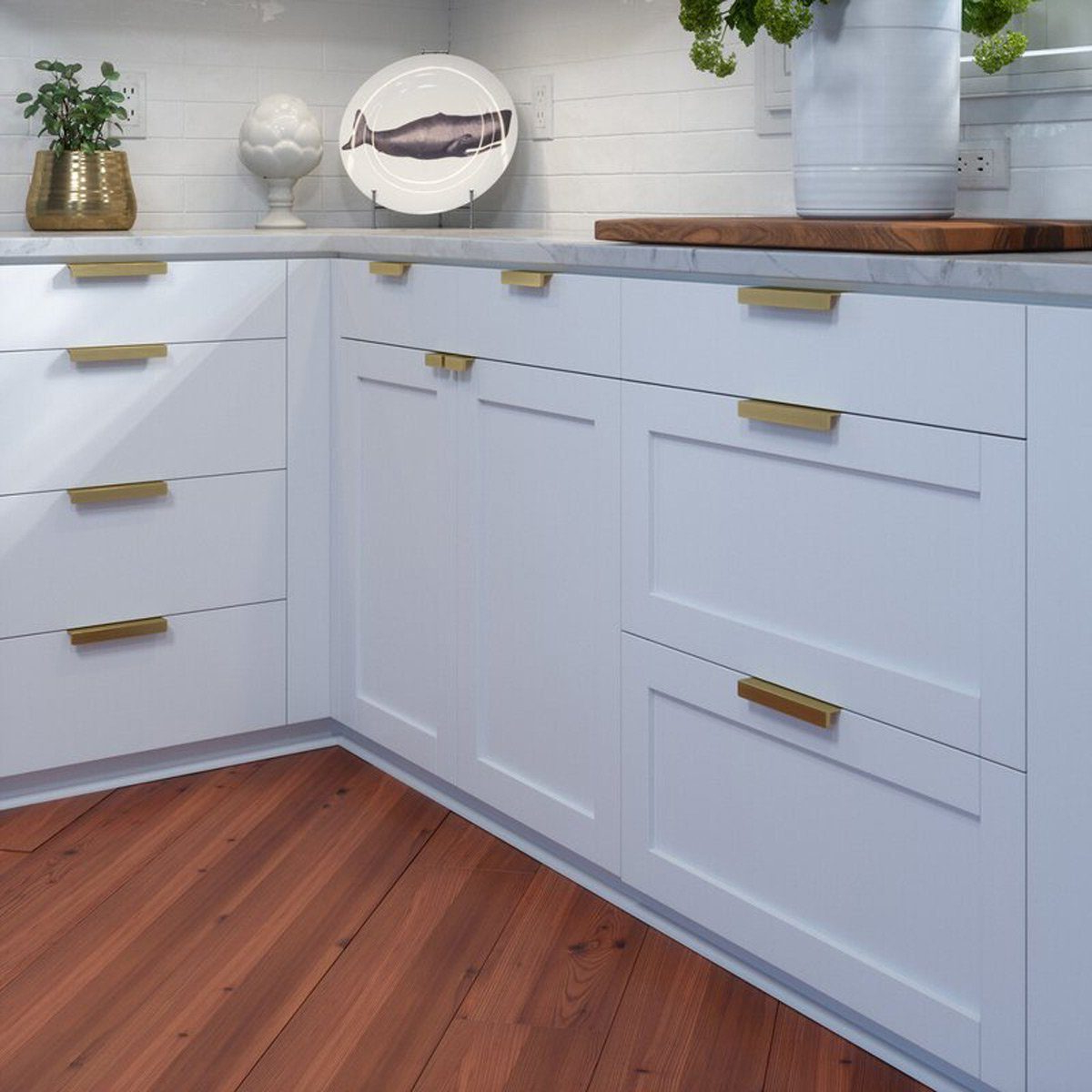
• Brass: Offers warmth and elegance. It can tarnish over time, but regular care keeps it looking great.
• Chrome: Shiny and contemporary, but can show fingerprints easily.
• Brushed Nickel: A middle ground that’s both stylish and low maintenance.
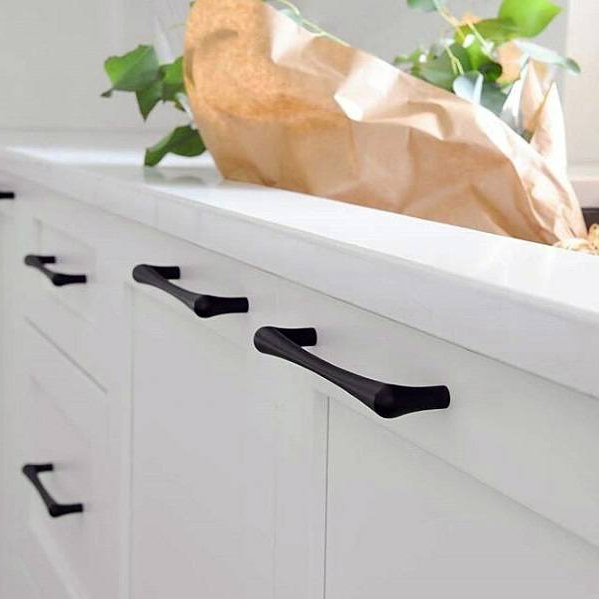
• Black Matte: Trendy and bold, though it may hide scratches better than glossy finishes.
Each material tells a story about your kitchen’s personality. Some are timeless, others reflect current trends. The right choice depends on your lifestyle, your home’s aesthetic, and how much maintenance you want to put in.
Hardware That Works With Your Body
Modern kitchen hardware is designed with ergonomics in mind. This means it fits naturally in your hands, moves smoothly, and reduces strain during daily tasks. A poorly designed handle can cause discomfort, especially if you’re doing repetitive motions like opening cabinets all day.
Take drawer pulls, for example. They come in various shapes and sizes. Some are long and slender, others wide and flat. The right shape allows your fingers to grip comfortably. You might notice that some handles have a slight curve, making them easier to grasp. These subtle details matter when you’re dealing with tired hands after a long cooking session.
Matching Hardware to Your Kitchen Style
There’s no one-size-fits-all approach to kitchen hardware. Your choice should complement your overall design vision. Here’s how to think about it:
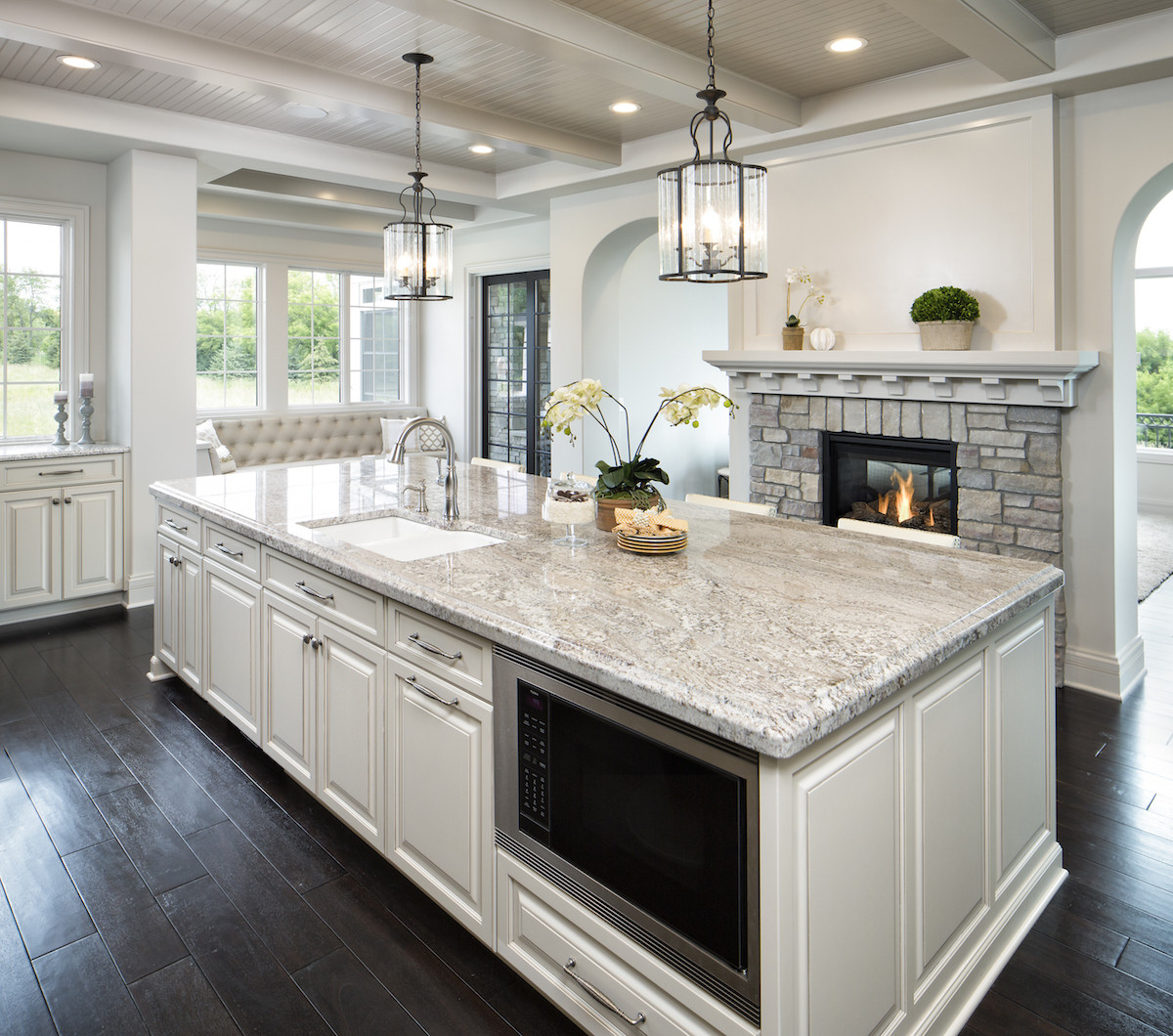
• Traditional Kitchens: Look for ornate handles, vintage-style knobs, and brushed brass finishes.
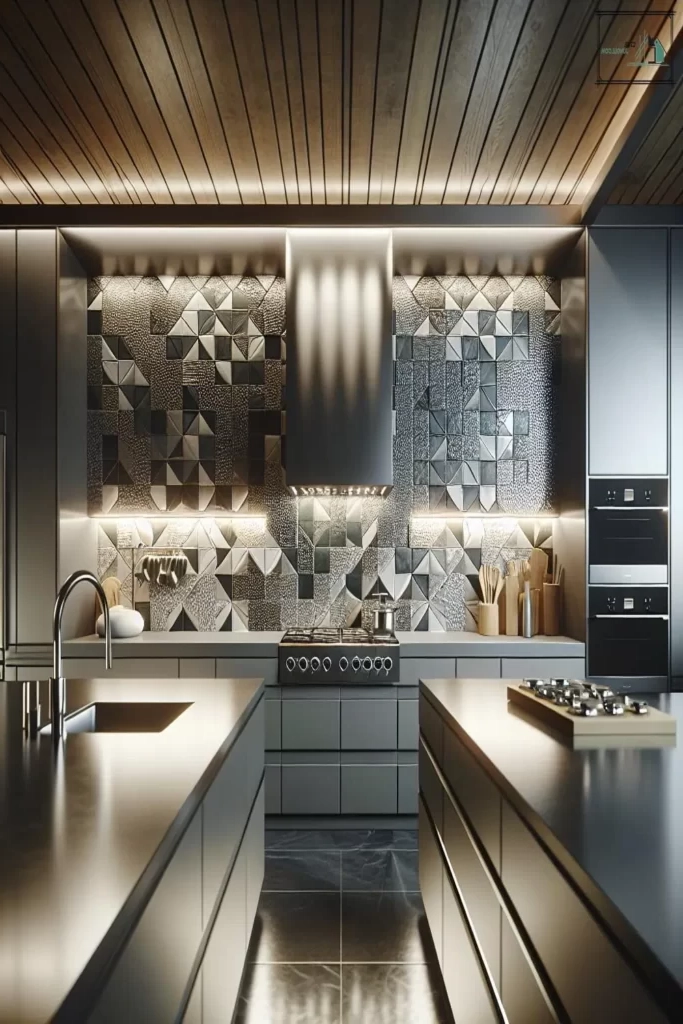
• Modern Kitchens: Opt for minimalist designs, clean lines, and neutral colors like black or silver.
• Farmhouse Style: Choose rustic elements, wooden pulls, and warm metals like antique bronze.
• Contemporary Spaces: Go for geometric shapes, bold colors, and high-tech finishes.
It’s important to consider how your hardware will age. Trends change, but quality hardware can remain relevant for years. Sometimes, choosing classic options over trendy ones pays off in the long run.
The Hidden Impact of Small Details
Sometimes, the most impactful changes come from small upgrades. A single cabinet knob can transform a room. But it’s not just about visual appeal—it’s about creating a seamless experience.
Imagine having drawer pulls that feel different from one another. That inconsistency can be jarring. Consistency in hardware helps create a sense of order and control. It makes your space feel intentional rather than chaotic. Even the placement of hardware matters. Proper spacing ensures that your hands land exactly where they need to, every time.
Think of it this way: if your hardware doesn’t feel right, it can affect your confidence in using your kitchen. You might hesitate to open a drawer or pull a door because you’re unsure how it will react. That hesitation, even if brief, interrupts the rhythm of cooking.
Choosing Quality Over Quantity
When shopping for kitchen hardware, remember that price often reflects quality. Cheaper options may save money upfront, but they tend to fail faster. They can also impact your overall kitchen experience negatively.
Here are some things to keep in mind:
• Look for hardware made with solid materials, not just coatings or plating.
• Check for warranties or guarantees, which often indicate confidence in product quality.
• Consider the installation process. High-quality hardware should fit properly and be easy to install.
• Read reviews from actual users who’ve had the items for months or years.
Investing in quality hardware isn’t just about avoiding replacements—it’s about ensuring your kitchen continues to function smoothly and beautifully for years to come.
Kitchen hardware might seem like a small detail, but it plays a major role in how you interact with your cooking space. From the feel of a drawer pull to the look of a cabinet knob, every element contributes to your daily experience. By understanding how materials, design, and function work together, you can make choices that enhance both beauty and usability. The best hardware doesn’t just look good—it works well, lasts long, and fits perfectly into your lifestyle. So next time you reach for a handle, remember: you’re not just grabbing hardware—you’re engaging with the heart of your home.
[sps_html tag=”img” src=”https://roofdrivein.com/wp-content/uploads/2026/01/breathtaking-best-modern-cabinet-hardware-porcelain-knobs-and-pulls-throughout-modern-kitchen-knobs.jpg” alt=”Breathtaking Best Modern Cabinet Hardware Porcelain Knobs And Pulls throughout Modern Kitchen Knobs” style=”width: 100%; height: auto;”]
[sps_html tag=”img” src=”https://roofdrivein.com/wp-content/uploads/2026/01/modern-kitchen-door-knobs-cabinetune-pertaining-to-modern-kitchen-knobs.jpg” alt=”Modern Kitchen Door Knobs - Cabinetune pertaining to Modern Kitchen Knobs” style=”width: 100%; height: auto;”]
[sps_html tag=”img” src=”https://roofdrivein.com/wp-content/uploads/2026/01/kitchen-cabinet-knobs-trends-2021-at-wilfred-mccarty-blog-regarding-modern-kitchen-knobs.jpg” alt=”Kitchen Cabinet Knobs Trends 2021 At Wilfred Mccarty Blog regarding Modern Kitchen Knobs” style=”width: 100%; height: auto;”]
[sps_html tag=”img” src=”https://roofdrivein.com/wp-content/uploads/2026/01/contemporary-cabinet-knobs-intended-for-modern-kitchen-knobs.jpg” alt=”Contemporary Cabinet Knobs intended for Modern Kitchen Knobs” style=”width: 100%; height: auto;”]
[sps_html tag=”img” src=”https://roofdrivein.com/wp-content/uploads/2026/01/design-house-emery-cabinet-knobs-5-pack-modern-kitchen-handles-matte-inside-modern-kitchen-knobs.jpeg” alt=”Design House Emery Cabinet Knobs, 5-Pack, Modern Kitchen Handles, Matte … inside Modern Kitchen Knobs” style=”width: 100%; height: auto;”]