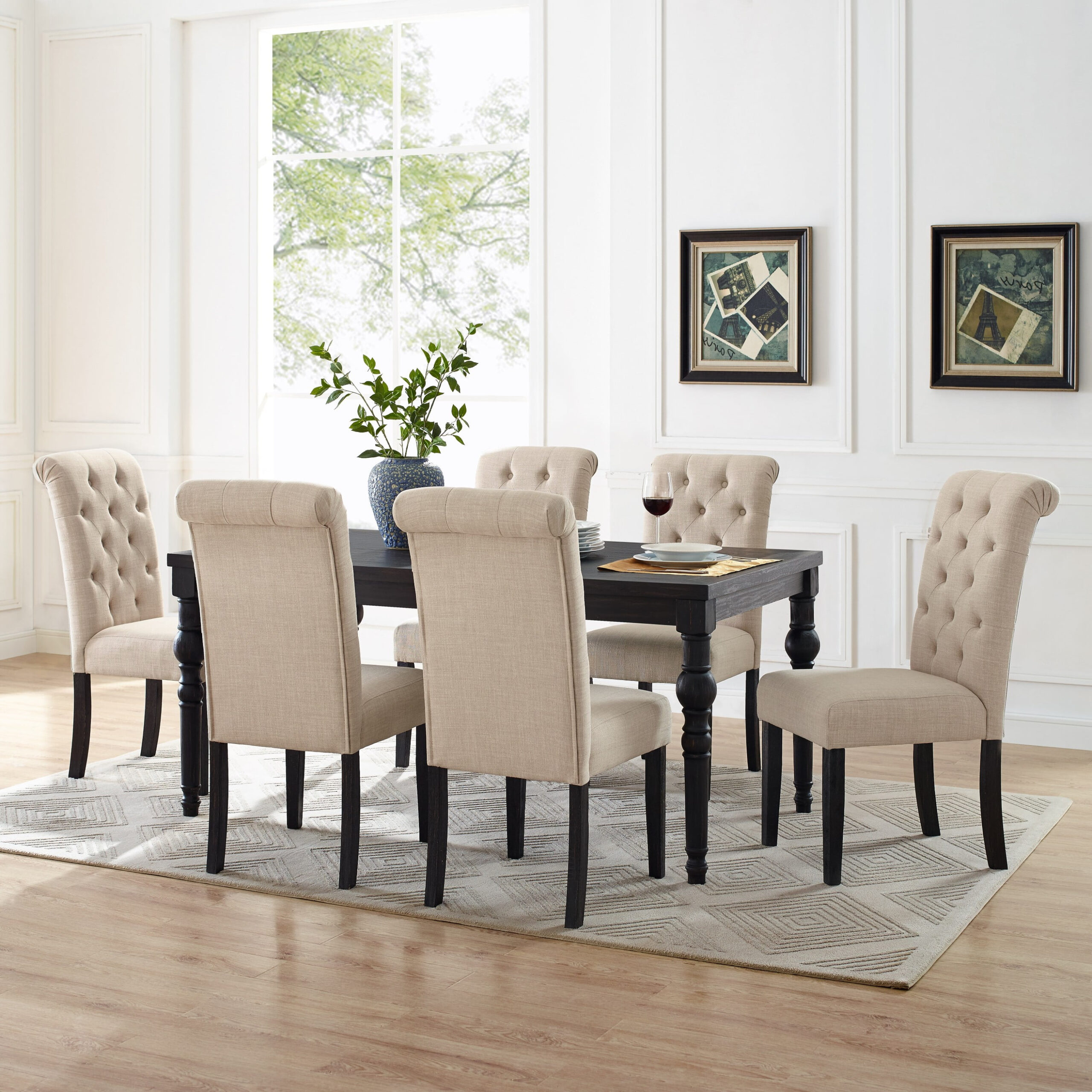

Have you ever sat at a dinner table and felt your back start to ache after just a few minutes? Or maybe you’ve noticed how some chairs feel like they’re designed specifically for your body type? These experiences aren’t random – they’re the result of thoughtful ergonomics that shape how we sit, eat, and enjoy our meals together.
Dining tables are more than just surfaces for food – they’re gathering places where families connect, friends share stories, and memories are made. But what if the chairs around that table were actually working against you instead of with you? This isn’t just about comfort anymore. It’s about health, posture, and creating spaces that support both your body and your relationships. Modern dining chairs have evolved far beyond simple furniture. Today’s designs incorporate scientific understanding of how our bodies work when we sit for extended periods. Whether you’re hosting a weekly family dinner or enjoying a quiet meal alone, the right chair can make all the difference between a comfortable experience and one that leaves you feeling stiff and uncomfortable.
What Makes a Chair Ergonomic?
Ergonomics isn’t just a buzzword – it’s a science that studies how people interact with their environments. When it comes to dining chairs, this means considering factors like seat height, back support, armrest positioning, and even the materials used. A truly ergonomic chair adapts to your body rather than forcing your body to adapt to it. The goal is to reduce strain on muscles and joints while promoting good posture naturally. Think about how different chairs feel when you sit in them for a while. Some seem to cradle your body perfectly, while others leave you shifting uncomfortably from side to side. That difference often comes down to basic ergonomic principles.
For instance, if a chair is too low, you’ll find yourself hunching forward to reach your plate. If it’s too high, your feet won’t touch the ground properly, causing your legs to dangle awkwardly. Both situations lead to poor posture and discomfort over time. Good ergonomic design considers the average person’s proportions, but also allows for adjustments to accommodate individual differences. The best contemporary chairs often feature adjustable components that let users fine-tune their seating experience.
The Importance of Proper Back Support
Your spine deserves attention too, especially when you’re sitting for hours during meals. The backrest of a dining chair plays a crucial role in maintaining proper spinal alignment. Many people overlook this aspect, focusing instead on seat comfort. But without adequate back support, your entire posture suffers. A well-designed backrest should provide support at multiple levels – from the lumbar region (lower back) to the upper back and shoulders. This prevents slouching and helps maintain the natural curve of your spine. You might notice that some chairs offer lumbar support that can be adjusted or moved. That feature is particularly helpful because everyone’s body shape is slightly different.
Some people naturally have more curvature in their lower back, while others have less. The right chair will support your unique spinal needs. Consider also the angle of the backrest itself. Too upright and you’ll feel cramped. Too reclined and you might lean too far back, which can cause neck strain. The sweet spot usually falls somewhere between 90 and 110 degrees from the seat. This position keeps your torso supported while allowing for natural breathing and movement during meals.
Seat Design and Its Impact on Comfort
The seat itself might be the most obvious part of a dining chair, but it’s also one of the most complex elements to get right. A good seat must balance firmness with cushioning. Too soft and you’ll sink in, losing support and potentially causing pressure points. Too hard and you’ll feel uncomfortable quickly. The ideal seat provides enough give to conform to your body shape while still offering adequate support. Material choices play a big role here. Memory foam seats adjust to your body heat and weight, creating a custom fit. Spring mechanisms offer bounce and movement, which many people find more comfortable for longer periods.
Fabric upholstery affects both comfort and durability. Breathable materials like mesh or certain cotton blends help prevent overheating during long meals. The shape of the seat matters too. Some chairs have wider seats that allow room for movement, while others are narrower and more focused on supporting specific areas. A seat that’s too narrow can cause you to shift around constantly, leading to fatigue. The width should typically allow space for your hips and thighs without forcing you into an uncomfortable position. Seat depth is another factor. If the seat extends too far back, it can press against the back of your knees, causing circulation issues and discomfort.
Armrests: More Than Just Decorative Elements
When you think about armrests, you might picture them as purely decorative features. But in ergonomic terms, they serve important functions. Properly positioned armrests can reduce shoulder and neck tension by providing support for your arms while you eat. They help distribute weight evenly across your body and prevent you from leaning on your arms, which can cause strain. Not every chair needs armrests, though. Some people prefer the freedom of moving their arms freely, especially during casual meals or when they’re actively cooking.
Others find that armrests interfere with their ability to get in and out of chairs easily. The key is matching the armrest design to your usage patterns. Adjustable armrests offer the most flexibility, allowing you to change their height and sometimes even their angle. This is especially helpful in households with multiple users of different sizes. Some contemporary designs feature armrests that can be removed entirely, giving users complete control over their seating experience. The material of armrests also matters. Soft padding feels better for extended use, while harder surfaces might be preferred for quick meals or when you need to move frequently.
Adjustability: The Key to Personalized Comfort
Modern dining chairs increasingly feature adjustment options that allow users to customize their seating experience. This isn’t just a luxury – it’s a necessity for accommodating diverse body types and usage scenarios. Height adjustment is probably the most common feature, allowing people of different heights to find their optimal seating position. But there are other adjustments worth noting too. Backrest angle changes let you find the perfect balance between support and relaxation. Some chairs even allow for seat tilt adjustments, which can help with blood circulation and reduce pressure on sensitive areas.
The ability to fine-tune these settings makes a significant difference in daily comfort. Picture a family where parents and children all sit at the same table. Without adjustable features, each person might struggle to find a comfortable position. One child might be too short for the standard height, while an older adult might need extra back support. Adjustable chairs solve this problem elegantly by adapting to individual needs rather than forcing everyone into a one-size-fits-all solution. Even simple adjustments like the ability to remove or add cushioning can make a world of difference. These features turn a single chair into something that grows with its user over time.
Material Choices and Their Effects
The materials used in contemporary dining chairs affect everything from comfort to longevity. Different materials offer distinct advantages and drawbacks depending on your lifestyle and preferences. Wood frames provide classic durability and strength, making them ideal for high-traffic areas. However, they might not offer the same level of comfort as softer materials. Metal frames can be sleek and modern, but they sometimes conduct temperature poorly, making them feel cold in winter. Fabric upholstery is popular for its softness and variety of colors and patterns. It’s also generally easier to clean and replace than leather or other materials. Leather offers a premium look and feel, but requires more maintenance and might not be suitable for households with children or pets.
The seat padding materials matter enormously too. High-density foam provides consistent support over time, while memory foam responds to body heat and weight for a personalized fit. Spring systems offer movement and bounce, which some people find more comfortable for extended periods. The choice of materials should consider not just personal taste, but also practical factors like ease of cleaning, resistance to wear, and environmental impact. Sustainable materials are becoming more popular, reflecting growing awareness about the environmental cost of furniture choices. Some manufacturers now use recycled plastics, reclaimed wood, or eco-friendly fabrics in their designs. These choices show how ergonomic thinking extends beyond human comfort to include broader considerations of sustainability and responsibility.
Real-Life Applications and User Experiences
Let’s talk about what happens when these ergonomic principles meet actual people in real homes. Sarah, a graphic designer who works from home, found her dining chair was causing her lower back pain after long workdays. After switching to a chair with adjustable back support and lumbar cushioning, she noticed immediate improvement in her comfort during evening meals. Tom, a retired teacher, discovered that his grandchildren’s small frames meant he had to constantly adjust his seating position. An adjustable-height chair allowed him to participate fully in family dinners without having to compromise his posture.
Maria, a busy mom of three, needed a chair that could handle daily wear and tear while remaining comfortable for her family’s frequent meals. She chose a model with easy-to-clean fabric and durable construction that maintained its appearance over years of use. These stories illustrate how ergonomic features address real-world challenges. They’re not just theoretical concepts – they solve practical problems that people face every day. The difference between a good chair and a great chair often comes down to how well it addresses these everyday situations. People often don’t realize how much their chairs influence their overall well-being until they try something different. What starts as a simple furniture purchase becomes a decision that impacts health, happiness, and social interactions around the table.
Why Ergonomic Dining Chairs Matter
The next time you sit down for a meal, take a moment to notice how your chair supports or hinders your comfort. Ergonomic dining chairs represent more than just furniture – they’re investments in health, comfort, and quality time with loved ones. As we continue to spend more time at home and around our dining tables, the importance of good ergonomic design becomes clearer. These chairs don’t just make meals more pleasant; they contribute to better posture, reduced muscle strain, and improved overall well-being. Whether you’re upgrading your existing setup or shopping for new furniture, remember that the right chair can transform your dining experience from mundane to enjoyable.
The key is choosing pieces that adapt to your body, not the other way around. With thoughtful design and consideration for individual needs, today’s dining chairs can help you sit comfortably for longer periods, whether you’re enjoying a quiet breakfast or hosting a large gathering. Your body will thank you, and so will your relationships around the table.