Have you ever walked into a room and instantly felt like you were transported to a rainforest? That’s the magic of tropical interior design. It’s not just about adding a few plants and some bright colors – it’s about creating an entire sensory experience that brings the outdoors in. Whether you live in a bustling city apartment or a quiet countryside house, tropical design can transform your space into a peaceful oasis.
Tropical interior design isn’t just a passing trend – it’s a timeless approach to creating spaces that feel alive and energizing. This style draws inspiration from lush, verdant landscapes and brings them into our everyday living environments. Think of it as creating a personal sanctuary that feels like a hidden paradise. The beauty of this design philosophy lies in its ability to make even the smallest spaces feel expansive and full of life. You might wonder why this particular aesthetic has such a powerful impact on our well-being, but the answer is simpler than you might think. Our brains naturally respond to greenery and organic shapes, which is exactly what tropical design delivers.
Understanding Tropical Design Elements
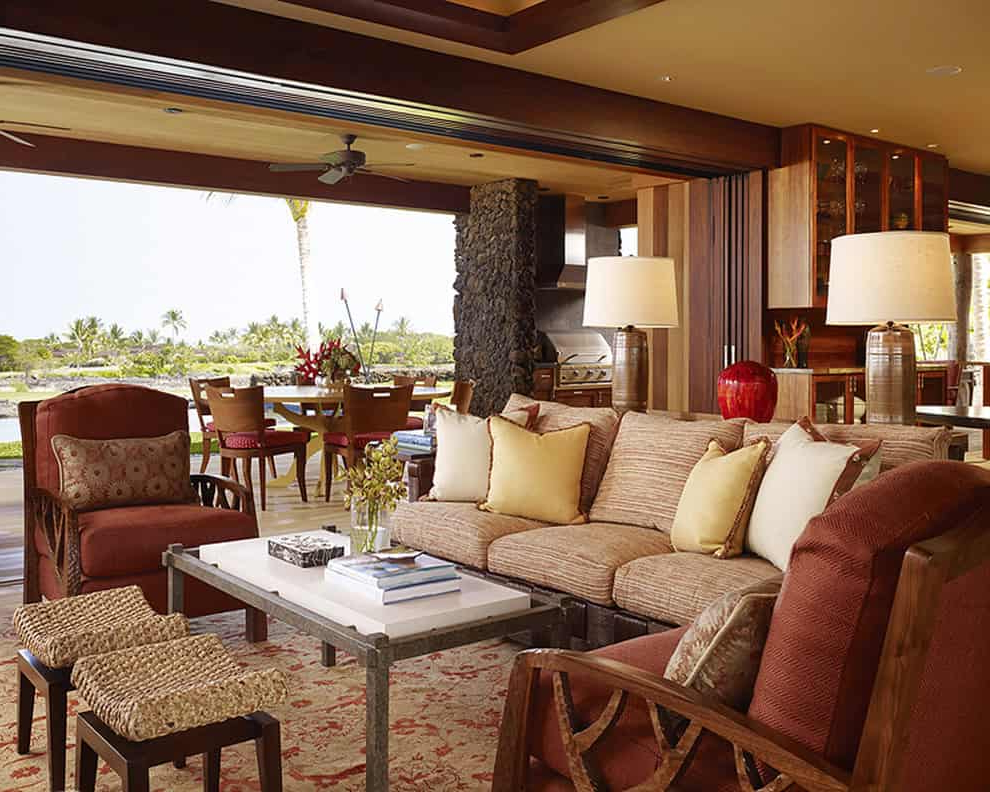
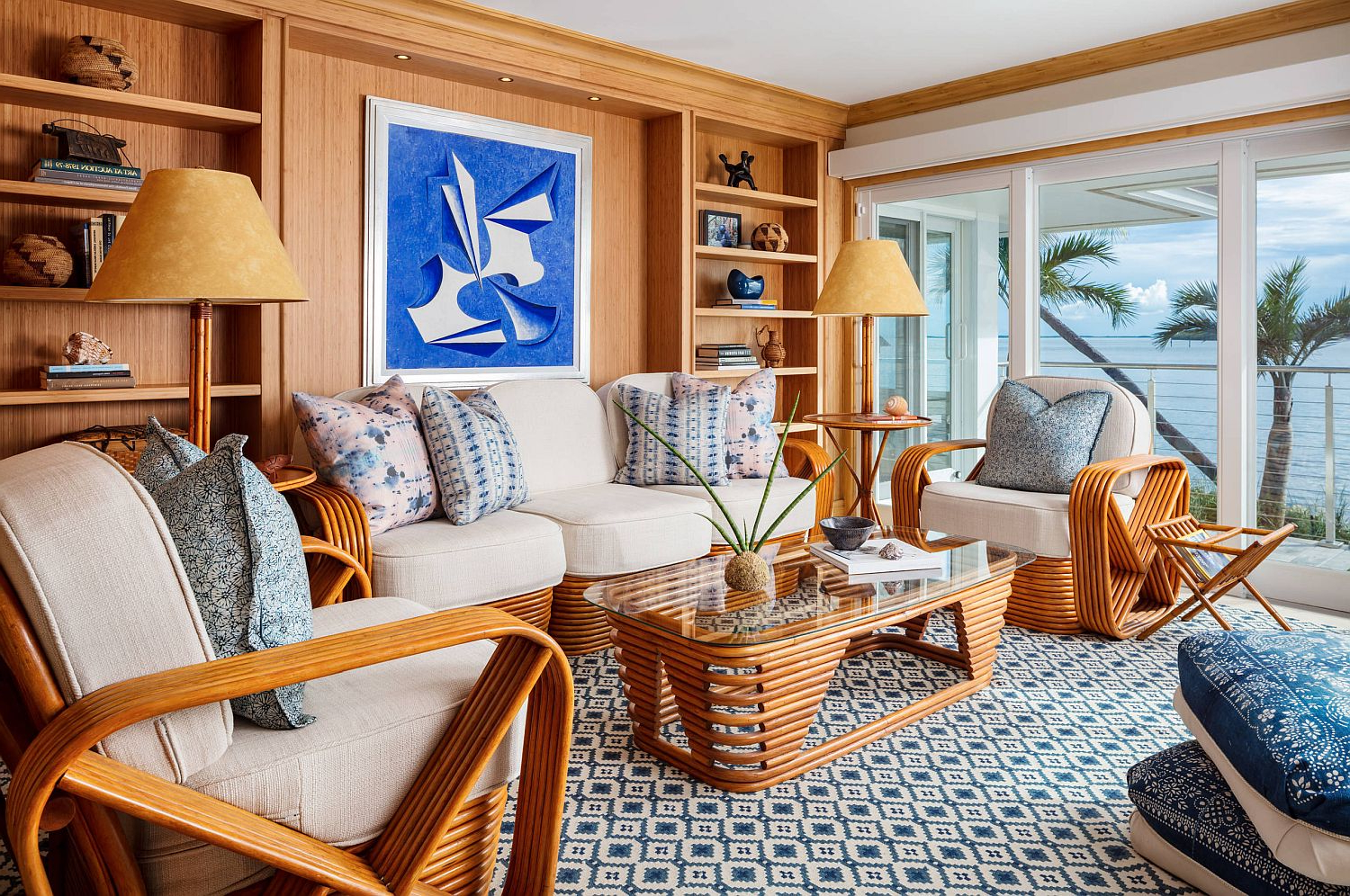
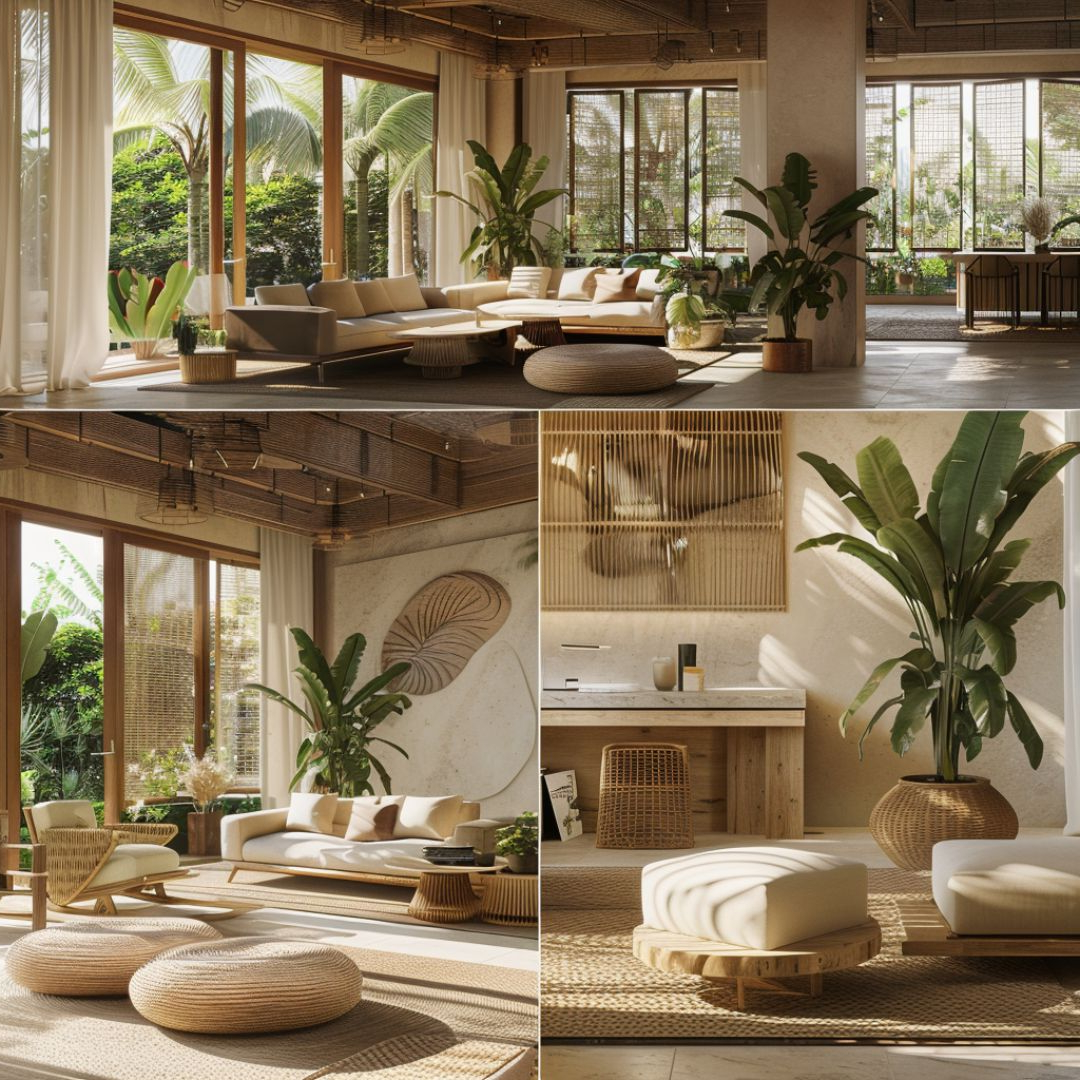
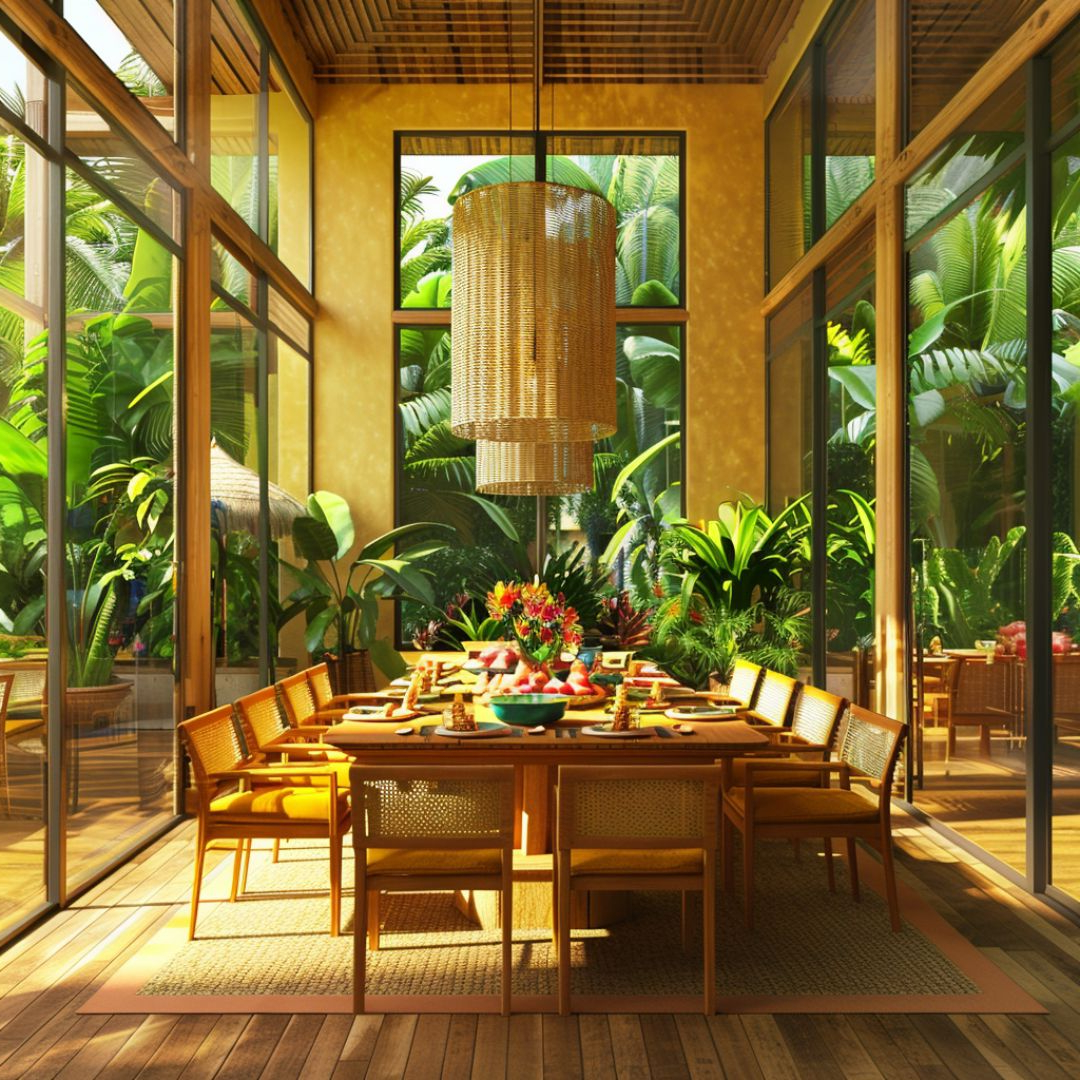
The heart of tropical interior design rests on several key components that work together to create that signature lush feeling. First, there’s the plant life – but not just any plants. Think large-leaved varieties like monstera, bird of paradise, and rubber trees that make a bold statement. These aren’t just decorative elements; they’re the foundation of the style. Color palette plays another crucial role. You’ll often see rich greens mixed with warm earth tones, vibrant yellows, and sometimes bursts of red or orange. These colors mimic the natural hues found in tropical environments. Textures matter too – smooth, glossy leaves contrast beautifully with rough bark or woven materials. Natural fibers like rattan, bamboo, and sisal add warmth and authenticity. The overall effect is one of abundance and growth, something that makes us feel connected to nature even when we’re indoors.
Color Schemes That Work
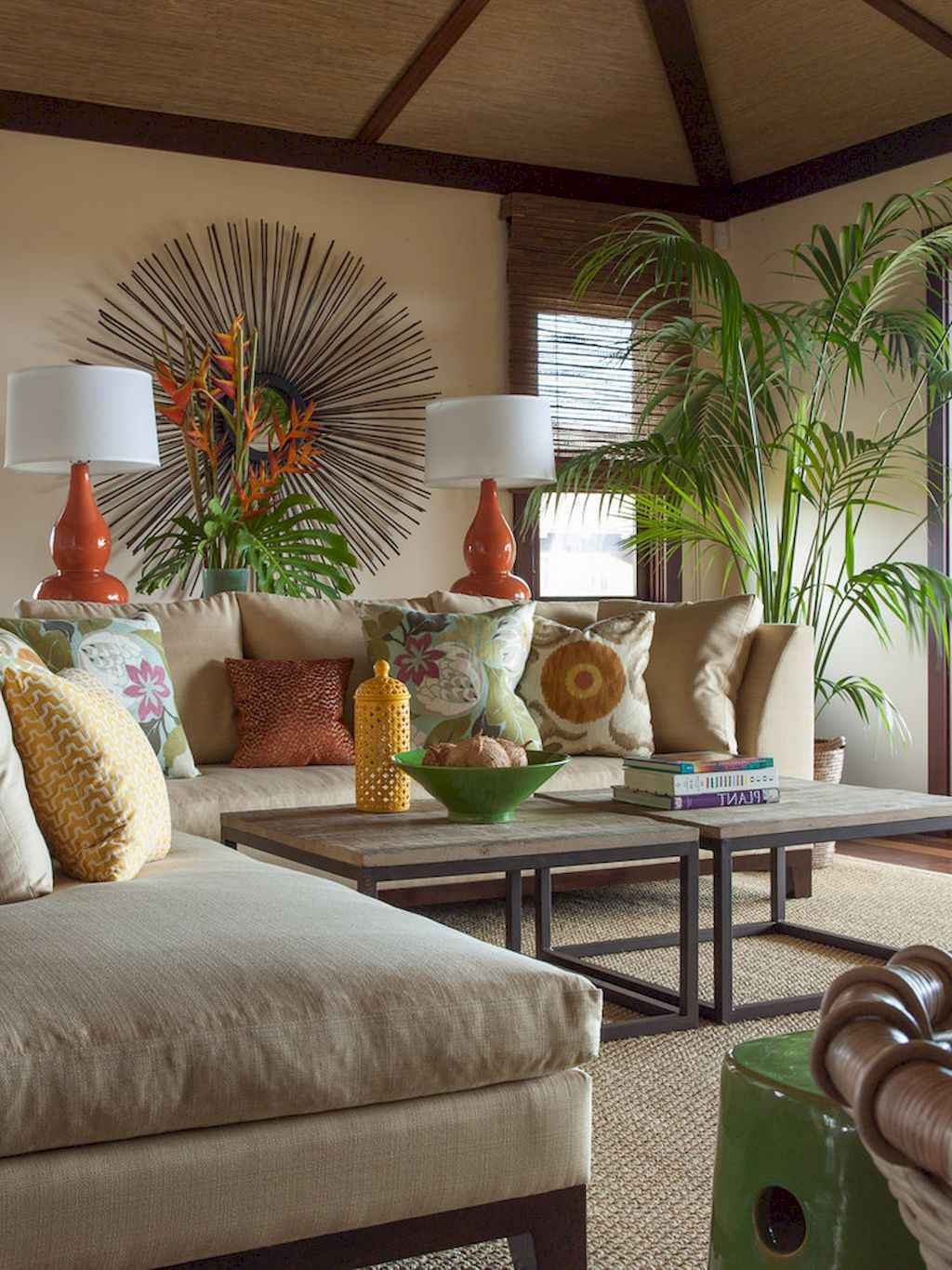
Choosing the right color palette is essential for successful tropical design. Start with deep, rich greens as your base – they’re the most important element. Think emerald, forest, and sage varieties that echo the dense foliage of tropical forests. These greens provide a grounding element that makes everything else pop. From there, you can layer in warm earth tones like terracotta, burnt orange, and golden yellow. These colors remind us of sunsets over tropical beaches or the rich soil of jungle floors. Consider adding accents of bright coral or turquoise for those moments when you want to inject energy. Sometimes, a touch of deep purple or blue can create beautiful contrast. Remember, the key is balance. Too many competing colors can overwhelm the space, while too few can make it feel flat. It’s all about finding that sweet spot where everything feels harmonious and alive.
Plant Selection for Maximum Impact
Plants are undoubtedly the star players in any tropical space. But choosing the right ones matters enormously. Large leaf plants immediately create drama and scale. Monsteras with their distinctive splits and holes are perfect for adding architectural interest. Bird of paradise flowers bring that exotic flair with their bold orange and blue blooms. Fiddle leaf figs create that classic tropical vibe with their massive, glossy leaves. Smaller plants like pothos or philodendrons work great for filling in gaps or creating cascading effects. Don’t overlook the power of hanging plants – they add dimension and make ceilings feel less like barriers. Consider the light conditions in your space when selecting plants. Some thrive in bright, direct sunlight while others prefer filtered light. Also remember that plants come in different sizes and shapes, so plan accordingly. A single large specimen can anchor an entire corner, while multiple smaller ones create a more dynamic display.
Furniture and Textile Choices
When it comes to furniture, tropical design leans heavily toward natural materials and comfortable forms. Wood furniture, especially teak or rattan, adds that organic feel without being too heavy. Look for pieces with curved lines and flowing shapes rather than sharp angles. Wicker and cane furniture offer that classic tropical touch while remaining surprisingly practical. Textiles play a huge role too. Think about incorporating woven baskets, throw pillows with tropical prints, or even a statement rug with palm or leaf patterns. Natural fabrics like linen and cotton breathe better than synthetic alternatives, which is important in warm, humid climates. The texture of these materials helps create that authentic, lived-in feel. Consider using multiple textures – smooth wood against soft textiles, rough bark against silky fabrics. This contrast keeps things interesting and prevents the space from feeling too uniform or predictable.
Lighting That Enhances the Mood
Good lighting can make or break a tropical design scheme. Natural light is always ideal, but it’s not always available in every room. When you have it, let it shine through sheer curtains or leave windows open when possible. For artificial lighting, focus on creating layers. Ambient lighting provides general illumination, while accent lights highlight specific features like a large plant or artwork. Task lighting helps with activities while maintaining the overall mood. Consider using warm-toned bulbs instead of cool white ones – they create a cozier, more inviting atmosphere. String lights or lanterns can add that magical touch, especially in evening hours. Some designers love using candles or oil lamps to create that romantic, tropical evening feel. The key is to avoid harsh, clinical lighting that kills the relaxed vibe. Instead, aim for warm, diffused light that makes everything feel welcoming and alive.
Practical Tips for Beginners
Starting with tropical design doesn’t require a complete overhaul of your existing space. Begin small by adding one large plant or a colorful accent piece. You don’t need to commit to an entire room’s worth of tropical elements right away. Start with easy-to-care-for plants like pothos or snake plants if you’re new to gardening. These will help you build confidence before moving on to more demanding specimens. Consider the practical aspects too – do you have enough space for larger plants? Are you willing to invest time in maintenance? Remember that the goal is to create a sustainable, enjoyable environment. Don’t feel pressured to follow every rule perfectly. The best tropical spaces reflect personal taste and lifestyle. Mix traditional elements with tropical touches to create something uniquely yours. Finally, don’t forget about the basics – good air circulation and proper drainage are essential for healthy plants. With these simple approaches, you’ll be well on your way to creating that dreamy, lush space you’ve been imagining.
Maintaining Your Tropical Oasis
Once you’ve created your tropical haven, keeping it looking fresh requires attention to detail. Regular watering schedules are crucial, but remember that different plants have different needs. Some prefer consistently moist soil while others like to dry out between waterings. Pruning helps maintain shape and encourages new growth. Remove yellowing or damaged leaves promptly to keep everything looking vibrant. Dusting leaves regularly helps them photosynthesize effectively and look their best. Consider seasonal changes too – plants may need different care during winter months. Fertilizing during growing seasons supports healthy development. Keep an eye out for pests that might be attracted to the humidity. Most importantly, embrace the natural evolution of your space. Plants grow, change, and sometimes need relocation. Allow yourself to adjust and adapt as your tropical sanctuary develops organically over time.
Tropical interior design offers more than just visual appeal – it creates emotional connections with nature that can profoundly impact our daily lives. By understanding the core elements and gradually implementing them, anyone can transform their living space into a thriving oasis. The key lies not in perfection but in creating a space that feels authentic and nourishing. Whether you’re drawn to the dramatic statement of a large plant or the subtle elegance of a carefully chosen textile, each element contributes to the overall feeling of abundance and peace. Remember, the best tropical spaces are those that reflect your personality and lifestyle. They’re not about following rigid rules but about capturing the essence of what makes tropical environments so appealing to us. So start small, stay consistent, and enjoy the journey of bringing a little piece of paradise into your everyday life. Your mental health, your sense of calm, and your home’s atmosphere will thank you for it.