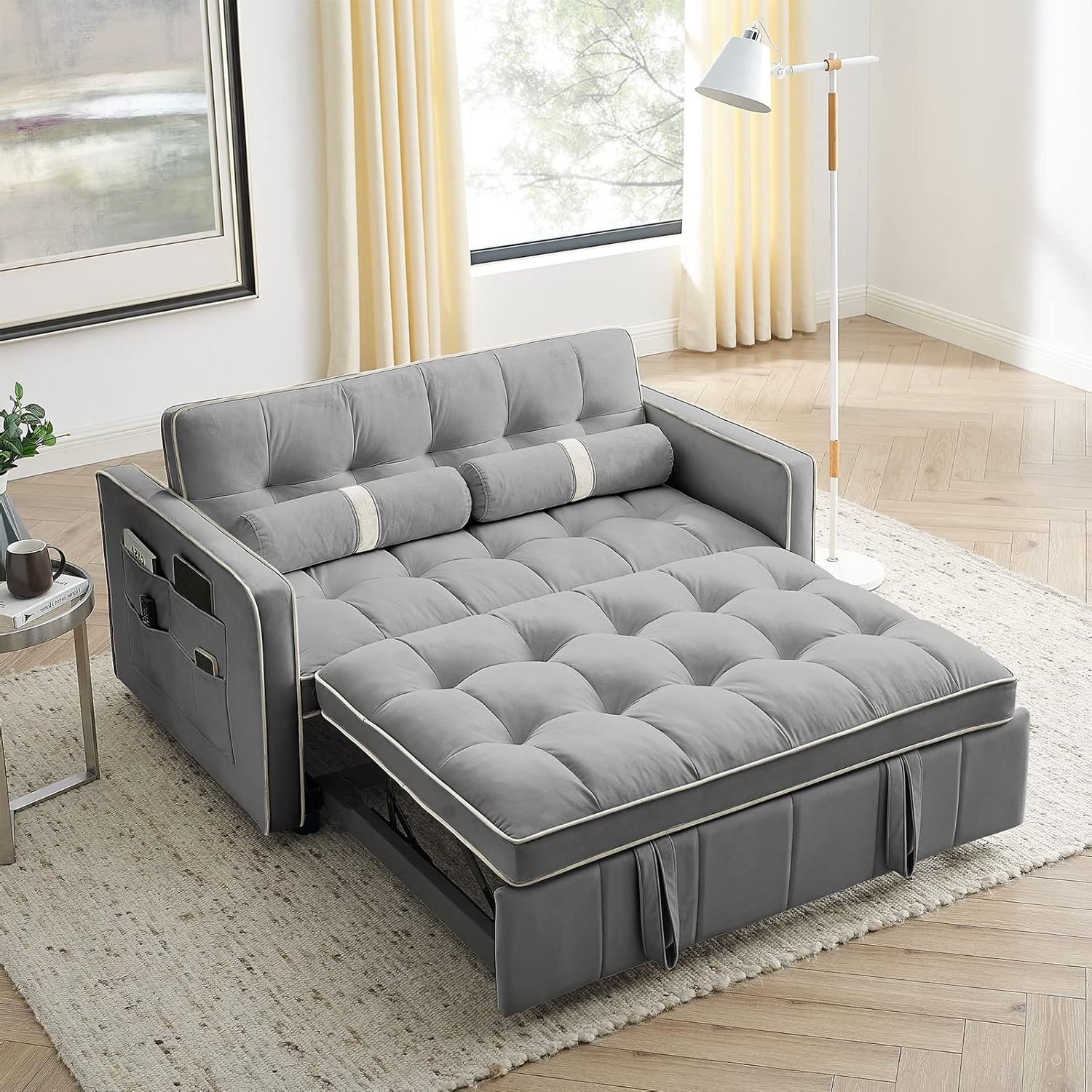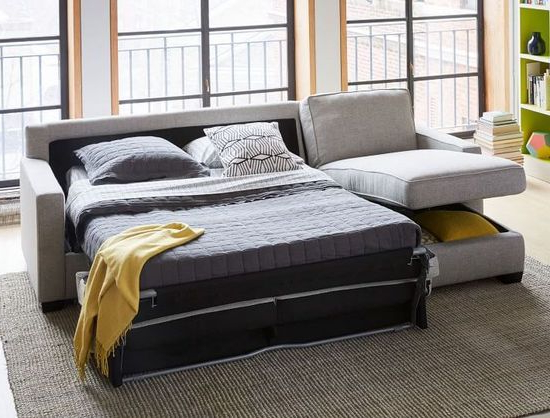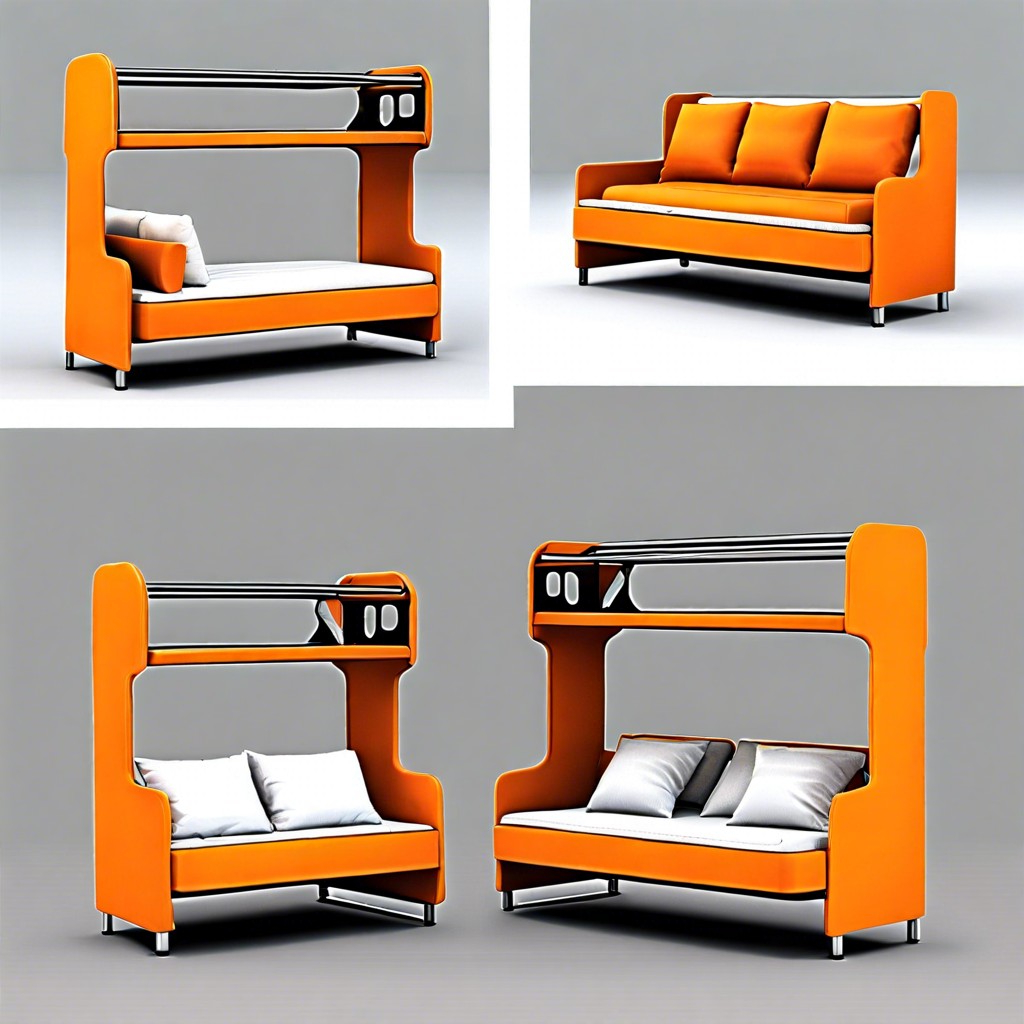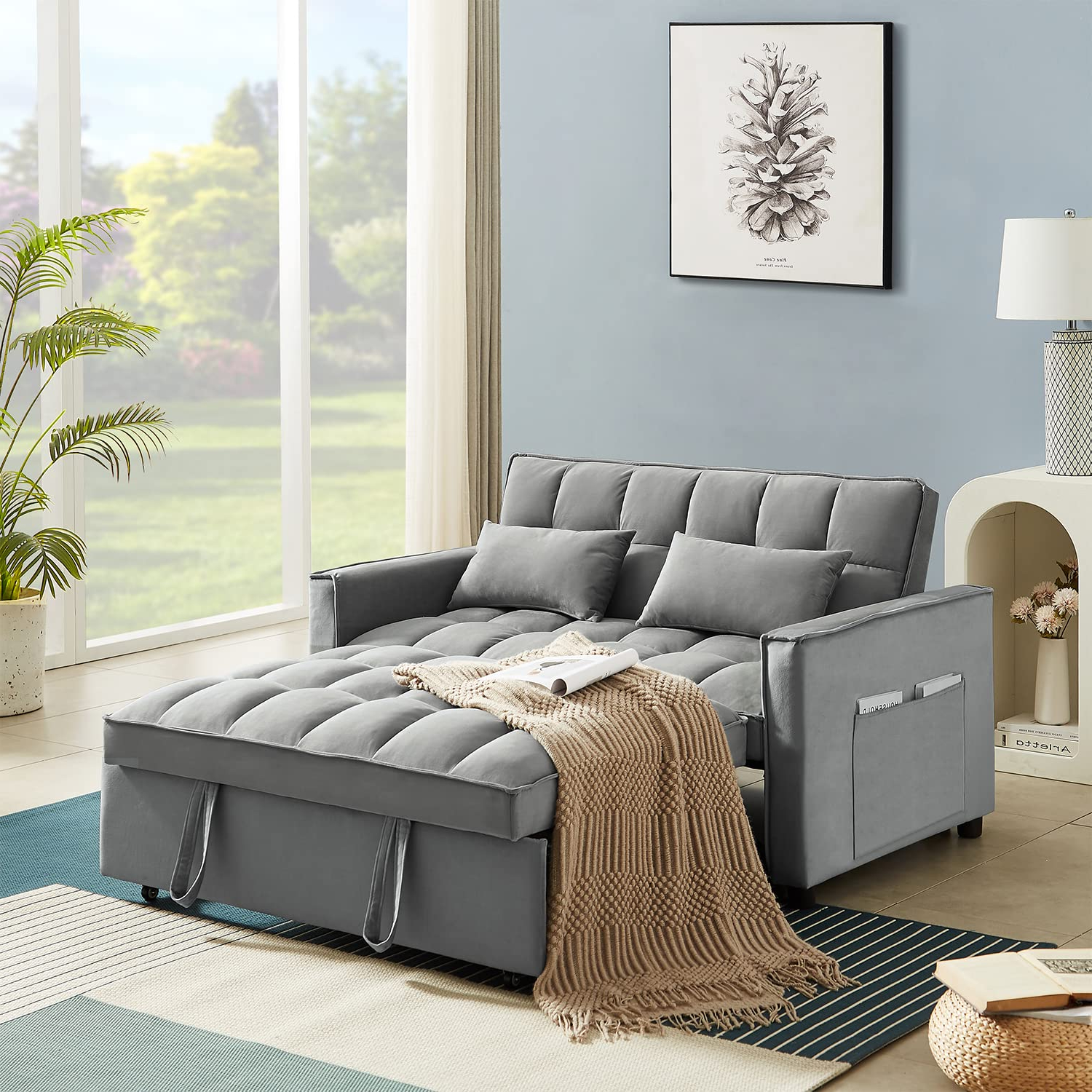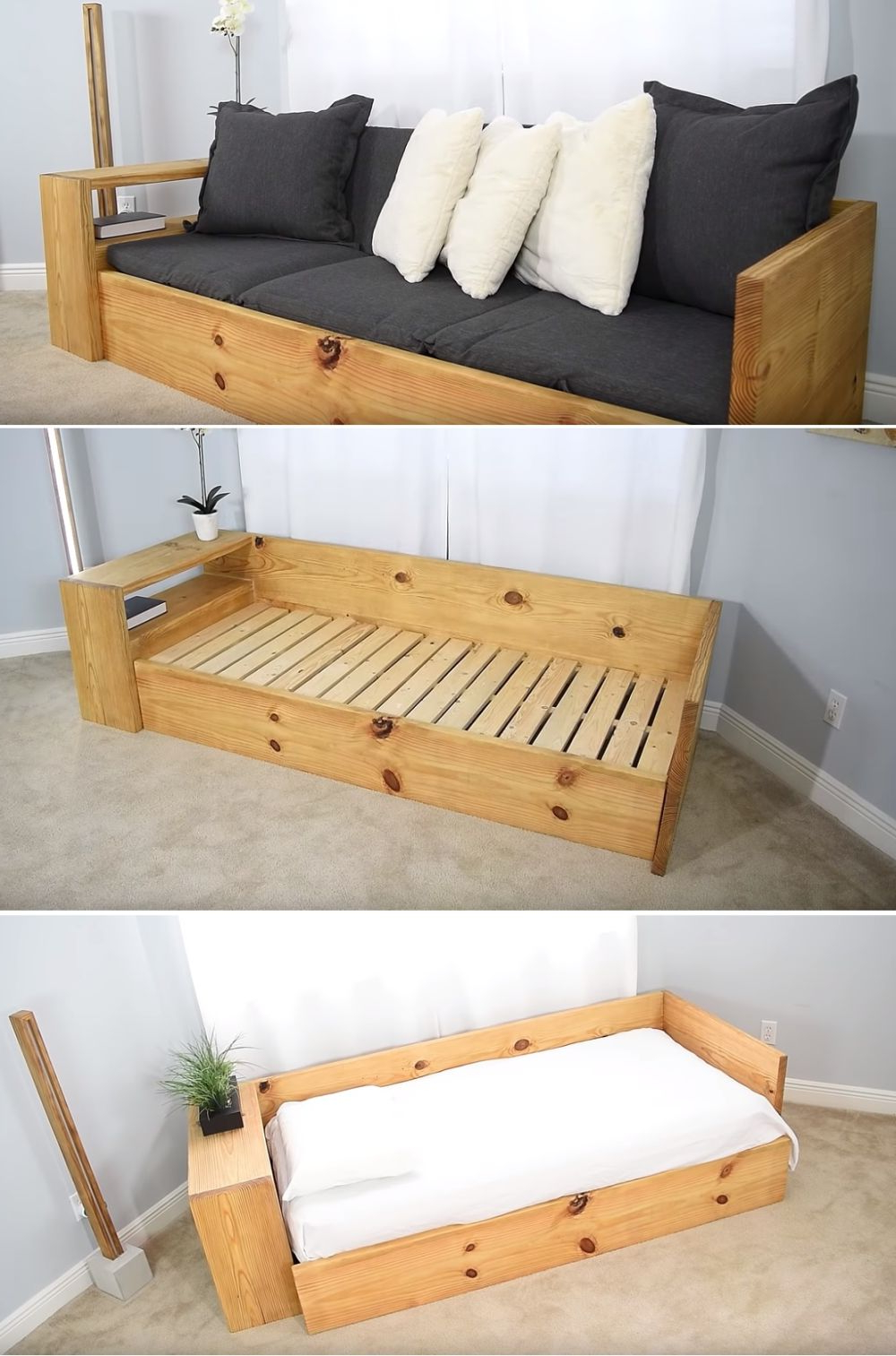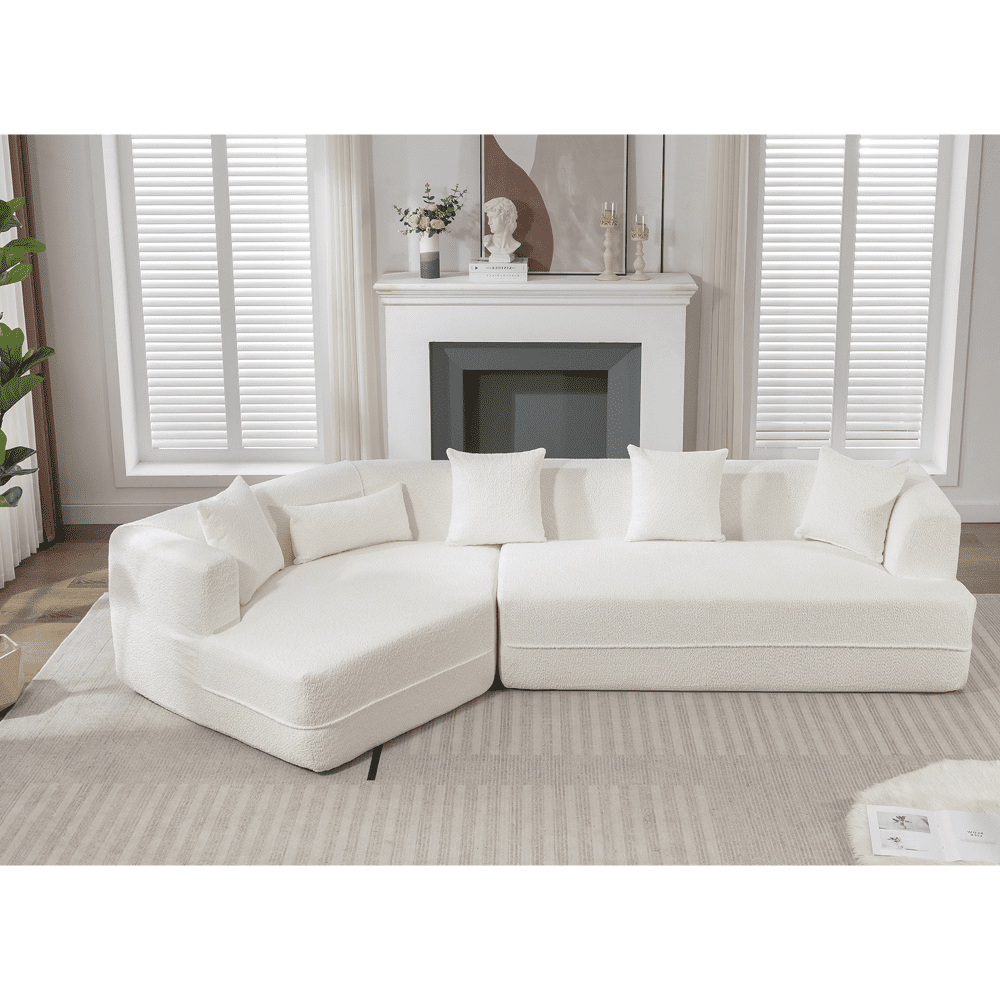
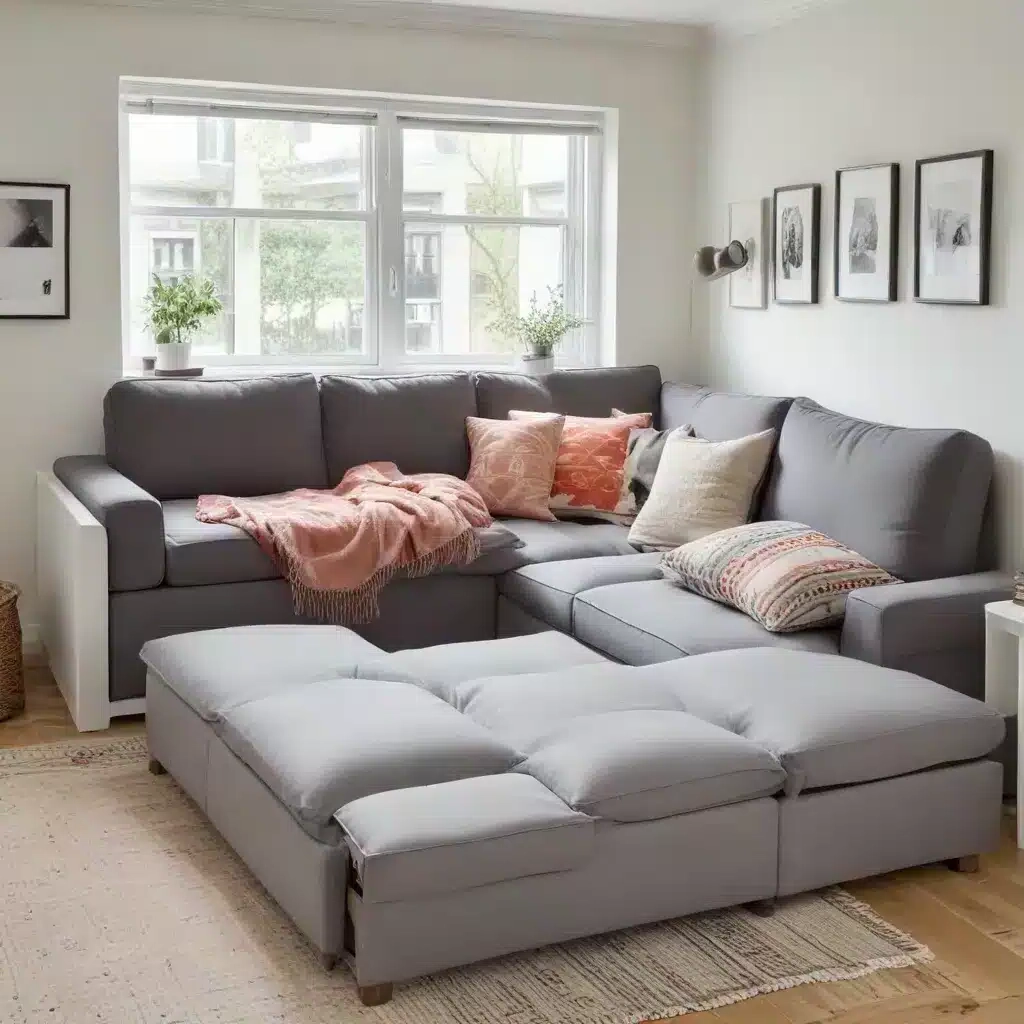
Imagine waking up in a home that’s barely 300 square feet, yet somehow feels spacious and comfortable. That’s the magic of smart furniture design, particularly the versatile sofa bed. These ingenious pieces have become the cornerstone of modern tiny home living, transforming cramped spaces into functional sanctuaries.
In today’s world of rising housing costs and environmental consciousness, tiny homes have captured the imagination of many. But let’s face it – living in such small spaces requires creative solutions. Enter the multi-functional sofa bed, a game-changing piece that’s redefining what’s possible in compact living. It’s not just about saving space; it’s about creating flexibility and comfort in the most unexpected ways. Whether you’re a first-time tiny home owner or someone looking to optimize existing space, understanding these innovative designs can transform your living experience.
The Evolution of Tiny Home Furniture
Furniture in tiny homes has come a long way from basic, utilitarian pieces. Today’s designers understand that every inch matters, especially when you’re working with limited square footage. The sofa bed represents the perfect marriage of form and function. These pieces evolved from simple storage solutions into sophisticated designs that serve multiple purposes seamlessly. Think about it – a sofa that becomes a bed overnight, a dining table that folds away during the day, and a coffee table that doubles as a workspace. It’s all part of the same philosophy: making the most of every available space.
Space Optimization Through Smart Design
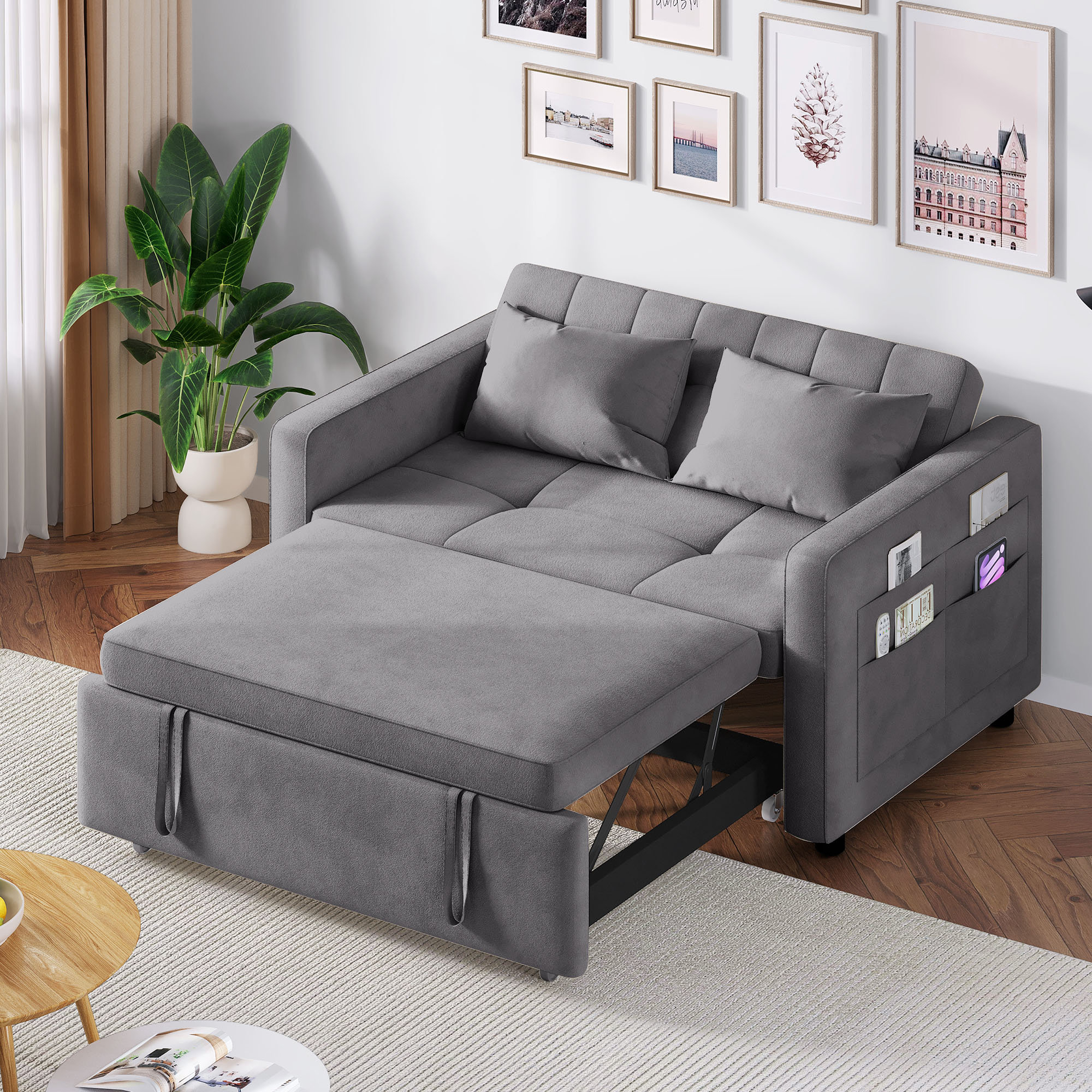
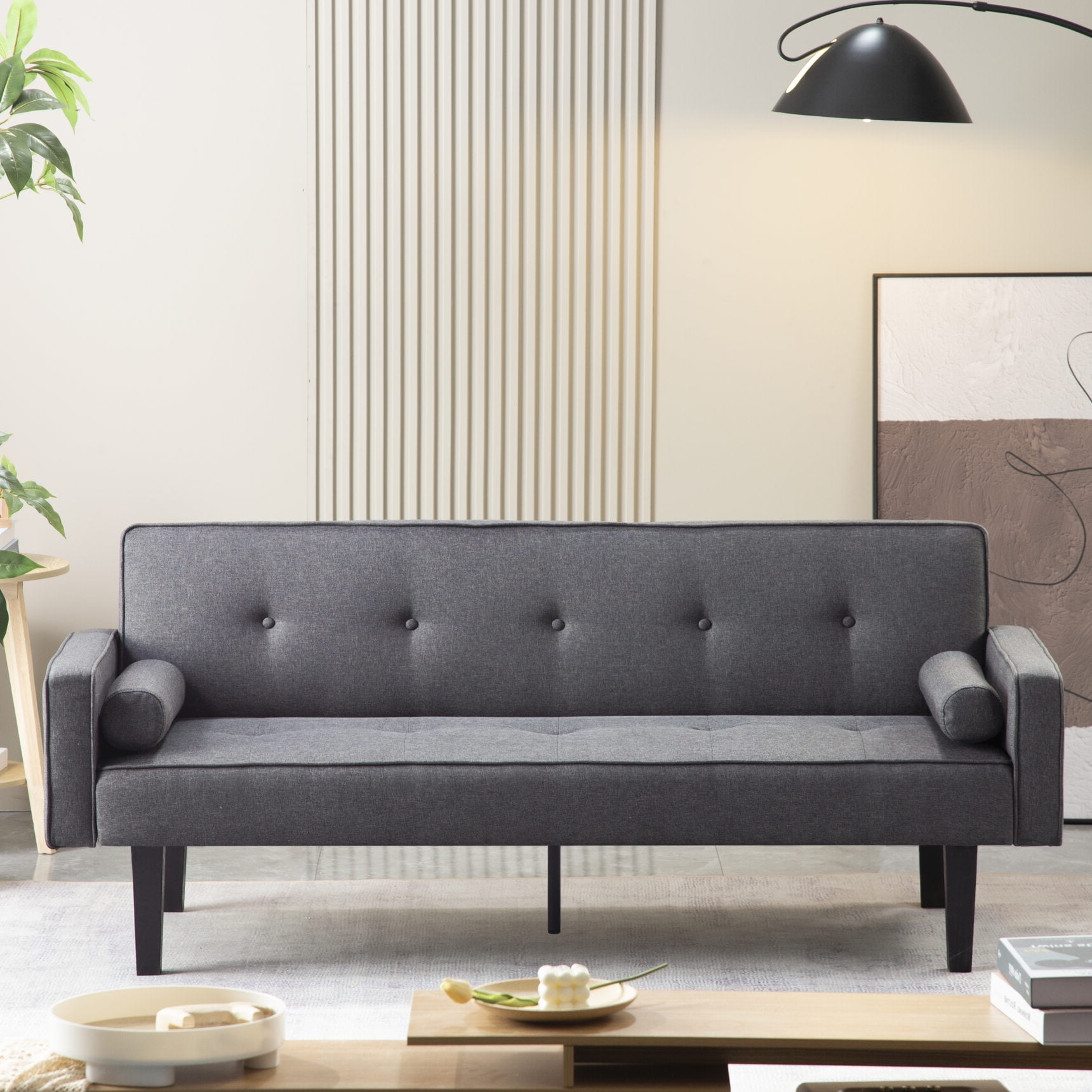
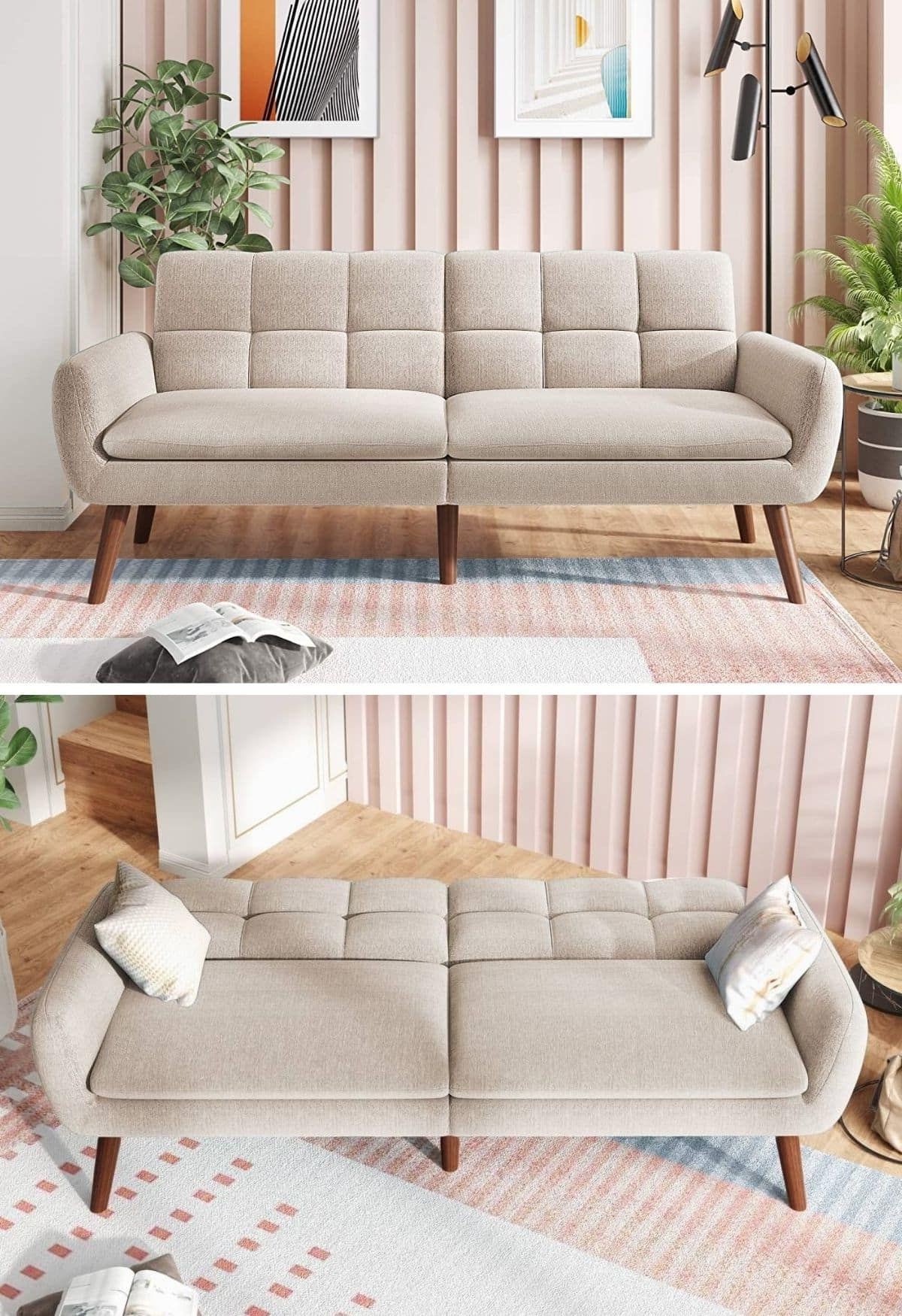
The real genius lies in how these sofa beds maximize utility. When you consider that a typical sofa bed can accommodate two people comfortably, you’re essentially getting a seating area, a dining space, and a sleeping area all in one. This is particularly important in tiny homes where every square foot needs to serve multiple functions. For instance, a 6-foot sofa bed might measure 72 inches wide and 30 inches deep, providing ample seating while also serving as a guest bed. The key is choosing designs that complement rather than compete with your home’s aesthetic.
Material Choices and Durability Considerations
Not all sofa beds are created equal, and material selection plays a crucial role in their performance and longevity. Many tiny home enthusiasts prefer lightweight materials like aluminum frames combined with high-quality fabrics that are both durable and easy to clean. Memory foam mattresses are often chosen for their comfort and support, though some opt for spring mattresses for better airflow. The construction quality affects everything from the ease of conversion to the overall lifespan of the piece. A well-built sofa bed should feel sturdy and reliable, even with daily use.
Design Variations and Styling Tips
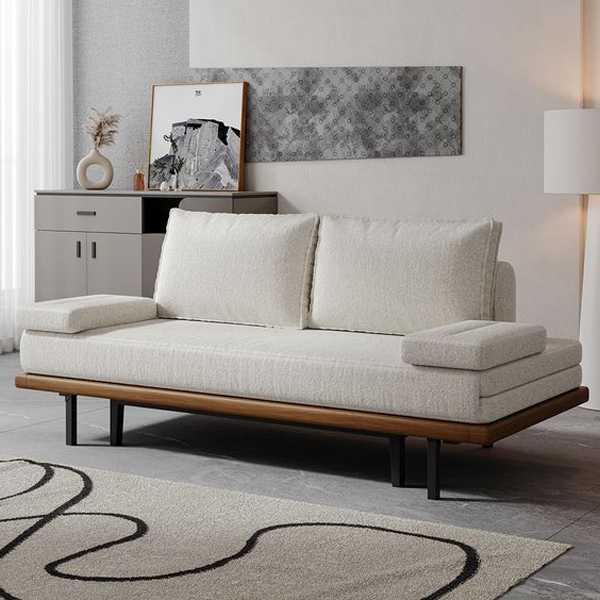
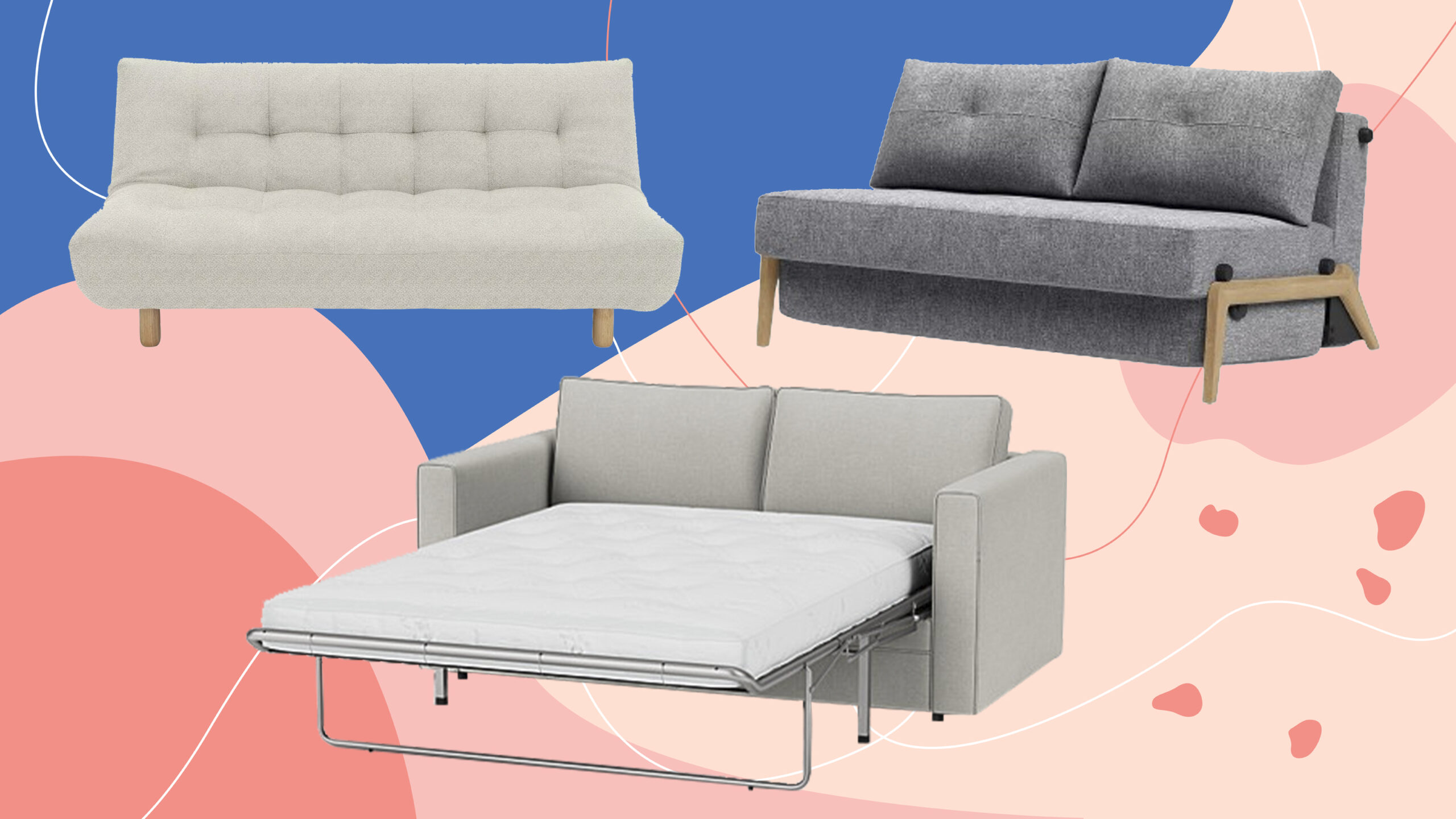
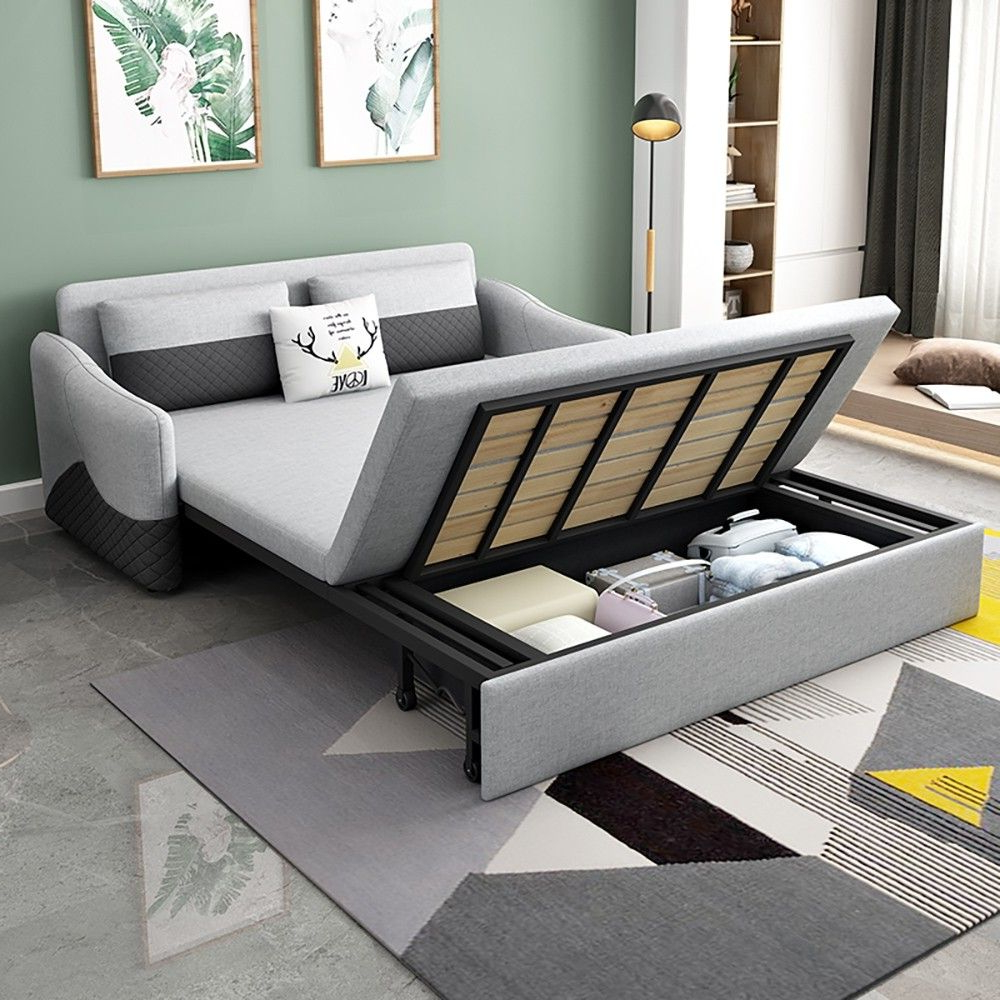
There are numerous styles to choose from, each offering unique advantages. Traditional designs offer timeless appeal, while modern minimalist options blend seamlessly with contemporary interiors. Some features include built-in storage compartments, adjustable headrests, and even integrated lighting. When styling, consider the color palette and texture of your room. Lighter colors can make a small space appear larger, while darker tones add sophistication and warmth. Don’t forget about accessories like throw pillows and blankets that can change the entire mood of the room.
Practical Applications and Real-Life Examples
Real-world applications show just how effective these designs can be. A couple in Portland, Oregon, transformed their 280-square-foot studio apartment using a custom-built sofa bed that also functions as a dining table. During the day, it serves as a comfortable seating area, and at night, it converts into a queen-sized bed. Another example comes from a family in Austin, Texas, who installed a sofa bed in their home office. This allows them to host guests for meetings during the day while maintaining their workspace in the evening. These stories illustrate how thoughtful design can solve real problems.
Cost-Benefit Analysis and Investment Value
While the initial investment might seem high, multi-functional furniture often proves cost-effective over time. You’re essentially purchasing three pieces of furniture for the price of one. When calculating long-term benefits, consider factors like reduced need for additional furniture purchases, increased property value, and improved lifestyle quality. A quality sofa bed typically costs between $500 and $2,000, depending on size and features. Compare this to buying separate pieces – a sofa, a bed frame, and a mattress could easily exceed that amount. The convenience factor alone makes it worthwhile for many homeowners.
The transformation of tiny homes through multi-functional sofa bed designs represents more than just clever furniture engineering. It embodies a shift toward mindful living, where every element serves a purpose and contributes to overall well-being. As we continue to navigate urbanization and economic pressures, these innovative solutions offer hope and practicality. Whether you’re considering a tiny home or simply trying to make better use of your current living space, investing in smart furniture choices can yield significant returns in comfort and functionality. The future of small-space living looks bright, thanks to designs that respect both our needs and our limitations.
[sps_html tag=”img” src=”https://roofdrivein.com/wp-content/uploads/2026/01/860-best-sofa-beds-for-small-spaces-ideas-sofa-bed-for-small-spaces-throughout-sofa-bed-designs-for-small-spaces.jpg” alt=”860 Best Sofa Beds For Small Spaces Ideas | Sofa Bed For Small Spaces … throughout Sofa Bed Designs For Small Spaces” style=”width: 100%; height: auto;”]
[sps_html tag=”img” src=”https://roofdrivein.com/wp-content/uploads/2026/01/15-sofa-bed-for-small-spaces-ideas-to-maximize-your-room-pertaining-to-transforming-tiny-homes-with-multi-functional-sofa-bed-designs.jpg” alt=”15 Sofa Bed For Small Spaces Ideas To Maximize Your Room pertaining to Transforming tiny homes with multi-functional sofa bed designs” style=”width: 100%; height: auto;”]
[sps_html tag=”img” src=”https://roofdrivein.com/wp-content/uploads/2026/01/transforming-small-spaces-u-shaped-sofa-beds-for-petite-nooks-with-regard-to-transforming-tiny-homes-with-multi-functional-sofa-bed-designs.webp” alt=”Transforming Small Spaces: U-Shaped Sofa Beds For Petite Nooks … with regard to Transforming tiny homes with multi-functional sofa bed designs” style=”width: 100%; height: auto;”]
[sps_html tag=”img” src=”https://roofdrivein.com/wp-content/uploads/2026/01/amazon-com-convertible-sofa-bed55-sleeper-bed-modern-velvet-loveseat-in-sofa-bed-designs-for-small-spaces.jpg” alt=”Amazon.com: Convertible Sofa Bed,55" Sleeper Bed Modern Velvet Loveseat … in Sofa Bed Designs For Small Spaces” style=”width: 100%; height: auto;”]
[sps_html tag=”img” src=”https://roofdrivein.com/wp-content/uploads/2026/01/10-amazing-sofa-bed-for-small-space-for-2023-citizenside-pertaining-to-sofa-bed-designs-for-small-spaces.jpg” alt=”10 Amazing Sofa Bed For Small Space For 2023 | Citizenside pertaining to Sofa Bed Designs For Small Spaces” style=”width: 100%; height: auto;”]