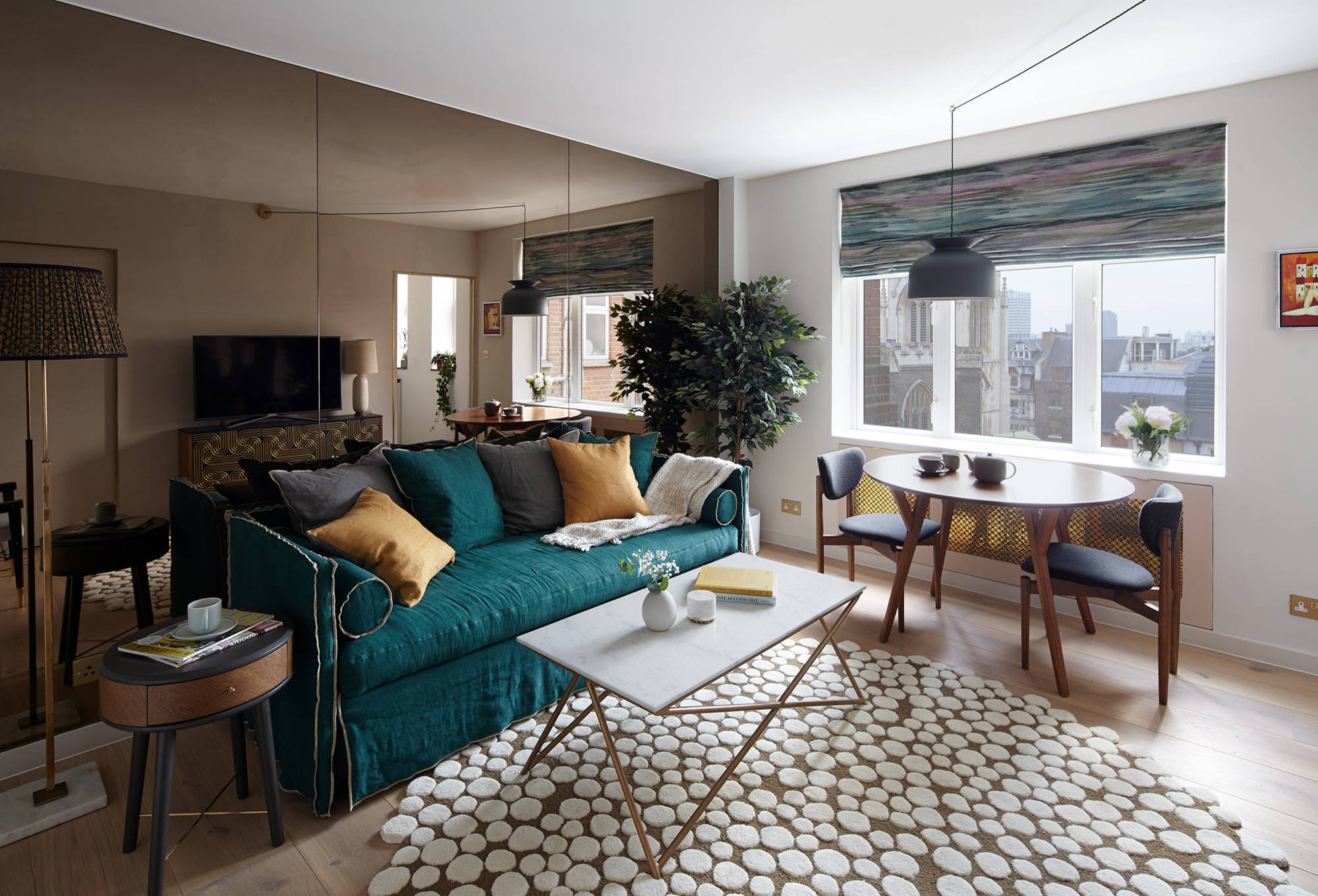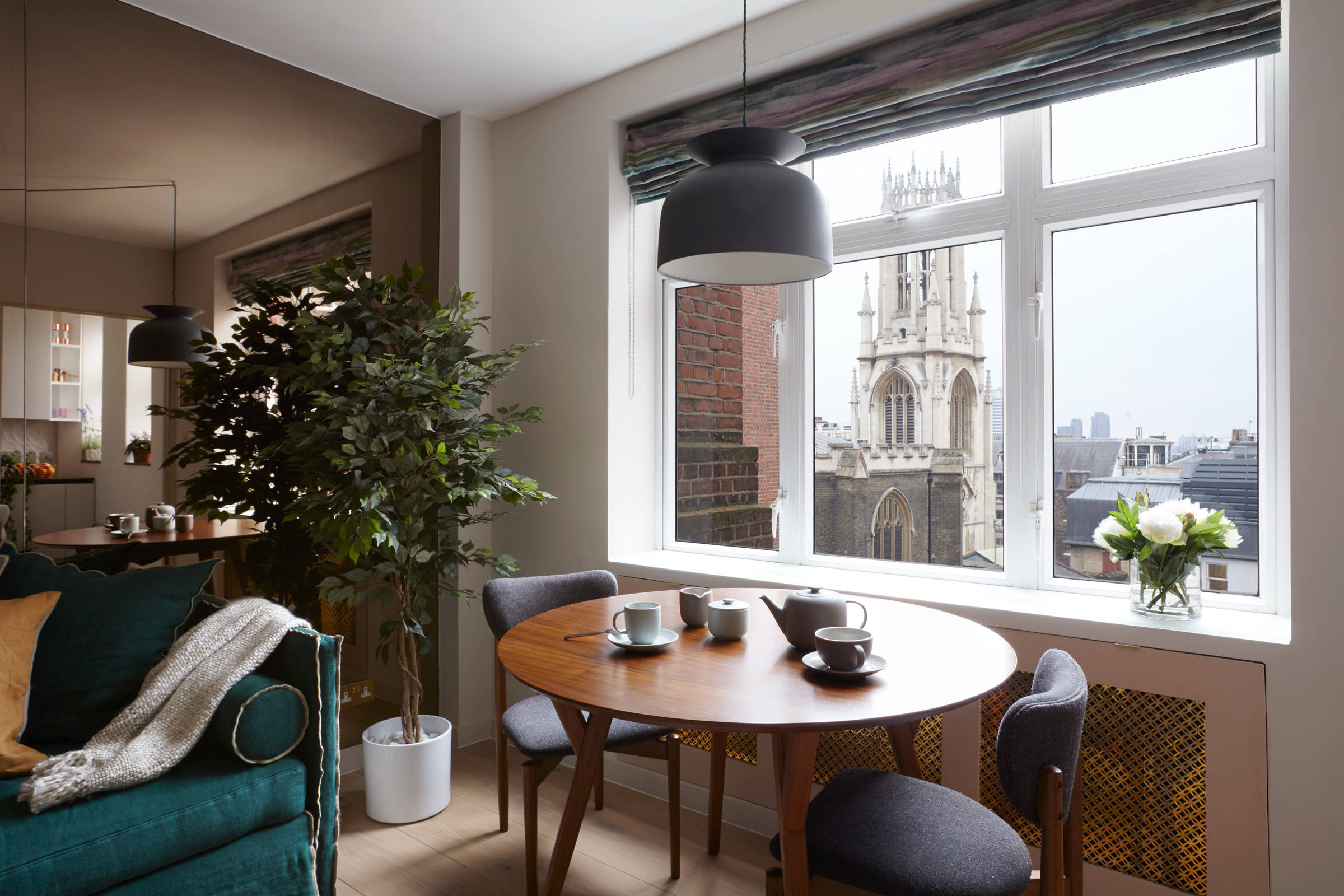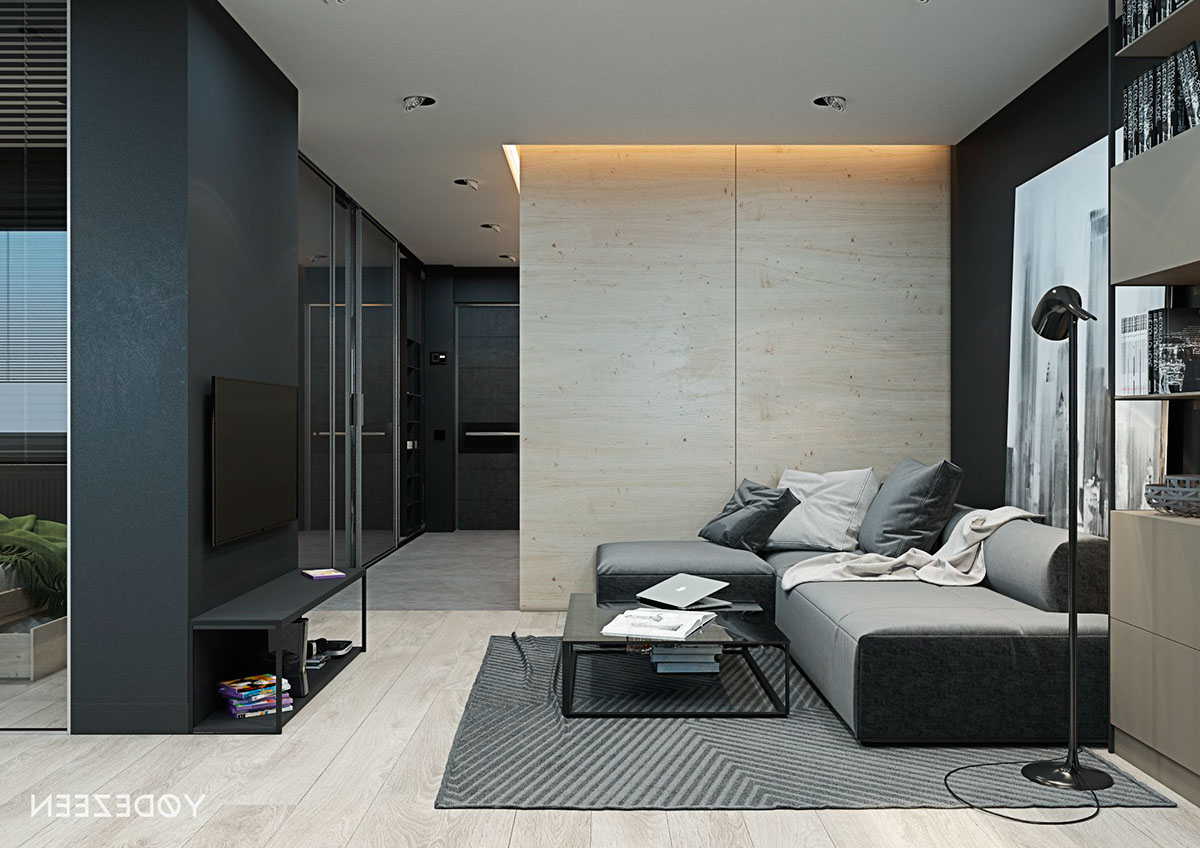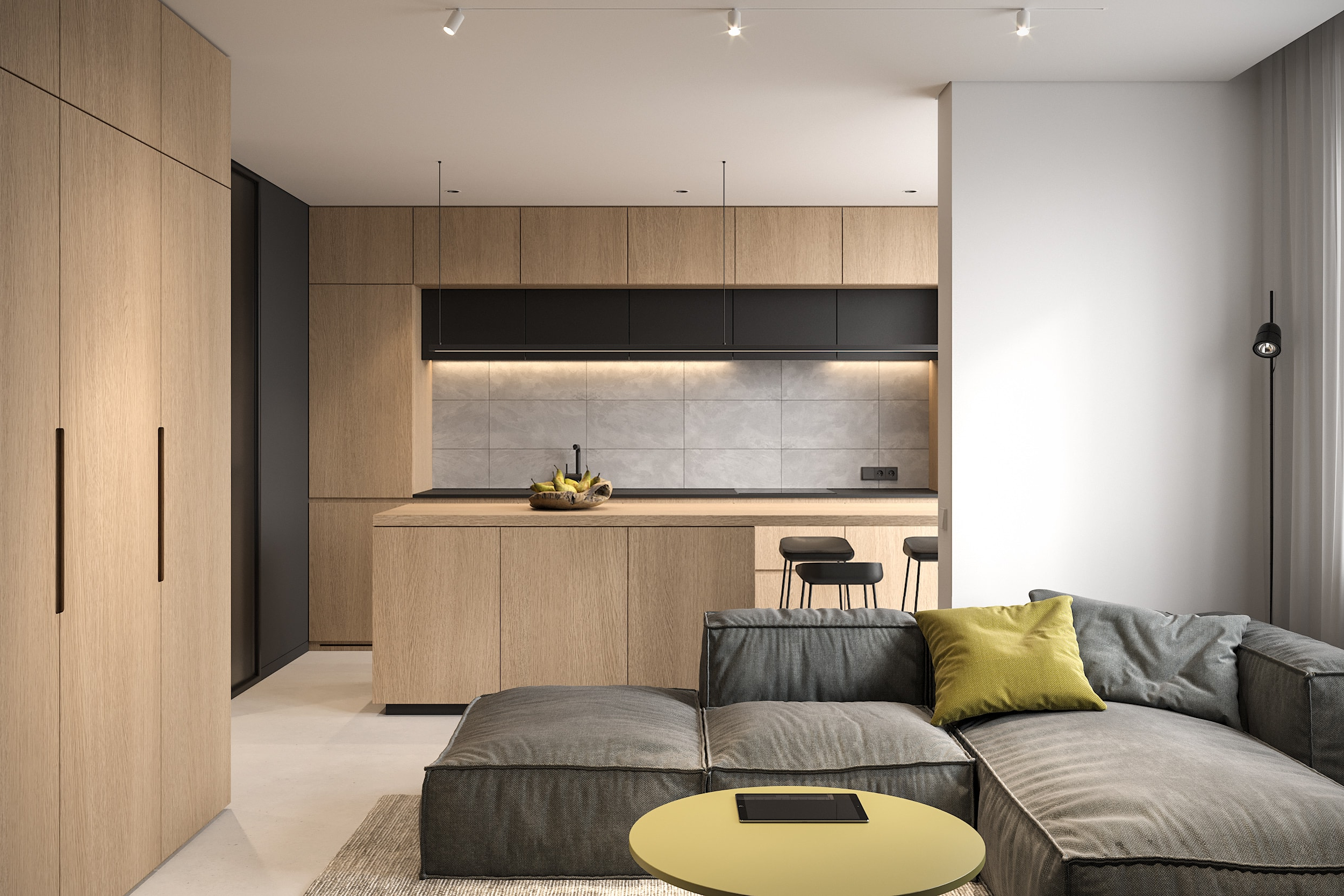
Have you ever walked into a room and felt like something was missing? Often, it’s not the furniture or the lighting—it’s the walls. Those flat, boring surfaces can make even the most beautiful spaces feel lifeless. But what if you could transform them into eye-catching features that draw people in and become the star of the show?
Every home has those walls that seem to whisper ‘please ignore me.’ They’re the ones that blend into the background, unnoticed and unremarked upon. But walls don’t have to stay invisible. With a little creativity and some clever techniques, you can turn those ordinary surfaces into captivating focal points that make every visitor stop and take notice. Whether you’re renovating your entire space or just want to spruce up one corner, the right approach can completely change how a room feels and looks.
Understanding Wall Potential
Before diving into transformations, it helps to understand what makes a wall work as a focal point. A successful wall feature needs to command attention while still fitting into the overall design scheme. Think about the room’s purpose, the existing color palette, and how much visual weight you want to add. Some walls naturally catch the eye due to their size or position, while others might need extra help to become memorable. The key is matching the transformation to the room’s personality and function. Consider whether you want something bold and dramatic or subtle and sophisticated.
Painting Techniques That Wow
Paint has long been the go-to solution for refreshing walls, but today it has evolved far beyond a single flat color rolled from corner to corner. Modern painting techniques allow walls to become expressive design elements that shape how a room feels and functions. One increasingly popular approach is layered color application, where multiple shades of the same hue are blended together to create subtle gradients. This technique adds softness and depth, making a space feel more dynamic without being visually loud. It works especially well in living rooms and bedrooms, where calm transitions between tones can create a soothing atmosphere.
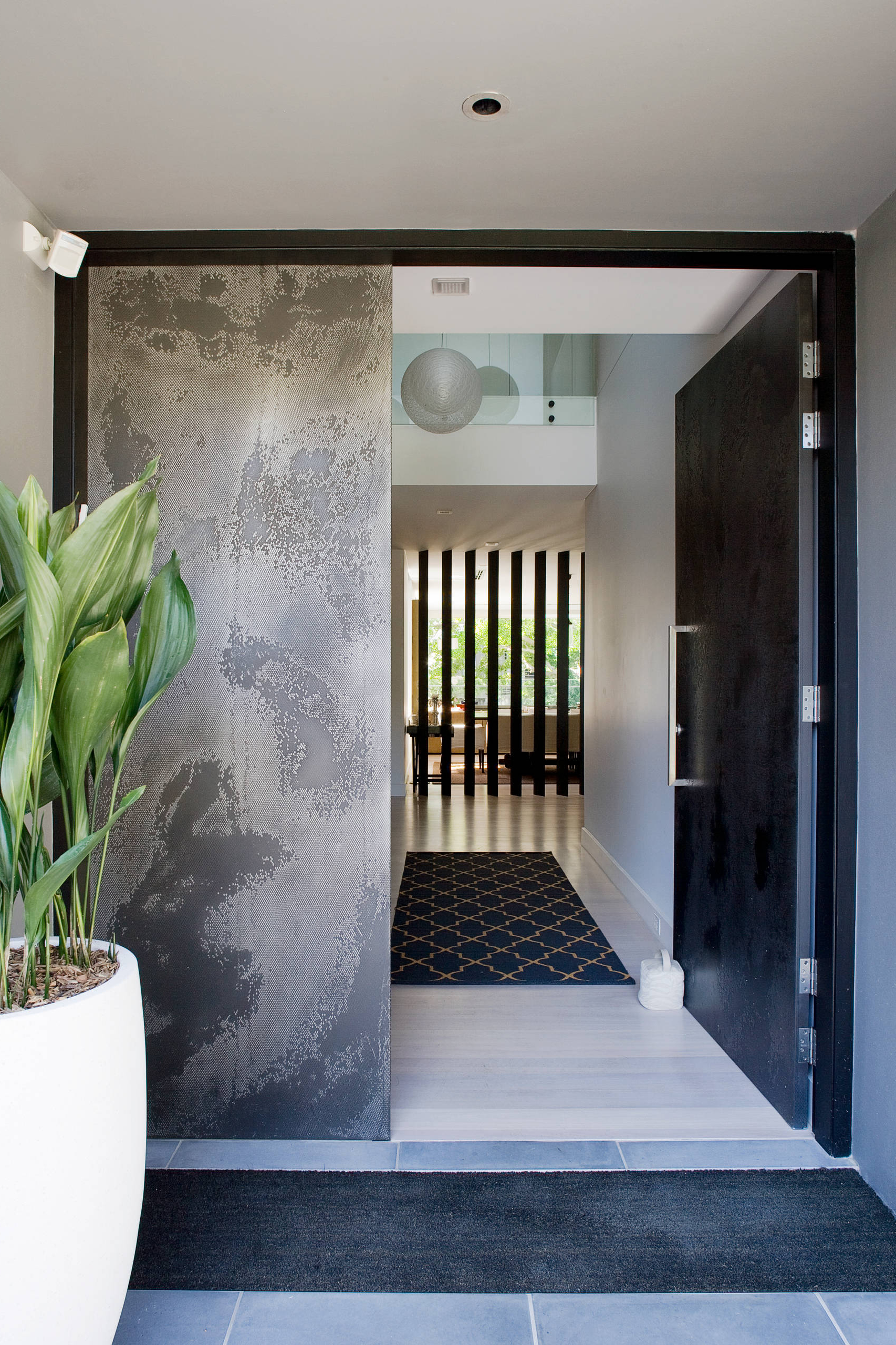
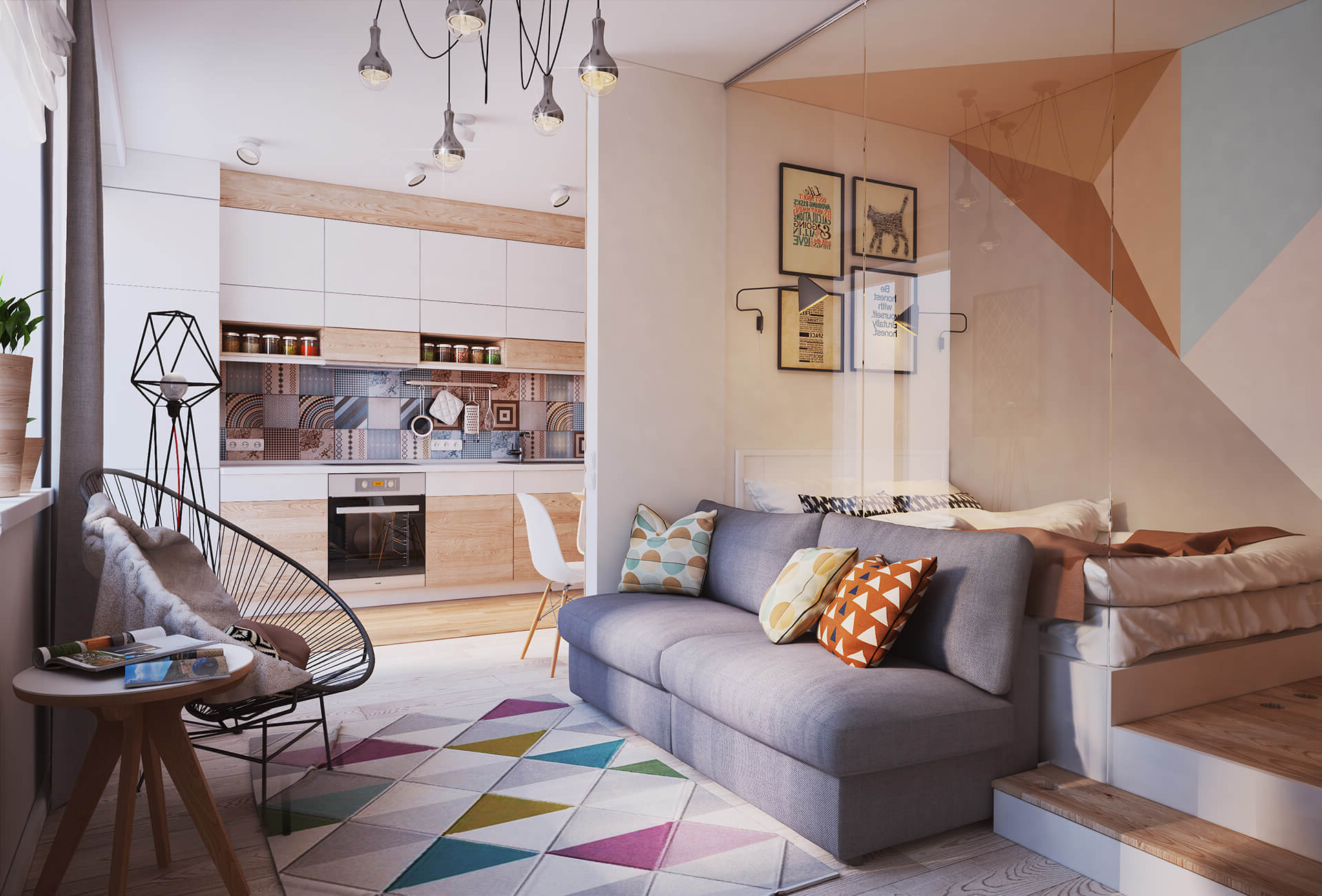
Another effective method is the strategic use of patterned paint designs. Geometric layouts, color-blocking, or even free-form shapes can instantly turn a plain wall into a focal point. Horizontal color bands can visually stretch a room, making narrow spaces feel wider, while vertical accents naturally draw the eye upward, helping ceilings appear higher. Paint can also be used to highlight architectural details—framing alcoves, emphasizing corners, or outlining moldings to add character and dimension. For those who want something truly distinctive, specialty finishes such as limewash, suede-texture paint, or metallic accents introduce movement and depth by reacting differently to light throughout the day. These finishes make walls feel alive rather than static.
Artistic Approaches for Maximum Impact
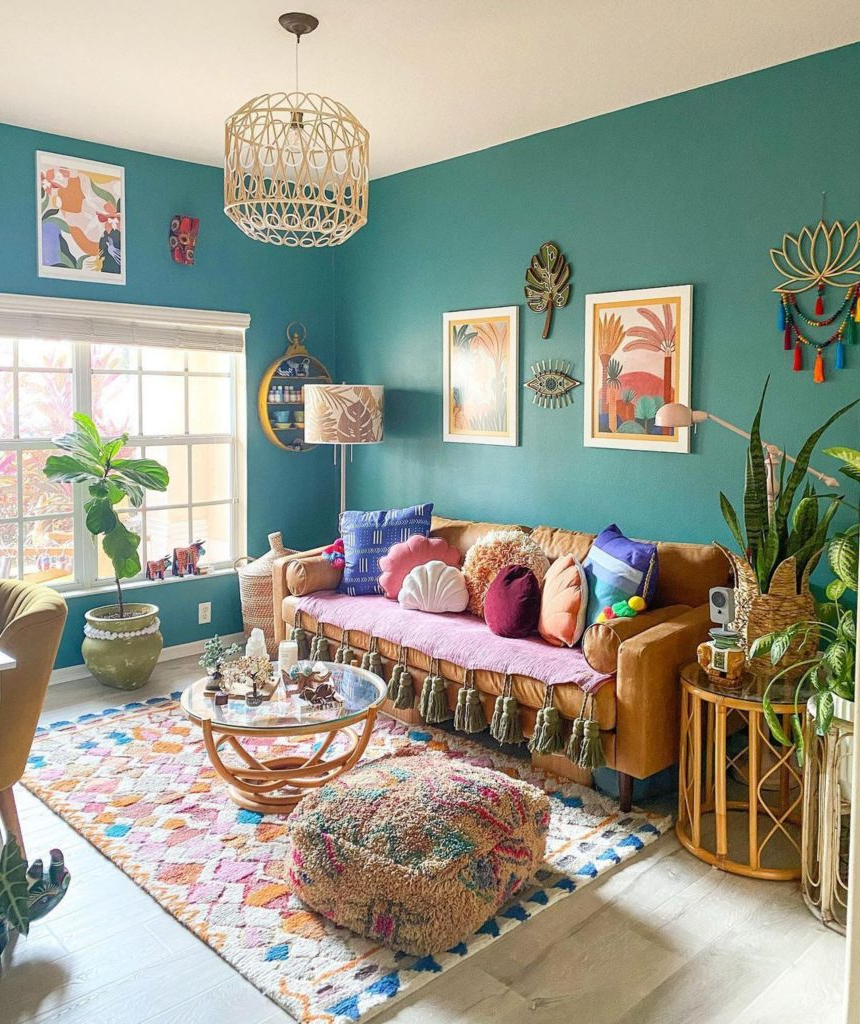
Artwork has the unique ability to tell a story while shaping the visual identity of a space. The key to using art effectively lies not just in what you display, but how you display it. Scale plays a critical role—large-format artwork commands attention and works well in open spaces, while smaller pieces can create intimacy when grouped thoughtfully. A carefully curated gallery wall allows for personal expression, blending photographs, illustrations, typography, and even three-dimensional elements to create visual rhythm.
Balance and spacing are just as important as the artwork itself. Uneven spacing can make a wall feel chaotic, while thoughtful alignment brings cohesion. Mixing frame styles, materials, and finishes adds character, especially when united by a consistent color palette. Lighting further enhances the impact of art—directional spotlights or wall-mounted picture lights can dramatically elevate even the simplest piece. In some cases, restraint makes the strongest statement. A single striking artwork surrounded by negative space can feel powerful and refined, allowing the piece to truly breathe within the room.
Textural Magic Through Materials
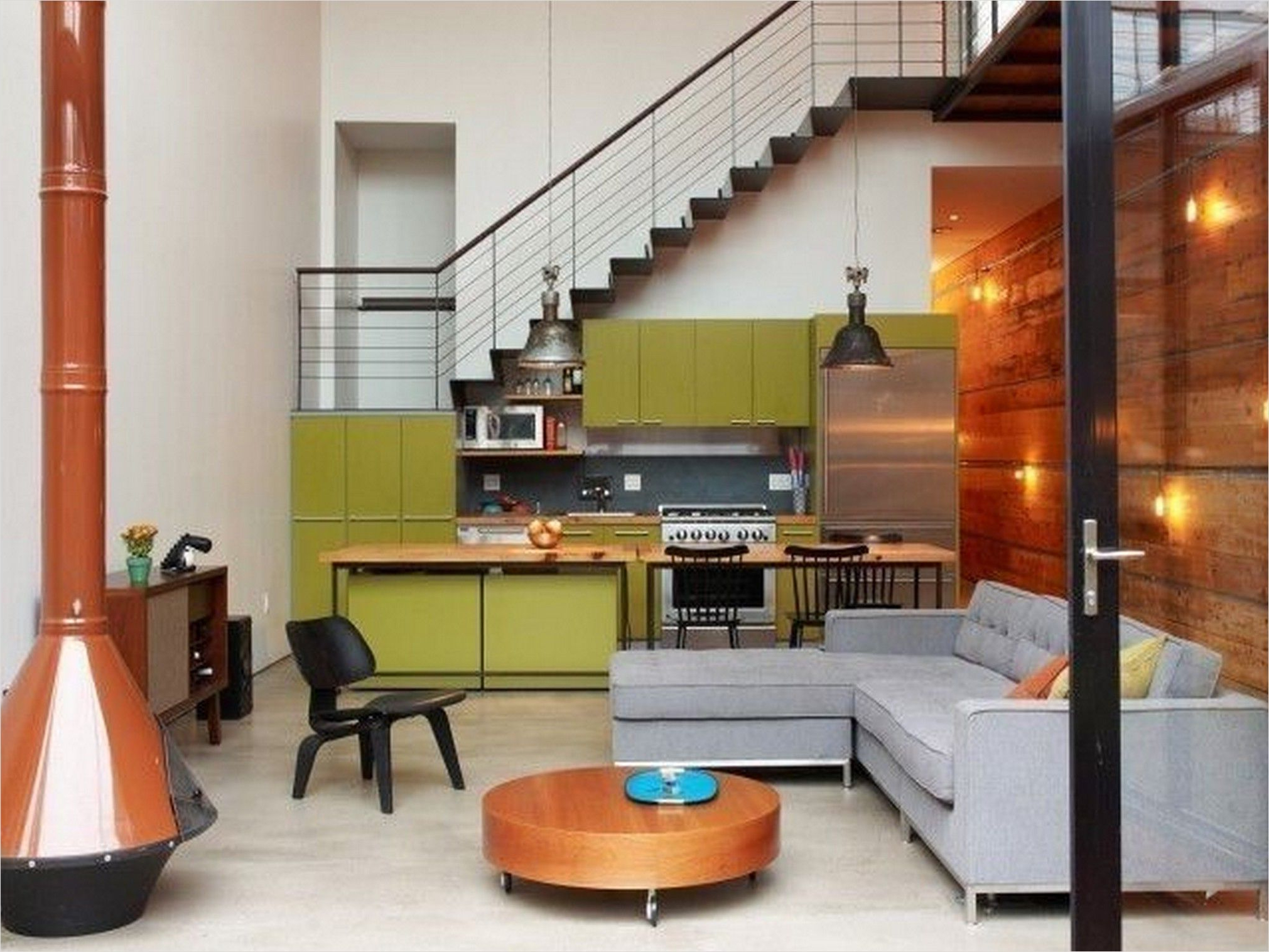
Texture introduces a sensory layer that paint and artwork alone cannot achieve. When walls offer visual and tactile variation, spaces feel richer and more inviting. Wood paneling is a popular choice for adding warmth and natural character, whether through reclaimed planks, vertical slats, or sleek veneer panels. Stone and brick surfaces bring a sense of permanence and authenticity, grounding modern interiors with organic strength.
Textured wall coverings, such as fabric-backed wallpaper or embossed finishes, add sophistication while softening acoustics—an often-overlooked benefit in open-plan spaces. Even subtle textures can have a big impact, especially when paired with thoughtful lighting that enhances shadows and highlights. Combining smooth and rough surfaces within the same room creates contrast that naturally draws the eye and keeps the space visually engaging.
Ultimately, walls are more than boundaries; they are opportunities. By combining innovative paint techniques, meaningful artwork, and layered textures, you can transform any wall into an expressive design feature. When these elements work together in harmony, they elevate the entire room, turning everyday spaces into memorable environments that reflect personality, creativity, and intention.
Lighting as a Creative Tool
The way light hits a wall can dramatically change its appearance and impact. Strategic lighting placement can highlight specific features, create ambiance, and even alter the perceived size of a space. Install picture lights behind framed artwork to make it pop, or use track lighting to emphasize architectural details. LED strips hidden behind shelves or along wall edges can create a soft glow that adds drama to otherwise plain surfaces. Consider how natural light moves through the room during different times of day, and plan your wall features accordingly. A wall that looks great in morning light might appear flat in evening. Sometimes, the best approach is to create lighting that changes throughout the day, offering different moods and perspectives.
DIY Solutions for Budget-Conscious Designers
You don’t need to break the bank to create amazing wall transformations. Many effective techniques can be accomplished with basic supplies and some creativity. Try using removable wallpaper for temporary changes, or create custom wall decals that can be easily removed later. Repurposing old items like vintage doors, window frames, or even bookshelves can serve as unique wall features. Another budget-friendly option is to layer different materials—combine fabric with paint or add decorative elements like metal accents to existing surfaces. These approaches allow you to experiment without committing to permanent changes. Remember that sometimes the most striking results come from unexpected combinations and creative problem-solving rather than expensive materials.
Transforming dull walls into fascinating focal points is less about having unlimited resources and more about seeing potential where others see nothing special. It’s about understanding how different elements work together to create visual harmony and impact. Whether you choose bold paint schemes, artistic displays, or innovative materials, the key is to consider how each element contributes to the overall atmosphere of the space. Every room has the possibility to surprise and delight visitors through thoughtful wall design. The next time you walk into a space and feel like something is missing, remember that the solution might just be hiding on the wall. Start small, experiment with different approaches, and soon you’ll find yourself creating rooms that tell stories and make lasting impressions.