Every desk, every color choice, and every lighting decision in your office isn’t just about aesthetics. It’s about understanding how our environment shapes our thoughts, feelings, and actions. Think about the last time you felt energized in a workspace versus drained. That difference isn’t random. It’s the result of carefully considered design choices rooted in psychology.
Imagine walking into a workplace that feels like it was designed specifically for your mind. Maybe it’s a space where you feel inspired to think creatively, or perhaps one that helps you focus deeply on important tasks. What if I told you that these feelings aren’t just subjective experiences? They’re the direct result of thoughtful interior design choices based on psychological research.
When we look at how office spaces are constructed, decorated, and arranged, we’re actually looking at the intersection of human behavior and environmental design. This connection goes far beyond simple decoration—it’s about creating environments that support our mental processes, boost our mood, and ultimately improve our work performance. From the color of the walls to the placement of seating areas, every element plays a role in shaping our daily work experience.
Color Psychology in Workplace Design
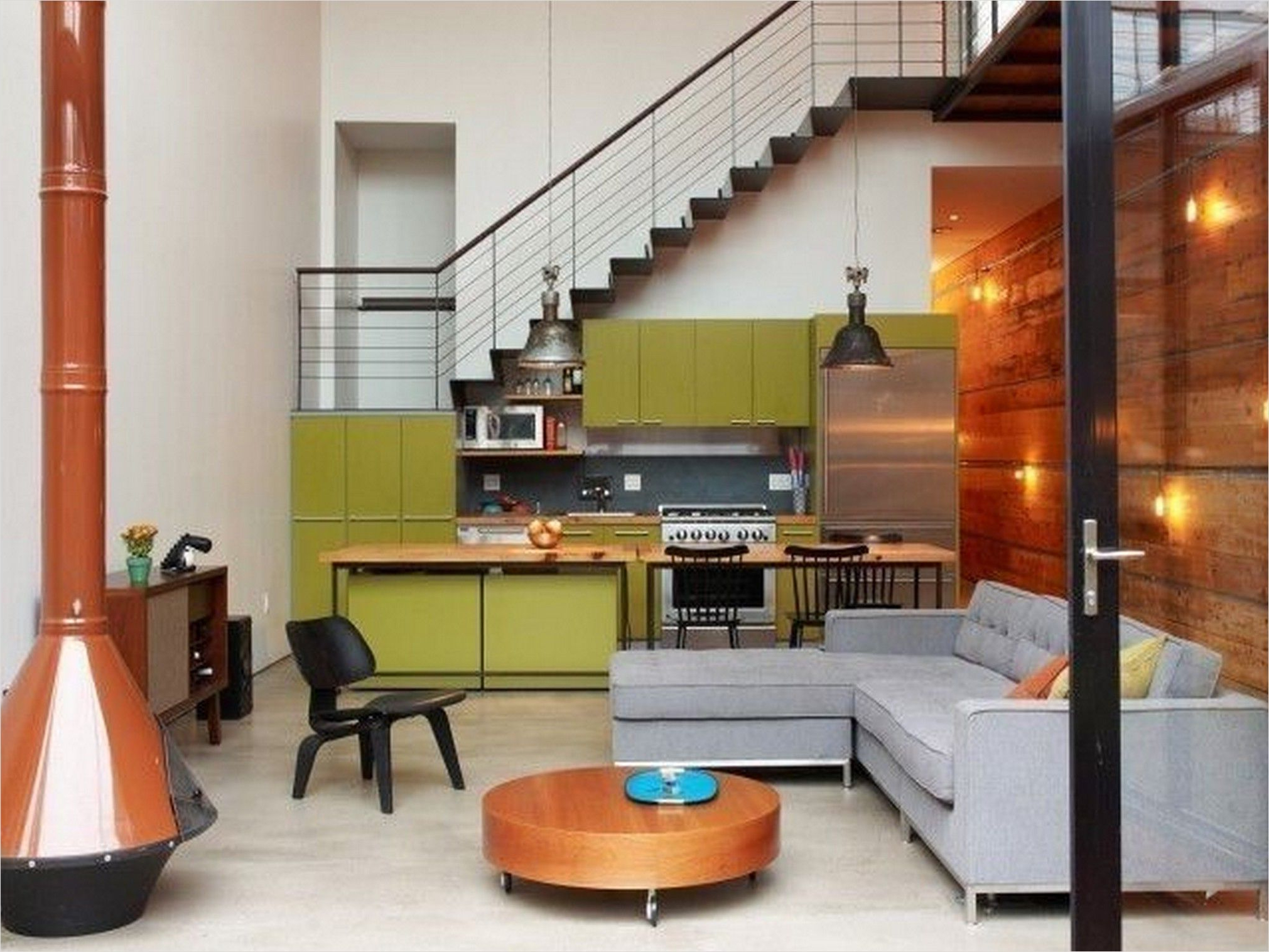
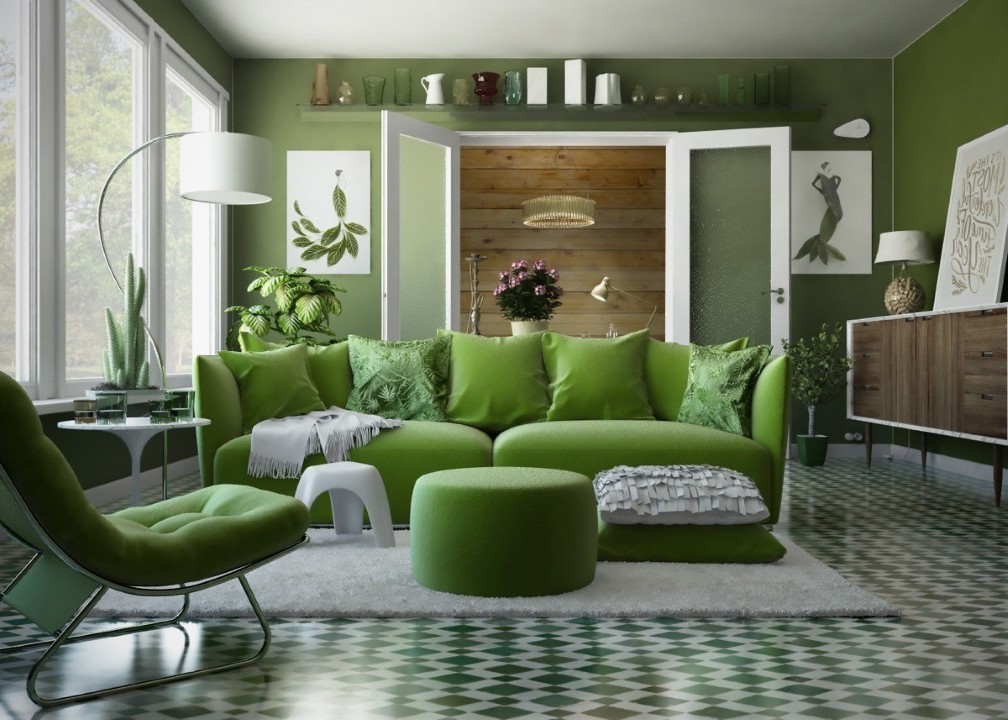
Colors don’t just make spaces look pretty—they have real effects on our brains and emotions. Warm tones like reds and oranges can stimulate energy and conversation, making them great for collaboration areas. But too much warmth might cause restlessness. Cool blues and greens, on the other hand, promote calmness and clarity. These colors are ideal for quiet work zones where deep thinking is required. Take a moment to consider your own workspace. Do you notice yourself feeling more alert in certain areas because of color choices?
Research shows that blue environments can increase productivity by up to 15% compared to neutral tones. Green spaces, whether through plants or green walls, reduce stress levels significantly. Yellow accents can spark creativity and optimism, though they should be used sparingly to avoid overstimulation. The key is balancing different hues to match the intended function of each area.
Lighting and Its Impact on Mood and Focus
Natural light is probably the most powerful environmental factor affecting our well-being and performance. Studies consistently show that workers in naturally lit offices report better sleep quality, higher energy levels, and improved moods. But natural light isn’t always available, especially in basement offices or those facing north. This is where artificial lighting becomes crucial. LED lights that mimic daylight can help maintain circadian rhythms, reducing eye strain and fatigue.
Dimmable lighting systems allow for flexibility throughout the day—brighter during peak work hours and softer during meetings or breaks. Consider how your current workspace handles lighting. Does it change with the time of day? Do you find yourself reaching for caffeine more often when lighting is poor? The right balance between ambient, task, and accent lighting creates an environment that supports both focused work and creative thinking. For instance, overhead lighting works well for general areas, while desk lamps provide the concentrated light needed for detailed tasks.
Spatial Layout and Social Interaction Patterns
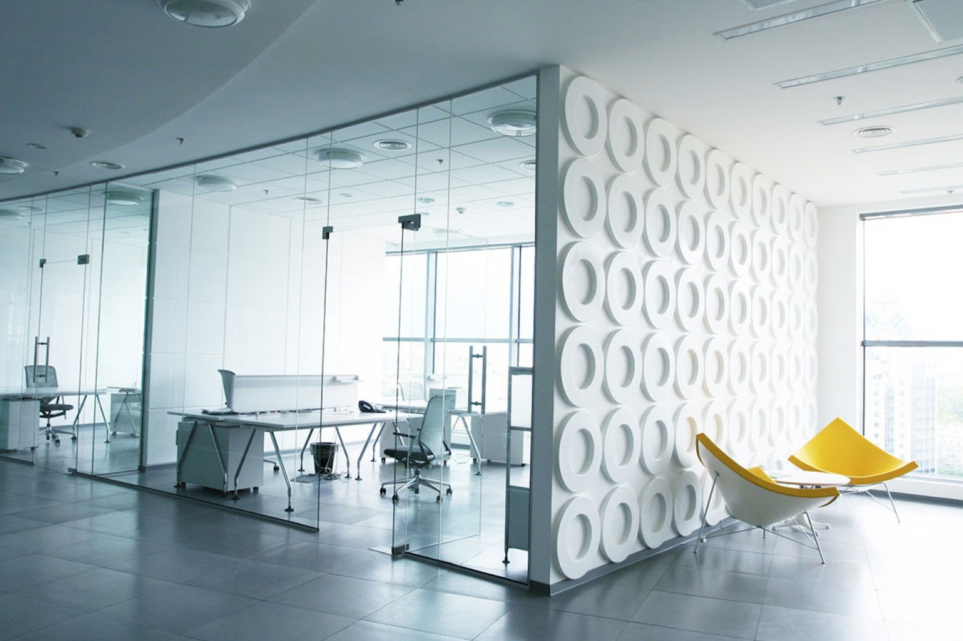
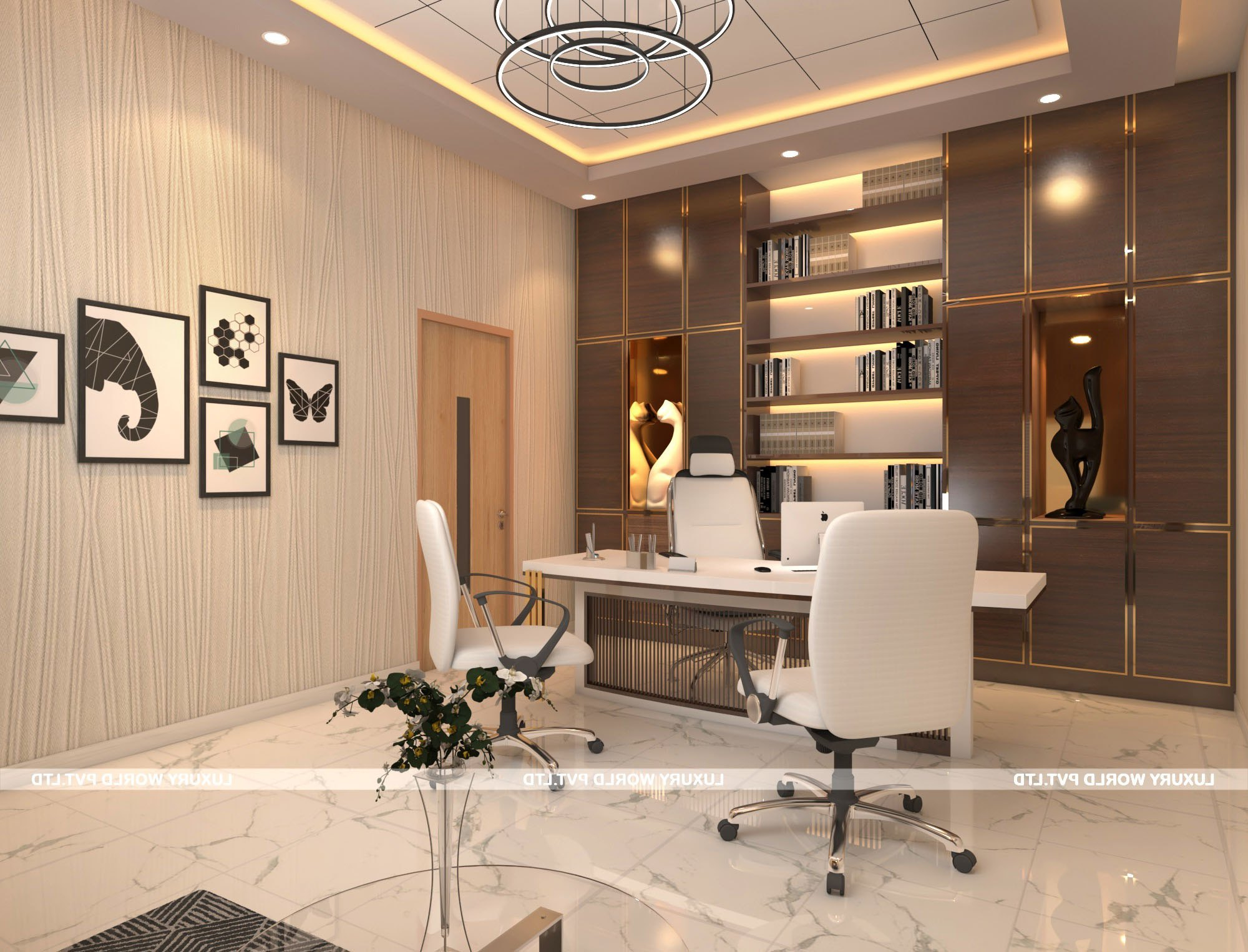
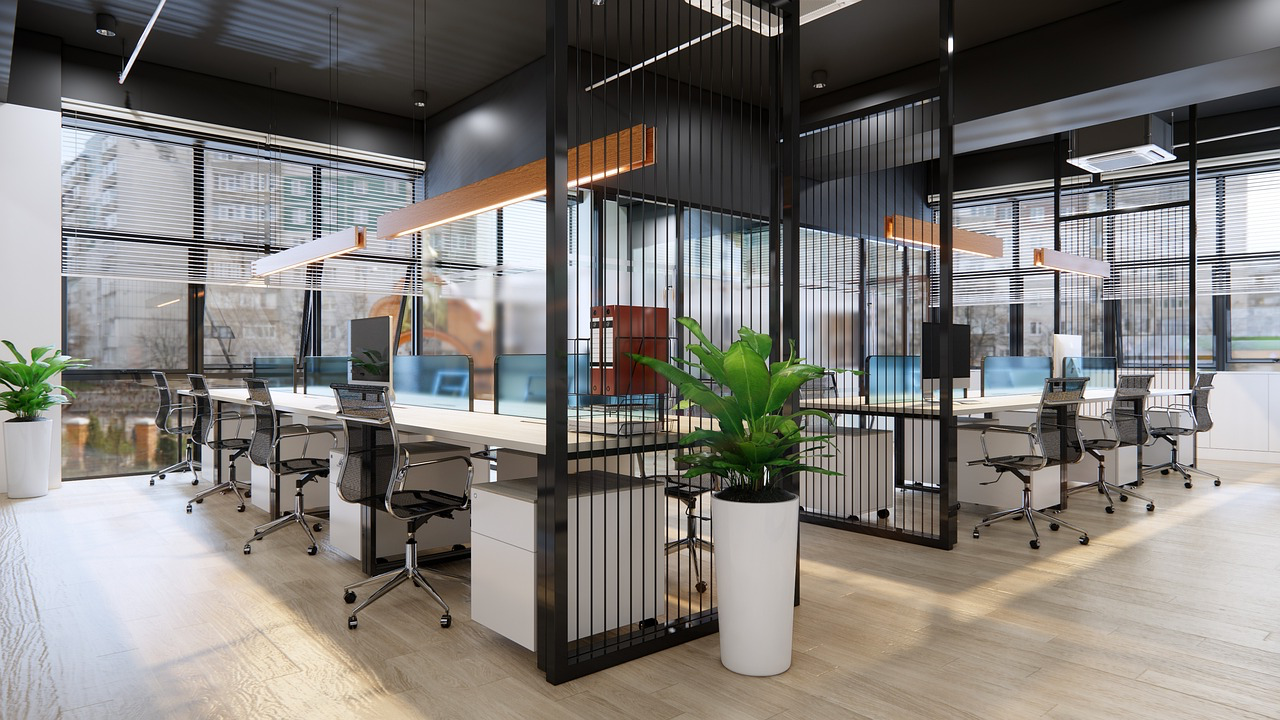
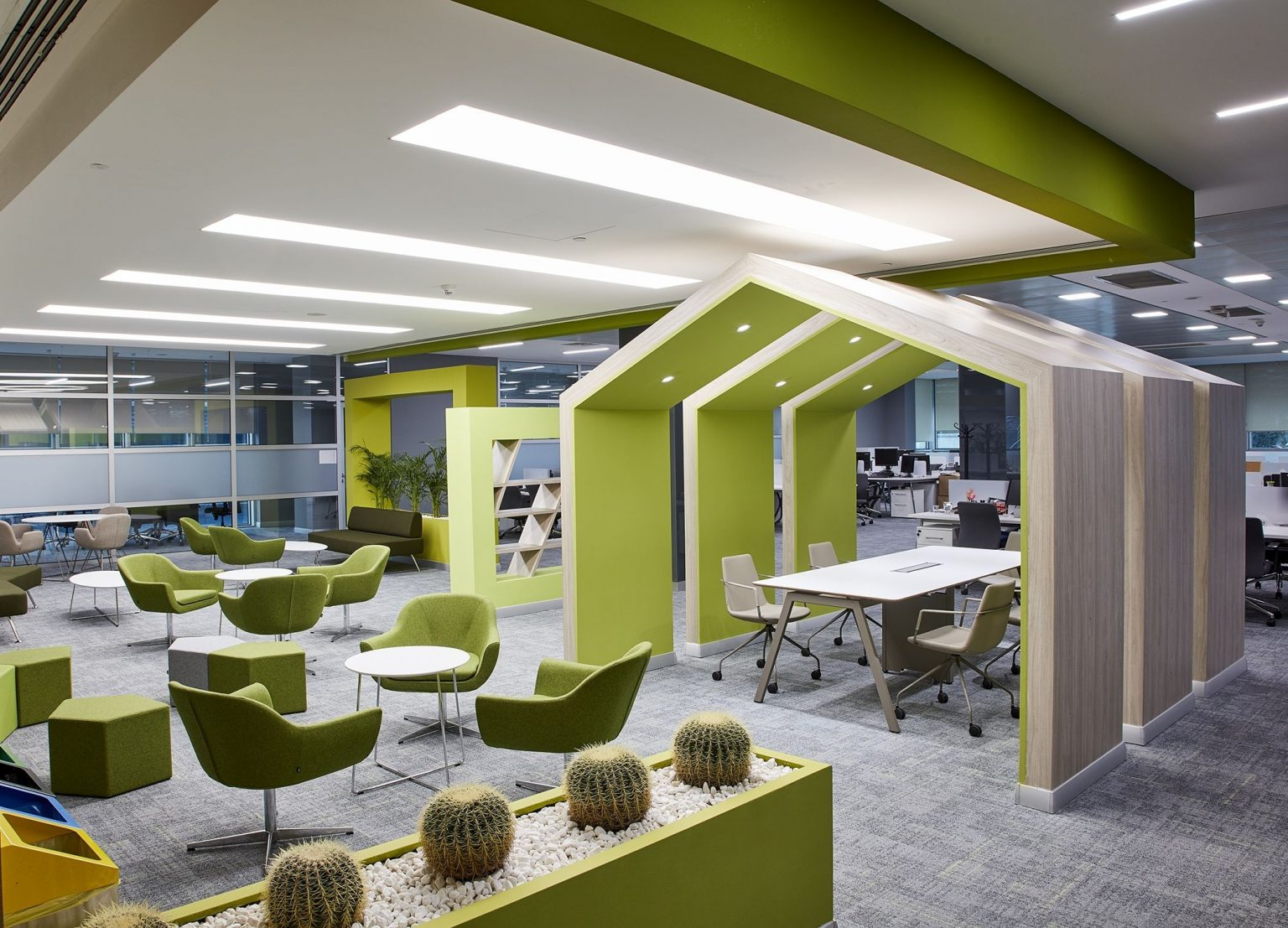
The way we arrange furniture and divide space directly influences how we interact with colleagues. Open floor plans can encourage communication and teamwork, but they also create distractions for those needing concentration. Private offices offer solitude but may limit spontaneous collaboration. Hybrid approaches work best for many organizations. Creating distinct zones within a larger space allows for different activities to happen simultaneously. Quiet zones for deep work, collaborative areas for brainstorming, and casual spaces for informal conversations all serve specific psychological needs.
The concept of ‘proximity’ matters enormously. People tend to gravitate toward areas where they feel comfortable and safe. This means designing spaces that accommodate various personality types and work preferences. Some individuals thrive in bustling environments, while others need quieter corners. The most effective layouts consider both introversion and extroversion, allowing people to choose their preferred working style without judgment. A well-designed space makes everyone feel valued regardless of their social needs.
Acoustics and Sound Management
Noise isn’t just annoying—it affects our ability to concentrate and process information effectively. Background noise at moderate levels can actually enhance creativity by providing a gentle stimulus to the brain. However, excessive noise or sudden loud sounds disrupt cognitive functions dramatically. Sound-absorbing materials like carpets, acoustic panels, and soft furnishings help control echo and reduce unwanted sound transmission. Plants also play a role in sound dampening while adding visual appeal. Creating designated quiet areas is essential for tasks requiring deep focus.
These spaces should ideally be away from high-traffic areas and use materials that minimize sound reflection. The concept of ‘white noise’ has gained popularity, but it’s worth noting that individual responses vary. Some people find it helpful, while others find it distracting. The key is offering options rather than assuming one solution fits all. For example, noise-canceling headphones become part of the solution for those who need silence, while some prefer ambient sounds that mask interruptions.
Biophilic Design Elements for Mental Wellness
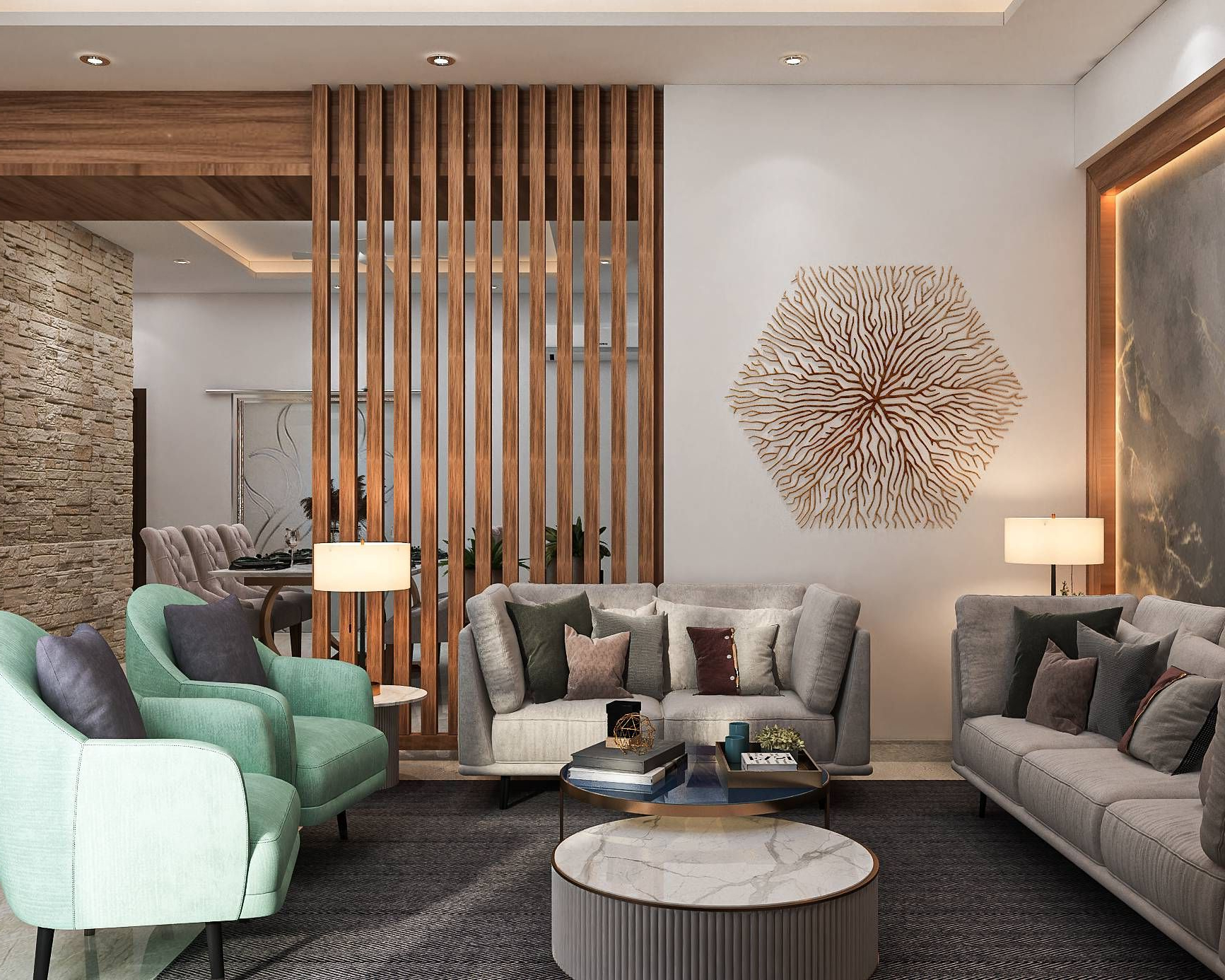
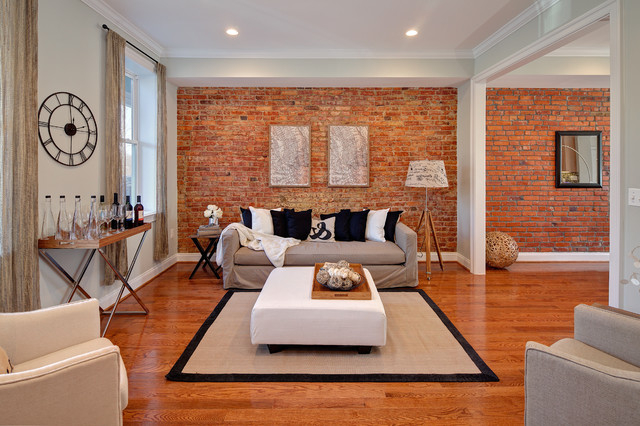
Incorporating nature into indoor spaces has proven benefits for mental health and cognitive function. Plants don’t just look good—they actively improve air quality and reduce stress hormones. Studies indicate that employees with views of nature report fewer sick days and higher job satisfaction. Even small elements like potted plants on desks or window boxes can make a significant difference. Natural materials such as wood and stone bring warmth and authenticity to spaces. These textures create a sense of grounding that counteracts the sterile feeling of many modern offices.
Water features, even small tabletop fountains, can provide calming auditory and visual stimulation. The presence of natural elements helps reset attention spans and reduces mental fatigue. Think about the last time you felt refreshed after stepping outside for a few minutes. That feeling comes from reconnecting with natural rhythms. Bringing aspects of nature indoors creates similar restorative effects, helping people return to their work with renewed focus and energy.
Personalization and Individual Comfort Needs
Workspaces that allow for personal touches tend to foster stronger connections between employees and their environment. This doesn’t mean every person gets to decorate freely, but rather that there are opportunities for individual expression within defined parameters. Personal items like photos, books, or artwork can make a space feel more inviting and familiar. Ergonomic furniture that accommodates different body types ensures physical comfort, which directly impacts mental state. Adjustable desks and chairs allow for customization based on individual needs. The concept of ‘place attachment’ explains why people form emotional bonds with their work environments.
When spaces feel personalized and comfortable, employees are more likely to stay engaged and committed to their organization. This applies to both permanent fixtures and temporary arrangements. Flexible seating options, for example, let people rearrange spaces according to their changing needs. Creating zones where people can express themselves visually or physically contributes to overall well-being and job satisfaction.
Great office interior design isn’t just about creating beautiful spaces—it’s about crafting environments that support human psychology and behavior. Every decision, from color selection to lighting choices, from spatial arrangements to acoustical considerations, reflects an understanding of how people think, feel, and work. The most successful office designs recognize that we’re not just working in spaces—we’re living in them. They acknowledge that our minds and bodies respond to environmental cues in measurable ways. By applying principles of psychology to interior design, organizations can create workplaces that not only look good but actually perform better.
The investment in thoughtful design pays dividends in employee satisfaction, productivity, and retention. The future of office design lies in creating flexible, responsive environments that adapt to human needs rather than forcing people to adapt to rigid spaces. As we continue to evolve our understanding of how environments shape behavior, the possibilities for creating truly supportive workspaces grow exponentially. The goal remains clear: build spaces that make people want to come to work, stay focused, and do their best work.