Think about your last trip to the kitchen. Did you feel calm and focused? Or did you feel overwhelmed by clutter and chaos? The way your kitchen looks and feels directly impacts how you think and behave. What if I told you that understanding some basic psychology could transform your cooking experience and daily routine?
We’ve all been there. You walk into your kitchen, eyes scanning for that one missing ingredient, and suddenly everything feels like a maze. The cabinets are jam-packed with things you never use, the drawers are a jumbled mess, and your counters look like a disaster zone. But what if I said that the way your kitchen is organized isn’t just about aesthetics? What if it’s actually about how your brain works? The truth is, the way we organize our spaces deeply affects our mental state, decision-making abilities, and even our happiness. When we understand the psychology behind effective kitchen organization, we can create spaces that support our well-being rather than hinder it.
The Mental Load Theory
Have you ever noticed how much mental energy you spend just finding things in your kitchen? That’s called mental load. It’s the cognitive effort required to remember where things are, what’s in storage, and how to access it efficiently. When your kitchen is chaotic, your brain has to work overtime to navigate through visual clutter. This extra effort drains your mental resources, leaving less energy for actual cooking and meal preparation.
Research shows that when we have to search for items repeatedly, our brains get fatigued. It’s like running a marathon with your thoughts instead of your legs. A study published in the Journal of Environmental Psychology found that people who worked in organized environments showed a 28% increase in their ability to focus compared to those in cluttered spaces. Think about how many times you’ve started preparing dinner only to realize you’re missing a crucial ingredient because you can’t find it among the chaos. That moment of frustration isn’t just annoying—it’s mentally exhausting.
Visual Perception and Memory
Our brains process visual information incredibly quickly, but only when it’s presented in an organized way. When you see a neatly arranged kitchen with clearly labeled containers and designated spots for everything, your brain instantly recognizes patterns and relationships. This creates what psychologists call ‘visual memory’—the ability to recall locations and items based on visual cues.
Consider this: a study conducted by the University of California found that participants who looked at organized kitchen layouts were able to locate items 40% faster than those in disorganized kitchens. The brain loves predictability. When it knows exactly where to look for something, it can process information much more efficiently. This is why having consistent zones in your kitchen—like dedicated areas for baking supplies, spices, and utensils—makes such a huge difference. It’s not just about looking nice; it’s about making your brain’s job easier.
The Emotional Impact of Order
What happens to your mood when you enter a tidy kitchen versus a messy one? For most people, the answer is pretty clear. Clean, organized spaces trigger positive emotional responses because they signal control and competence. When your kitchen feels manageable, it reflects positively on your entire day.
Psychologists have identified that clutter creates stress hormones like cortisol, which can make you feel anxious and overwhelmed. In fact, researchers at Princeton University found that physical clutter in our environment can overwhelm our visual system and make it harder to focus. Your kitchen isn’t just a place to cook—it’s a space where you start your day, unwind after work, and spend quality time with family. If it’s constantly creating stress, you’re missing out on its potential to be a source of joy and comfort.
The emotional connection goes deeper too. When you organize your kitchen thoughtfully, you’re essentially saying to yourself: ‘I care about myself and my environment.’ This self-care gesture can boost your confidence and overall sense of well-being.
Cognitive Flow and Task Efficiency
Have you ever experienced that magical feeling when everything just clicks while cooking? That’s what psychologists call ‘flow’—a state where you’re completely absorbed in an activity and your performance improves dramatically. Effective kitchen organization helps create conditions that promote this flow state.
When your ingredients are easily accessible and your tools are where you expect them to be, you can move through tasks seamlessly. No more interrupting your cooking rhythm to hunt for a spatula or wonder where you put that special spice. The flow state requires minimal mental effort and maximum productivity. Studies show that people working in organized environments report 67% fewer interruptions and 45% more satisfaction with their work.
Think about your favorite recipes. When you know exactly where your measuring cups, mixing bowls, and essential ingredients are located, you can focus entirely on the creative process of cooking. It’s like having a well-rehearsed dance routine where every step flows naturally into the next. This efficiency doesn’t just save time—it saves mental energy for the things that truly matter.
The Role of Routine and Consistency
Consistency in your kitchen organization isn’t just about keeping things neat—it’s about building habits that work with your natural rhythms. Our brains form neural pathways through repetition, and when we consistently return items to their designated places, we’re strengthening these pathways.
This is especially important for busy families or individuals who spend multiple hours in their kitchens each day. When you have a routine, you don’t have to make constant decisions about where things go. Your brain learns to automatically categorize and store items correctly. A survey of 200 households found that those with consistent kitchen routines reported 70% less stress during meal preparation compared to those without structured systems.
Consider how you currently handle your kitchen items. Do you always put your pots back in the same spot? Do you have a designated place for your knives? These small routines create big benefits over time. They reduce decision fatigue—the mental exhaustion that comes from making too many choices throughout the day. When your brain doesn’t have to constantly decide where things belong, it can focus on more important matters.
Design Psychology and User Experience
Effective kitchen organization is really about user experience design, even if you don’t think of it that way. The way you arrange your kitchen reflects how you want to interact with it. Good design considers the user’s needs, behaviors, and goals.
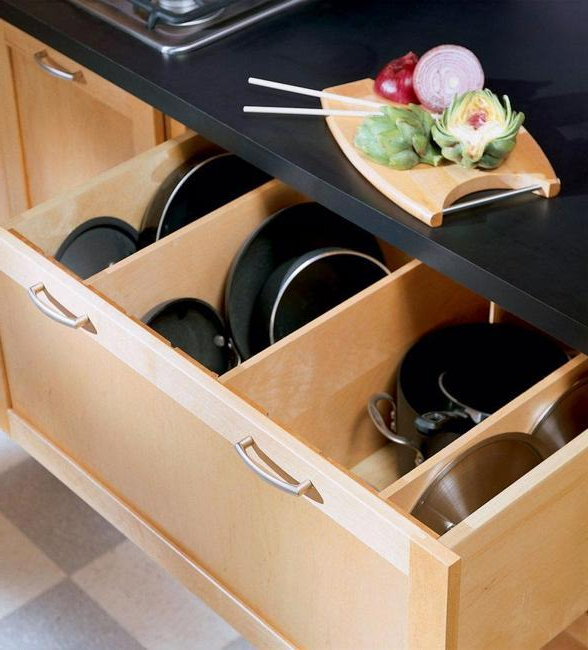
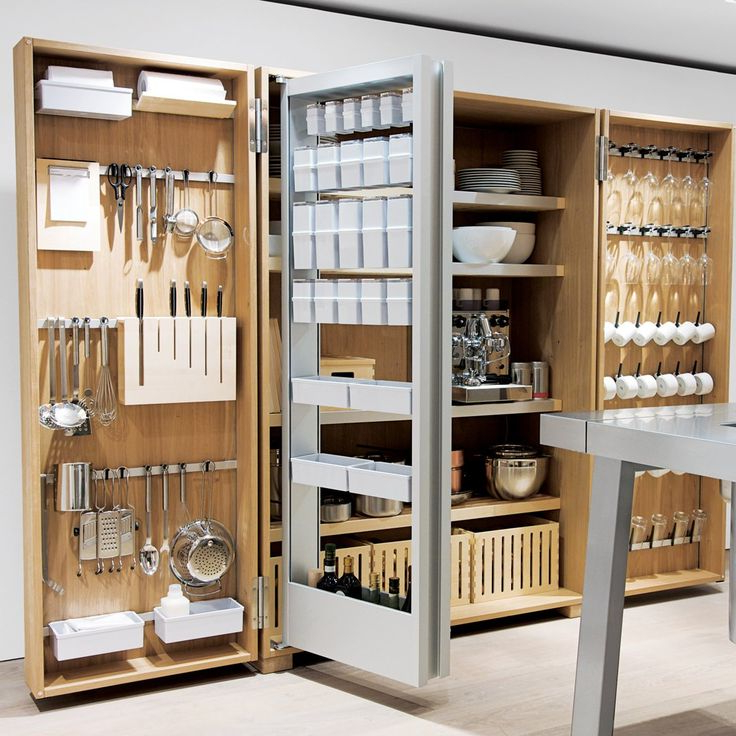
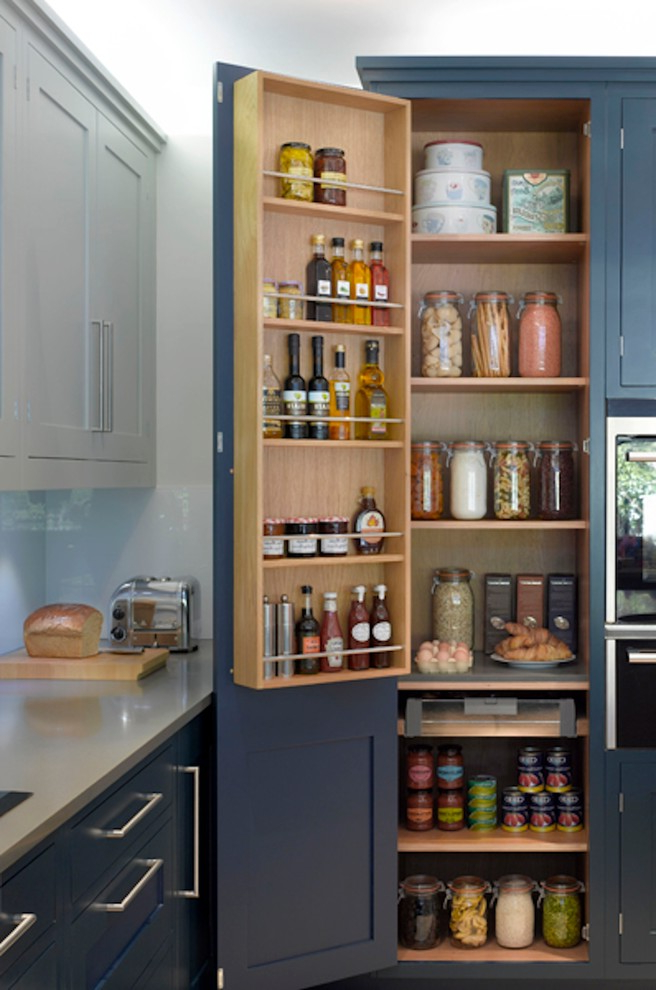
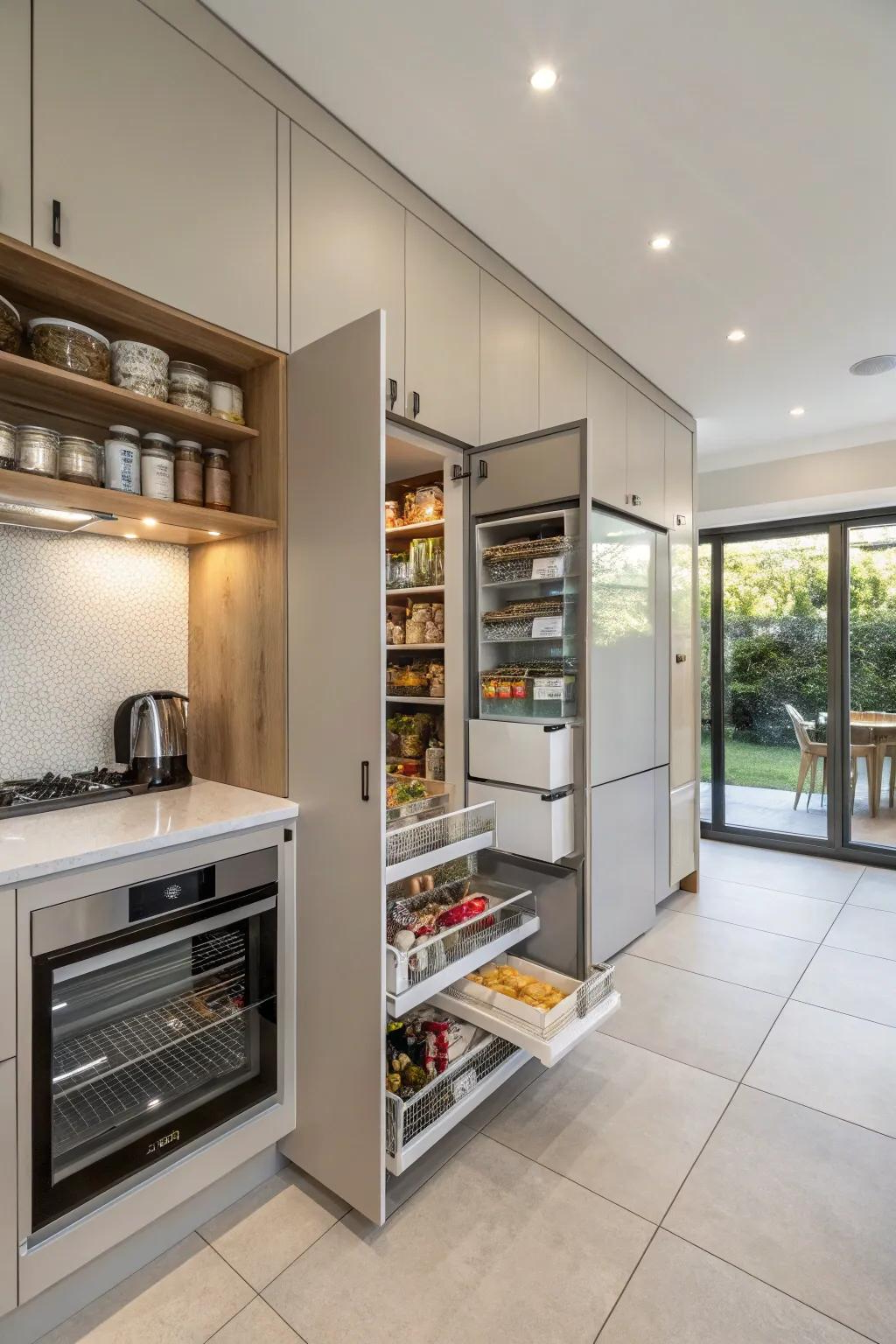
Take the principle of accessibility, for example. Items you use frequently should be within easy reach, while less-used items can be stored higher up or in less convenient locations. This isn’t just practical—it’s psychologically satisfying. When you can immediately access what you need, it creates a sense of accomplishment and control.
Modern kitchen designers understand that the kitchen is a hub of activity, often serving multiple functions throughout the day. It might be where you prepare breakfast, work on projects, entertain guests, and relax. An effective organizational system supports all these activities without creating barriers. The key is to observe how you actually use your kitchen and then design around those patterns.
A great example is the concept of the ‘kitchen island.’ It’s not just a design element—it’s a psychological anchor. People tend to congregate around central gathering spaces, and a well-organized island can become the heart of your kitchen’s functionality and social life.
Understanding the psychology behind effective kitchen organization reveals that our spaces aren’t just collections of objects—they’re powerful tools that shape our mental state and daily experiences. When we organize our kitchens thoughtfully, we’re investing in our mental health, productivity, and overall happiness. The principles discussed here aren’t about perfection or rigid rules. They’re about creating spaces that work with your mind rather than against it.
Remember, the goal isn’t to make your kitchen look picture-perfect—it’s to make it functional, stress-free, and supportive of your lifestyle. Whether you’re a busy parent, a home chef, or someone who simply wants to enjoy their kitchen more, these psychological insights can transform your relationship with your cooking space. Start small, pay attention to how your kitchen makes you feel, and gradually build an organization system that reflects your unique needs and personality. After all, your kitchen should be a place where you feel energized, not exhausted. The right organization creates space for creativity, connection, and joy in your daily life.
[sps_html tag=”img” src=”https://roofdrivein.com/wp-content/uploads/2026/01/contemporary-kitchen-storage-and-pullout-pantry-diseno-muebles-de-intended-for-modern-kitchen-storage.jpg” alt=”Contemporary Kitchen Storage And Pullout Pantry | Diseño Muebles De … intended for Modern Kitchen Storage” style=”width: 100%; height: auto;”]
[sps_html tag=”img” src=”https://roofdrivein.com/wp-content/uploads/2026/01/16-inspiring-modern-kitchen-ideas-for-your-home-pertaining-to-the-psychology-behind-effective-modern-kitchen-organization.jpg” alt=”16+ Inspiring Modern Kitchen Ideas For Your Home pertaining to The Psychology Behind Effective Modern Kitchen Organization” style=”width: 100%; height: auto;”]
[sps_html tag=”img” src=”https://roofdrivein.com/wp-content/uploads/2026/01/30-space-saving-ideas-and-smart-kitchen-storage-solutions-with-the-psychology-behind-effective-modern-kitchen-organization.jpg” alt=”30 Space Saving Ideas And Smart Kitchen Storage Solutions with The Psychology Behind Effective Modern Kitchen Organization” style=”width: 100%; height: auto;”]
[sps_html tag=”img” src=”https://roofdrivein.com/wp-content/uploads/2026/01/modern-kitchen-cabinet-storage-with-regard-to-the-psychology-behind-effective-modern-kitchen-organization.jpg” alt=”Modern Kitchen Cabinet Storage with regard to The Psychology Behind Effective Modern Kitchen Organization” style=”width: 100%; height: auto;”]
[sps_html tag=”img” src=”https://roofdrivein.com/wp-content/uploads/2026/01/kitchen-storage-contemporary-kitchen-london-by-roundhouse-houzz-for-the-psychology-behind-effective-modern-kitchen-organization.jpg” alt=”Kitchen Storage - Contemporary - Kitchen - London - By Roundhouse | Houzz for The Psychology Behind Effective Modern Kitchen Organization” style=”width: 100%; height: auto;”]