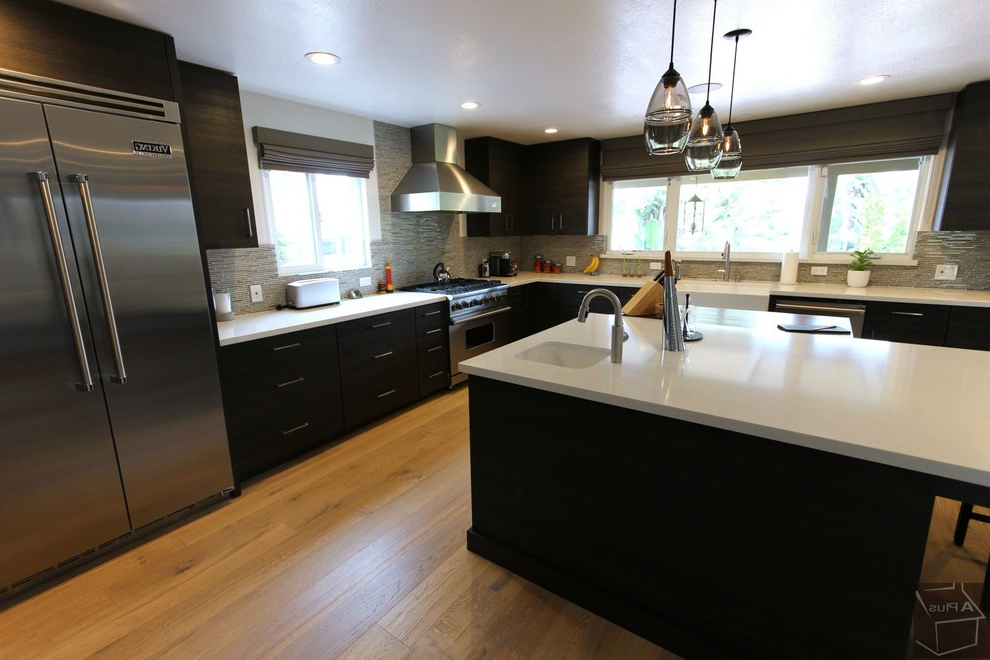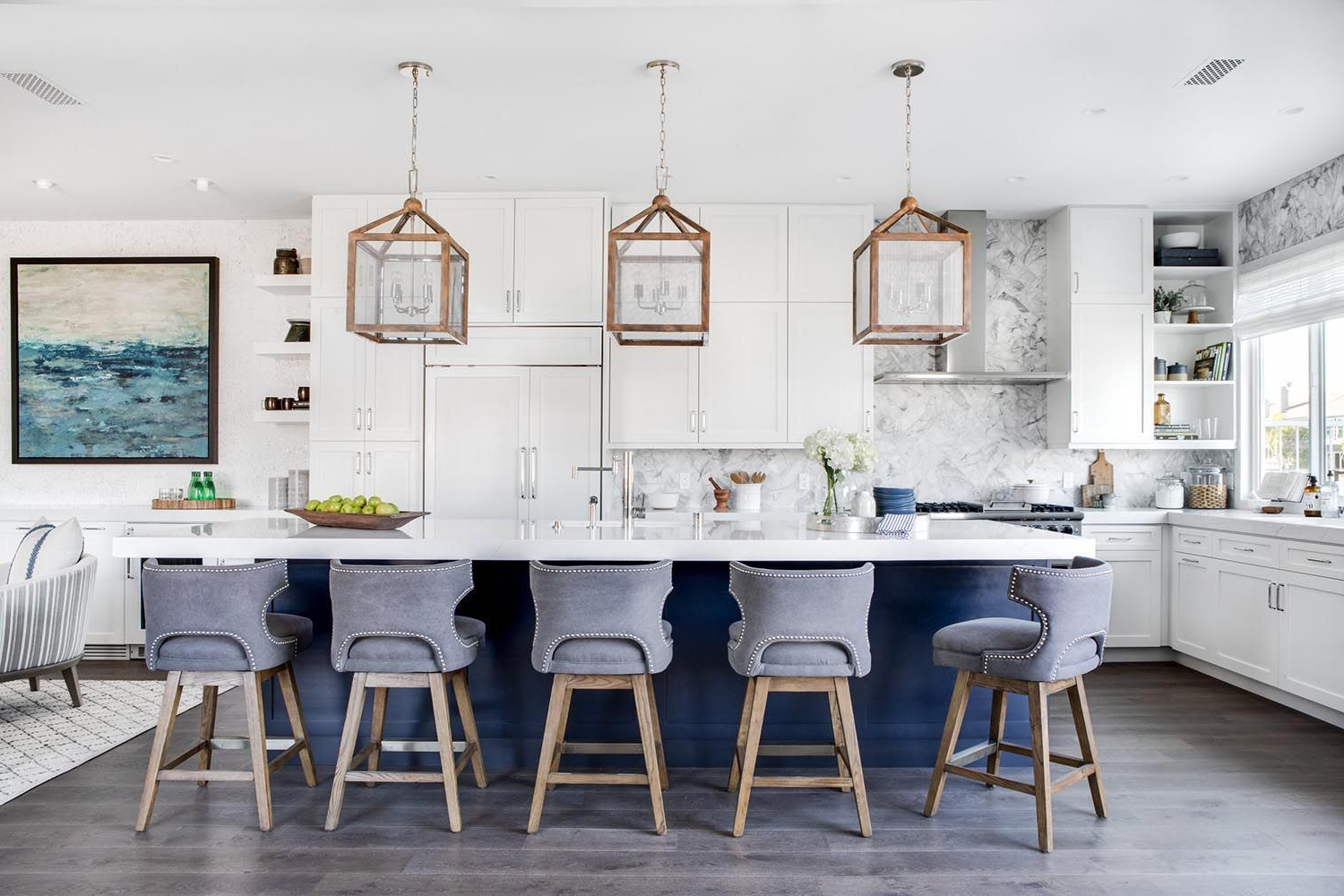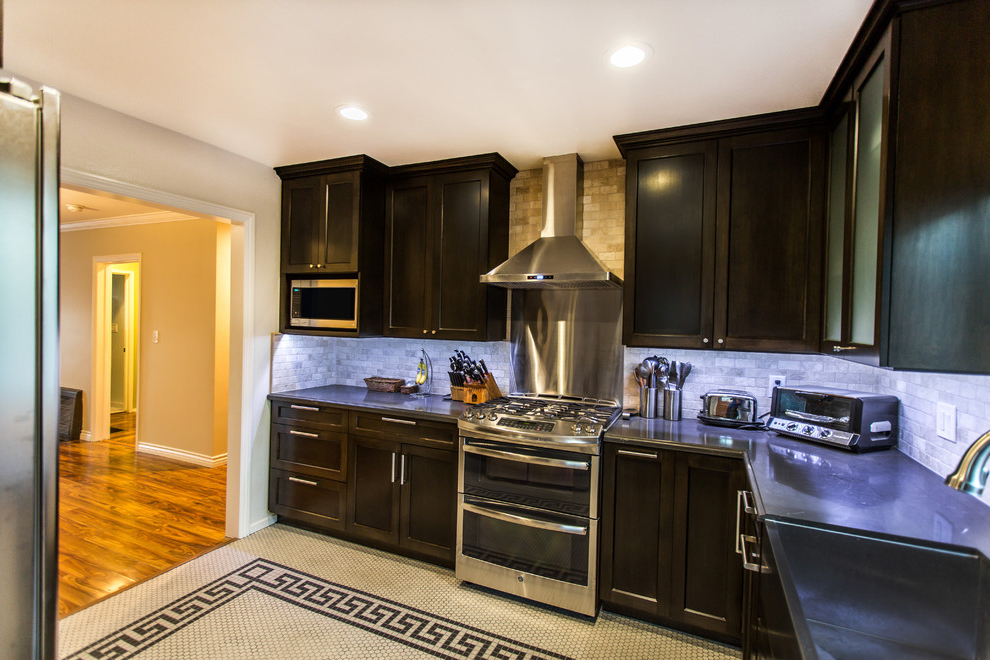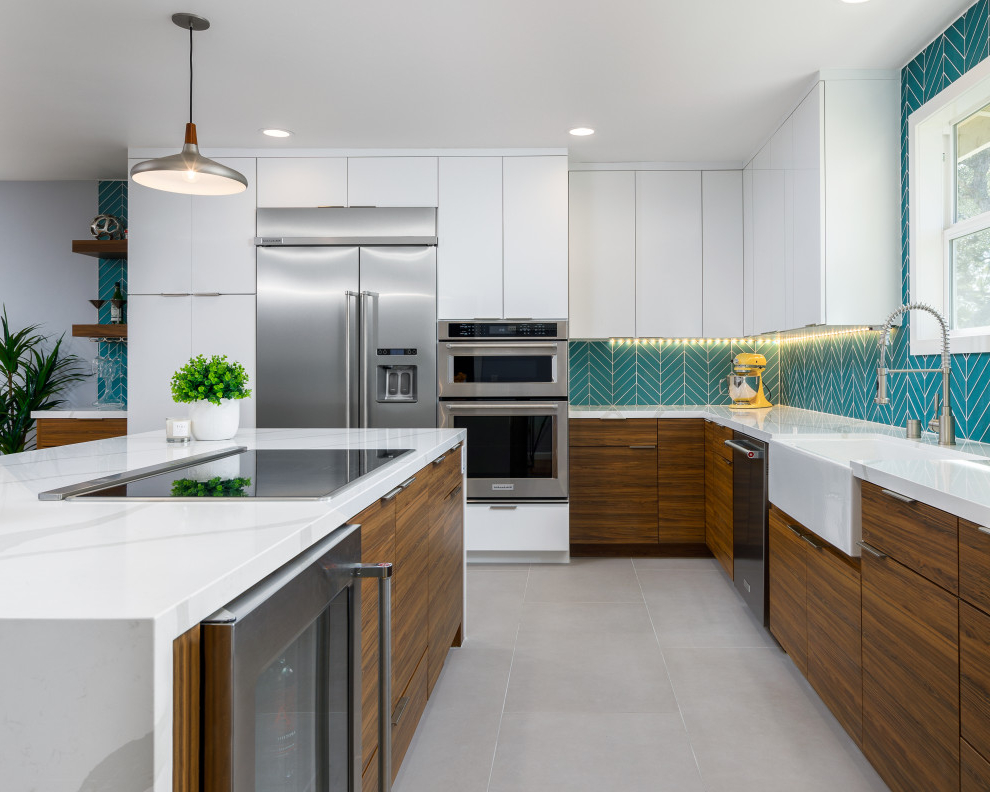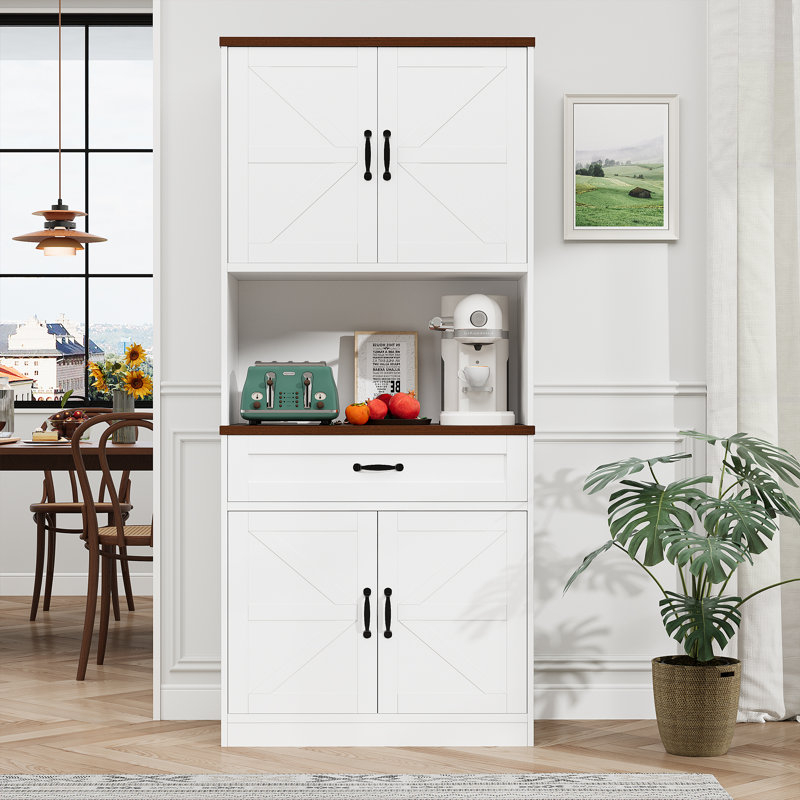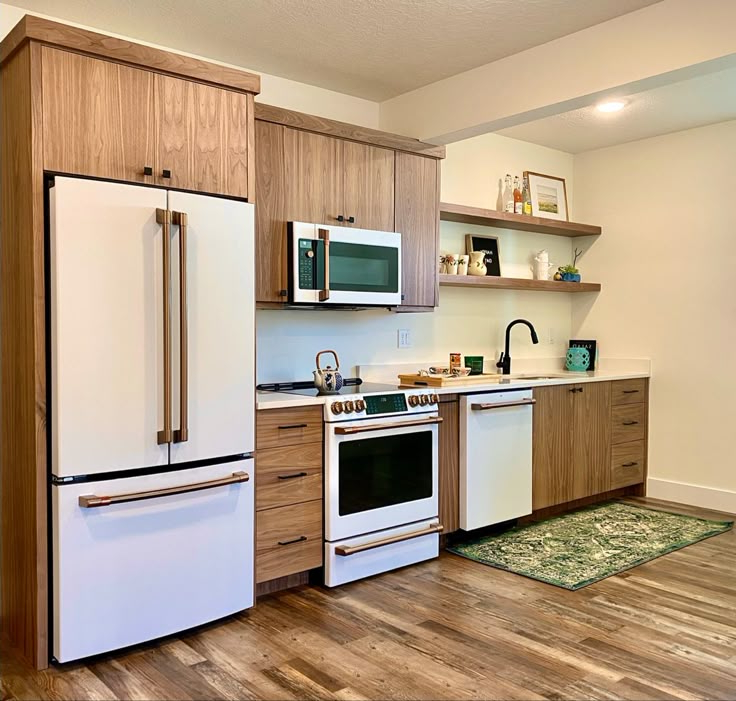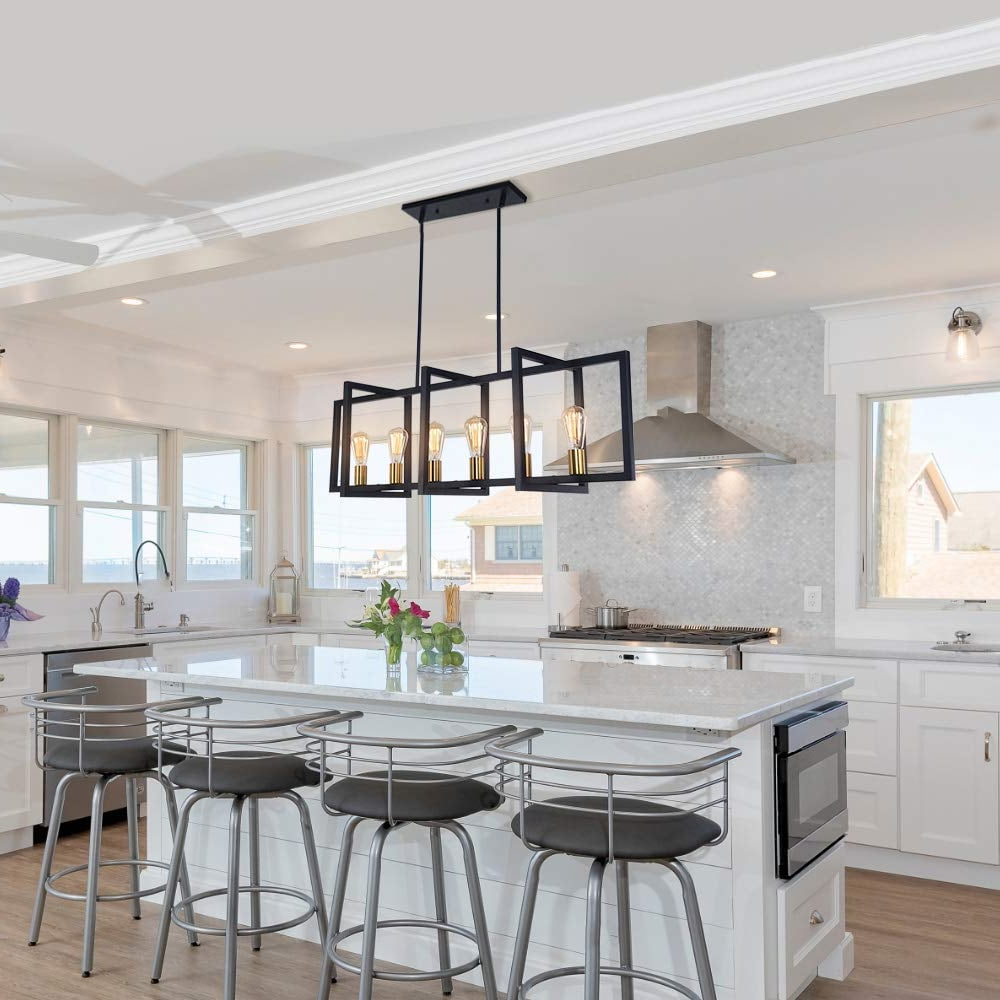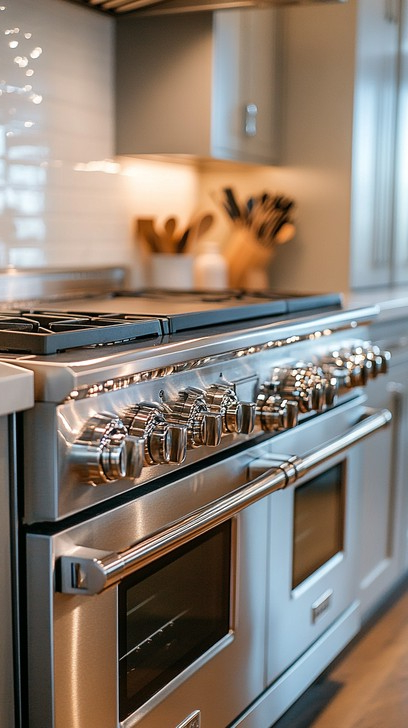
Picture a small wooden shack on the California coast, where a single stove and basic sink were all you needed. That’s how kitchens looked decades ago. Today, those same coastal towns showcase stunning modern kitchens that blend seamlessly with ocean views and local lifestyle.
Coastal California kitchens tell a story of adaptation, innovation, and connection to the sea. These spaces have transformed dramatically over the past century, evolving from utilitarian areas focused purely on function to sophisticated culinary centers that celebrate both local ingredients and oceanic inspiration. Whether you’re walking through a historic fishing village or a contemporary beachfront estate, you’ll notice how each kitchen reflects its community’s unique character and history. What started as basic cooking areas has become the heart of coastal living, blending practical needs with aesthetic beauty and environmental consciousness.
Early Foundations: Simple Beginnings
In the early 1900s, coastal California kitchens were nothing fancy. They were built around simple stoves and often had just one sink. Fishermen’s families cooked over wood-burning fires or coal stoves, using whatever was available. These weren’t places for entertaining – they were purely functional spaces.
The architecture reflected this simplicity too. Small windows, weathered wood, and practical layouts dominated. Families lived close to their food sources, so kitchens needed to handle fresh catches and local produce. Many homes didn’t even have electricity, so cooking meant using firewood or coal. The concept of a ‘kitchen’ as we know it today wasn’t really established yet.
These early kitchens were built to last. They had to withstand salt air, humidity, and frequent storms. You might find old galvanized sinks or simple wooden shelves that have lasted decades. The focus was always on durability and utility rather than style or comfort.
Post-War Boom and Kitchen Revolution
After World War II, everything changed. The economic boom brought new materials, appliances, and ideas about home design. Suddenly, kitchens became more than just cooking spaces. They were becoming social centers where families gathered.
New appliances hit the market – electric ranges, refrigerators, and dishwashers made life easier. The first major change came with the introduction of gas stoves, which were much more reliable than wood-burning alternatives. These changes meant kitchens could stay cooler during summer months when temperatures soared along the coast.
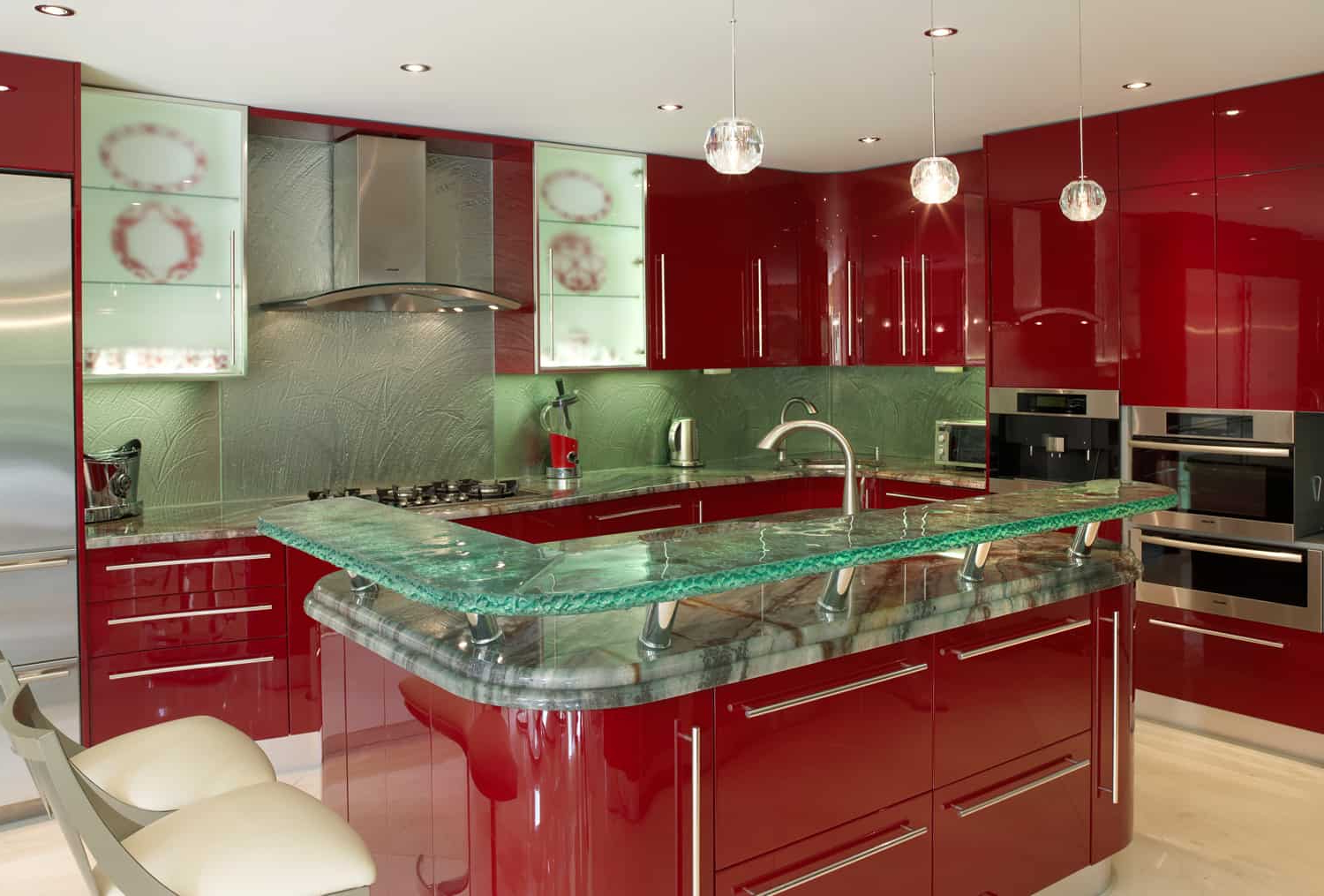
This period also saw the rise of the ‘modern’ kitchen concept. Clean lines, stainless steel appliances, and open layouts began appearing. The idea of having a dedicated cooking space separate from dining areas started taking hold. Many coastal towns began building larger homes with bigger kitchens designed for both family meals and entertaining guests.
The influence of California’s growing culinary scene also started showing up in these spaces. Chefs and home cooks alike began experimenting with new ingredients and techniques, pushing kitchens toward more versatile designs.
The 1970s-80s: Embracing California Lifestyle
By the 1970s, California kitchens had fully embraced the state’s laid-back attitude. This era brought a shift toward casual elegance and outdoor living. Kitchens started featuring large windows, sliding glass doors, and connections to outdoor spaces.
The California Dream influenced kitchen design significantly. People wanted spaces that felt open and airy, reflecting the state’s climate and lifestyle. Built-in storage solutions became popular because they maximized space while maintaining clean aesthetics. Open floor plans emerged, allowing kitchens to flow into living and dining areas.
Natural materials like stone, wood, and tile gained popularity. These elements helped kitchens feel connected to the outdoors and local environment. Coastal communities especially favored light-colored woods and neutral tones that complemented ocean views. The trend toward incorporating garden areas directly into kitchen spaces also started during this time.
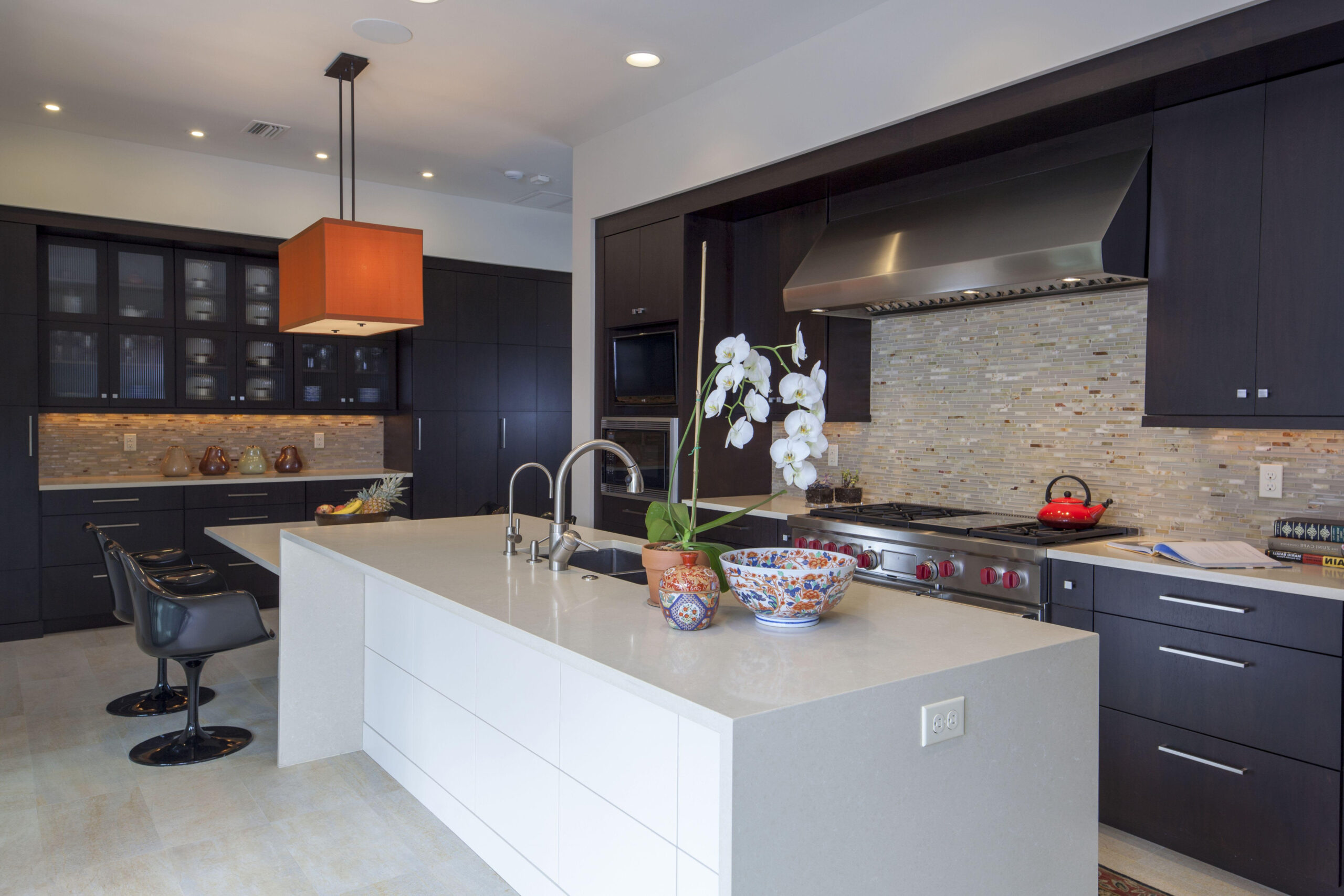
Kitchen islands became a standard feature. They provided extra counter space, storage, and informal gathering spots. Many homeowners also began adding breakfast bars or casual seating areas within their kitchen spaces.
Environmental Consciousness Takes Hold
Starting in the 1990s, environmental awareness began shaping kitchen design in coastal California. Homeowners started thinking more about sustainability and energy efficiency. Solar panels, rainwater collection systems, and energy-efficient appliances became common additions to kitchens.
Local sourcing of materials and ingredients became important. Coastal communities embraced the idea of ‘farm to table,’ which influenced kitchen layouts and storage solutions. Pantries grew larger to accommodate locally grown produce and seafood. Many kitchens featured display areas for fresh ingredients, creating a visual connection between the kitchen and the outside environment.
Water conservation became crucial in coastal areas dealing with drought conditions. Low-flow fixtures, greywater systems, and drought-resistant landscaping were integrated into kitchen design. The focus shifted toward reducing waste and maximizing resource use.
Recycling and composting stations became standard features in many modern kitchens. These additions reflected the community’s commitment to environmental stewardship and sustainable living practices.
Technology Integration and Smart Kitchens
The digital age brought revolutionary changes to coastal California kitchens. Smart technology started appearing in these spaces, transforming how people cook and interact with their kitchen environments.
Smart appliances became increasingly popular. Refrigerators that track inventory, ovens with smartphone connectivity, and smart lighting systems that adjust based on time of day or mood. These innovations made kitchens more efficient and convenient.
The integration of technology also affected kitchen layout planning. Homeowners began incorporating charging stations, entertainment systems, and smart home controls directly into their kitchen designs. Voice-activated assistants and automated lighting systems became common features.
Video streaming capabilities allowed families to watch cooking shows or connect with others while preparing meals. Some kitchens even featured smart mirrors that display recipes or weather updates. These technological advances made kitchens more interactive and socially connected spaces.
The pandemic further accelerated adoption of smart kitchen features. With more people cooking at home, the demand for appliances that could handle multiple tasks and provide recipe guidance increased significantly.
Contemporary Trends and Future Directions
Today’s coastal California kitchens reflect a blend of traditional elements and cutting-edge innovation. Sustainability remains central to design decisions, but so does personalization and flexibility. Modern kitchens are designed to adapt to changing lifestyles and family needs.
Biophilic design principles are now common, bringing natural elements directly into kitchen spaces. Living walls, indoor gardens, and materials that mimic natural textures help create calming environments. These features are particularly popular in coastal settings where connection to nature is essential.
Multi-functional spaces continue evolving. Kitchens serve as workspaces, entertainment areas, and social hubs simultaneously. Flexible layouts allow for different configurations depending on the day’s activities.
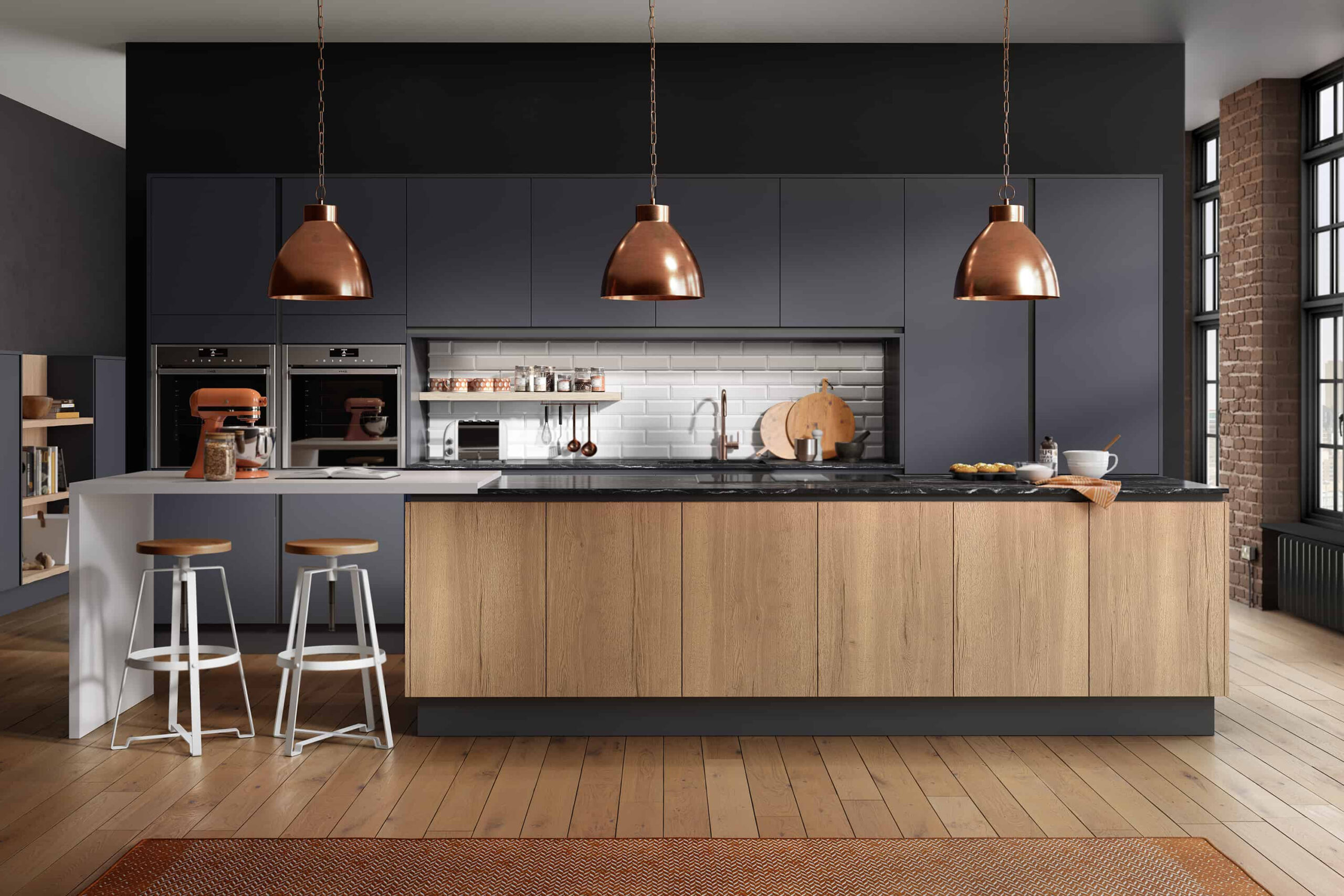
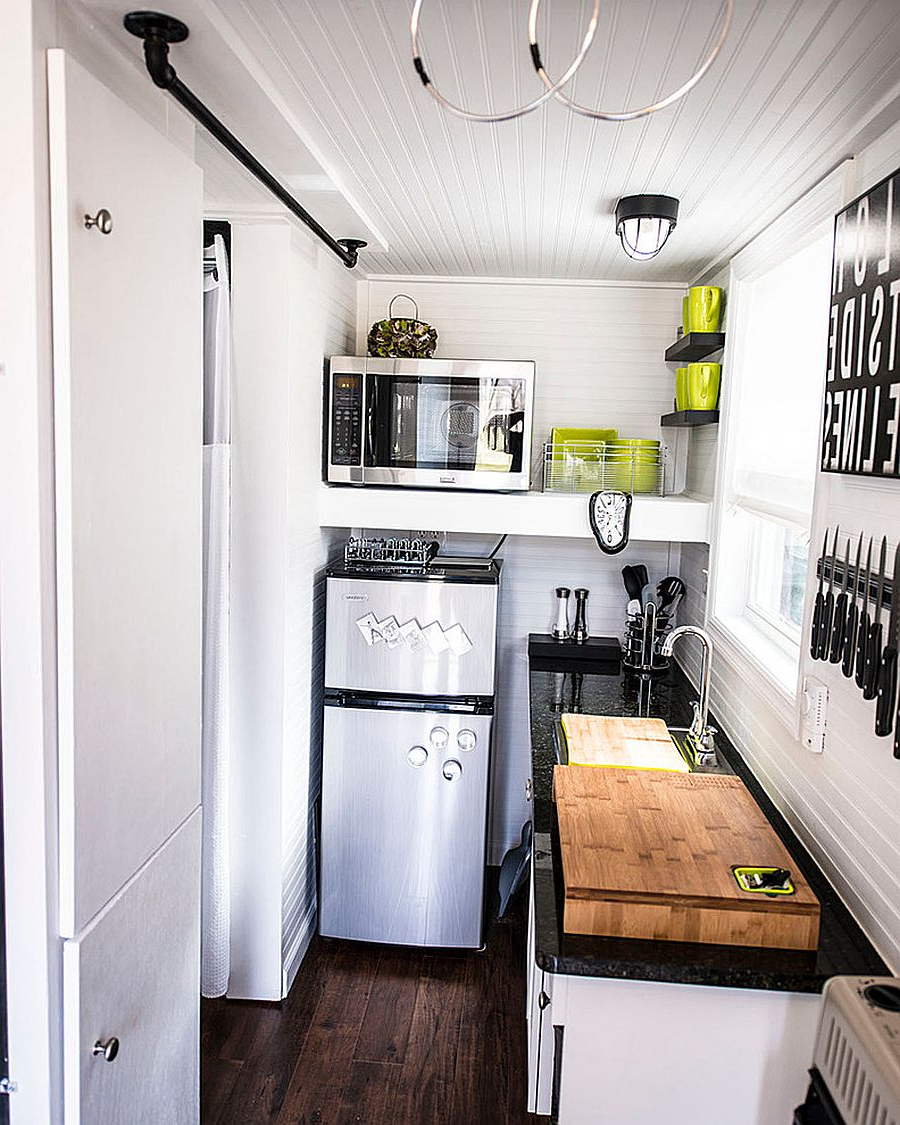
Minimalist approaches have gained popularity, emphasizing clean lines, uncluttered surfaces, and carefully chosen elements. This trend works well in coastal environments where simplicity and calm are valued.
Future trends point toward even greater integration of sustainable practices, including renewable energy systems, advanced water recycling, and more efficient appliance technologies. The ongoing challenge remains balancing modern convenience with environmental responsibility.
The journey from simple coastal kitchens to today’s sophisticated culinary spaces reflects more than just changing tastes. It represents how communities adapt to new realities while honoring their heritage. Coastal California kitchens have evolved into places where tradition meets innovation, where the ocean influences design choices, and where families gather to share meals and stories. These spaces continue to evolve, adapting to new technologies and environmental challenges while maintaining their essential role as the beating heart of coastal living. As we look ahead, these kitchens will undoubtedly continue to reflect the changing needs of coastal communities, always staying true to their roots while embracing tomorrow’s possibilities.
[sps_html tag=”img” src=”https://roofdrivein.com/wp-content/uploads/2026/01/long-beach-kitchen-remodel-modern-kitchen-los-angeles-by-throughout-modern-kitchen-long-beach.jpg” alt=”Long Beach Kitchen Remodel - Modern - Kitchen - Los Angeles - By … throughout Modern Kitchen Long Beach” style=”width: 100%; height: auto;”]
[sps_html tag=”img” src=”https://roofdrivein.com/wp-content/uploads/2026/01/coastal-modern-kitchen-long-beach-ca-modern-kitchen-los-with-modern-kitchen-long-beach.jpg” alt=”Coastal Modern Kitchen - Long Beach, Ca - Modern - Kitchen - Los … with Modern Kitchen Long Beach” style=”width: 100%; height: auto;”]
[sps_html tag=”img” src=”https://roofdrivein.com/wp-content/uploads/2026/01/kitchen-remodelers-long-beach-kitchen-remodel-pictures-with-regard-to-modern-kitchen-long-beach.jpg” alt=”Kitchen Remodelers Long Beach | Kitchen Remodel Pictures with regard to Modern Kitchen Long Beach” style=”width: 100%; height: auto;”]
[sps_html tag=”img” src=”https://roofdrivein.com/wp-content/uploads/2026/01/a-glimpse-inside-this-beautifully-updated-coastal-style-house-in-long-regarding-the-evolution-of-modern-kitchens-in-coastal-california-communities.jpg” alt=”A Glimpse Inside This Beautifully Updated Coastal Style House In Long … regarding The Evolution of Modern Kitchens in Coastal California Communities” style=”width: 100%; height: auto;”]
[sps_html tag=”img” src=”https://roofdrivein.com/wp-content/uploads/2026/01/long-beach-complete-revival-throughout-the-evolution-of-modern-kitchens-in-coastal-california-communities-scaled.jpg” alt=”Long Beach Complete Revival throughout The Evolution of Modern Kitchens in Coastal California Communities” style=”width: 100%; height: auto;”]