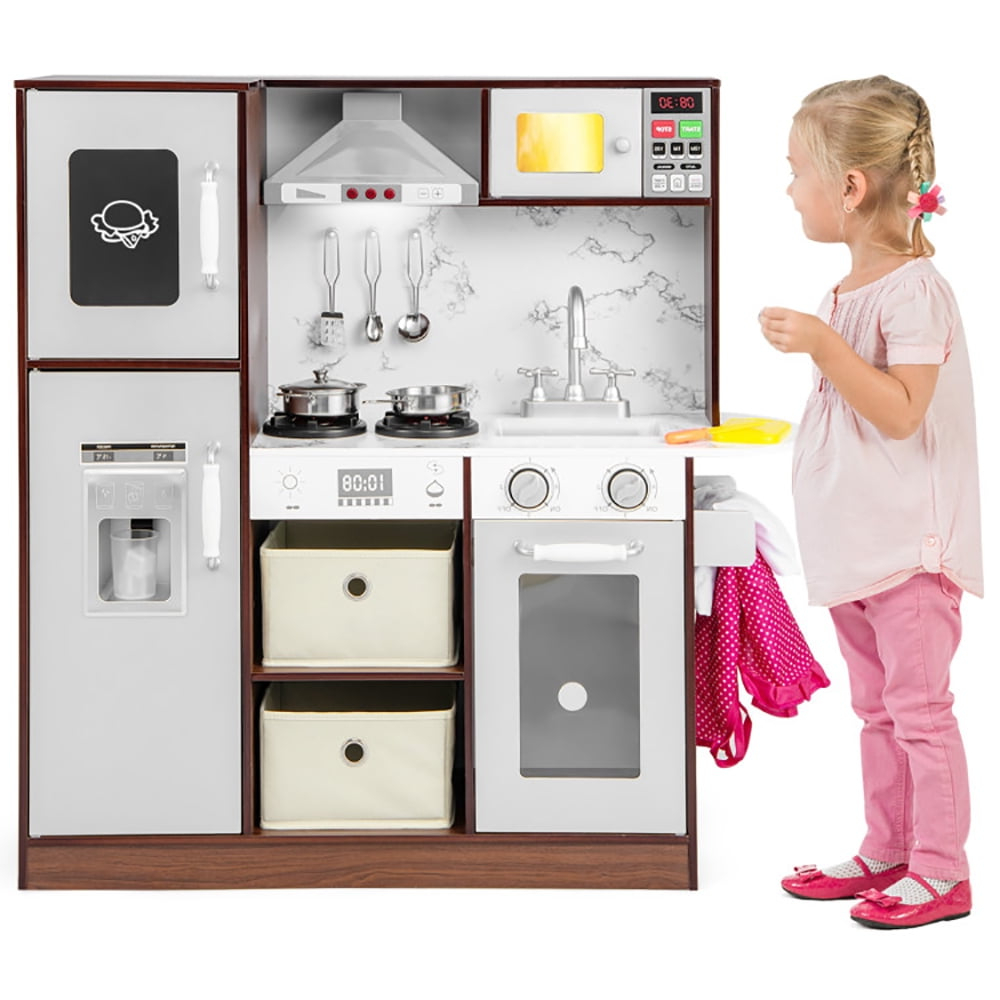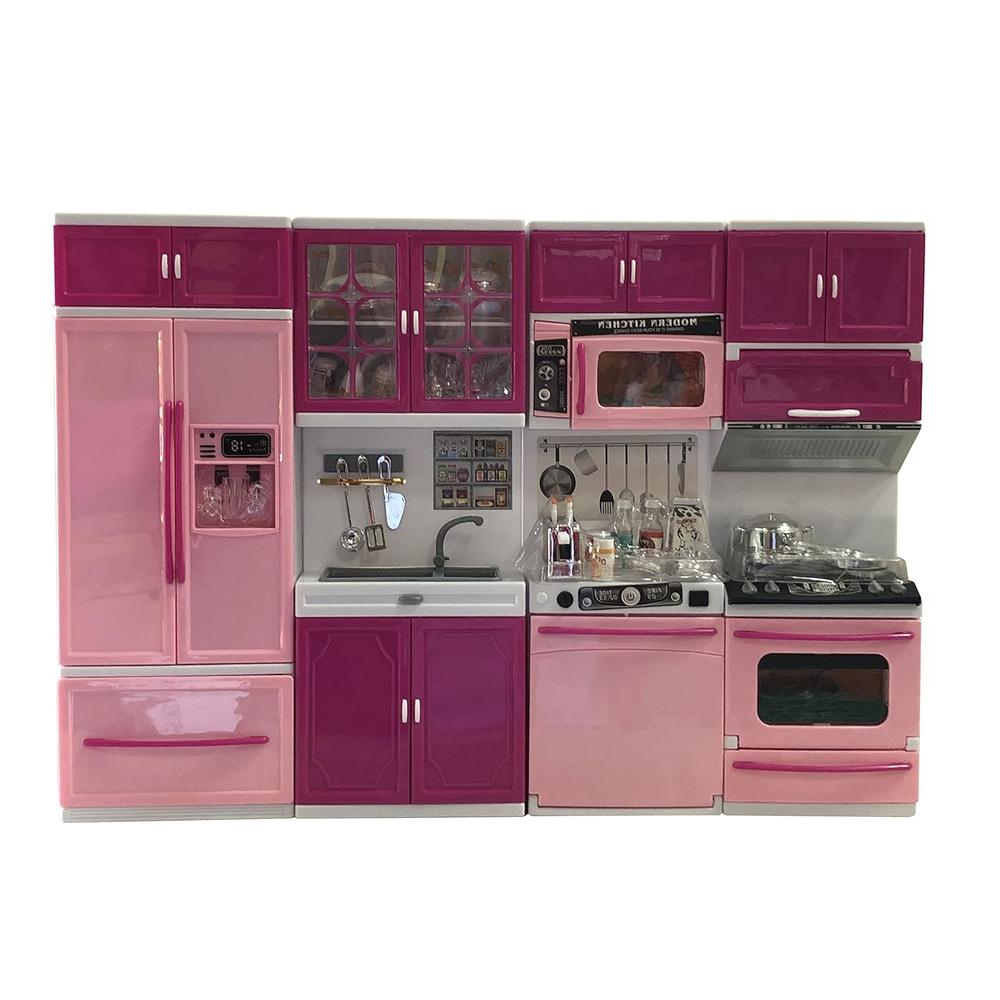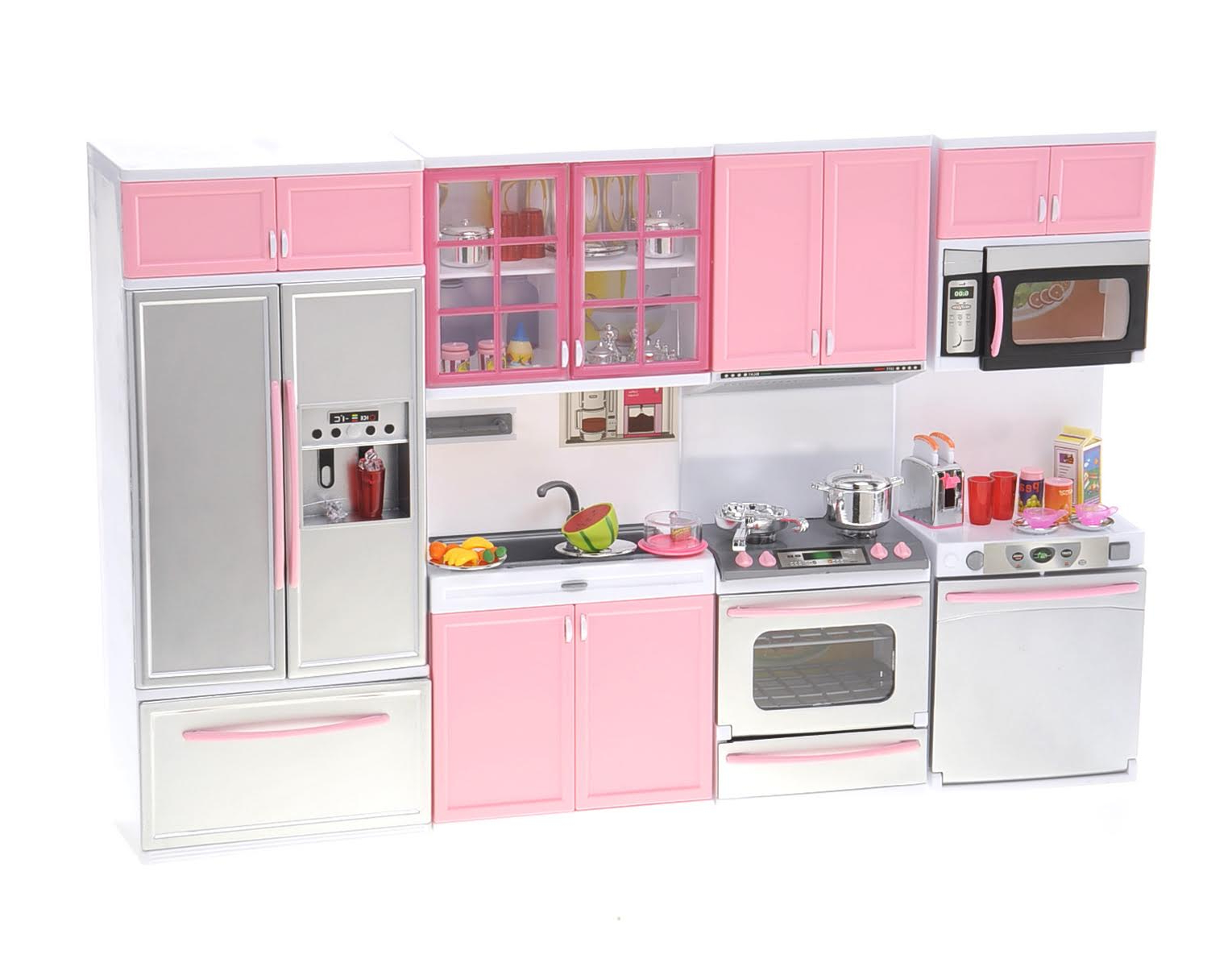
Think back to your childhood. Chances are you had a wooden kitchen set that was more than just a toy—it was a gateway to imagination. But what happened to those simple wooden kitchens? How did they evolve into the complex, technology-infused playsets we see today? The journey of kitchen playsets reveals fascinating insights into how toys shape our understanding of the world.
Kitchen playsets have been a cornerstone of children’s imaginative play for decades. They’re more than just toys—they’re miniature worlds where kids learn about roles, responsibilities, and the rhythms of daily life. But the story of these playsets isn’t just about nostalgia. It’s about evolution. From basic wooden structures to high-tech digital simulations, kitchen playsets have undergone dramatic transformations that mirror changes in how we think about childhood development and learning.
The Foundation Years: Simple Beginnings
Back in the 1950s and 60s, kitchen playsets were straightforward affairs. Wooden cabinets, a stove, and maybe a sink formed the core of most setups. These weren’t fancy—they were built to last, often made from solid wood with simple painted details. Parents and educators saw them as tools for teaching practical skills like counting, sorting, and following routines. Kids learned about cooking through role-playing, pretending to prepare meals for their dolls or stuffed animals.
These early sets had limited features but maximum simplicity. No electronic components, no complex mechanisms. Just pure imagination. The appeal wasn’t in bells and whistles but in the blank canvas they provided for creativity. A wooden stove could become anything—a real oven, a spaceship engine, or a magical portal. The simplicity meant kids had to engage more deeply with their play, building narratives and social interactions around basic elements.
The Golden Age of Expansion
The 1970s and 80s brought bigger, more elaborate sets. Manufacturers started adding more realistic features like working drawers, doors that opened and closed, and even tiny appliances that looked almost authentic. This period introduced the concept of detailed role-playing. Kids could now pretend to be chefs, restaurant owners, or family cooks with more sophistication.
One example from this era was the iconic "Kitchen Set" by Ideal Toys, which featured a full-sized refrigerator, stove with burners, and even a small sink. These sets weren’t just about playing house anymore—they were about creating entire scenarios. Parents noticed that kids who played with these more complex sets seemed to develop better problem-solving skills and social interaction abilities. The increased realism helped children understand real-world concepts while still maintaining the safety and fun of play.
What really changed during this time was the attention to detail. Manufacturers began studying how children interacted with toys, leading to better designs that encouraged longer play sessions and deeper engagement. The kitchen became a place where kids could practice real-life situations without the actual risks.
Safety and Inclusivity: A New Priority
By the 1990s, safety regulations became paramount. The industry shifted toward using safer materials, rounded edges, and non-toxic paints. More importantly, manufacturers started considering diverse families and different play styles. Kitchen sets began featuring characters of various ethnicities and family structures, reflecting the changing demographics of American households.
This period also saw the introduction of gender-neutral approaches. Previously, many kitchen sets were heavily marketed toward girls, emphasizing domestic roles. But new research showed that boys and girls equally enjoyed kitchen play, and both benefited from the same developmental opportunities. So manufacturers created sets that didn’t emphasize traditional gender roles. Instead, they focused on the universal appeal of cooking, cleaning, and family dynamics.
A key development was the creation of adaptive playsets for children with disabilities. Some sets included features like larger handles, textured surfaces, and simplified controls to accommodate different needs. This wasn’t just about inclusion—it was about recognizing that all children deserve access to quality play experiences that support their growth and development.
Technology Integration: Digital Age Transformation
The 2000s marked a major shift when technology began integrating into traditional playsets. First came audio features—kitchen sets that could play sounds of cooking, music, or even recorded voices. Then came interactive elements where children could press buttons to make lights blink or sounds play.
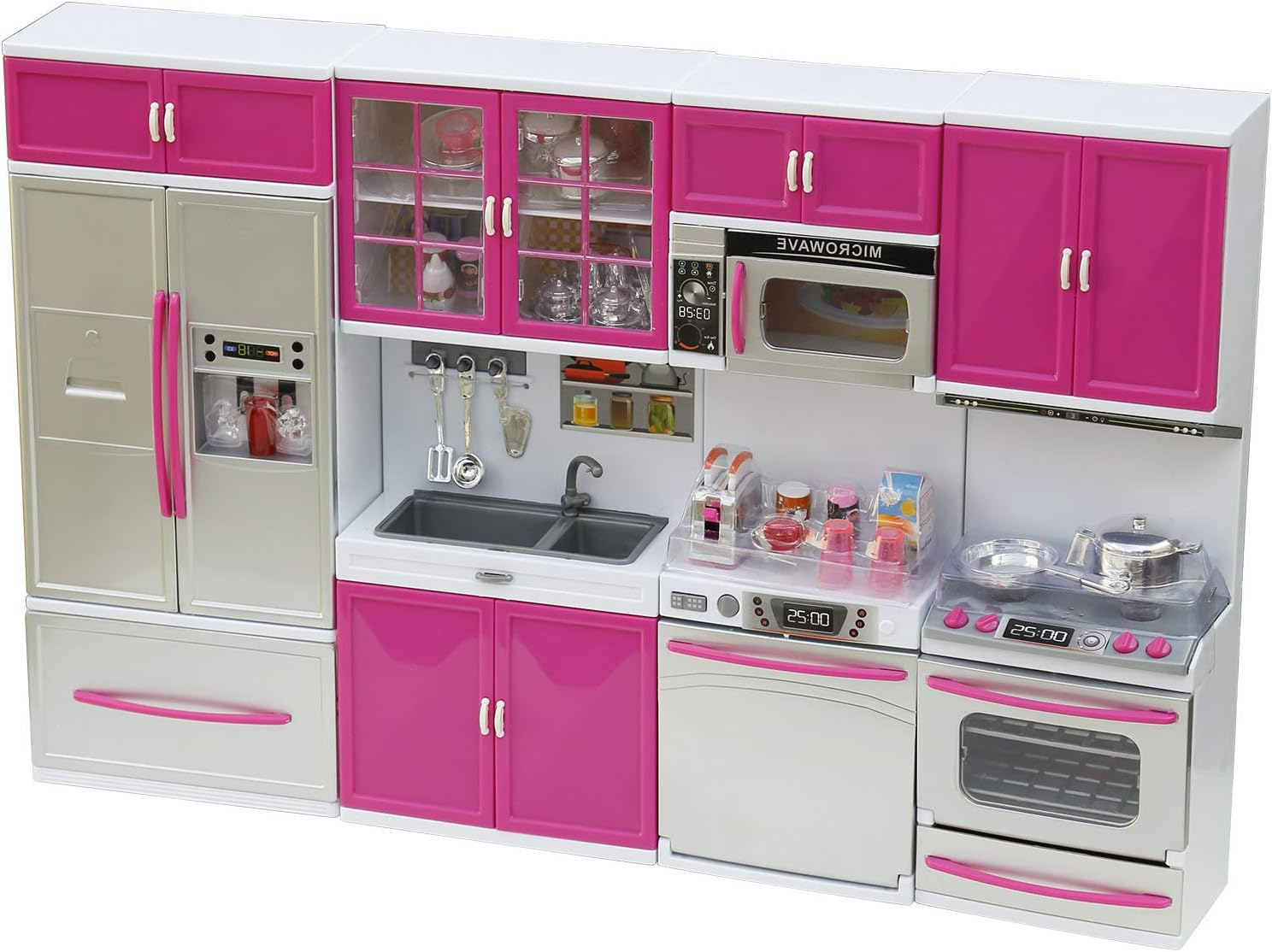
Modern kitchen playsets now include smart features like LED displays, sound effects, and even basic programming capabilities. Some sets allow parents to download apps that provide recipes, educational content, or even virtual cooking classes. These aren’t replacing traditional play—they’re enhancing it with digital elements that make learning more engaging.
Consider a contemporary set that includes a tablet interface showing step-by-step cooking instructions, or one that uses augmented reality to let kids see virtual ingredients appear in their play kitchen. The integration of technology allows for more personalized learning experiences while maintaining the core joy of imaginative play. Kids can explore recipes, learn about nutrition, and practice math skills all while having fun.
Educational Focus: Learning Through Play
Today’s kitchen playsets are designed with clear educational goals in mind. They’re not just entertainment—they’re learning tools. Many sets incorporate STEM concepts, helping children understand measurements, chemistry, and even basic engineering principles.
For instance, some modern kitchens feature scales for weighing ingredients, measuring cups for volume, and even simple science experiments that demonstrate heat transfer or mixing processes. The kitchen becomes a laboratory where children can test hypotheses and observe outcomes in a safe environment.
Research shows that hands-on play with kitchen sets significantly improves cognitive development. Children who regularly engage with these toys show better problem-solving abilities, improved communication skills, and enhanced understanding of cause-and-effect relationships. The act of pretending to cook, clean, and serve helps build neural pathways that support real-world learning.
Many sets now come with activity books, recipe cards, and educational guides that teachers and parents can use to extend the learning beyond playtime. This approach recognizes that play and learning aren’t separate activities—they’re intertwined aspects of healthy child development.
Future Trends: What’s Next for Kitchen Playsets
Looking ahead, kitchen playsets are becoming even more sophisticated. We’re seeing the rise of artificial intelligence integration, where toys can adapt to a child’s skill level and learning style. Imagine a kitchen set that remembers what a child likes to cook and suggests new recipes based on their preferences.
Sustainability is also becoming a major factor. Many manufacturers are exploring eco-friendly materials and designs that encourage recycling and environmental awareness. Some sets teach children about sustainable cooking practices, organic ingredients, and reducing food waste.
Virtual and augmented reality might soon transform how we think about kitchen play. Instead of physical playsets, children might use VR headsets to explore different types of kitchens—from professional restaurants to futuristic spaceships. The possibilities are endless, though the core appeal remains the same: giving children the freedom to imagine, create, and learn through play.
The future will likely see even more personalized experiences, where each kitchen set adapts to individual children’s interests and developmental stages. This means more inclusive design, better accessibility features, and smarter educational integration—all while preserving the fundamental joy of play.
The journey of kitchen playsets from simple wooden structures to today’s advanced interactive systems reflects our growing understanding of how children learn and develop. Each phase of evolution brought new insights about play, education, and the importance of allowing children to explore their world through imagination. These toys aren’t just about pretending to cook—they’re about preparing children for real life. Whether it’s through traditional wooden sets or high-tech digital experiences, kitchen playsets continue to offer valuable opportunities for growth, learning, and joyful discovery. The best part? The magic of play remains unchanged—children still love to create, experiment, and share their discoveries with others. As we move forward, these playsets will undoubtedly continue evolving while staying true to their essential purpose: nurturing young minds through the simple pleasure of imaginative play.
[sps_html tag=”img” src=”https://roofdrivein.com/wp-content/uploads/2026/01/amazon-com-aztoys-modern-kitchen-playset-for-kids-4-in-1-playset-throughout-the-evolution-of-modern-kitchen-playsets-in-children039s-toy-design.jpg” alt=”Amazon.com: Aztoys Modern Kitchen Playset For Kids - 4-In-1 Playset … throughout The evolution of modern kitchen playsets in children's toy design” style=”width: 100%; height: auto;”]
[sps_html tag=”img” src=”https://roofdrivein.com/wp-content/uploads/2026/01/jual-mainan-masakan-dream-kitchen-2-in-1-set-my-modern-kitchen-playset-for-modern-kitchen-playset.jpg” alt=”Jual Mainan Masakan Dream Kitchen 2 In 1 Set My Modern Kitchen Playset … for Modern Kitchen Playset” style=”width: 100%; height: auto;”]
[sps_html tag=”img” src=”https://roofdrivein.com/wp-content/uploads/2026/01/great-choice-products-joysae-doll-playsets-my-modern-kitchen-full-with-the-evolution-of-modern-kitchen-playsets-in-children039s-toy-design.jpg” alt=”Great Choice Products Joysae Doll Playsets My Modern Kitchen Full … with The evolution of modern kitchen playsets in children's toy design” style=”width: 100%; height: auto;”]
[sps_html tag=”img” src=”https://roofdrivein.com/wp-content/uploads/2026/01/kitchen-connection-modern-kitchen-playset-walmart-com-inside-modern-kitchen-playset.jpeg” alt=”Kitchen Connection Modern Kitchen Playset - Walmart.com inside Modern Kitchen Playset” style=”width: 100%; height: auto;”]
[sps_html tag=”img” src=”https://roofdrivein.com/wp-content/uploads/2026/01/kadyn-play-wooden-kitchen-setskids-kitchen-playset-pretend-chef-pertaining-to-modern-kitchen-playset.jpeg” alt=”Kadyn Play Wooden Kitchen Sets,Kids Kitchen Playset, Pretend Chef … pertaining to Modern Kitchen Playset” style=”width: 100%; height: auto;”]