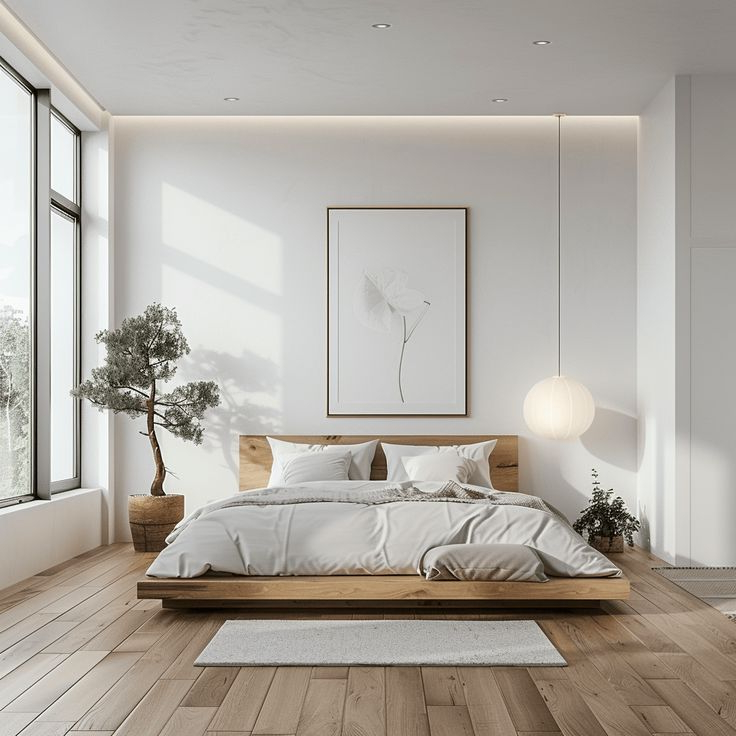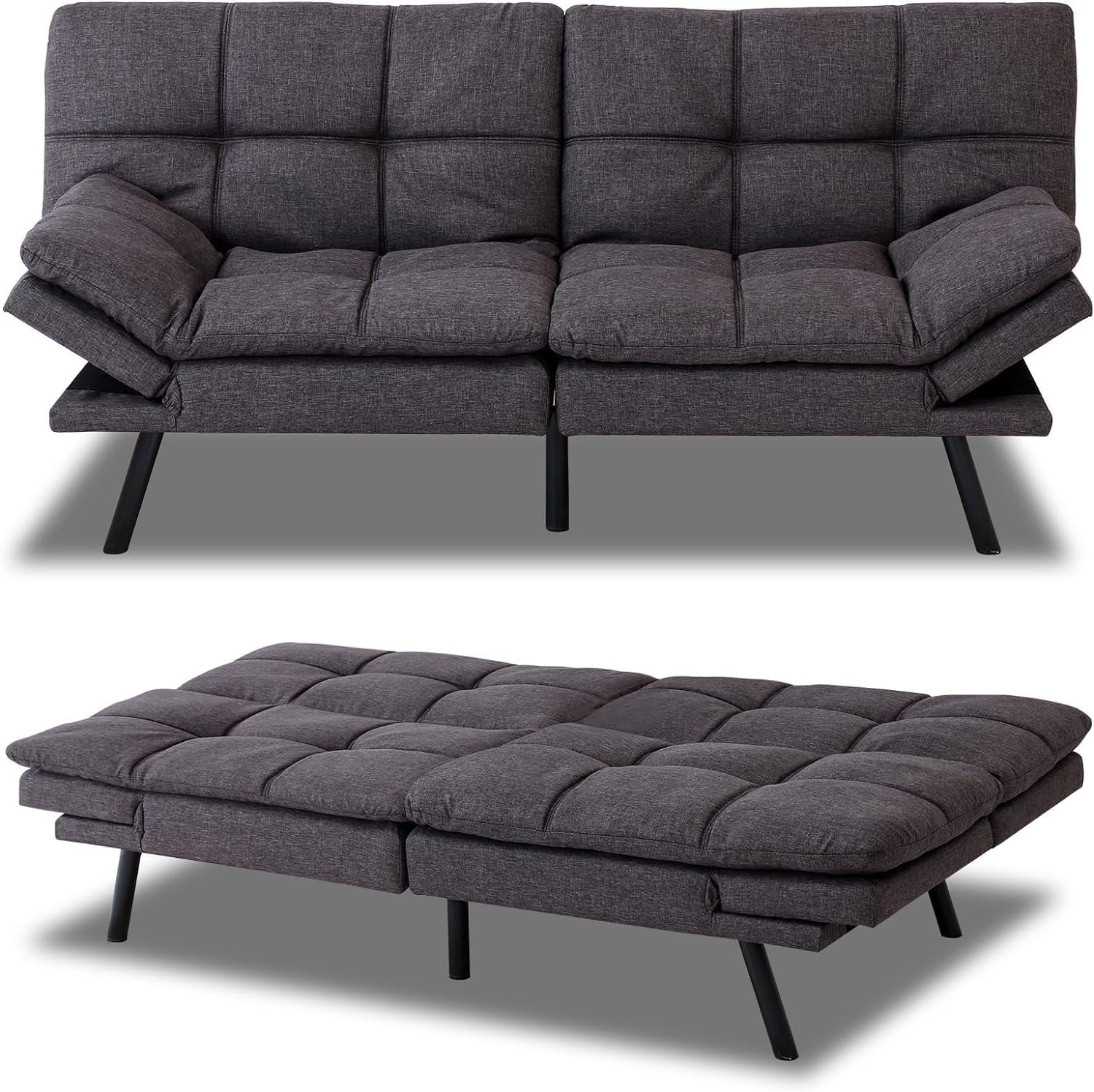
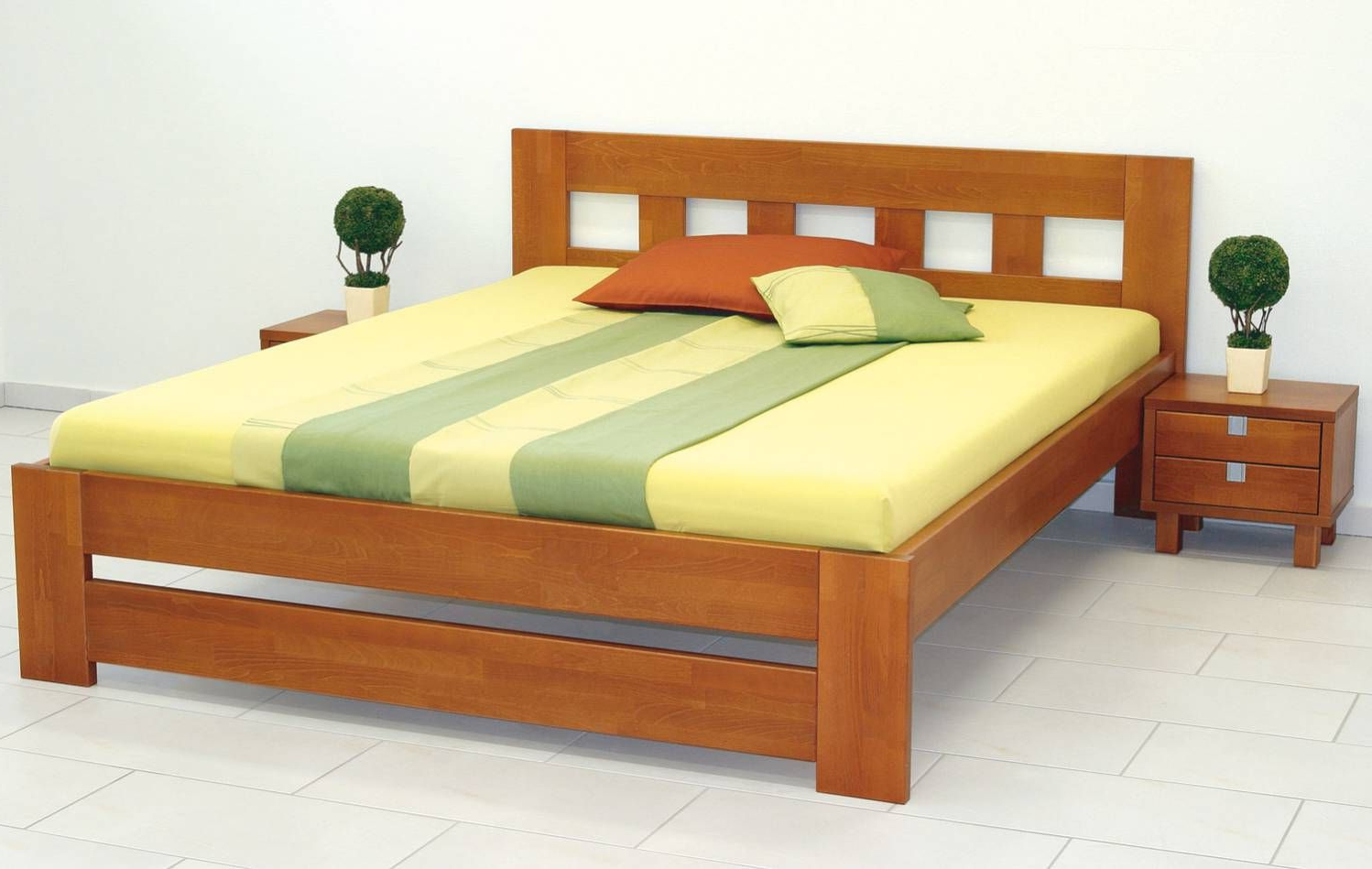
What if I told you that the secret to better sleep might not be found in expensive mattresses or fancy bedding? What if it’s hiding in plain sight – right in the way your bed is designed? This isn’t just about aesthetics or minimalist trends. It’s about understanding how the fundamental elements of your sleeping space affect your body’s natural rhythms. Simple doesn’t mean boring. Simple means intentional. Simple means creating the perfect environment for your mind and body to truly rest.
We’ve all experienced those nights when we lie in bed, staring at the ceiling, counting sheep or worse, thinking about everything that needs to get done tomorrow. Sometimes, it’s not the stress or anxiety that keeps us awake – it’s our sleeping environment itself. You know that feeling when you walk into a room and immediately feel like you want to curl up and take a nap? That’s the magic of good design working in harmony with our natural needs. Simple bed design isn’t about stripping away everything until nothing remains. It’s about choosing the right elements and arranging them in ways that support deep, restorative sleep. Think of it as creating a sanctuary within your bedroom – one that whispers ‘rest’ rather than shouting ‘wake up.
Understanding the Foundation of Restful Sleep
Before we dive into design specifics, let’s talk about what actually happens during good sleep. When we fall asleep, our bodies go through several stages, each with different requirements. Deep sleep, REM sleep, and light sleep all need different conditions to happen properly. Your bed and its surroundings play a crucial role in facilitating these processes. The temperature of your sleeping area, the comfort level of your mattress, even the colors around your bed can either help or hinder your ability to drift off and stay asleep. Think about it – when you’re lying in a perfectly comfortable bed, your muscles can relax completely. But if you’re constantly adjusting or feeling uncomfortable, your nervous system stays alert, trying to find a more comfortable position. Simple design eliminates distractions and unnecessary variables that might keep your brain active when it should be winding down.
The Power of Color Psychology in Bed Design
Colors do more than just look pretty on your walls. They send powerful signals to your brain about what your body should be doing. Cool tones like soft blues, gentle greens, and muted lavenders naturally encourage relaxation and calmness. These colors are associated with water and nature, both of which have soothing properties. On the flip side, warm colors like reds and oranges can make you feel energized or even slightly anxious. That’s why many sleep experts recommend avoiding bright, saturated colors near your bed. A study published in the Journal of Environmental Psychology found that participants slept better in rooms painted in cool, neutral tones compared to those in warm, vibrant spaces. Consider using a soft blue accent wall behind your headboard, or even just a few throw pillows in calming hues. The idea isn’t to make your entire bedroom sterile white, but rather to create a peaceful atmosphere that supports your body’s natural sleep cycle.
Choosing the Right Mattress for Your Body Type
Let’s talk about what really matters when selecting a mattress. Not every person needs the same type of support, and not every mattress is created equal. The key is matching your body’s unique needs with the right firmness and material. Side sleepers often benefit from softer mattresses that cushion their shoulders and hips, while back sleepers typically prefer firmer surfaces that prevent their spine from sinking too deeply. Stomach sleepers usually need the most support to keep their spine aligned. But here’s something that many people overlook: the importance of breathability. Memory foam mattresses, while popular, can trap heat and make some people feel uncomfortably warm during the night. Latex and hybrid options often provide better airflow. The best approach is to try out different types before committing. Many mattress companies offer trial periods, which is smart because what feels great on a showroom floor might not work as well in your home environment. Remember, a good mattress is an investment in your health and happiness.
Lighting and Its Impact on Sleep Quality
Lighting affects our circadian rhythm more than most people realize. Your body’s internal clock is heavily influenced by light exposure, especially the blue wavelengths that come from screens and LED lights. When you’re lying in bed, you want lighting that promotes relaxation rather than stimulation. Dim, warm lighting is ideal for evening routines. Some people find that using blackout curtains helps them sleep better by eliminating outside light sources that could disrupt their sleep cycle. Smart bulbs can be programmed to gradually dim throughout the evening, mimicking natural sunset patterns. For those who wake up during the night, having a small, low-wattage nightlight nearby can be helpful. The key is keeping it soft enough that it doesn’t fully activate your brain’s alert state. Too much bright light, even at night, can interfere with melatonin production, making it harder to fall back asleep. Sometimes the smallest lighting changes can make the biggest difference in sleep quality.
Minimizing Clutter for Mental Calm
Clutter isn’t just visually distracting – it creates mental clutter too. When your eyes see disorder, your brain interprets it as potential danger or chaos. This triggers stress responses that can make it harder to relax. A clean, organized bedroom sends a message to your subconscious that everything is under control, which helps you let go of daily worries. Start by removing anything that doesn’t serve a purpose in your bedroom. That includes not just obvious items like books or clothes, but also decorative objects that might catch your eye. If you have a nightstand, keep it simple with just a lamp, a book, and maybe a glass of water. The less visual stimulus there is, the easier it is for your mind to focus on rest. Some people find it helpful to designate a specific spot for their phone, away from the bed entirely. This prevents the temptation to scroll through social media or check emails before sleep, which can be a major barrier to good sleep hygiene.
Creating a Sleep-Friendly Environment Beyond the Bed
While the bed itself is central to sleep quality, the surrounding environment plays an equally important role. Temperature regulation is critical – most people sleep best in a room that’s between 65-68 degrees Fahrenheit. If your bedroom gets too hot, consider breathable bedding materials or even a small fan. Sound also matters. White noise machines or gentle fans can mask disruptive sounds like traffic or neighbors. Some people find that playing soft music or nature sounds helps them fall asleep faster. The goal isn’t to eliminate all sound, but to create a consistent, peaceful auditory landscape. Don’t forget about air quality – poor ventilation can lead to stuffiness or the buildup of allergens that might interfere with breathing during sleep. Regular cleaning, including washing sheets weekly and vacuuming carpets, contributes to a healthier sleeping environment.
Simple bed design isn’t about deprivation or sacrifice. It’s about creating the right conditions for your body and mind to function optimally. When we strip away the unnecessary, we give ourselves permission to truly rest. The beauty of this approach lies in its accessibility – you don’t need to spend thousands of dollars or hire interior designers to make a significant impact. Start small. Try changing the color of one wall, or switching to a different pillowcase material. Notice how your sleep changes over time. The evidence is clear: when we create environments that align with our natural needs, we sleep better, feel better, and live better. It’s not about perfection, but about progress. Every thoughtful change you make toward simplicity and intentionality in your bedroom is a step toward better rest. After all, isn’t that what we all want? To wake up refreshed and ready to face whatever comes next?
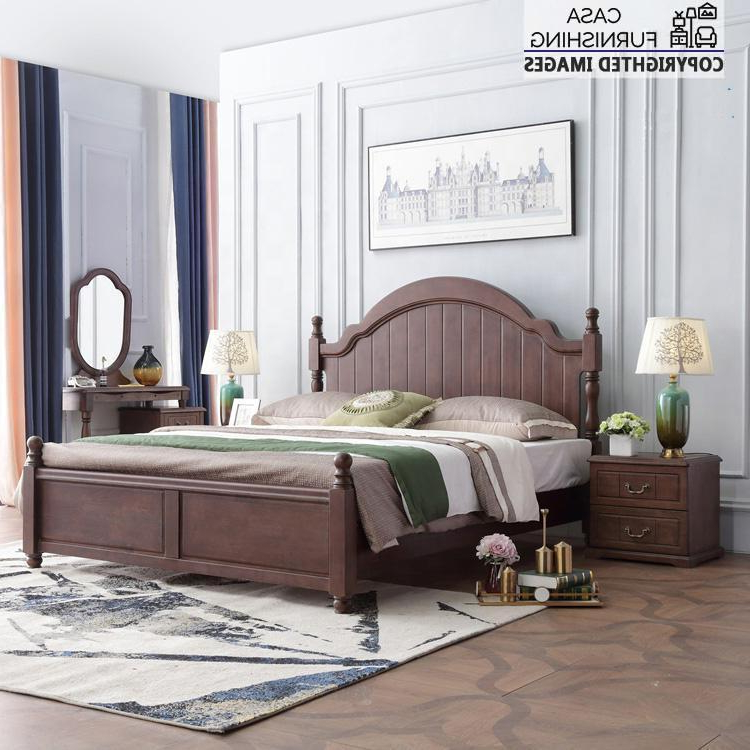
[sps_html tag=”img” src=”https://roofdrivein.com/wp-content/uploads/2026/01/simple-bed-design-ideas-for-a-minimalist-and-stylish-bedroom-ryan-in-bed-furniture-design-simple.jpg” alt=”Simple Bed Design Ideas For A Minimalist And Stylish Bedroom - Ryan … in Bed Furniture Design Simple” style=”width: 100%; height: auto;”]
[sps_html tag=”img” src=”https://roofdrivein.com/wp-content/uploads/2026/01/simple-wooden-bed-designs-catalogue-with-regard-to-bed-furniture-design-simple.jpg” alt=”Simple Wooden Bed Designs Catalogue with regard to Bed Furniture Design Simple” style=”width: 100%; height: auto;”]
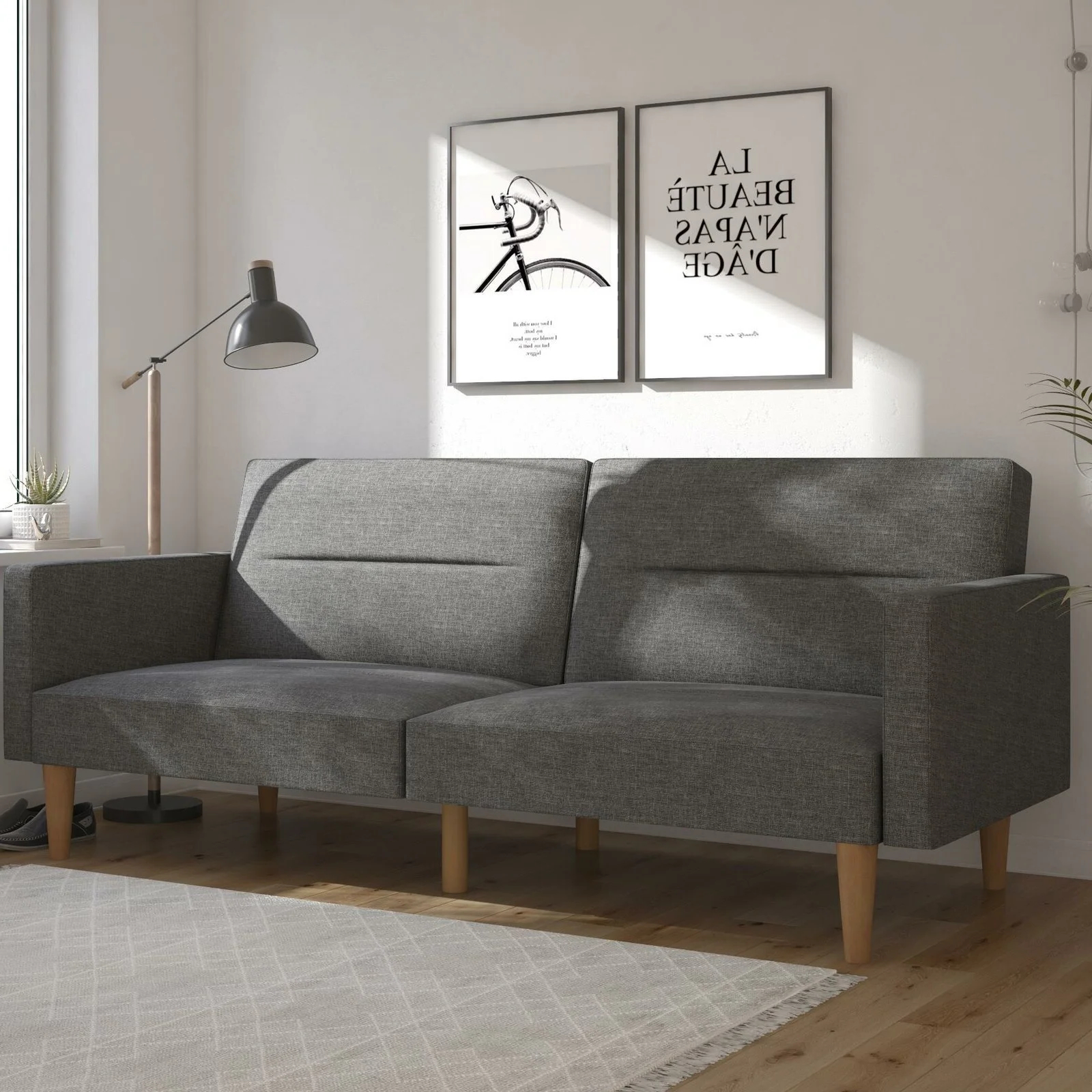
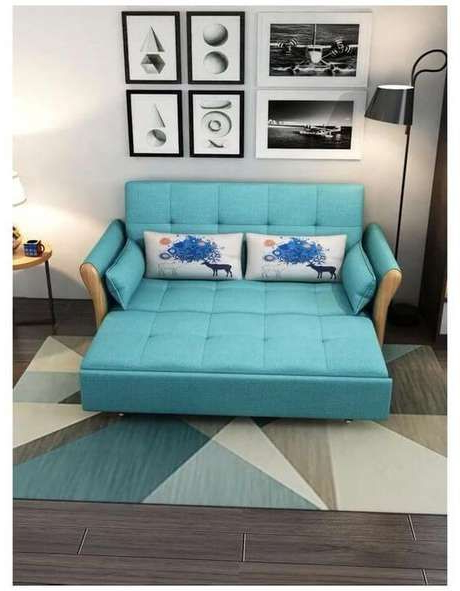
[sps_html tag=”img” src=”https://roofdrivein.com/wp-content/uploads/2026/01/wooden-sofa-designs-wood-bed-design-bed-frame-design-wooden-sofa-set-inside-the-art-of-simple-bed-design-for-better-rest-and-relaxation.jpg” alt=”Wooden Sofa Designs, Wood Bed Design, Bed Frame Design, Wooden Sofa Set … inside The Art of Simple Bed Design for Better Rest and Relaxation” style=”width: 100%; height: auto;”]
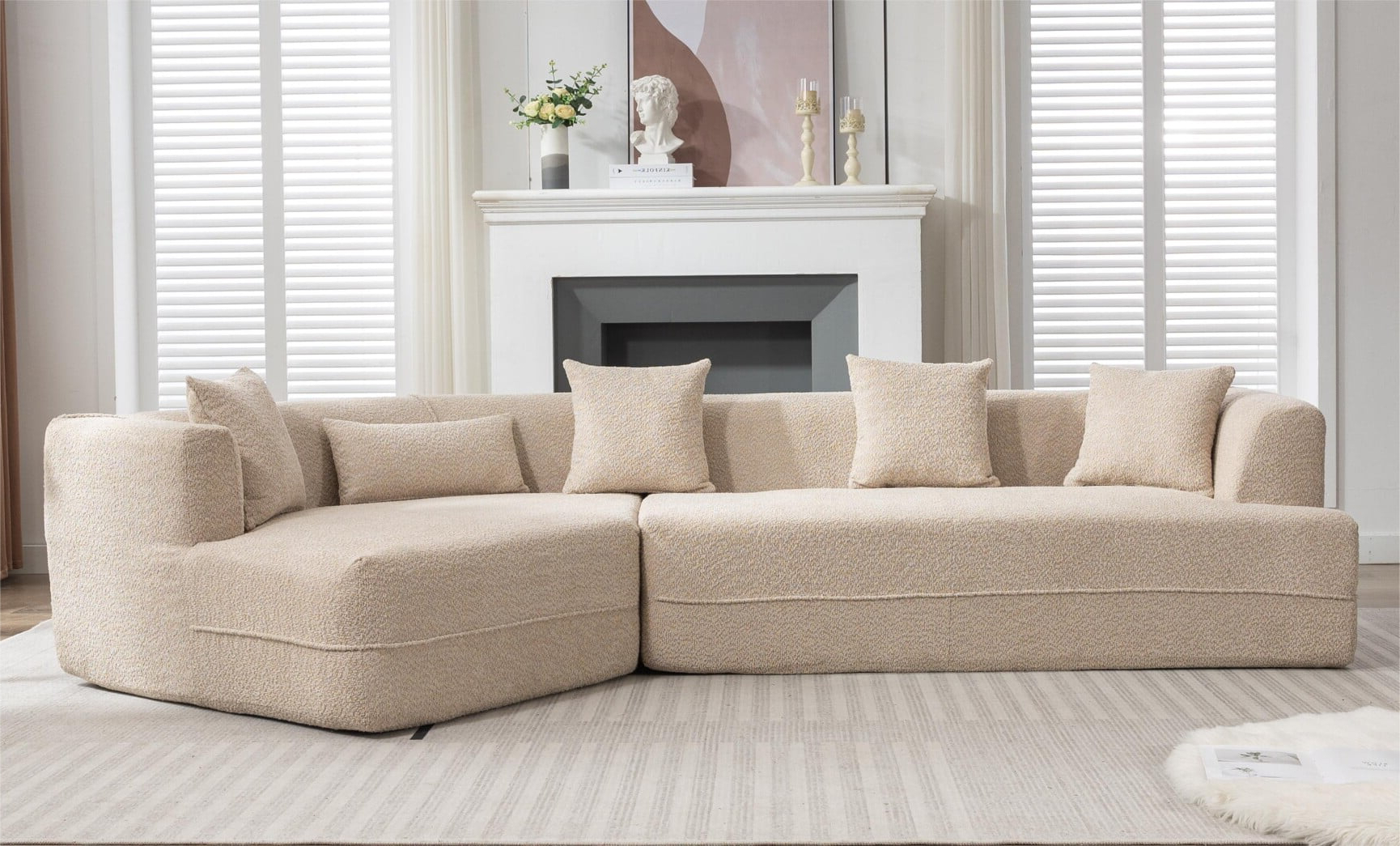
[sps_html tag=”img” src=”https://roofdrivein.com/wp-content/uploads/2026/01/top-10-simple-bedroom-furniture-design-ideas-for-your-home-ryan-pertaining-to-the-art-of-simple-bed-design-for-better-rest-and-relaxation.png” alt=”Top 10 Simple Bedroom Furniture Design Ideas For Your Home - Ryan … pertaining to The Art of Simple Bed Design for Better Rest and Relaxation” style=”width: 100%; height: auto;”]
[sps_html tag=”img” src=”https://roofdrivein.com/wp-content/uploads/2026/01/top-999-simple-bed-design-images-amazing-collection-simple-bed-with-bed-furniture-design-simple.jpg” alt=”Top 999+ Simple Bed Design Images – Amazing Collection Simple Bed … with Bed Furniture Design Simple” style=”width: 100%; height: auto;”]