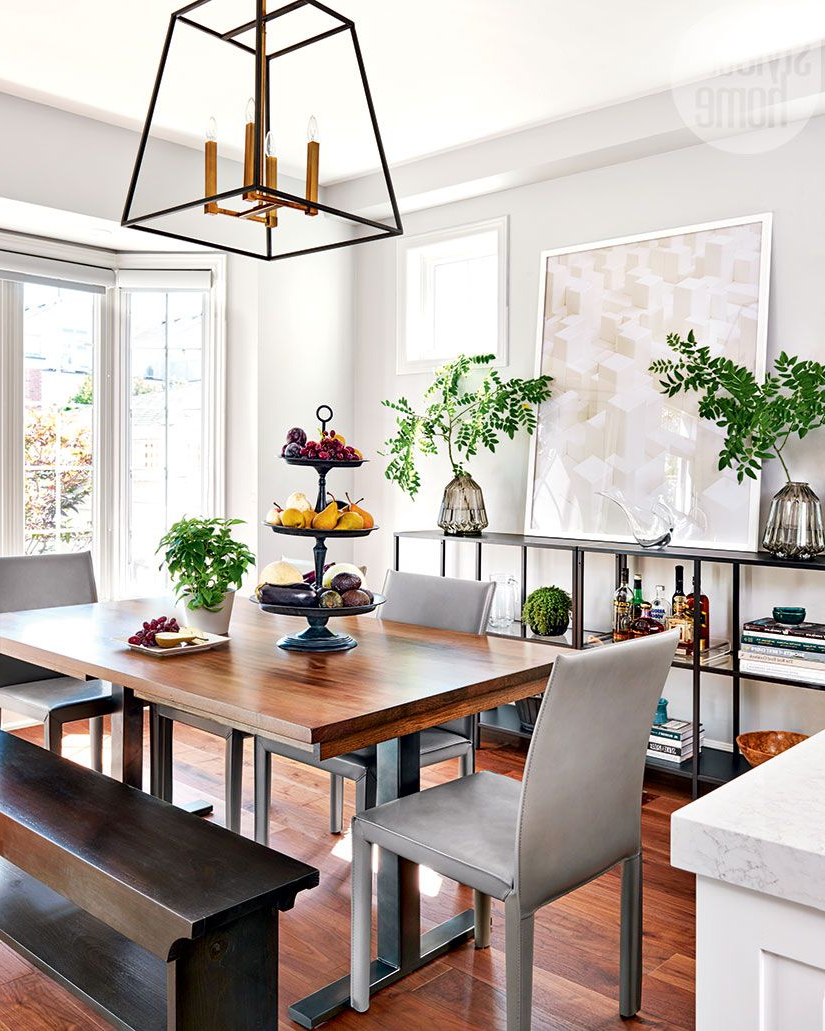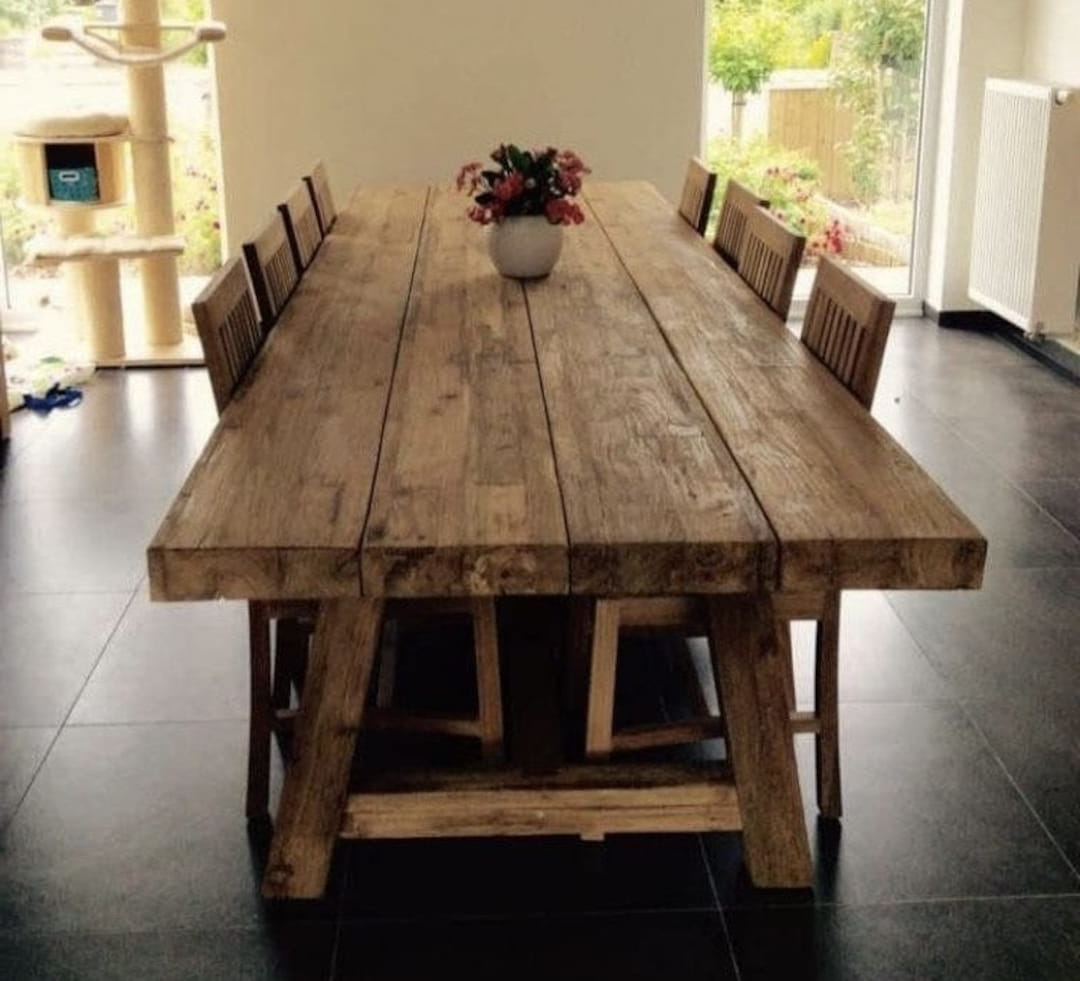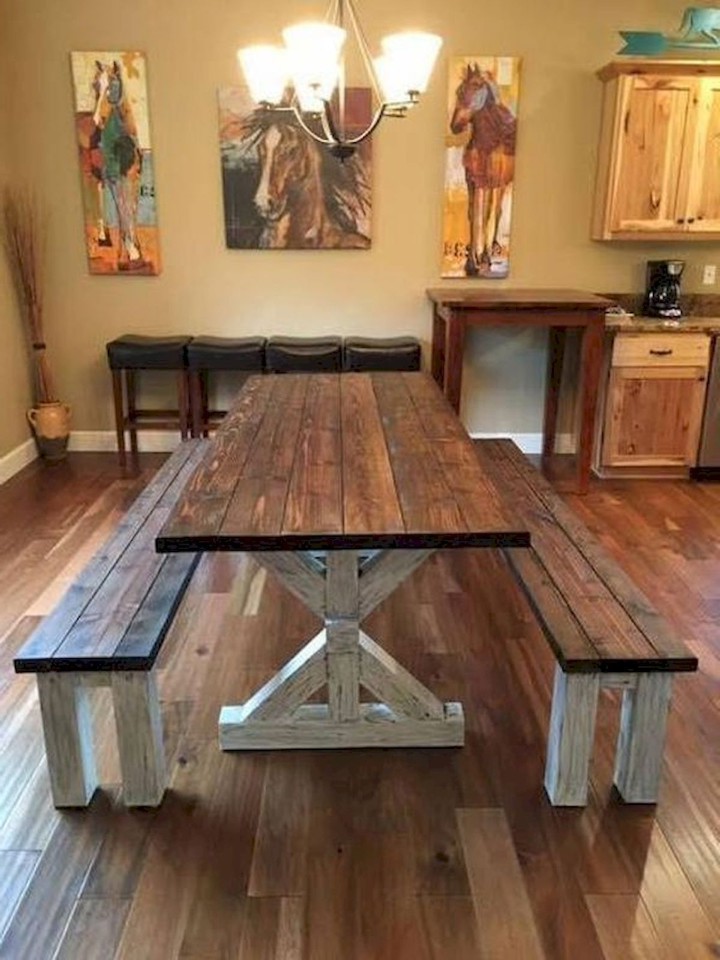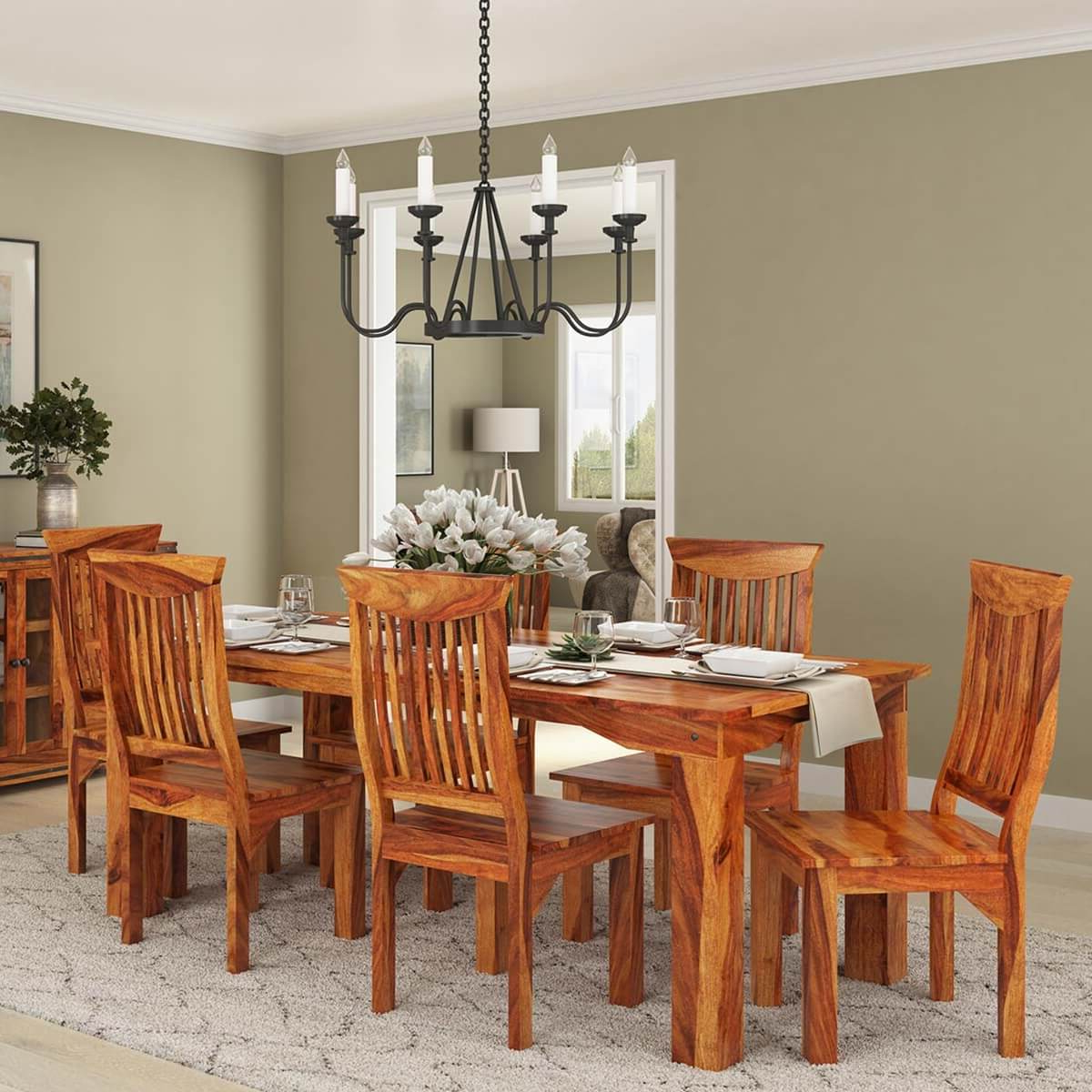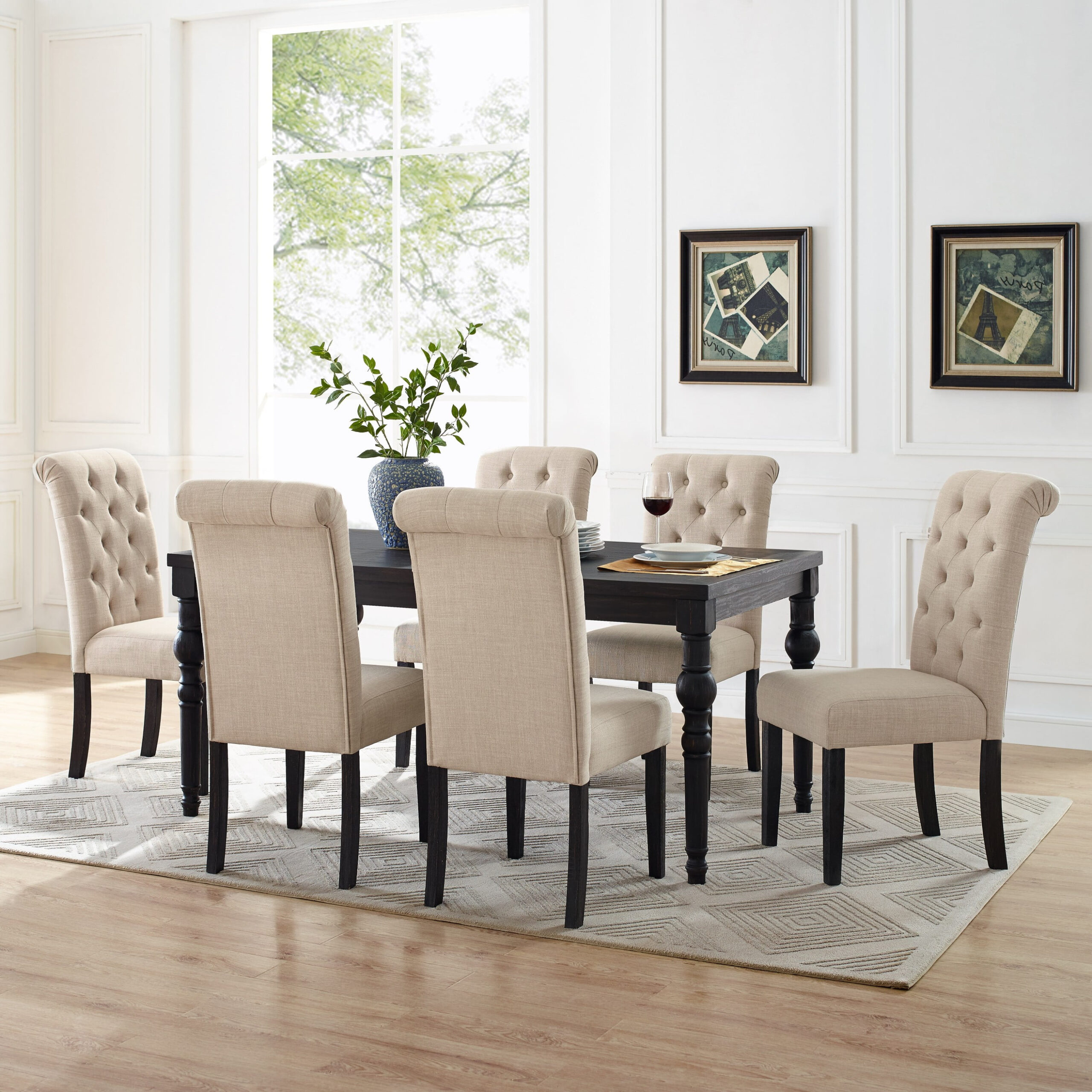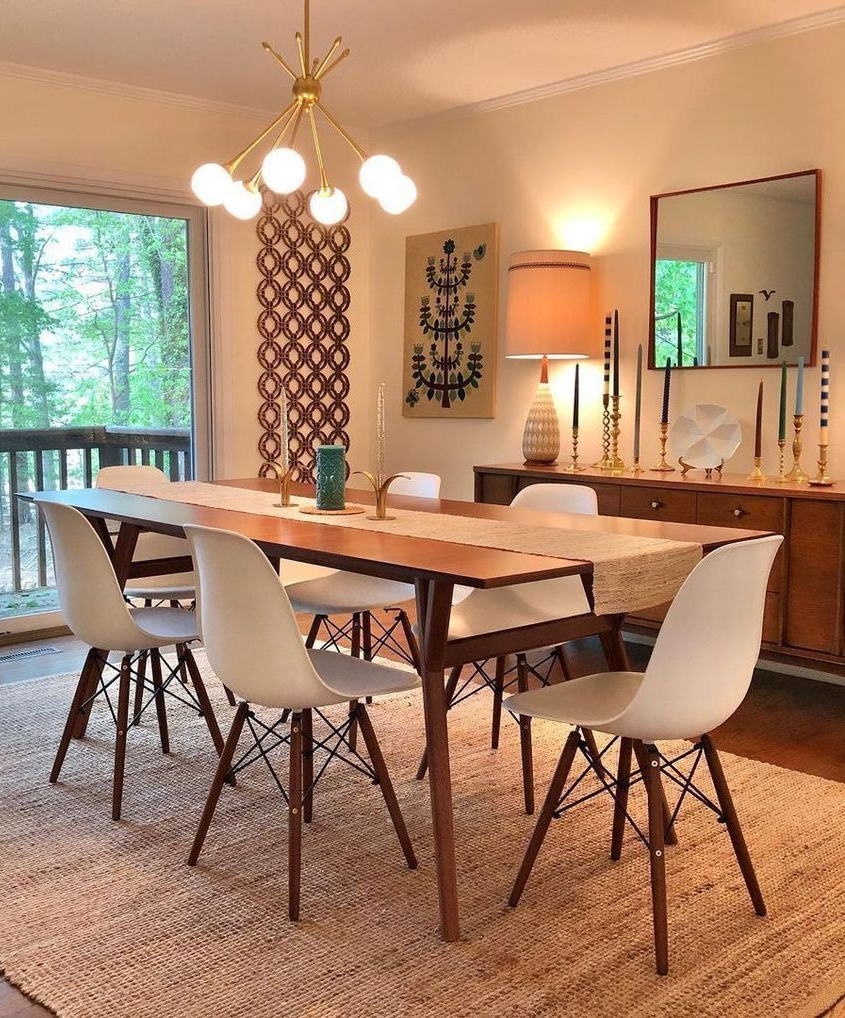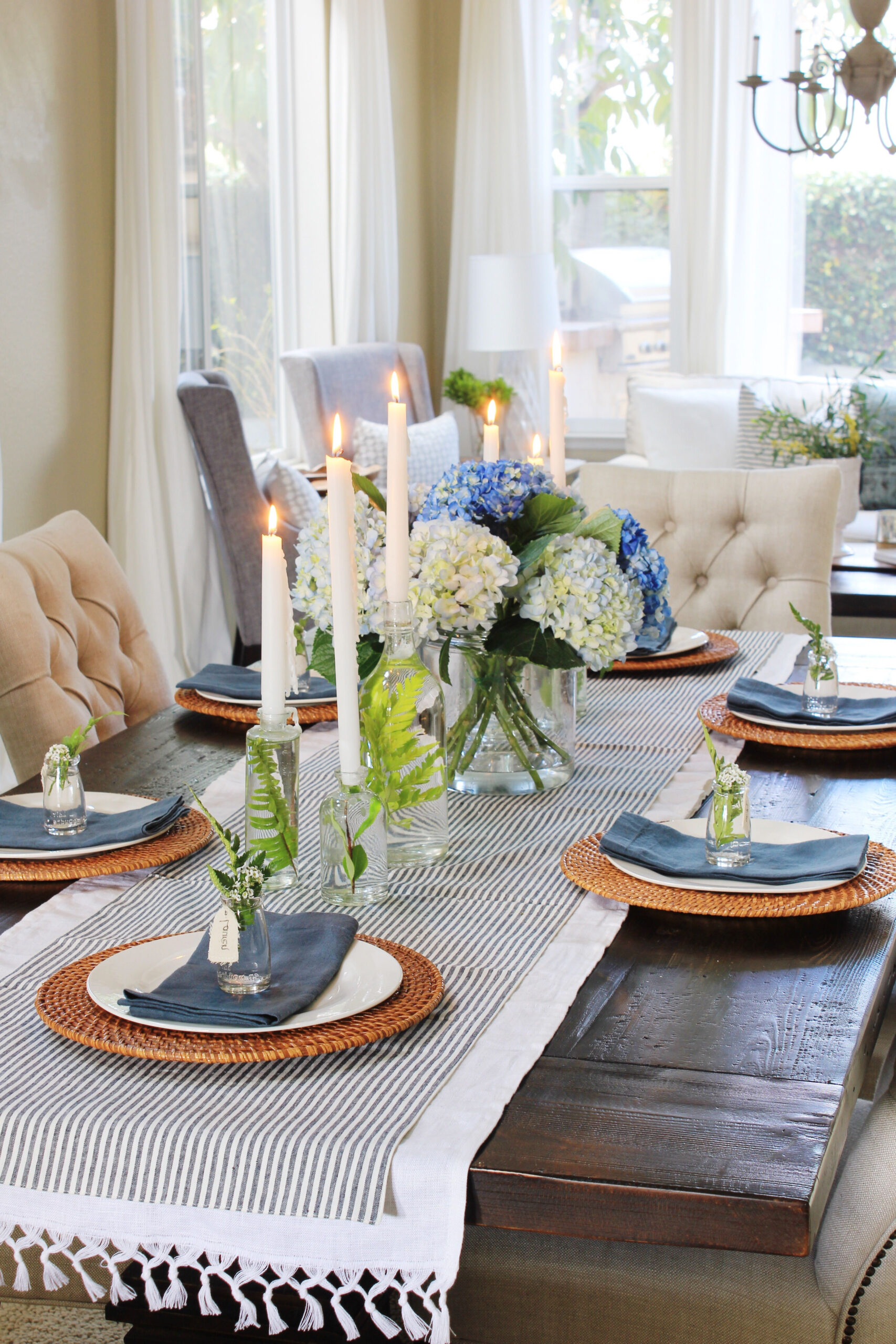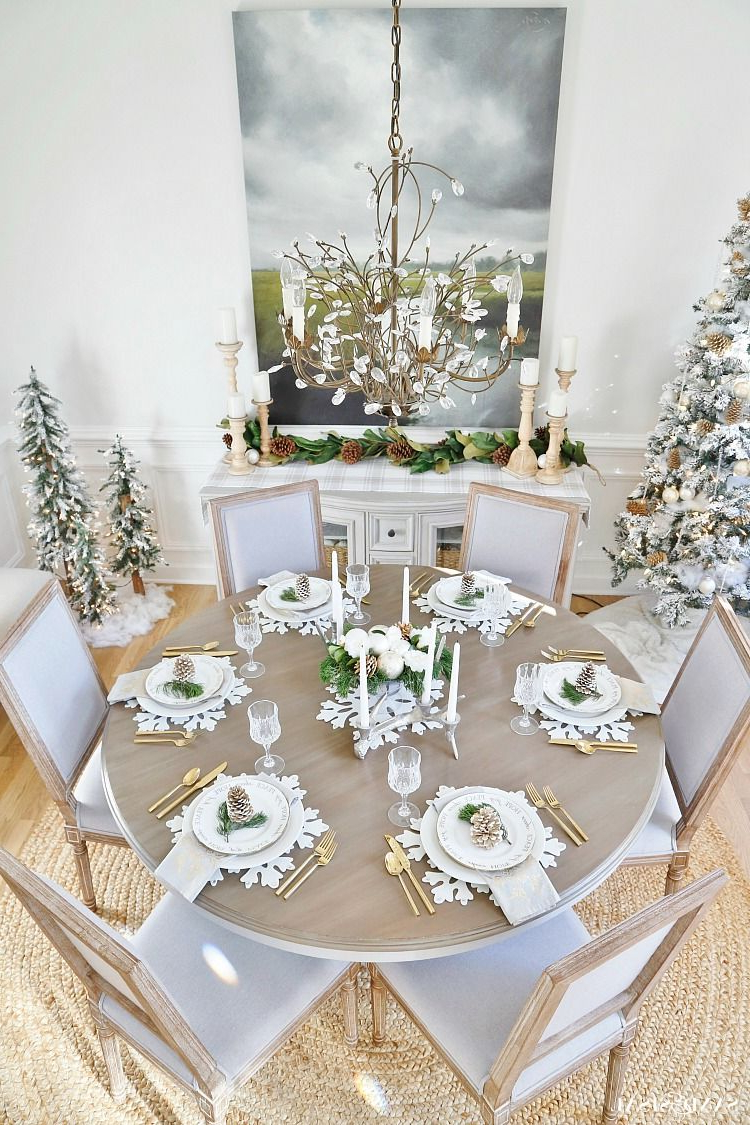
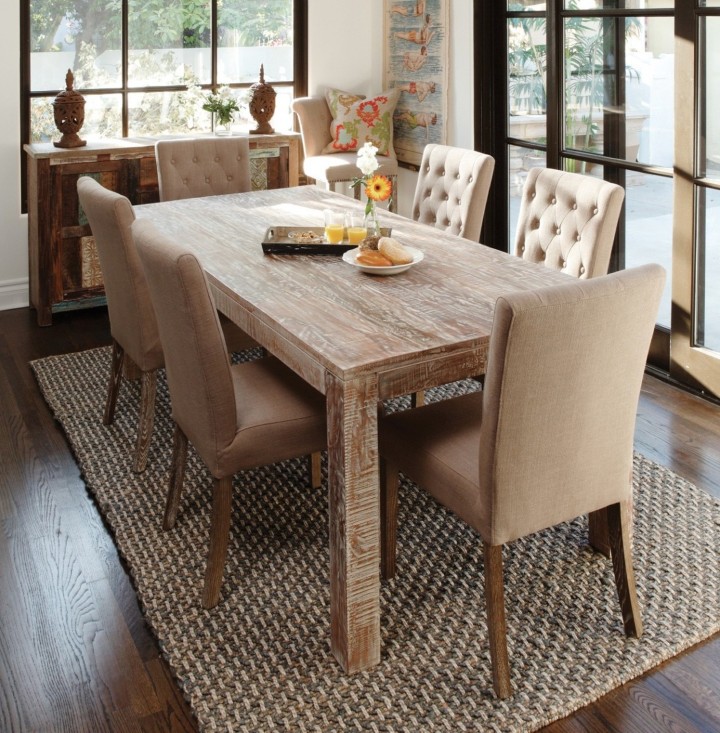
There’s something magical about gathering around a table that feels just right. Whether you’re planning a new dining space or upgrading your current setup, finding that ideal dining room table requires both artistry and practical thinking. It’s not just about aesthetics – it’s about creating a space where memories are made and conversations flow freely.
Every home has a dining room table that tells a story. Maybe it’s the one where you celebrated your first anniversary, or perhaps it’s the family heirloom passed down through generations. But what makes a table truly special? Is it the wood grain, the craftsmanship, or simply how it fits into your life? These questions matter more than you might think when selecting your perfect dining table. The right table does more than hold your dinner plates – it anchors your space and reflects your personality. Let’s explore what goes into crafting that ideal dining room table.
Understanding Table Dimensions and Scale
Before diving into materials or styles, consider the basics of size and scale. A dining table that’s too small will leave guests feeling cramped, while one that’s too large can overwhelm a room. Measure your dining area carefully – including the space needed for chairs to pull out comfortably. For a standard family setting, aim for a table that allows at least 24 inches between each person. This gives everyone room to eat, talk, and move without bumping elbows. Think about the number of people you typically seat. A six-person table works well for most families, but if you frequently entertain, consider a larger model. Remember, you can always add extendable features to accommodate guests. The goal is balance – neither too intimate nor too spacious.
Choosing the Right Material
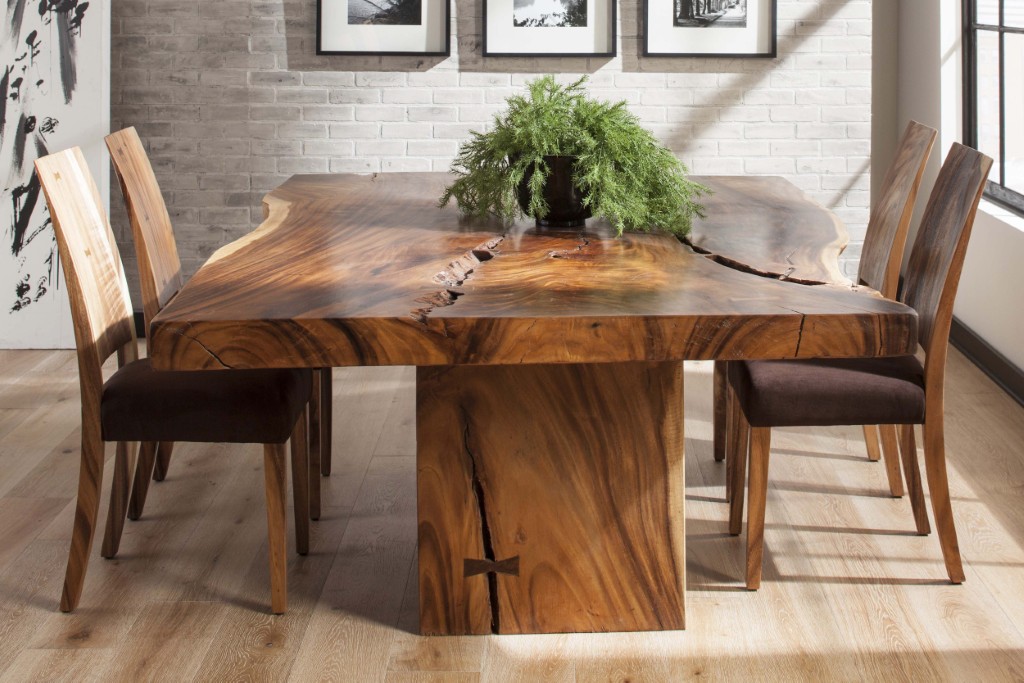
Wood remains the most popular choice for dining tables, but each type brings its own character. Oak offers durability and classic appeal, making it perfect for traditional settings. Maple provides a clean, modern look with excellent resistance to scratches. Walnut adds warmth and richness, ideal for cozy spaces. If you prefer something different, consider glass or metal tables. Glass creates an open, airy feel but requires careful maintenance. Metal tables bring industrial flair but may not suit every aesthetic. The material affects not only appearance but also longevity and cost. Natural wood tends to last longer but needs regular care. Consider your lifestyle when choosing – families with young children might lean toward more resilient options like solid wood or composite materials. Also factor in local climate conditions, as some woods expand and contract with humidity changes.
Considering Table Shape and Style
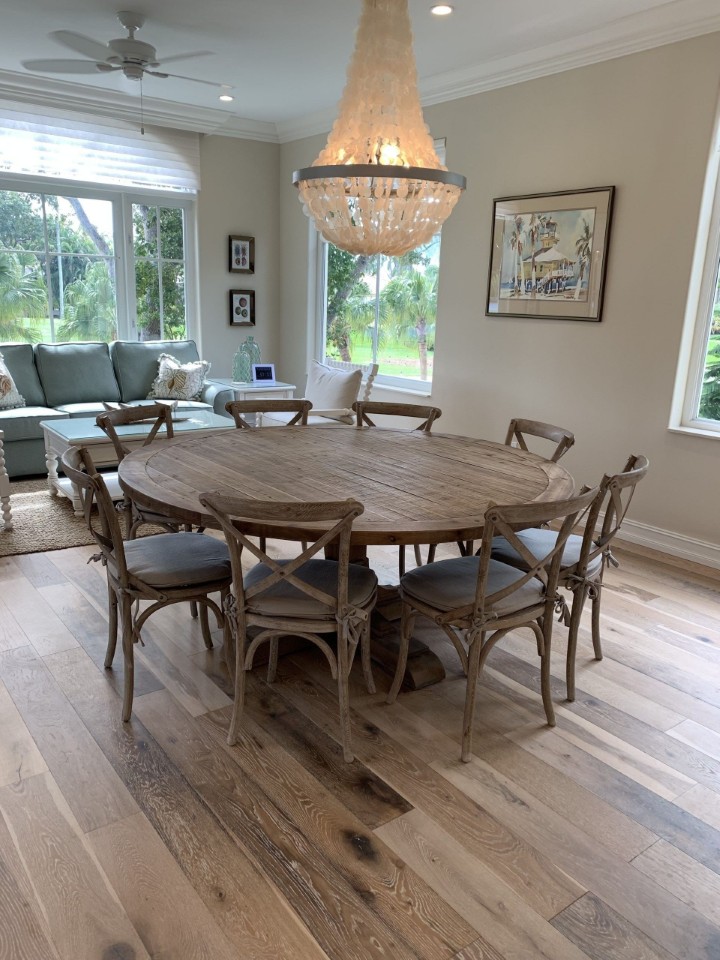
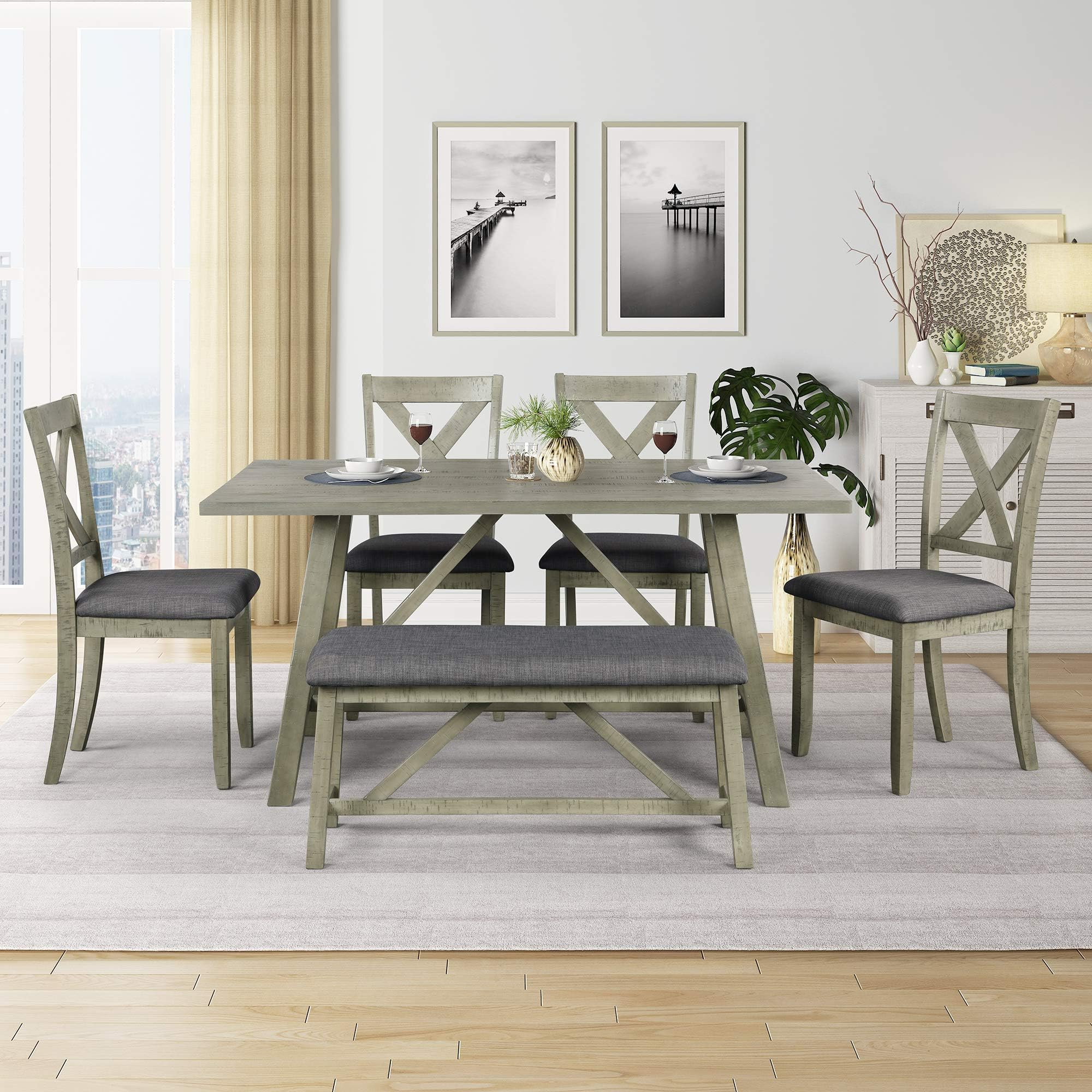
Shapes influence how people interact around the table. Rectangular tables work well for formal dining and can accommodate more guests. They’re practical for larger families or frequent entertaining. Round tables encourage conversation and make it easier for people to reach items across the surface. They’re especially great for smaller spaces where you want to avoid sharp corners. Square tables offer a good middle ground, combining functionality with visual appeal. They work well in tight spots and can create a welcoming atmosphere. As for style, think about your home’s overall design. Contemporary tables often feature clean lines and minimal details. Traditional models showcase ornate carvings and rich finishes. Modern interpretations blend classic elements with sleek materials. Don’t overlook the importance of matching your table to your existing furniture. You want a cohesive look that enhances rather than clashes with your space.
Evaluating Durability and Maintenance Needs
A beautiful table is useless if it falls apart after a few months. Quality construction matters more than price tags alone. Look for tables with solid wood frames rather than particle board or MDF cores. Solid wood expands and contracts naturally, which is why it’s preferred for long-term use. Check joints and construction methods – dovetail joints and mortise-and-tenon connections indicate serious craftsmanship. Hardware quality also matters – sturdy hinges, smooth slides, and well-fitted legs make all the difference. Consider how much time you’re willing to invest in upkeep. Some woods require regular oiling, while others need minimal attention. If you’re not ready to commit to ongoing care, choose materials that age gracefully with less maintenance. Think about your household habits – pets, children, and cooking activities all impact how much wear and tear your table will experience.
Matching Table Design to Your Space
The dining table should complement your room’s layout and lighting. Consider how light enters the space – direct sunlight can fade certain woods over time. Tables near windows might benefit from protective treatments or placement adjustments. Your ceiling height plays a role too – tall ceilings allow for more dramatic table designs, while low ceilings call for simpler, lower-profile options. Take note of existing furniture – if you have heavy, dark pieces, a lighter table might provide visual balance. Conversely, if your room is bright and airy, a darker table can add depth and sophistication. Don’t forget about traffic flow – ensure there’s enough room for people to walk around the table comfortably. Sometimes a simple change in table height can transform a space. Standard dining tables range from 28 to 30 inches high, but variations exist based on design preferences and seating arrangements.
Budget Considerations and Value Factors
Dining tables vary dramatically in price, from affordable options to luxury pieces that become family treasures. Set a realistic budget before shopping – remember that quality often pays off in the long run. Factor in additional costs like shipping, assembly, and potential repairs. Higher-end tables typically offer better warranties and craftsmanship. Consider buying during sales or clearance events, especially for popular brands. However, avoid cutting corners on essential elements like frame construction or finish quality. Sometimes the cheapest option isn’t the best value overall. Look for tables that offer versatility – those with extendable features or modular designs can serve multiple purposes. Keep in mind that a table’s resale value depends largely on its materials and brand reputation. Investing in a quality piece that matches your lifestyle is often wiser than chasing trends that may quickly go out of style.
Creating the perfect dining room table is both an art and a science. It combines practical considerations with personal taste, ensuring your space serves its purpose while reflecting your unique style. Whether you’re drawn to the warmth of wood, the elegance of glass, or the simplicity of metal, the key lies in thoughtful selection. Take time to measure, consider your lifestyle, and choose a table that will grow with your family. Remember, this isn’t just about buying furniture – it’s about investing in moments of connection and shared experiences. The right table becomes more than a piece of furniture; it becomes part of your home’s heart and soul. With careful thought and consideration, you’ll find that the ideal dining room table is waiting to be discovered.