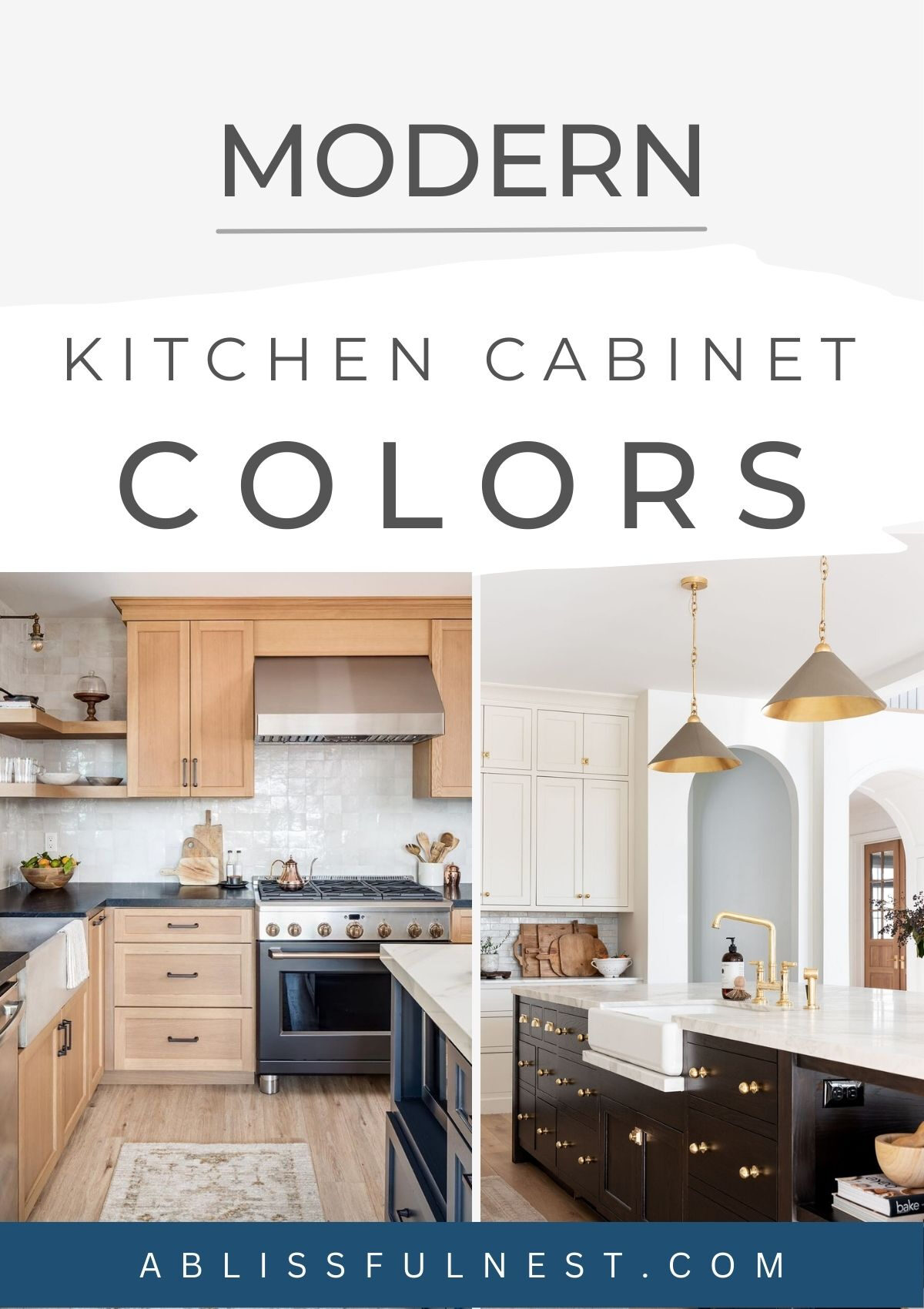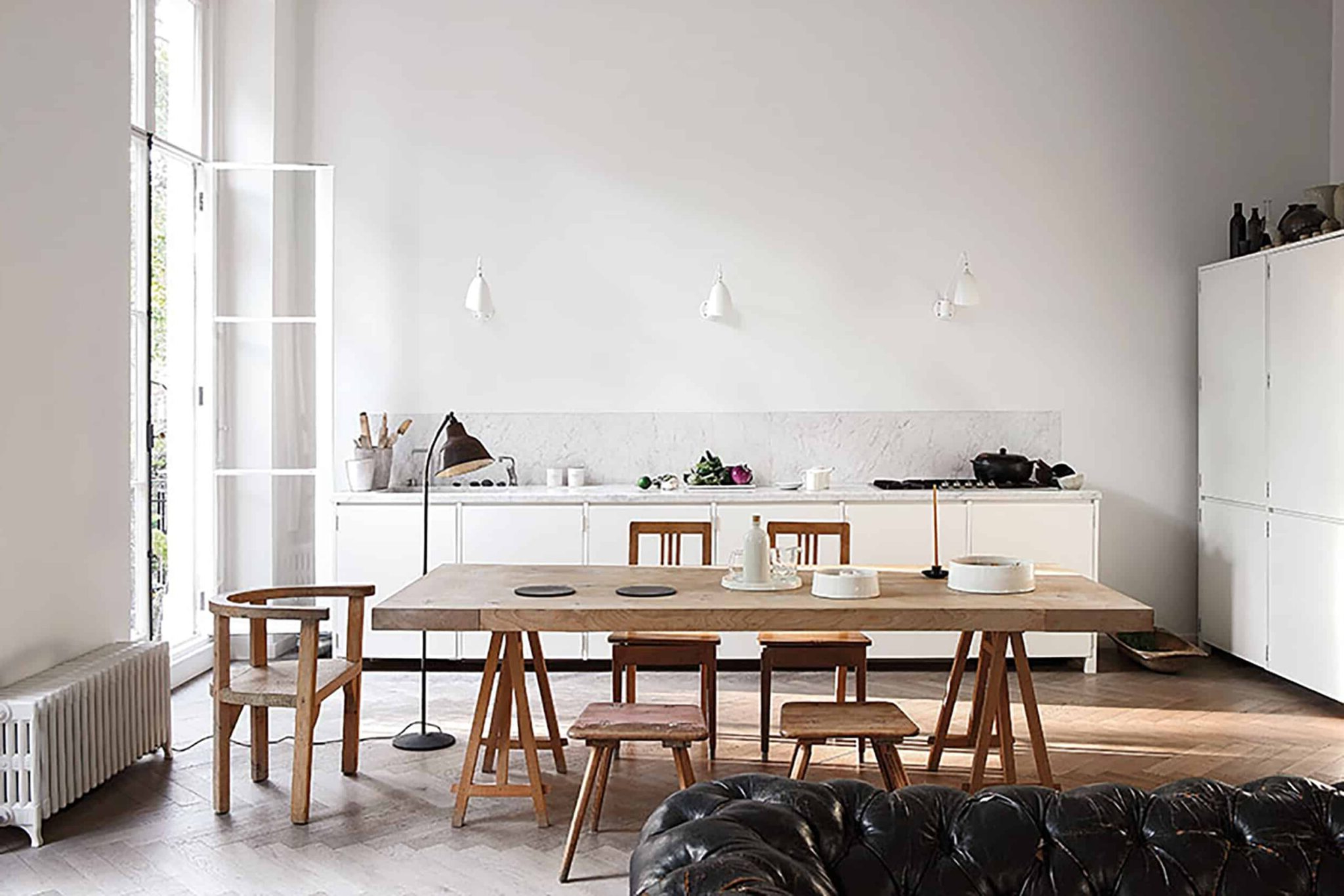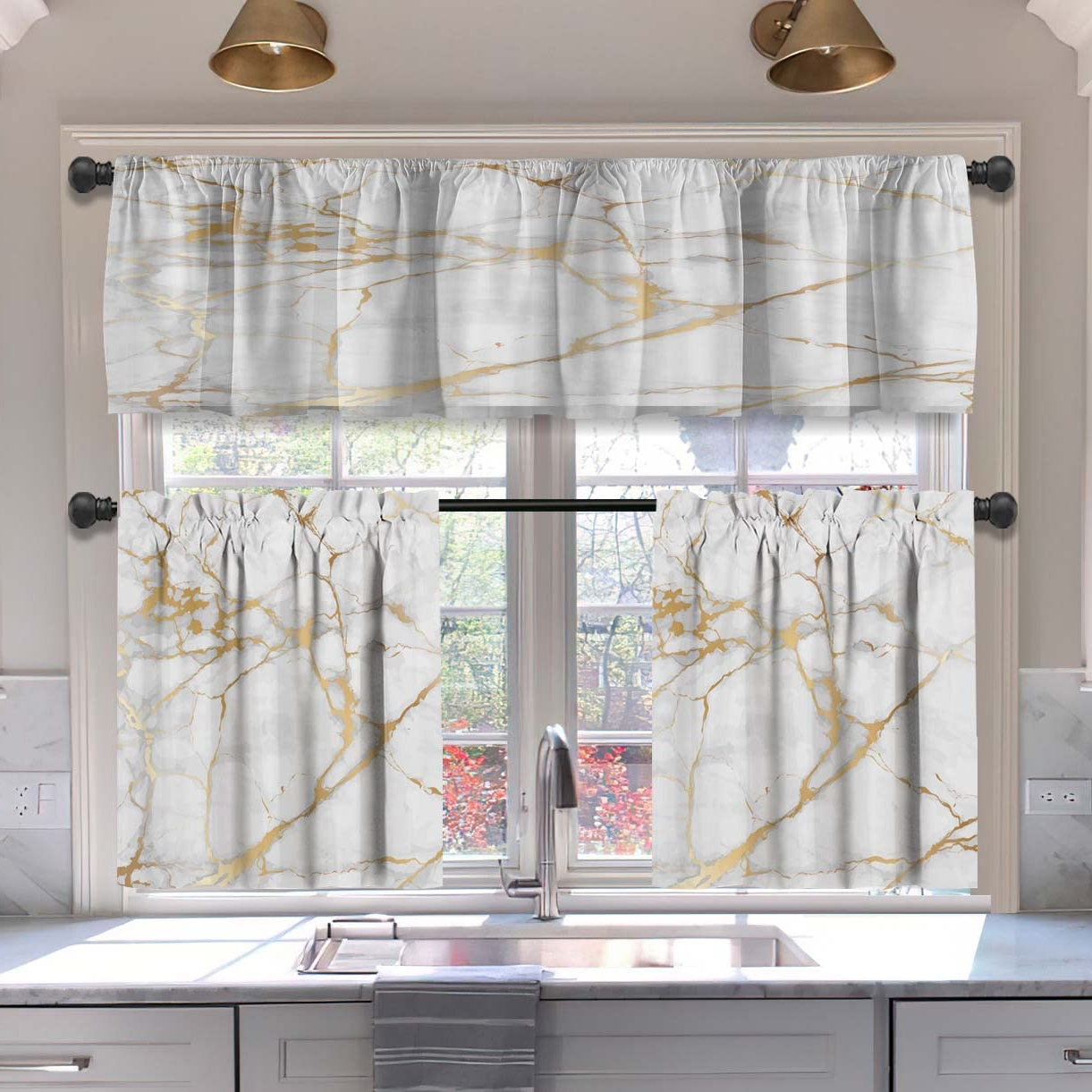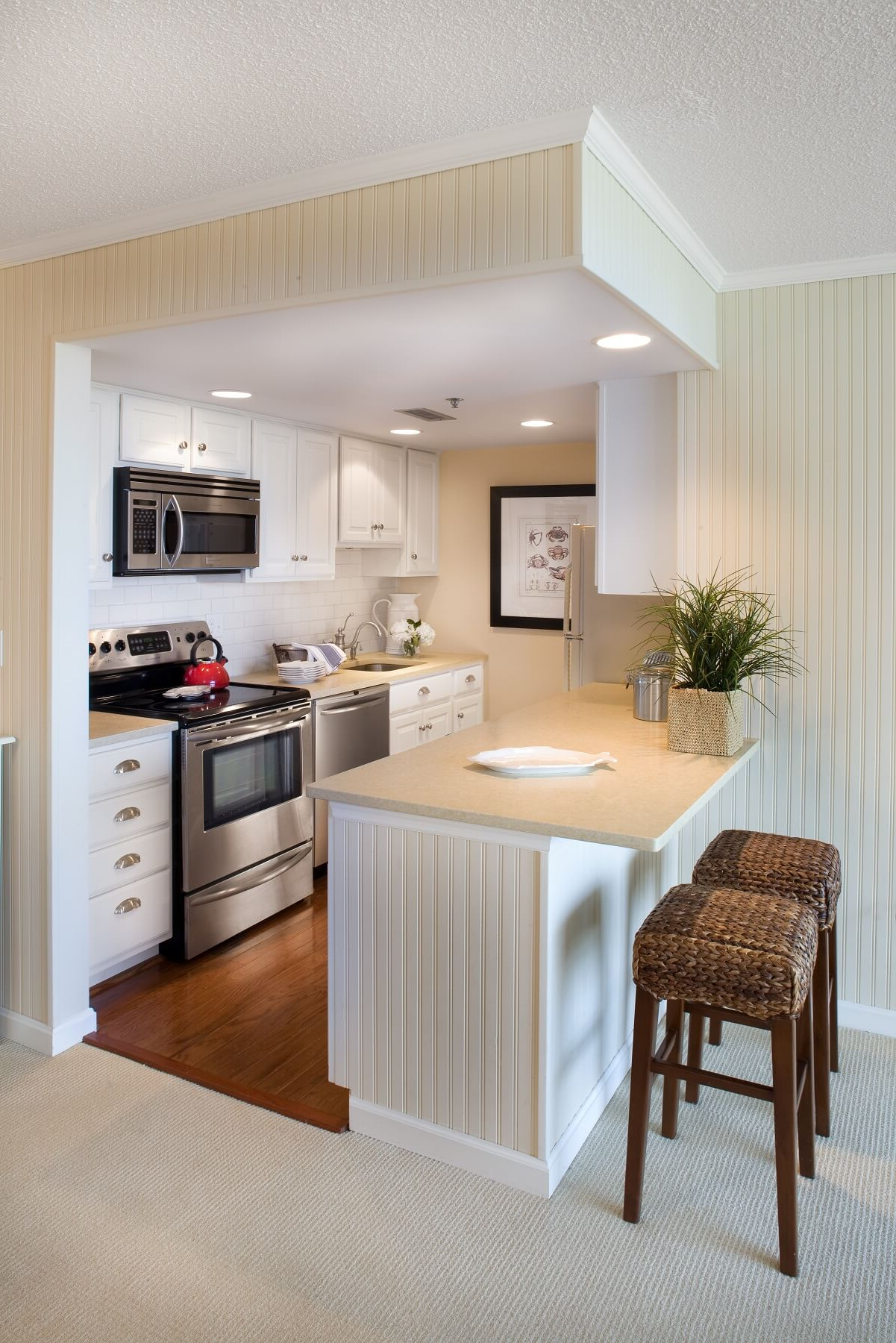
Think about your last kitchen experience. Chances are, you’ve interacted with a range that’s more than just a cooking surface. These modern marvels have evolved far beyond simple heat sources. They’re now sophisticated appliances that blend form with function in ways that make cooking both efficient and enjoyable.
Kitchen ranges have undergone a dramatic transformation over the past few decades. What started as basic cooking surfaces have become true culinary workhorses. Today’s ranges aren’t just about heating food – they’re about creating experiences. Whether you’re a seasoned chef or someone who simply enjoys cooking, understanding how these appliances work can help you appreciate their value and make better choices when shopping for one.
This journey through the world of modern ranges will take you from the fundamental science behind heat transfer to the artistic considerations that make some ranges more appealing than others. We’ll explore why certain features matter, how different technologies stack up against each other, and what makes some ranges more popular than others.
The Heat Behind the Magic
At its core, a range operates on simple physics – heat transfer. But the way that heat gets applied and controlled is where things get interesting. Modern ranges typically use either gas or electric elements, each with unique characteristics.
Gas ranges provide instant heat control and precise temperature adjustments. When you turn a knob, you’re directly controlling the flow of gas, which creates a flame that responds immediately to your input. This responsiveness is why many professional chefs prefer gas ranges.
Electric ranges, on the other hand, rely on heating elements that take a moment to respond. However, they offer consistent heat distribution and are often easier to clean. Many newer models combine both technologies, offering dual fuel options that give you the best of both worlds.
The science of heat transfer isn’t just about getting hot – it’s about maintaining that heat efficiently. Modern ranges feature better insulation materials and improved heat retention. Some even incorporate convection fans to circulate air more effectively, ensuring even cooking temperatures across the entire cooking surface.
Design That Works With You
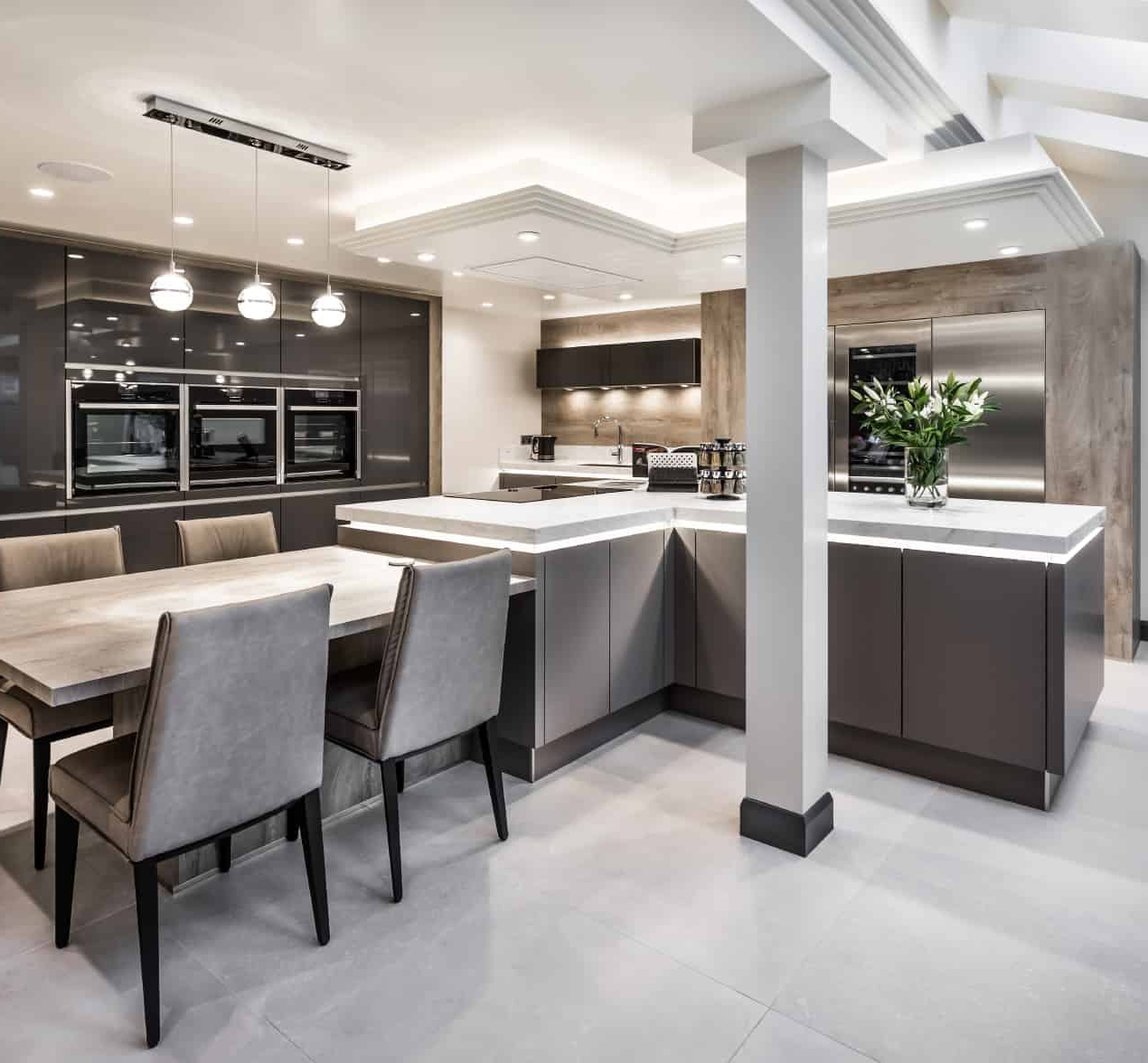
Modern ranges aren’t just functional appliances – they’re also statements of style. The way a range looks and feels can completely change your cooking experience. Designers have learned that good form follows good function, but they’ve also realized that people want their kitchen appliances to look good too.
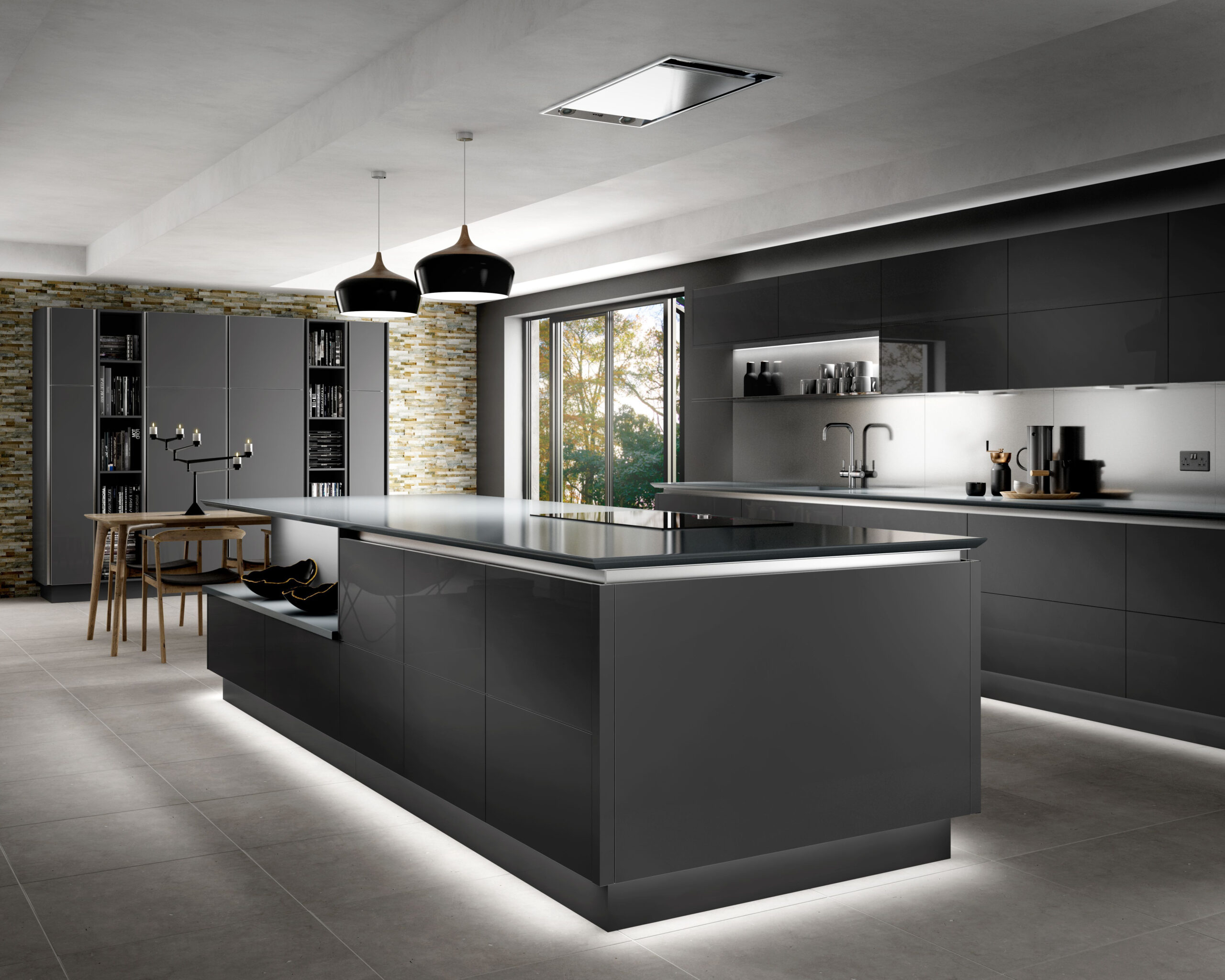
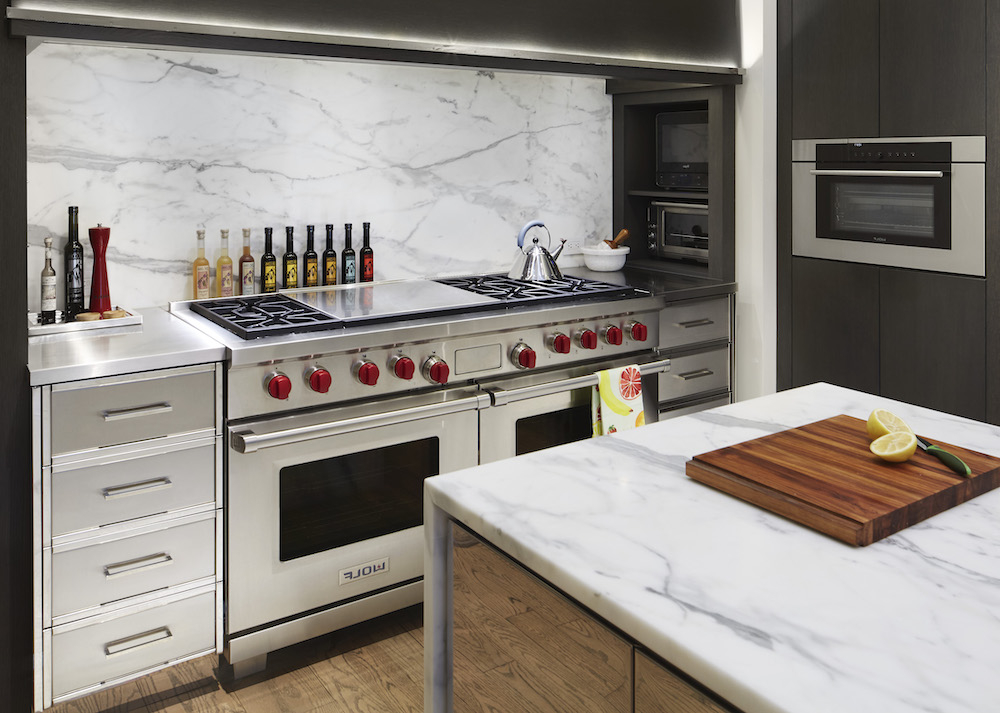
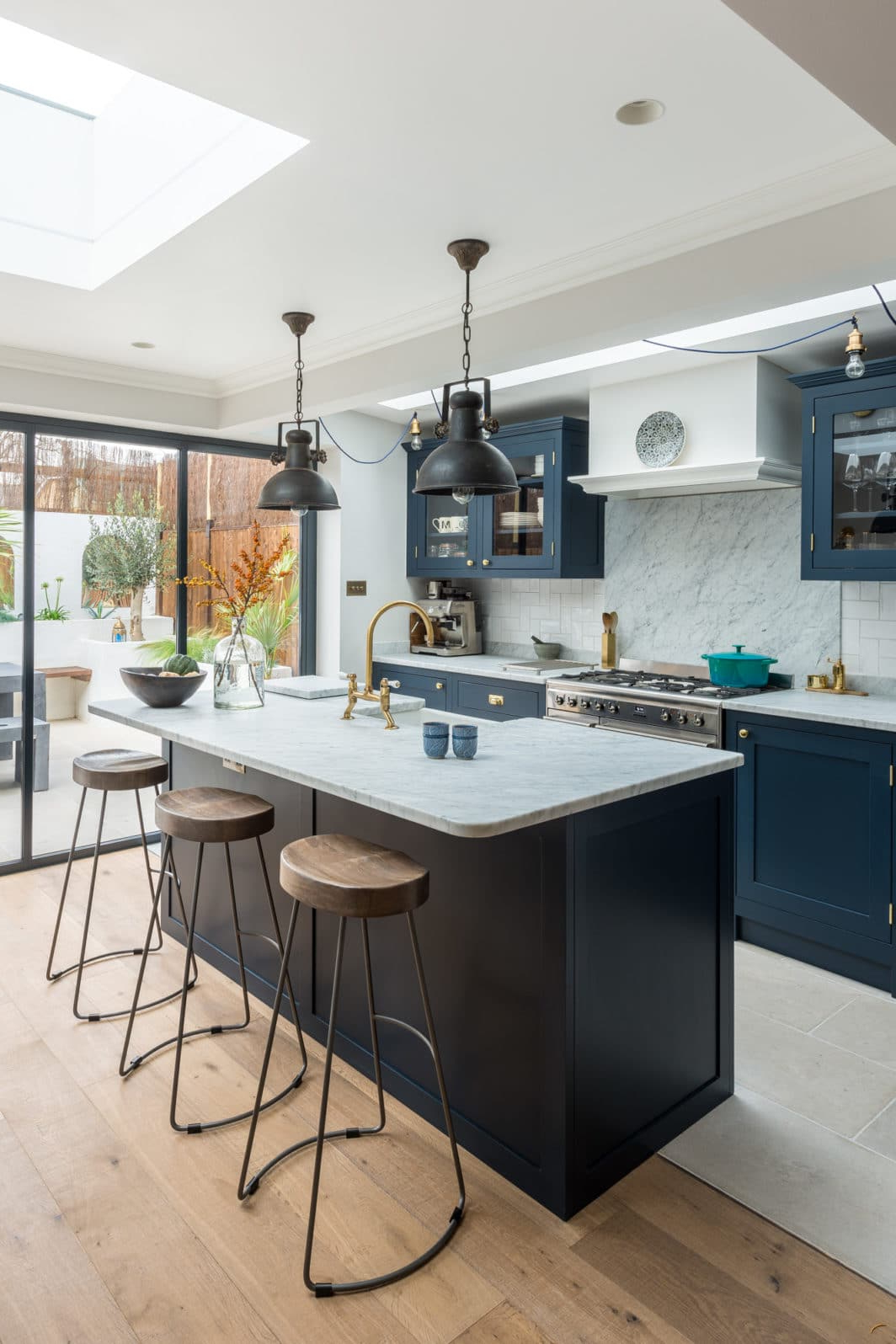
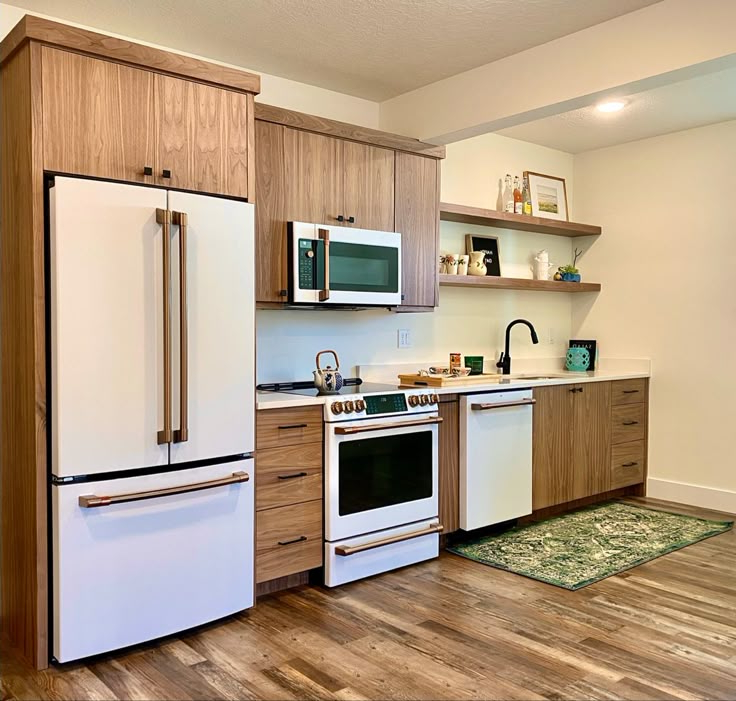
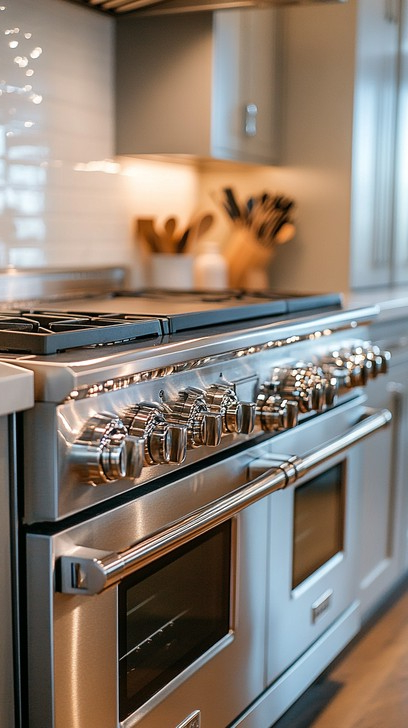
Consider the difference between a sleek stainless steel range and a traditional cast iron model. Stainless steel offers a clean, contemporary look that works well in modern kitchens. It’s also highly durable and easy to maintain. Cast iron ranges, meanwhile, bring a classic aesthetic that many homeowners find appealing.
The size and layout matter too. A range that’s too big for your kitchen space can feel overwhelming. Too small, and you might struggle with larger dishes. Most manufacturers now offer various sizes and configurations to suit different kitchen layouts. Some ranges even feature built-in trim options that allow them to blend seamlessly with cabinetry.
The placement of controls also affects usability. Ranges with controls positioned on the front are easier to reach, while those with side-mounted controls might save counter space but require more reaching. The right choice depends on your cooking habits and kitchen setup.
Smart Features That Make Life Easier
Today’s most popular ranges often include smart technology that makes cooking simpler and more convenient. These features go beyond just fancy displays – they actually improve how you cook.
Many modern ranges come with programmable timers that let you set cooking times and receive notifications when food is ready. Some even offer smartphone connectivity, allowing you to monitor and adjust settings remotely. This is particularly useful if you’re cooking something that requires timing precision.
Temperature sensors are another common feature. These can help ensure that your food cooks evenly and reaches safe internal temperatures. Some ranges even offer multiple temperature zones, allowing you to cook different foods simultaneously at different temperatures.
Self-cleaning functions have also become standard in many high-end models. These features use high heat to burn off food residue, leaving behind only ash that can be easily wiped away. While they may take longer to complete, they save significant time and effort in maintenance.
Energy Efficiency and Environmental Impact
As consumers become more conscious about energy usage and environmental impact, range manufacturers have responded with more efficient designs. Energy efficiency isn’t just good for your wallet – it’s also better for the planet.
Modern ranges typically use less energy than older models thanks to improved insulation, better heat retention, and more efficient heating elements. Gas ranges generally use less electricity since they don’t require electric heating elements, though they do need electricity for ignition and some features.
Some ranges now feature energy-saving modes that reduce power consumption when not actively cooking. Others have automatic shut-off functions that prevent energy waste when left unattended. These features can make a noticeable difference in monthly utility bills.
Environmental considerations also extend to the materials used in construction. Many manufacturers now offer ranges made from recycled materials or designed for easier recycling at end-of-life. This approach helps reduce the environmental footprint of these appliances.
Maintenance and Longevity Considerations
A quality range can serve you for many years, but proper care is essential for longevity. Different materials and construction methods affect how much maintenance each type requires.
Stainless steel ranges are generally low maintenance, though they do require regular cleaning to prevent water spots and fingerprints. Some people prefer to use specific cleaners designed for stainless steel to maintain the finish.
Cast iron ranges need more attention but offer excellent durability. They require periodic seasoning to maintain their non-stick properties and prevent rust. Regular cleaning with appropriate products keeps them looking good and performing well.
Electric ranges benefit from simple maintenance routines like checking for loose connections and keeping the interior clean. Gas ranges require annual safety inspections to ensure proper gas line connections and burner performance.
Most manufacturers offer warranties that cover different aspects of range performance. Understanding what’s covered can help you make informed decisions about repairs and replacements.
Price Points and Value Considerations
Ranges vary dramatically in price, from budget-friendly options to premium models that cost thousands of dollars. Understanding what factors drive these differences helps you make better purchasing decisions.
Basic ranges typically offer essential features at affordable prices. These usually include simple controls, standard heating elements, and minimal additional features. They’re suitable for casual cooks who don’t need advanced capabilities.
Mid-range models add more features and better build quality. These might include digital controls, multiple heat settings, and improved materials. They appeal to home cooks who want better performance without breaking the bank.
Premium ranges often include advanced features like smart connectivity, specialized cooking zones, and high-end materials. These models represent the pinnacle of range technology and design.
When evaluating value, consider not just the initial purchase price but also ongoing costs like energy usage and maintenance. Sometimes a higher-priced range with better efficiency and durability pays for itself over time.
The modern kitchen range represents a fascinating intersection of science, design, and human need. From the fundamental physics of heat transfer to the artful considerations of aesthetics, today’s ranges reflect our evolving relationship with cooking and our homes.
Whether you’re choosing a range for daily cooking or for special occasions, understanding these principles helps you make informed decisions. The most popular ranges tend to balance functionality with user-friendliness, combining reliable performance with thoughtful design.
The future of kitchen ranges continues to evolve with new technologies and changing consumer preferences. As we move forward, we can expect even more integration of smart features, greater emphasis on sustainability, and continued innovation in materials and design. The range that works best for you depends on your cooking style, kitchen layout, and personal preferences. By considering all these factors together, you can choose a range that enhances rather than complicates your cooking experience.
[sps_html tag=”img” src=”https://roofdrivein.com/wp-content/uploads/2026/01/modern-kitchen-range-the-gallery-fitted-kitchens-for-the-art-and-science-behind-today039s-most-popular-kitchen-ranges.jpg” alt=”Modern Kitchen Range - The Gallery Fitted Kitchens for The Art and Science Behind Today's Most Popular Kitchen Ranges” style=”width: 100%; height: auto;”]
[sps_html tag=”img” src=”https://roofdrivein.com/wp-content/uploads/2026/01/40-best-mid-century-modern-kitchens-for-inspiration-with-regard-to-modern-kitchen-range.jpg” alt=”40 Best Mid-Century Modern Kitchens For Inspiration with regard to Modern Kitchen Range” style=”width: 100%; height: auto;”]
[sps_html tag=”img” src=”https://roofdrivein.com/wp-content/uploads/2026/01/intelliga-esker-contemporary-kitchen-range-wickes-co-uk-modern-intended-for-modern-kitchen-range-scaled.jpg” alt=”Intelliga Esker Contemporary Kitchen Range | Wickes.co.uk | Modern … intended for Modern Kitchen Range” style=”width: 100%; height: auto;”]
[sps_html tag=”img” src=”https://roofdrivein.com/wp-content/uploads/2026/01/modern-ranges-ovens-and-cooktops-bentwood-luxury-kitchens-bentwood-with-regard-to-modern-kitchen-range.jpg” alt=”Modern Ranges Ovens And Cooktops | Bentwood Luxury Kitchens | Bentwood … with regard to Modern Kitchen Range” style=”width: 100%; height: auto;”]
[sps_html tag=”img” src=”https://roofdrivein.com/wp-content/uploads/2026/01/free-modern-kitchen-range-image-download-at-stockcake-pertaining-to-the-art-and-science-behind-today039s-most-popular-kitchen-ranges.jpg” alt=”Free Modern Kitchen Range Image | Download At Stockcake pertaining to The Art and Science Behind Today's Most Popular Kitchen Ranges” style=”width: 100%; height: auto;”]