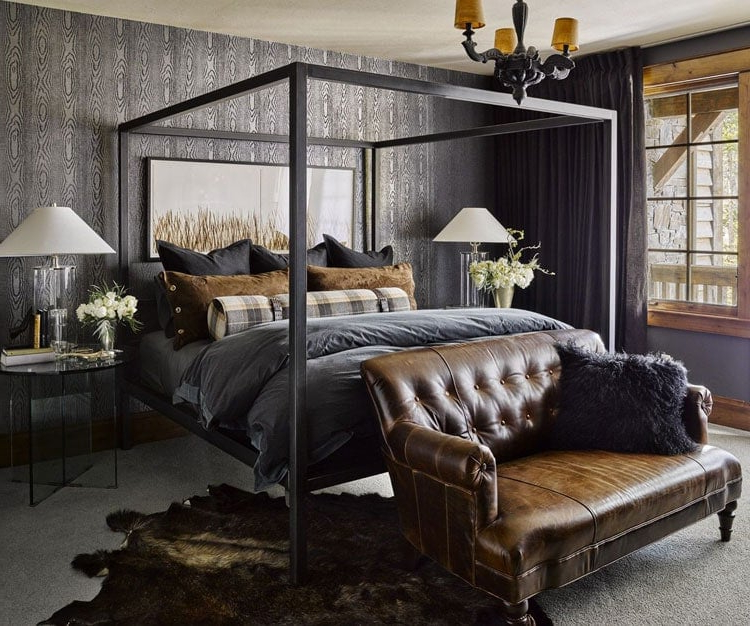
Every guy knows that a bedroom isn’t just a place to sleep. It’s a sanctuary where you unwind, recharge, and express your personality. But designing that space to truly suit your lifestyle can feel overwhelming. What if we told you there’s a way to blend comfort with style without sacrificing practicality? Let’s dive into creating a bedroom that works for you.
When you think about it, our bedrooms are more than just four walls and a bed. They’re personal retreats where we spend roughly one-third of our lives. For men especially, this space often doubles as a home office, entertainment hub, and relaxation zone all rolled into one. The challenge lies in making it functional while keeping it visually appealing. You want something that feels lived-in, not like a showroom. You want it to reflect who you are, without feeling too cluttered or too sterile. We’re going to explore how to strike that perfect balance between style and substance when designing your masculine haven.
Understanding Masculine Design Principles
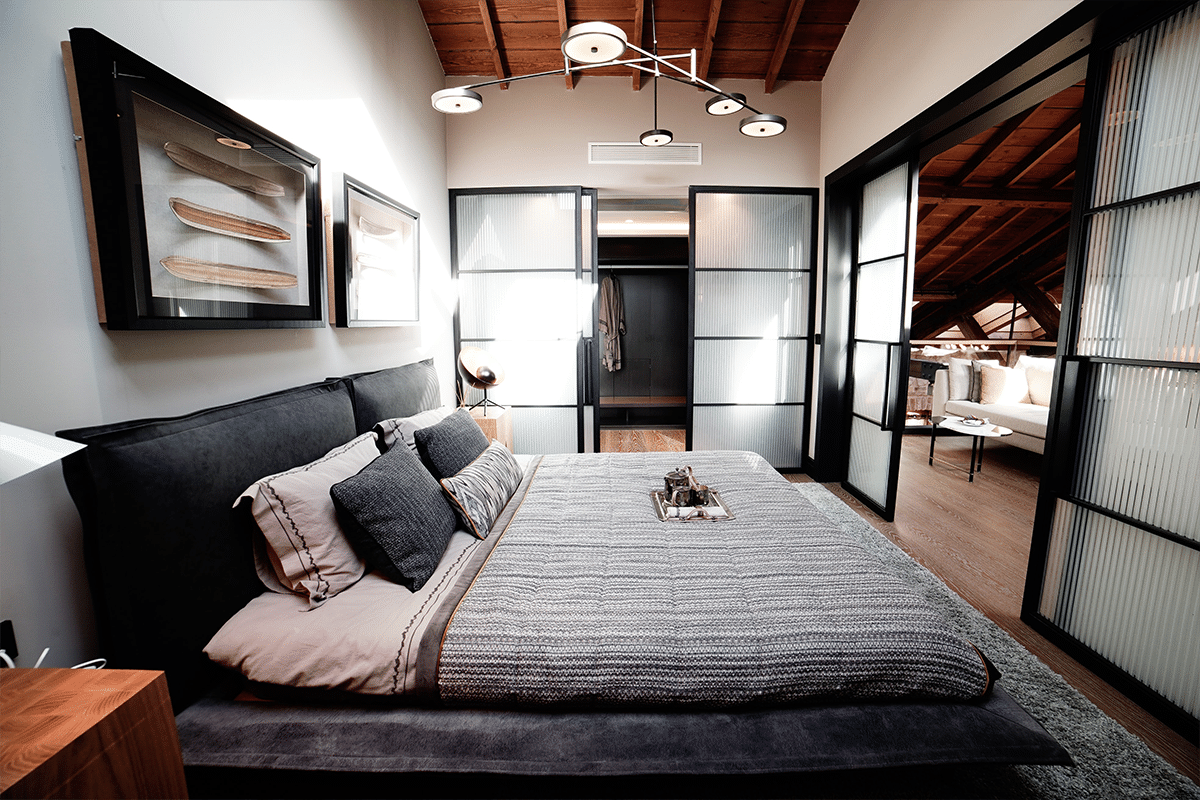
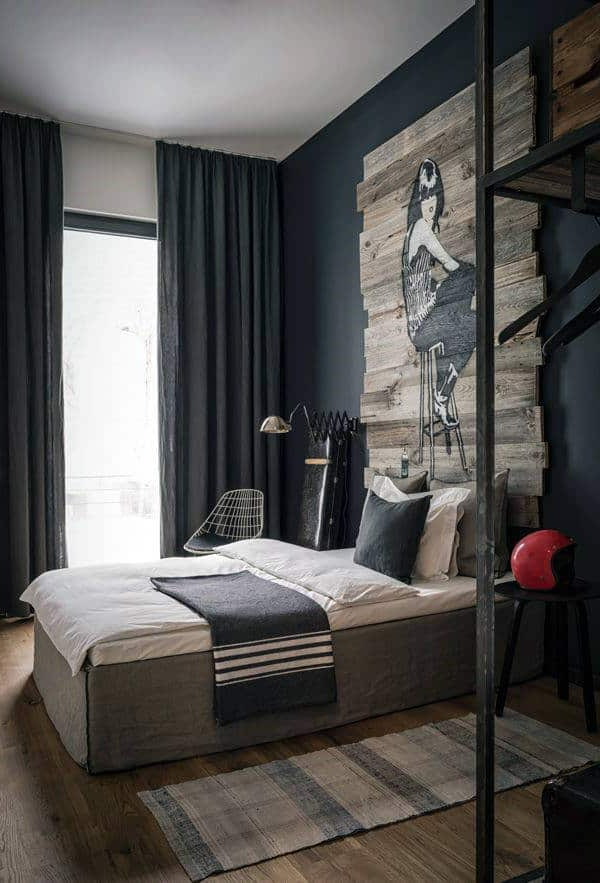
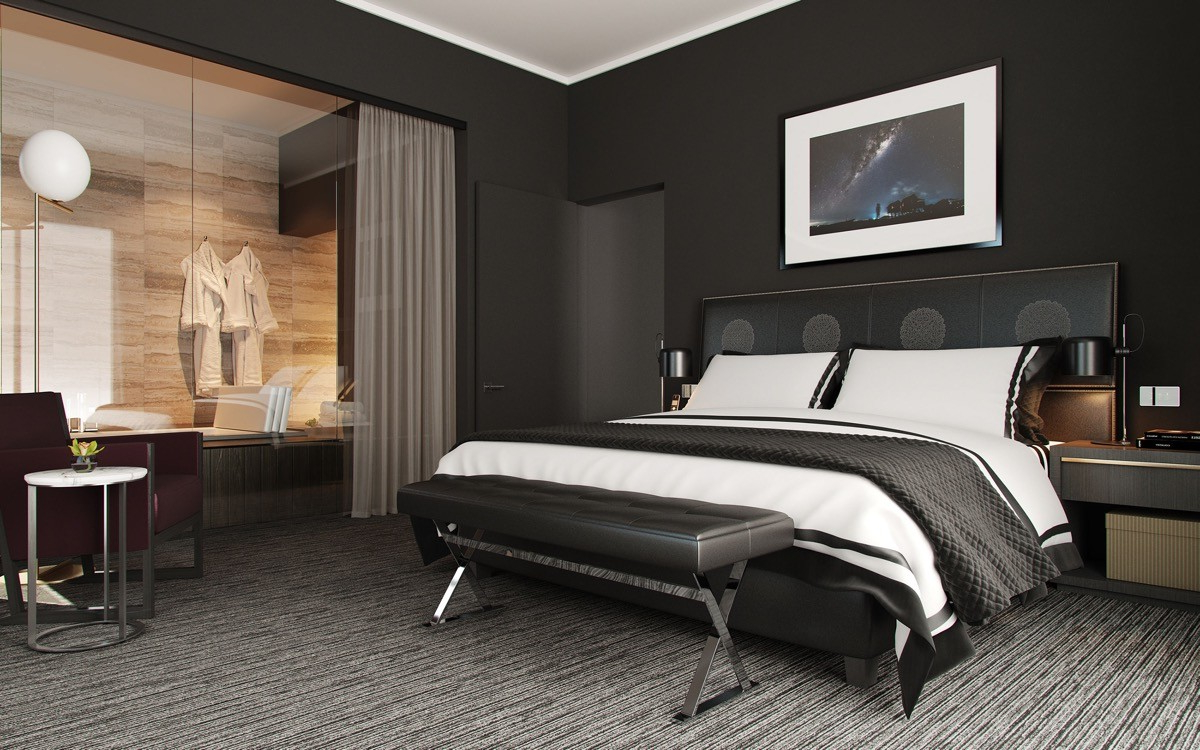
Masculine design isn’t about being harsh or boring. It’s about intentional choices that reflect strength and sophistication. Think about what makes a space feel masculine to you. Maybe it’s the clean lines of furniture, the rich textures, or the subtle use of dark tones. The key is to avoid overcomplicating things. Men tend to gravitate toward spaces that are straightforward yet elegant. This means focusing on quality pieces rather than quantity. A well-chosen armchair can speak louder than five cheap throw pillows. Consider materials like wood, leather, metal, and stone. These elements bring warmth and permanence to a room. They also offer durability, which matters when you’re dealing with daily wear and tear. Think of your bedroom as a foundation – it should be solid enough to support everything else you might add later. Don’t forget about lighting either. Layered lighting creates depth and mood. A combination of overhead lights, table lamps, and floor lamps gives you flexibility for different activities throughout the day.
The Power of Color Psychology
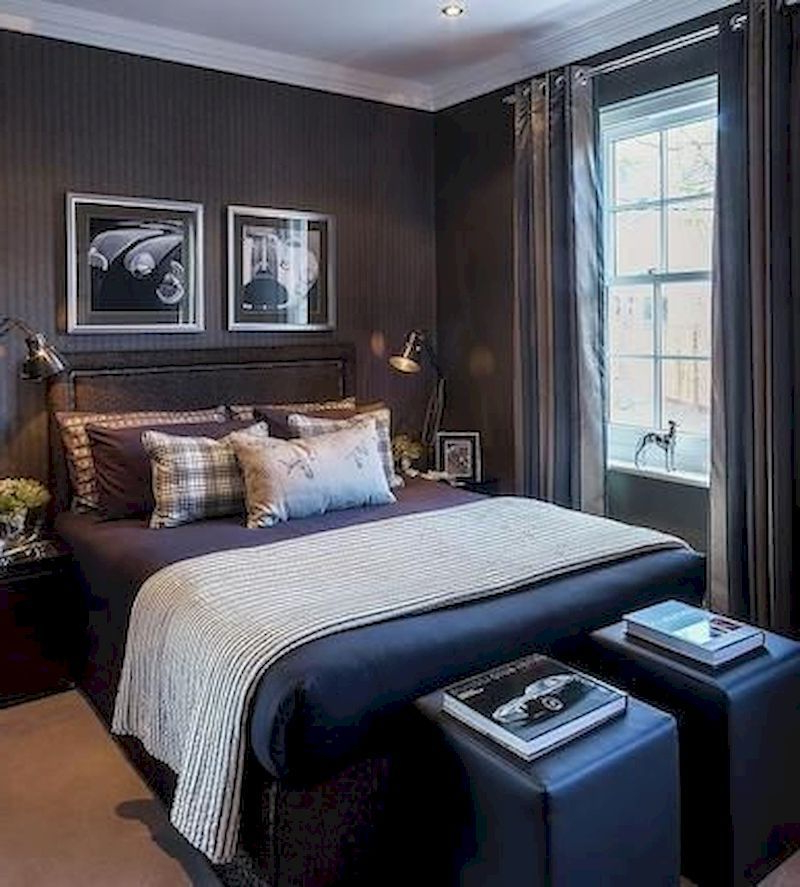
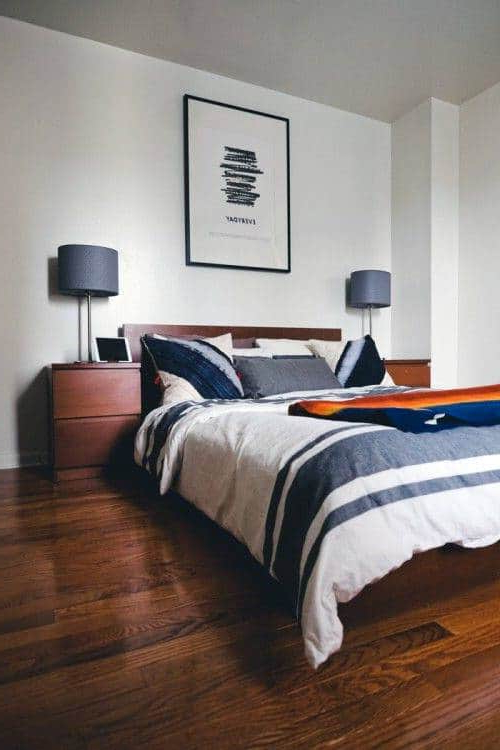
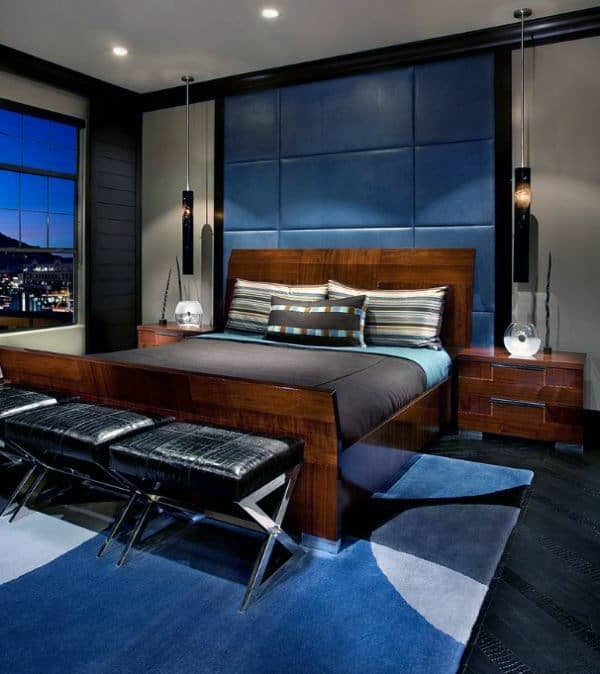
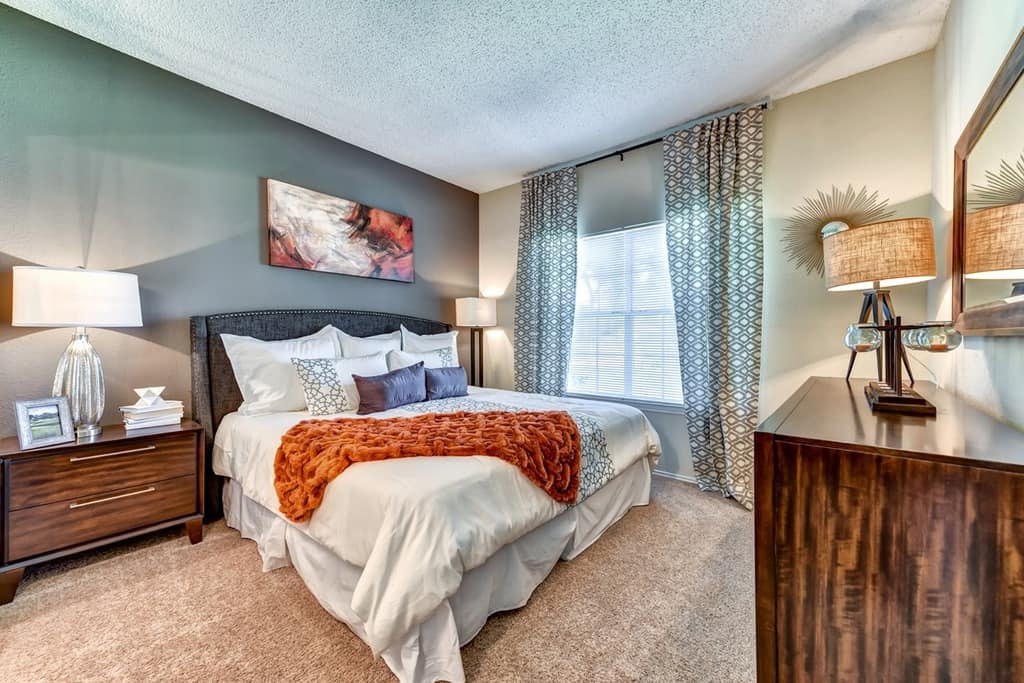
Colors set the tone for any room, and your bedroom is no exception. For many men, neutral colors like whites, grays, and beiges create a sense of calm and order. These shades work as a canvas for other elements to pop. But that doesn’t mean you have to live in a boring box. You can add pops of color through accessories, artwork, or even a statement wall. Deep blues and greens often appeal to men because they evoke feelings of stability and serenity. Darker tones like charcoal or navy can make a small space feel more substantial. However, remember that your bedroom should be restful. Avoid overly bright or chaotic colors that might interfere with sleep. Instead, choose colors that make you feel grounded and peaceful. Test paint samples on your walls before committing. Sometimes a subtle change in shade can transform an entire room. Consider the psychology behind each hue – blue promotes relaxation, green brings harmony, and brown offers earthiness. These are the colors that help create a true sanctuary for the modern man.
Functional Furniture Selection
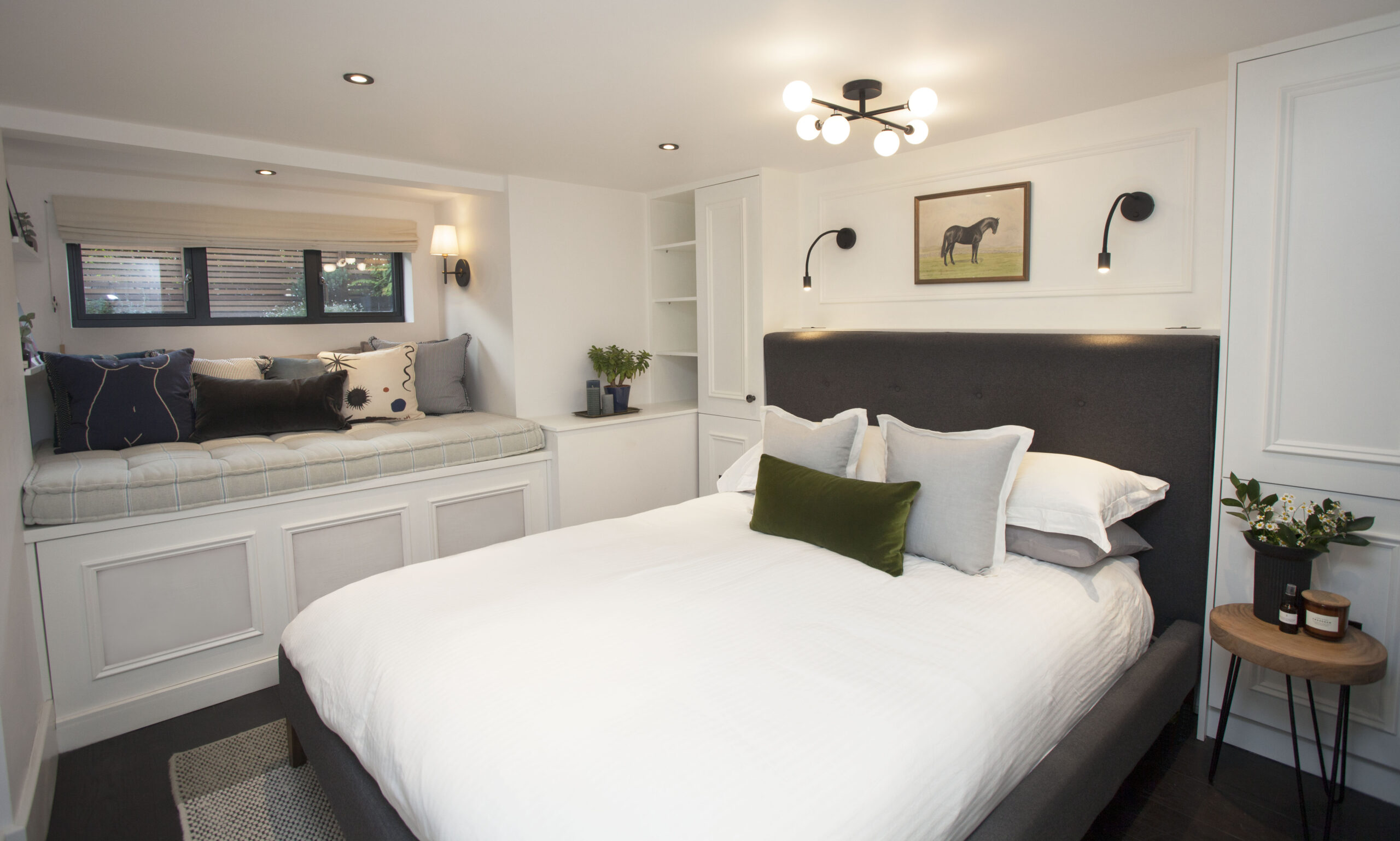
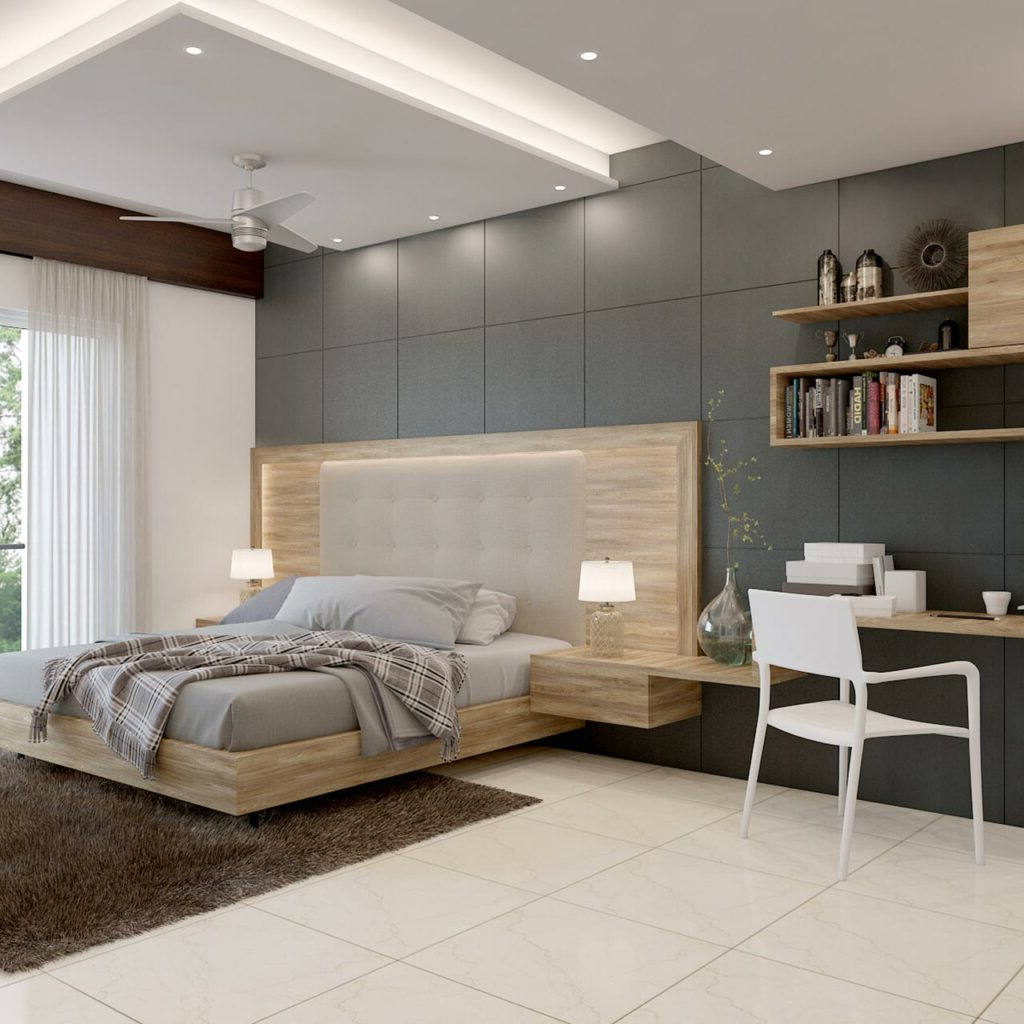
A bedroom designed for a man’s lifestyle needs furniture that serves multiple purposes. Storage solutions are crucial. You want to keep things organized without making the space feel cramped. Built-in wardrobes, nightstands with drawers, and under-bed storage boxes are all smart investments. Look for pieces that are both stylish and practical. A sleek dresser with good drawer organization can hold everything from clothes to books. The key is to choose furniture that doesn’t overwhelm the space. Less is often more, especially in smaller rooms. When selecting a bed frame, consider both aesthetics and comfort. A platform bed with storage underneath is perfect for those who love to keep their essentials close at hand. Don’t overlook the importance of seating. A comfortable chair or reading nook can turn your bedroom into a quiet retreat. It’s also a great spot for morning coffee or evening reading. Remember, furniture should enhance your lifestyle, not hinder it. Choose pieces that you actually use every day. If you don’t use it regularly, ask yourself why you’re spending money on it.
Lighting That Works With Your Routine
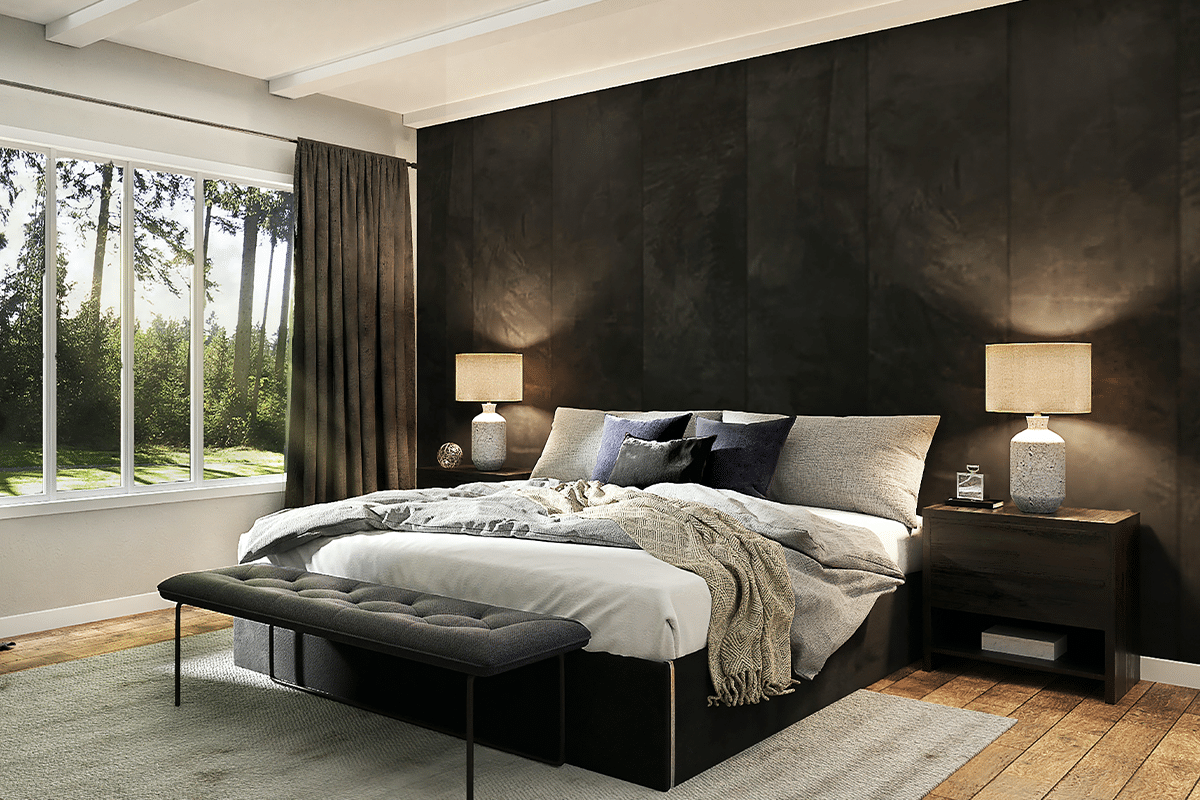
Good lighting can completely transform how a bedroom feels and functions. You don’t want to rely solely on overhead lights, which can be harsh and uninviting. Instead, create layers of light that serve different purposes. Task lighting near your bedside table helps you read without disturbing your partner. Ambient lighting provides general illumination for moving around the room. Accent lighting highlights artwork or architectural features. Consider dimmer switches for versatility. They allow you to adjust the mood from bright and alert to soft and relaxing. Smart lighting systems are becoming increasingly popular. You can program lights to turn on gradually in the morning, mimicking natural sunlight. This helps regulate your circadian rhythm and makes waking up easier. For evening relaxation, softer lighting creates a calming atmosphere. LED strips behind headboards or under shelves add subtle ambiance. Don’t forget about natural light during the day. Maximize it with minimal window treatments or sheer curtains. This keeps the space feeling open and airy. The right lighting setup ensures your bedroom supports your daily routine, whether you’re working from home or winding down after a long day.
Personalization Without Clutter
Your bedroom should reflect your personality, but it shouldn’t look like a museum exhibit. The secret is finding items that matter to you without overdoing it. Start with a few meaningful pieces that tell your story. This might be a vintage sports trophy, a collection of books, or a family photo frame. These items should anchor the space and give it character. Artwork plays a big role in making a room feel personal. Choose pieces that resonate with you – maybe abstract paintings, nature photography, or minimalist designs. You can also display items that represent your interests, whether that’s guitars, sports memorabilia, or travel souvenirs. The key is to curate thoughtfully. Quality over quantity applies here too. One beautiful item often speaks louder than several mediocre ones. Keep surfaces clean and organized. Use baskets or trays to corral smaller items. This prevents visual chaos while maintaining easy access to what you need. Consider seasonal changes too. Swap out some accessories based on the time of year or your current moods. This keeps the space feeling fresh and alive without requiring constant redecoration.
Technology Integration That Enhances Rather Than Distracts
Modern men expect their bedrooms to accommodate technology seamlessly. This means integrating smart devices without making the space feel like a tech lab. A wireless charging station built into your nightstand is practical and clean-looking. Smart speakers can control music and provide gentle wake-up alarms. You might also consider a smart thermostat to maintain optimal temperature. However, don’t let gadgets dominate your space. Keep them hidden when possible. Cable management systems prevent messy wires from ruining your aesthetic. If you work from home, having a dedicated area for your laptop or tablet can help maintain boundaries between work and rest. This might be a small desk or even a wall-mounted shelf. The goal is to have everything you need within reach, but not scattered everywhere. Think about how you actually use your space. If you’re constantly checking emails late at night, perhaps a better solution is to move your work area elsewhere. Technology should enhance your lifestyle, not complicate it. The most successful bedroom designs are those that integrate tech naturally, without making it the main focus.
Designing a bedroom that suits a man’s lifestyle is about creating a space that feels both comfortable and intentional. It’s about balancing form and function, personal expression and practicality. Remember, your bedroom is ultimately a reflection of who you are and how you want to live. Whether you prefer a minimalist approach or enjoy showcasing your interests, the key is to stay true to yourself. Focus on quality over quantity, and make choices that support your daily routine. Don’t be afraid to experiment with colors, textures, and layouts until you find what works for you. The perfect bedroom isn’t about following trends – it’s about crafting a space that feels authentically yours. Take your time, gather inspiration, and trust your instincts. After all, this is your sanctuary, and it should make you feel relaxed, refreshed, and ready to tackle whatever comes next.
[sps_html tag=”img” src=”https://roofdrivein.com/wp-content/uploads/2026/01/57-best-mens-bedroom-ideas-masculine-decor-designs-2022-guide-pertaining-to-bedroom-design-ideas-men.jpg” alt=”57 Best Men’s Bedroom Ideas: Masculine Decor & Designs (2022 Guide) pertaining to Bedroom Design Ideas Men” style=”width: 100%; height: auto;”]
[sps_html tag=”img” src=”https://roofdrivein.com/wp-content/uploads/2026/01/40-mens-bedroom-ideas-for-modern-masculine-appeal-man-of-many-with-style-and-substance-how-to-design-a-bedroom-that-suits-a-man039s-lifestyle.png” alt=”40+ Men's Bedroom Ideas For Modern Masculine Appeal | Man Of Many with Style and Substance: How to Design a Bedroom That Suits a Man's Lifestyle” style=”width: 100%; height: auto;”]
[sps_html tag=”img” src=”https://roofdrivein.com/wp-content/uploads/2026/01/60-mens-bedroom-ideas-masculine-interior-design-inspiration-within-style-and-substance-how-to-design-a-bedroom-that-suits-a-man039s-lifestyle.jpg” alt=”60 Men's Bedroom Ideas - Masculine Interior Design Inspiration within Style and Substance: How to Design a Bedroom That Suits a Man's Lifestyle” style=”width: 100%; height: auto;”]
[sps_html tag=”img” src=”https://roofdrivein.com/wp-content/uploads/2026/01/modern-bedroom-ideas-for-men-throughout-bedroom-design-ideas-men.jpg” alt=”Modern Bedroom Ideas For Men throughout Bedroom Design Ideas Men” style=”width: 100%; height: auto;”]
[sps_html tag=”img” src=”https://roofdrivein.com/wp-content/uploads/2026/01/60-mens-bedroom-ideas-masculine-interior-design-inspiration-throughout-bedroom-design-ideas-men.jpg” alt=”60 Men's Bedroom Ideas - Masculine Interior Design Inspiration throughout Bedroom Design Ideas Men” style=”width: 100%; height: auto;”]