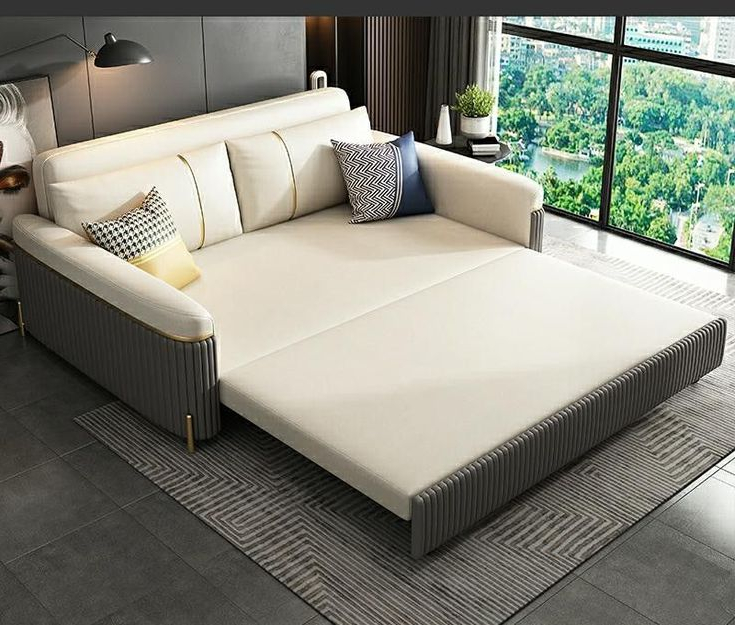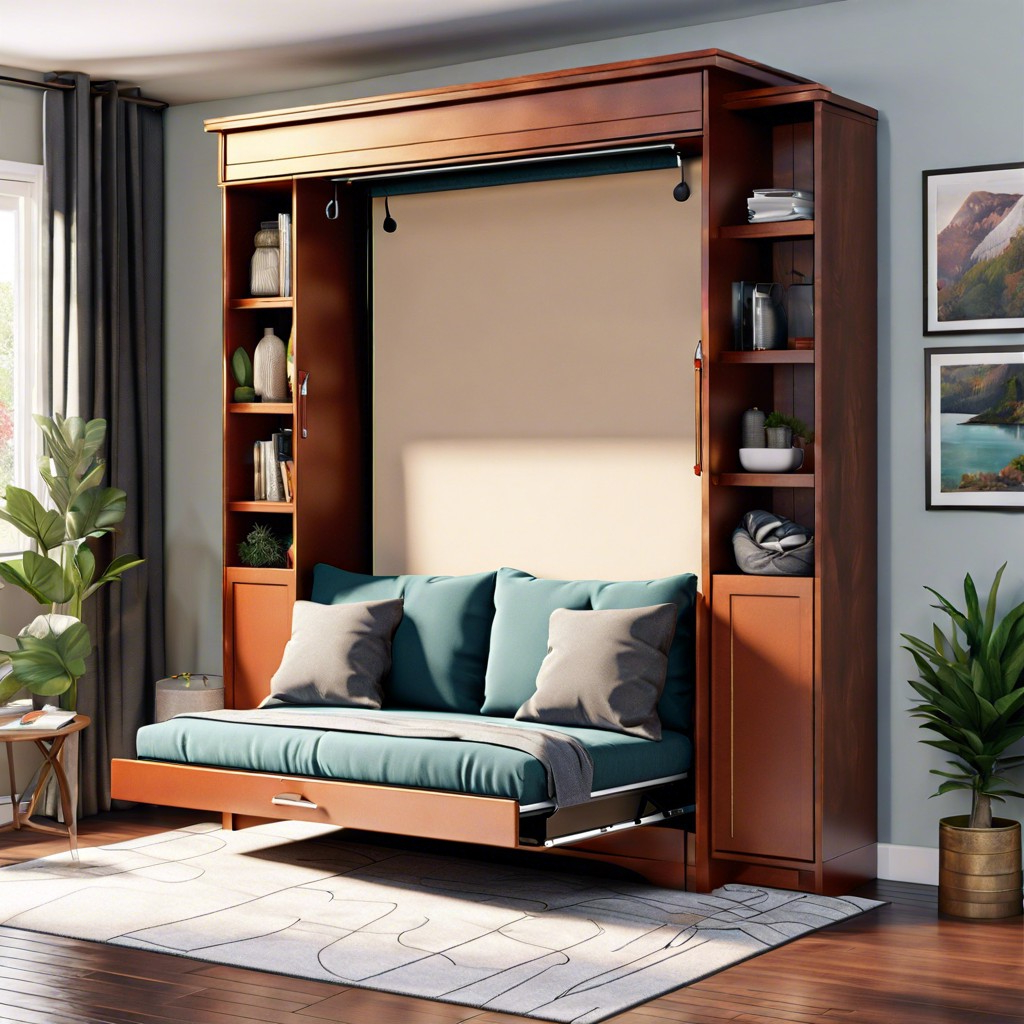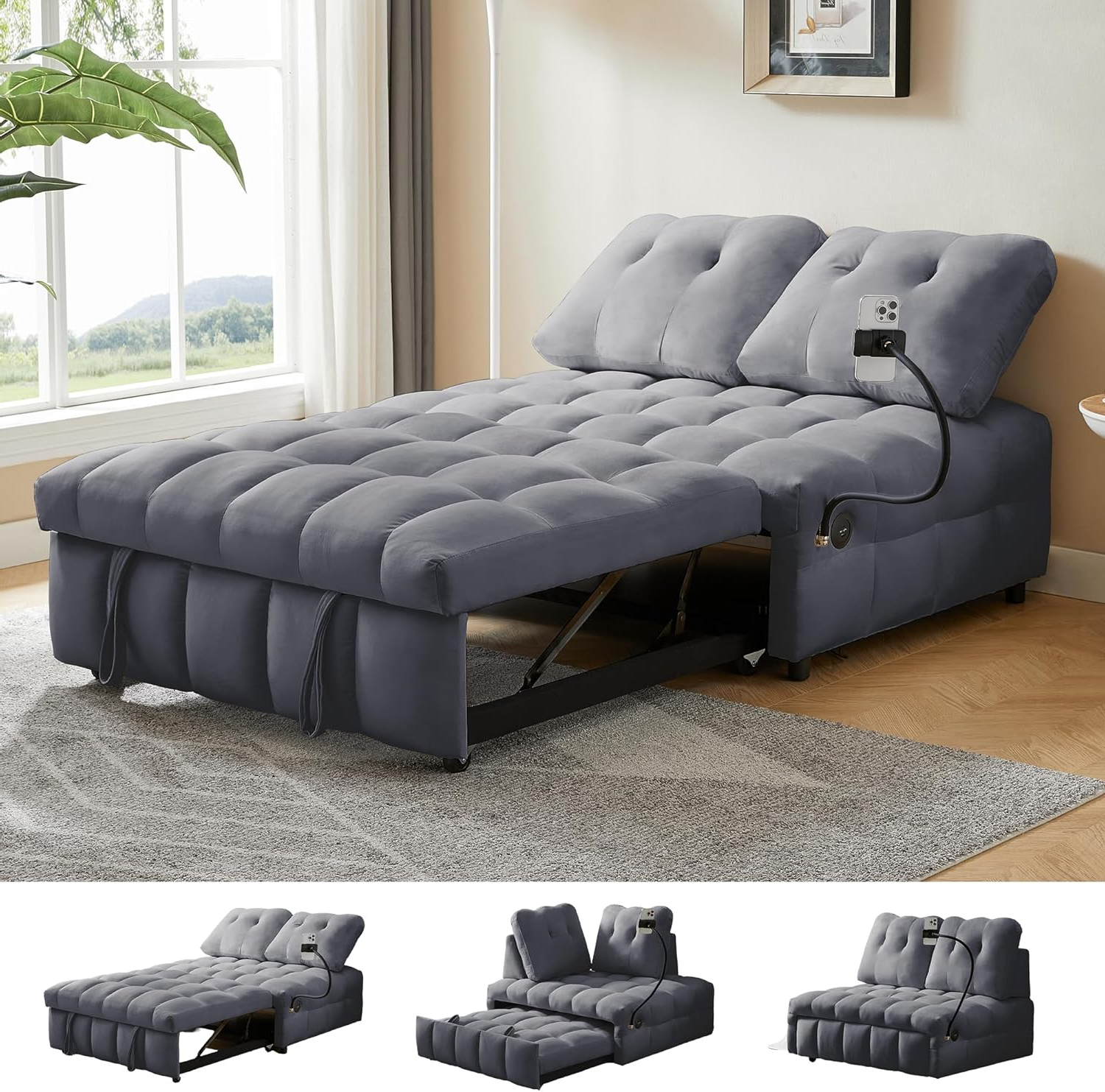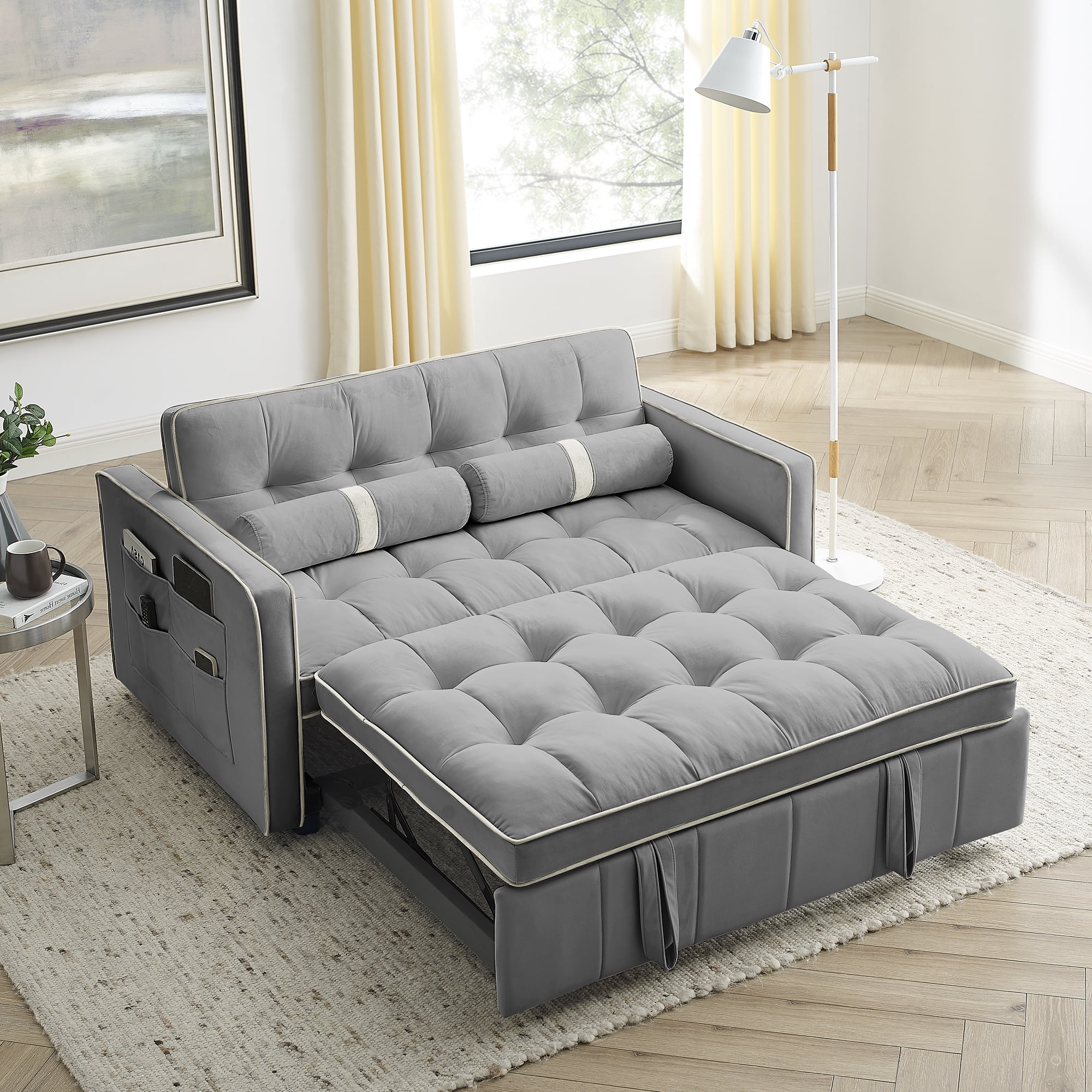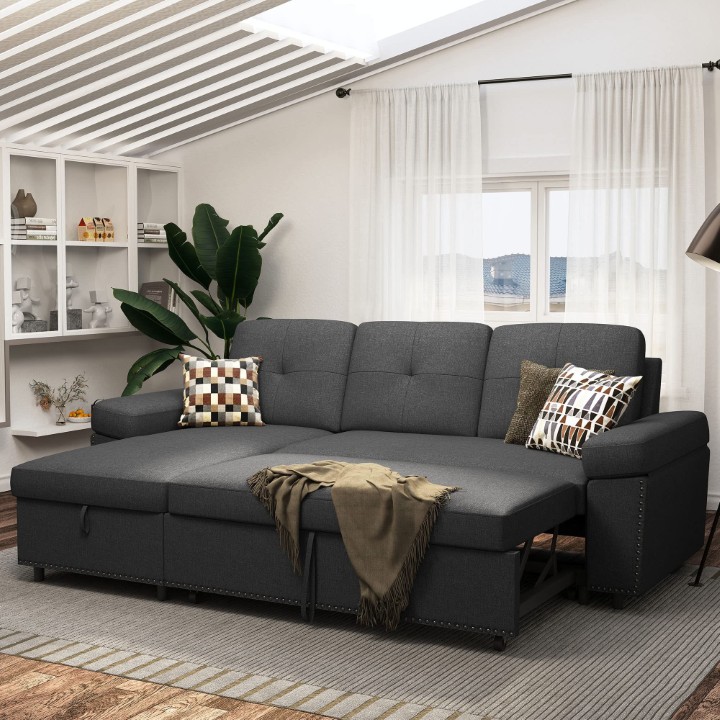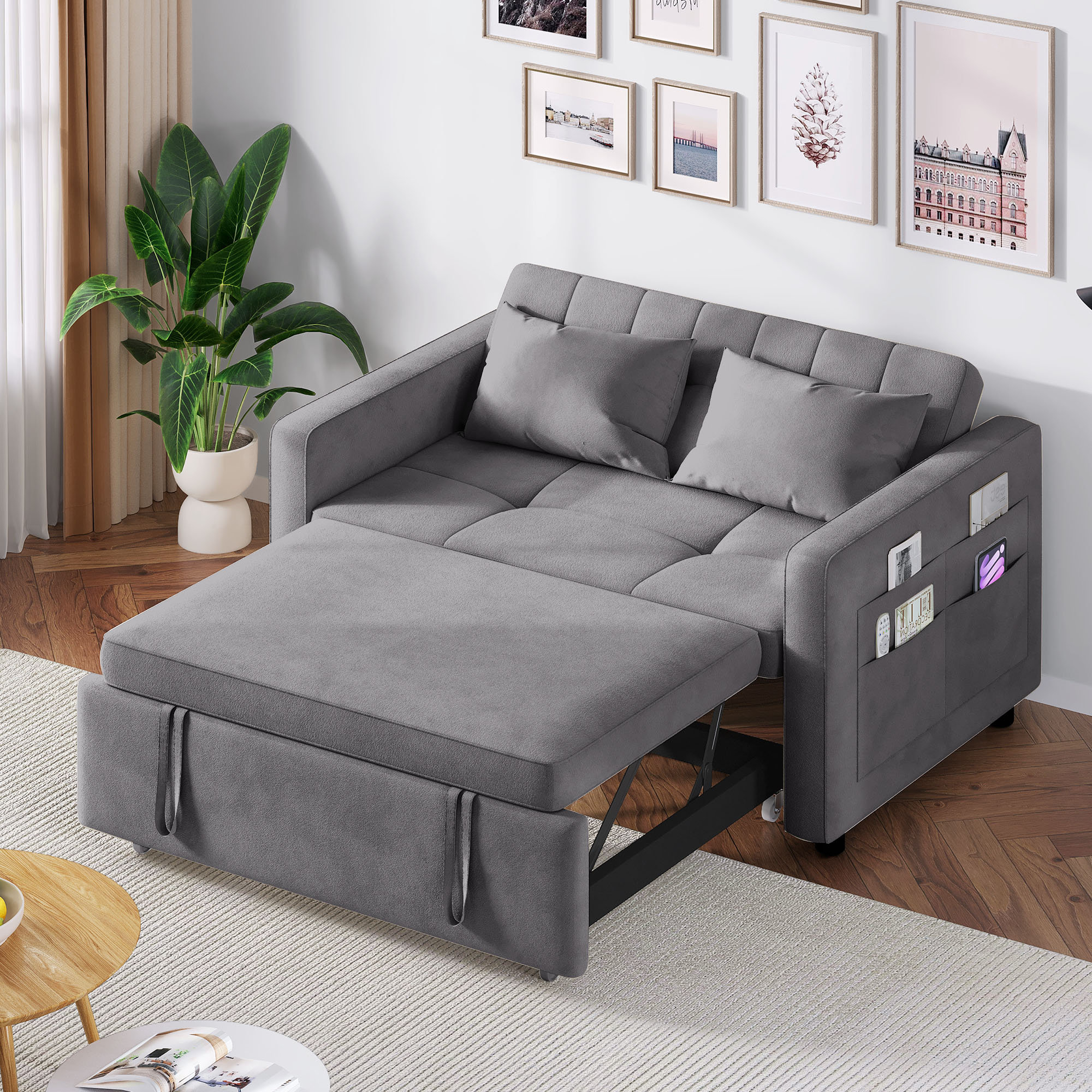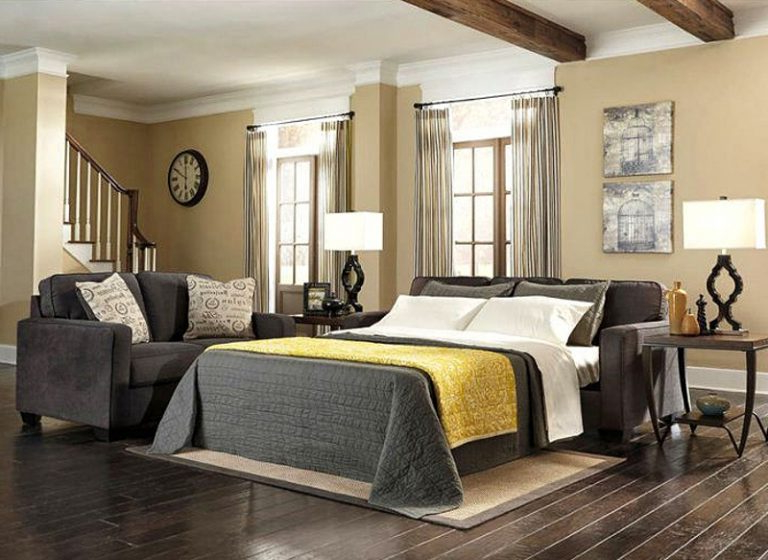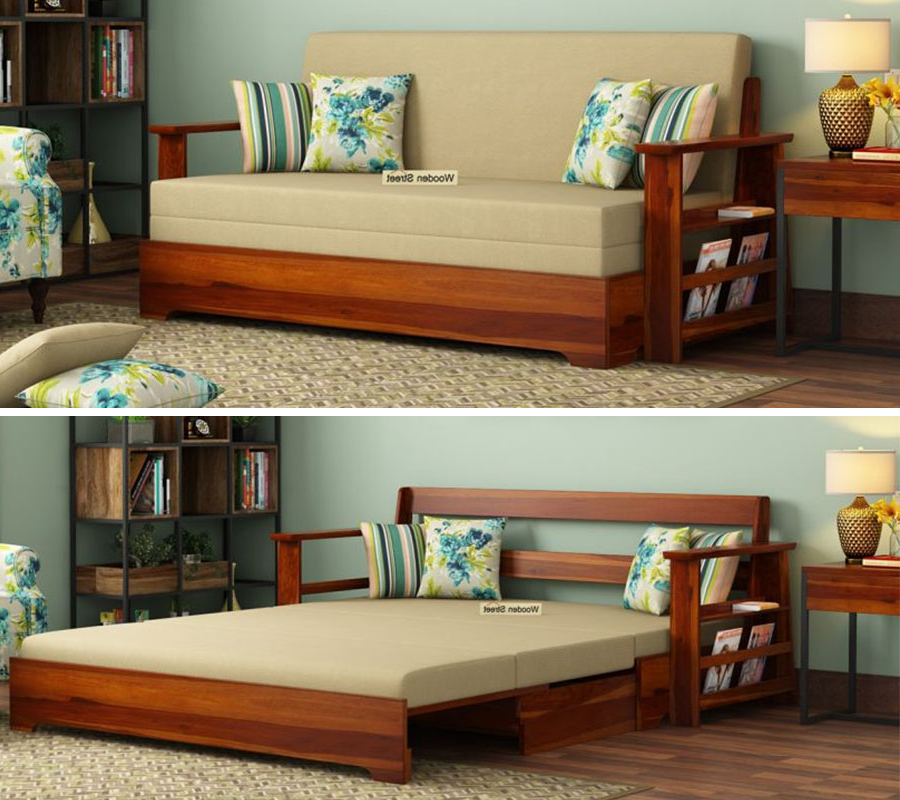
Living in a small apartment, studio, or tiny house doesn’t mean you have to sacrifice comfort. When you’re working with limited square footage, every inch counts. The right sofa bed can transform your living room into a bedroom, all while keeping your space feeling open and airy.
Let’s face it – modern living often means smaller spaces. Whether you’re a student cramming into a one-bedroom, a young professional in a city flat, or someone who simply loves to entertain guests, finding furniture that does double duty is crucial. A good space-saving sofa bed isn’t just about folding out a mattress. It’s about smart design, quality materials, and thoughtful engineering that makes your life easier without taking up unnecessary room. These aren’t just pieces of furniture; they’re solutions to lifestyle challenges that many of us face daily.
What Makes a Great Space-Saving Sofa Bed
Not all sofa beds are created equal. Some feel like they’ll collapse at any moment, while others provide genuine comfort for both day and night use. The key lies in understanding the components that make a sofa bed truly functional.
A quality sofa bed starts with a solid frame. This might be made from wood, metal, or even high-quality engineered materials. The frame needs to support weight evenly and resist sagging over time. Many people overlook this detail, but it’s fundamental to how long your sofa bed will last.
The mattress itself deserves attention too. Memory foam, spring mattresses, or hybrid options each offer different benefits. Memory foam provides pressure relief and reduces motion transfer, making it ideal for couples or light sleepers. Spring mattresses offer more bounce and airflow, which some prefer for hot sleepers. Hybrid options combine the best of both worlds.
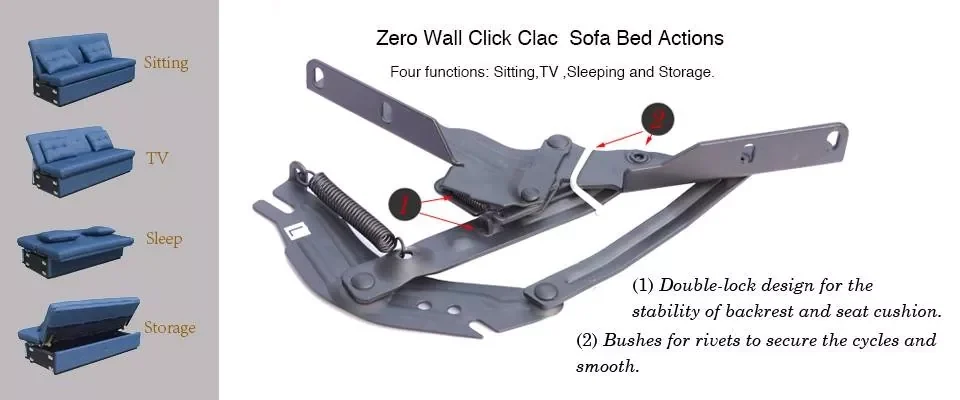
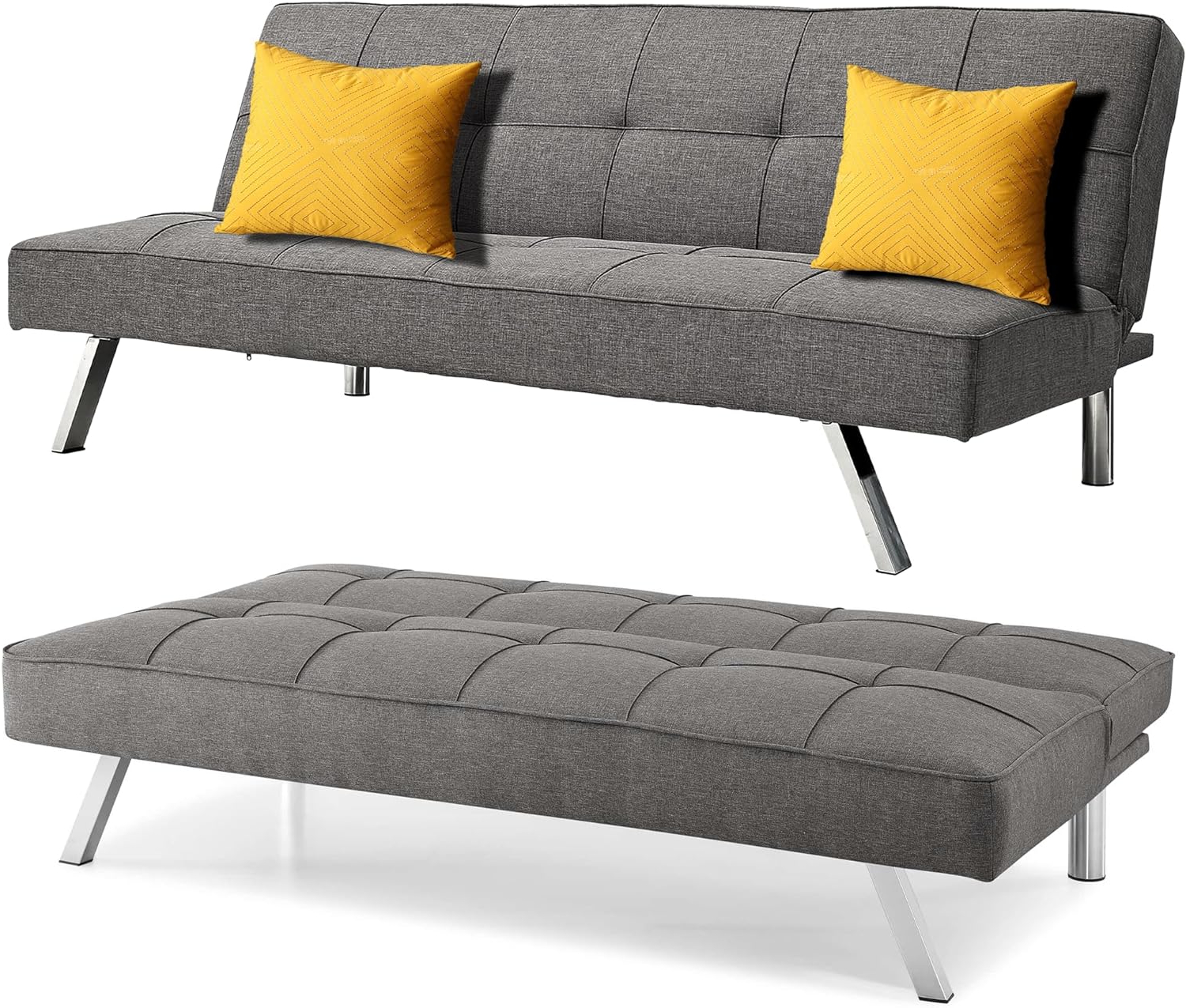
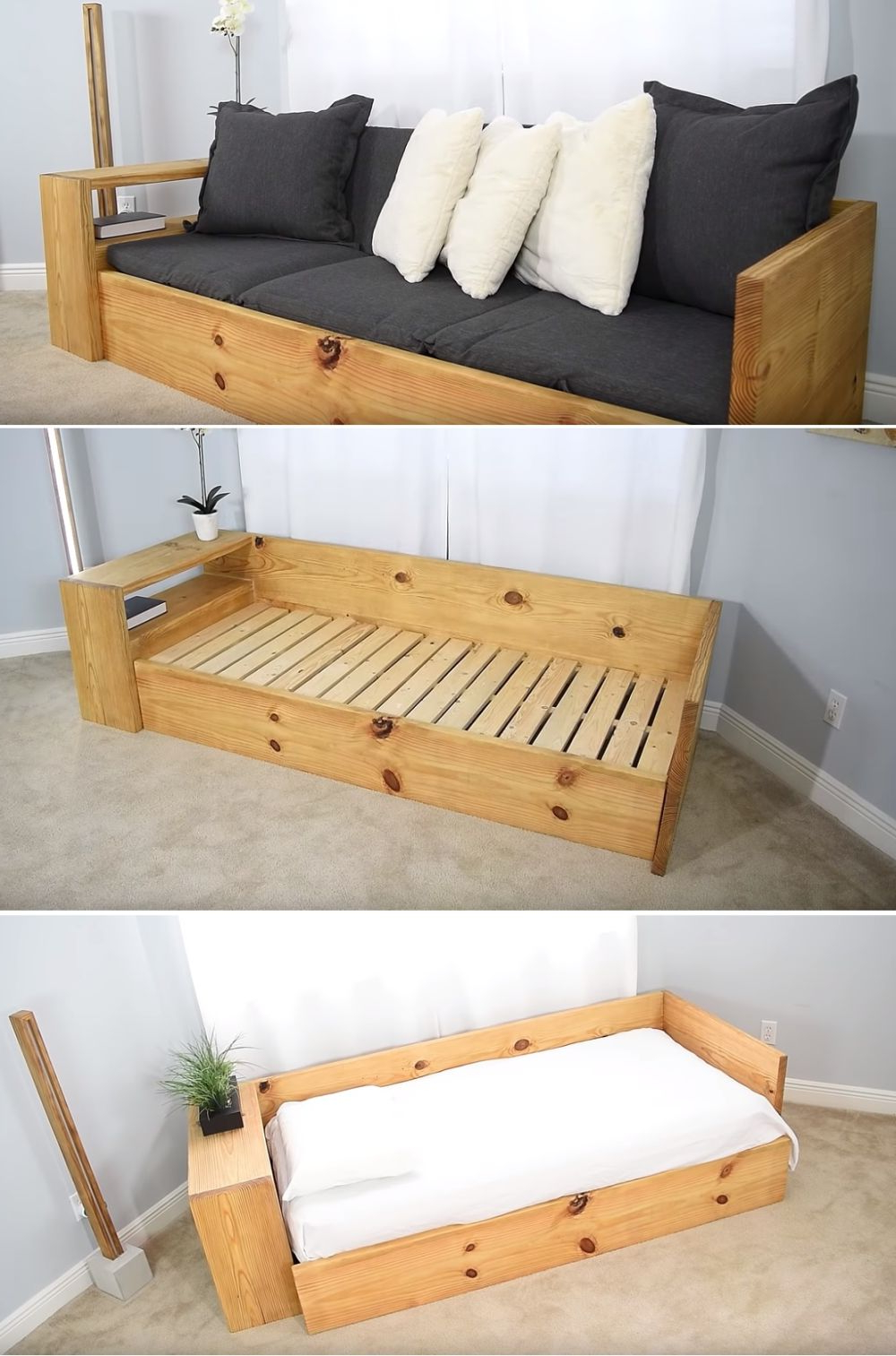
Don’t forget about the mechanism. How smoothly does it unfold? Is there a spring-assisted system or manual operation? The best sofa beds feature mechanisms that make conversion easy and quiet. No more creaking or groaning when you’re trying to get some rest.
Design Considerations for Compact Living
When you’re working with limited space, every element must serve multiple purposes. A sofa bed needs to blend seamlessly with your existing decor while maintaining its functionality. This means looking beyond just the size and focusing on how it fits into your overall aesthetic.
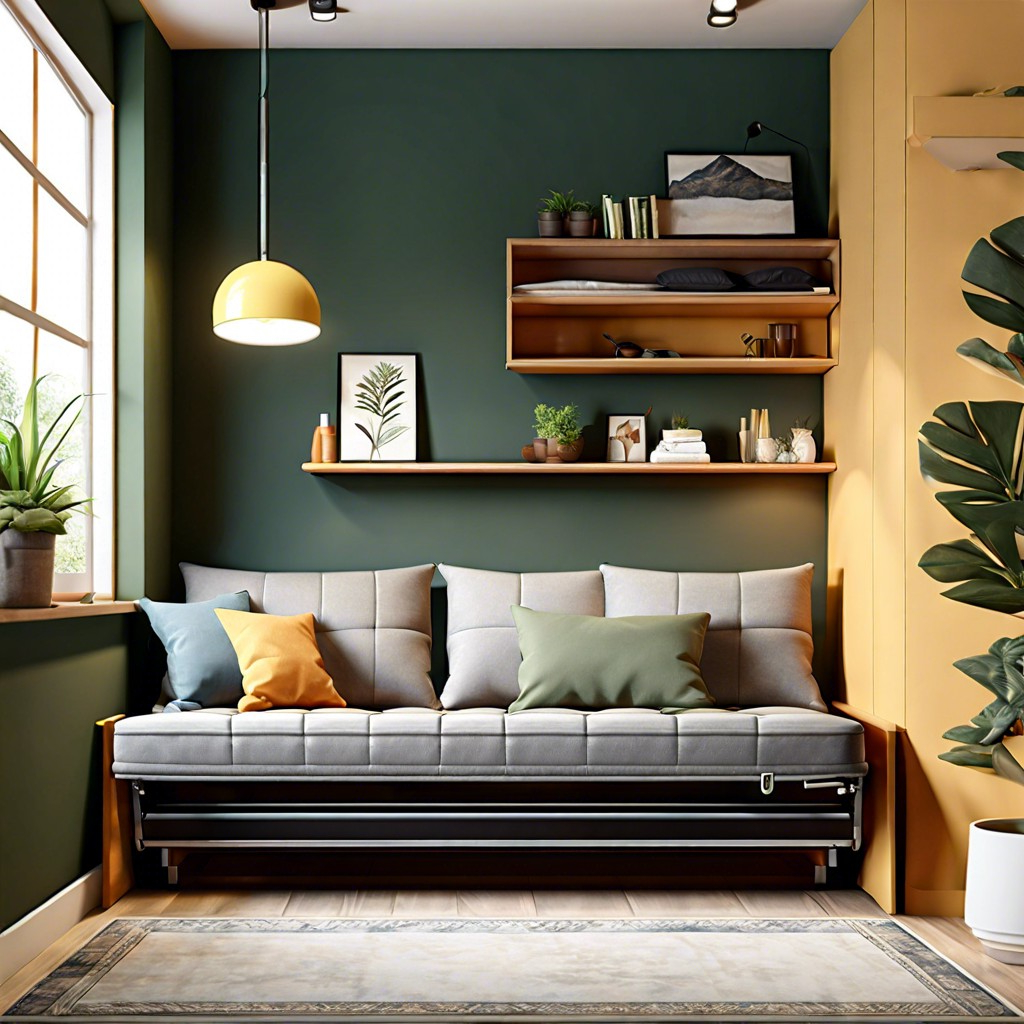
Consider the color scheme. Light colors reflect light and make small spaces feel bigger. Darker tones, while elegant, can make a room feel smaller and more enclosed. Neutral tones like beige, gray, or soft whites work well in most situations.
The fabric choice matters too. Microfiber and performance fabrics offer durability and easy cleaning, perfect for homes with kids or pets. Upholstery with removable covers allow for easy maintenance and seasonal updates. Some manufacturers now offer waterproof or stain-resistant options specifically designed for busy households.
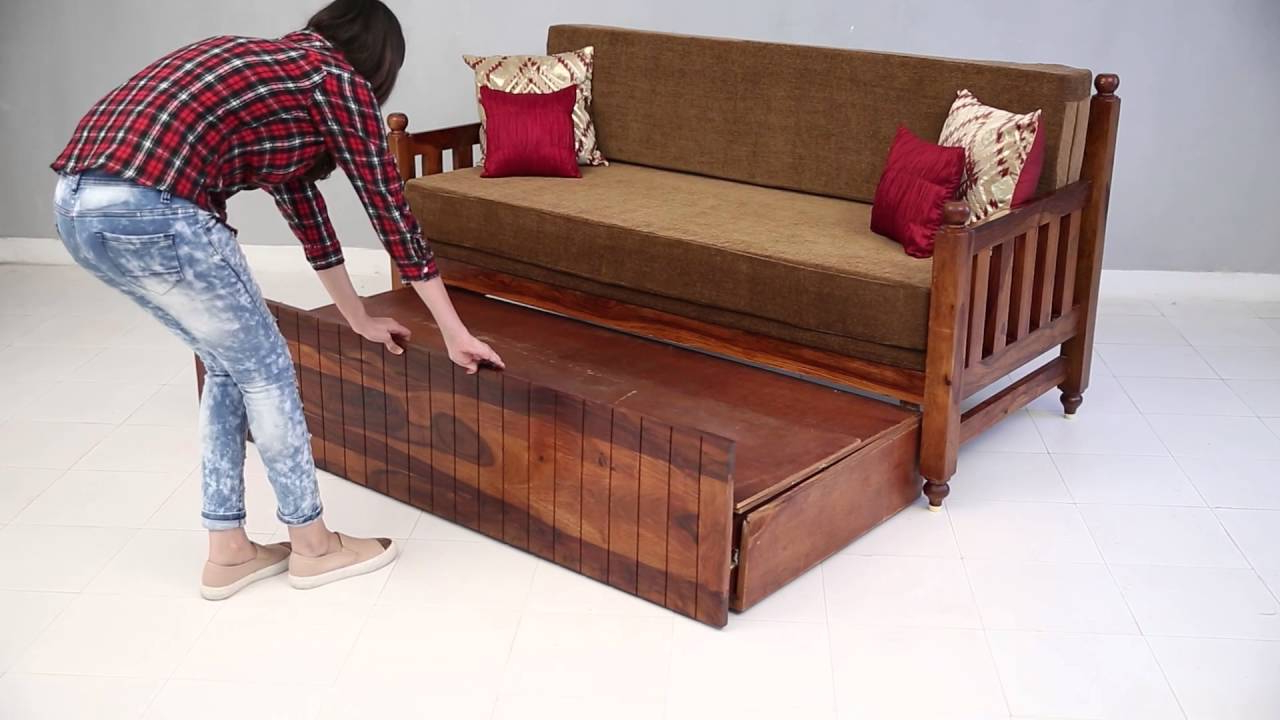
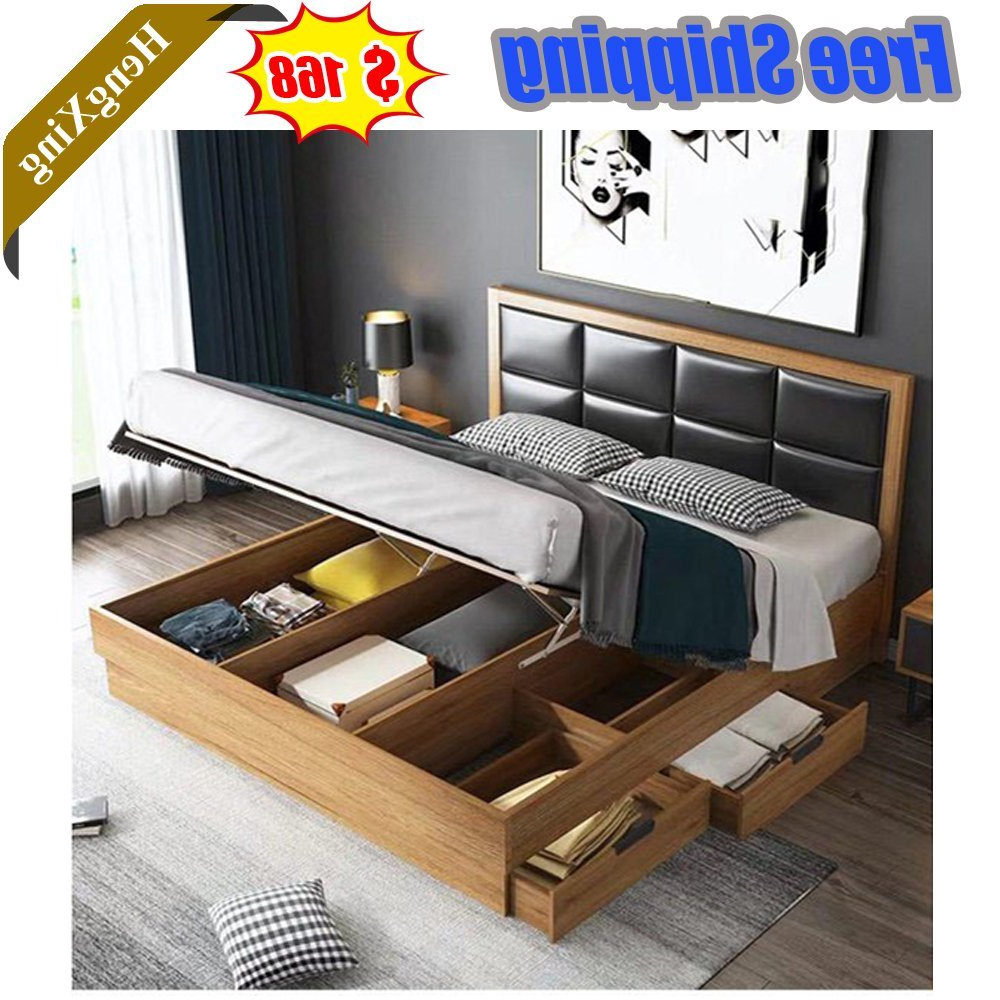
Storage integration is another smart approach. Look for sofa beds with built-in storage compartments underneath. These can hold blankets, pillows, or seasonal items. It’s amazing how much extra space you can gain with clever storage solutions.
Comfort vs. Convenience Trade-offs
There’s always a balance between comfort and convenience when choosing a sofa bed. Some models prioritize ease of use over sleeping quality, while others focus on overnight comfort at the expense of quick setup. Understanding these trade-offs helps you make better choices based on your lifestyle.
For instance, some sofa beds have thinner mattresses that fold up easily but may not provide the same level of support you’d expect from a regular bed. Others feature full-size mattresses that offer excellent sleep quality but require more effort to unfold and store.
Sleep position also plays a role. Side sleepers might prefer a firmer surface, while back sleepers could benefit from a softer mattress. The material choice affects temperature regulation too. If you tend to get hot while sleeping, consider breathable materials like cotton or bamboo blends rather than synthetic fabrics that trap heat.
Think about how often you’ll actually use it. If you’re using it regularly, investing in higher-quality materials makes sense. But if it’s mainly for guests, a more basic option might suffice. The frequency of use determines whether you want to prioritize longevity or cost savings.
Size Matters: Choosing the Right Dimensions
One of the most common mistakes people make when shopping for sofa beds is assuming that all sizes are the same. In reality, dimensions vary significantly between brands and models, and getting the wrong size can lead to major problems.
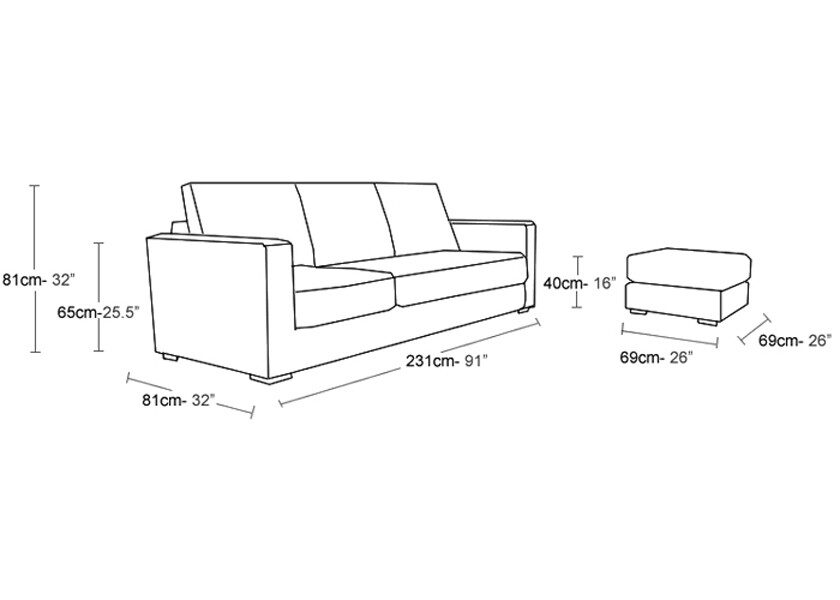
Standard sofa beds typically measure around 70 inches wide by 36 inches deep. However, some compact versions are narrower, making them perfect for tight corners or small apartments. Others stretch wider, accommodating larger individuals or families.
Length is equally important. A sofa bed that’s too short might leave your feet hanging off the end, creating an uncomfortable sleeping experience. On the other hand, a bed that’s too long can overwhelm a small space. Measure your available area carefully before purchasing.
Consider the room layout too. Will the sofa bed fit against a wall? Can it be positioned to maximize natural light? Does it need to accommodate traffic flow? These factors influence not just the physical dimensions but also the overall impact on your living environment.
Some innovative designs incorporate adjustable features. These allow you to customize the shape slightly to fit your specific space requirements. This flexibility can be invaluable when dealing with irregularly shaped rooms or awkward layouts.
Material Durability and Longevity
A sofa bed that breaks after six months isn’t worth the investment, regardless of how attractive it looks. Quality materials make a significant difference in how long your piece will last and how well it maintains its appearance over time.
Frame construction is crucial. Solid wood frames tend to be the most durable, though they can be heavier and more expensive. Metal frames offer strength and resistance to pests, making them good choices for humid environments. Engineered wood offers a middle ground in terms of cost and durability.
Mattress materials also affect longevity. High-density memory foam tends to retain its shape better than lower-density alternatives. Spring mattresses, when properly constructed, can last decades with proper care. Hybrid options combine the resilience of springs with the contouring properties of foam.
Fabric selection impacts both aesthetics and practicality. Leather, while luxurious, requires special care and can crack over time. Synthetic materials like microfiber offer excellent durability and easy maintenance. Natural fibers like cotton or linen provide breathability but may need more careful handling.
Warranty information should never be overlooked. A good manufacturer stands behind their product with meaningful guarantees. Check what’s covered and how long the warranty lasts. This information often reveals a lot about the company’s confidence in their craftsmanship.
Maintenance and Care Tips
Like any piece of furniture, a sofa bed requires regular care to maintain its appearance and function. The good news is that most modern sofa beds are designed with maintenance in mind.
Regular vacuuming removes dust and debris that accumulate in crevices and folds. Pay special attention to areas where the mattress meets the frame, as these spots collect the most dirt.
Spot cleaning should be done immediately when spills occur. Different materials require different approaches. Water-based stains on fabric might need gentle soap and water, while oil-based stains on leather require specific cleaners.
For the mattress component, rotate it every few months to ensure even wear. This simple step extends the life of the foam or springs inside. Most manufacturers recommend rotating every 3-6 months depending on usage.
Check the mechanism periodically for signs of wear or damage. Lubricate moving parts if necessary, and tighten any loose screws. A well-maintained mechanism ensures smooth operation and prevents potential safety issues.
Storage during off-seasons is important too. If you’re not using your sofa bed frequently, clean it thoroughly and cover it appropriately. This protects against dust accumulation and preserves the materials.
Budget Considerations and Value
Sofa beds range widely in price, from budget-friendly options to premium designs that cost several thousand dollars. Understanding what you’re paying for helps you make informed decisions about where to spend your money.
Entry-level sofa beds often come with basic features and materials. They might use cheaper woods, standard foam, or synthetic fabrics. While these options save money upfront, they may require replacement sooner.
Mid-range models offer better materials and construction without breaking the bank. These typically include quality frames, decent mattress types, and durable fabrics. They represent the sweet spot for many consumers seeking value.
Premium sofa beds often feature luxury materials, custom construction, and brand recognition. These might include solid hardwood frames, high-end memory foam, or artisanal upholstery. The investment pays off through longevity and superior comfort.
Consider the total cost of ownership, not just the initial purchase price. Factor in maintenance costs, potential replacements, and how long you plan to keep the piece. Sometimes spending a bit more upfront saves money over time.
Don’t forget about resale value. Some brands and models hold their value better than others. If you’re planning to upgrade later, choosing a reputable brand with good reputation can help recover part of your investment.
Real-World Usage Scenarios
The best way to understand how a sofa bed works in practice is to see it in action. Real-life scenarios show how different designs perform under actual conditions.
Students often need affordable, compact solutions. For them, a lightweight sofa bed with a simple mechanism works well. They don’t need the luxury features of premium models, but they do need something reliable and easy to move.
Parents with young children might prioritize durability over aesthetics. A sofa bed with stain-resistant fabric and a sturdy frame handles the inevitable accidents and rough play. These models often feature easy-to-clean surfaces and reinforced stress points.
Guest rooms require a balance of comfort and style. The sofa bed needs to look good enough to be used regularly but still serve its primary purpose as a sleeping surface. This often means choosing designs that blend well with existing bedroom furniture.
Small business owners or freelancers might need flexible furniture for client meetings and occasional overnight stays. They benefit from models that can quickly transition from seating to sleeping and back again. Quick setup and teardown are essential in these scenarios.
Each situation brings unique challenges and priorities. The key is matching the sofa bed’s capabilities to your specific needs.
Future Trends and Innovations
The market for space-saving furniture continues to evolve rapidly. New technologies and design approaches are making sofa beds smarter and more efficient.
Smart features are starting to appear in sofa bed designs. Some models now include integrated lighting, USB charging ports, or even built-in speakers. These additions enhance the user experience without compromising the core functionality.
Modular designs are gaining popularity. These allow you to customize the size and configuration of your sofa bed based on changing needs. You might start with a single unit and add sections later as your requirements change.
Eco-friendly materials are becoming more mainstream. Recycled fabrics, sustainable wood sources, and low-VOC adhesives appeal to environmentally conscious consumers. These options don’t compromise on quality or performance.
Advanced materials science is improving mattress technology. New foams offer better pressure distribution, while innovative fabrics provide enhanced breathability. These developments translate directly into better sleep experiences.
As urbanization continues, demand for compact living solutions will grow. Expect to see more innovations focused on maximizing space efficiency while maintaining comfort standards.
Making the Right Choice for Your Space
Choosing the right space-saving sofa bed involves more than just picking something that looks nice. It’s about understanding your lifestyle, measuring your space accurately, and knowing what features matter most to you.
Start by assessing your actual needs. How often will you use it for sleeping? Do you have guests regularly? What’s your budget range? Answering these questions helps narrow down the options.
Measure everything carefully. Not just the space where it will go, but also the room dimensions. You need to account for doorways, hallways, and any obstacles that might interfere with moving the piece.
Consider your existing furniture. Does the sofa bed need to match your current decor? Will it complement your existing seating arrangement? These details ensure seamless integration rather than jarring contrast.
Test before buying. If possible, try sitting on the sofa bed and folding it out. Experience how it feels to sleep on the mattress. Check if the mechanism operates smoothly. These hands-on tests reveal details that photos and descriptions can’t capture.
Read reviews from actual users. Online feedback often highlights issues that manufacturers don’t emphasize. Look for patterns in complaints or praise to gauge reliability and satisfaction levels.
Finding the perfect space-saving sofa bed is less about finding a piece of furniture and more about finding a solution that works with your life. It’s about making smart choices that balance comfort, functionality, and aesthetics within the constraints of your living situation. The right sofa bed doesn’t just take up less space – it takes up less stress, too. It allows you to live comfortably in smaller spaces without compromising your quality of life. Whether you’re a student, a professional, or someone who simply values flexibility in their home, investing in a quality sofa bed can transform your living experience. The key is to think beyond the immediate purchase and consider how this piece will serve you over time. With proper research and careful consideration, you’ll find a sofa bed that truly lives up to its promise of providing comfort without weighing you down.
[sps_html tag=”img” src=”https://roofdrivein.com/wp-content/uploads/2026/01/15-sofa-bed-for-small-spaces-ideas-to-maximize-your-room-with-sofa-bed-easy-to-get-upstairs.jpg” alt=”15 Sofa Bed For Small Spaces Ideas To Maximize Your Room with Sofa Bed Easy To Get Upstairs” style=”width: 100%; height: auto;”]
[sps_html tag=”img” src=”https://roofdrivein.com/wp-content/uploads/2026/01/amazon-com-upyooe-modern-pull-out-sofa-bed-convertible-sleeper-sofa-within-sofa-bed-easy-to-get-upstairs.jpg” alt=”Amazon.com: Upyooe Modern Pull Out Sofa Bed, Convertible Sleeper Sofa … within Sofa Bed Easy To Get Upstairs” style=”width: 100%; height: auto;”]
[sps_html tag=”img” src=”https://roofdrivein.com/wp-content/uploads/2026/01/stylish-and-functional-incorporating-a-sofa-cum-bed-into-your-home-pertaining-to-sofa-bed-easy-to-get-upstairs.jpg” alt=”"Stylish And Functional: Incorporating A Sofa Cum Bed Into Your Home … pertaining to Sofa Bed Easy To Get Upstairs” style=”width: 100%; height: auto;”]
[sps_html tag=”img” src=”https://roofdrivein.com/wp-content/uploads/2026/01/holaki-modern-convertible-loveseat-sleeper-sofa-bed-55-5-with-side-regarding-sofa-bed-easy-to-get-upstairs.jpeg” alt=”"Holaki Modern Convertible Loveseat Sleeper Sofa Bed, 55.5"", With Side … regarding Sofa Bed Easy To Get Upstairs” style=”width: 100%; height: auto;”]
[sps_html tag=”img” src=”https://roofdrivein.com/wp-content/uploads/2026/01/19-easy-ways-to-build-a-diy-couch-without-breaking-the-bank-intended-for-space-saving-sofa-beds-that-won039t-weigh-you-down.jpg” alt=”19 Easy Ways To Build A Diy Couch Without Breaking The Bank intended for Space-saving sofa beds that won't weigh you down” style=”width: 100%; height: auto;”]