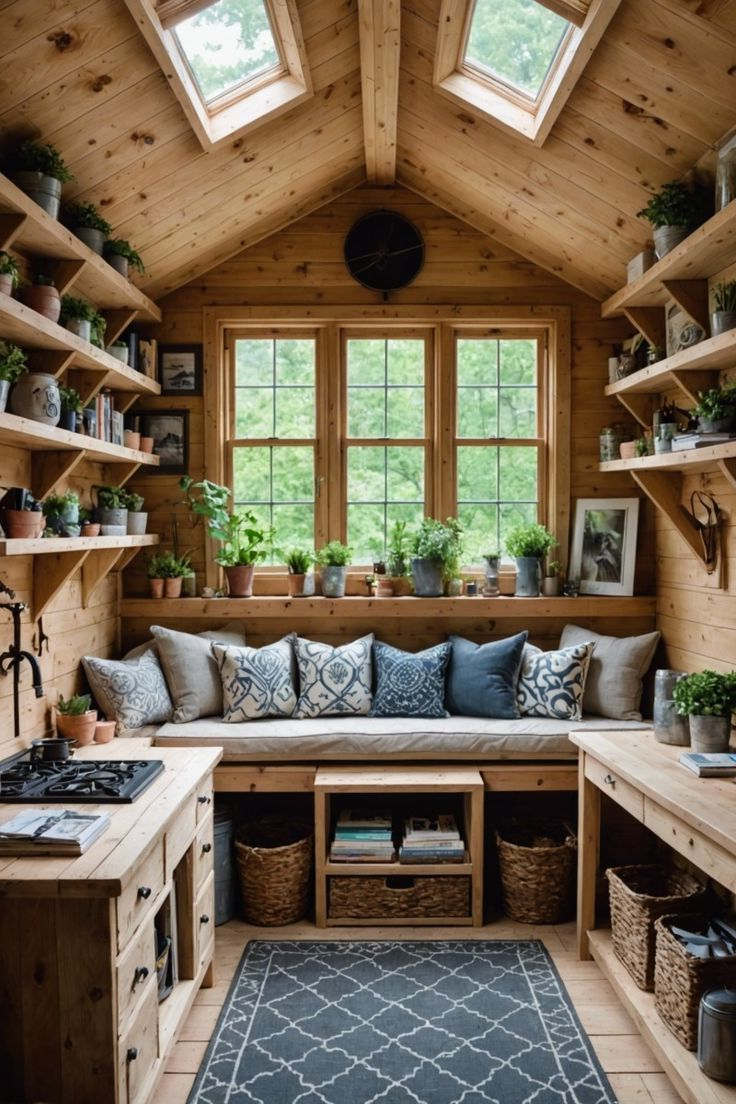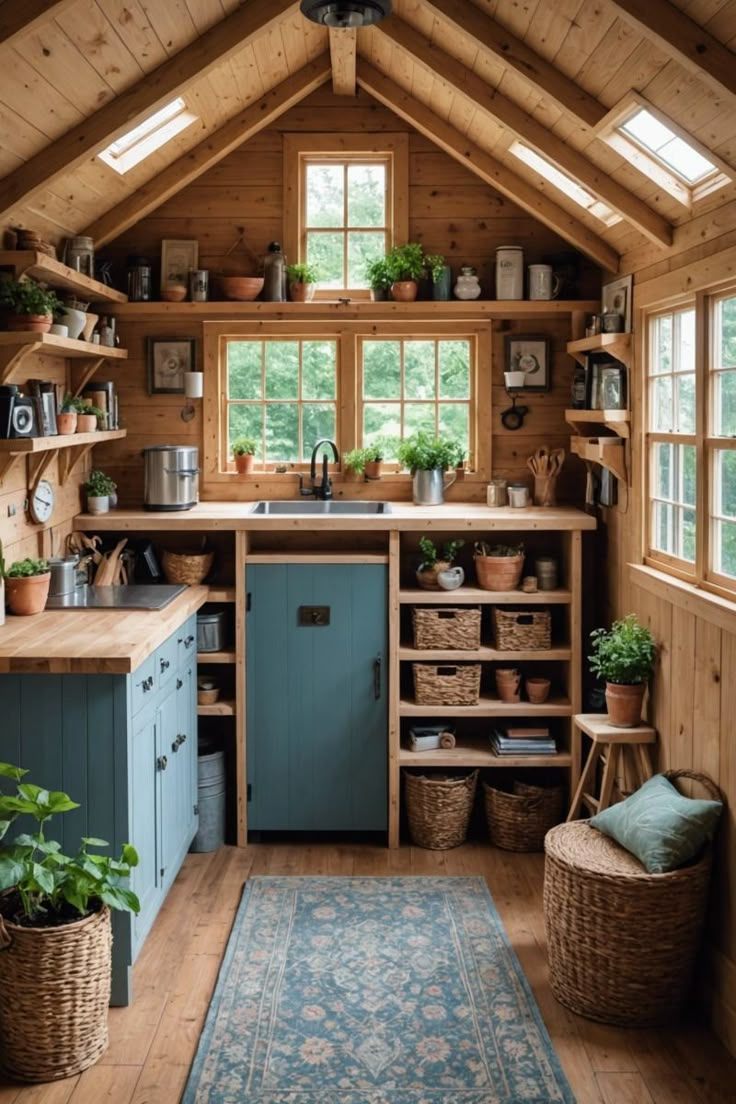
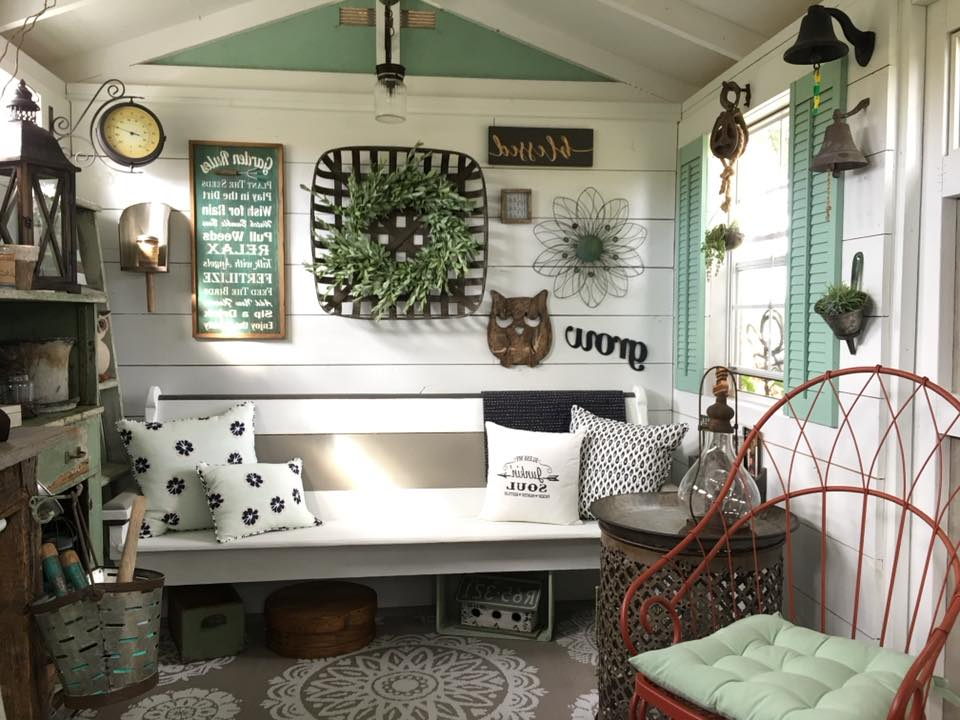
Picture this: You’re standing in your shed, ready to grab that gardening tool you know is somewhere back there. But instead of finding it quickly, you’re digging through boxes, sifting through clutter, and wondering why you ever thought organizing was a good idea. Sound familiar? We’ve all been there. The truth is, a well-organized shed isn’t just about aesthetics – it’s about saving time, reducing stress, and keeping your tools and supplies easily accessible when you need them most.
Let’s face it – most of us have a shed, and let’s also admit that it probably looks like a disaster zone. We all have that one spot where we throw things without thinking twice. But what if I told you that transforming your shed from chaos to calm is actually pretty simple? It’s not about buying expensive organizers or spending hours on renovations. It’s about understanding how to work with your space, your habits, and your needs. This guide will walk you through everything you need to know to keep your shed looking great and feeling functional no matter what season it is outside.
Understanding Your Shed’s Unique Challenges
Every shed presents its own set of problems. Some are too small, others too big. Some get flooded during storms, while others suffer from extreme heat or cold. The first step toward organization is acknowledging these realities. Your shed might be damp, dusty, or even buggy. These conditions affect how you store things and what materials you choose. For instance, if moisture is a problem, you’ll want to avoid storing paper items directly on the floor. If insects are an issue, sealed containers become essential. Think about how often you use different areas of your shed. Is your workbench the busiest spot? Do you store seasonal items in the corner? Understanding these patterns helps you plan your layout better. What matters most to you? Quick access to tools? Storage for hobbies? Protection for valuable items? Answering these questions gives you a clear direction for organization.
The Foundation of Good Shed Organization
Before diving into fancy storage solutions, establish some basic principles. Start with a thorough decluttering session. Go through everything and ask yourself: do I really need this? Has it served me in the last year? Would I buy it again if I needed it now? This process might seem harsh, but it’s necessary. Many of us hold onto items out of habit rather than actual need. Once you’ve cleared out the unnecessary stuff, focus on categorizing what remains. Group similar items together. Tools go with tools, gardening supplies with gardening supplies, and so forth. Create zones within your shed based on function.
Have a dedicated area for winter gear, another for summer equipment, and maybe a third for seasonal projects. This system makes finding things much easier and keeps everything from getting mixed up. Consider the flow of traffic through your shed. Where do you naturally move? Position frequently used items in easy-to-reach spots. Store heavy or rarely used items higher up or lower down. The goal is to make your shed feel intuitive and comfortable to navigate.
Smart Storage Solutions That Actually Work
Not all storage systems are created equal. Some are beautiful but impractical, while others are functional but boring. Finding the right balance means considering both form and function. Wall-mounted shelves are excellent for maximizing vertical space and keeping frequently accessed items visible. They’re especially helpful in smaller sheds where floor space is limited. Consider using pegboards or wall racks for tools – this way, you can see everything at a glance and hang things back in their proper places.
For larger items, overhead storage can be a game-changer. Install sturdy beams or rails that allow you to hang bikes, ladders, and other bulky items off the floor. This frees up valuable working space. Drawer organizers are fantastic for small parts and accessories. They keep screws, nails, and bolts sorted and prevent them from getting lost in the general mess. Label everything clearly. Even if you think you’ll remember what’s where, labels save time and frustration later. Think about how you use each item. Do you need quick access to everything, or can you store some things in harder-to-reach places? Planning your storage strategy around usage frequency helps optimize your space effectively.
Seasonal Storage Strategies
One of the biggest challenges with shed organization is managing seasonal changes. What do you do with your lawn mower in winter? How do you handle holiday decorations that take up space all year round? The key is preparation. Before each season begins, take inventory of what you’ll need. Plan ahead for seasonal items by setting aside specific storage areas. If you have a garden tool shed, consider having a designated spot for spring equipment, summer supplies, fall cleanup items, and winter maintenance tools. Rotating seasonal items means you can keep your shed focused on current needs. Use clear containers for seasonal storage. This makes it easy to see what’s inside without opening everything up. Stackable bins work great for this purpose.
They’re compact when empty and provide plenty of room when full. Don’t forget about seasonal cleaning. Before putting away items, give them a good cleaning. This prevents mold, mildew, and pest issues during storage. Think about what happens to your items during storage. Will they be exposed to temperature extremes? Will they be stored in damp conditions? Adjust your storage methods accordingly. For example, if you’re storing items in a cold environment, consider using plastic containers with tight-fitting lids to protect against moisture and freezing.
Maintaining Order Through Regular Habits
Organization isn’t a one-time event – it’s a daily practice. Set up routines that help maintain order. After using tools or equipment, put them back exactly where they belong. This might seem like a small thing, but it makes a huge difference over time. Create a simple system for returning items to their designated spots. Maybe it’s always the same shelf, or the same hook. Consistency breeds habit. Schedule regular maintenance sessions. Set aside time monthly to check on your storage system and make adjustments. This could mean reorganizing items, checking for damage, or clearing out old items that have outlived their usefulness.
Keep a simple log of what you have and when you last used it. This helps you make informed decisions about storage and replacement. If something hasn’t been used in six months, perhaps it’s time to reconsider its place in your shed. Establish a ‘one in, one out’ policy. When you bring something new into the shed, remove something else. This prevents accumulation of unnecessary items. Don’t wait until everything becomes a mess before taking action. Small improvements add up to big results over time. The key is to make organization part of your normal routine, not something you do when you have time.
Making It Last: Long-Term Maintenance Tips
The real test of any organization system is how well it holds up over time. What happens when you’ve had the same setup for months or years? It’s important to plan for longevity. Check your storage systems regularly. Look for signs of wear, damage, or deterioration. Fix problems early before they become bigger issues. Repaint or refinish surfaces that show signs of weather damage. This helps maintain both appearance and functionality. Update your system as your needs change. You might find that you use certain items more than expected, or that some categories have grown beyond what you originally planned. Be willing to adjust your approach. Sometimes this means adding more storage, sometimes it means consolidating. Keep spare parts handy for repairs. A broken shelf bracket or damaged door handle can be fixed quickly with the right supplies.
This prevents small problems from becoming major headaches. Invest in quality materials where it matters most. Choose durable containers, strong shelves, and weather-resistant storage solutions. While they might cost more upfront, they’ll save you money and hassle in the long run. Remember that organization is ultimately about convenience and peace of mind. When you can quickly locate what you need, when you need it, that’s success. Your shed should feel welcoming and functional, not like a maze of forgotten items.
Transforming your shed from chaotic to controlled doesn’t happen overnight, but with consistent effort and smart planning, it’s absolutely achievable. The key lies in understanding your unique space and needs, then building a system that works with your lifestyle rather than against it. Whether you’re dealing with seasonal shifts, limited space, or simply the natural tendency to accumulate things, these principles offer a path forward. The benefits extend far beyond a tidy appearance. A well-organized shed saves you time, reduces stress, and creates a more enjoyable space for whatever projects you’re working on.
Most importantly, it reflects a commitment to taking care of your property and making life easier. So start small, stay consistent, and watch as your shed becomes a source of pride rather than frustration. The journey toward organization might seem daunting at first, but every small step counts. Your future self will thank you for the investment in better storage and easier access to everything you need.