We’ve all been there – standing in our kitchen staring at cabinets that seem to close in on us, or wondering how we can fit everything we need in such a small space. What if we told you there are smart design solutions that can transform your kitchen without breaking the bank? It’s not just about painting walls or buying new appliances. The magic happens when you think beyond the obvious and embrace clever storage, strategic layout choices, and smart visual tricks.
Kitchen spaces can be tricky. They’re often the heart of the home, yet they frequently feel cramped and chaotic. Whether you have a tiny studio kitchen or a traditional layout that’s starting to feel too tight, the desire to maximize space is universal. The good news? You don’t need a complete renovation to make a significant difference. Smart design solutions focus on optimizing every inch of your kitchen, creating more room for both function and flow. These approaches work whether you’re dealing with a corner space that feels like a tunnel or a wide kitchen that still manages to feel cluttered.
Maximizing Vertical Space
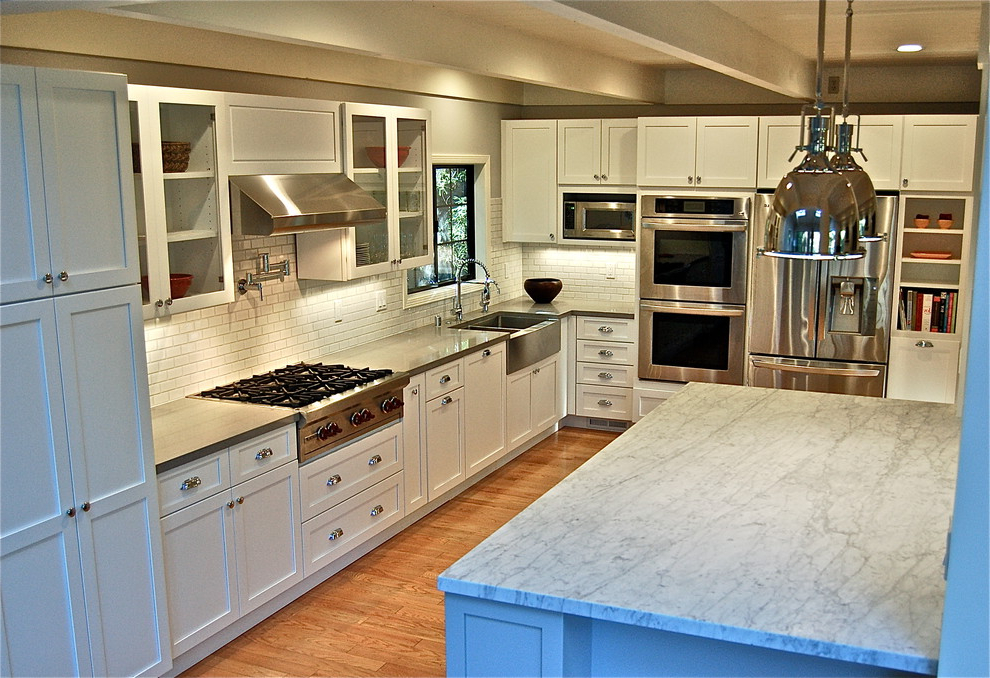
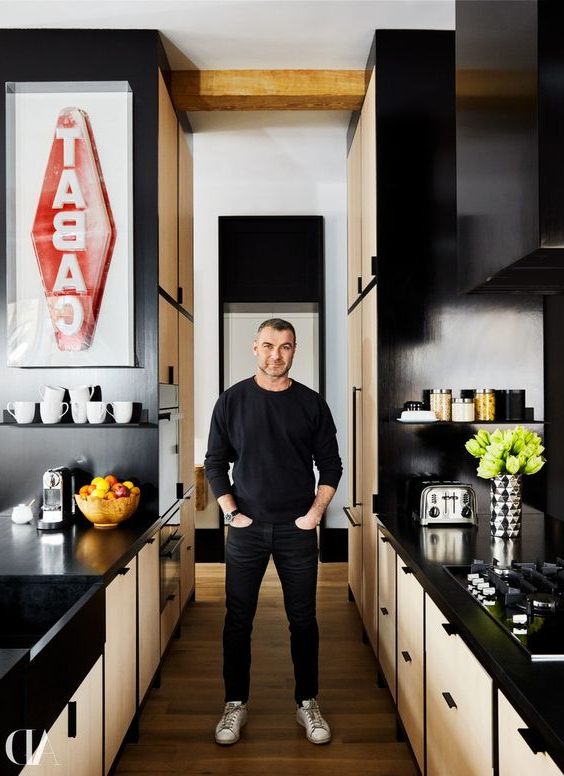
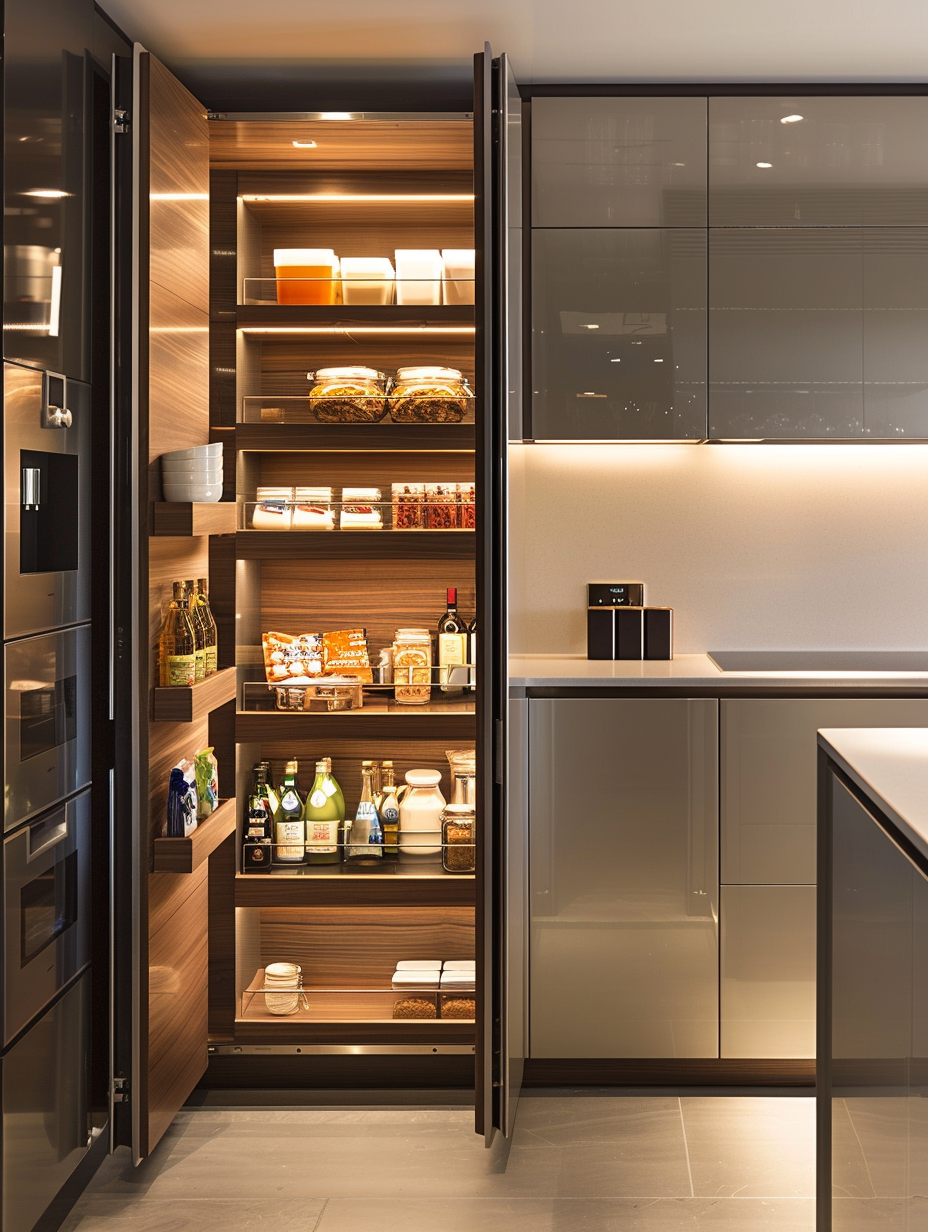
One of the most overlooked opportunities in kitchen design is vertical space. We tend to think horizontally when planning, but going up can be incredibly effective. Consider installing tall cabinet systems that reach the ceiling. This simple change can add substantial storage while keeping your countertops clear. Built-in shelving above sinks and stovetops is another game-changer. It’s amazing how much extra storage you can gain just by utilizing the space you’re already overlooking. Think about using open shelving for items you use daily – it creates a sense of airiness and shows off beautiful dishes or cookbooks. For those who want to go even further, consider installing wall-mounted racks or pegboards for utensils and tools. These solutions draw the eye upward, creating a feeling of height that instantly makes the space feel larger. Many homeowners find that adding a few floating shelves can be just as effective as full-height cabinets. They offer flexibility and don’t block light the way solid cabinetry might.
Smart Storage Solutions
Storage isn’t just about having enough room – it’s about organizing efficiently. This means thinking about what you actually use and where. Pull-out drawers and lazy Susans can make even the smallest cabinets feel spacious because you can see and access everything easily. Consider installing multi-functional furniture pieces, like a counter that doubles as storage or a breakfast bar that serves as additional workspace. Under-sink storage solutions are fantastic for keeping cleaning supplies and rarely-used items out of sight but within reach. Some people swear by the space under their counters – it’s often forgotten but can hold quite a lot. A pantry system in your kitchen can dramatically reduce clutter on your main shelves. The key is to group similar items together and use clear containers or labels. You’ll be amazed at how much space you free up just by having a system. Don’t forget about the back of cabinet doors – they’re perfect for storing spices, small appliances, or frequently used items. Sometimes the best solution is simply reorganizing what you already have rather than buying more storage.
Lighting and Visual Tricks
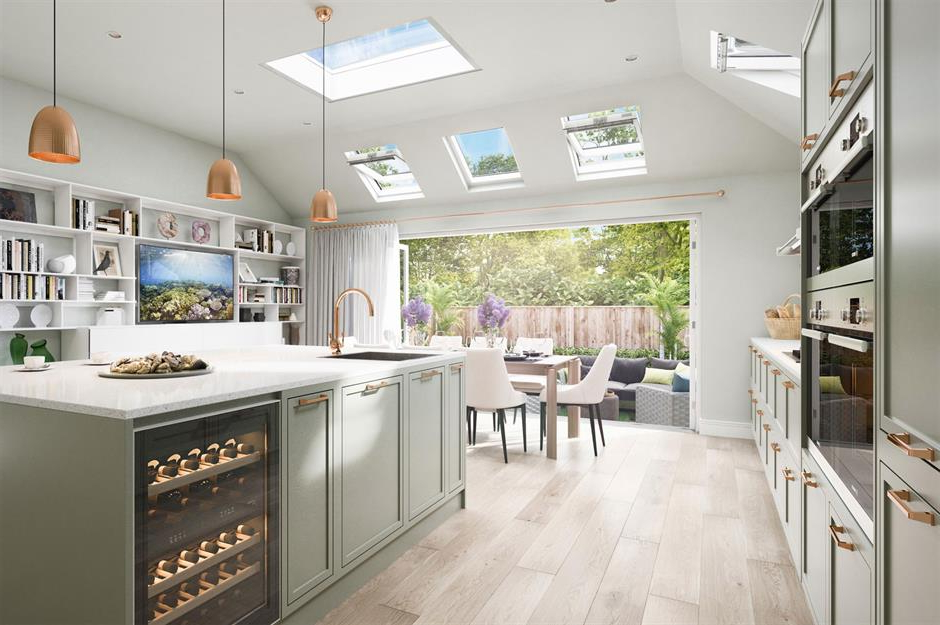
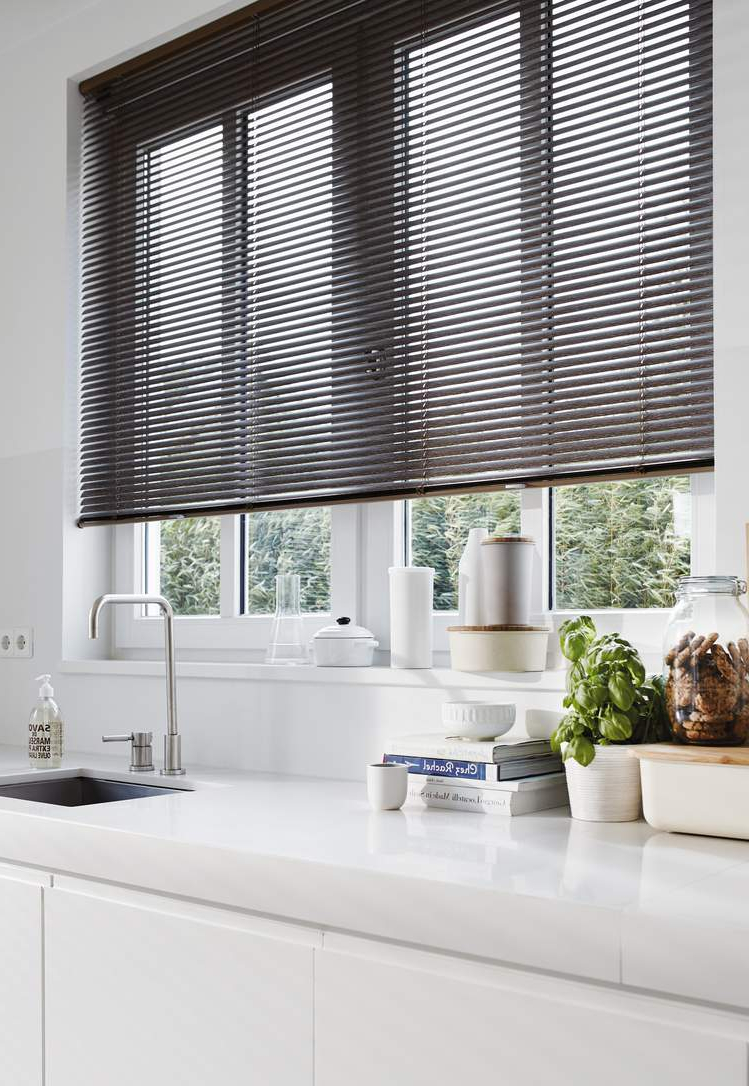
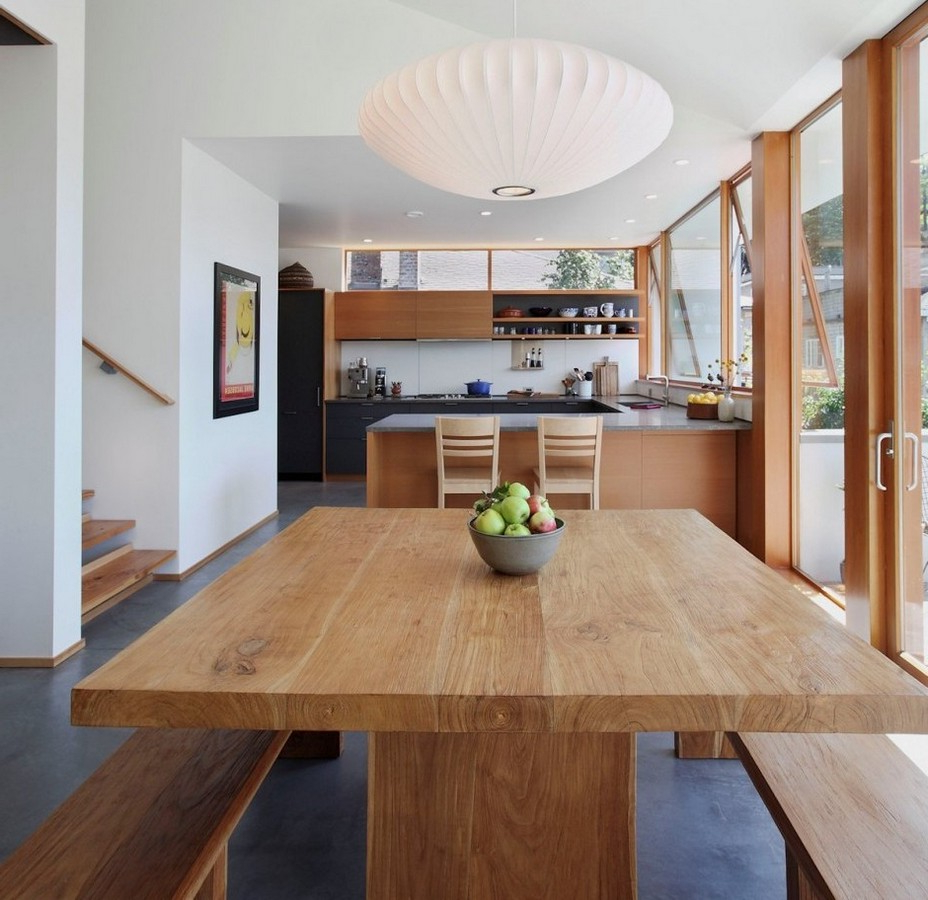
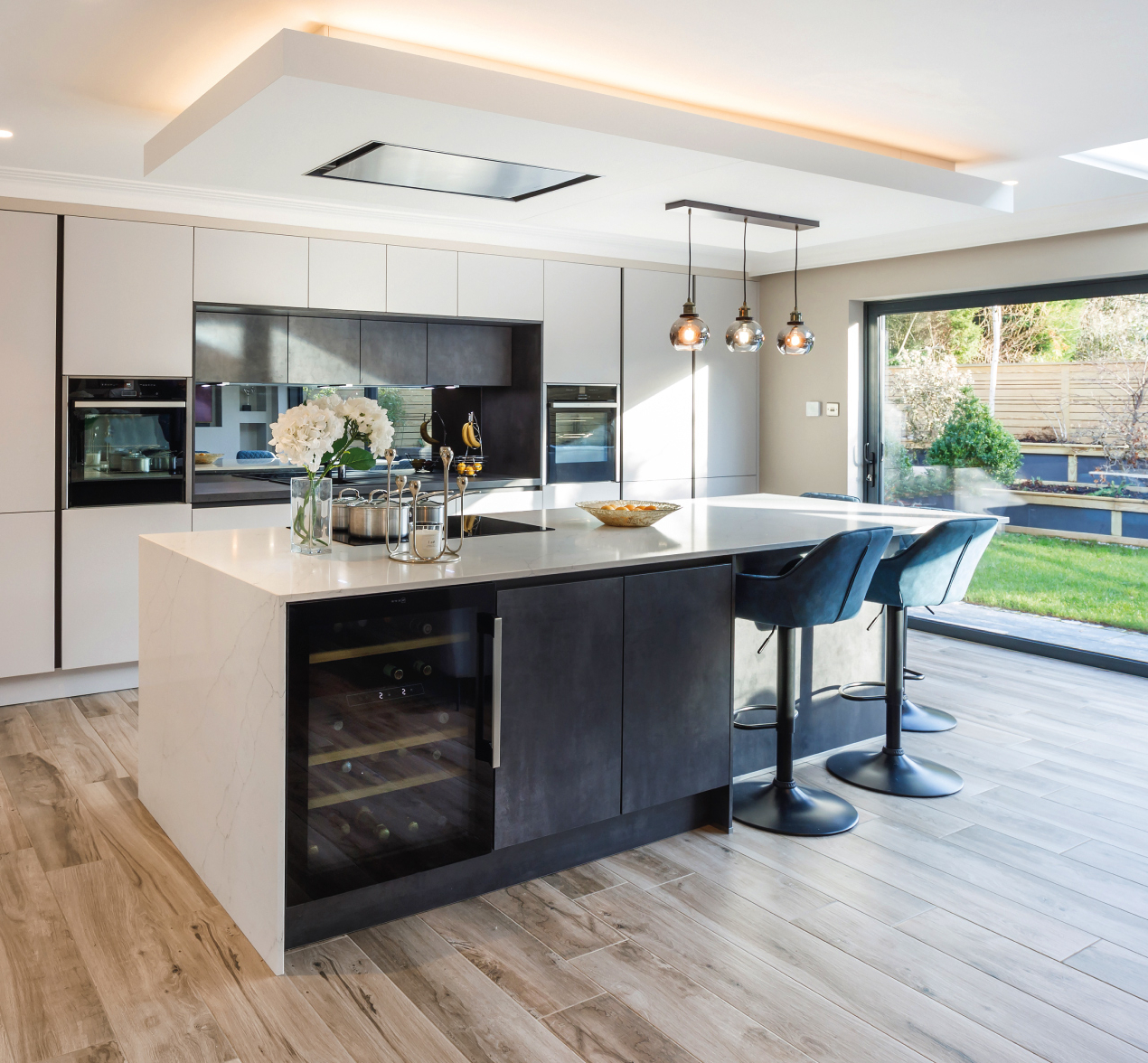
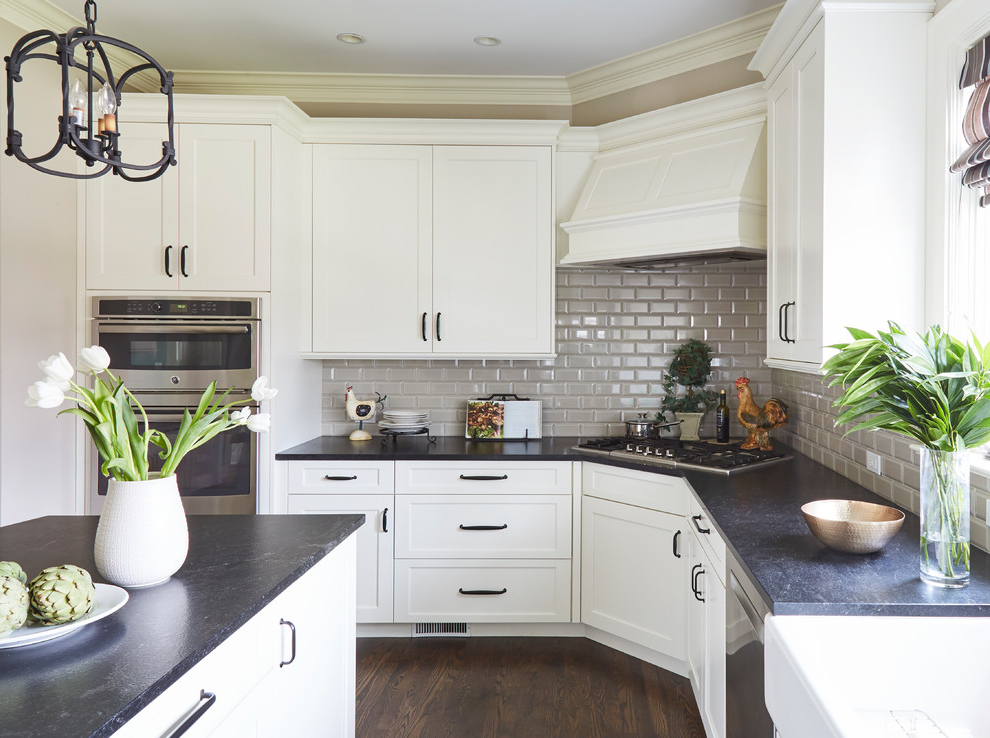
The way light moves through your kitchen affects how large or small it feels. Natural light is always preferred, but you can enhance what you have with thoughtful lighting choices. Bright, clean lighting makes everything appear larger and more open. Consider installing multiple light sources – task lighting for work areas, ambient lighting for general illumination, and accent lighting to highlight architectural features. Mirrors are powerful tools for making spaces feel bigger. A large mirror can reflect light and create the illusion of depth. Even smaller mirrors strategically placed can help. Another trick is to use consistent colors throughout your kitchen. Lighter colors reflect light better than darker ones, making walls and ceilings appear farther away. If you’re not ready to paint, try incorporating light-colored accessories like towels, dishware, or a light-colored backsplash. The contrast between light and dark elements can also be used strategically. For instance, a dark island against light cabinetry can create visual interest while maintaining openness. Sometimes less is more when it comes to decor – fewer items on display can make a big difference in perceived space.
Multi-Functional Design Elements
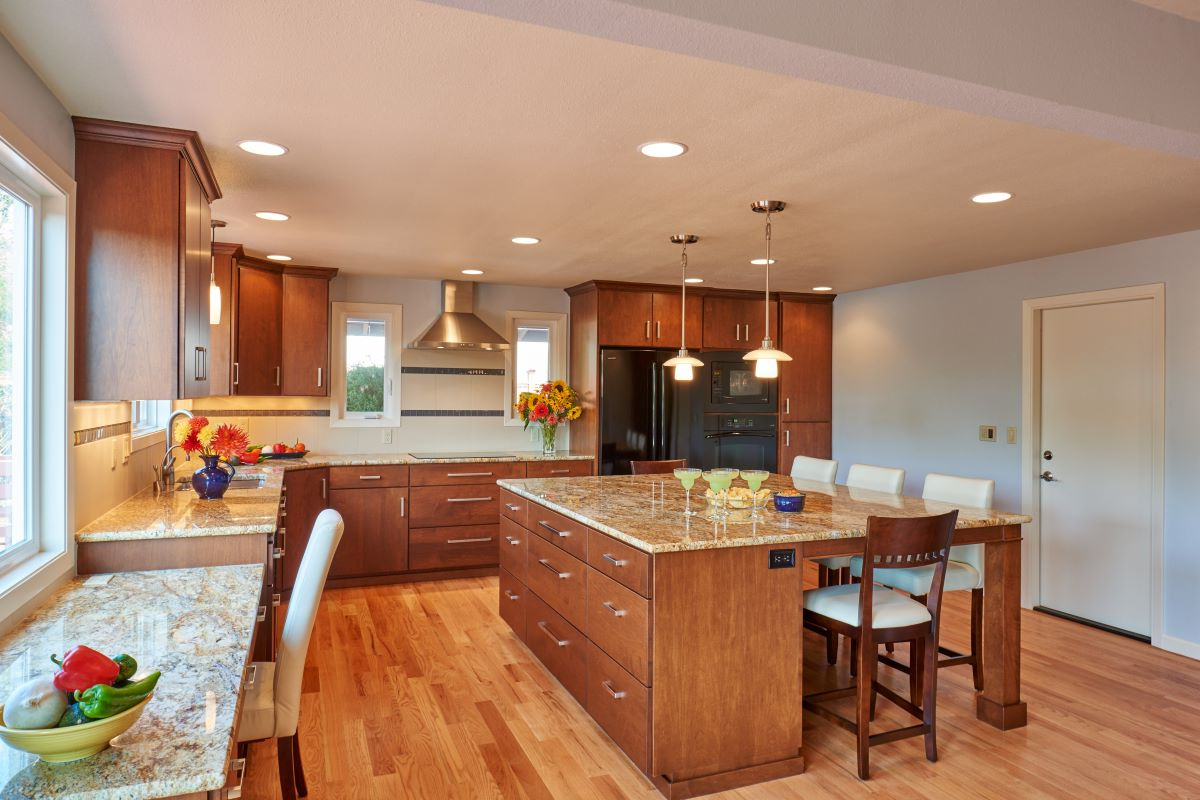
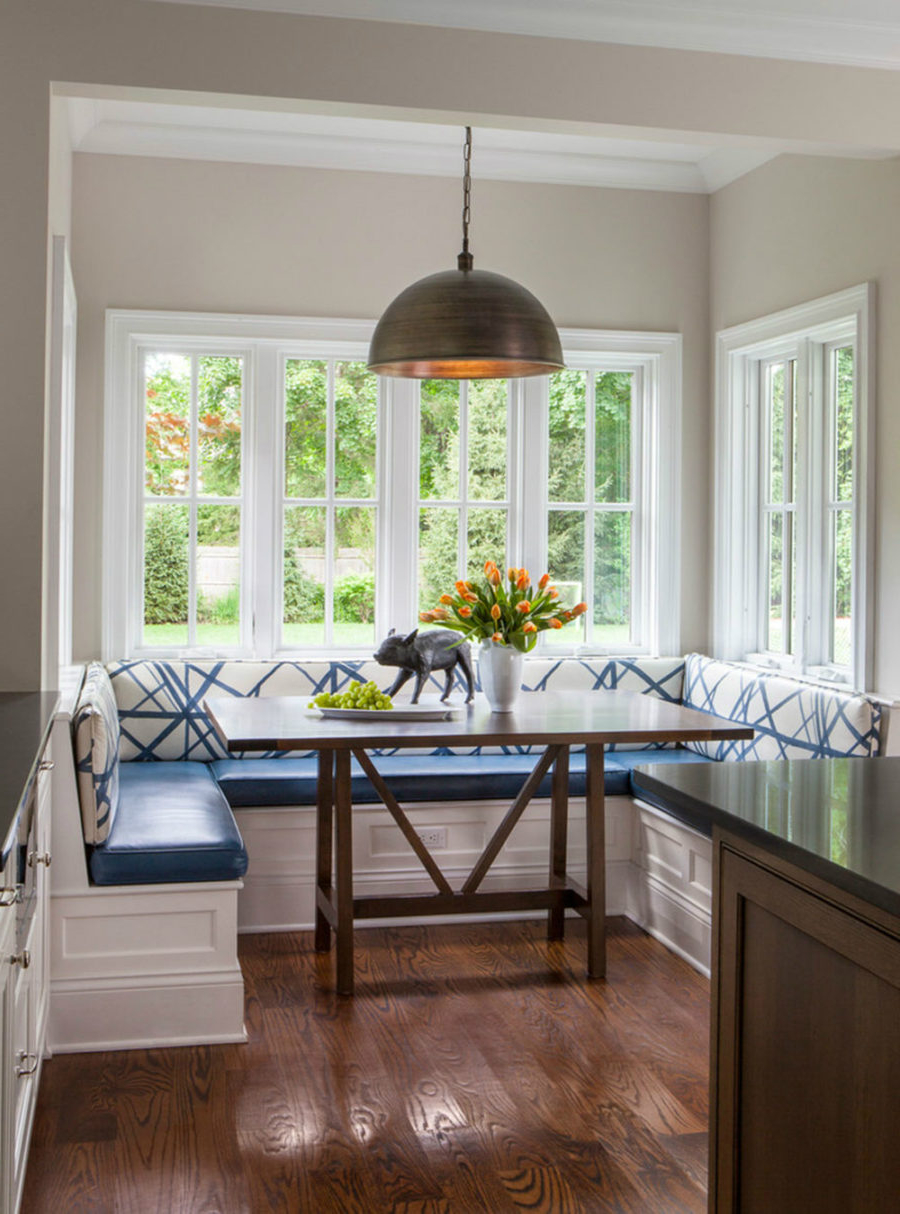
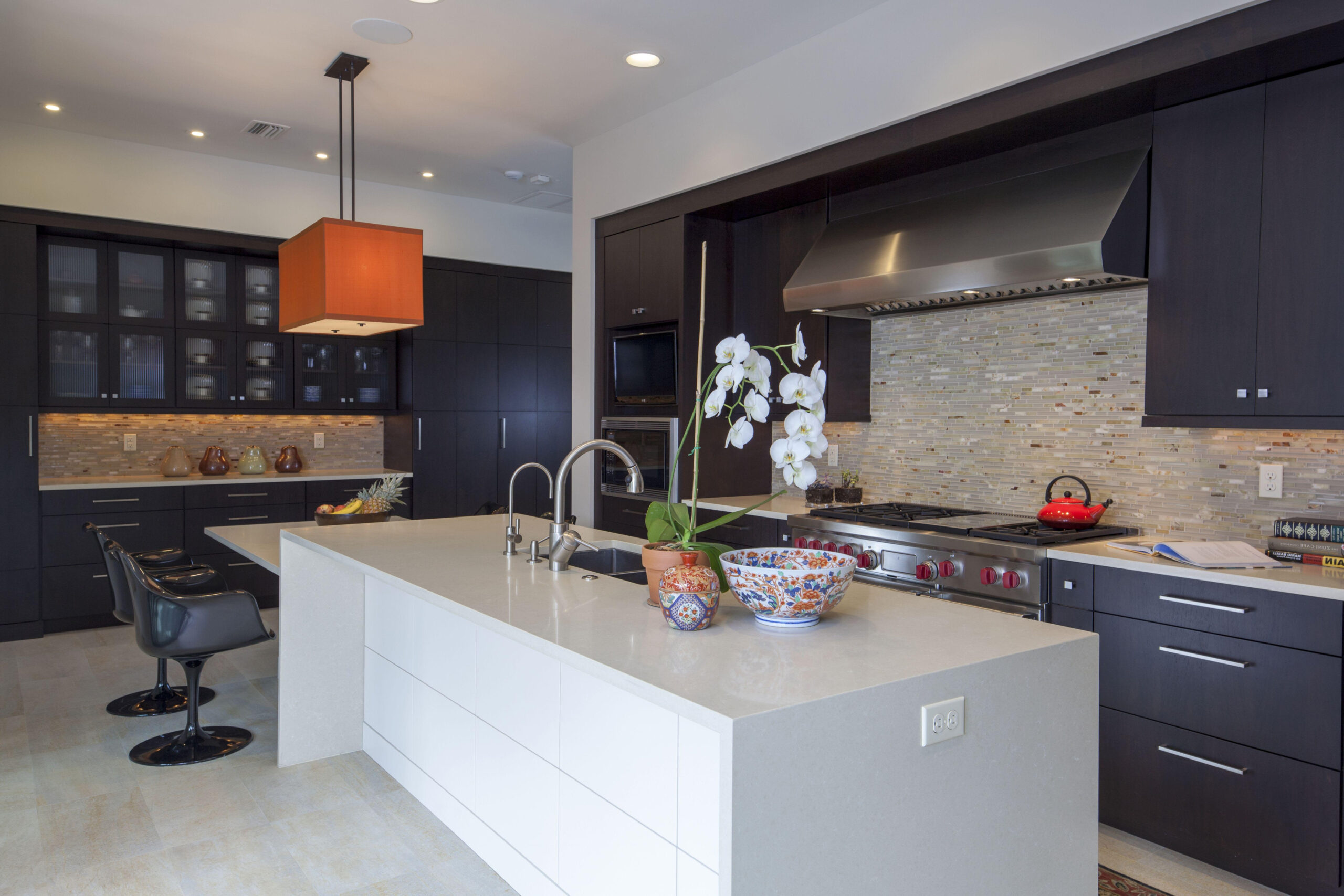
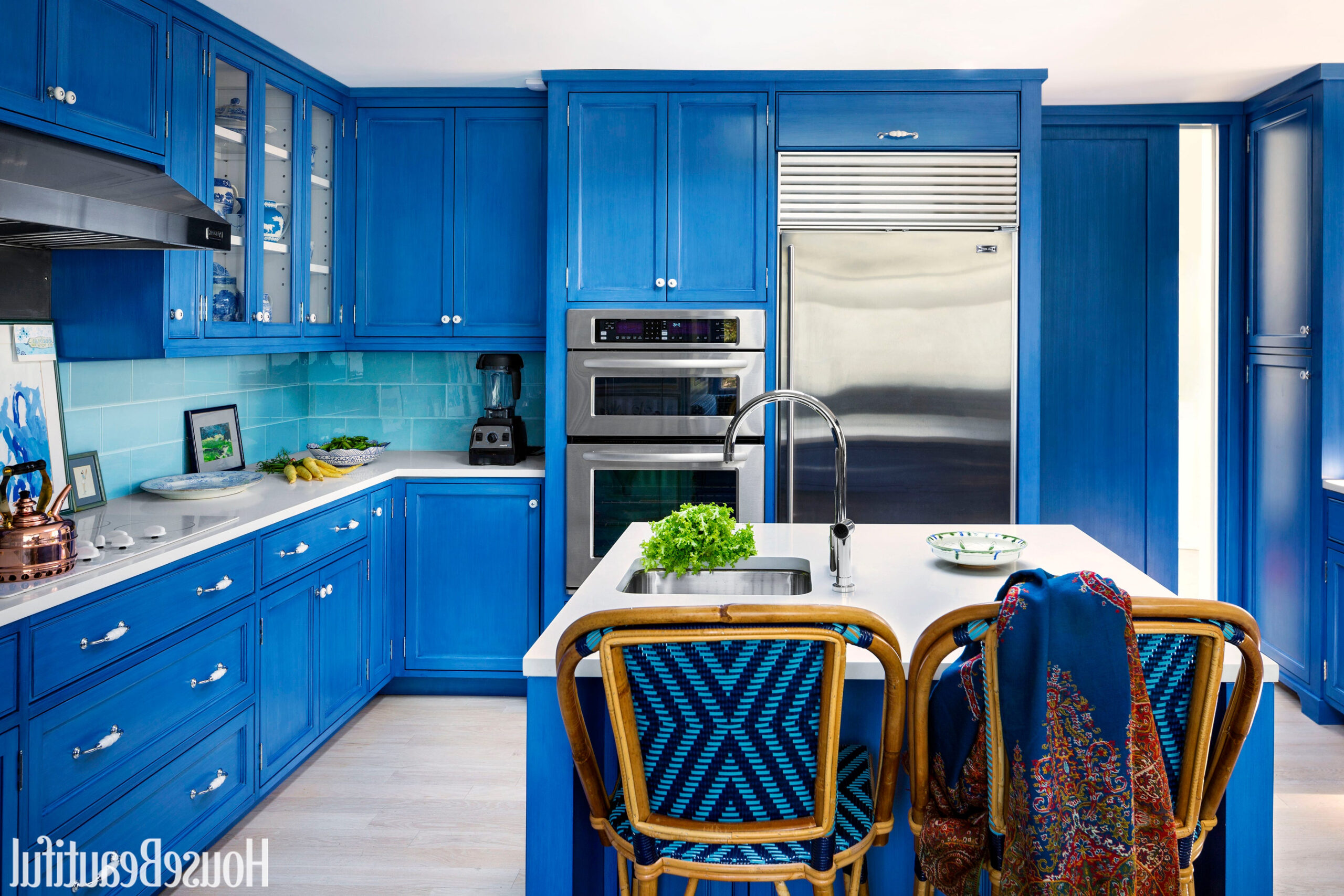
This is where creativity really shines in kitchen design. Multi-purpose furniture and fixtures can do double duty, saving valuable floor space. An island that serves as prep space, dining area, and storage is a popular choice among homeowners. You can even build in seating directly into the island design. Countertop surfaces that double as storage – think of a granite top that houses hidden drawers underneath. These solutions require careful planning, but they’re worth considering if you’re looking to optimize every square foot. Consider how you use your kitchen throughout the day. If you often entertain, maybe a kitchen island with seating could solve multiple problems. Sometimes a simple addition like a breakfast nook tucked into a corner can provide extra functionality. You might also think about flexible furniture – something that can move or be reconfigured as needs change. This might mean adjustable shelving or modular components that allow you to customize your space over time. The goal is to create solutions that adapt to your lifestyle rather than forcing your lifestyle to adapt to fixed spaces.
Strategic Layout Choices
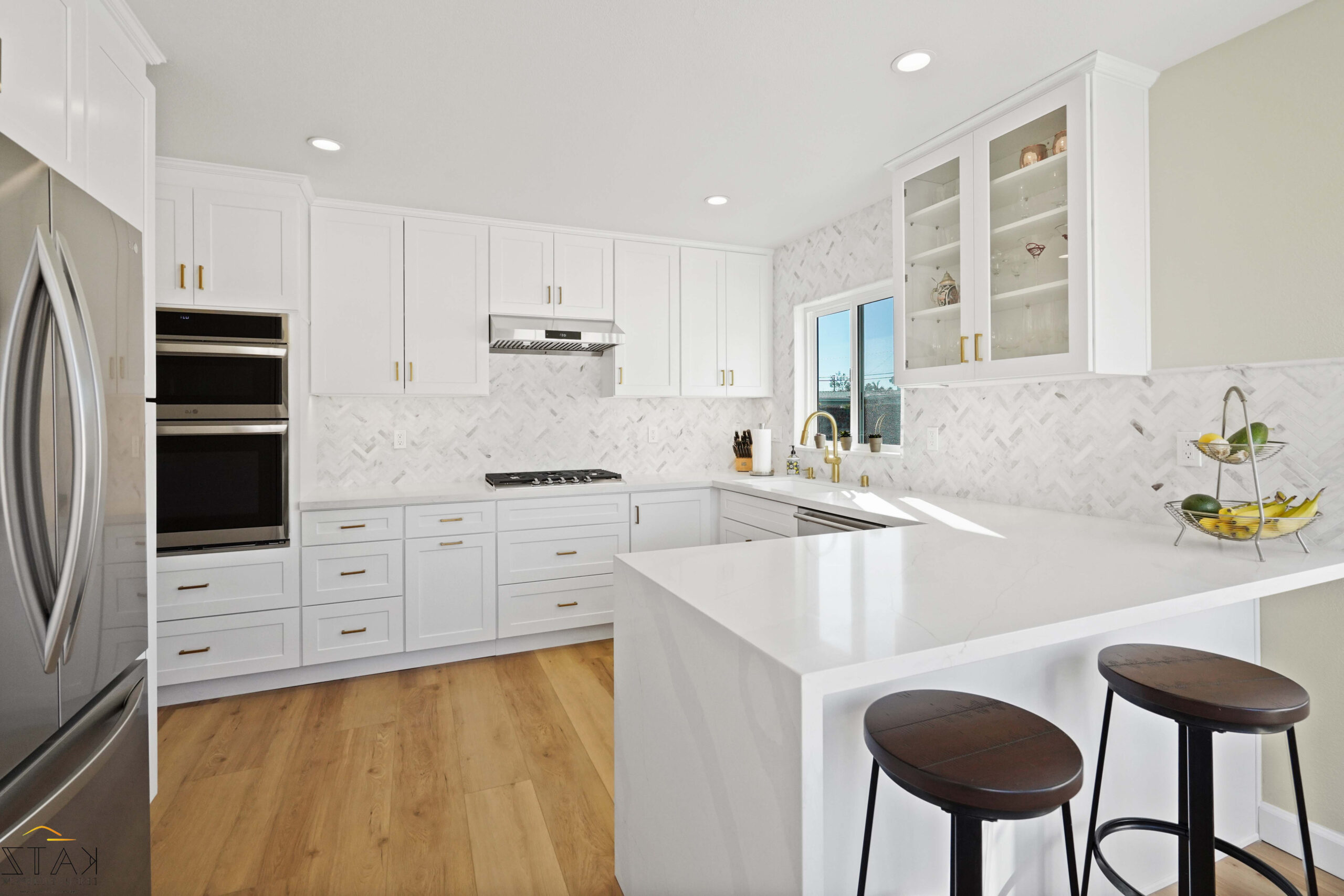
The arrangement of your kitchen can either make it feel spacious or claustrophobic. The classic ‘work triangle’ – sink, stove, and refrigerator – is important, but it’s not the only consideration. You want to ensure there’s enough room to move around comfortably. Sometimes reducing the number of items in the center of your kitchen can help. Instead of a large island, consider a smaller one that serves as a focal point without blocking movement. Open floor plans naturally make kitchens feel larger, but even a closed kitchen can benefit from strategic openings. Think about removing unnecessary barriers – perhaps a partial wall or a doorway that’s not essential. The flow of traffic matters too. Make sure pathways are wide enough for two people to pass each other comfortably. Sometimes moving a single appliance or cabinet can dramatically change the feel of the entire room. The key is to plan your movements before making changes. Walk through your kitchen and note where you feel cramped or where things get in the way. That’s where improvements often lie. Consider how you actually use your kitchen versus how it was originally designed.
Minimalist Approach to Kitchen Design
Sometimes the best way to create more space is to remove things. This doesn’t mean stripping your kitchen bare – it means being intentional about what stays. A minimalist approach focuses on quality over quantity. Choose fewer, well-designed pieces that serve multiple purposes. This might mean investing in a few high-quality knives instead of dozens of cheap ones. It could involve selecting one statement piece rather than several smaller items. The beauty of minimalism in the kitchen is that it reduces visual clutter, which naturally makes the space feel larger. You might start by decluttering your cabinets and deciding what you truly need. This process often reveals how much space you were actually wasting on unused items. Consider the impact of having fewer visible items. When your shelves are neatly organized with purposeful items, the space feels curated rather than crowded. This approach also makes it easier to keep your kitchen clean and organized. Minimalism works best when you’re selective about what you bring into your kitchen. Ask yourself whether each item adds value to your daily life or if it’s just taking up space.
Adding more space to your kitchen doesn’t have to mean expensive renovations or major lifestyle changes. These smart design solutions show that creativity and intentionality can work wonders. By focusing on vertical storage, optimizing your organization, using light and color effectively, and making thoughtful layout decisions, you can transform your kitchen into a more spacious and functional environment. The key is to approach these changes systematically, considering how you actually use your space. Whether you’re dealing with a tiny apartment kitchen or a traditional home with limited room, these principles apply. Remember that the most important factor isn’t how much money you spend, but how thoughtfully you approach the challenge. Every small change contributes to a larger improvement. Start with one or two ideas that resonate with you and build from there. Your kitchen can become a place that feels spacious, organized, and joyful – without needing to rebuild it from scratch. The right mindset and some creative thinking can make all the difference.
[sps_html tag=”img” src=”https://roofdrivein.com/wp-content/uploads/2026/01/kitchen-expansion-in-corvallis-powell-construction-pertaining-to-smart-design-solutions-for-adding-more-space-to-your-kitchen.jpg” alt=”Kitchen Expansion In Corvallis | Powell Construction pertaining to Smart Design Solutions for Adding More Space to Your Kitchen” style=”width: 100%; height: auto;”]
[sps_html tag=”img” src=”https://roofdrivein.com/wp-content/uploads/2026/01/kitchen-expansion-remodel-modern-kitchen-san-francisco-by-with-smart-design-solutions-for-adding-more-space-to-your-kitchen.jpg” alt=”Kitchen Expansion / Remodel - Modern - Kitchen - San Francisco - By … with Smart Design Solutions for Adding More Space to Your Kitchen” style=”width: 100%; height: auto;”]
[sps_html tag=”img” src=”https://roofdrivein.com/wp-content/uploads/2026/01/refined-kitchen-expansion-transitional-kitchen-chicago-by-vine-intended-for-kitchen-expansion-ideas.jpg” alt=”Refined Kitchen Expansion - Transitional - Kitchen - Chicago - By Vine … intended for Kitchen Expansion Ideas” style=”width: 100%; height: auto;”]
[sps_html tag=”img” src=”https://roofdrivein.com/wp-content/uploads/2026/01/15-kitchen-expansion-ideas-kitchen-remodel-kitchen-design-new-kitchen-regarding-smart-design-solutions-for-adding-more-space-to-your-kitchen.jpg” alt=”15 Kitchen Expansion Ideas | Kitchen Remodel, Kitchen Design, New Kitchen regarding Smart Design Solutions for Adding More Space to Your Kitchen” style=”width: 100%; height: auto;”]
[sps_html tag=”img” src=”https://roofdrivein.com/wp-content/uploads/2026/01/beautiful-ideas-for-kitchen-extensions-loveproperty-com-regarding-kitchen-expansion-ideas.jpg” alt=”Beautiful Ideas For Kitchen Extensions | Loveproperty.com regarding Kitchen Expansion Ideas” style=”width: 100%; height: auto;”]