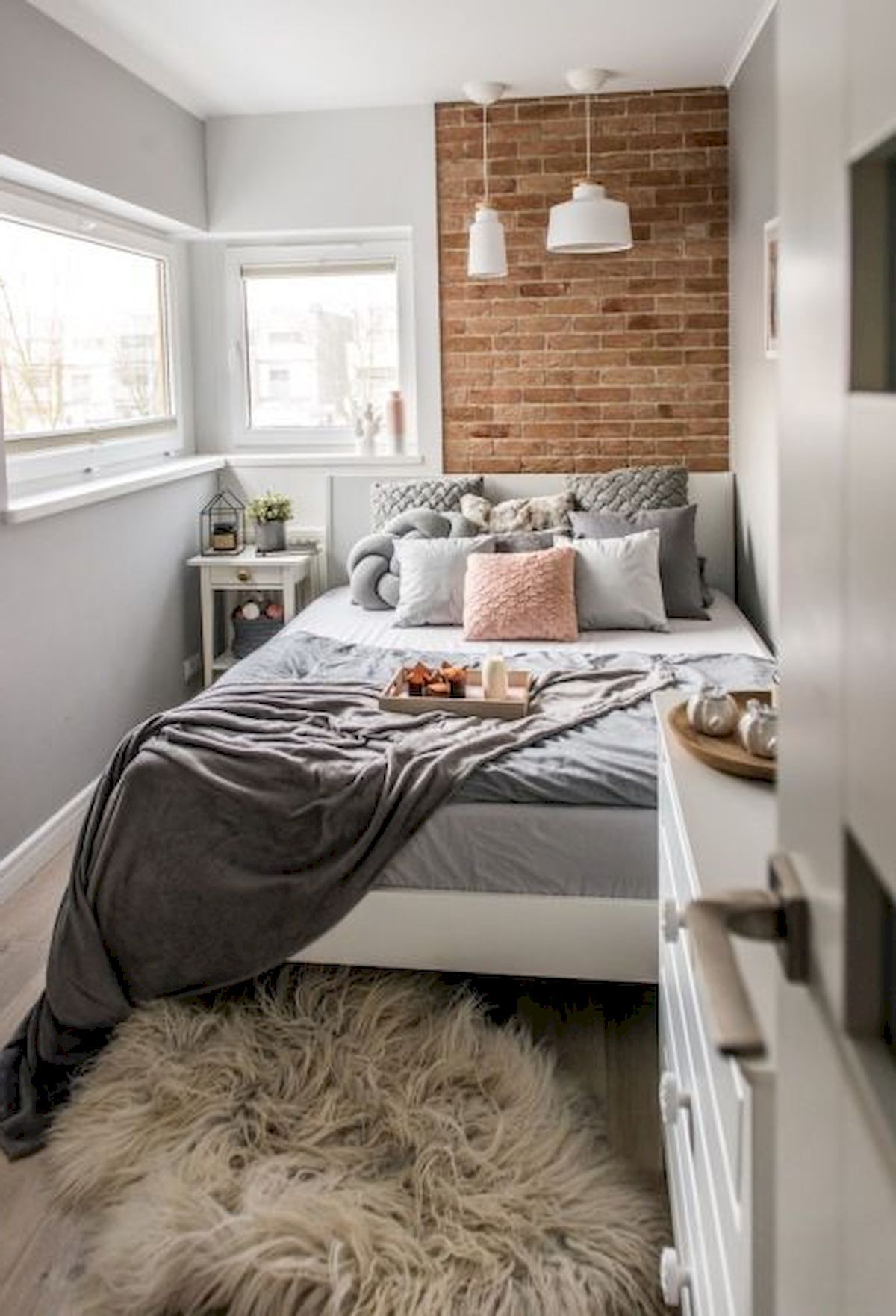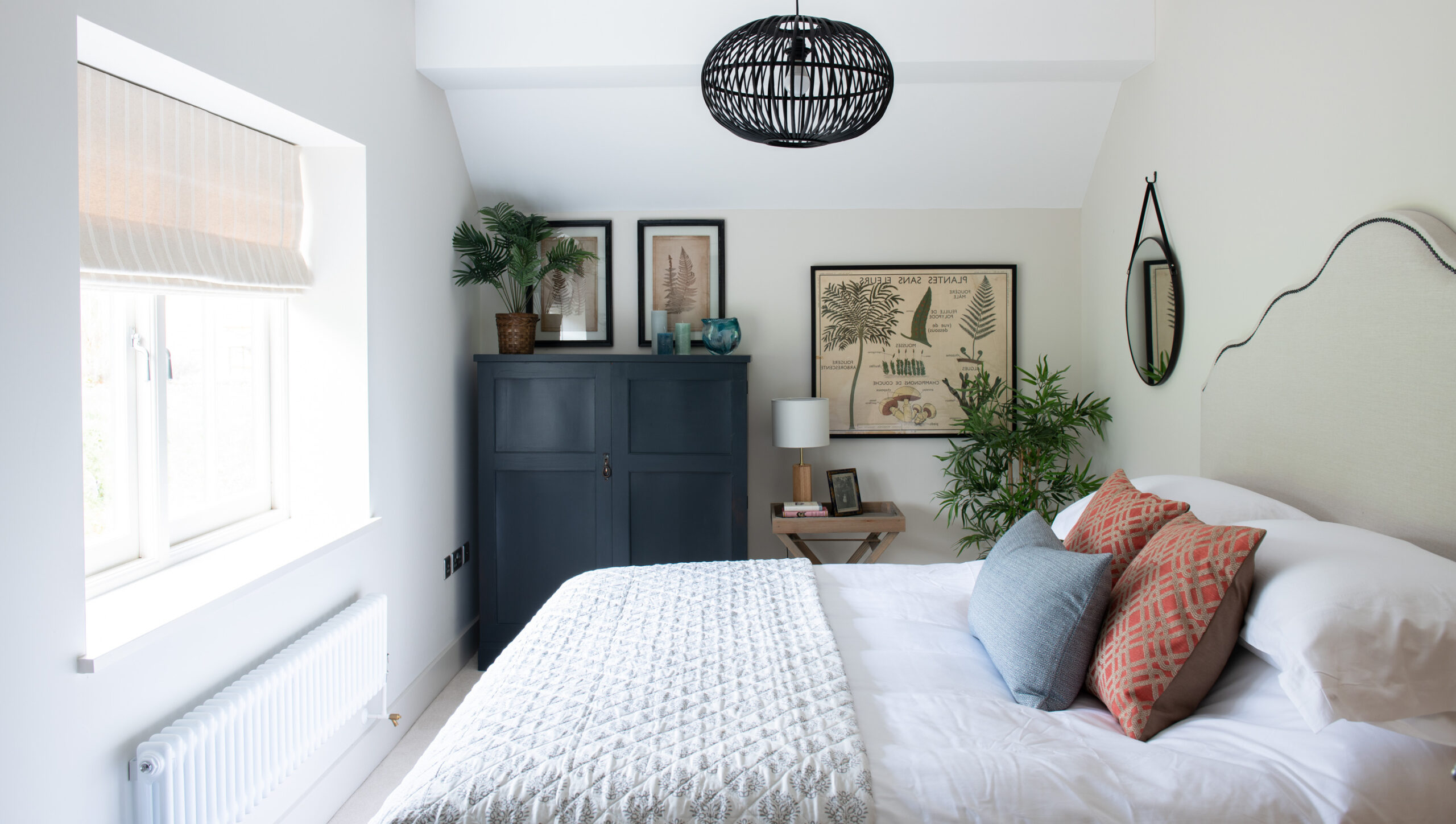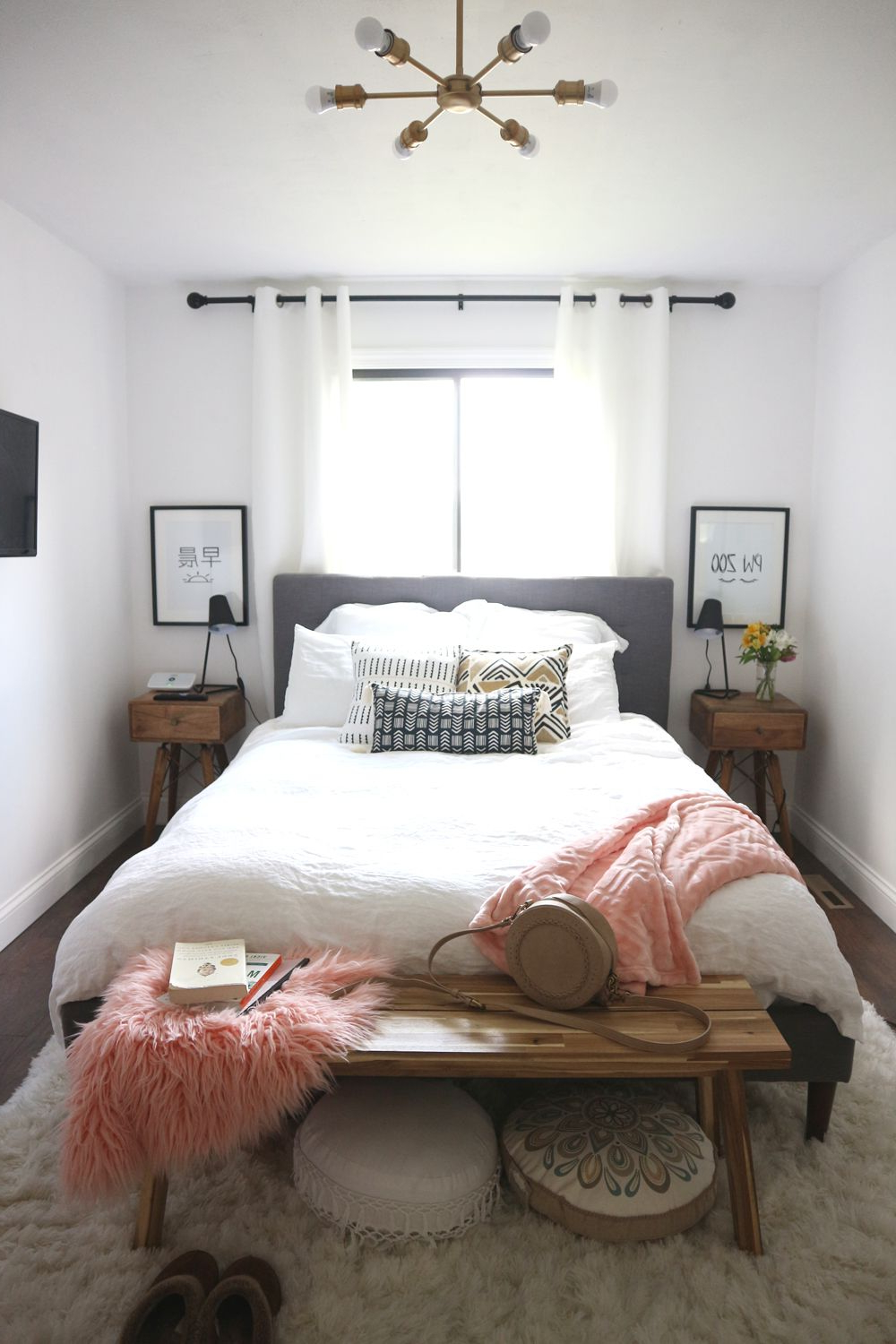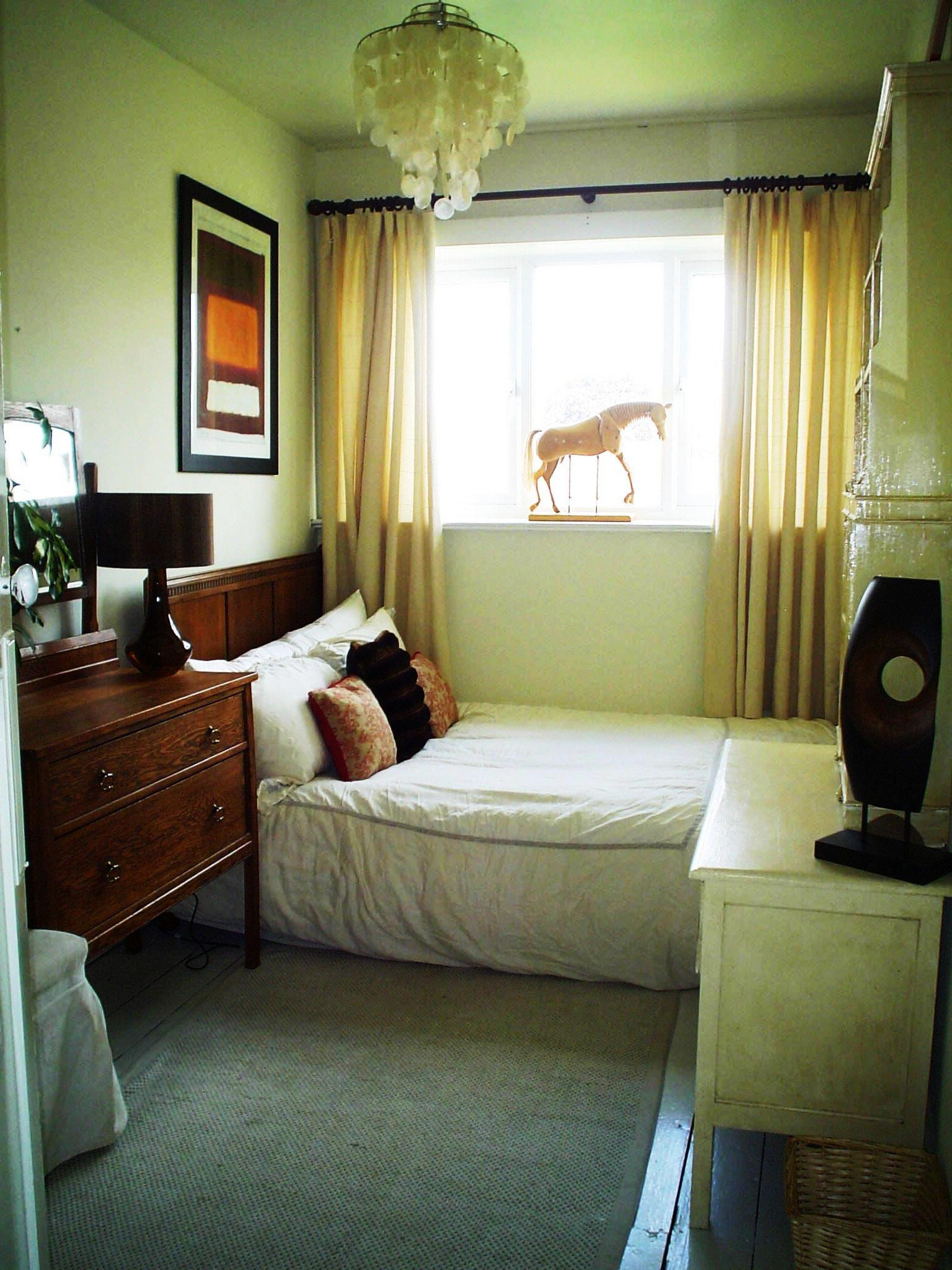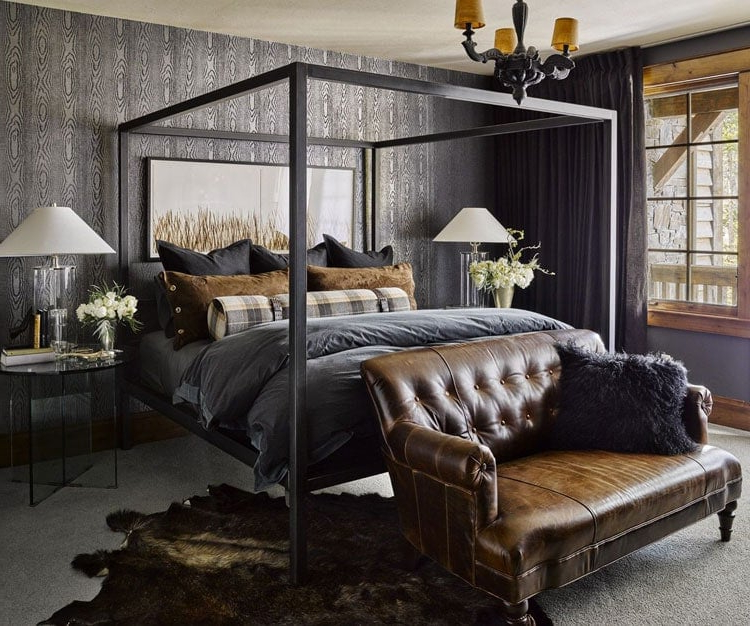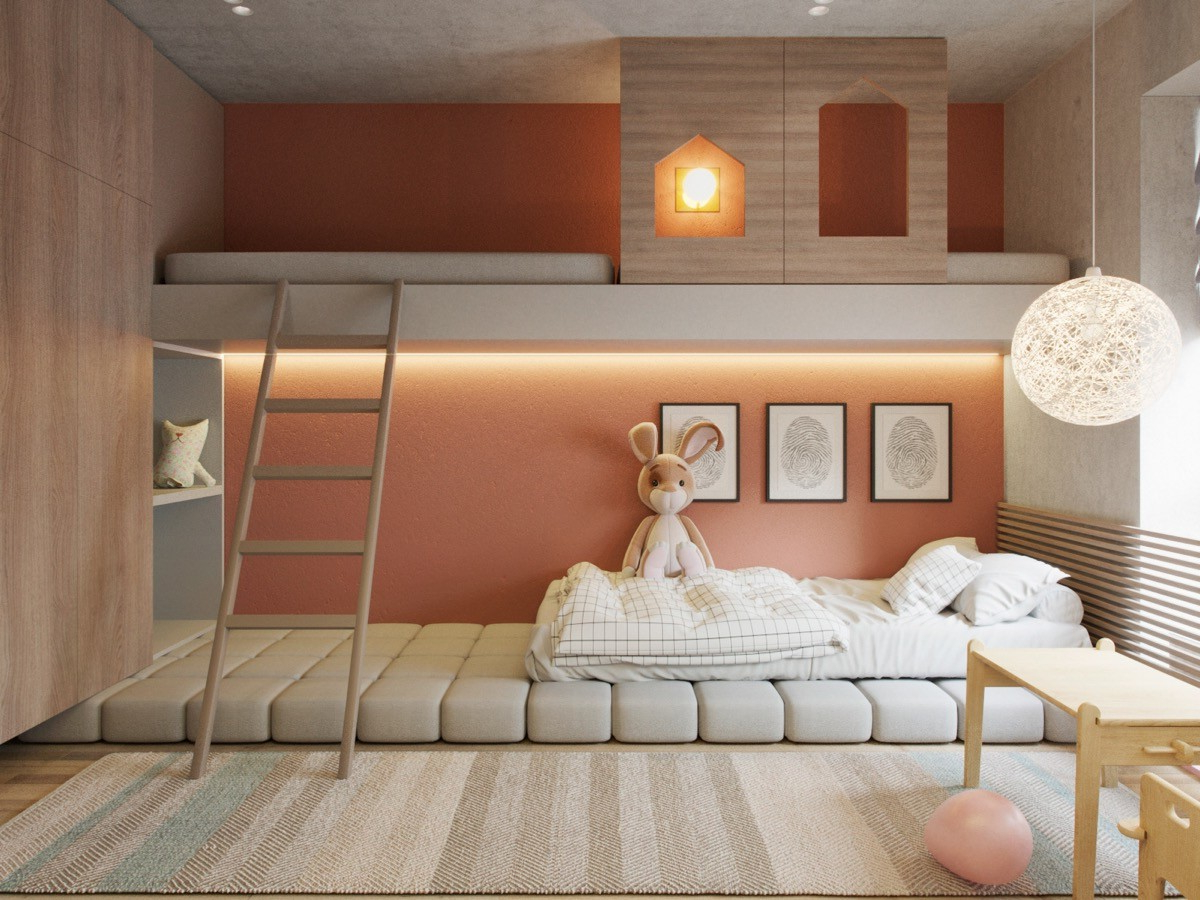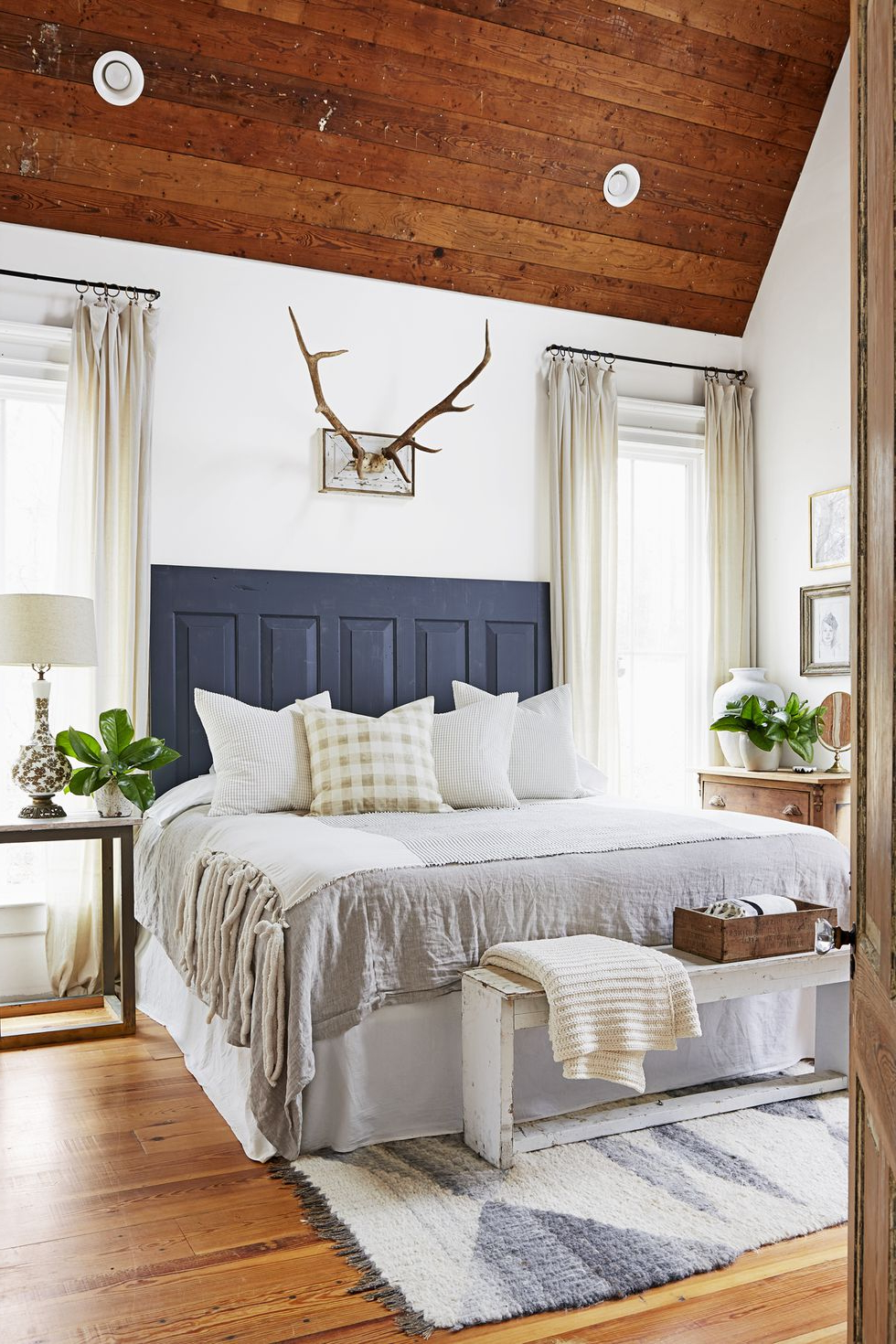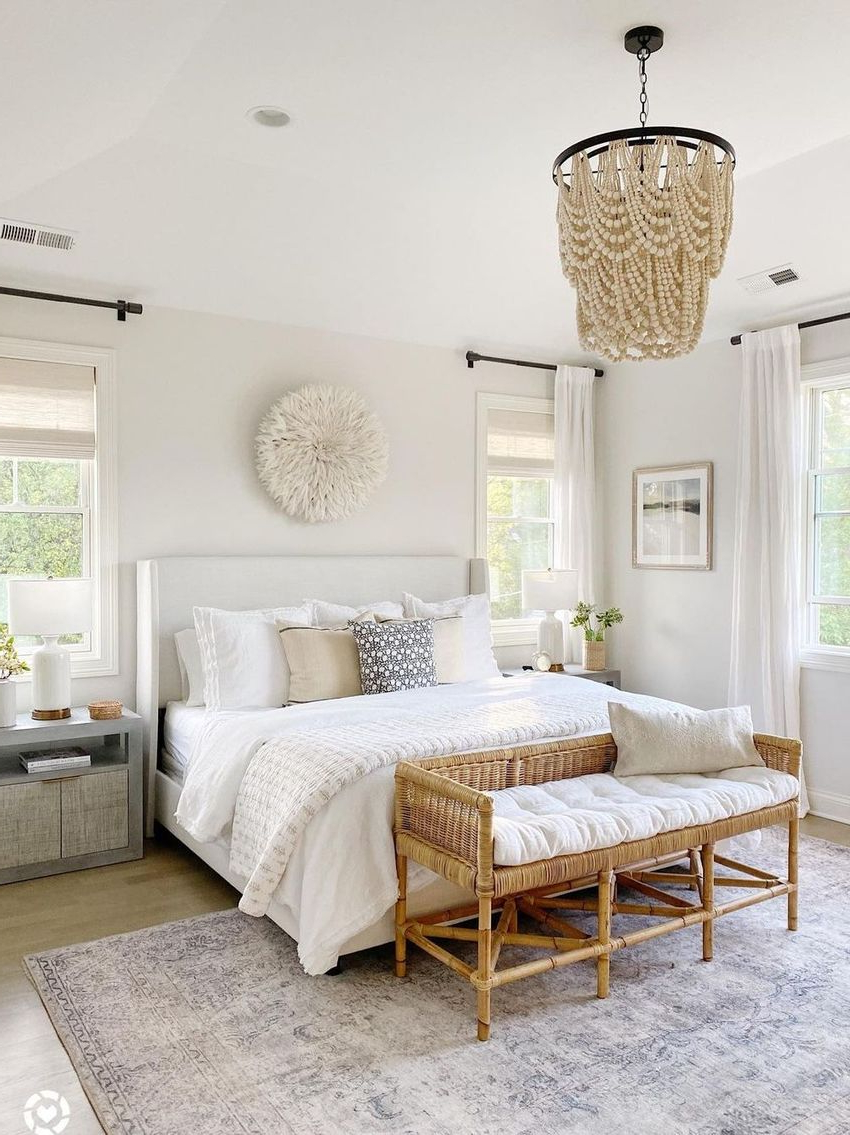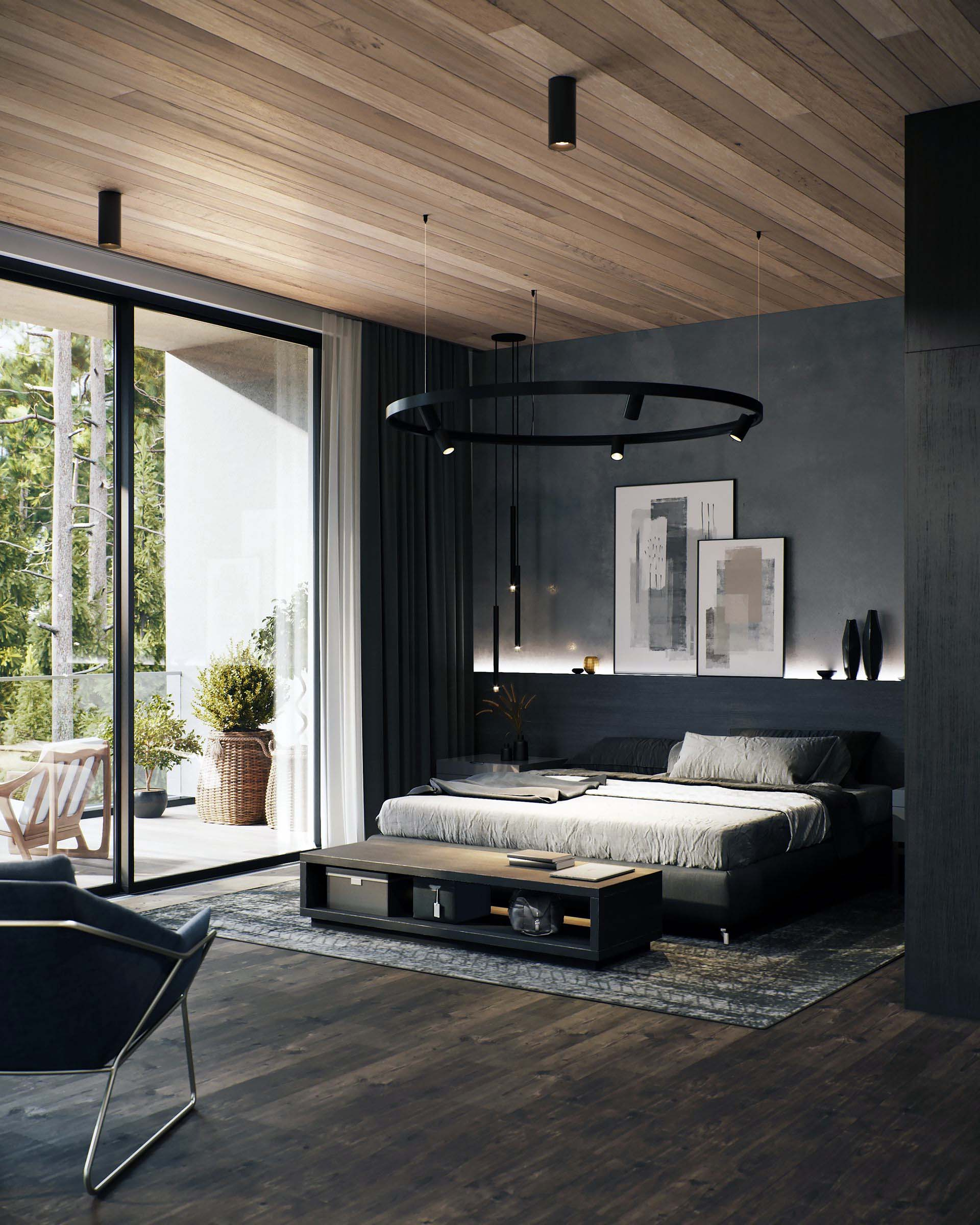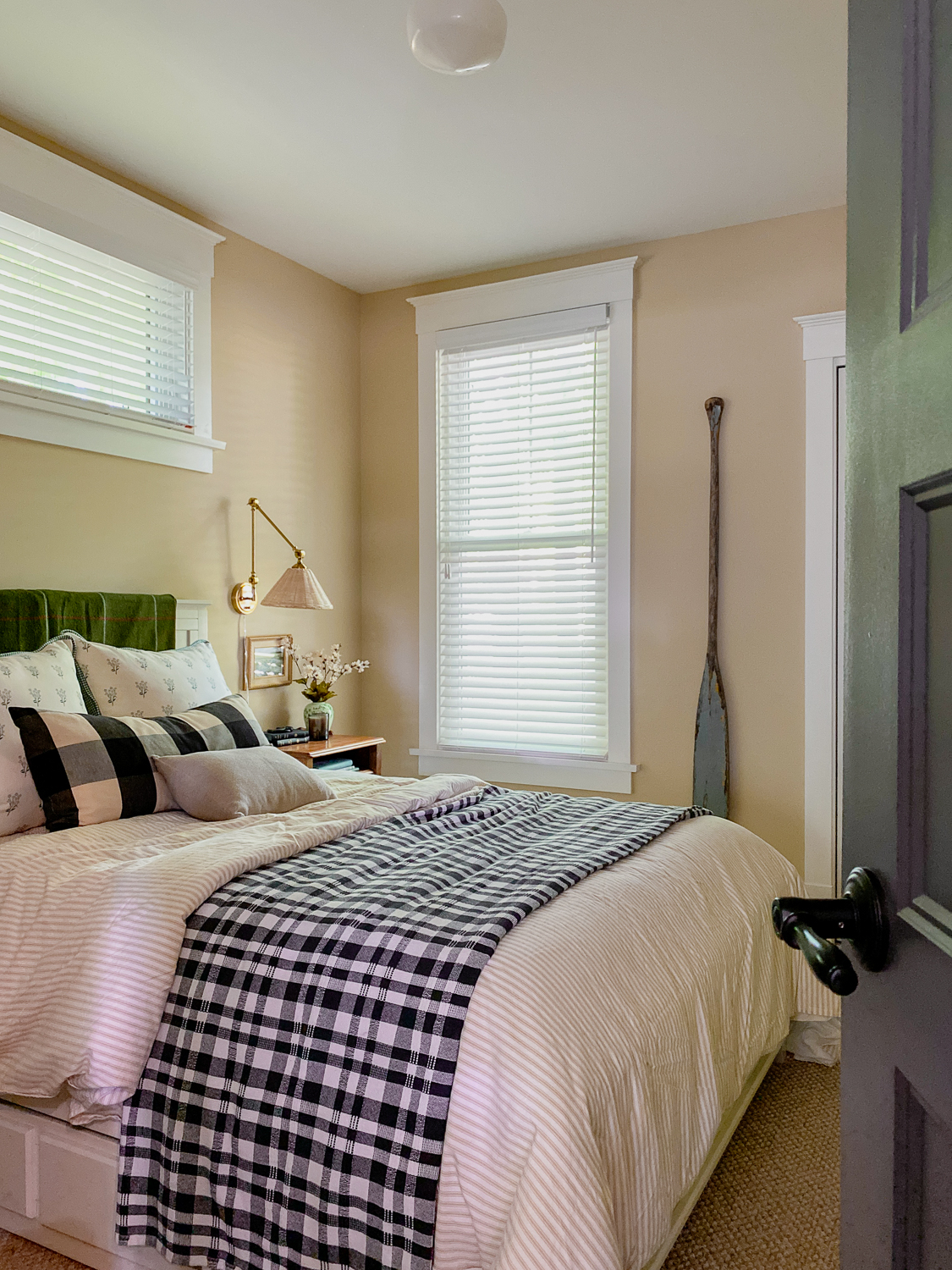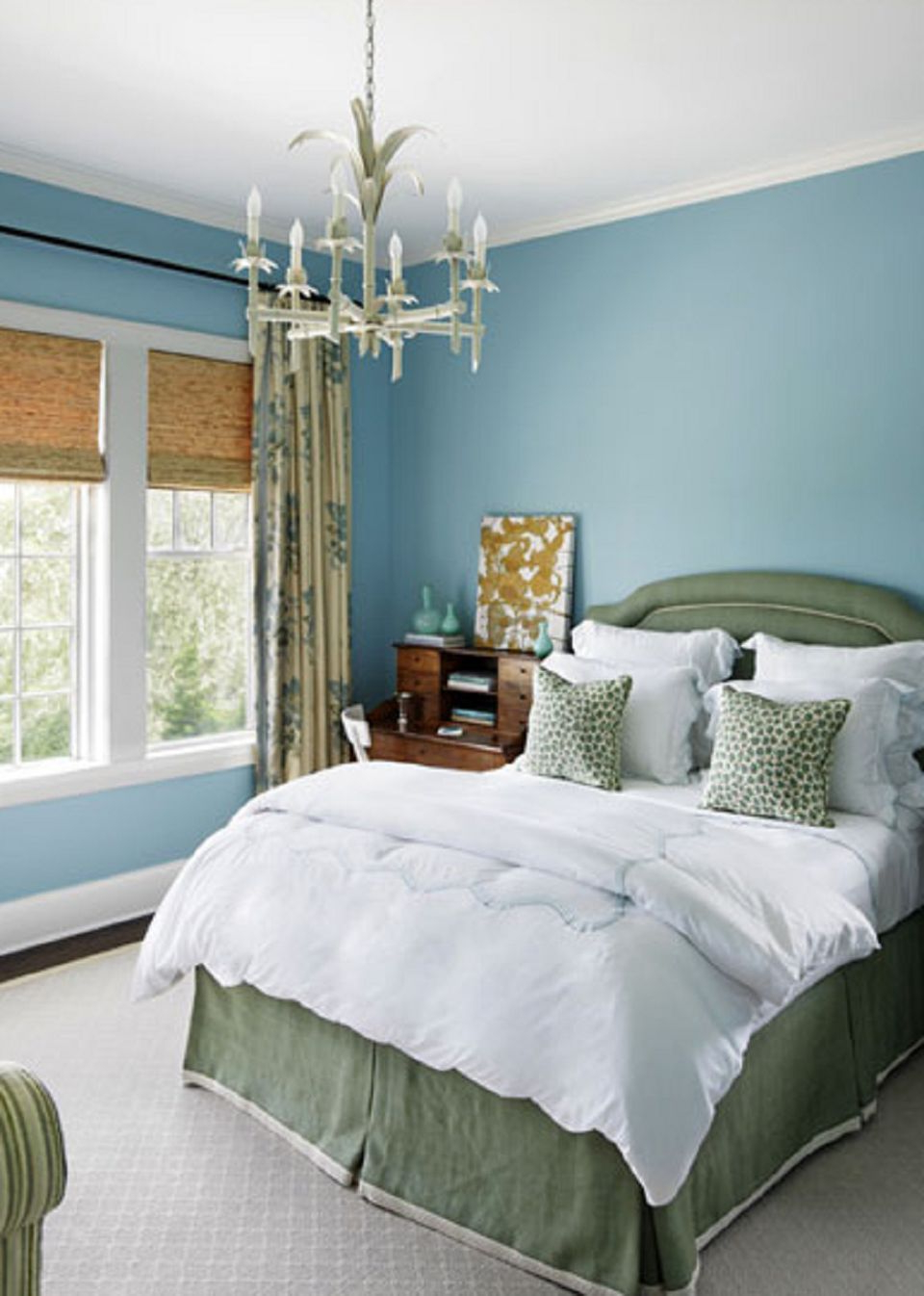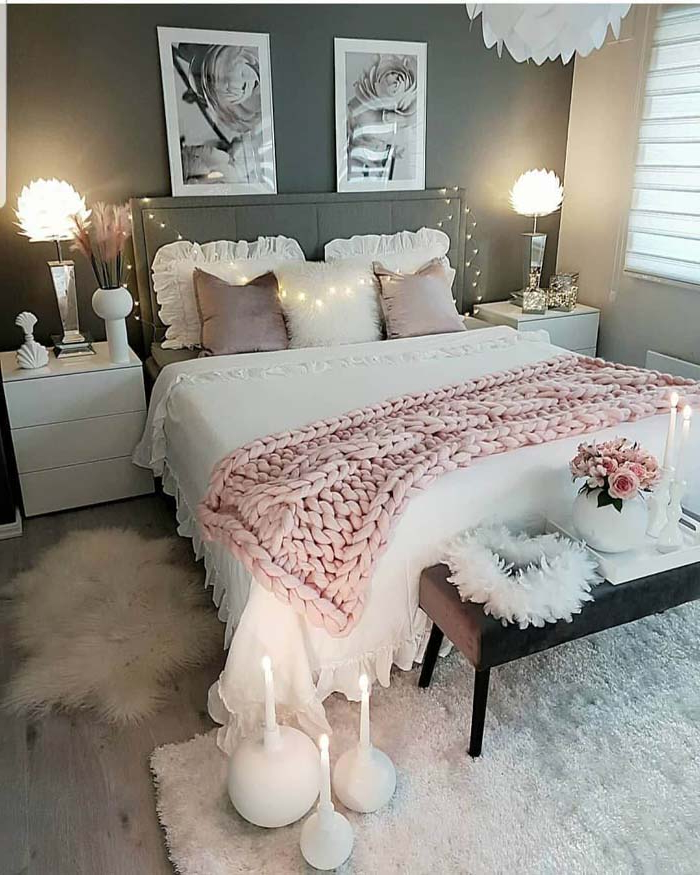
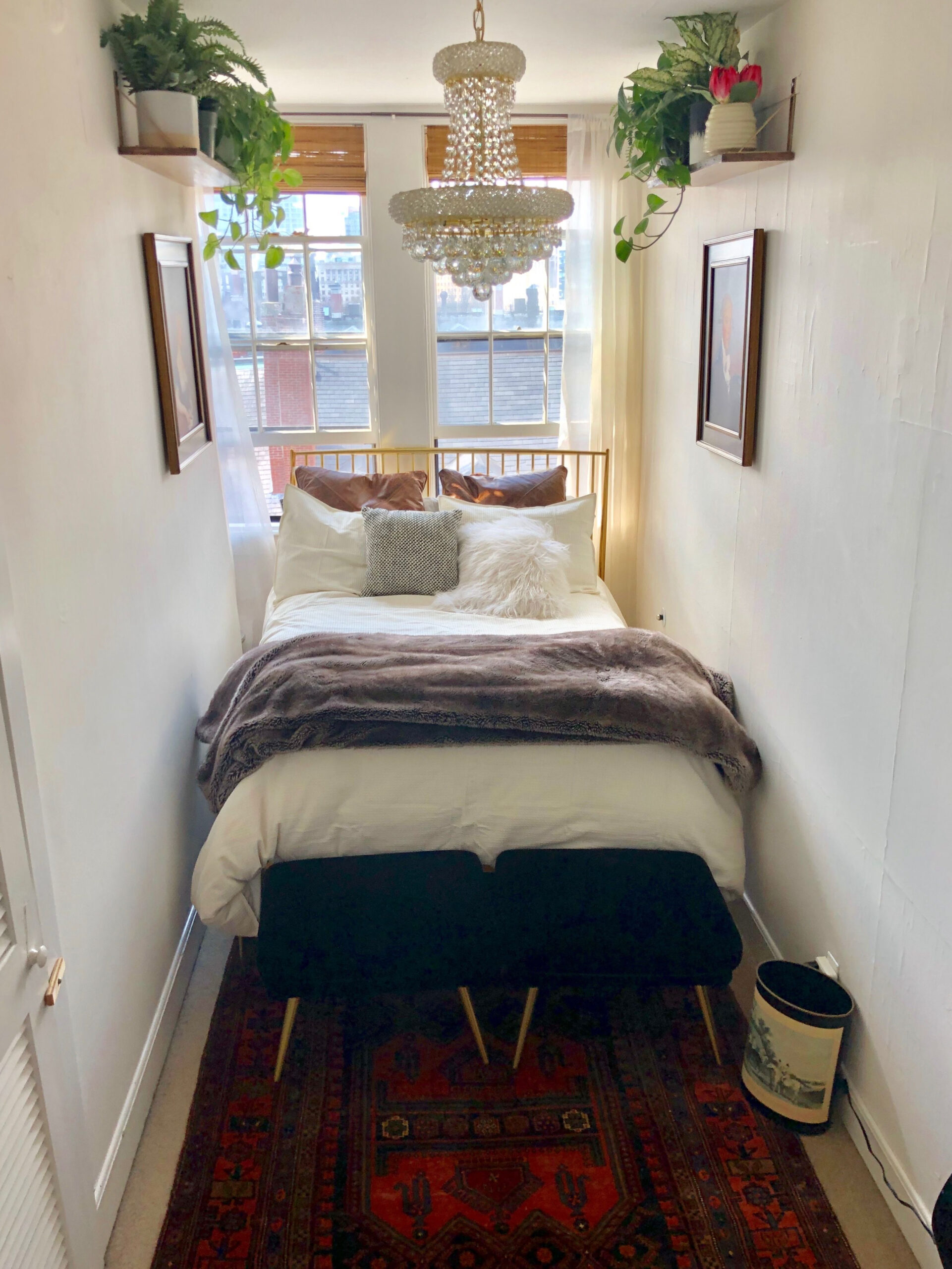
Your bedroom doesn’t have to be huge to feel amazing. In fact, smaller spaces often inspire the most creative and clever designs. Whether you’re working with a studio apartment or a converted closet, these smart strategies will help you make every inch count. Think about it – when you’re limited in space, you’re forced to think outside the box. That’s exactly what makes tiny bedroom design so exciting.
Tiny bedrooms might seem like a challenge, but they’re actually a canvas for creativity. The key is understanding how to maximize functionality while maintaining comfort and style. Many people assume that small spaces mean sacrificing aesthetics, but that’s simply not true. With the right approach, even the tiniest bedroom can become a sanctuary. The secret lies in thoughtful planning and choosing pieces that serve multiple purposes. Let’s explore how you can make the most of every square foot.
The Power of Multi-Functional Furniture
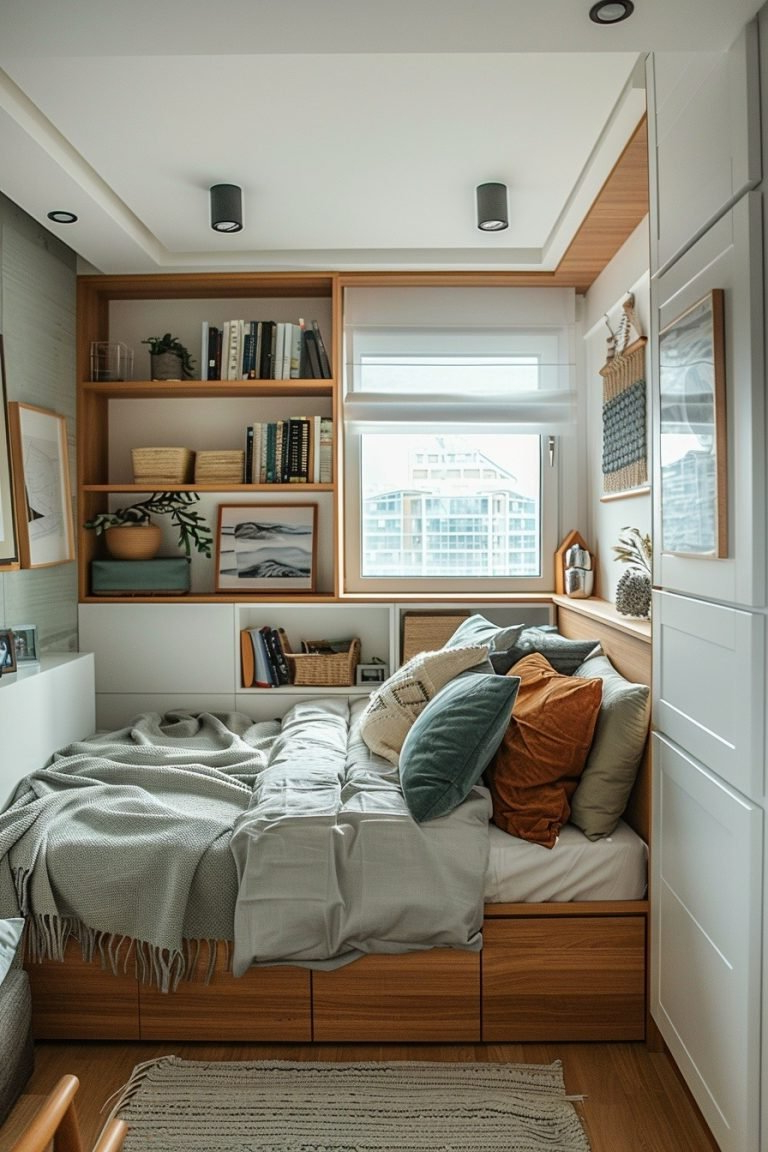
One of the most important aspects of tiny bedroom design is choosing furniture that does more than one job. A bed with built-in storage drawers can hold everything from extra bedding to seasonal clothes. Consider a coffee table that doubles as a nightstand and storage unit. These clever solutions save valuable floor space while keeping your room organized. You’ll find that multi-functional pieces become the heart of your tiny bedroom design.
• Storage beds with hidden compartments
• Folding furniture that can be tucked away
• Beds with integrated shelving
• Nightstands that double as desks
• Ottomans with storage inside
The beauty of this approach is that it keeps your space looking clean and uncluttered. Instead of having separate storage areas, everything is seamlessly integrated into your existing furniture. This creates a sense of spaciousness even when you’re working with very little room.
Smart Vertical Storage Solutions
When horizontal space is limited, think about going vertical. Wall-mounted shelves can stretch from floor to ceiling, creating endless storage possibilities. Floating shelves look sleek and modern while holding books, plants, or decorative items. You can also install tall cabinets that reach the ceiling, maximizing every inch of available space. This strategy works especially well in small bedrooms because it draws the eye upward rather than making the room feel cramped.
Vertical storage isn’t just about shelves. Consider hanging organizers for clothing or accessories. These can be mounted on the back of doors or walls. Another option is using the space above your bed for storage – maybe a floating shelf or a wall-mounted cabinet. The key is thinking beyond what you normally see in traditional bedroom setups.
• Floor-to-ceiling bookcases
• Wall-mounted floating shelves
• Over-the-bed storage solutions
• Door-back organizers
• Ceiling-height cabinets
Many people overlook the potential of their walls. When you start utilizing vertical space properly, you’ll be amazed at how much more room you actually have. It’s like discovering a secret passage in your own home.
Lighting That Sets the Mood
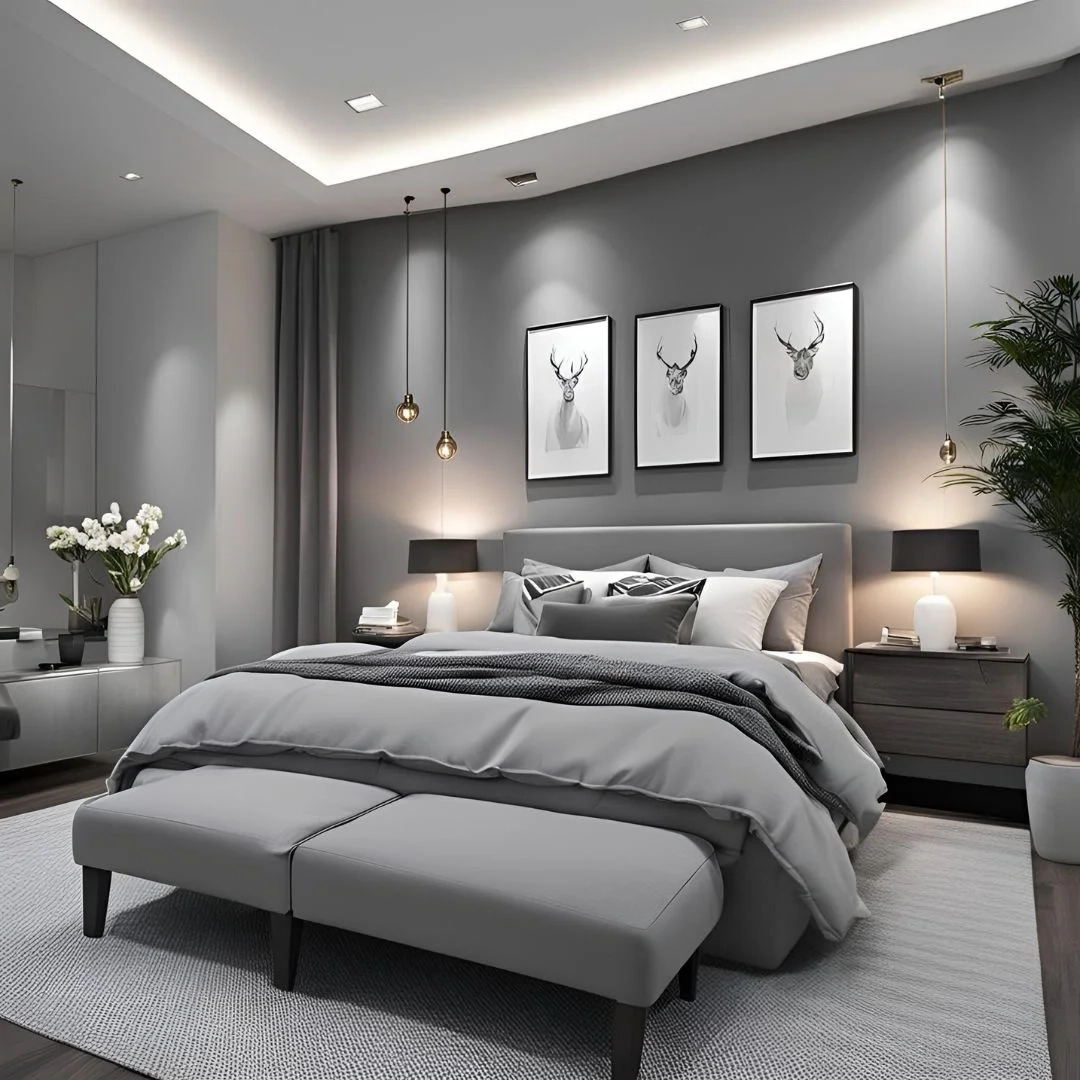
Proper lighting can completely change how a small bedroom feels. Bright, evenly distributed light makes a space seem larger and more open. But don’t forget about accent lighting – it adds personality and warmth. Layer your lighting with overhead fixtures, bedside lamps, and perhaps some string lights for ambiance. The right combination can make even the smallest bedroom feel cozy and inviting.
Consider using mirrors strategically to reflect light around the room. They’re especially effective when placed opposite windows or light sources. You can also experiment with different bulb types and colors. Warm white bulbs tend to make spaces feel cozier, while cool white bulbs create a more energizing atmosphere. Smart lighting systems allow you to adjust brightness and color temperature based on your mood or time of day.
• Layered lighting approaches
• Mirrors for light reflection
• Smart LED systems
• Dimmer switches for flexibility
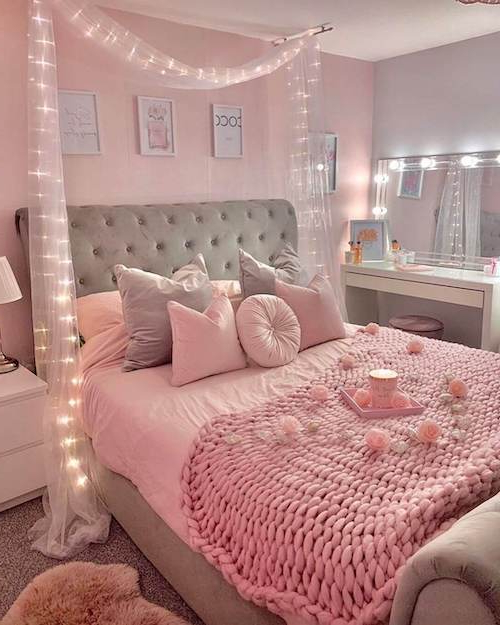
• String lights for ambiance
Think of lighting as a way to control the feeling of your entire room. You can create a calm environment for sleeping or a bright, cheerful space for morning routines. The possibilities are endless when you treat lighting as an essential part of your design plan.
Color Psychology and Visual Tricks
Colors play a huge role in how we perceive space. Light, neutral colors like white, cream, and soft pastels make rooms appear larger and more airy. Darker colors can make a space feel smaller and more intimate. This knowledge is crucial when designing a tiny bedroom. You want to choose colors that enhance the feeling of spaciousness while still expressing your personal style.
But don’t think you have to stick to boring whites and grays. You can add pops of color through accessories, artwork, or textiles. A bold throw pillow or colorful curtain can bring life to a neutral palette. Just remember to keep the main walls light so they don’t overwhelm the space. Using the same colors throughout helps create continuity and makes the room feel more unified.
• Light, neutral base colors
• Strategic accent color placement
• Color consistency throughout the room
• Texture and pattern balance
• Reflection effects with mirrors
Sometimes a simple color choice can make all the difference between a cramped feeling and an open, welcoming space. It’s amazing how much visual impact a few carefully chosen hues can have on your daily experience in the room.
Creative Storage Ideas for Every Corner
Every inch matters in a tiny bedroom, so you need to think creatively about storage solutions. Under-bed storage containers are excellent for seasonal items or extra linens. You can also utilize the space behind your door for hooks or hanging organizers. These spots are often overlooked but offer tremendous storage potential. Think about how you can repurpose unusual spaces in your bedroom.
Consider installing a pegboard on the wall for tools, accessories, or decorative items. This allows you to customize your storage needs as they change over time. Another idea is to use the space above your head – perhaps a high shelf or a ceiling-mounted storage unit. These solutions might seem unconventional, but they’re incredibly practical for small spaces.
• Under-bed storage options
• Behind-door organizational solutions
• Pegboards for customizable storage
• Ceiling-mounted storage units
• Corner storage solutions
• Hidden compartments everywhere
Some of the best storage ideas come from thinking about how you actually use your space. What do you need to access regularly? What can be stored out of sight? The answers to these questions will guide your storage decisions and help you avoid clutter.
Making the Most of Natural Elements
Incorporating natural elements into a small bedroom design brings warmth and life to the space. Plants are excellent additions because they improve air quality and add visual interest. Choose compact varieties that won’t overwhelm your limited space. A single large plant on a stand can become a focal point, while several smaller plants scattered around create a garden-like atmosphere.
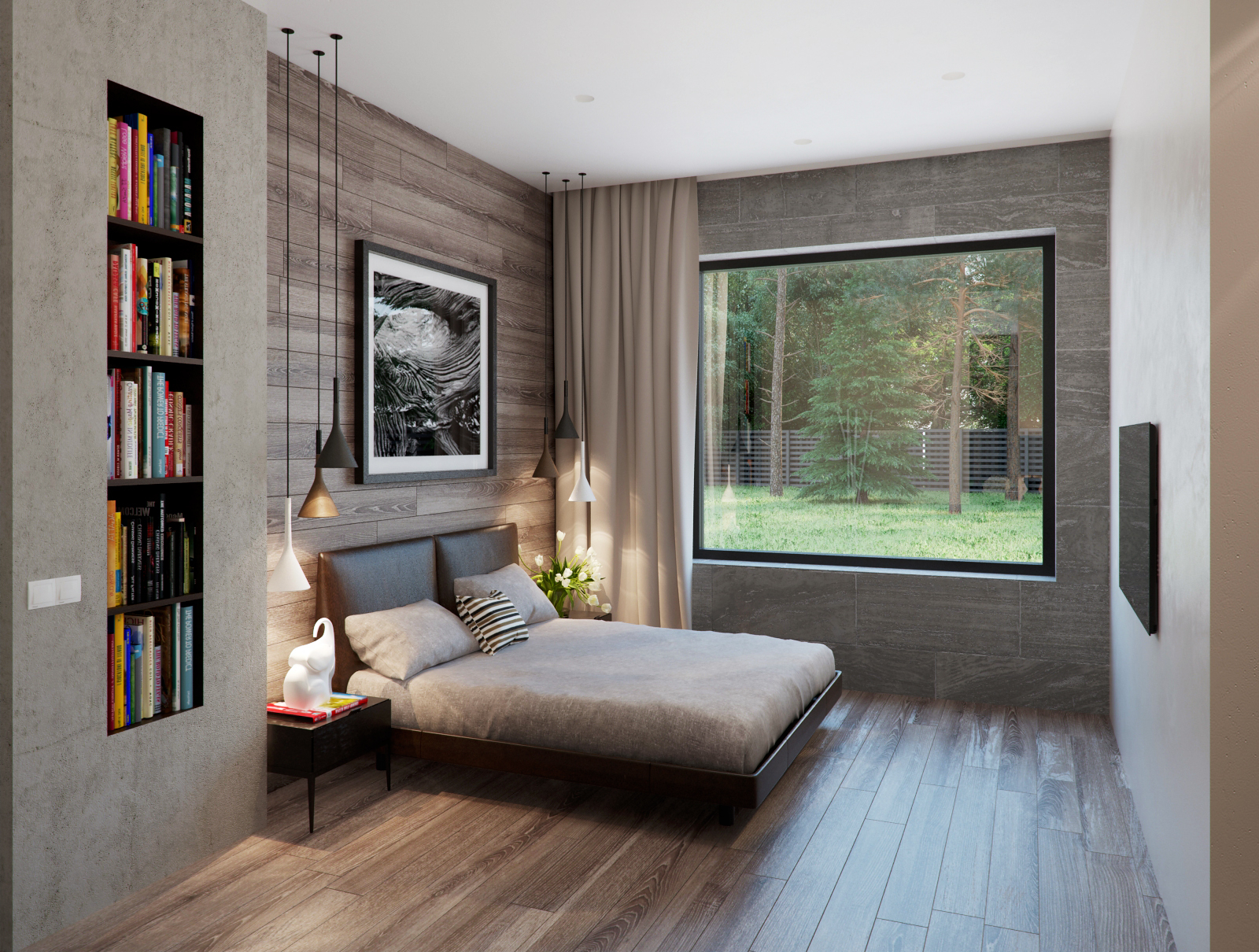
Natural materials like wood, stone, and linen can soften the look of a tiny bedroom. Wooden furniture, woven baskets, or stone accents provide texture and visual variety. These materials also tend to age well and create a timeless appeal. Don’t underestimate the power of bringing nature indoors, especially in small spaces where everything feels more contained.
• Indoor plants for air purification
• Natural wood furniture and accents
• Stone or ceramic decorative elements
• Linen and natural fiber textiles
• Organic shapes and textures
• Seasonal natural elements
The presence of natural elements can make a small bedroom feel less clinical and more like a comfortable retreat. It’s about creating a space that feels alive and connected to the outside world, even when you’re surrounded by walls.
Designing a small bedroom successfully requires a blend of practical thinking and creative vision. When you embrace the limitations of a compact space, you often discover solutions that wouldn’t occur to you in a larger room. The key is to focus on function without sacrificing style. Every piece of furniture should serve a purpose, and every design decision should contribute to the overall feeling of spaciousness and comfort. Remember, the most important aspect of any bedroom design is how it makes you feel when you step inside. Whether your space measures five feet by eight feet or twelve feet by fifteen feet, the principles of good design remain the same. Start with a clear plan, choose wisely, and don’t be afraid to think differently. Your tiny bedroom can become your favorite place in the whole house. It’s not about how much space you have – it’s about how well you use what you have.
[sps_html tag=”img” src=”https://roofdrivein.com/wp-content/uploads/2026/01/20-small-bedroom-ideas-stylish-looks-to-copy-in-a-tiny-space-real-homes-with-tiny-bedroom-design-ideas-scaled.jpg” alt=”20 Small Bedroom Ideas – Stylish Looks To Copy In A Tiny Space | Real Homes with Tiny Bedroom Design Ideas” style=”width: 100%; height: auto;”]
[sps_html tag=”img” src=”https://roofdrivein.com/wp-content/uploads/2026/01/29-tiny-bedroom-ideas-to-maximize-your-space-with-style-courtneys-world-for-tiny-bedroom-design-ideas.jpeg” alt=”29 Tiny Bedroom Ideas To Maximize Your Space With Style - Courtneys World for Tiny Bedroom Design Ideas” style=”width: 100%; height: auto;”]
[sps_html tag=”img” src=”https://roofdrivein.com/wp-content/uploads/2026/01/23-excellent-bedroom-design-for-small-space-home-decoration-and-pertaining-to-small-space-big-impact-creative-tiny-bedroom-design-solutions.jpg” alt=”23 Excellent Bedroom Design For Small Space - Home Decoration And … pertaining to Small space big impact creative tiny bedroom design solutions” style=”width: 100%; height: auto;”]
[sps_html tag=”img” src=”https://roofdrivein.com/wp-content/uploads/2026/01/49-cool-small-bedroom-ideas-that-perfect-for-small-home-tiny-bedroom-pertaining-to-small-space-big-impact-creative-tiny-bedroom-design-solutions.jpg” alt=”49 Cool Small Bedroom Ideas That Perfect For Small Home | Tiny Bedroom … pertaining to Small space big impact creative tiny bedroom design solutions” style=”width: 100%; height: auto;”]
[sps_html tag=”img” src=”https://roofdrivein.com/wp-content/uploads/2026/01/20-small-bedroom-ideas-that-will-leave-you-speechless-architecture-beast-in-small-space-big-impact-creative-tiny-bedroom-design-solutions.jpg” alt=”20 Small Bedroom Ideas That Will Leave You Speechless - Architecture Beast in Small space big impact creative tiny bedroom design solutions” style=”width: 100%; height: auto;”]