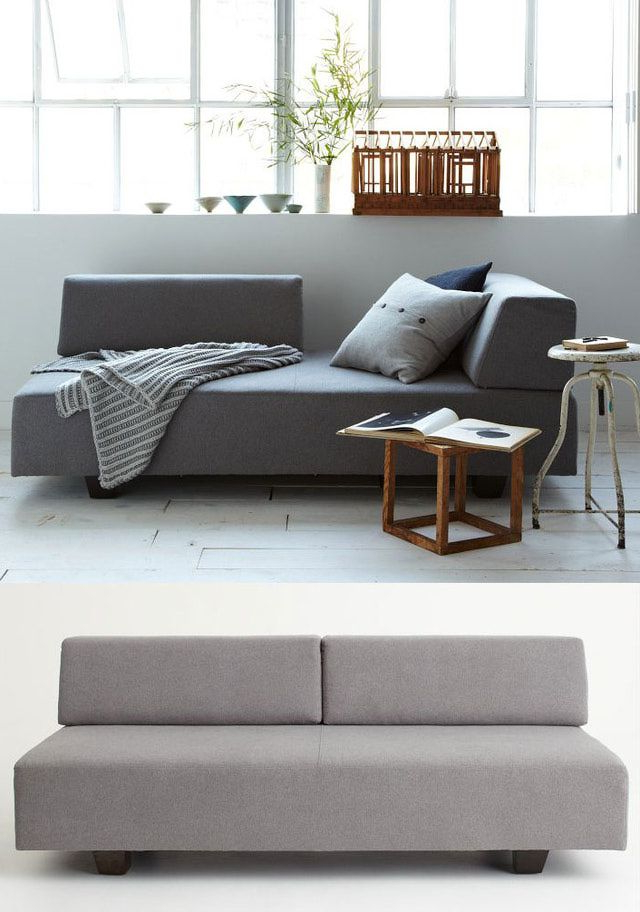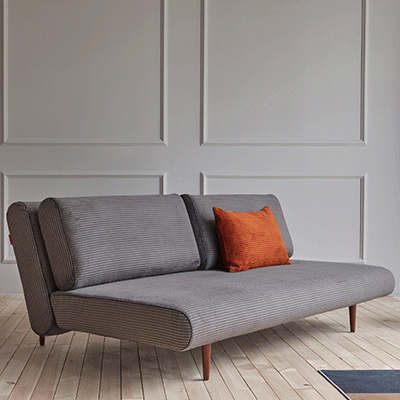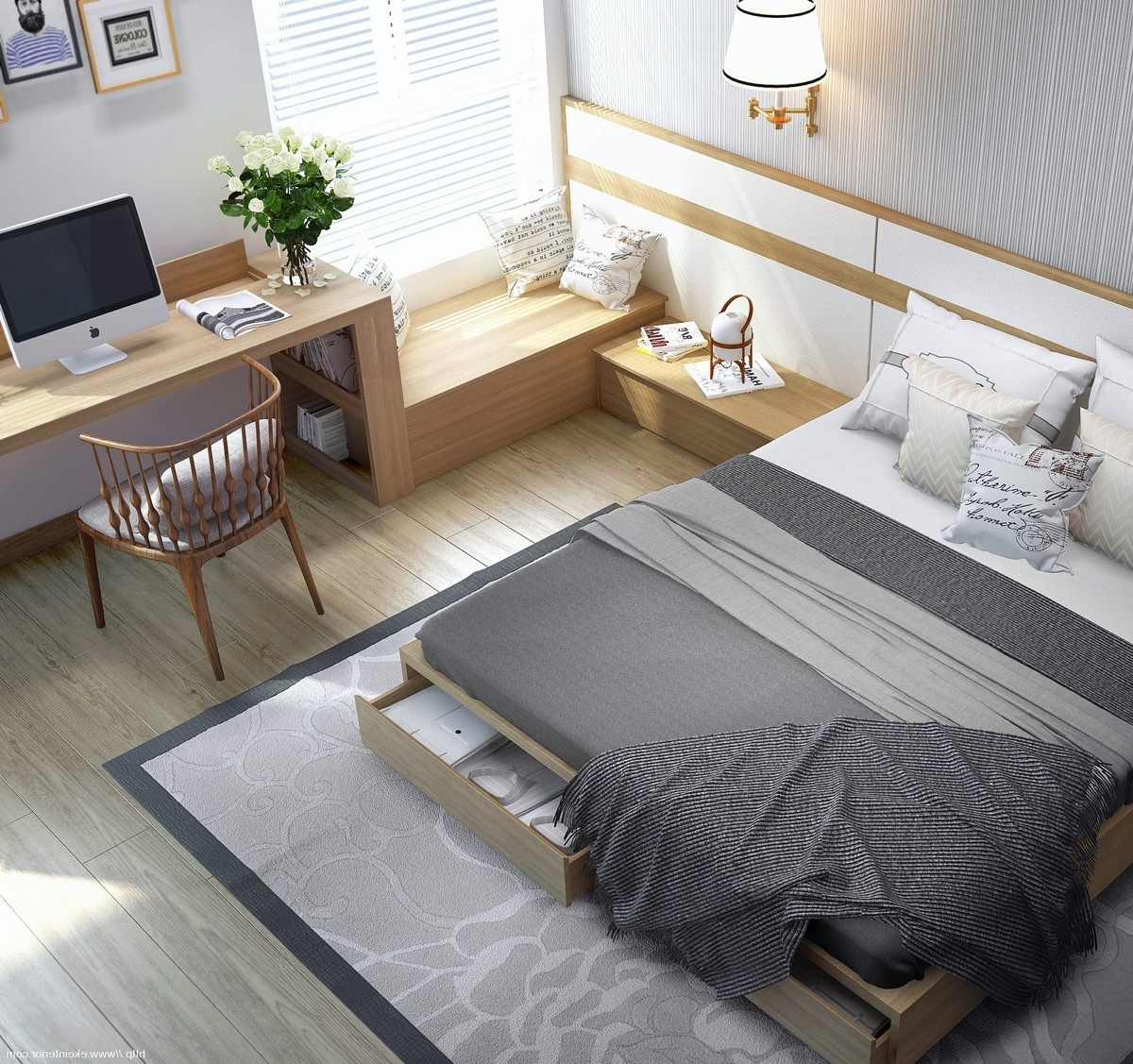
Living in a small apartment or studio? You know how precious every square foot is. A small sofa bed isn’t just furniture—it’s a lifestyle choice that can transform your entire living situation. It’s the ultimate multitasking piece that turns your living room into a bedroom with the flick of a switch.
If you’ve ever wondered how to maximize space in a tiny home, you’re not alone. The modern urban dweller faces a unique challenge: how to create comfort and functionality in limited square footage. Enter the small sofa bed—a clever solution that’s been gaining popularity across cities everywhere. These versatile pieces have evolved far beyond their humble beginnings, offering sophisticated designs that don’t compromise on style or comfort. Whether you’re a student, young professional, or someone living in a converted garage, understanding what makes a great small sofa bed can save you from costly mistakes and endless searching.
Understanding Small Sofa Bed Types
Not all sofa beds are created equal. There are several distinct categories that serve different needs and preferences.
Traditional Sofa Beds
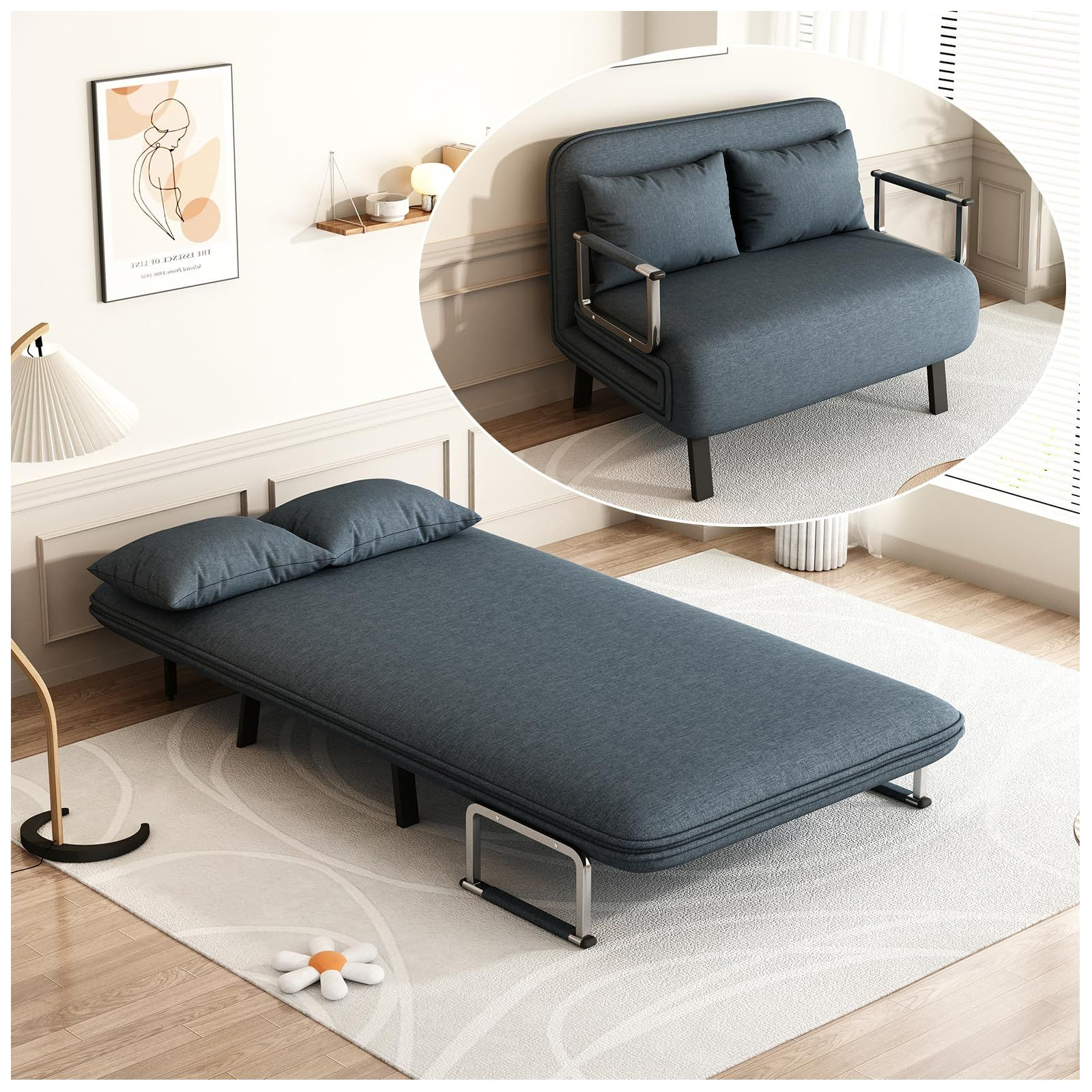
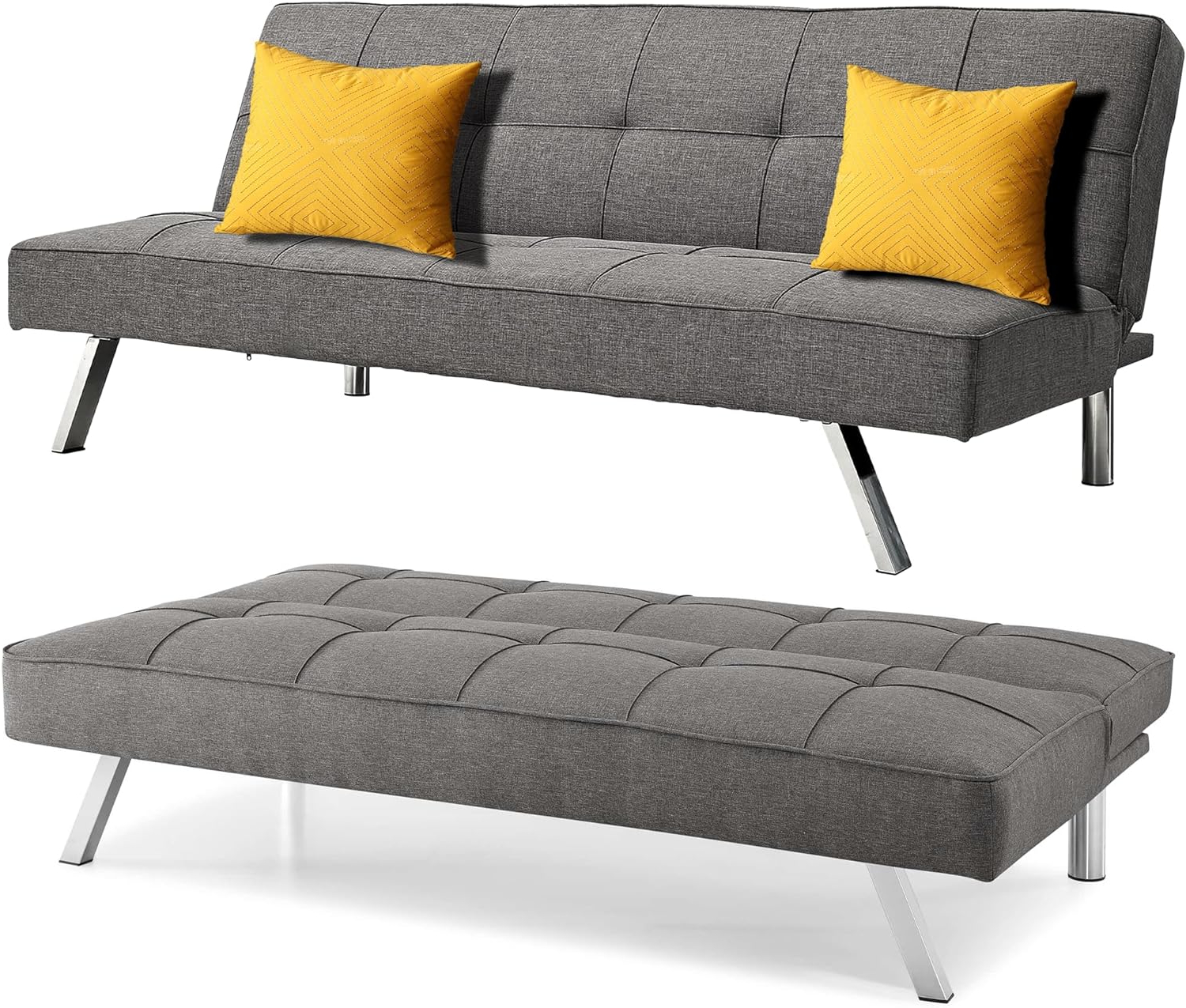
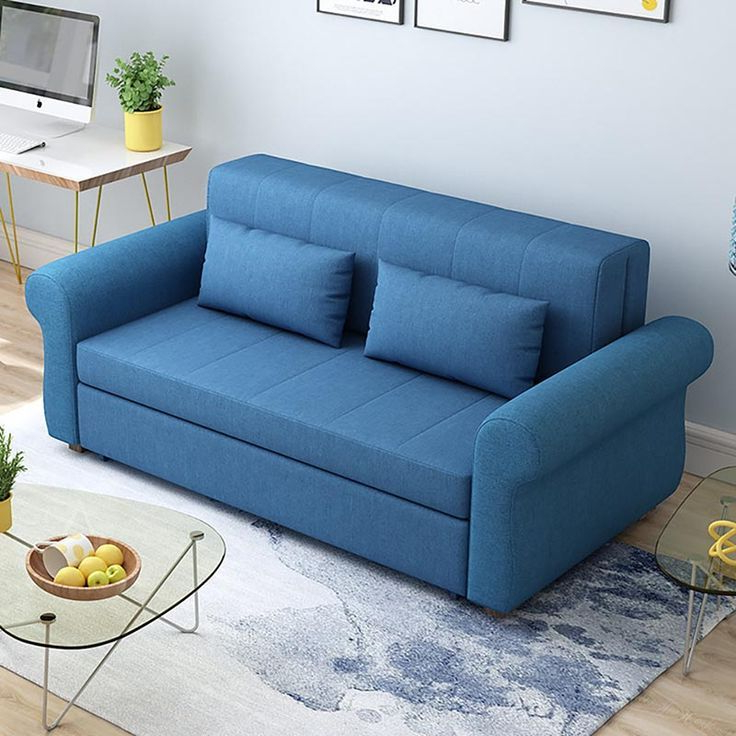
These are the classic models that fold out to reveal a full-sized mattress. They typically feature a sturdy frame and comfortable seating area. Think of them as the workhorses of the sofa bed world—they’re reliable and well-established.
Sleeper Sofas
Often confused with traditional sofa beds, sleeper sofas usually offer a more compact sleeping surface. They’re designed for guests rather than daily use, making them perfect for occasional visitors.
Pull-Out Sofa Beds
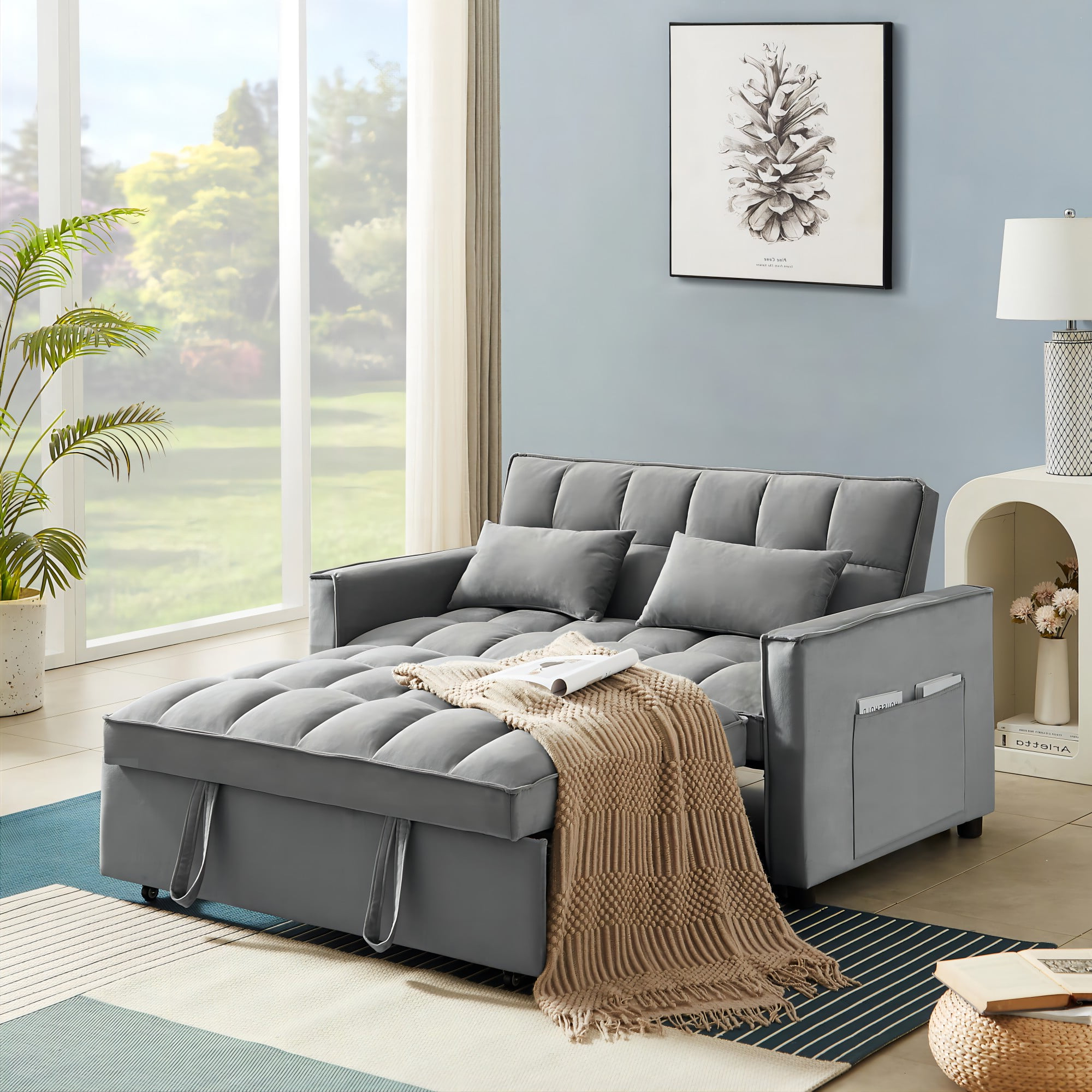
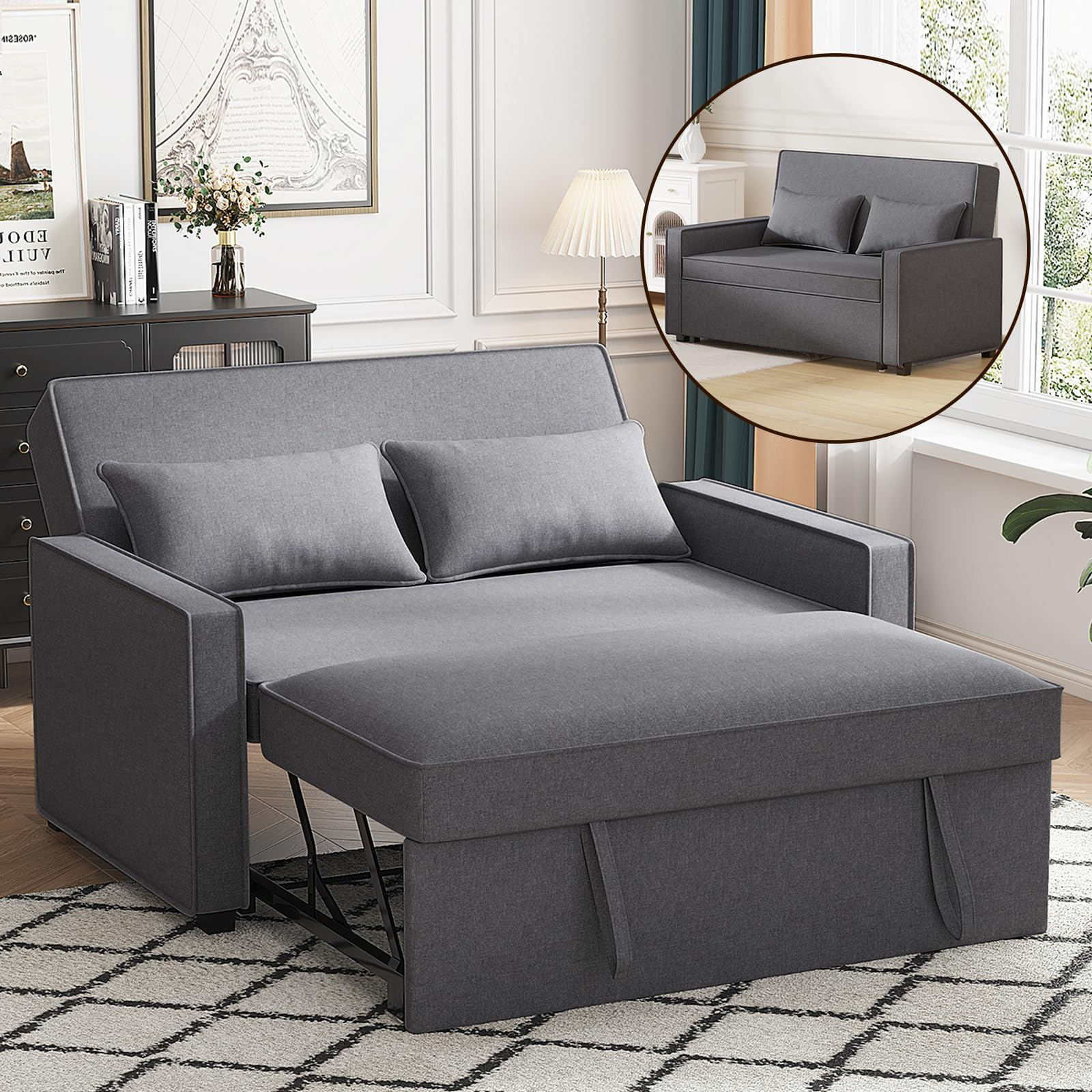
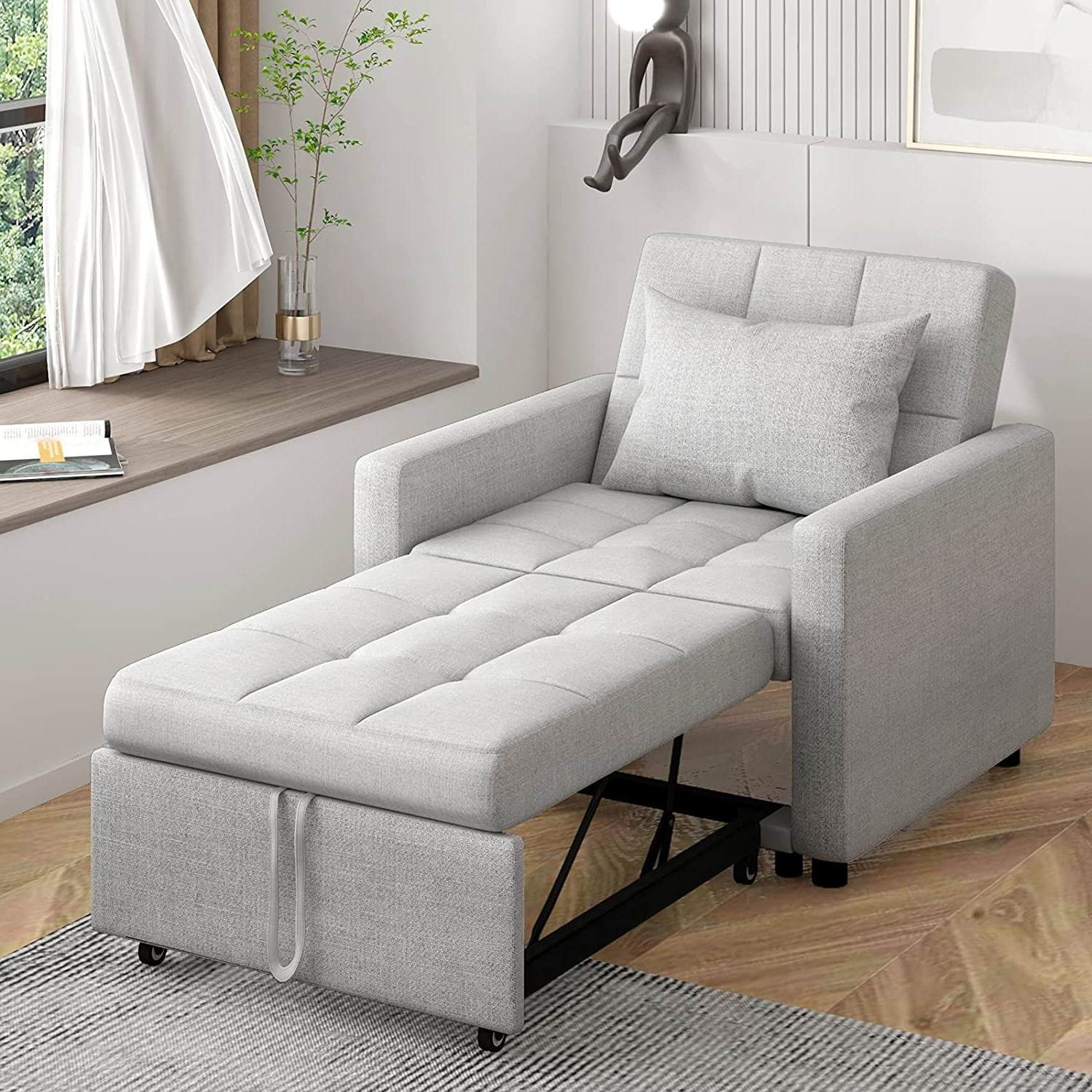
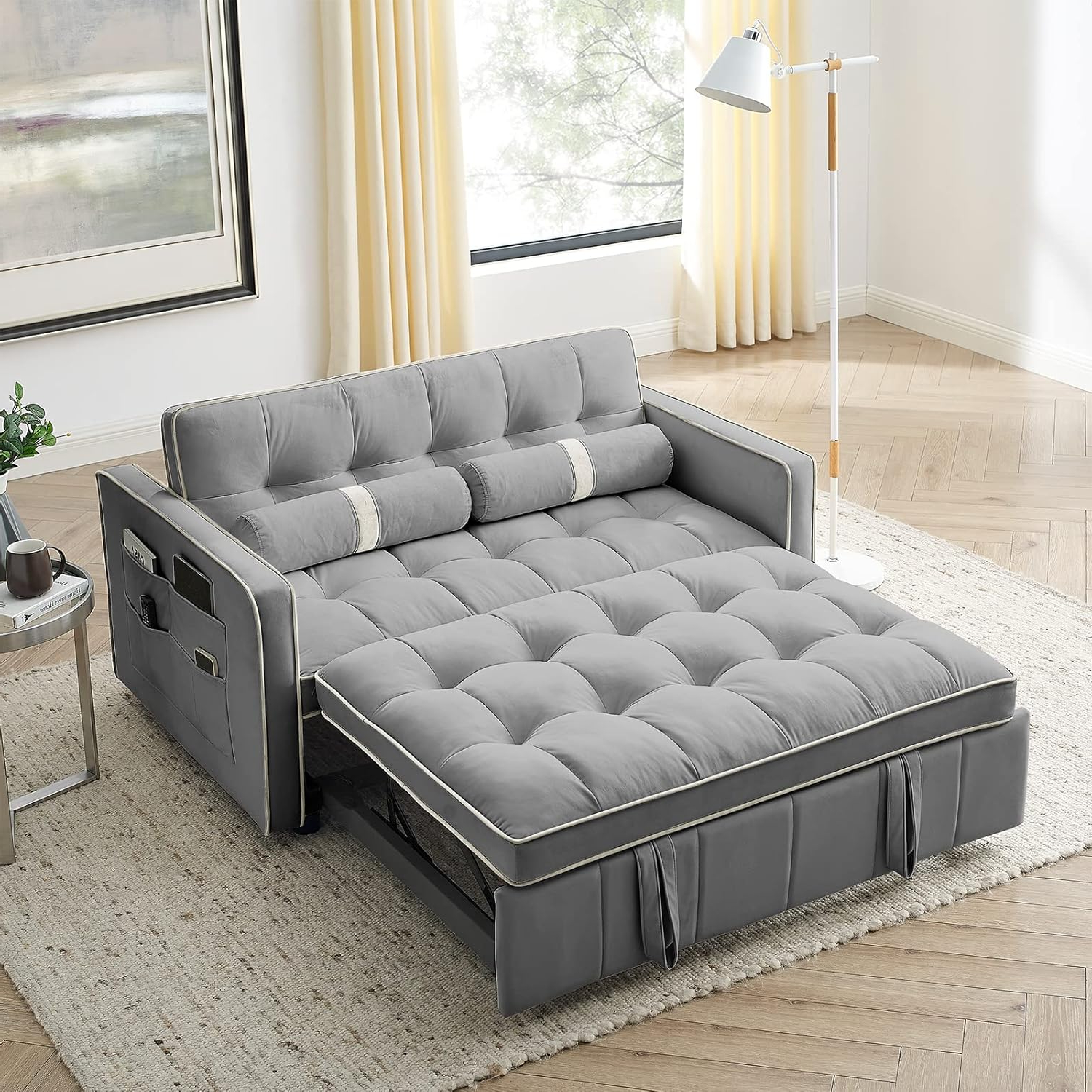
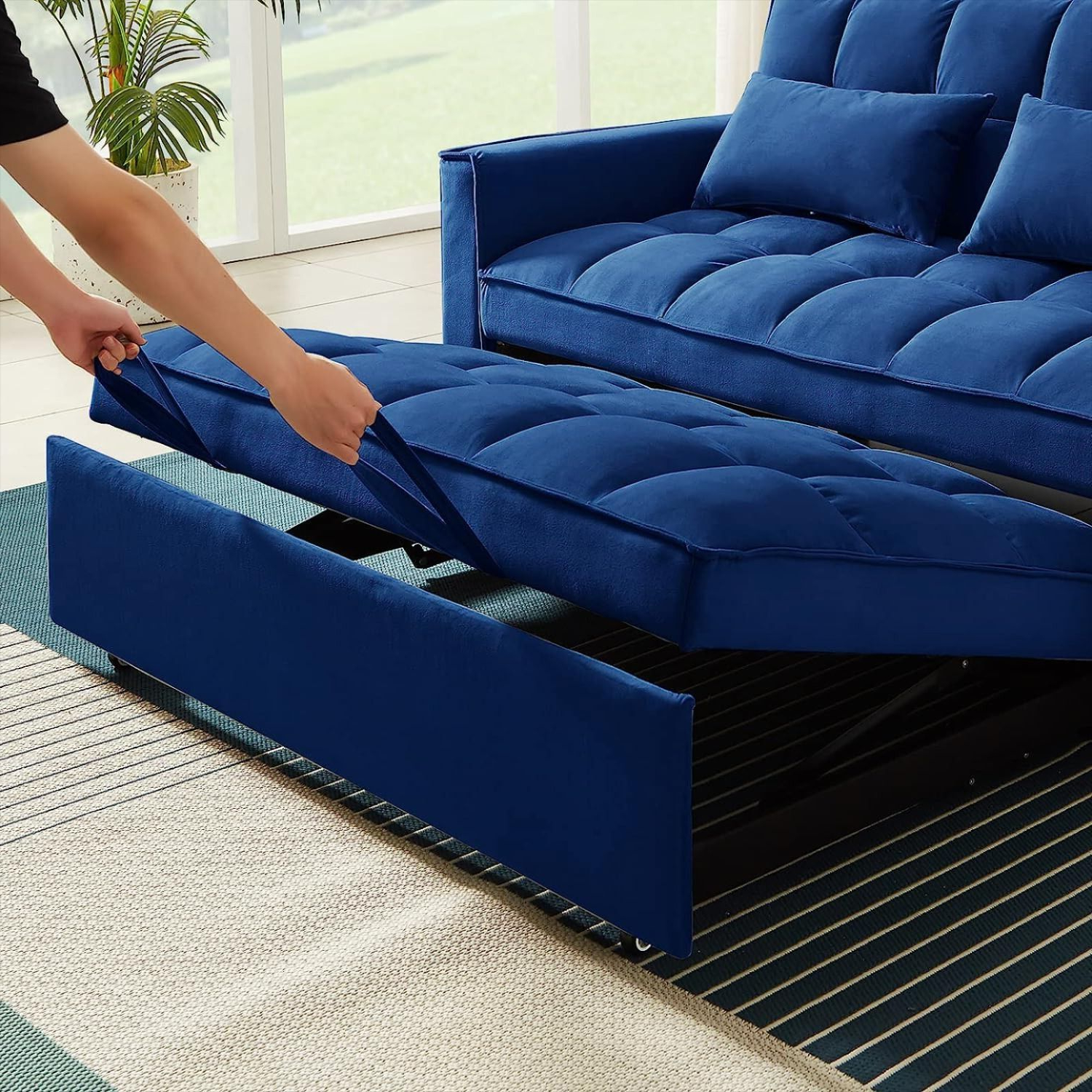
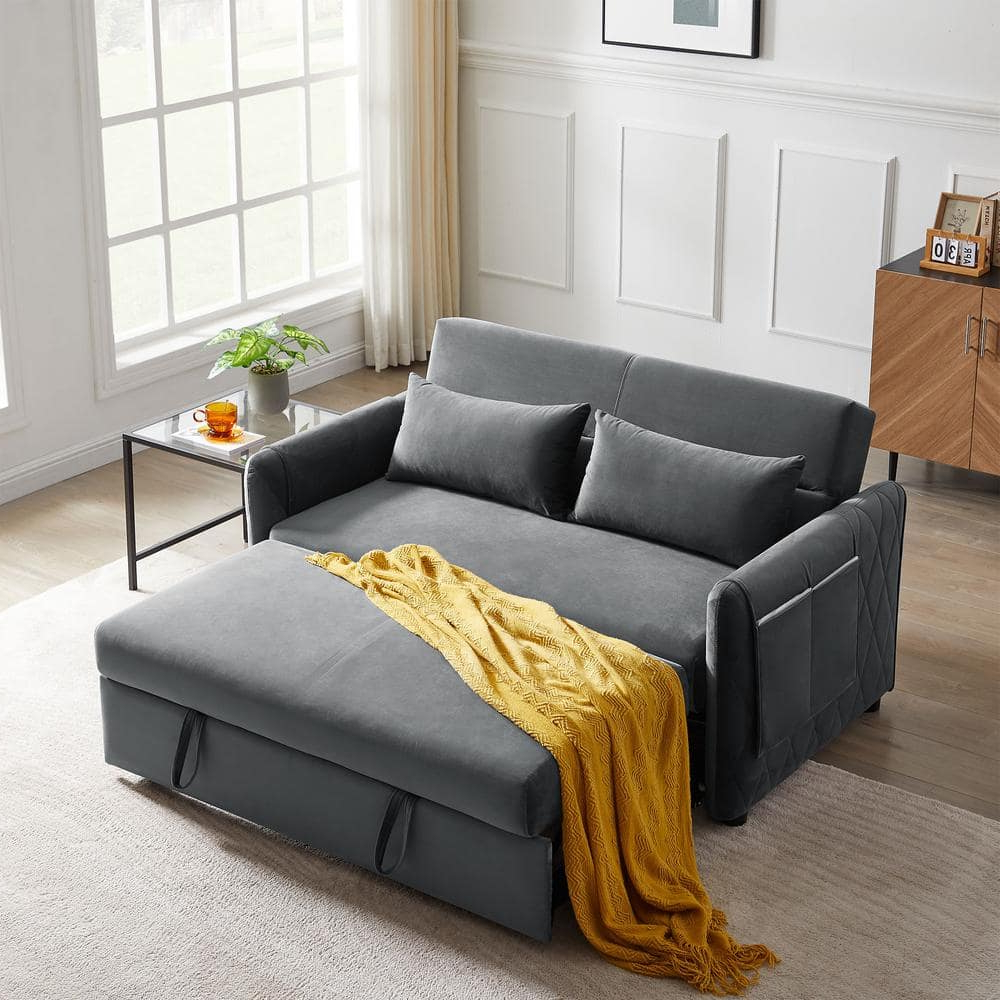
These are becoming increasingly popular due to their sleek design. Instead of folding, they slide out like a drawer, often featuring a hidden mechanism that keeps the living room looking clean when not in use.
L-shaped Sofa Beds
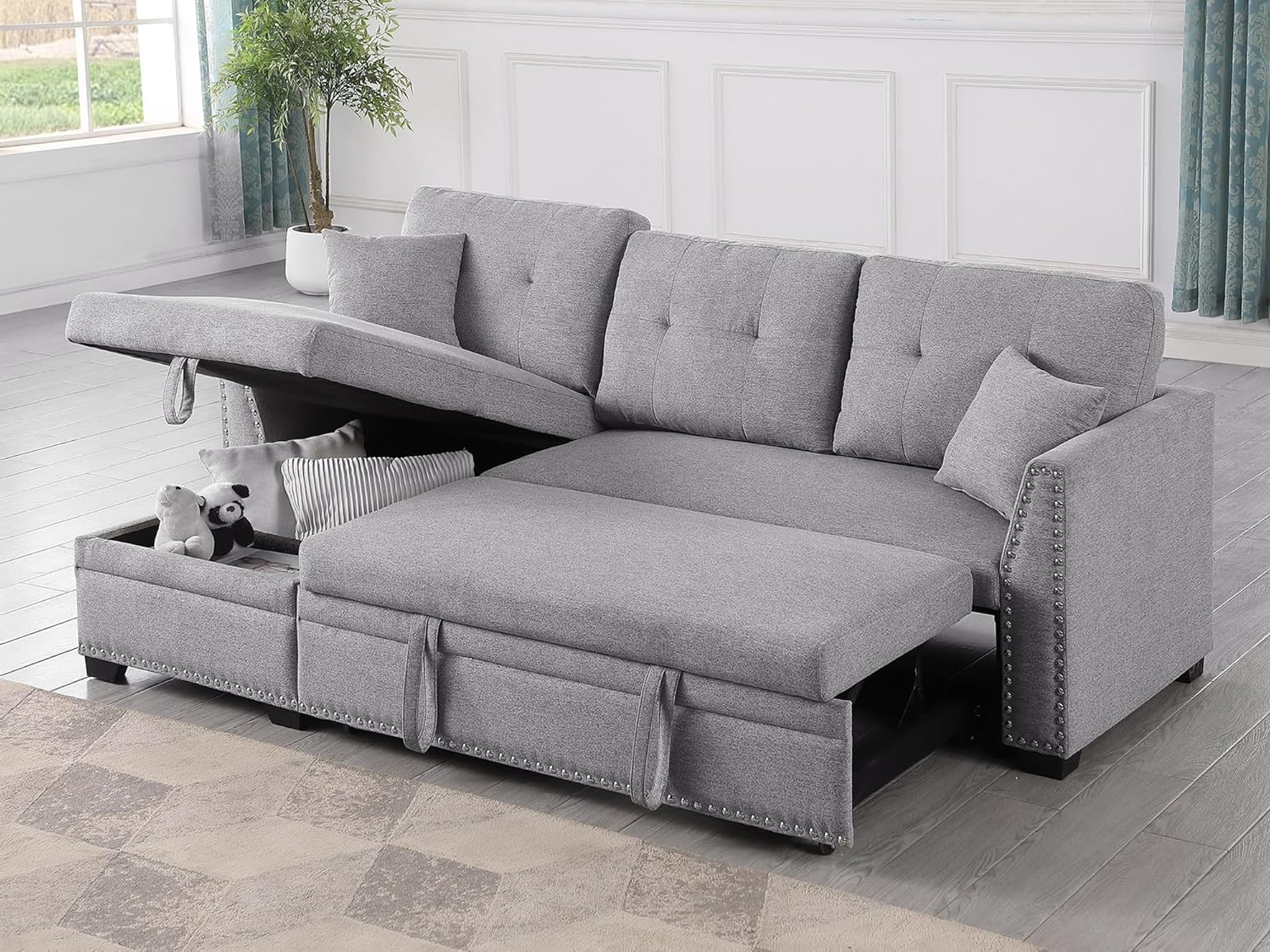
Perfect for corner spaces, these models utilize awkward areas while providing maximum seating and sleeping capacity. They’re particularly useful in apartments with unusual layouts.
Sectional Sofa Beds
For those with slightly more space, sectional models offer the luxury of customization. You can configure them to fit your exact room dimensions while maintaining that essential sleeping function.
Key Features to Consider
When shopping for a small sofa bed, certain features should guide your decision-making process:
• Mattress Quality: The sleeping experience is crucial. Look for memory foam or high-density padding that provides proper support throughout the night.
• Frame Construction: A solid wooden or metal frame ensures durability and longevity. Avoid flimsy materials that might break under regular use.
• Ease of Operation: Test how smoothly the bed opens and closes. Some models require significant effort, while others operate almost effortlessly.
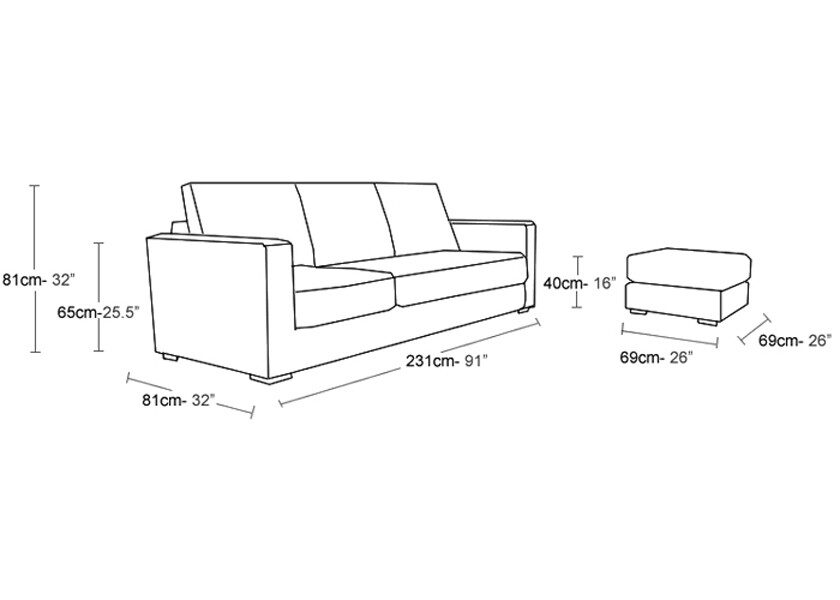
• Size Specifications: Measure your space carefully. You want enough room for the sofa bed to open fully without bumping into walls or furniture.
• Fabric Options: Consider your lifestyle. Upholstery choices range from easy-clean microfiber to luxurious velvet. Think about pets, children, and daily wear patterns.
• Storage Solutions: Many modern designs include built-in storage compartments for blankets, pillows, or seasonal items. This can be a game-changer for minimalists.
Space-Saving Benefits
The advantages of small sofa beds extend beyond simple convenience. They represent a shift toward intentional living in our increasingly compact world.
Maximizing Room Functionality
A single piece of furniture serving two purposes means you can maintain a cleaner, less cluttered environment. No more separate bedroom furniture taking up valuable floor space.
Cost Efficiency
Purchasing one versatile piece instead of buying both a sofa and a separate bed can save money. Plus, you avoid the hassle of coordinating separate furniture styles.
Flexibility in Design
These pieces allow for creative room arrangements. You can easily reconfigure your space for different activities—from entertaining guests to having a quiet evening at home.
Guest Comfort
Having a sofa bed means you never have to worry about guests sleeping on uncomfortable couches or futons. It provides a proper sleeping experience while maintaining your home’s aesthetic.
Material and Durability Factors
The materials used in small sofa beds significantly impact both comfort and longevity. Here’s what matters most:
Wooden Frames
Typically the strongest option, wooden frames offer excellent stability and can last decades with proper care. However, they may be heavier and more expensive than alternatives.
Metal Frames
Lightweight and often more affordable, metal frames provide good structural integrity. They’re also resistant to pests and moisture.
Upholstery Materials
Cotton blends offer breathability and softness, while synthetic fabrics tend to be more stain-resistant. Leather looks elegant but requires special maintenance.
Mattress Types
Memory foam provides excellent pressure relief and motion isolation. Innerspring mattresses offer better airflow but might sag over time. Hybrid options combine benefits of both.
Quality Indicators
Look for reinforced joints, quality stitching, and warranty coverage. These elements tell you the manufacturer stands behind their product.
Budget Considerations
Small sofa beds range widely in price, from budget-friendly options to premium models that rival designer furniture. Here’s how to navigate costs effectively:
Entry-Level Options
These typically cost between $200-$500. They’re functional but may lack some premium features. Good for temporary solutions or renters.
Mid-Range Models
Between $500-$1,500, these offer better materials and construction. They’re suitable for most consumers looking for decent quality.
Premium Selections
$1,500 and above, these models often feature luxury materials, custom options, and extended warranties. They’re worth considering if you plan to keep the piece for many years.
Value Factors
Consider the total cost of ownership. A cheaper model might need replacement sooner, while a higher-priced piece could save money in the long run. Factor in shipping, assembly, and potential repairs.
Maintenance and Care Tips
Proper upkeep ensures your small sofa bed remains comfortable and attractive for years:
Regular Cleaning
Vacuum upholstery weekly to remove dust and debris. Spot clean stains immediately to prevent setting. Follow manufacturer washing instructions for removable covers.
Mattress Rotation
Rotate your mattress every few months to ensure even wear. This extends its lifespan and maintains comfort.
Frame Inspection
Check hardware periodically for loose screws or worn components. Tighten as needed to maintain structural integrity.
Protective Measures
Use throw pillows and blankets to protect the seating area from direct wear. Consider a protective cover during heavy use periods.
Seasonal Care
In humid climates, consider using a dehumidifier near the sofa bed. In dry conditions, monitor for cracking or warping in wooden components.
Choosing the right small sofa bed involves careful consideration of your lifestyle, space constraints, and budget. It’s not just about finding furniture that fits in your room—it’s about selecting a piece that enhances your daily routine and supports your long-term comfort. Whether you’re a first-time buyer or someone looking to upgrade, remember that investing in quality pays dividends in sleep quality and space efficiency. Take your time, measure twice, and choose wisely. After all, your sofa bed will become part of your daily life, so make sure it feels like the right choice for your unique situation. With the right approach, you’ll find a piece that perfectly balances form and function, turning your compact space into a cozy retreat.
[sps_html tag=”img” src=”https://roofdrivein.com/wp-content/uploads/2026/01/small-sofa-bed-couch-cabinets-matttroy-pertaining-to-small-sofa-bed-buyers-guide-navigating-the-best-options-available.jpg” alt=”Small Sofa Bed Couch | Cabinets Matttroy pertaining to Small sofa bed buyers guide navigating the best options available” style=”width: 100%; height: auto;”]
[sps_html tag=”img” src=”https://roofdrivein.com/wp-content/uploads/2026/01/zechuan-convertible-sofa-bed-with-pull-out-bed-55-tufted-velvet-with-small-sofa-bed.jpeg” alt=”Zechuan Convertible Sofa Bed With Pull Out Bed - 55" Tufted Velvet … with Small Sofa Bed” style=”width: 100%; height: auto;”]
[sps_html tag=”img” src=”https://roofdrivein.com/wp-content/uploads/2026/01/sofa-bed-artofit-with-regard-to-small-sofa-bed-buyers-guide-navigating-the-best-options-available.jpg” alt=”Sofa Bed – Artofit with regard to Small sofa bed buyers guide navigating the best options available” style=”width: 100%; height: auto;”]
[sps_html tag=”img” src=”https://roofdrivein.com/wp-content/uploads/2026/01/space-saving-beds-for-small-rooms-regarding-small-sofa-bed-buyers-guide-navigating-the-best-options-available.jpg” alt=”Space-Saving Beds For Small Rooms regarding Small sofa bed buyers guide navigating the best options available” style=”width: 100%; height: auto;”]
[sps_html tag=”img” src=”https://roofdrivein.com/wp-content/uploads/2026/01/amazon-com-furnimart-convertible-sleeper-sofa-bed-53-inches-3-in-1-throughout-small-sofa-bed-buyers-guide-navigating-the-best-options-available.jpg” alt=”Amazon.com: Furnimart Convertible Sleeper Sofa Bed, 53 Inches 3-In-1 … throughout Small sofa bed buyers guide navigating the best options available” style=”width: 100%; height: auto;”]