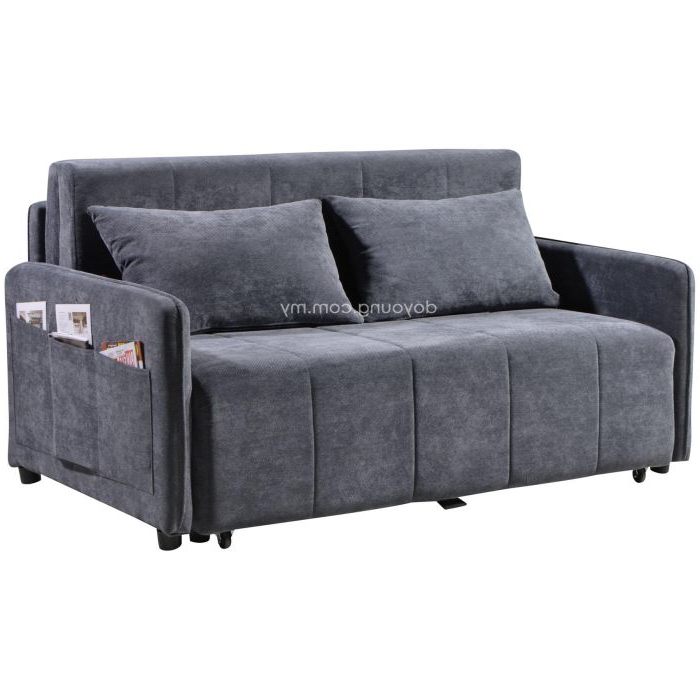
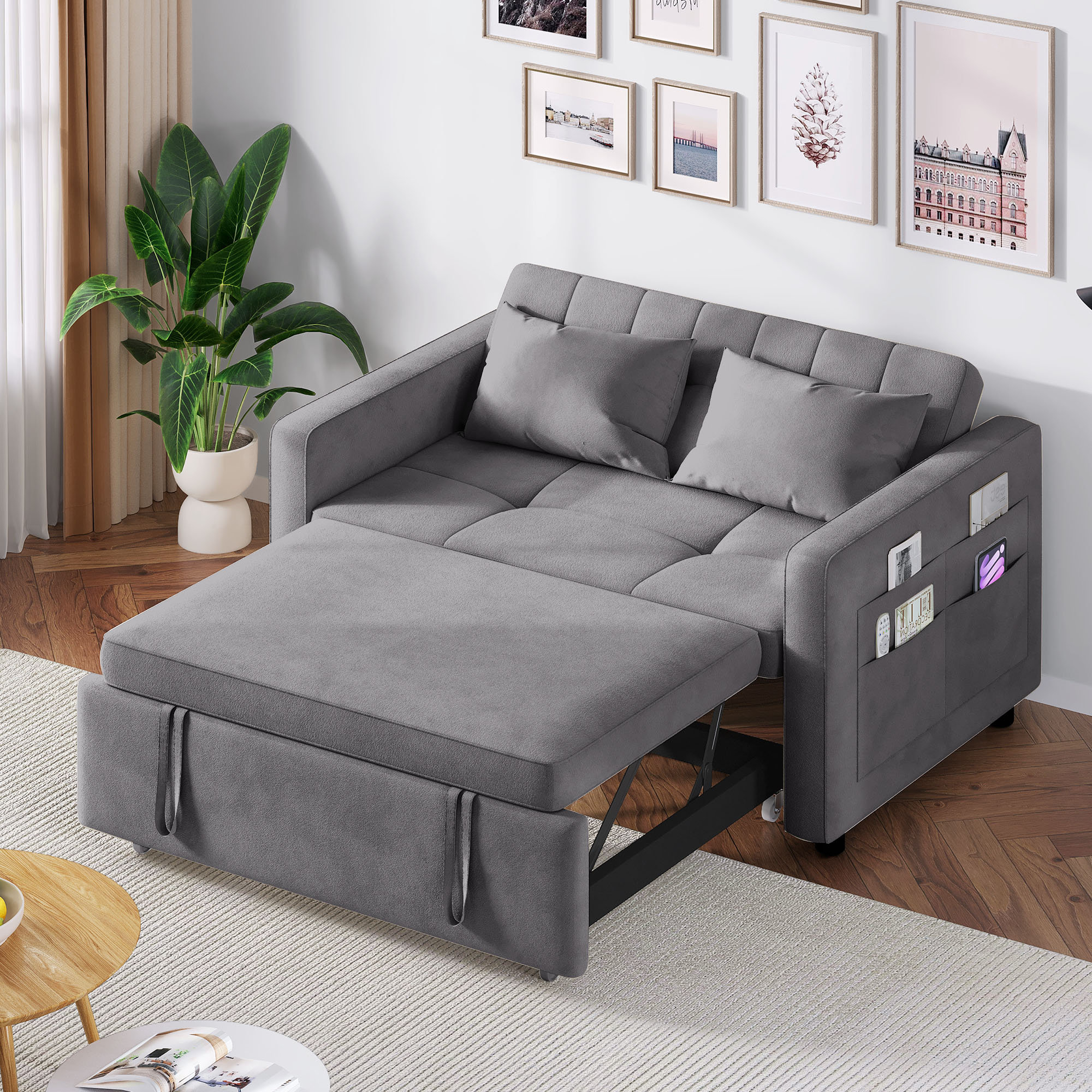
Imagine having a comfortable place to sleep right in your living room. No more cramped hotel rooms or uncomfortable air mattresses. What if you could have a sofa that transforms into a cozy bed whenever you need it? That’s exactly what sleeper sofas offer – a smart solution for guests, small spaces, or anyone who wants to avoid the hassle of setting up temporary sleeping arrangements.
Let’s face it, sleeping arrangements can be tricky. Whether you’re hosting friends for the weekend, dealing with a guest bedroom shortage, or just want a place to nap during the day, finding the right sleeping solution matters. Enter the sleeper sofa – a versatile piece of furniture that’s become increasingly popular in modern homes. These aren’t just regular couches that happen to fold down. They’re carefully designed to provide comfort, support, and functionality. The secret lies in understanding how they work, what to look for, and why they’ve become such a favorite among homeowners everywhere. Think of them as your home’s unsung hero – always ready when you need it most.
Understanding Sleeper Sofa Basics
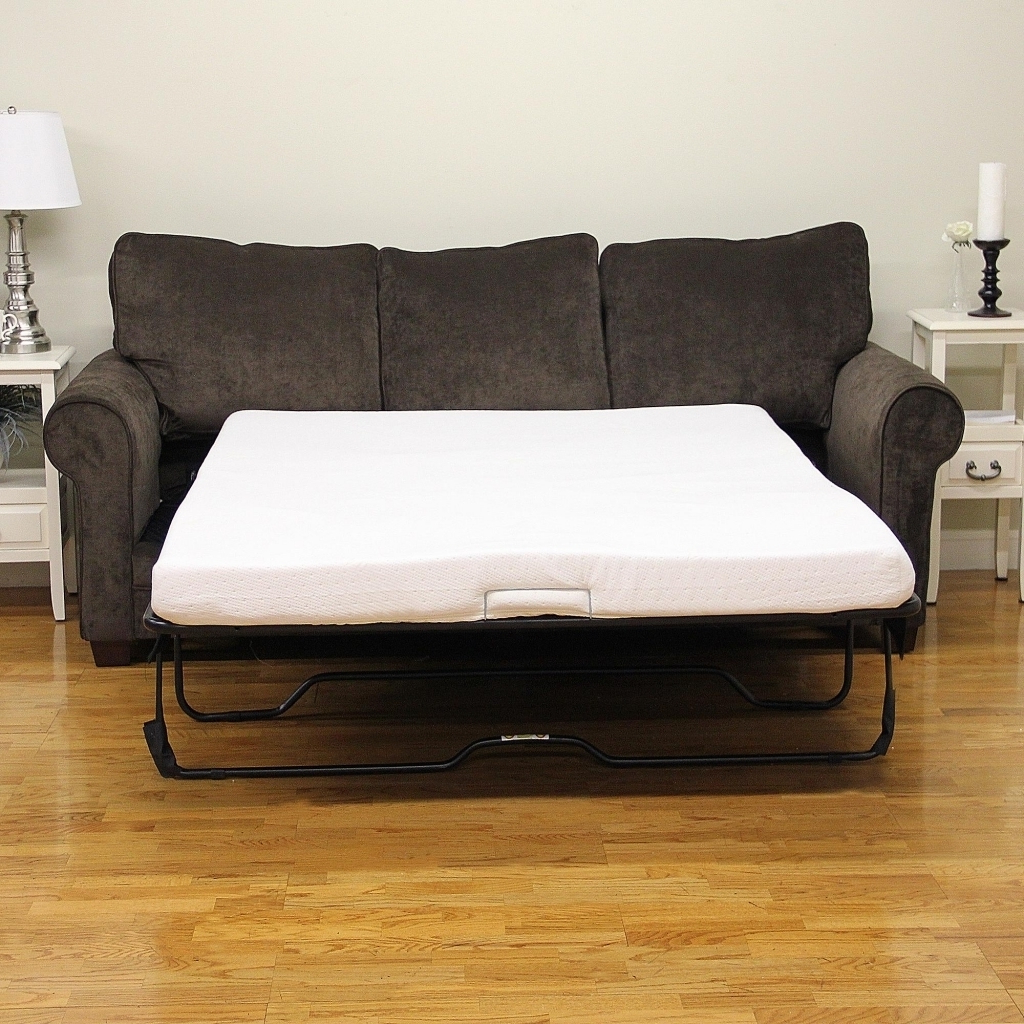
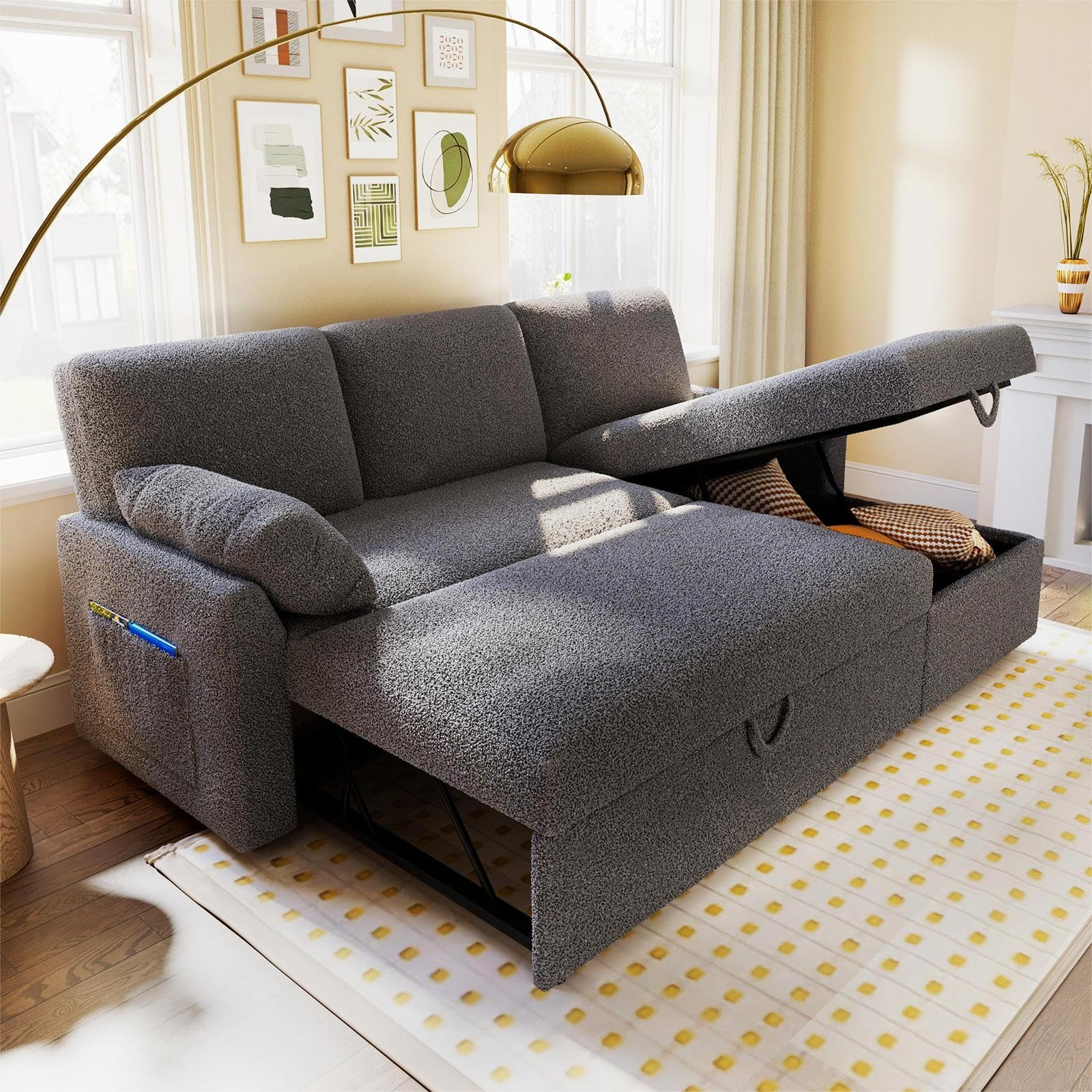
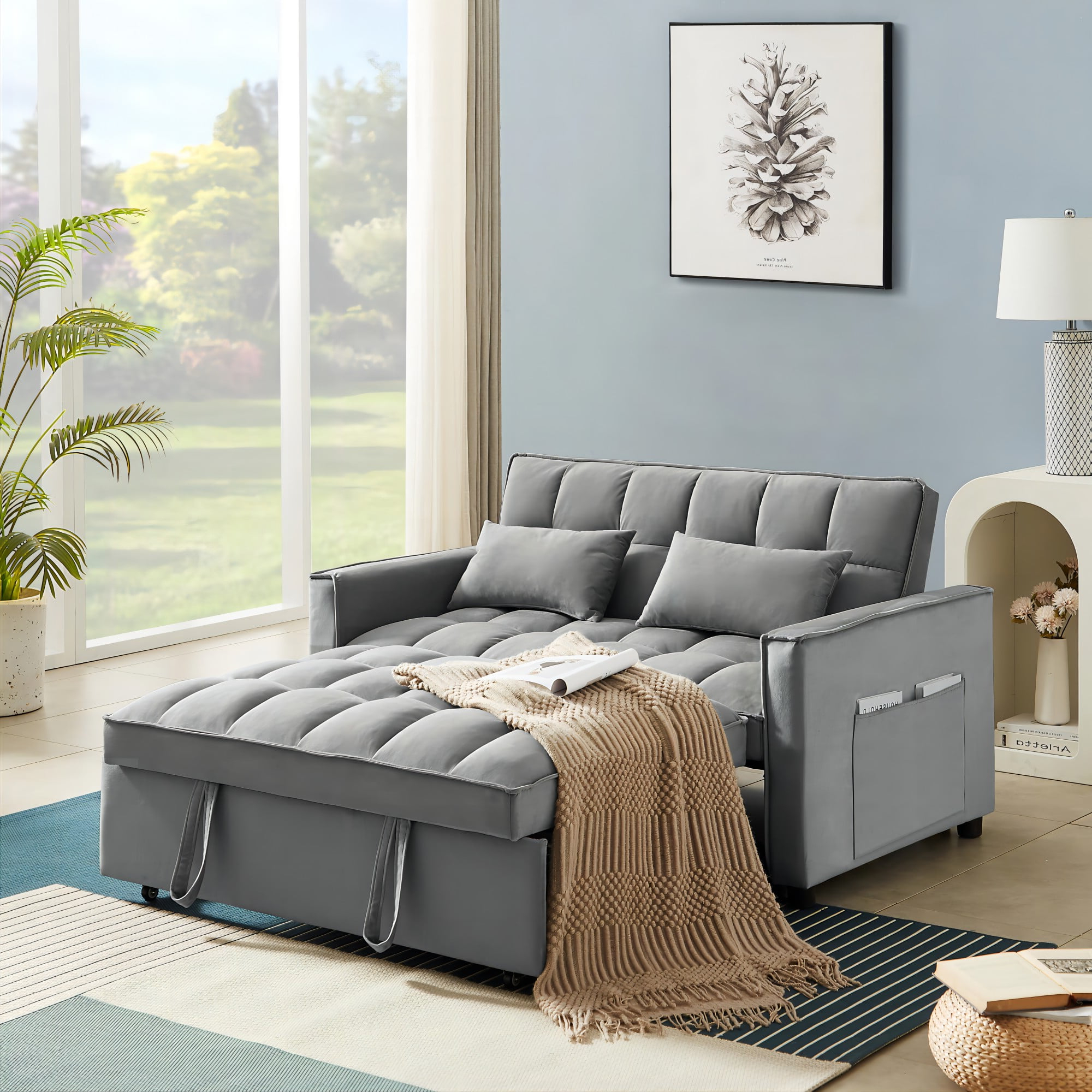
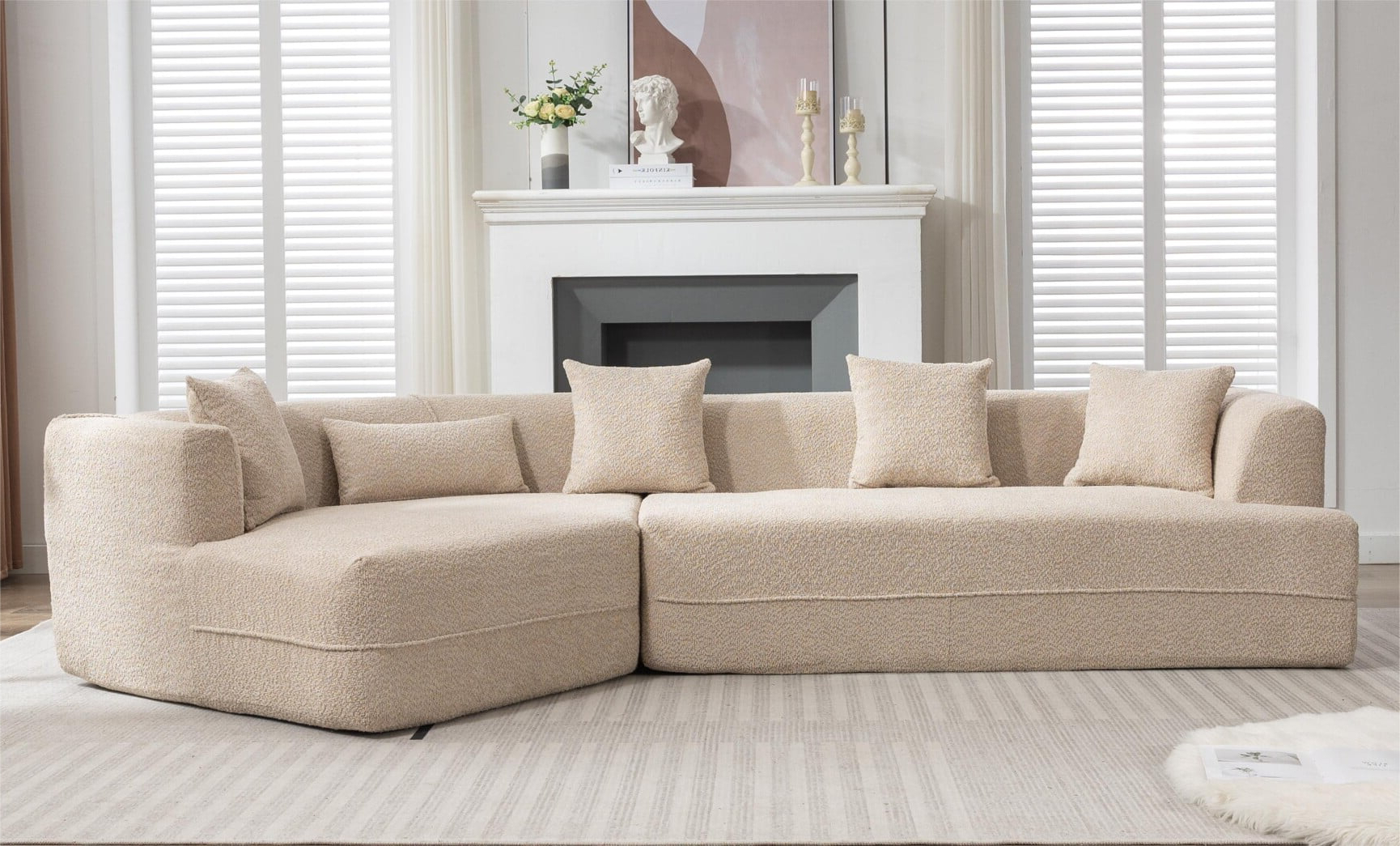
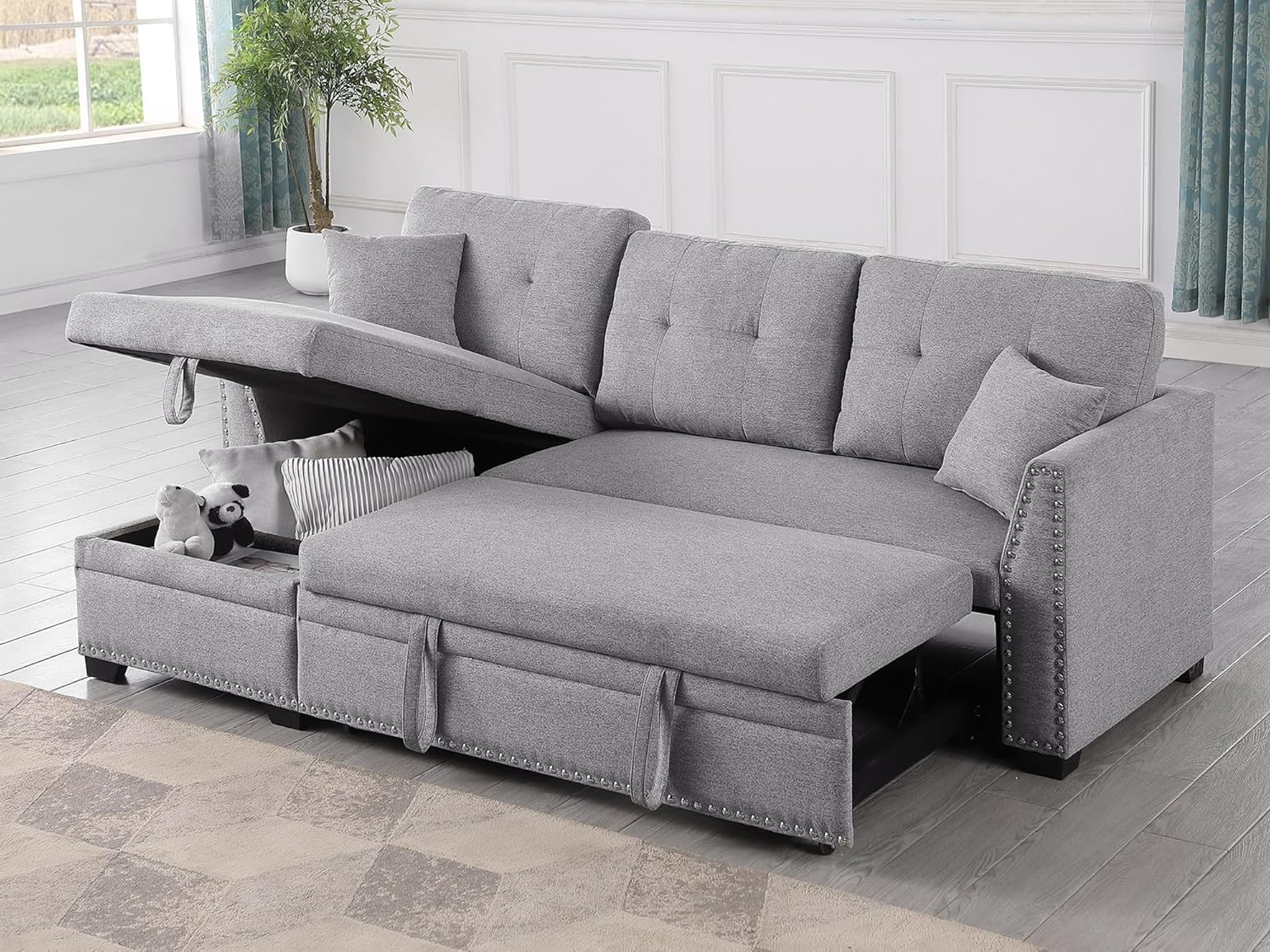
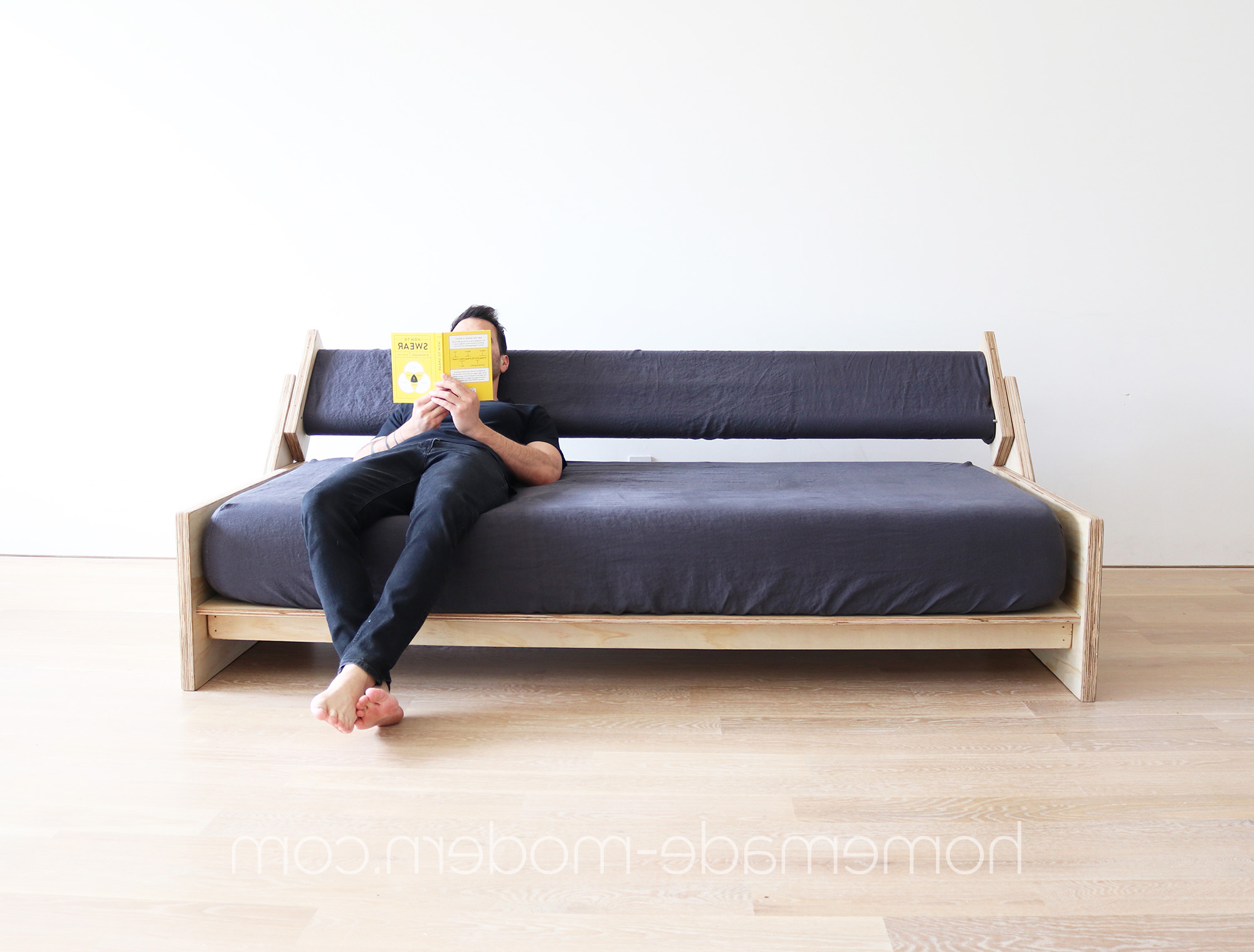
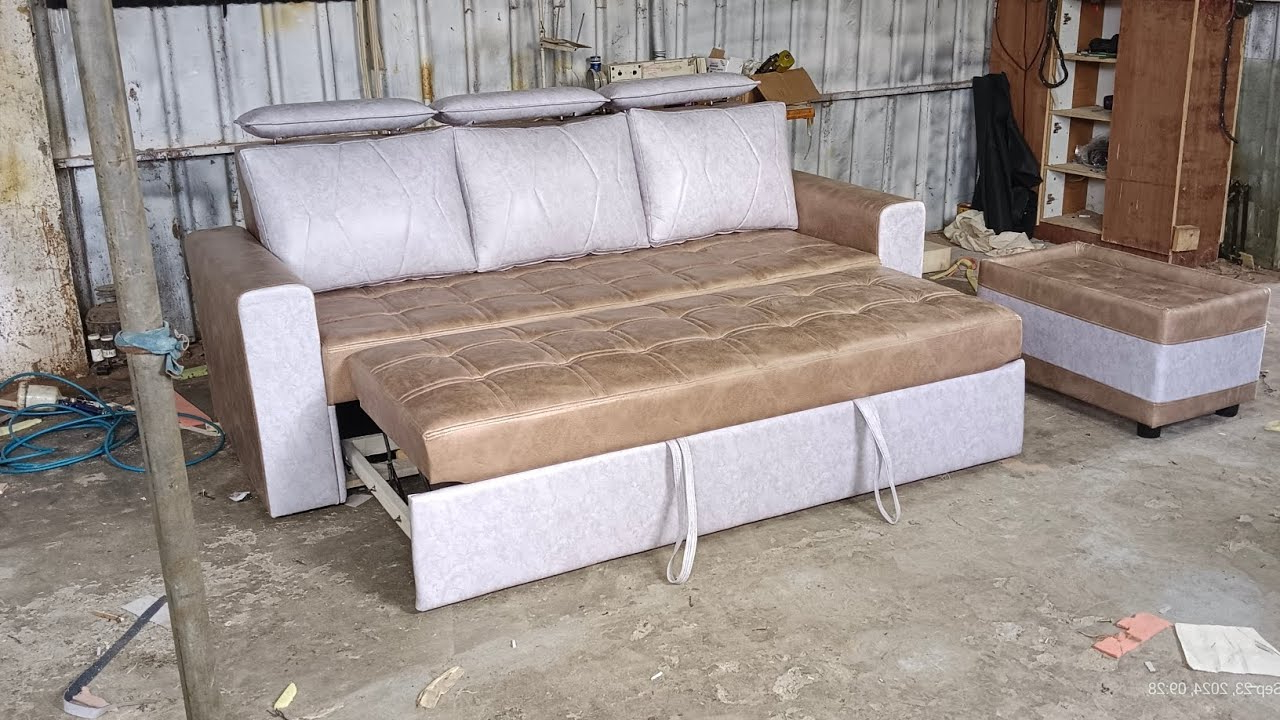
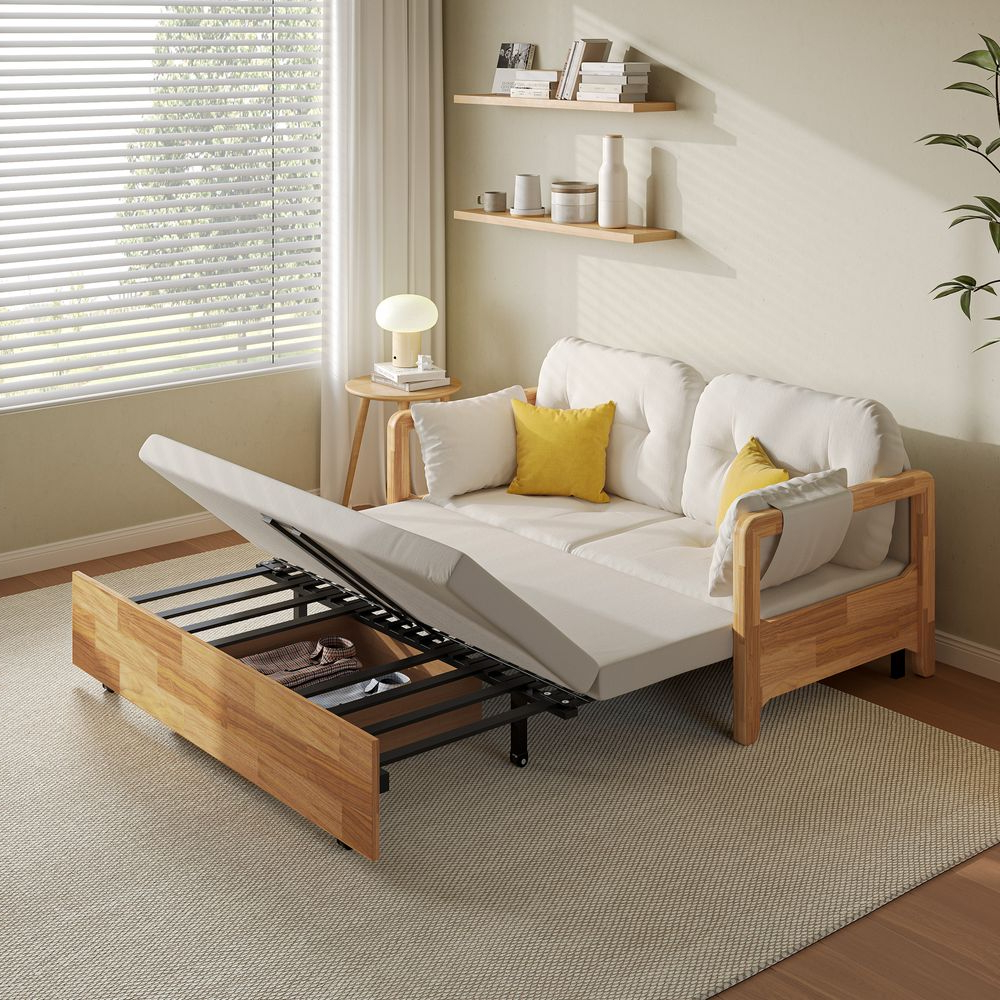
At their core, sleeper sofas are furniture pieces designed to function as both seating and sleeping surfaces. Unlike traditional couches, they feature mechanisms that allow the seating portion to fold down or flip over to create a bed. This dual-purpose design makes them incredibly useful in smaller living spaces where every square foot counts. When you think about it, they’re like having a personal hotel room in your own home. The mechanism itself varies between different models, but the end goal remains the same – providing a comfortable place to rest. Some use a simple pull-out system, while others feature more complex spring-loaded or hydraulic mechanisms. It’s amazing how much engineering goes into something that looks so simple.
The Anatomy of a Good Sleeper Sofa
Not all sleeper sofas are created equal. The quality of materials, construction, and design directly impacts how well they perform. Let’s break down what makes a great one:
• Frame construction: Solid wood or metal frames typically last longer than particle board.
• Cushioning material: High-density foam provides better support than low-quality padding.
• Spring system: Quality springs or memory foam offer superior comfort.
• Fabric choice: Durable, easy-to-clean materials like microfiber or performance fabrics.
Consider how often you’ll use it. If it’s primarily for guests, you might prioritize comfort over durability. But if you plan to use it regularly, investing in quality materials pays off in the long run. A well-made sleeper sofa can easily last two decades with proper care.
Choosing the Right Size for Your Space
Size matters more than you might expect. Measure your available space carefully before purchasing. A standard sleeper sofa typically measures around 72 inches wide, but variations exist. Consider the room’s dimensions, traffic flow, and existing furniture arrangement. Do you have enough clearance to open the sleeper mechanism? Will it fit through doorways and staircases?
Small spaces benefit from compact models that don’t overwhelm the area. Larger homes might accommodate bigger units that provide more sleeping room. Remember that the sleeping surface should be at least 54 inches wide for single users and 60 inches for couples. Sometimes a 72-inch model works perfectly for a couple who needs extra room. Don’t forget to account for the depth – some models add several inches when folded out.
Comfort and Support Considerations
Comfort isn’t just about softness – it’s about support and proper alignment. Your spine should remain straight whether you’re sitting or lying down. Many people overlook this aspect, but it makes all the difference in how you feel after a night’s sleep. Look for models with adequate padding that doesn’t compress too quickly. Memory foam mattresses or high-resilience foam offer excellent pressure relief. The mattress should feel firm enough to support your body weight without sinking too deeply. Think about your sleeping position too – side sleepers might prefer softer materials, while back sleepers might need firmer support.
Also consider the pillow support. Some sleeper sofas come with built-in pillows or adjustable headrests that enhance comfort significantly. These small details can make the difference between a restless night and a peaceful slumber.
Maintenance and Longevity Tips
Like any furniture investment, a sleeper sofa requires proper maintenance to last. Regular cleaning prevents stains and odors from setting in. Most manufacturers recommend spot-cleaning fabric covers with mild soap and water. Check the manufacturer’s instructions carefully – some materials require special treatments or professional cleaning.
Rotate cushions regularly to prevent uneven wear. Lubricate moving parts according to the manual, especially if your model has mechanical components. Check for loose screws or worn hinges periodically. Address issues early before they develop into bigger problems. A little care goes a long way in extending the life of your investment. Consider using protective covers or throws to reduce direct wear on the fabric.
Budget and Value Considerations
Sleeper sofas range widely in price, from budget-friendly options to premium models that cost thousands. Determine your budget first, then research what features you can get within that range. Remember that quality materials and construction typically mean better long-term value. A cheaper model might seem attractive initially, but frequent replacement or repairs could cost more over time.
Factor in additional costs like delivery, assembly, and potential warranty coverage. Some retailers offer financing options that make higher-end models more accessible. Compare prices across different brands and retailers. Look for seasonal sales or clearance items, though always check the condition carefully. Sometimes a slightly older model with good reviews can offer excellent value. Consider buying from established retailers with strong return policies – you never know when you might need to exchange or return something.
Choosing the right sleeper sofa involves balancing comfort, space requirements, and budget considerations. It’s not just about having a place to sleep – it’s about creating a functional part of your home that enhances your daily life. Whether you’re a casual user or someone who relies on it regularly, investing in quality and proper research pays dividends in comfort and convenience. The key is understanding what features matter most to your lifestyle and prioritizing accordingly. With thoughtful selection and proper care, a sleeper sofa can become one of your most valuable pieces of furniture. It’s not just about sleeping better – it’s about sleeping smarter. After all, when you’re looking for a reliable, comfortable sleeping solution, sometimes the best answer is right there in your living room.
[sps_html tag=”img” src=”https://roofdrivein.com/wp-content/uploads/2026/01/zechuan-convertible-sofa-bed-with-pull-out-bed-55-tufted-velvet-in-sleeper-sofa-simple-the-ultimate-guide-to-comfortable-sleeping-solutions.jpeg” alt=”Zechuan Convertible Sofa Bed With Pull Out Bed - 55" Tufted Velvet … in Sleeper Sofa Simple The Ultimate Guide to Comfortable Sleeping Solutions” style=”width: 100%; height: auto;”]
[sps_html tag=”img” src=”https://roofdrivein.com/wp-content/uploads/2026/01/best-small-sleeper-sofa-top-picks-for-comfortable-and-space-saving-with-regard-to-sleeper-sofa-simple-the-ultimate-guide-to-comfortable-sleeping-solutions.jpg” alt=”Best Small Sleeper Sofa: Top Picks For Comfortable And Space-Saving … with regard to Sleeper Sofa Simple The Ultimate Guide to Comfortable Sleeping Solutions” style=”width: 100%; height: auto;”]
[sps_html tag=”img” src=”https://roofdrivein.com/wp-content/uploads/2026/01/12-the-best-craft-your-own-sleeper-sofa-a-comprehensive-diy-project-guide-within-sleeper-sofa-simple-the-ultimate-guide-to-comfortable-sleeping-solutions.jpg” alt=”12 The Best Craft Your Own Sleeper Sofa: A Comprehensive Diy Project Guide within Sleeper Sofa Simple The Ultimate Guide to Comfortable Sleeping Solutions” style=”width: 100%; height: auto;”]
[sps_html tag=”img” src=”https://roofdrivein.com/wp-content/uploads/2026/01/simple-queen-sleeper-sofa-madison-art-center-design-regarding-sleeper-sofa-simple.jpg” alt=”Simple Queen Sleeper Sofa — Madison Art Center Design regarding Sleeper Sofa Simple” style=”width: 100%; height: auto;”]
[sps_html tag=”img” src=”https://roofdrivein.com/wp-content/uploads/2026/01/ebern-designs-osvani-55-velvet-reclining-sleeper-sofa-convertible-pertaining-to-sleeper-sofa-simple-the-ultimate-guide-to-comfortable-sleeping-solutions.jpg” alt=”Ebern Designs Osvani 55'' Velvet Reclining Sleeper Sofa, Convertible … pertaining to Sleeper Sofa Simple The Ultimate Guide to Comfortable Sleeping Solutions” style=”width: 100%; height: auto;”]