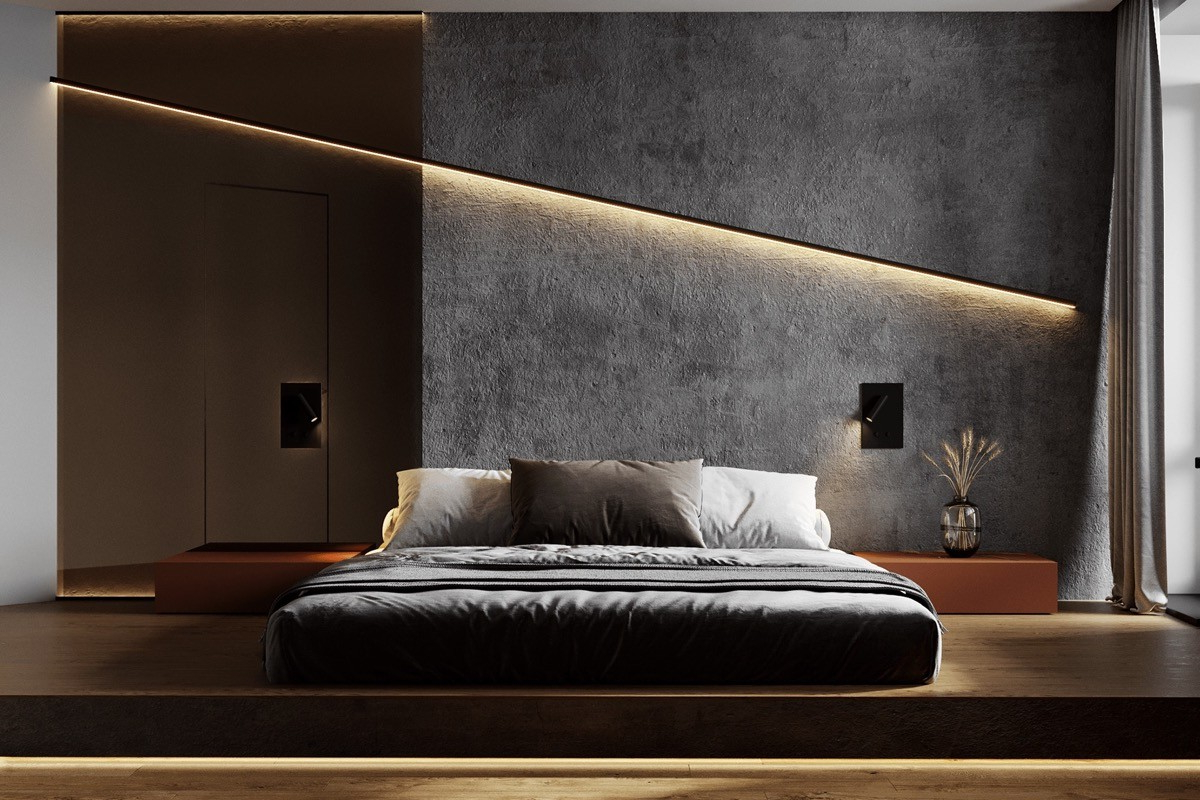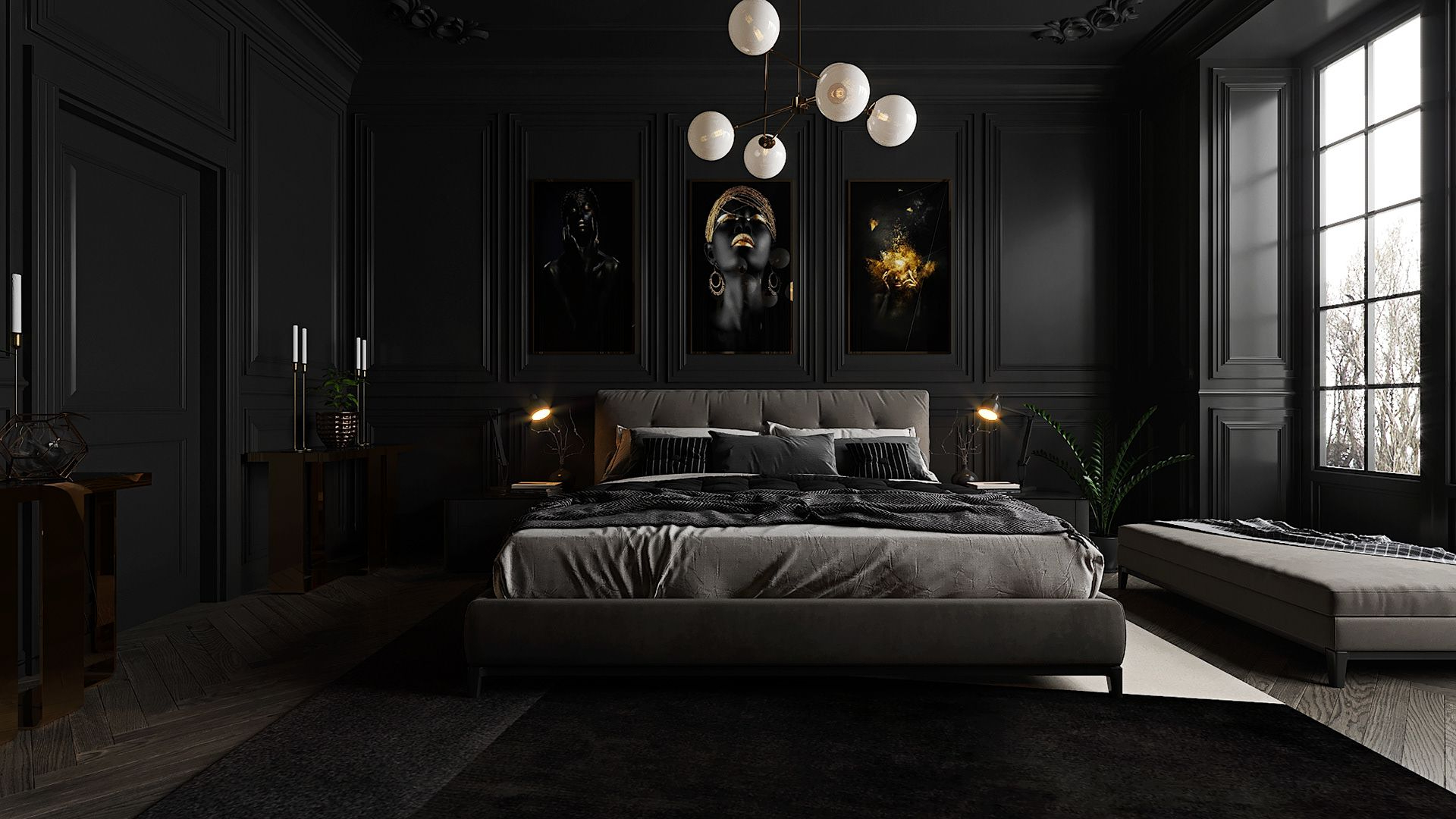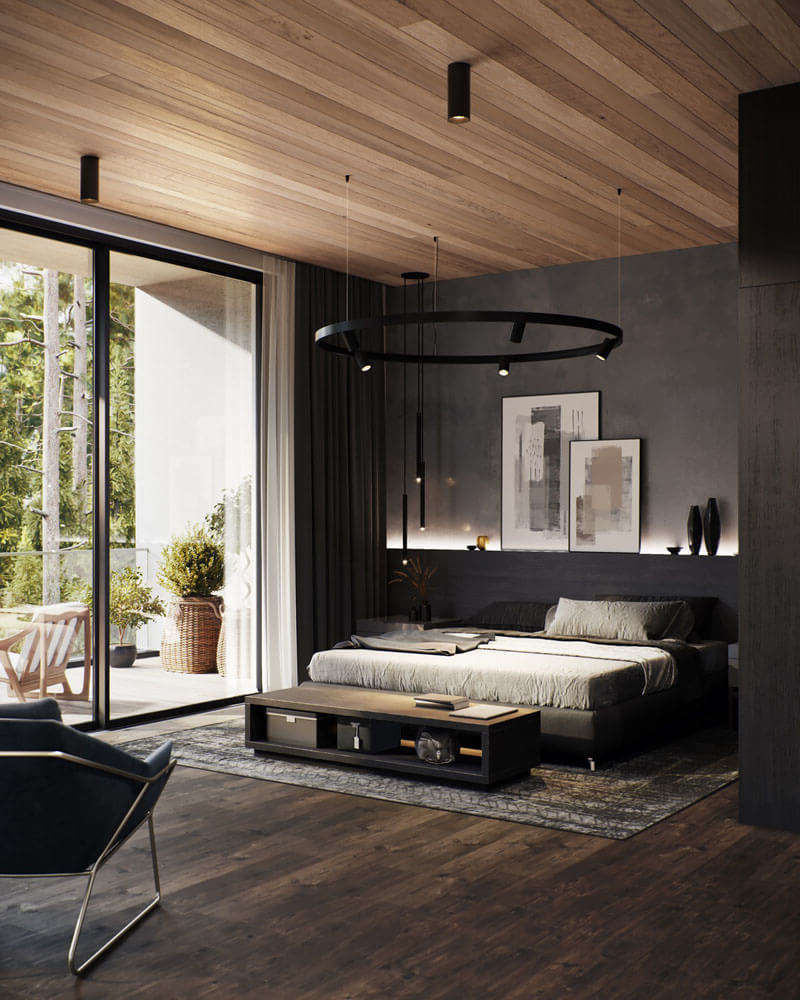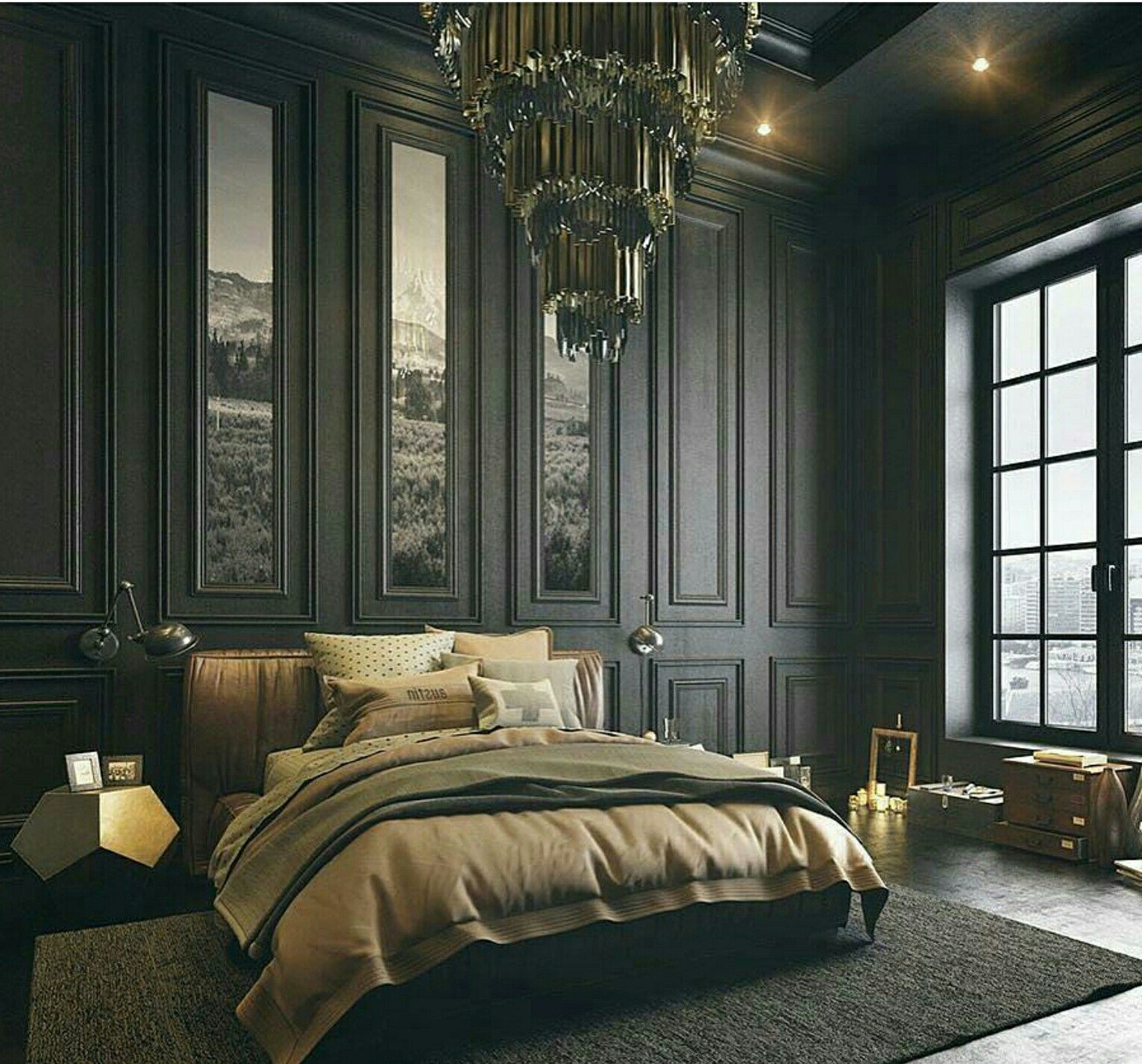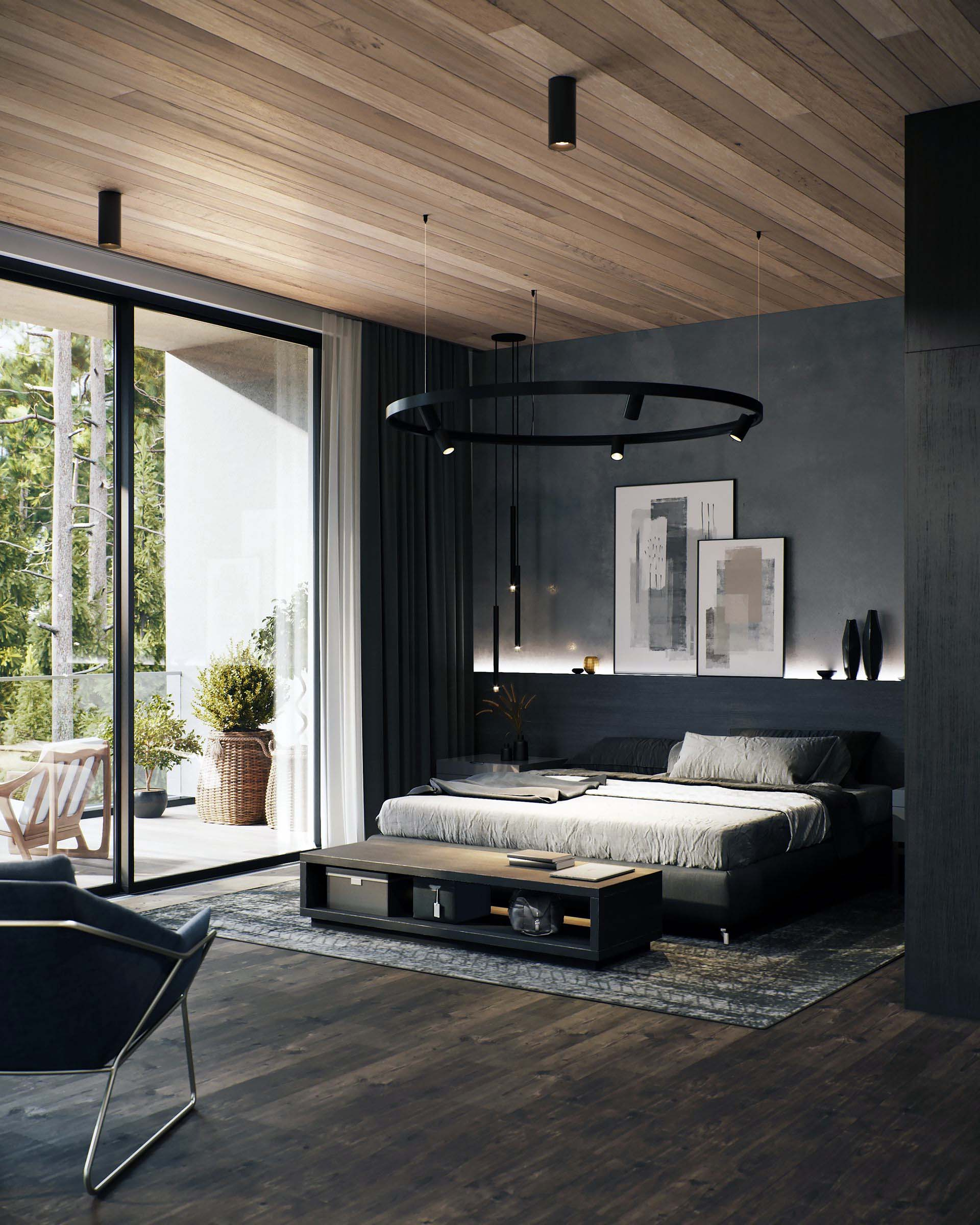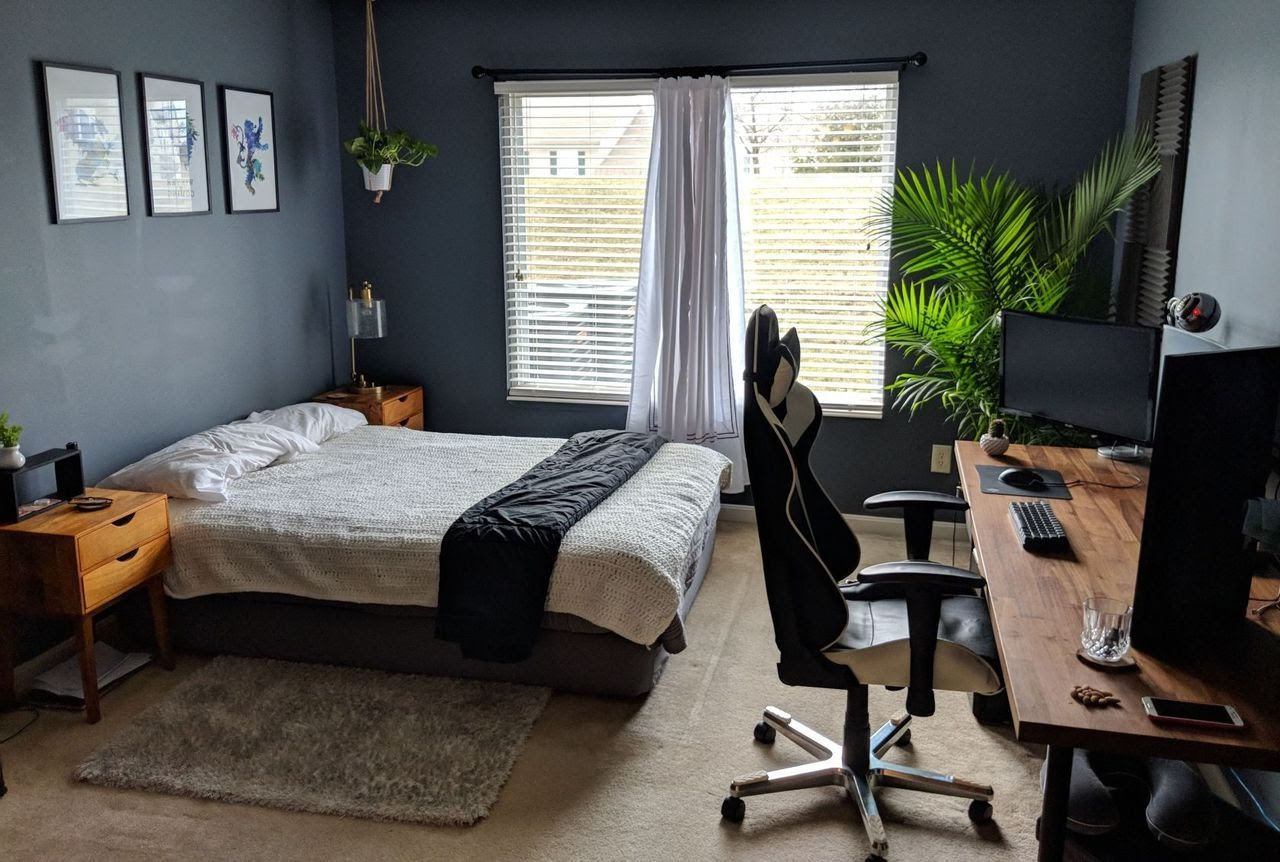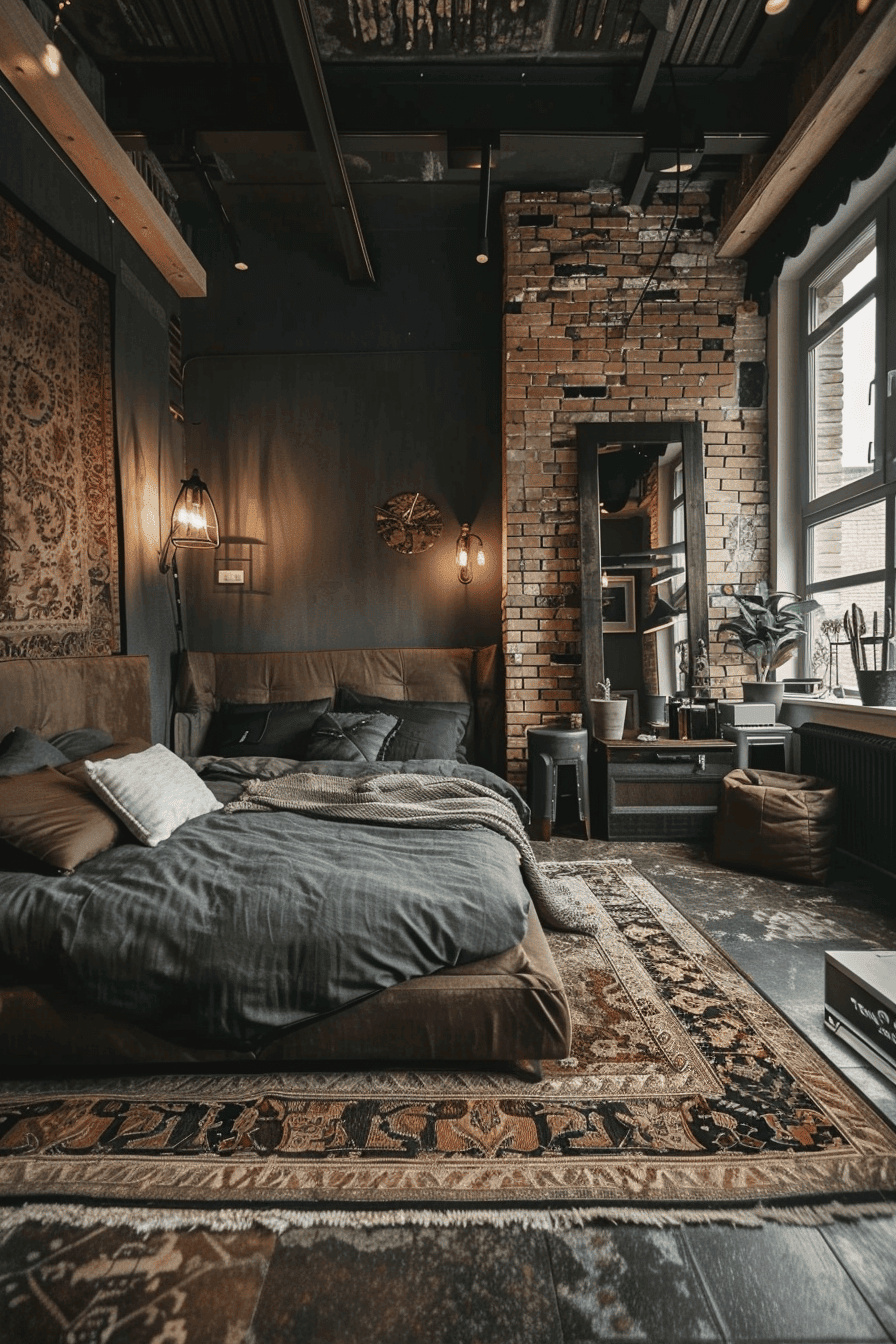
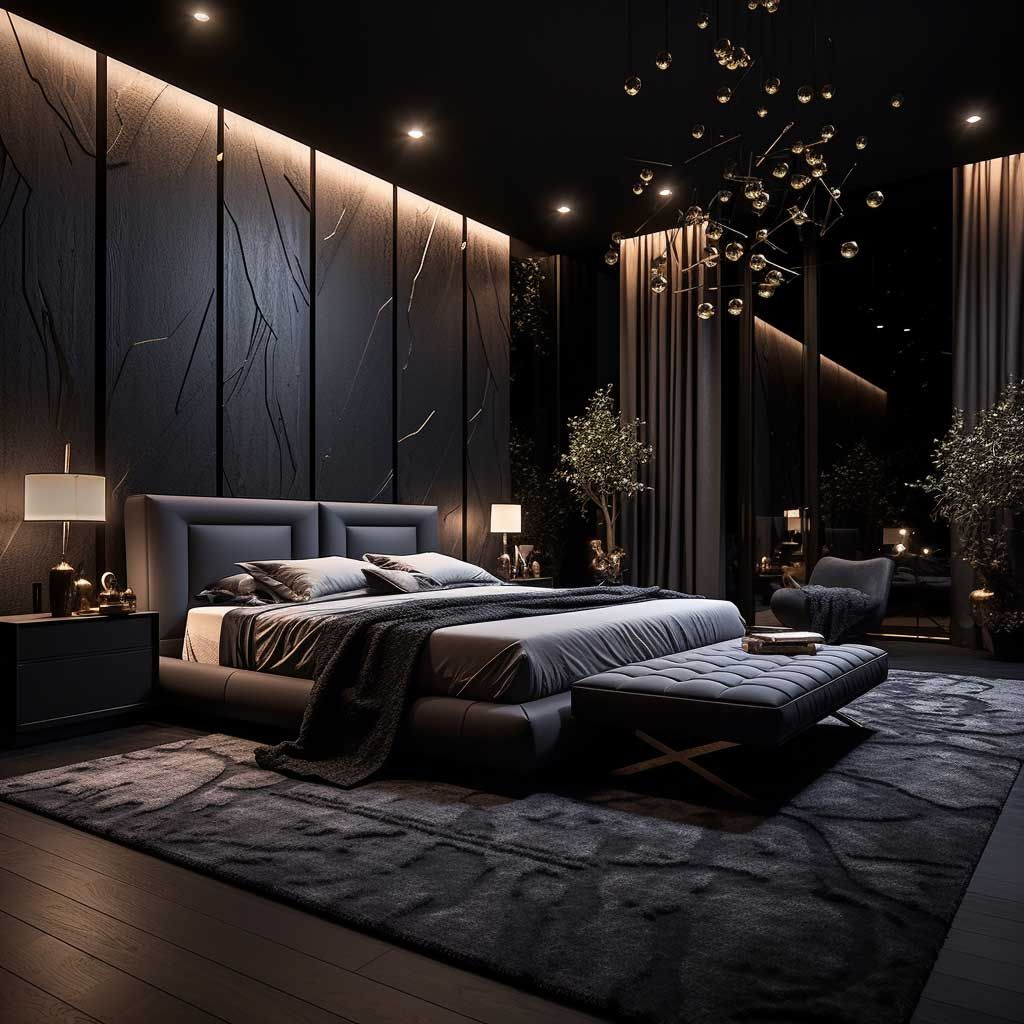
There’s something deeply satisfying about stepping into a room that feels like a gentle embrace. The kind of space that whispers ‘rest’ and ‘renewal’ with every corner. Dark bedrooms have evolved far beyond being just a trend. They’ve become a sophisticated way to create sanctuary spaces that help us recharge our minds and bodies. Whether you’re drawn to rich midnight blues, deep forest greens, or classic charcoal grays, there’s a dark bedroom aesthetic waiting to transform your sleep experience.
Let’s face it – we all want to sleep well. But how many of us actually prioritize the environment we sleep in? The colors, textures, and lighting of our bedroom can profoundly impact our rest quality. In recent years, dark bedrooms have gained popularity not just for their aesthetic appeal, but for their ability to create calming atmospheres. These spaces offer a sense of privacy and peace that’s often missing in our overstimulated lives. We’re talking about rooms that feel like soft hugs, where the darkness isn’t scary but comforting. It’s about finding that perfect balance between dramatic style and serene functionality.
The Psychology Behind Dark Bedrooms
What is it about dark rooms that makes them so appealing for sleep? It turns out there’s science behind our attraction to deeper hues. Our brains naturally associate darker environments with nighttime, which helps signal to our bodies that it’s time to wind down. Research shows that darker rooms can promote better sleep because they reduce light exposure, which is crucial for melatonin production. When we’re exposed to less light, especially blue light from screens, our bodies produce more of this sleep hormone naturally. Think about how much better you sleep when you’re in a completely dark room versus one with ambient lighting. The psychology works on multiple levels – visually, emotionally, and even biologically. Dark bedrooms can feel like a cocoon, protecting us from the outside world’s distractions and noise.
Choosing the Right Dark Colors
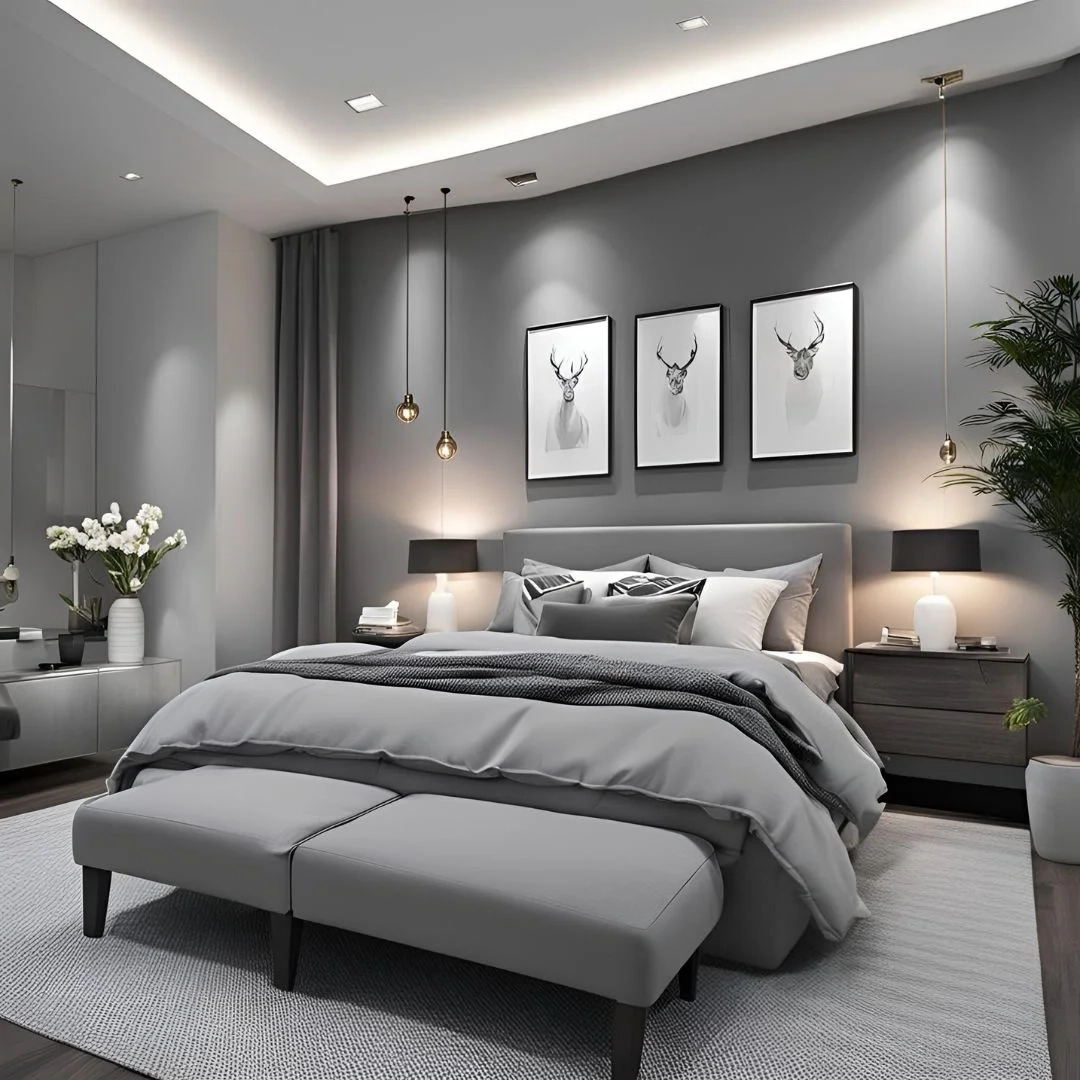
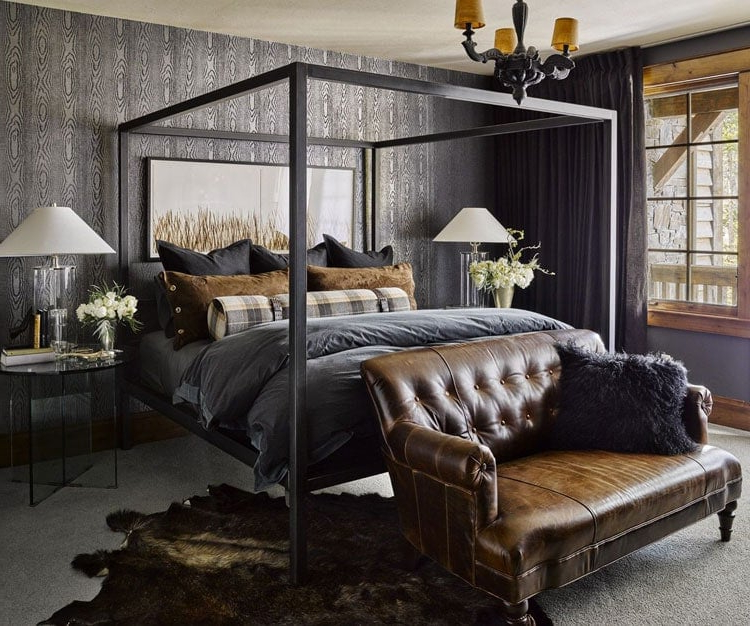
Not all dark colors are created equal, and selecting the right ones is crucial for creating a peaceful space. Let’s talk about some tried-and-true options. Deep navy blues bring sophistication and calmness to any room. They’re versatile enough to work in both modern and traditional settings. Forest green creates a nature-inspired atmosphere that feels grounding and restorative. Charcoal gray offers a contemporary edge while maintaining a sense of quiet elegance. Even deeper shades like eggplant purple or midnight black can work beautifully when used thoughtfully. The key is to avoid pure black unless you’re going for a very dramatic look, as it can feel oppressive. Instead, opt for dark colors with subtle undertones. Consider using different shades within the same color family to add depth and visual interest without overwhelming the senses.
Lighting That Works With Darkness
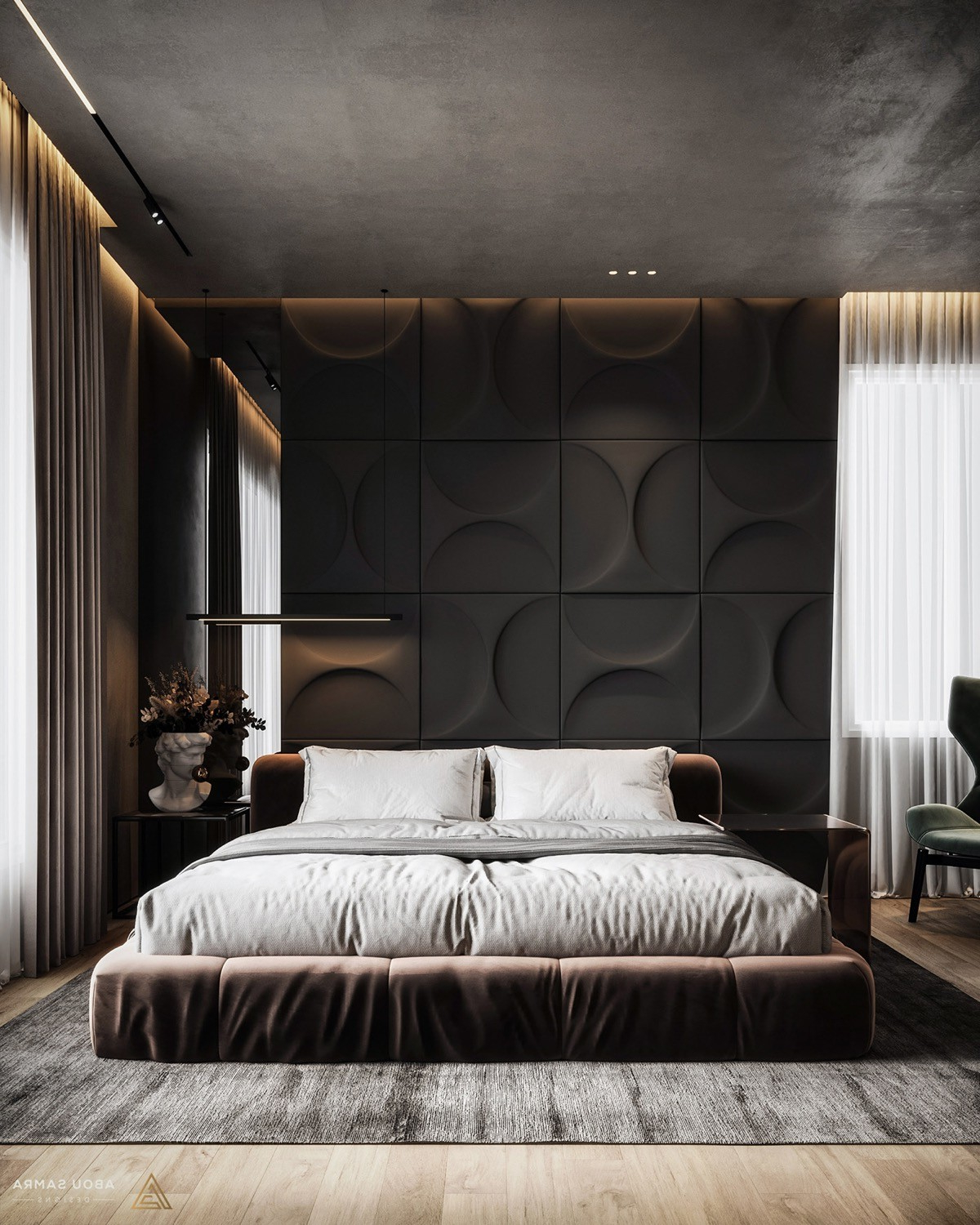
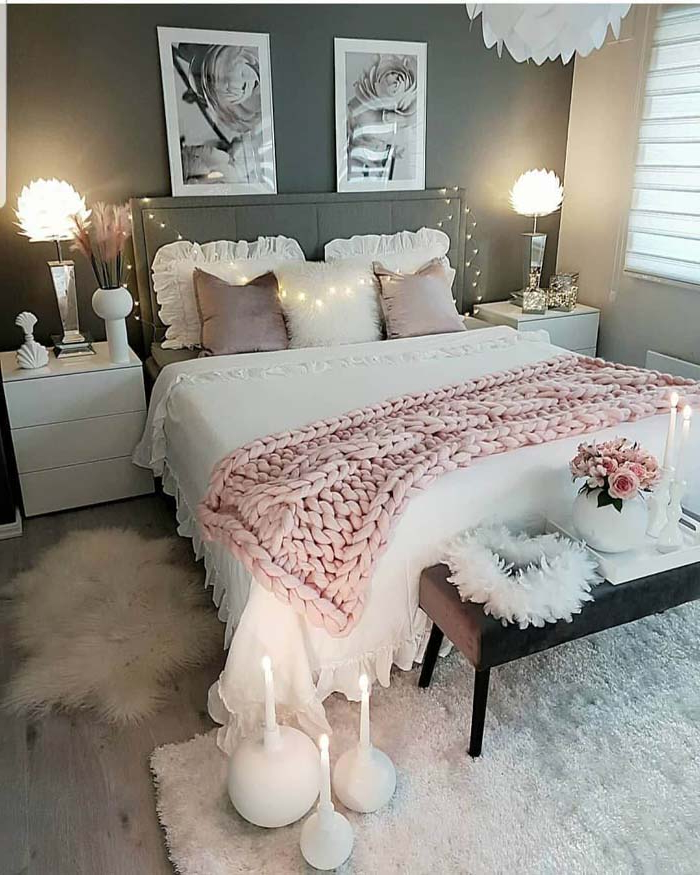
One of the most important aspects of a successful dark bedroom is thoughtful lighting. You want to create a space that’s dark enough for good sleep, but still functional during the day. Layered lighting works best – ambient lighting for general illumination, task lighting for reading, and accent lighting for mood. Dimmer switches are your best friend here. They allow you to adjust the ambiance based on the time of day or your energy level. For nighttime, consider bedside lamps with warm, soft light that won’t disrupt your circadian rhythm. String lights or candles can add a romantic touch while providing gentle illumination. Smart lighting systems that automatically adjust brightness and color temperature throughout the day can be incredibly helpful. The goal is to minimize harsh lighting that might interfere with sleep quality.
Textures and Materials for Comfort
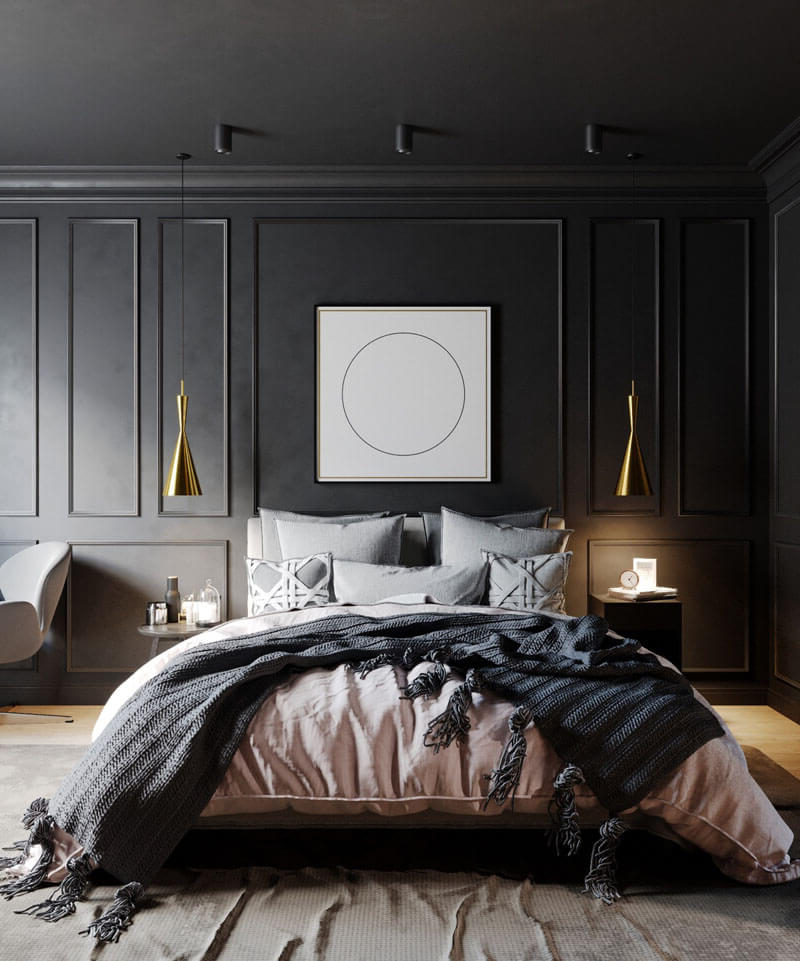
The magic of a great dark bedroom lies in its tactile elements. Soft fabrics like velvet, silk, and cashmere create warmth and comfort against the skin. Throw pillows and blankets in various textures add visual interest while enhancing the cozy feeling. Natural materials like wood and stone can provide contrast to the dark walls. A wooden nightstand or dresser adds organic warmth to a space that might otherwise feel too heavy. Consider incorporating some metallic accents like brushed brass or matte silver for subtle shine. These details catch light gently and prevent the room from feeling completely monochromatic. Textured wall coverings such as linen or grasscloth can add dimension without competing with the darkness. The key is balancing softness with structure so the space feels inviting rather than overwhelming.
Furniture Choices That Complement Dark Spaces
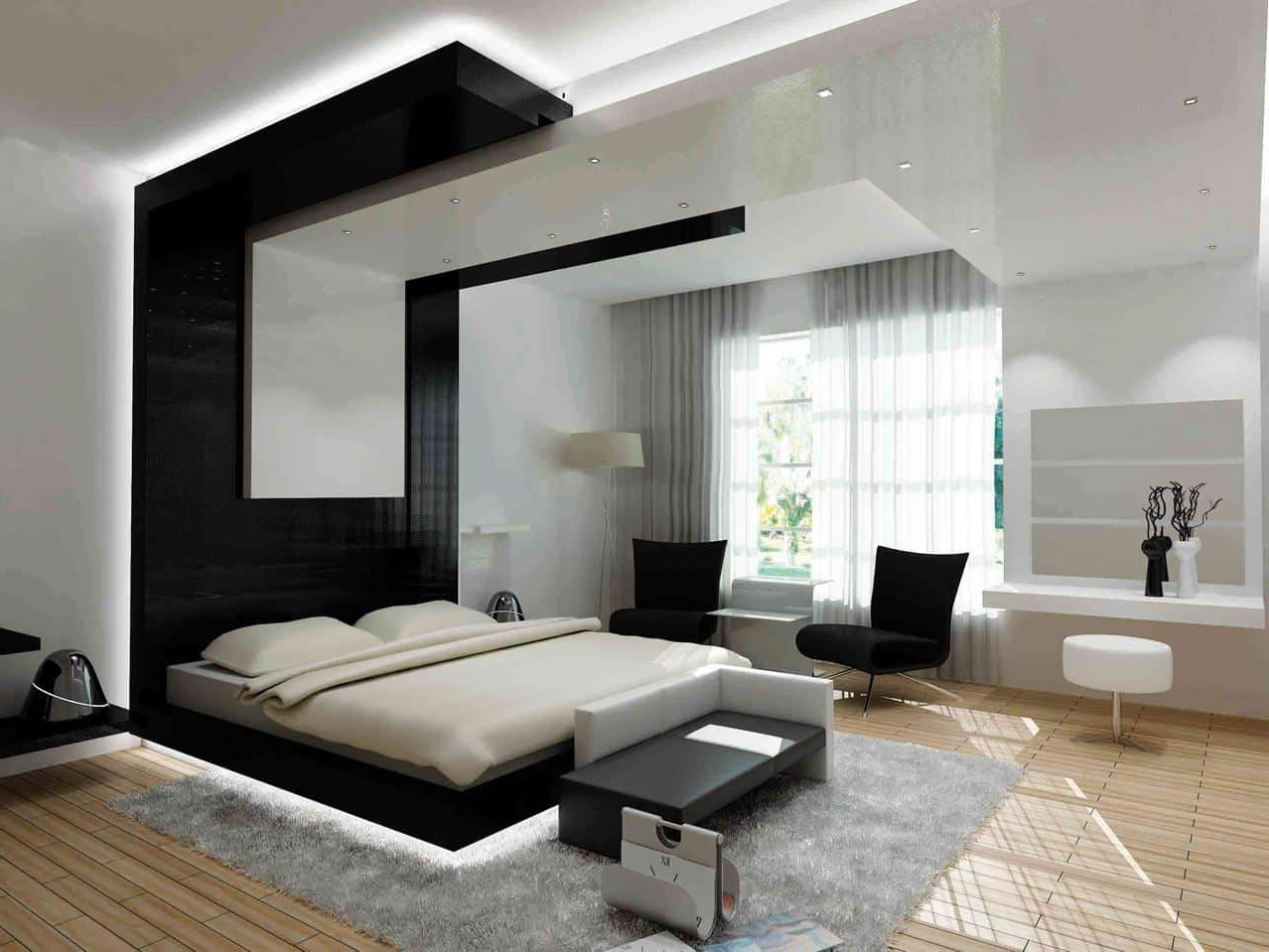
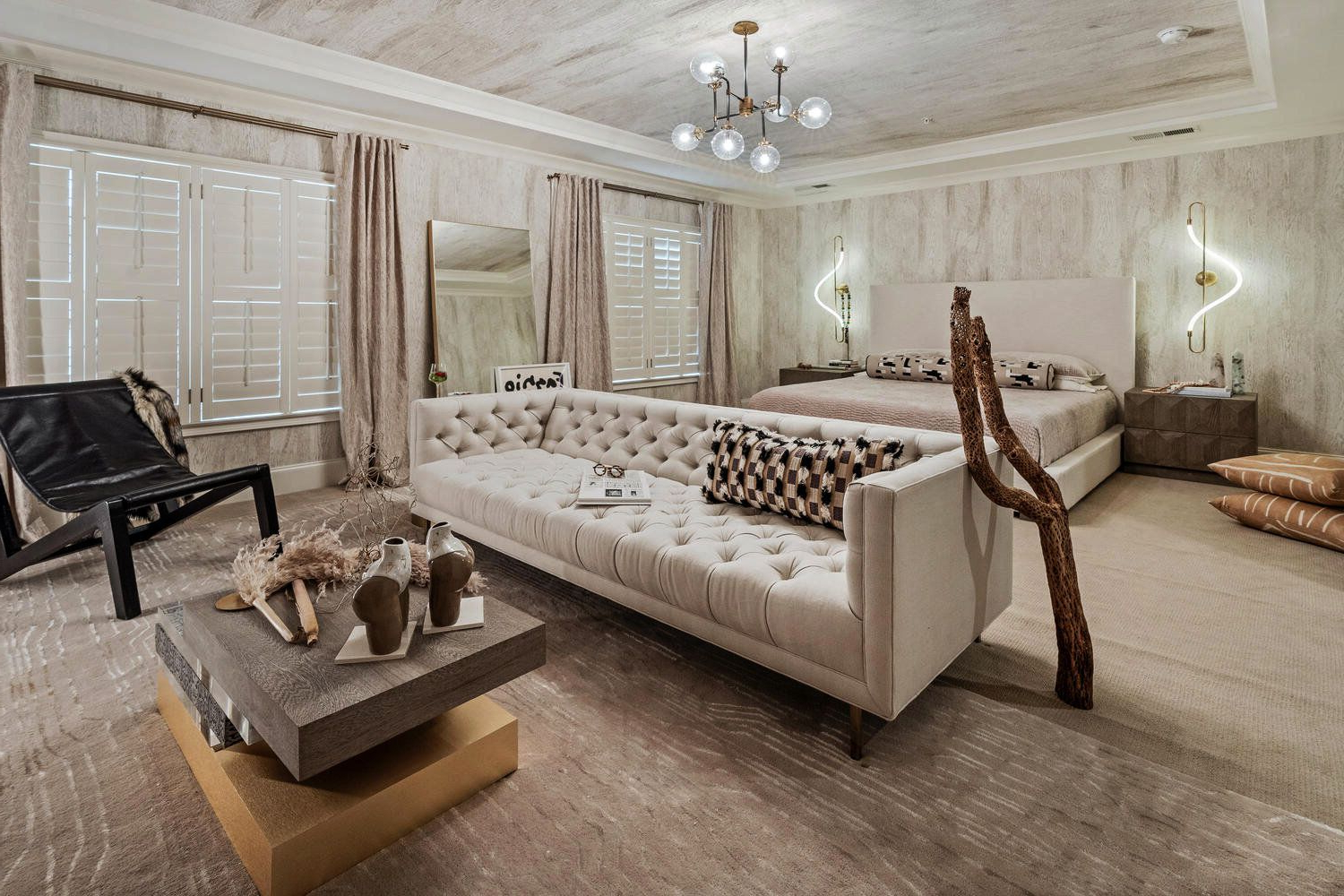
When selecting furniture for a dark bedroom, think about proportion and scale. Lighter furniture can help balance the darkness and keep the room from feeling cramped. A white or light grey bed frame works beautifully against dark walls. Wooden furniture in lighter tones brings warmth and natural beauty to the space. Avoid overly ornate pieces that might look heavy in a dark room. Instead, choose clean lines and simple designs. Storage solutions like nightstands, dressers, and wardrobes should complement rather than compete with the overall aesthetic. Consider multifunctional furniture like ottomans with storage or beds with built-in drawers. This approach maximizes space efficiency while maintaining the clean lines that make dark bedrooms feel airy. The right furniture choices can make a small dark bedroom feel larger and more open.
Accessories That Enhance the Atmosphere
Small details make big impacts in a dark bedroom. Artwork and photographs can serve as focal points without disrupting the overall color scheme. Choose pieces with muted tones that complement rather than clash with the room’s palette. Plants bring life and oxygen to any space, even in darker environments. Succulents and low-light plants like snake plants or pothos work particularly well. A few carefully placed books, candles, or crystals can create personal touches that make the space uniquely yours. Mirrors can reflect light and create the illusion of more space, though use them sparingly to avoid visual clutter. Consider adding a small area rug to define the sleeping area and provide warmth underfoot. These finishing touches help create a complete, cohesive look that feels intentional and well-designed.
Creating a beautiful dark bedroom isn’t about following rigid rules or expensive renovations. It’s about understanding what makes you feel comfortable and rested. Whether you’re drawn to deep blues, rich greens, or classic grays, the key is choosing colors that resonate with your personal style and sleep needs. Remember, the best dark bedroom design is one that makes you want to stay in the room – to relax, unwind, and get proper rest. Start small if you’re unsure. Maybe try a dark accent wall first, or add some textured throw pillows. The most important thing is that your bedroom becomes a place where you truly feel at home and ready for sleep. After all, we spend about one-third of our lives in our bedrooms. Making that space work for us is one of the best investments we can make for our health and happiness.
[sps_html tag=”img” src=”https://roofdrivein.com/wp-content/uploads/2026/01/51-dark-bedroom-ideas-with-tips-and-accessories-to-help-you-design-yours-regarding-sleep-in-style-timeless-dark-bedroom-design-ideas-for-every-home.jpg” alt=”51 Dark Bedroom Ideas With Tips And Accessories To Help You Design Yours regarding Sleep in Style: Timeless Dark Bedroom Design Ideas for Every Home” style=”width: 100%; height: auto;”]
[sps_html tag=”img” src=”https://roofdrivein.com/wp-content/uploads/2026/01/6-sophisticated-dark-bedroom-themes-transform-your-space-in-dark-bedroom-design-ideas.jpg” alt=”6+ Sophisticated Dark Bedroom Themes: Transform Your Space in Dark Bedroom Design Ideas” style=”width: 100%; height: auto;”]
[sps_html tag=”img” src=”https://roofdrivein.com/wp-content/uploads/2026/01/41-sophisticated-black-themed-bedroom-ideas-design-swan-for-dark-bedroom-design-ideas.jpg” alt=”41 Sophisticated Black Themed Bedroom Ideas - Design Swan for Dark Bedroom Design Ideas” style=”width: 100%; height: auto;”]
[sps_html tag=”img” src=”https://roofdrivein.com/wp-content/uploads/2026/01/dark-aesthetic-bedroom-ideas-at-gwen-staton-blog-pertaining-to-dark-bedroom-design-ideas.jpg” alt=”Dark Aesthetic Bedroom Ideas At Gwen Staton Blog pertaining to Dark Bedroom Design Ideas” style=”width: 100%; height: auto;”]
[sps_html tag=”img” src=”https://roofdrivein.com/wp-content/uploads/2026/01/51-dark-bedroom-ideas-with-tips-and-accessories-to-help-you-design-intended-for-dark-bedroom-design-ideas.jpg” alt=”51 Dark Bedroom Ideas With Tips And Accessories To Help You Design … intended for Dark Bedroom Design Ideas” style=”width: 100%; height: auto;”]