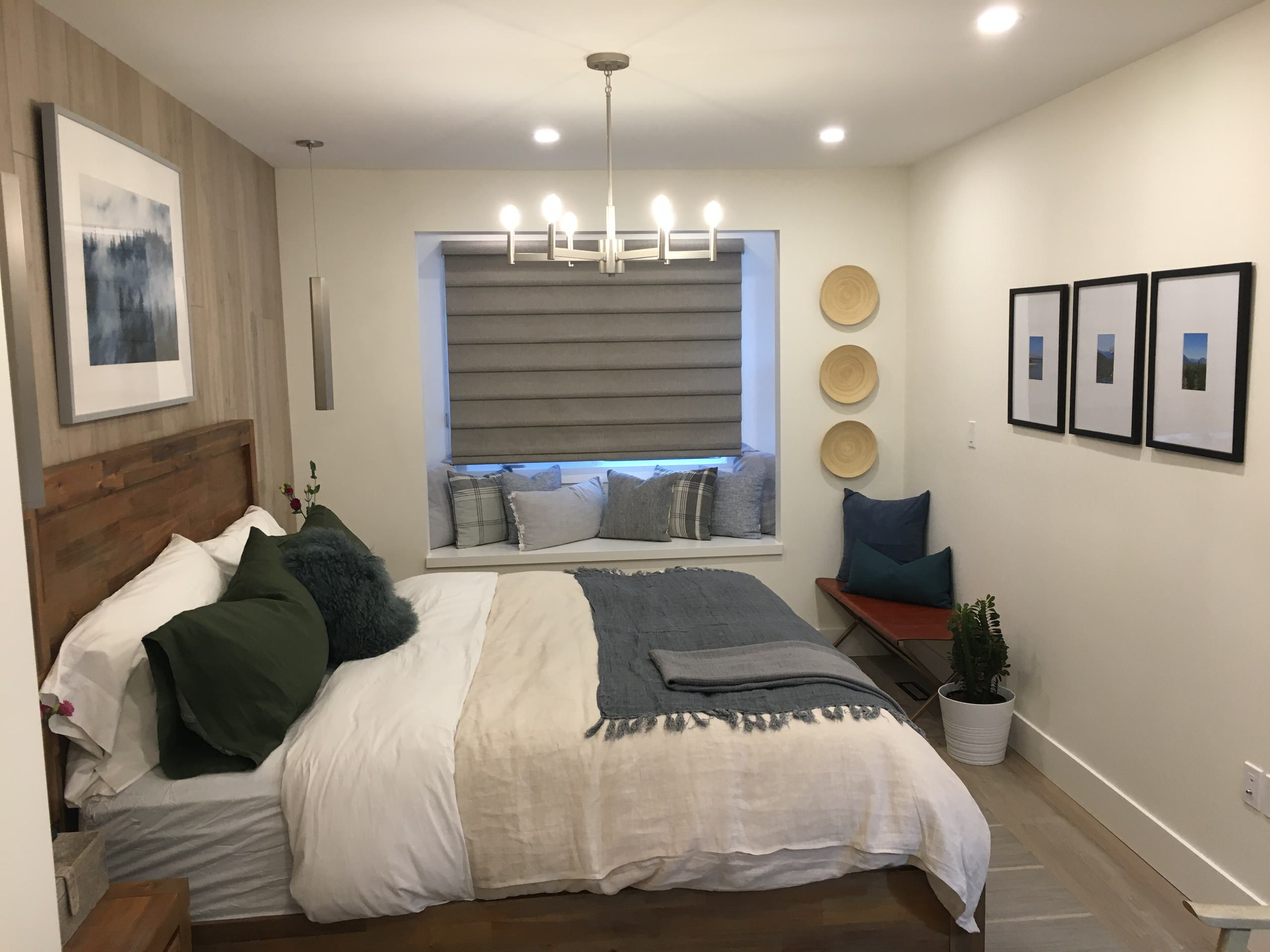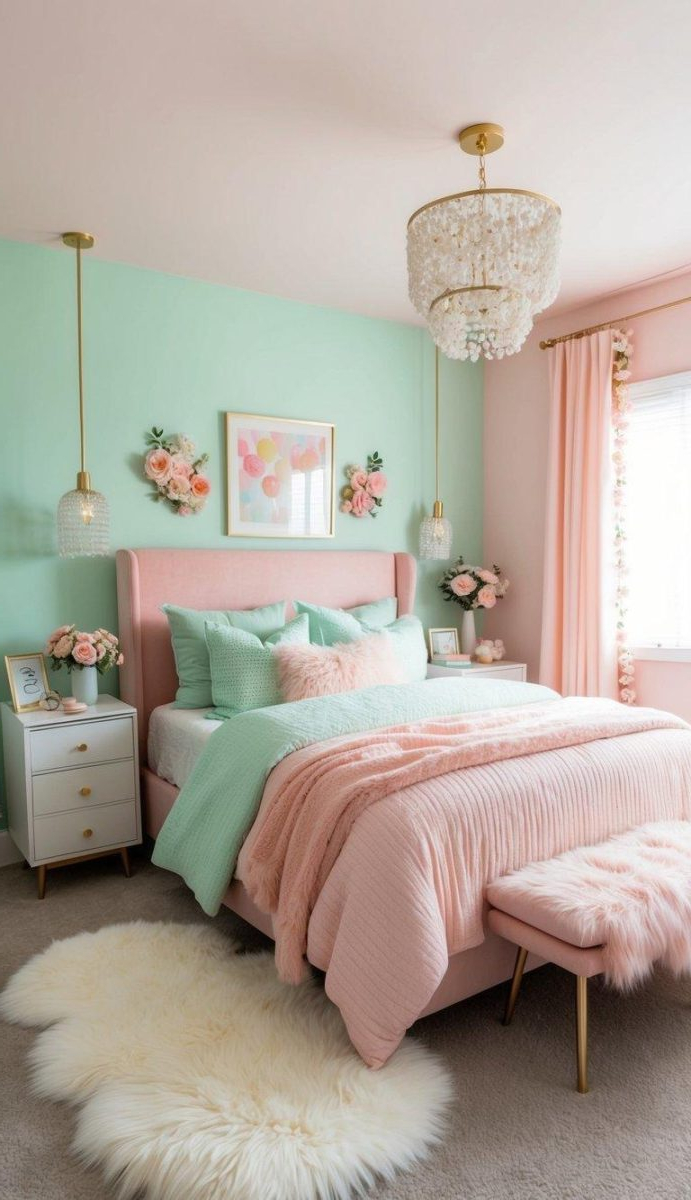

We all know that good sleep is essential for health, but did you know that the way your bedroom looks and feels can make or break your rest? It’s true. Your sleeping space isn’t just about comfort – it’s about creating a sanctuary that helps your body and mind naturally wind down and recharge. Think about it: when you walk into a room that’s calm and inviting, your stress levels drop almost immediately. When you enter a space that feels chaotic or overwhelming, your brain stays alert. The right design choices can literally help you fall asleep faster and stay asleep longer.
Every night, we surrender control of our minds to sleep. But what if your environment was actively working against you instead of with you? The truth is, many of us spend hours each day in spaces that interfere with our ability to rest properly. We might have perfectly comfortable beds, but if our rooms are cluttered, too bright, or filled with distractions, our brains never fully switch off. This isn’t just about aesthetics – it’s about creating a physical space that supports your body’s natural rhythms. Consider this: a bedroom designed with sleep in mind can reduce stress hormones by up to 30%, according to recent research. That’s why understanding how to craft a bedroom that promotes restful sleep is one of the most powerful investments you can make in your health.
Lighting: The Foundation of Sleep Preparation
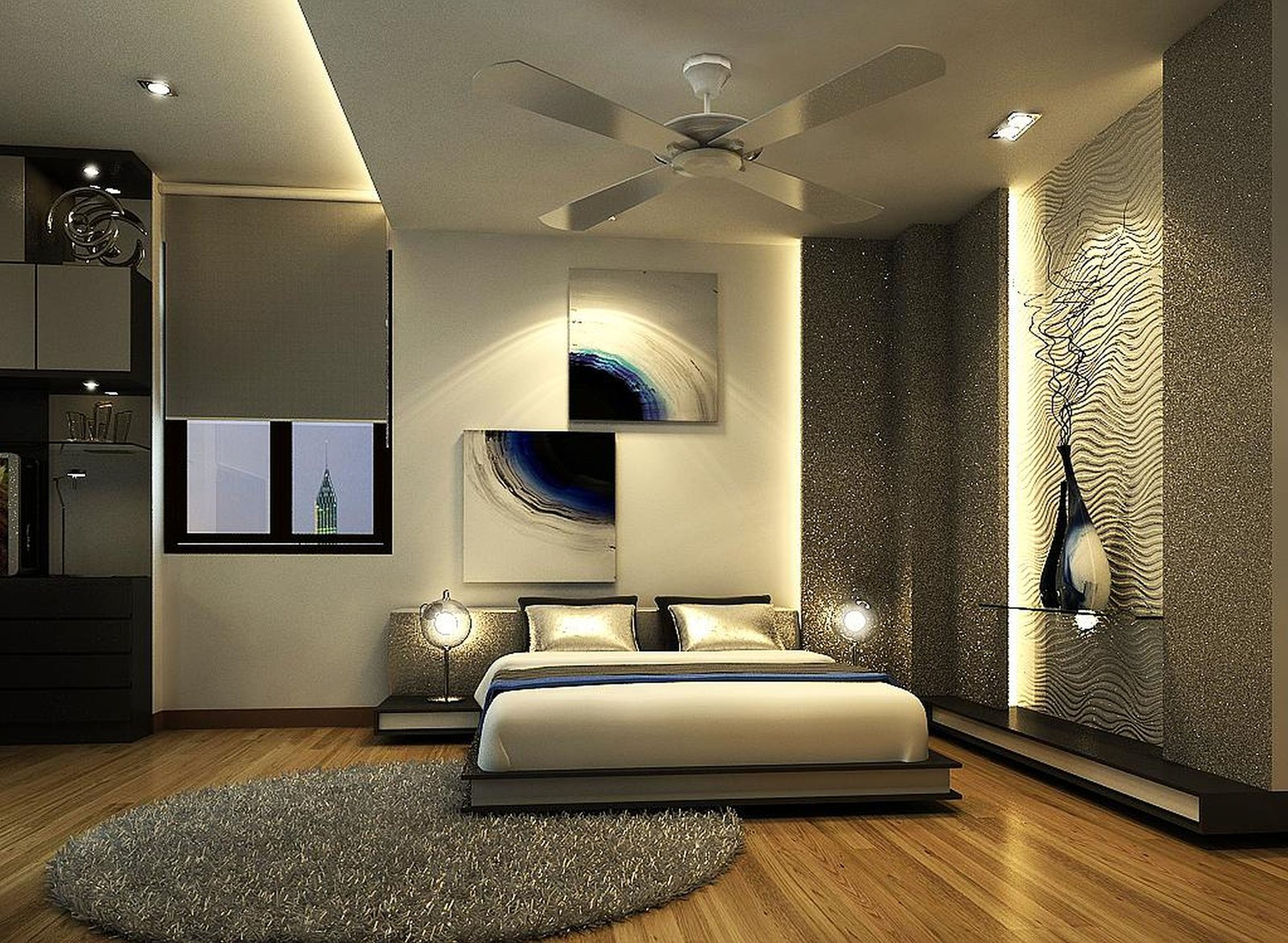
Lighting is perhaps the most important element in any sleep-friendly bedroom. Your eyes don’t just see light – they send signals directly to your brain about whether it’s time to wake up or wind down. Natural light during the day helps regulate your circadian rhythm, but artificial lighting at night can disrupt this process. The key is creating a lighting system that shifts with your daily needs. Start with dimmer switches on main lights – you want to be able to reduce brightness gradually as bedtime approaches. Consider using warm, amber-toned bulbs rather than cool white ones in the evening. These feel softer on the eyes and don’t interfere with melatonin production. For reading before bed, a bedside lamp with adjustable brightness works wonders. A simple trick many people overlook: remove all screens from your bedroom. Phones, tablets, computers – they all emit blue light that tricks your brain into thinking it’s still daytime. Even if you don’t use them, the glow can be enough to disturb your sleep cycle. Try setting a rule: no screens within one hour of bedtime. Your body will thank you for it.
Color Psychology: Choosing the Right Palette for Rest
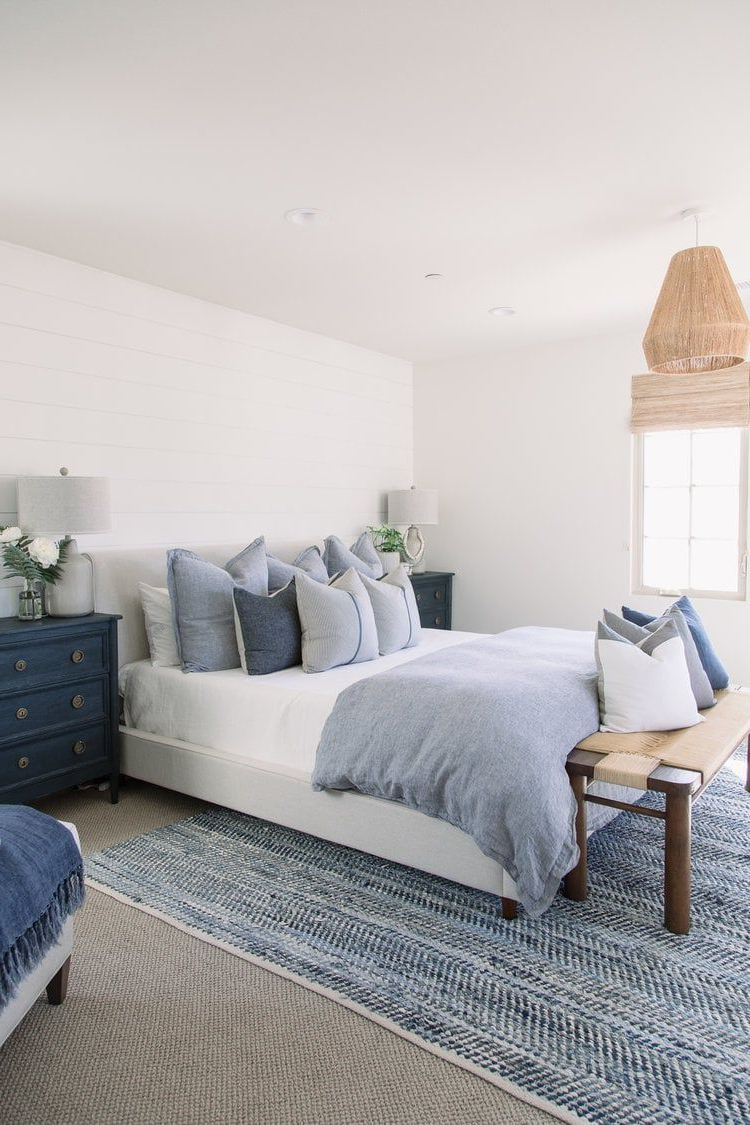
Colors have power over our moods and emotions, and this is especially true in our bedrooms. You’ve probably noticed how different colors affect your feelings. A bright red might energize you, while a soft blue can calm your nerves. When it comes to sleep, you want colors that promote relaxation and tranquility. Cool tones like soft blues, gentle greens, and muted grays tend to have a calming effect on the nervous system. These hues signal to your brain that it’s time to slow down. Warm colors such as soft oranges or gentle yellows can work for some people, but they should be used sparingly. Too much warmth can actually stimulate the mind. The color of your walls matters, but so do your bedding, curtains, and even your nightstand. If you’re feeling overwhelmed by a bright or busy color scheme, consider painting just one accent wall in a soothing hue. This creates a focal point that draws the eye inward, away from distractions. Remember, your bedroom should look like a peaceful retreat, not a visual assault. Many successful sleep experts recommend sticking to neutral tones with one or two accent colors. This gives you the visual appeal without the sensory overload.
Temperature Control: Finding Your Sweet Spot
Your bedroom temperature plays a crucial role in how well you sleep. The ideal temperature range for most people is between 65 and 68 degrees Fahrenheit. Why? Because your body naturally cools down as you prepare for sleep. If your room is too hot, your body struggles to release heat, making it harder to fall asleep. If it’s too cold, you’ll wake up feeling uncomfortable. The good news is that temperature regulation isn’t just about your thermostat. Your bedding choices matter enormously. Lightweight, breathable fabrics like cotton or bamboo work best in warmer months, while flannel or fleece provide better insulation during colder seasons. Consider investing in a quality mattress pad that adjusts to your body’s temperature. Some modern mattresses even feature cooling technology built-in. Another often-overlooked factor is ventilation. Proper air circulation keeps moisture from building up and makes the room feel more comfortable. If you live in a particularly humid climate, a dehumidifier can make a big difference. Some people find that keeping a small fan running on low speed helps with airflow without being disruptive. The goal isn’t to freeze your room, but to create conditions where your body can naturally regulate its temperature during the night.
Clutter-Free Zones: Creating Mental Space for Rest
A clean, organized bedroom is one of the simplest ways to improve sleep quality. Clutter doesn’t just make a room look messy – it affects your mental state. When your brain sees disorder, it triggers stress responses. This makes it harder to relax and focus on sleep. The solution isn’t to eliminate everything from your bedroom, but to keep only what’s necessary and essential. This means removing anything that might distract you from sleep – including books, papers, and clothing that aren’t immediately needed. A study found that people who kept their bedroom free of clutter reported 40% better sleep quality compared to those who didn’t. Consider having a designated spot for items you might need during the day, like a small nightstand drawer or shelf. This way, you won’t be tempted to bring work materials or entertainment into your bedroom. You might also try implementing a ‘one in, one out’ rule for your bedroom. Every time you bring something new into your sleeping space, remove something else. This prevents accumulation and maintains balance. A tidy room sends a message to your subconscious that it’s time to rest, not to think or work.
Sound Management: The Quiet Path to Better Sleep
Noise is one of the biggest sleep disruptors for many people. Whether it’s traffic outside, neighbors, or even the hum of appliances, unwanted sounds can prevent deep, restorative sleep. The good news is there are several effective strategies for managing sound in your bedroom. White noise machines have become popular because they create consistent background sound that masks sudden noises. They’re especially helpful for people living in noisy environments. If you prefer a more natural approach, consider using nature sounds like rain or ocean waves. These can be soothing and help mask other disturbances. Soundproofing isn’t always necessary, but it can make a huge difference. Simple solutions like thick curtains, carpeting, or even heavy blankets can absorb sound. For those who really struggle with noise, earplugs are surprisingly effective. They come in various materials and sizes, so you can find one that works best for you. Another tip is to establish a quiet routine before bed. This might mean turning off all electronics, avoiding loud conversations, and taking a few minutes to sit quietly. Your brain needs to transition from active mode to rest mode gradually. Some people find that playing soft instrumental music helps them relax, but it’s important to keep volume low and avoid anything too stimulating.
Furniture and Layout: Making Every Square Foot Work
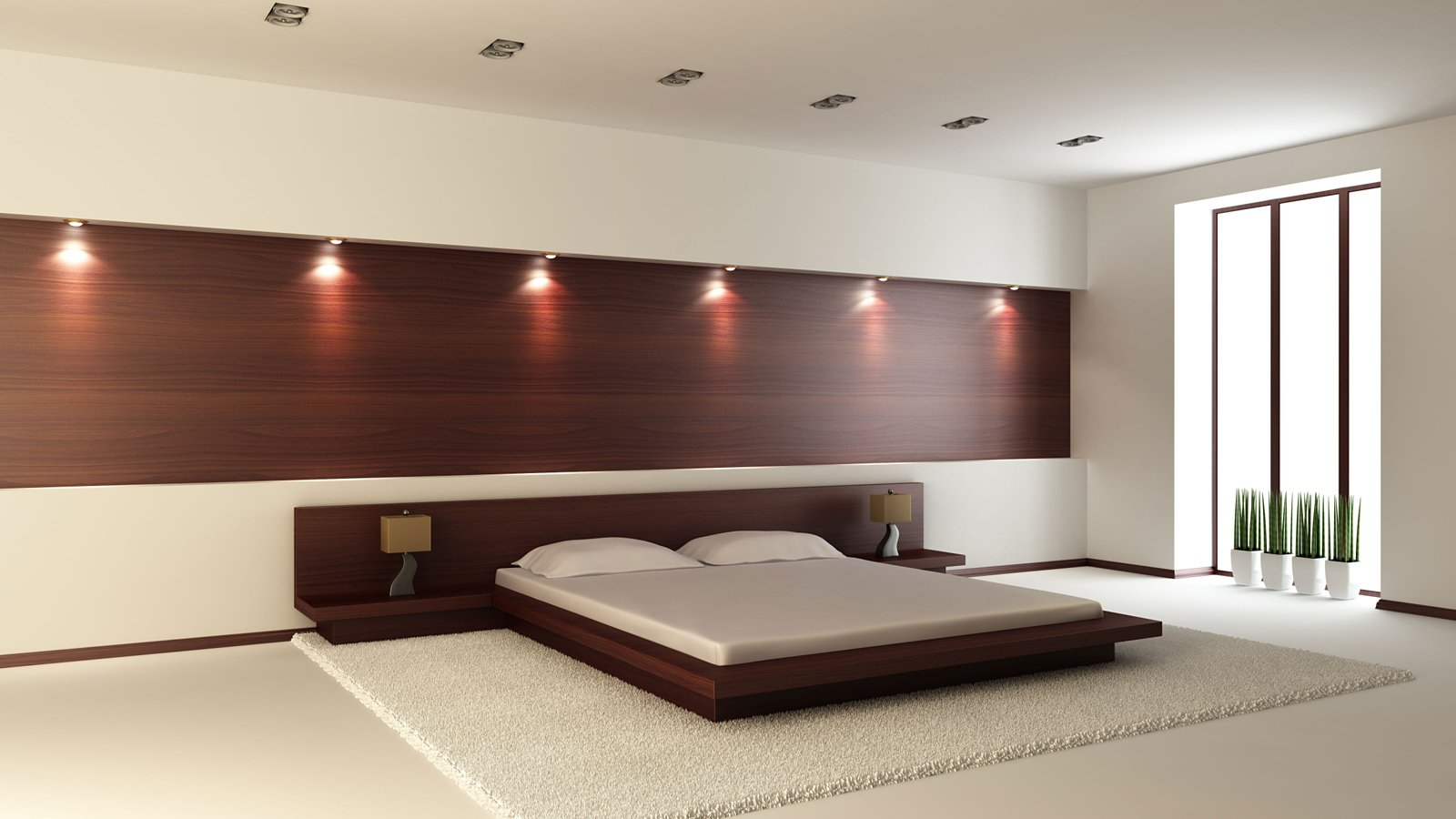
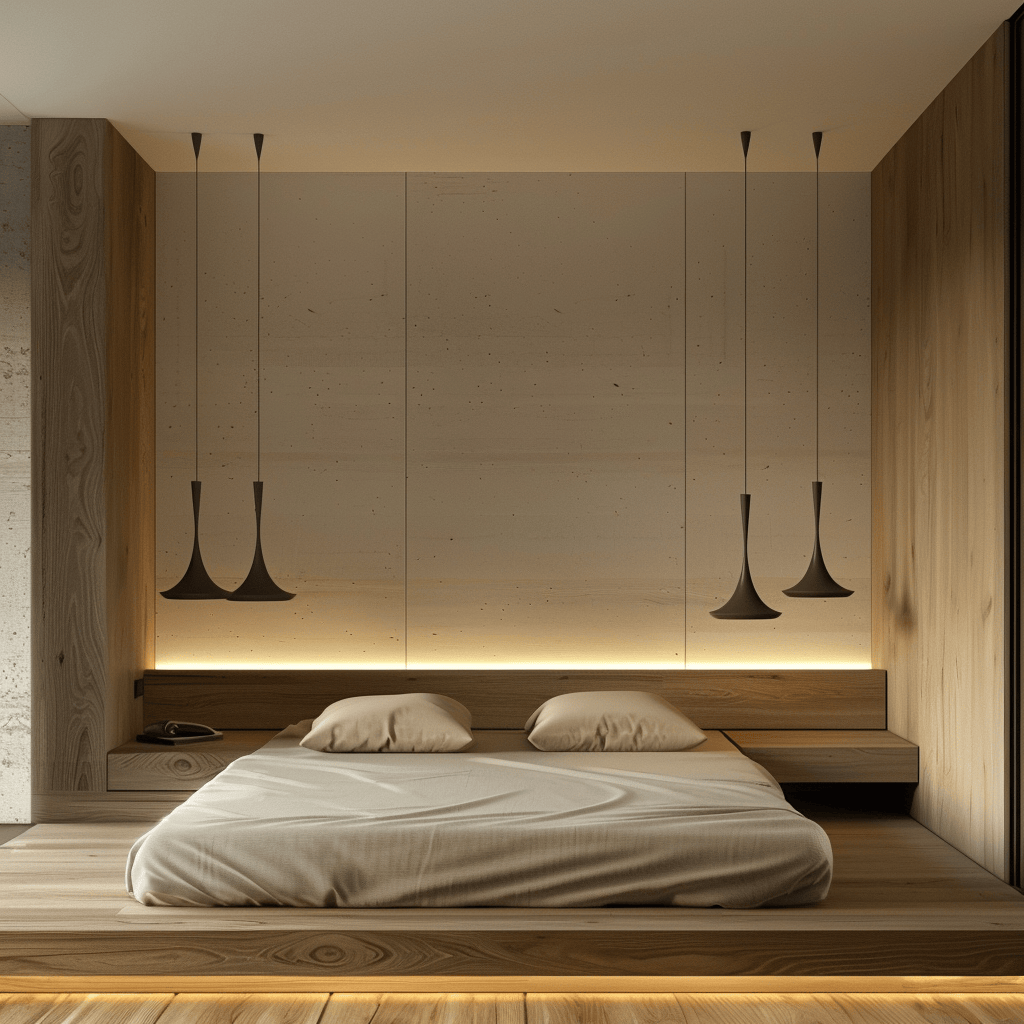
The arrangement of furniture in your bedroom can either enhance or hinder your sleep experience. The goal is to create a space that feels open and peaceful, with easy access to everything you need. Start by ensuring your bed is positioned away from doors and windows, if possible. This reduces disruptions from movement and light. The headboard should be solid and substantial – it provides psychological security and creates a defined sleeping area. If you have a small bedroom, consider a platform bed that maximizes storage underneath. This keeps items out of sight and reduces visual clutter. The placement of nightstands matters too. They should be close enough to reach easily but not so close that they become trip hazards. If you have a desk or reading chair, position it away from your sleeping area. This helps separate work from rest time. Consider how people move through the room. There should be clear pathways to get to the bathroom, closet, and door without tripping or bumping into furniture. A well-designed layout also considers how light enters the room. Position furniture to avoid blocking natural light during the day and ensure your view is pleasant. Remember that sometimes less is more. Don’t overcrowd your bedroom with too many pieces. Choose quality over quantity, and focus on pieces that serve a purpose beyond decoration.
Personal Touches: Making It Truly Yours
While it’s important to follow general principles, your bedroom should also reflect your personal style and preferences. This creates a sense of ownership and comfort that enhances sleep quality. Adding personal elements like photos, artwork, or plants can make a space feel more like home. But choose carefully – these items shouldn’t create visual chaos. Instead, select pieces that bring you joy and peace. Plants, for example, not only add beauty but also improve air quality. Some people find that having a small plant on their nightstand helps them feel more connected to nature. Books and journals can be great additions, but limit them to a few favorites that inspire positive thoughts. A comfortable throw blanket or pillow can make a significant difference in how cozy your bed feels. Consider your sensory preferences too. Do you like the scent of lavender? Maybe a diffuser or candle can create a calming atmosphere. Do you prefer silence or gentle sounds? Your personal touches should support your individual sleep needs. The key is to keep everything intentional and purposeful. Your bedroom should feel like a private sanctuary that makes you want to curl up and rest.
Designing a bedroom that promotes better sleep isn’t about following rigid rules or spending thousands of dollars. It’s about understanding what your body and mind need to rest properly and creating an environment that supports those needs. From lighting that helps regulate your natural rhythms to temperature that allows your body to cool down, every element matters. The most important thing is to start small. Pick one or two areas to improve first – maybe the lighting or the organization. Once you notice improvements, you can build on those changes. Remember that sleep is a fundamental part of health, and your bedroom is the foundation of that. By applying these thoughtful design principles, you’re investing in yourself and your future wellbeing. The result? Deeper, more restorative sleep that leaves you refreshed and ready to face whatever the day brings. Your bedroom deserves to be more than just a place to sleep – it should be a place where you truly rest and recharge.
[sps_html tag=”img” src=”https://roofdrivein.com/wp-content/uploads/2026/01/cool-bedroom-ideas-11-schemes-that-blend-style-with-comfort-storables-throughout-cool-bedroom-design-ideas.jpg” alt=”Cool Bedroom Ideas: 11 Schemes That Blend Style With Comfort | Storables throughout Cool Bedroom Design Ideas” style=”width: 100%; height: auto;”]
[sps_html tag=”img” src=”https://roofdrivein.com/wp-content/uploads/2026/01/25-cool-bedroom-designs-collection-for-sleep-better-with-these-thoughtful-bedroom-design-principles.jpg” alt=”25 Cool Bedroom Designs Collection for Sleep Better with These Thoughtful Bedroom Design Principles” style=”width: 100%; height: auto;”]
[sps_html tag=”img” src=”https://roofdrivein.com/wp-content/uploads/2026/01/12-dreamy-contemporary-bedroom-ideas-youll-love-decorilla-online-inside-sleep-better-with-these-thoughtful-bedroom-design-principles.jpg” alt=”12 Dreamy Contemporary Bedroom Ideas You'll Love - Decorilla Online … inside Sleep Better with These Thoughtful Bedroom Design Principles” style=”width: 100%; height: auto;”]
[sps_html tag=”img” src=”https://roofdrivein.com/wp-content/uploads/2026/01/25-cool-bedroom-designs-collection-pertaining-to-cool-bedroom-design-ideas.jpg” alt=”25 Cool Bedroom Designs Collection pertaining to Cool Bedroom Design Ideas” style=”width: 100%; height: auto;”]
[sps_html tag=”img” src=”https://roofdrivein.com/wp-content/uploads/2026/01/25-cool-bedroom-designs-collection-throughout-sleep-better-with-these-thoughtful-bedroom-design-principles.jpg” alt=”25 Cool Bedroom Designs Collection throughout Sleep Better with These Thoughtful Bedroom Design Principles” style=”width: 100%; height: auto;”]