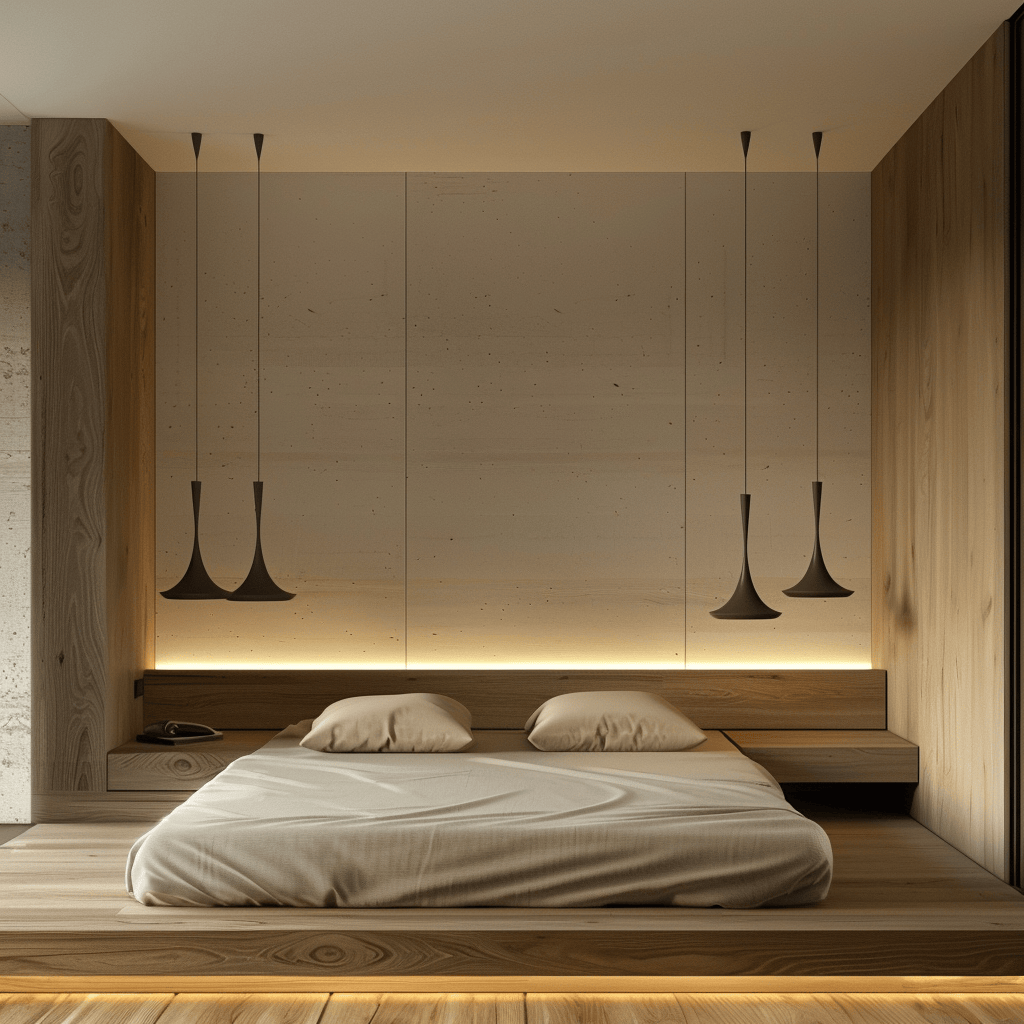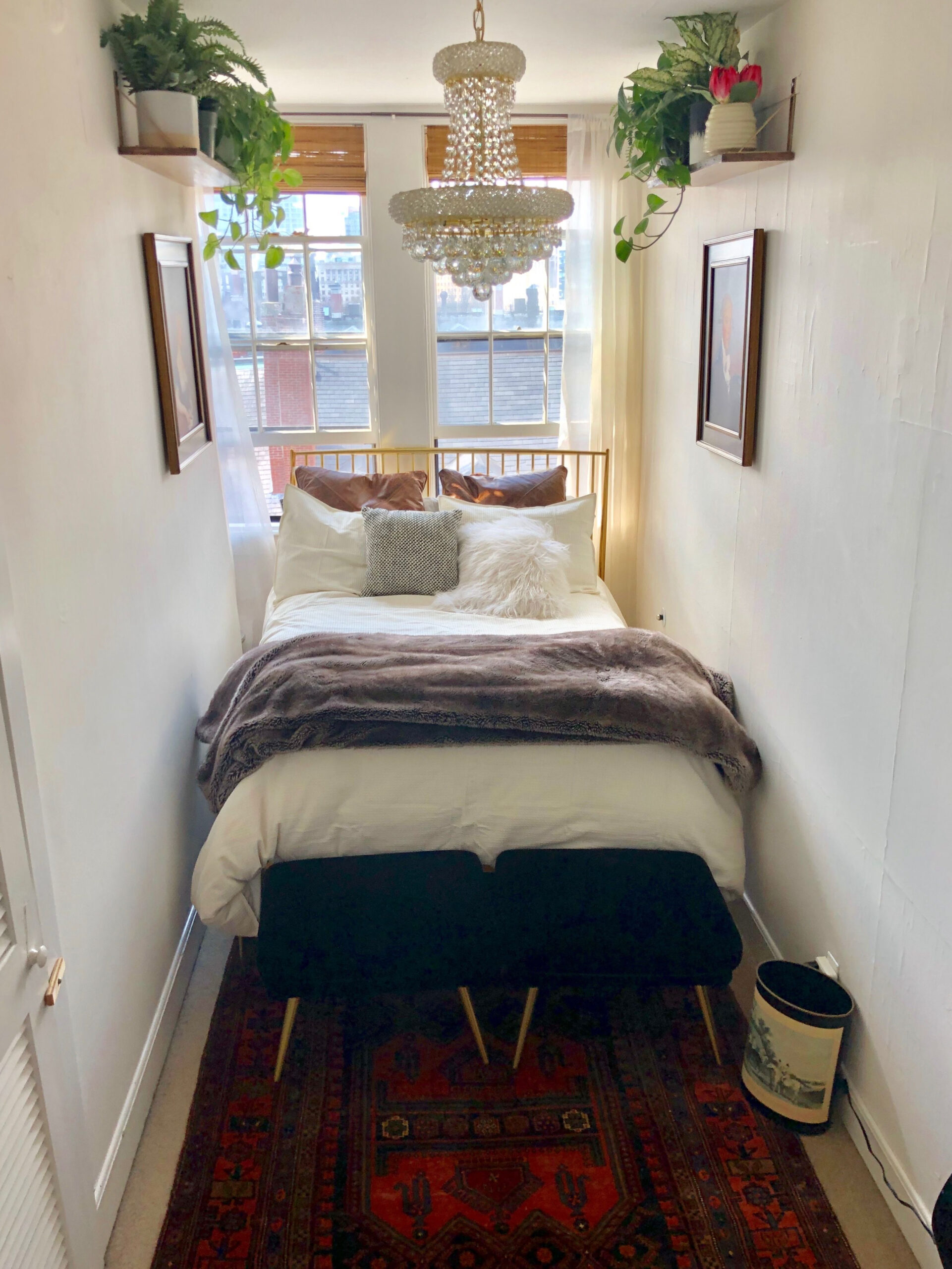
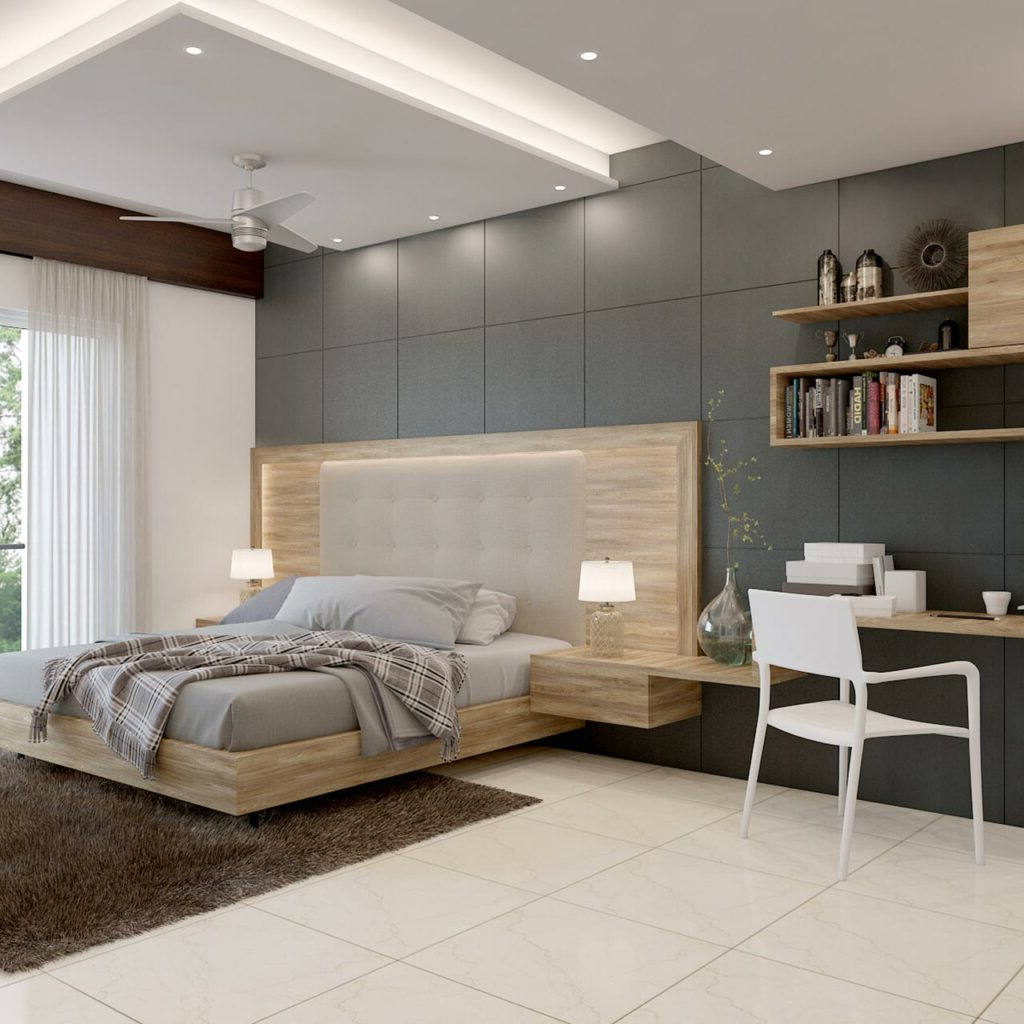
Every night, we spend roughly one-third of our lives sleeping. That means your bedroom is one of the most important spaces in your home. It’s where you recharge, restore, and prepare for another day. But too often, our bedrooms become cluttered, chaotic, and stressful rather than peaceful. What if you could take just a few simple steps to turn your bedroom into a serene retreat? It’s more achievable than you might think.
Picture this: You walk into your bedroom after a long day, and immediately you feel your shoulders drop, your breathing slow, and your mind begin to settle. The room feels calm, inviting, and completely free from the chaos of the outside world. This isn’t a fantasy – it’s something you can create with some thoughtful changes. The beauty of transforming your bedroom lies in its simplicity. You don’t need expensive furniture or major renovations. Sometimes, small adjustments can make the biggest difference in how your space feels and functions. Whether you have a tiny studio apartment or a spacious master suite, there are practical strategies that work for everyone.
Declutter and Simplify
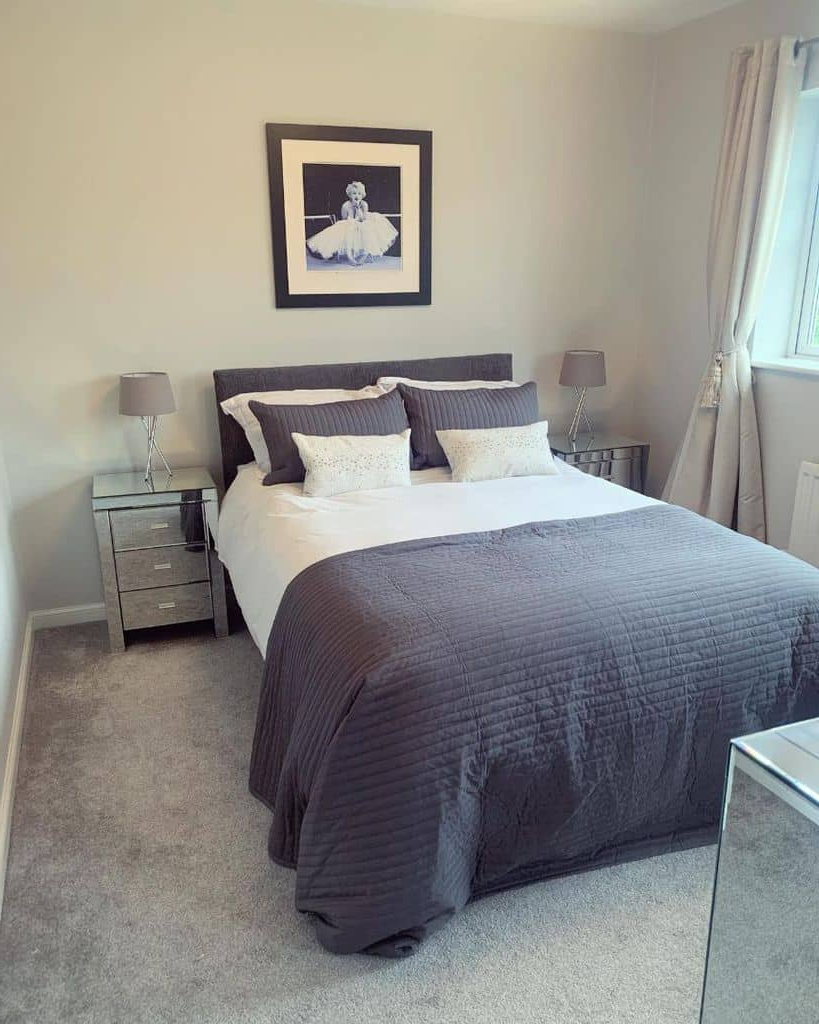
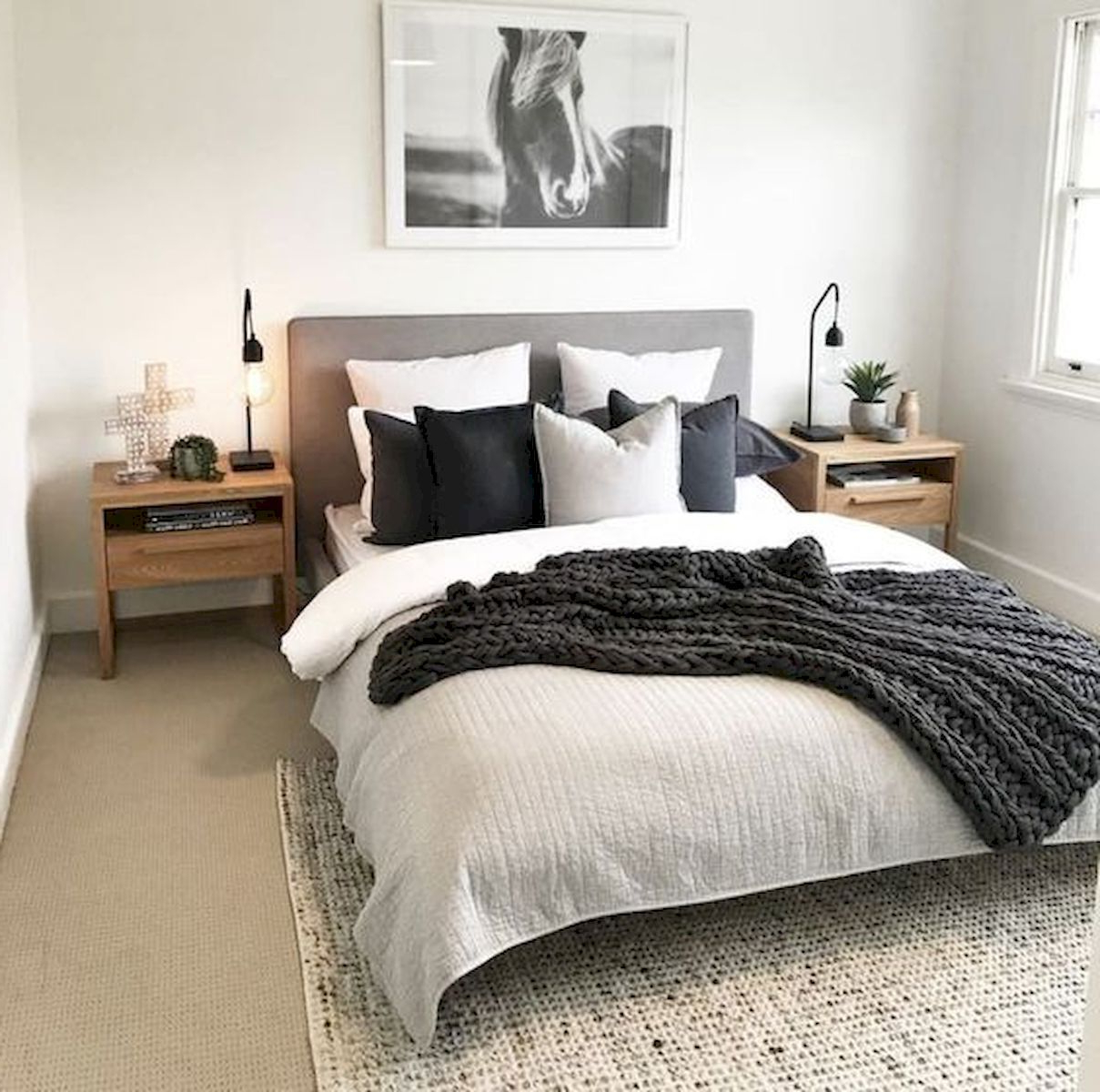
The first step toward creating a serene bedroom is removing anything that causes visual stress. Clutter creates mental clutter, and when your eyes are constantly met with mess, your brain struggles to relax. Start by taking everything out of your closet and sorting items into categories: keep, donate, trash, and relocate. If you’re not using something regularly, it probably doesn’t belong in your bedroom. Think about the last time you felt overwhelmed in your space – chances are, it was because there were too many things competing for attention. A clean surface means a clean mind. Consider using storage solutions like under-bed containers or a small linen cabinet to keep essentials tucked away. When you’re ready to lie down, everything should feel organized and purposeful. For example, if you have a nightstand, limit it to just three items: a lamp, a book, and maybe a glass of water. Everything else can go elsewhere.
Choose the Right Color Palette
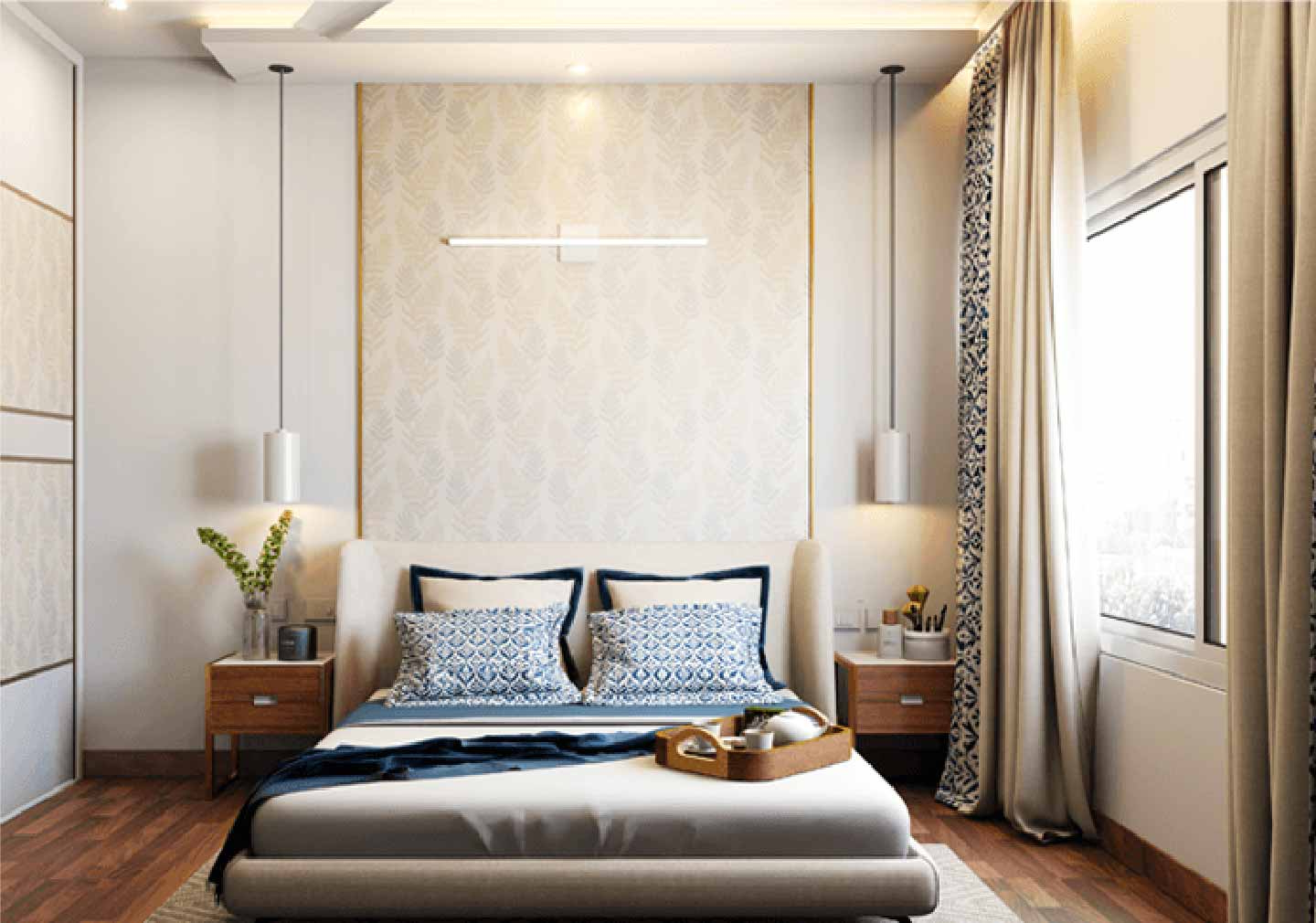
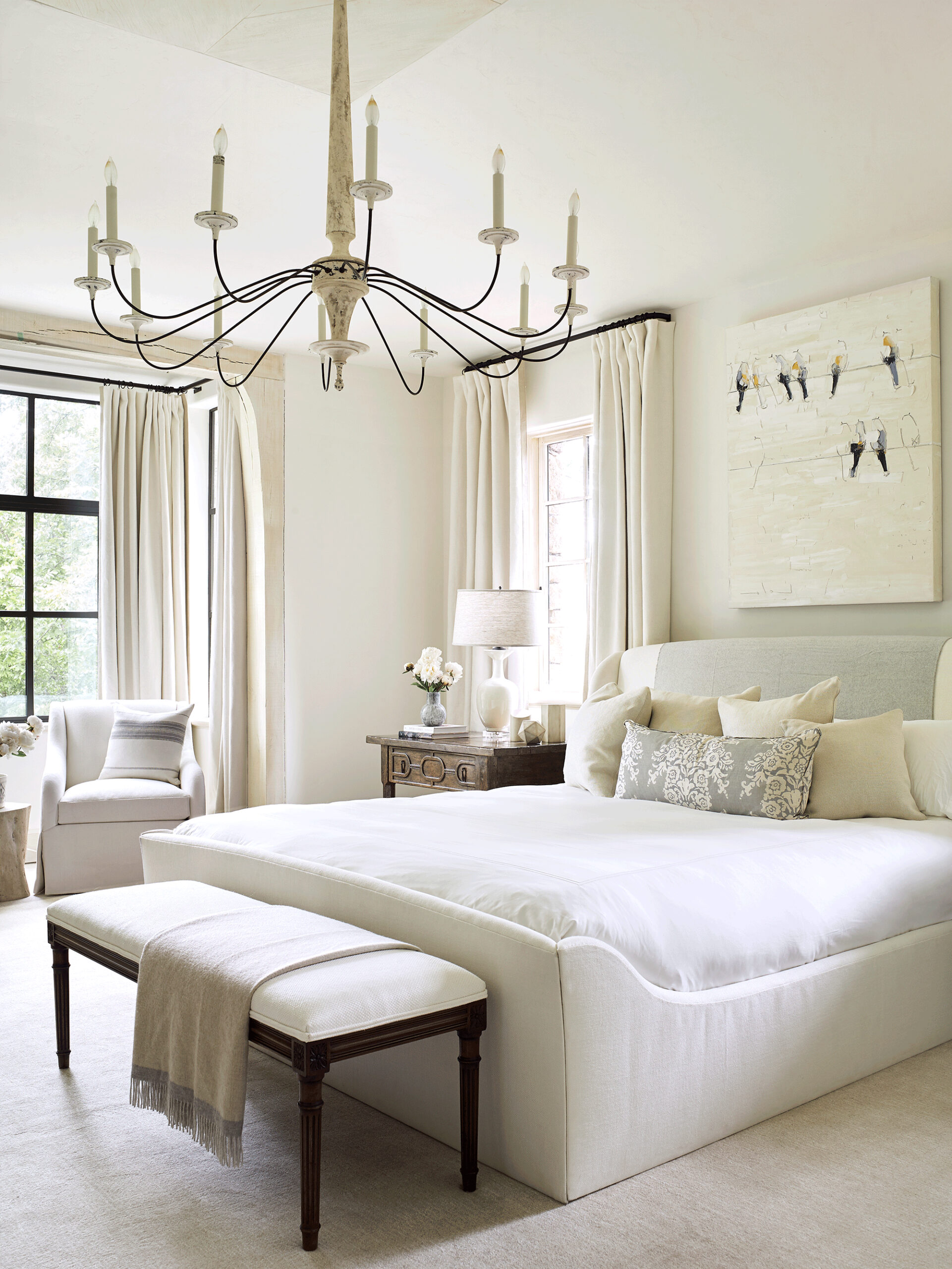
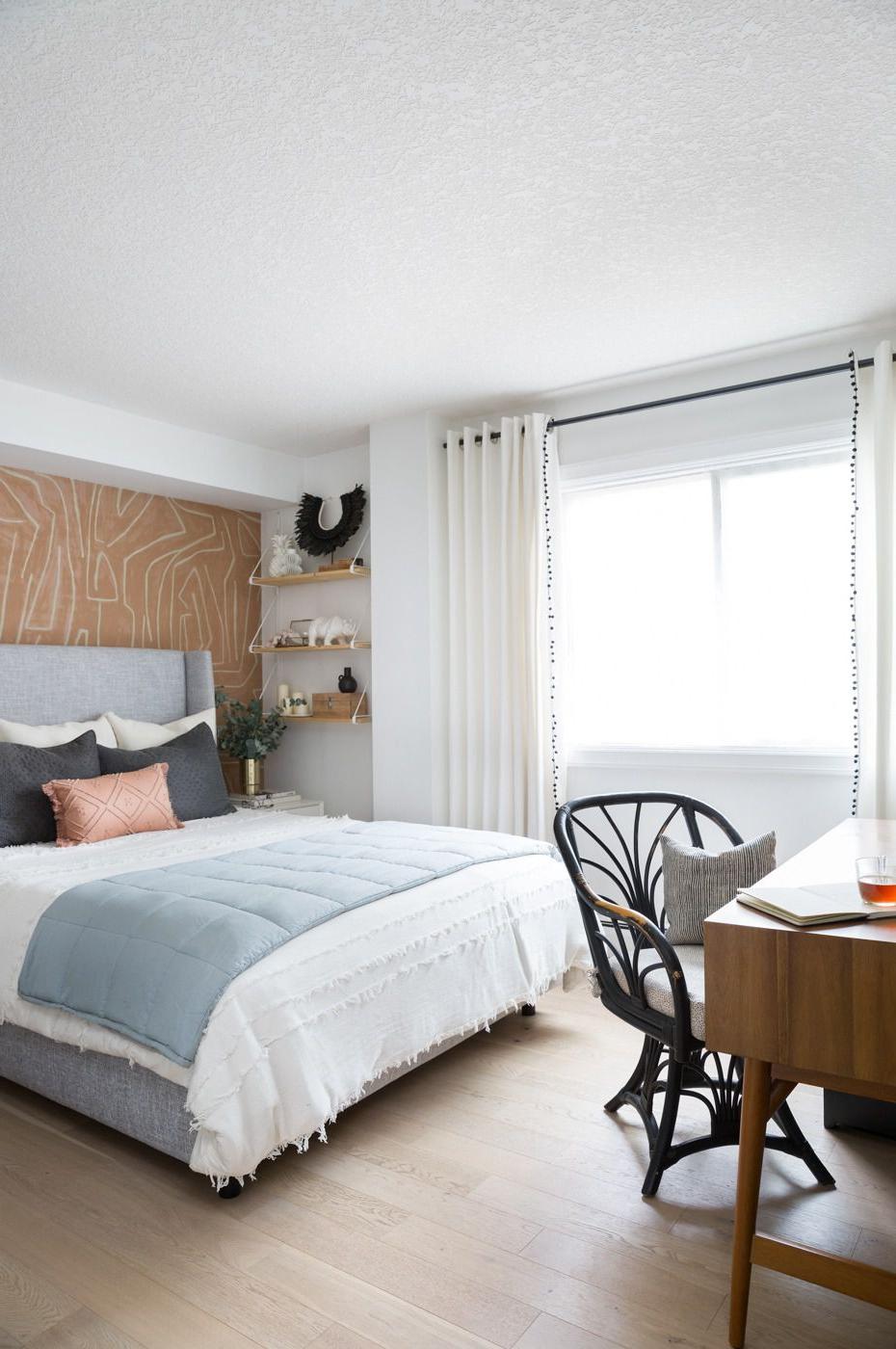
Colors have a powerful effect on mood and emotions. When choosing colors for your bedroom, lean toward cool tones that naturally promote calmness. Soft blues, gentle greens, warm grays, and neutral beige shades all work beautifully. These colors don’t stimulate energy or excitement, instead they encourage relaxation and rest. Avoid bright reds, oranges, or overly saturated hues unless they’re used sparingly as accents. If you’re afraid of a boring space, try layering textures and adding subtle patterns through bedding or artwork. For instance, a deep navy blue wall paired with cream bedding and gold accents can create a sophisticated yet peaceful atmosphere. Some people find that a single color scheme across all surfaces – walls, bedding, and curtains – helps create a unified feeling. Others prefer mixing textures and materials to add interest while maintaining tranquility. The key is consistency and balance. Don’t let one element overpower the others. Your goal is harmony, not drama.
Optimize Lighting for Relaxation
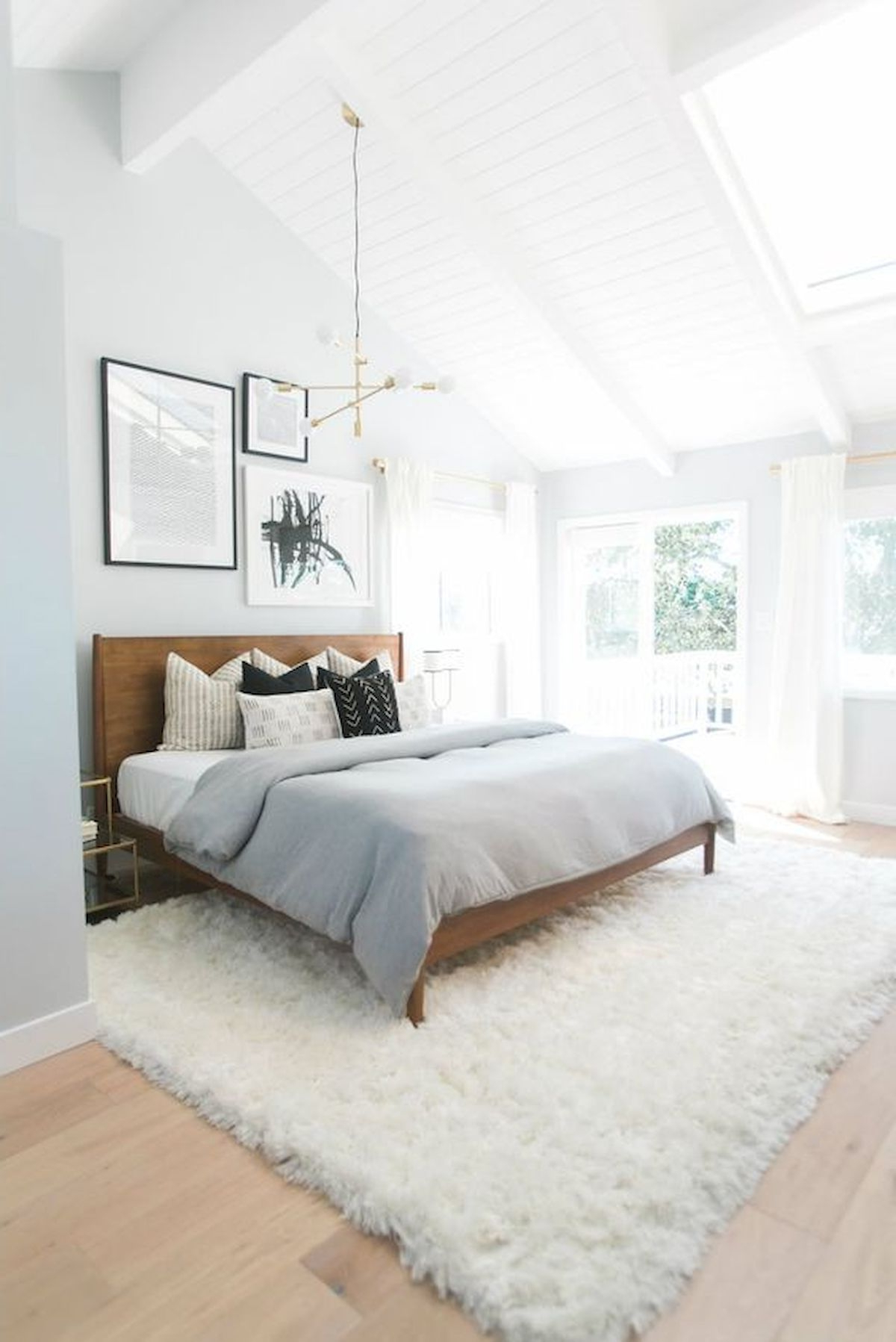
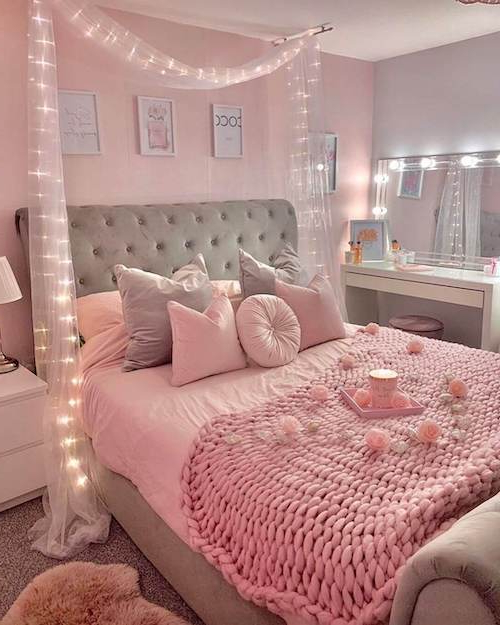
Lighting plays a crucial role in setting the tone for your bedroom. Natural light during the day helps regulate your circadian rhythm, but as evening approaches, you want softer, warmer illumination. Start by ensuring your windows allow plenty of sunlight in during the morning hours. If your bedroom gets little natural light, consider adding a full-spectrum light bulb that mimics daylight. As the sun sets, switch to dimmer switches or use lamps with warm-toned bulbs. Avoid harsh overhead lighting – it can feel cold and unwelcoming. Instead, opt for layered lighting: ambient lighting from a ceiling fixture, task lighting for reading, and accent lighting for ambiance. A bedside lamp with adjustable brightness is essential. Try placing a lamp next to your bed so you can easily dim the lights before sleep. Some people even use string lights or candles to create a cozy glow. The idea isn’t to eliminate light entirely, but to control how much and what kind you’re exposed to at different times of day. For example, a dimmed lamp with a warm glow can signal to your body that it’s time to wind down, while brighter light during morning hours helps wake you up naturally.
Invest in Quality Bedding
Your bed is the centerpiece of your bedroom, so it deserves attention. High-quality bedding makes a huge difference in how comfortable and rested you feel. Choose breathable fabrics like cotton or bamboo fiber, especially if you tend to get warm during sleep. These materials allow air to circulate and prevent that stuffy feeling that can disrupt rest. Look for sheets with a thread count between 200-400. Higher numbers aren’t always better – quality matters more than quantity. Consider investing in a good mattress topper if yours feels too firm or too soft. Don’t forget about comforters or duvets; they should match the weight and warmth level you prefer. Adding layers of texture can also enhance the look and feel of your bed. For example, a soft throw blanket placed at the foot of your bed adds both warmth and visual interest. Pillows are equally important. Choose ones that support your neck properly, whether you sleep on your back, side, or stomach. Memory foam pillows can be great for those who move around a lot during sleep. Ultimately, your bedding should feel like a hug every time you climb into bed. It’s not just about looks – it’s about comfort and sleep quality.
Add Plants and Natural Elements
Bringing nature indoors can instantly transform the feel of any room. Plants add life, color, and fresh air to your bedroom environment. They also help reduce stress and improve sleep quality by filtering toxins from the air. Choose low-maintenance options like snake plants, pothos, or peace lilies. These plants thrive in indoor conditions and require minimal care. Place them strategically around your room – perhaps on a windowsill, beside your desk, or even on your nightstand. Not only do they purify the air, but their presence brings a sense of calm and connection to the outdoors. You can also incorporate natural materials like wood, stone, or woven textiles. A wooden nightstand, a woven rug, or a basket made from natural fibers can add earthiness to your space. These elements ground the room and remind us of the peaceful qualities of the natural world. Consider using a plant stand or a small table to display your greenery. It gives the room a little more structure and prevents the plants from looking scattered. A single plant can make all the difference in making a room feel alive and welcoming.
Create a Minimalist Mindset
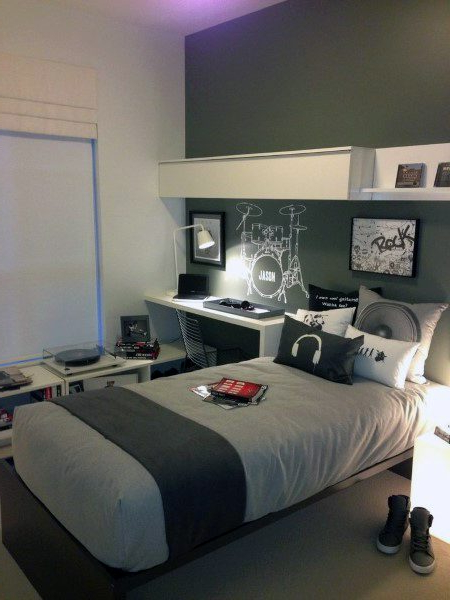
Sometimes the most powerful change comes from doing less. A minimalist approach to bedroom design focuses on intentionality and purpose. Every item in your room should serve a function or bring joy. If you’re unsure whether to keep something, ask yourself: does this item contribute to my peace and well-being? If not, it might be time to let it go. This philosophy extends beyond physical objects to habits and routines. Establish a bedtime ritual that helps signal to your brain that it’s time to rest. This could be reading, meditating, or simply turning off all screens. Remove anything that creates noise or distraction – phones, tablets, or televisions. Even if you don’t use them in the bedroom, their presence can cause anxiety. Creating boundaries around technology helps preserve the sacredness of your sleeping space. Think about how you want to feel when you enter your bedroom – relaxed, safe, and ready to rest. Then make decisions that align with that feeling. Sometimes this means saying no to purchases or activities that don’t serve your well-being. A minimalist mindset isn’t about deprivation – it’s about creating space for what truly matters.
Transforming your bedroom into a serene retreat doesn’t require a complete overhaul or expensive upgrades. It starts with understanding what makes a space feel peaceful and then making intentional choices based on that knowledge. From decluttering to choosing calming colors, optimizing lighting, investing in quality bedding, adding natural elements, and embracing a minimalist mindset – each step builds upon the last to create a sanctuary that supports your health and happiness. Remember, this journey isn’t about perfection but progress. Start with one or two changes and gradually build from there. Your bedroom should be a place where you feel safe, refreshed, and ready to face whatever comes next. After all, how you sleep affects how you live. Making your bedroom a haven is one of the best investments you can make in yourself.
[sps_html tag=”img” src=”https://roofdrivein.com/wp-content/uploads/2026/01/47-simple-bedroom-designs-ideas-for-simple-yet-effective-ways-to-transform-any-bedroom-into-a-serene-retreat.jpg” alt=”47 Simple Bedroom Designs Ideas for Simple yet effective ways to transform any bedroom into a serene retreat” style=”width: 100%; height: auto;”]
[sps_html tag=”img” src=”https://roofdrivein.com/wp-content/uploads/2026/01/easy-bedroom-designs-35-stylish-small-bedroom-ideas-to-maximize-your-within-simple-yet-effective-ways-to-transform-any-bedroom-into-a-serene-retreat.jpg” alt=”Easy Bedroom Designs 35 Stylish Small Bedroom Ideas To Maximize Your within Simple yet effective ways to transform any bedroom into a serene retreat” style=”width: 100%; height: auto;”]
[sps_html tag=”img” src=”https://roofdrivein.com/wp-content/uploads/2026/01/the-top-69-simple-bedroom-ideas-interior-home-and-design-within-simple-bedroom-design-ideas.jpg” alt=”The Top 69 Simple Bedroom Ideas - Interior Home And Design within Simple Bedroom Design Ideas” style=”width: 100%; height: auto;”]
[sps_html tag=”img” src=”https://roofdrivein.com/wp-content/uploads/2026/01/60-simple-bedroom-decor-and-design-ideas-that-beautiful-bedroom-within-simple-bedroom-design-ideas.jpg” alt=”60 Simple Bedroom Decor And Design Ideas That Beautiful | Bedroom … within Simple Bedroom Design Ideas” style=”width: 100%; height: auto;”]
[sps_html tag=”img” src=”https://roofdrivein.com/wp-content/uploads/2026/01/25-simple-bedroom-design-ideas-and-inspiration-bonito-designs-for-simple-bedroom-design-ideas.png” alt=”25 Simple Bedroom Design Ideas And Inspiration - Bonito Designs for Simple Bedroom Design Ideas” style=”width: 100%; height: auto;”]