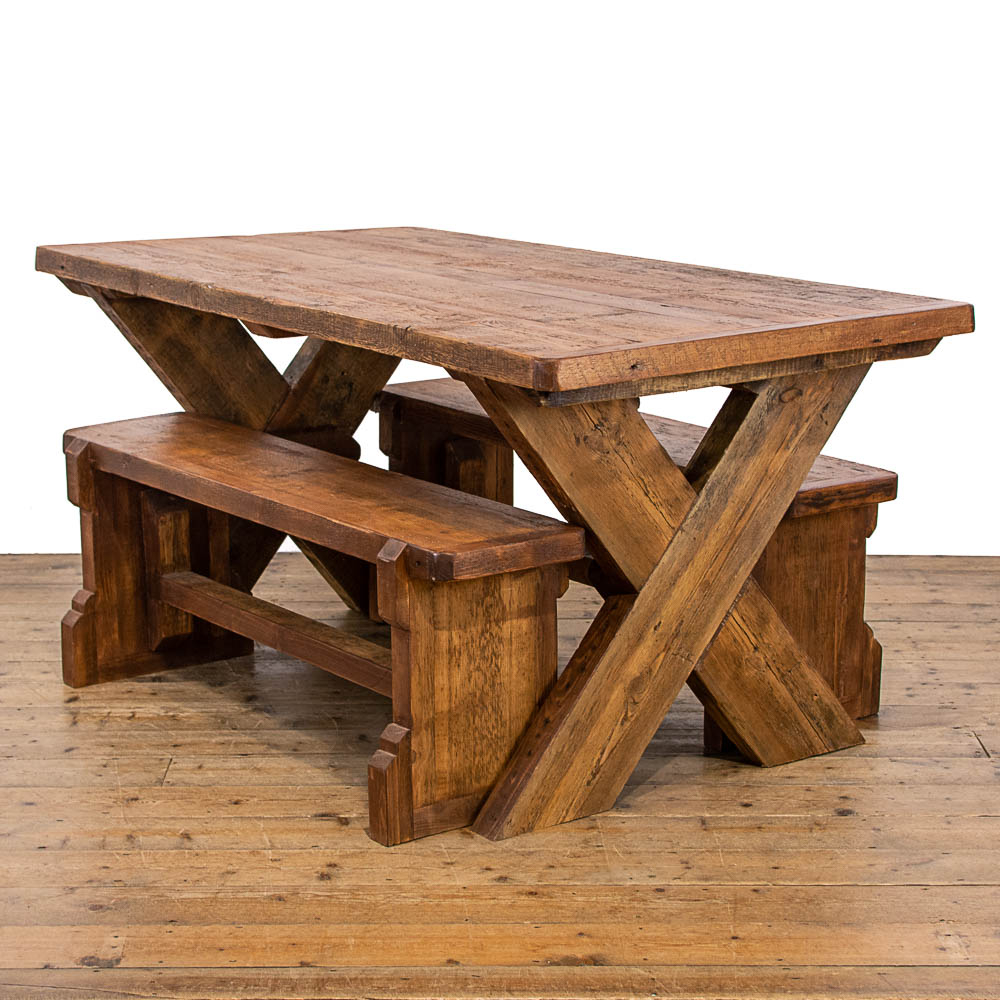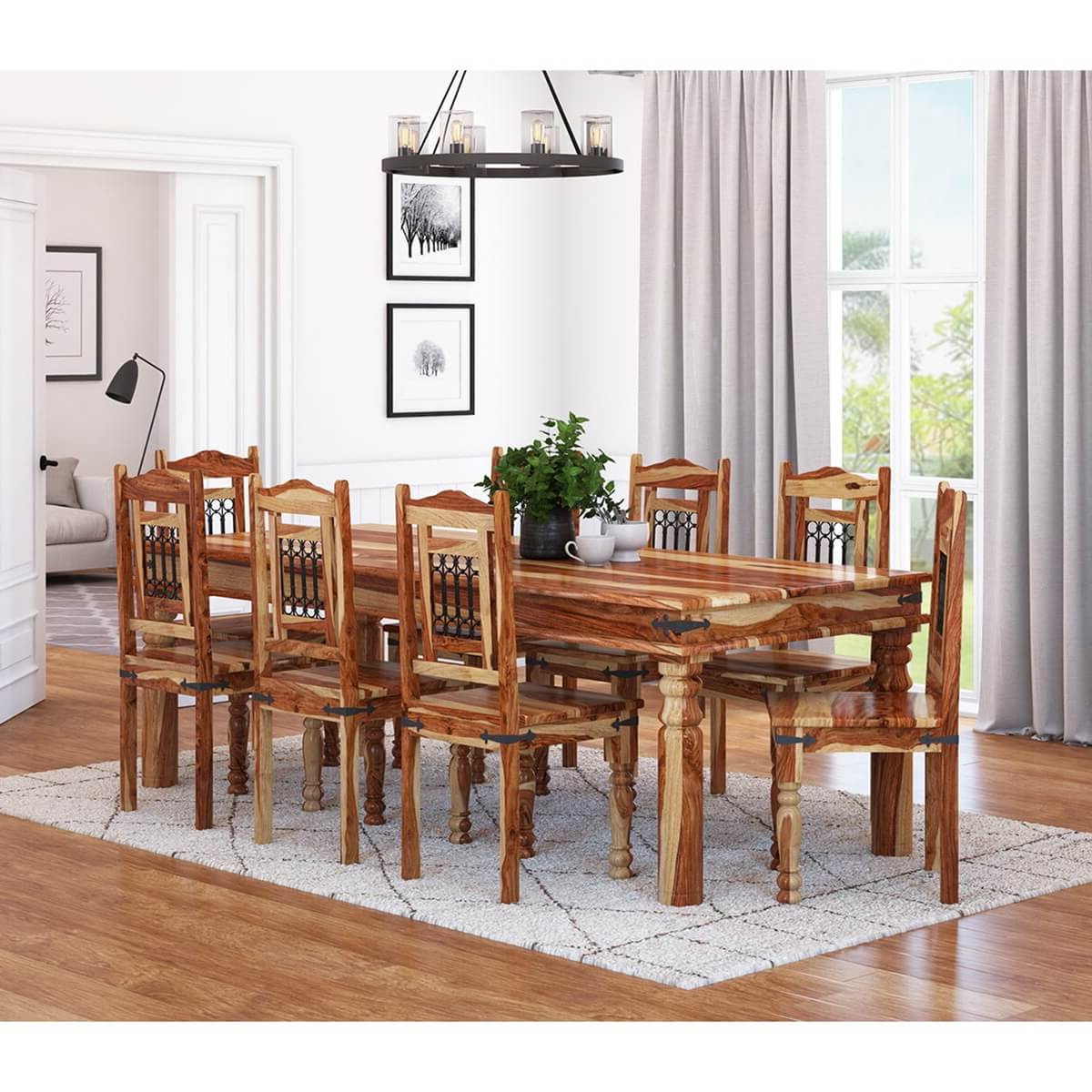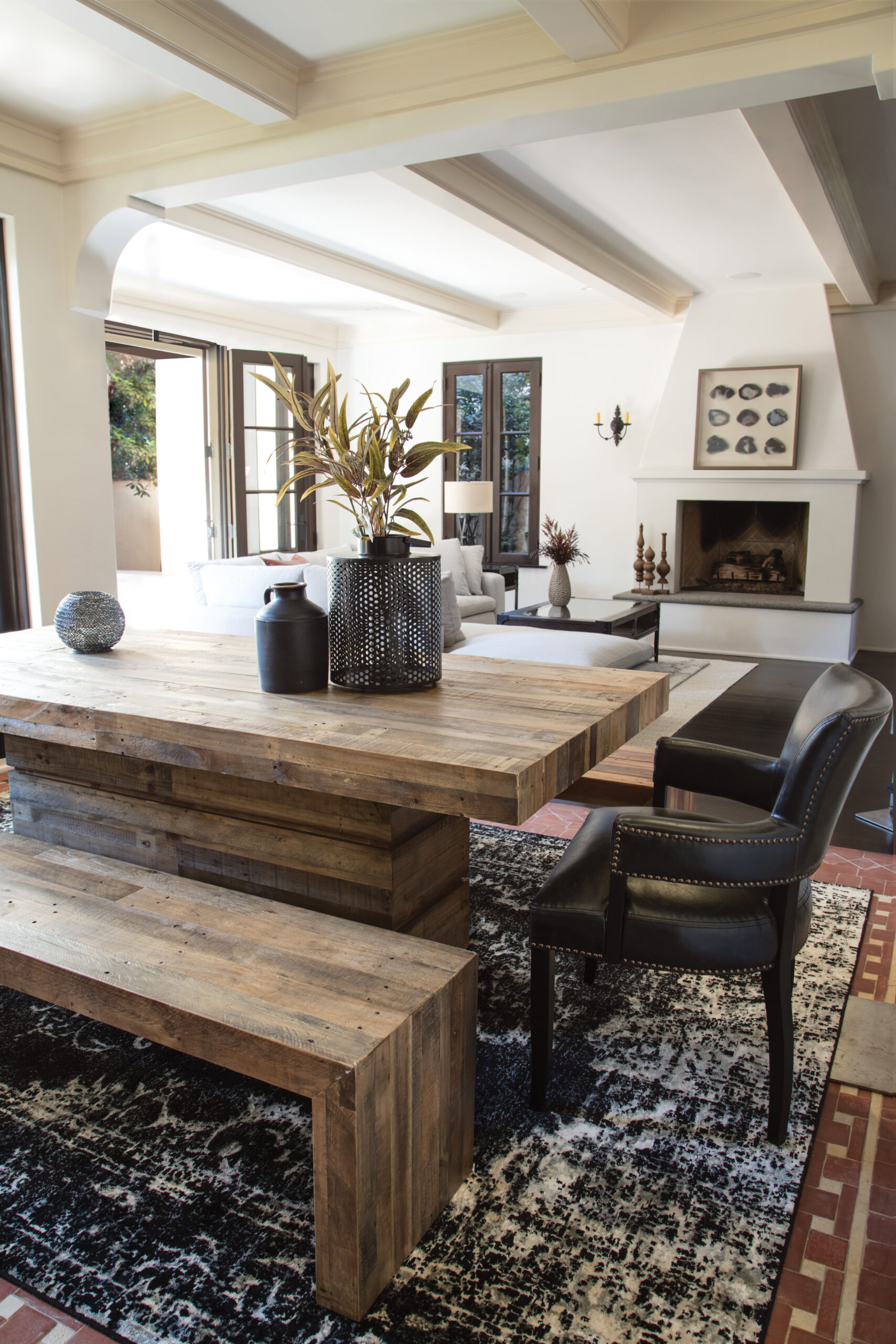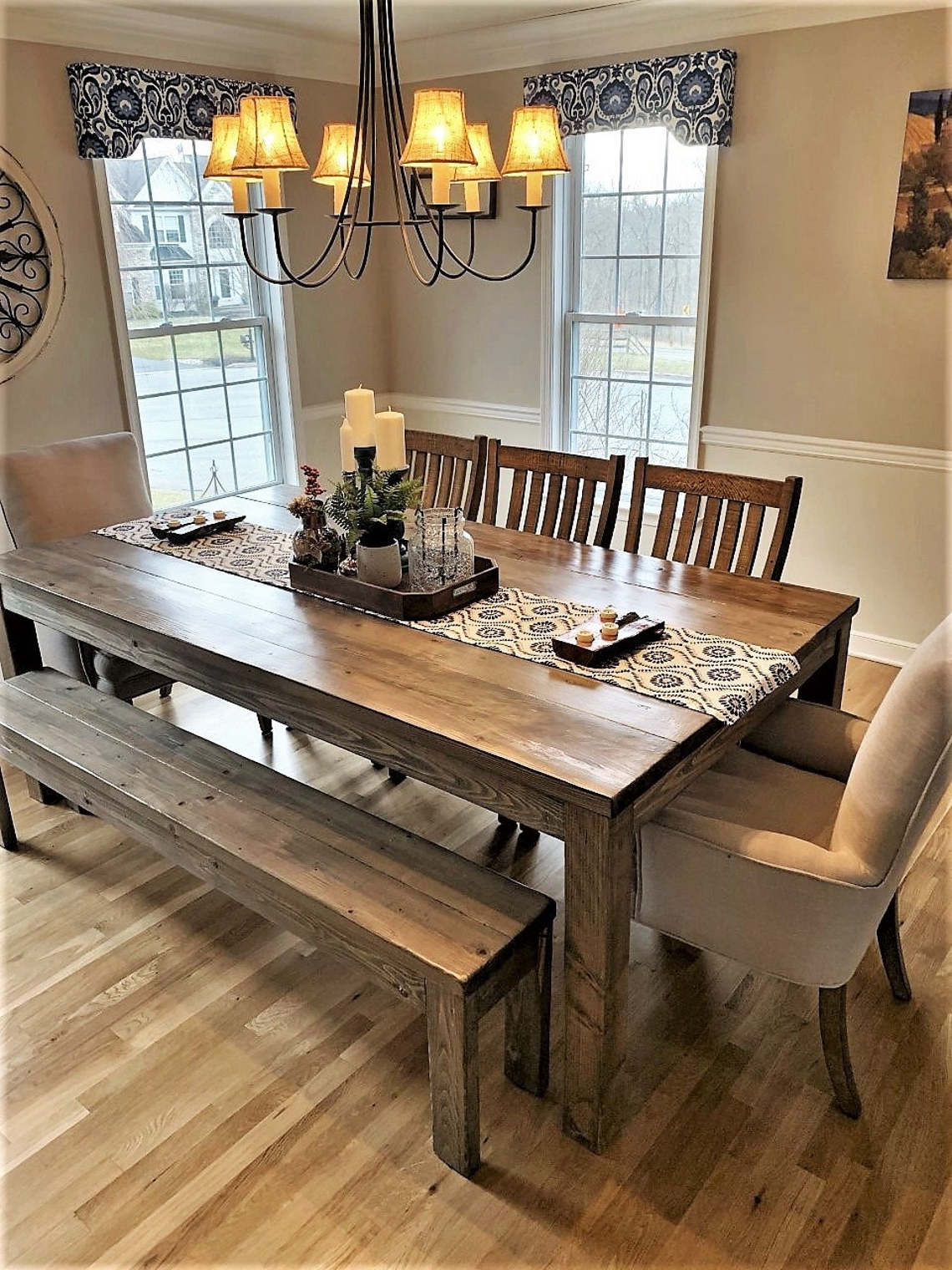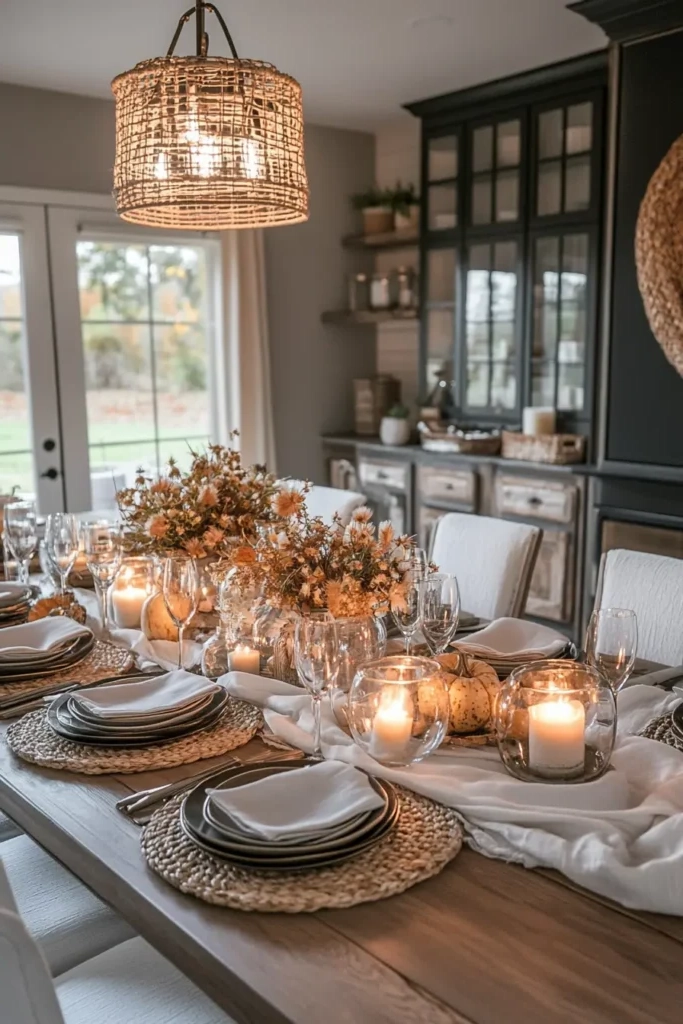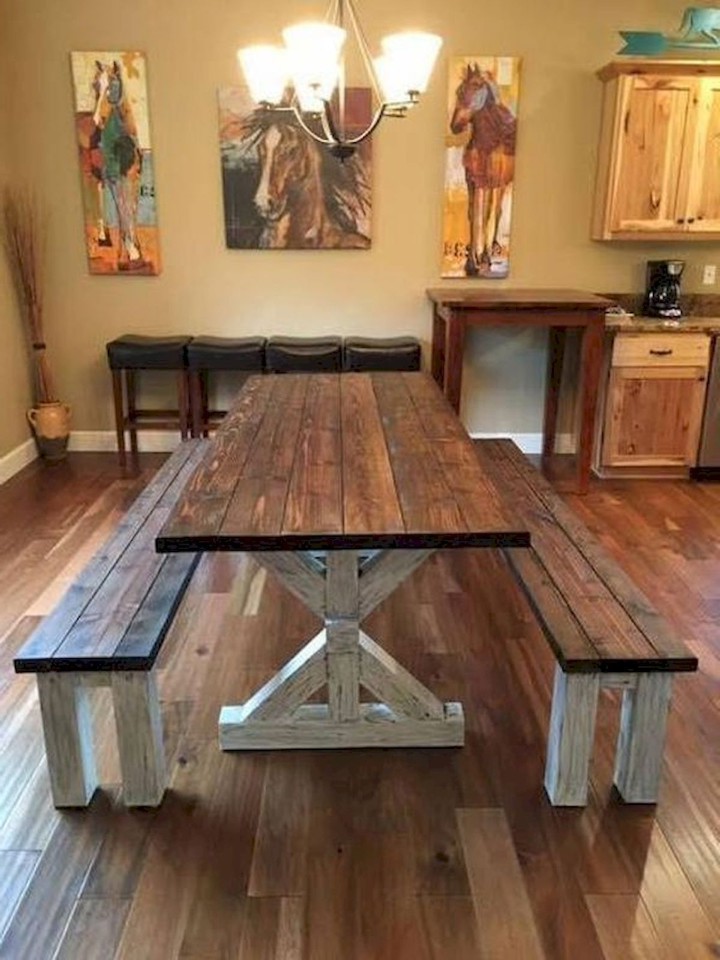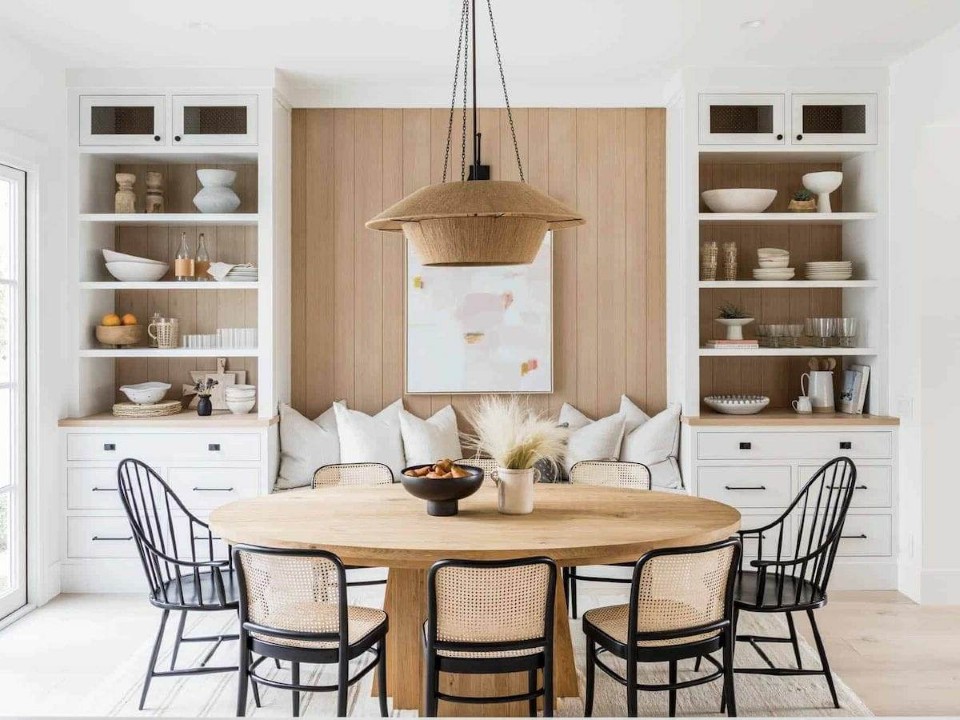
There’s something deeply satisfying about gathering around a table made with your own hands. Whether you’re planning a DIY project or just curious about the craftsmanship behind those charming rustic dining sets, understanding the materials and techniques involved can transform your appreciation for these timeless pieces. From weathered oak to reclaimed pine, each material tells its own story while contributing to the overall character of the finished product.
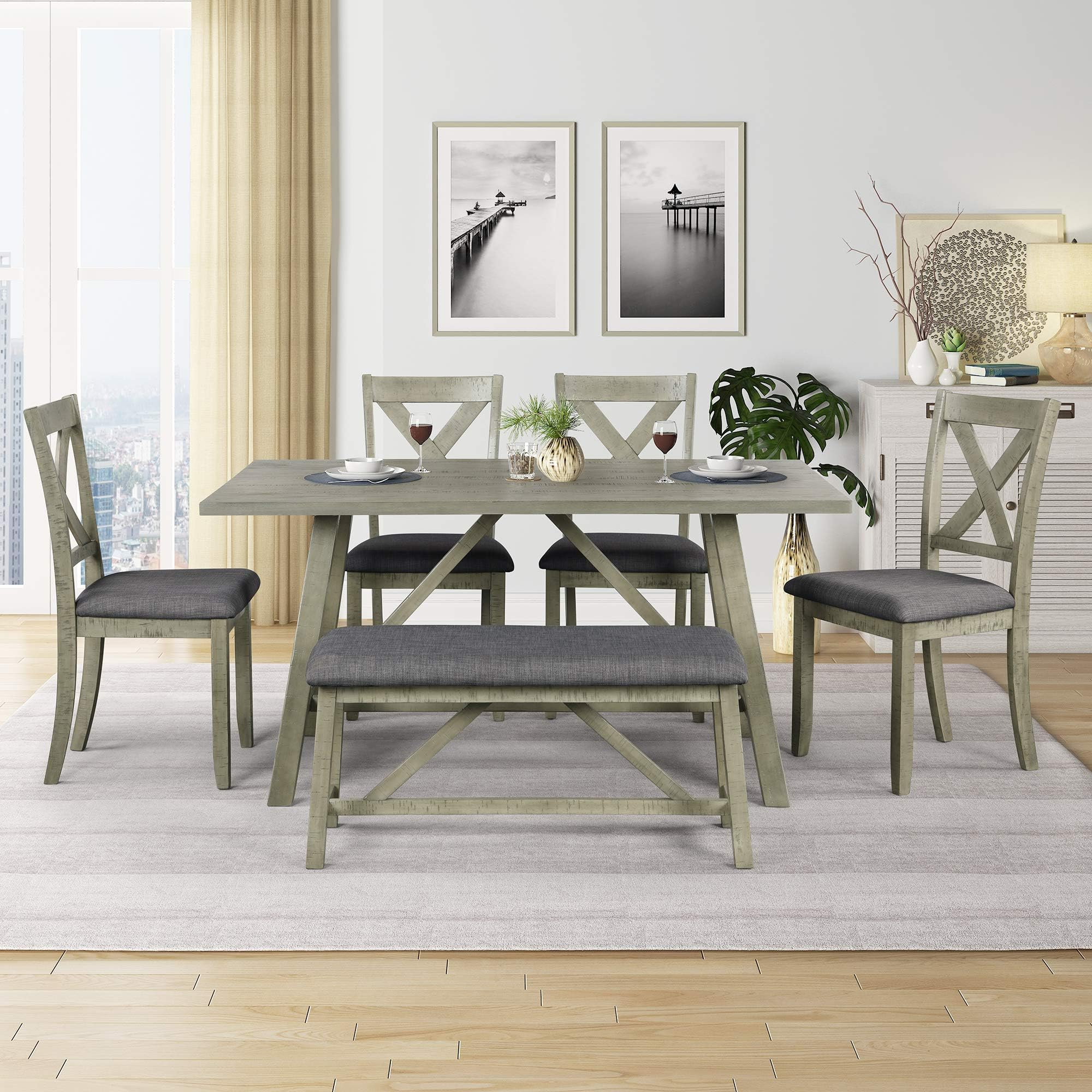
Rustic dining tables with benches have become a staple in modern homes, offering both functionality and aesthetic appeal. These pieces combine the warmth of natural wood with the comfort of built-in seating, creating spaces where families gather and friends meet. But what makes these tables truly special? It’s not just the final look – it’s the careful selection of materials and the skilled application of time-honored construction methods that give them their enduring charm. Every grain, every joint, and every finish tells a story of craftsmanship and dedication to quality. Whether you’re considering building one yourself or simply want to understand what goes into creating these beautiful pieces, let’s explore the popular choices that define this beloved style.
Wood Selection: The Heart of Rustic Character
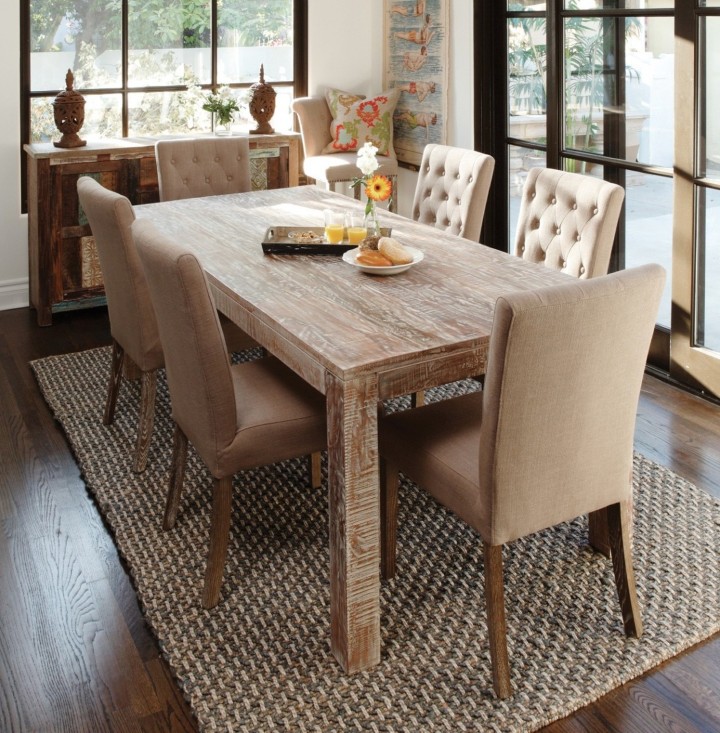
The choice of wood forms the foundation of any successful rustic dining table. Oak stands out as perhaps the most popular option due to its strength and distinctive grain patterns. White oak offers excellent durability and a lighter tone that brightens any room, while red oak provides a warmer hue with rich, contrasting grain lines. Pine, particularly reclaimed pine, brings a nostalgic feel with its natural imperfections and weathered appearance. Cedar adds a pleasant aroma and natural resistance to insects, making it ideal for outdoor settings.
Other commonly used woods include maple for its clean, uniform appearance, and cherry for its beautiful aging process. When selecting lumber, consider factors like grain direction, knots, and overall condition. Reclaimed wood often carries the most character, with stories embedded in each board. The key is finding wood that complements your space while standing up to daily use. Some craftspeople prefer to mix different woods to create visual interest, using contrasting species for table tops and benches.
Traditional Joinery Techniques That Stand the Test of Time
The secret to a lasting rustic table lies in the joints that hold it together. Traditional joinery methods have been passed down through generations, and they remain relevant today because of their reliability. Mortise and tenon joints offer exceptional strength and are commonly used for table legs and bench supports. These joints involve cutting a square hole (mortise) in one piece and creating a corresponding projection (tenon) on another piece.
Dovetail joints provide both strength and beauty, especially when used for drawer construction or table aprons. They interlock like puzzle pieces, making them virtually impossible to pull apart. For simpler projects, dados and rabbets work well for connecting table sections and bench components. These techniques require precision and patience, but they result in furniture that will last for decades. Many craftsmen still favor hand-cutting these joints rather than relying on power tools, believing that the personal touch creates a more authentic piece.
Bench Design Considerations and Seating Comfort
A good bench isn’t just about aesthetics – it needs to serve people comfortably. The height should match the table top, typically between 18 to 20 inches high, though this can vary based on intended users. Seat depth usually ranges from 16 to 18 inches, allowing enough room for comfortable seating while maintaining the rustic proportions.
Consider adding armrests for extra support, though they should be positioned to avoid interfering with table clearance. The width of the bench should accommodate the number of people who will regularly sit there. A minimum of 14 inches per person works well for casual dining. Some builders incorporate storage underneath the bench, using hollow spaces to hide blankets, books, or seasonal decorations. This practical element adds value while keeping the design clean and uncluttered. The bench should complement the table’s overall style, whether that means matching wood tones or creating contrast through different materials.
Finishing Touches That Bring Out Natural Beauty
The finishing process can make or break a rustic table. Natural oils like tung oil or linseed oil enhance wood grain while providing protection against moisture and wear. These finishes penetrate deep into the wood fibers, creating a durable surface that ages gracefully. For a more traditional look, shellac offers a quick-drying option that highlights wood characteristics beautifully.
Stains come in various shades, from light amber to deep browns, allowing you to customize the appearance. Darker stains can emphasize grain patterns, while lighter tones preserve the wood’s natural character. Painted finishes are less common in rustic designs but can work well for contemporary interpretations. The key is choosing finishes that complement the wood type and desired aesthetic. Multiple thin coats typically work better than thick applications, as they provide even coverage and reduce the risk of drips or uneven drying. Always test finishes on scrap wood first to ensure satisfaction with the final result.
Modern Adaptations of Classic Construction Methods
While traditional techniques form the backbone of rustic construction, modern tools and methods have enhanced efficiency without compromising quality. Power tools like routers and table saws allow precise cuts that were once only possible with hand tools. However, many craftspeople still rely on hand planes and chisels for fine-tuning details and achieving that authentic finish.
Clamps play a crucial role in holding pieces together during assembly, ensuring tight joints and preventing movement. Modern clamps come in various sizes and types, from traditional wooden clamps to adjustable bar clamps that can handle large surfaces. The integration of metal brackets and reinforcement plates can add extra stability to larger tables or those in high-traffic areas. Some builders use computer-aided design software to plan dimensions and visualize the final product before beginning construction. This helps avoid costly mistakes and ensures all pieces fit together properly.
Practical Tips for Successful Construction Projects
Starting a rustic dining table project requires careful planning and realistic expectations. Begin by measuring your available space and determining how many people will typically dine at the table. This information guides table length and bench sizing. Selecting quality lumber early on prevents disappointment later in the process.
Preparation is essential. Clean and dry all wood pieces thoroughly before assembly. Allow adequate time for finishing, as some treatments require several days to cure completely. Consider building in stages, starting with the bench frame before attaching the table top. This approach makes handling easier and reduces the risk of damage to finished surfaces.
Don’t overlook safety considerations. Wear appropriate protective equipment when using power tools and chemicals. Work in a well-ventilated area when applying finishes. Finally, remember that imperfections often add character to rustic pieces. Small gaps, minor variations in wood grain, and slight irregularities in surface texture contribute to the authentic charm that makes these tables special.
Creating a rustic dining table with bench is more than just assembling wood pieces – it’s about crafting a functional piece of art that brings people together. The combination of carefully selected materials, proven construction techniques, and thoughtful design elements results in furniture that serves both practical and emotional purposes. Whether you choose to build one yourself or commission a craftsman, understanding these fundamentals helps appreciate the skill and dedication that goes into each piece. The beauty of rustic dining furniture lies in its ability to age gracefully, becoming more treasured with each meal shared around it. With proper care and attention, these tables can become the heart of your home, lasting for generations while continuing to tell their stories of craftsmanship and community.