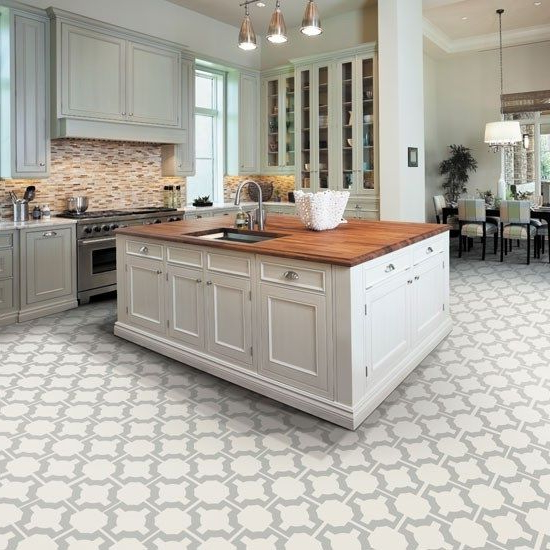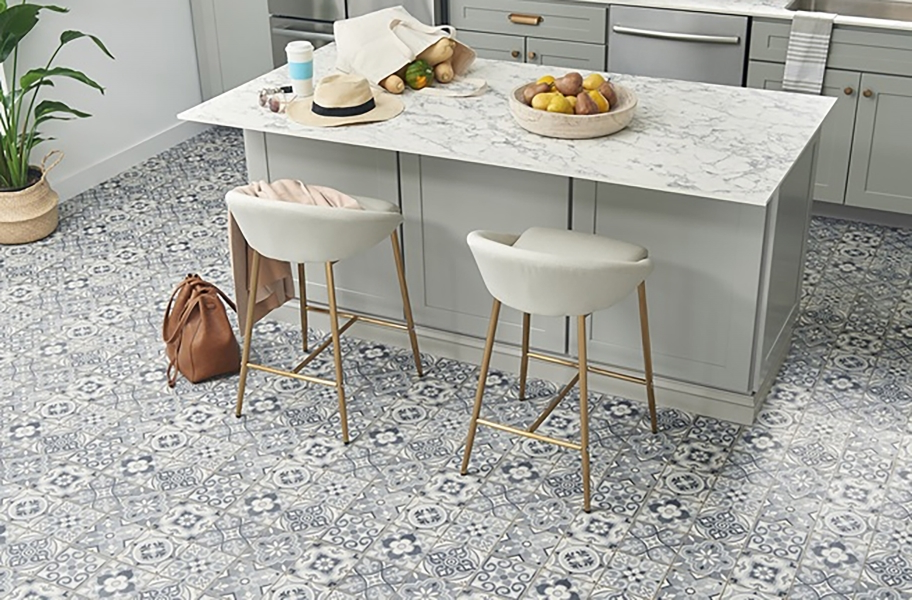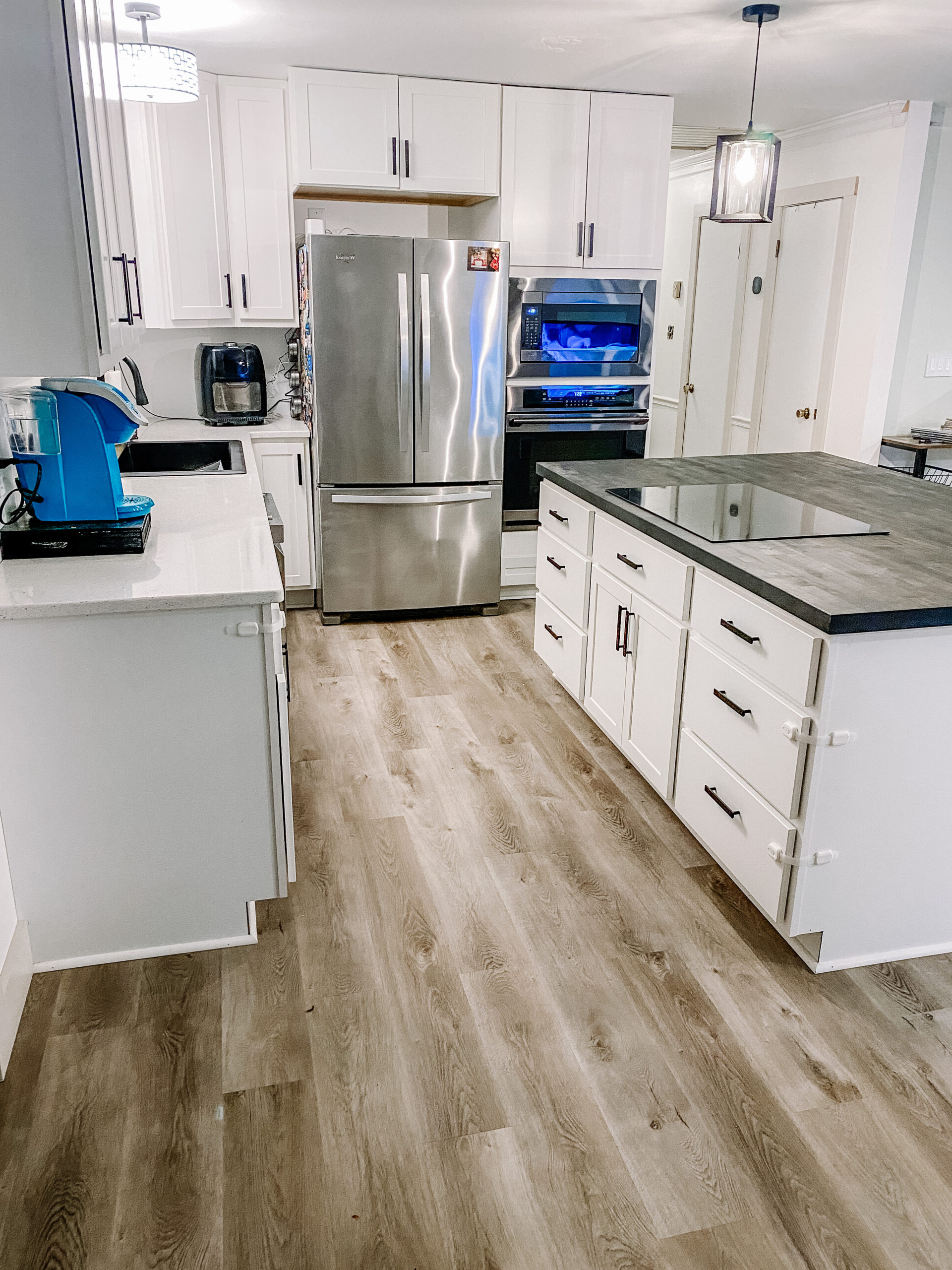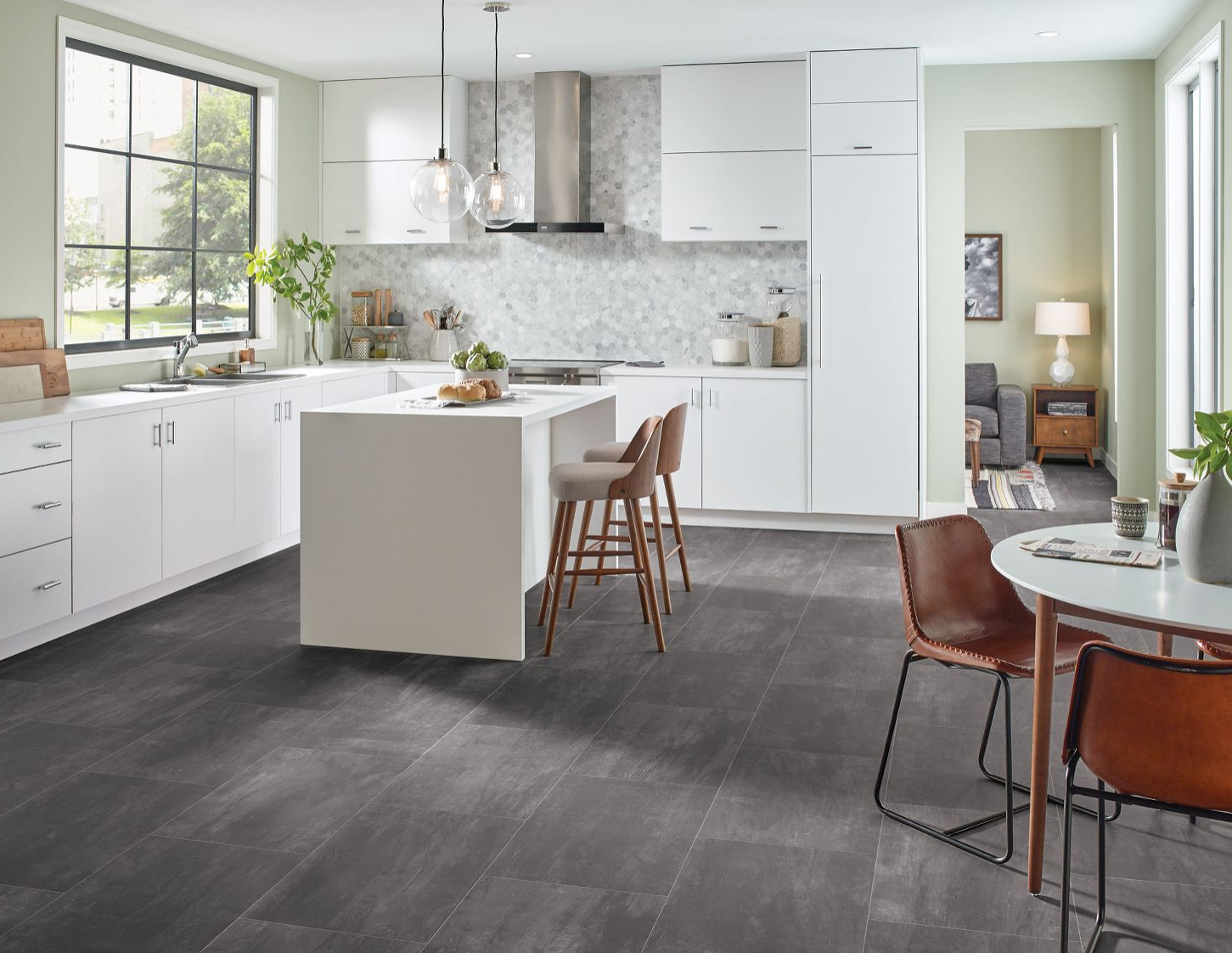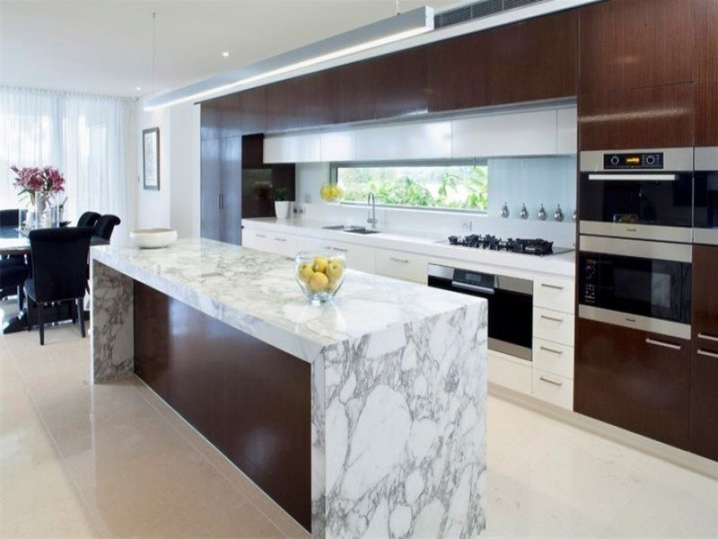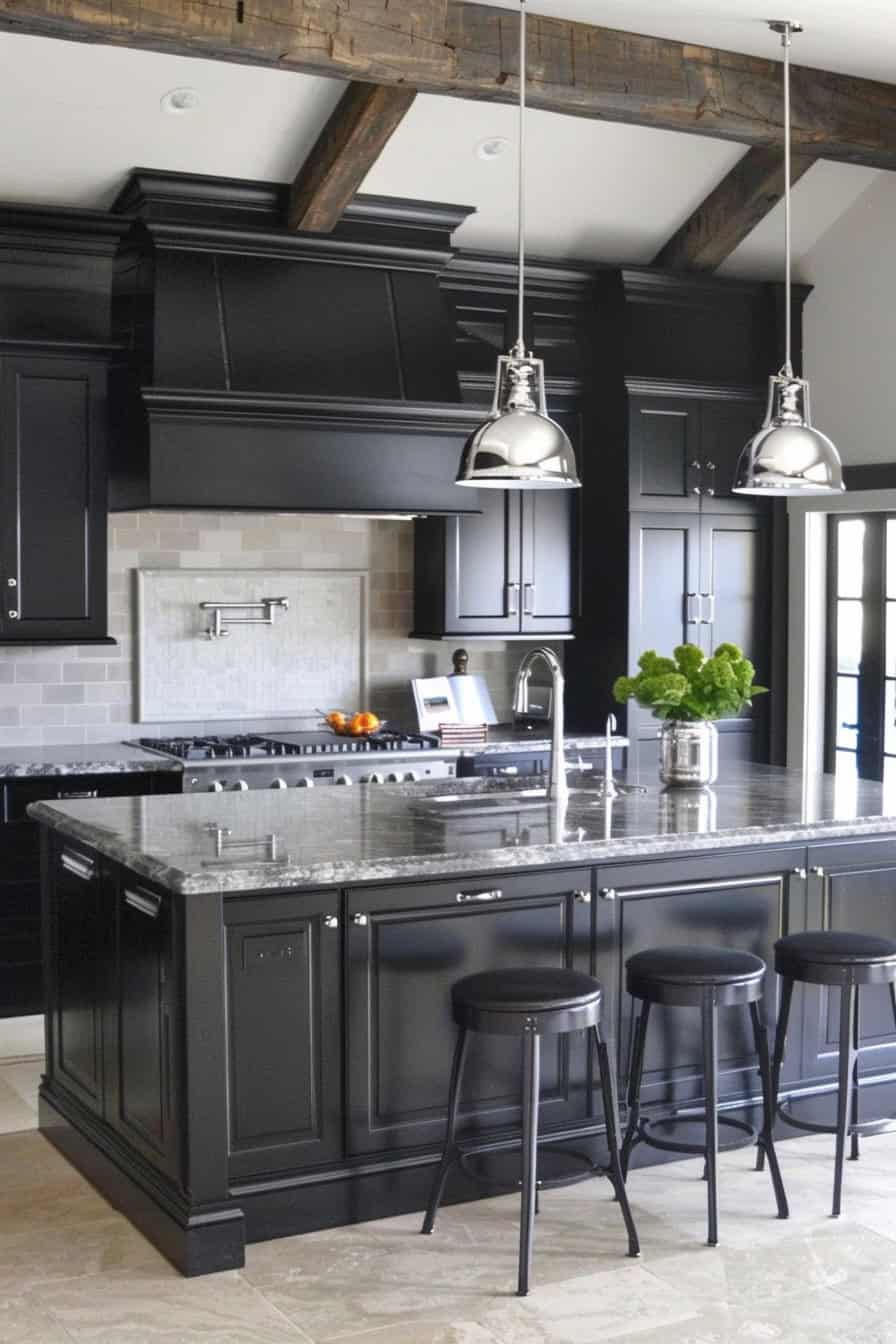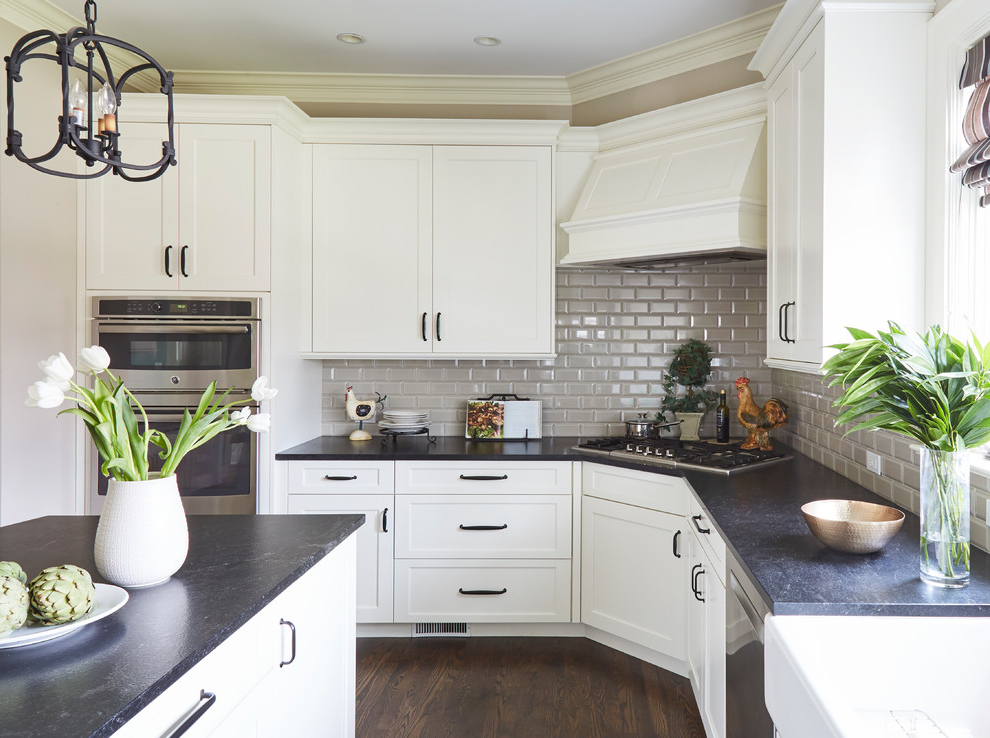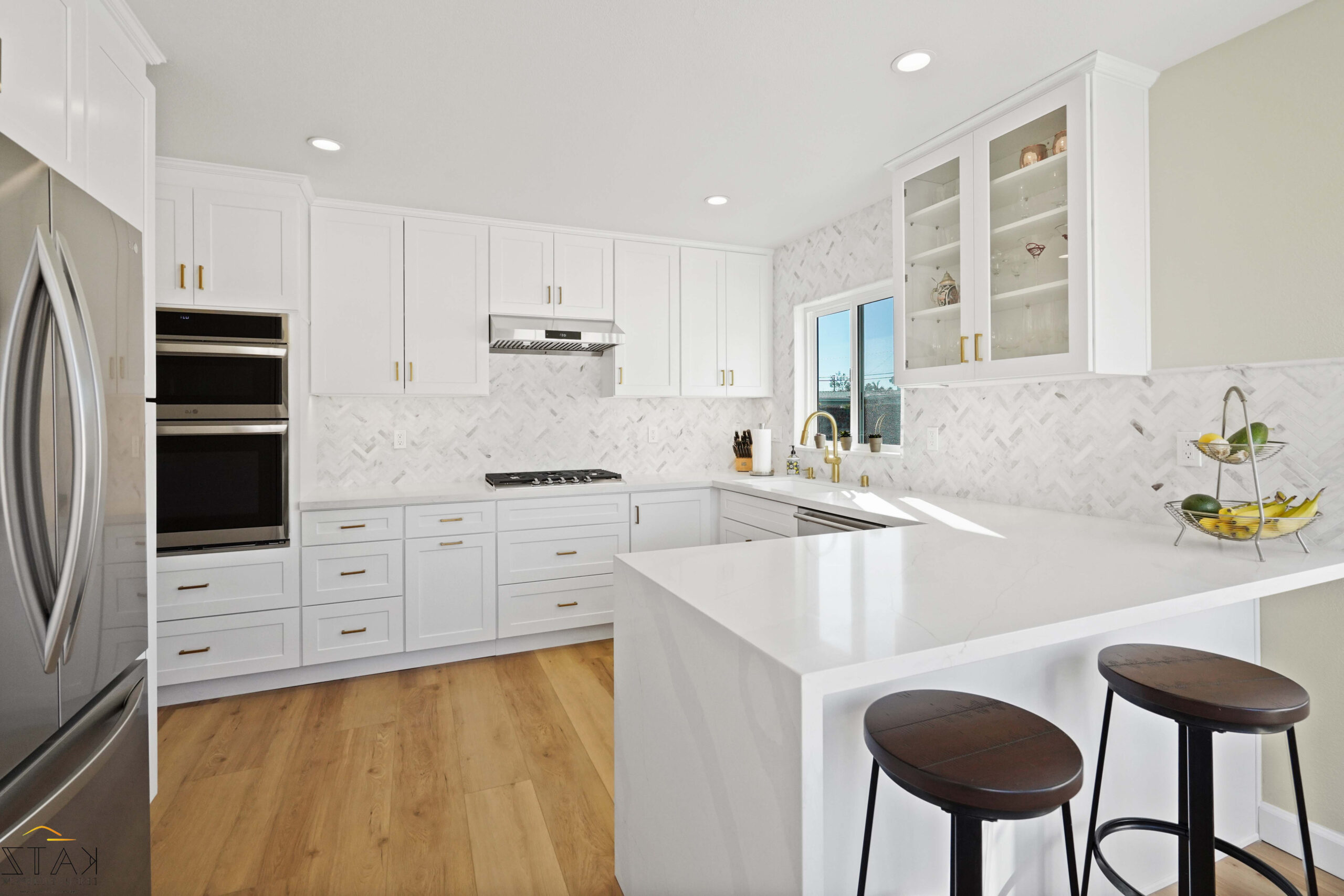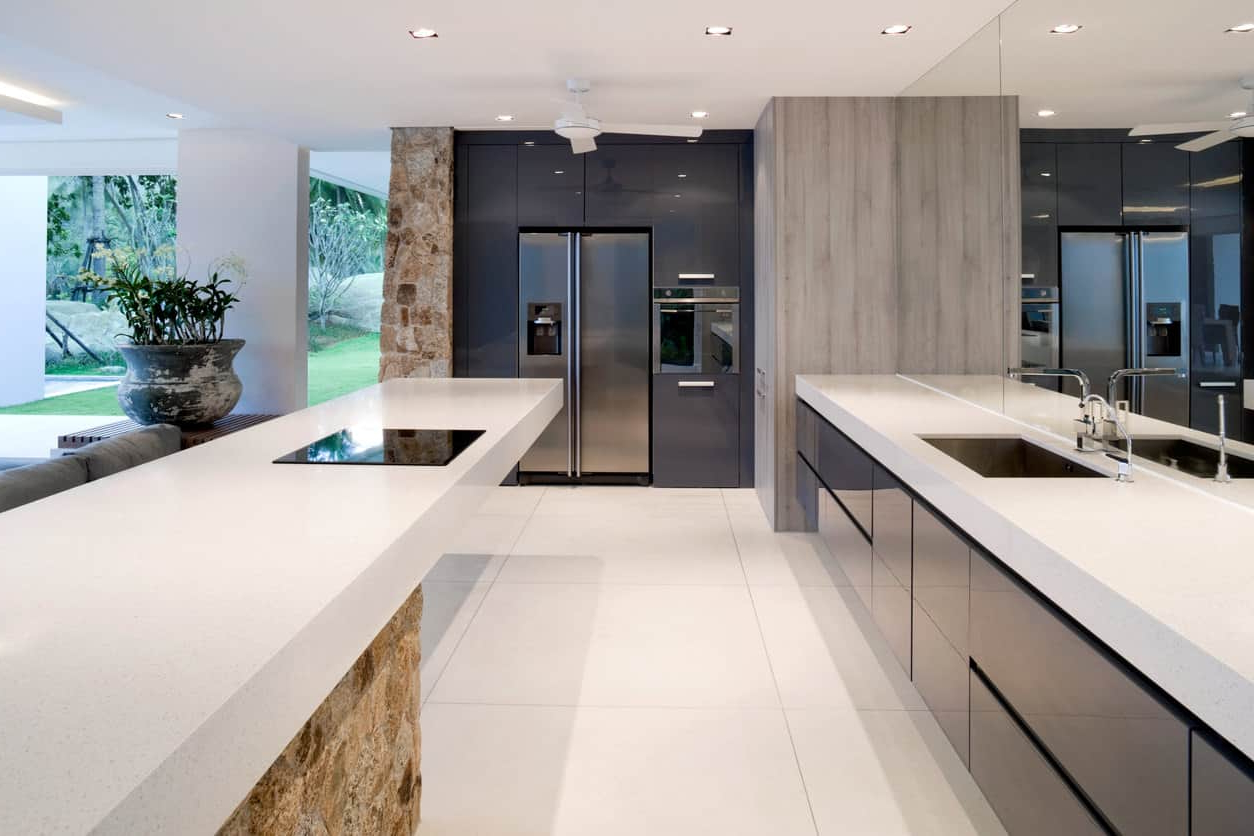
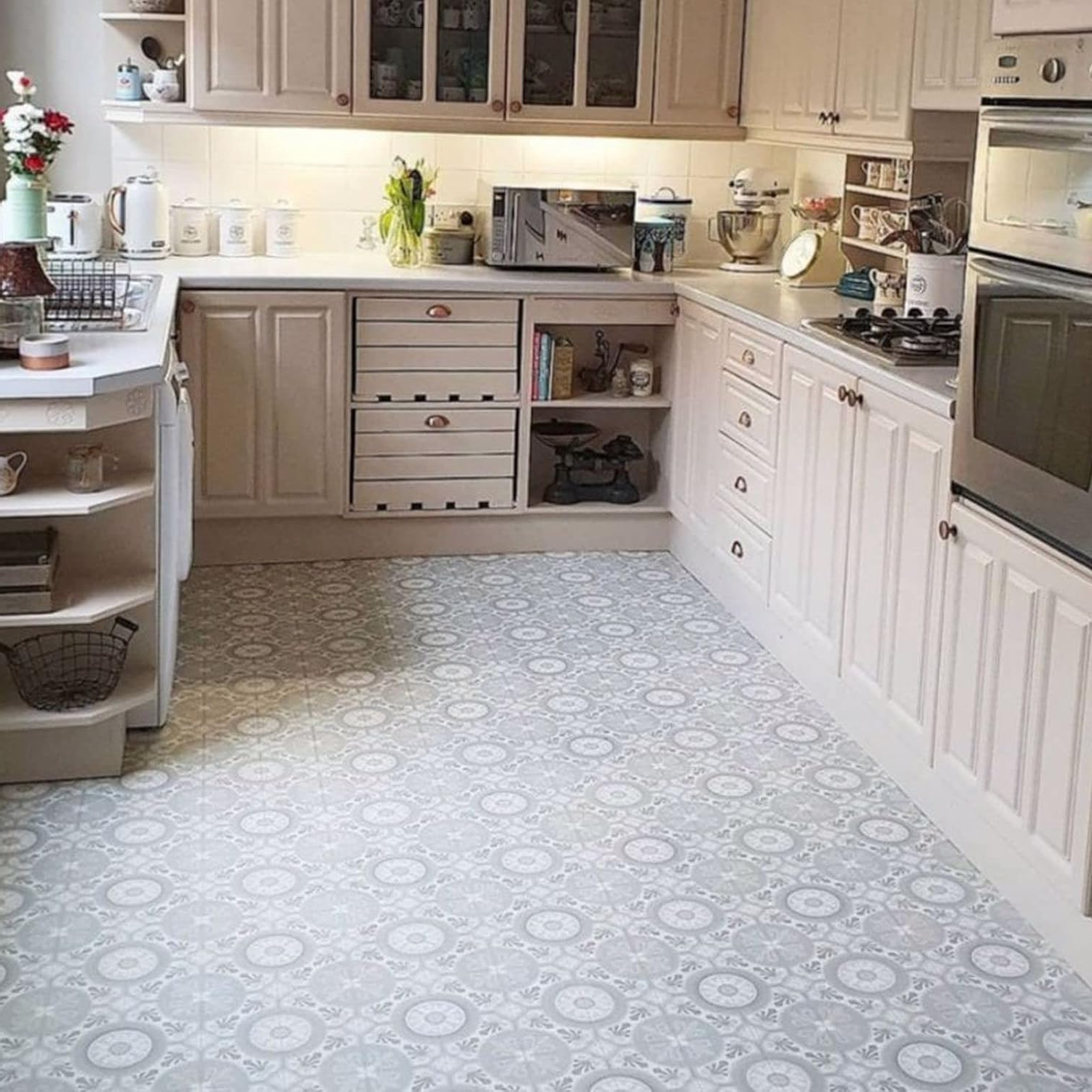
Picture this: a tired kitchen with worn linoleum that’s seen better days. The kind of space that makes you want to avoid the room entirely. Now imagine that same kitchen, completely transformed with sleek, modern vinyl flooring. What started as a simple upgrade became a complete lifestyle change for families across the country.
Kitchen floors tell stories. They witness every spill, every scraped knee, and every daily ritual that makes home feel like home. For many homeowners, the decision to upgrade their kitchen floor isn’t just about aesthetics—it’s about functionality, durability, and peace of mind. In recent years, vinyl flooring has emerged as one of the most popular choices for kitchen renovations. But what happens when you actually do it? How do these upgrades really impact everyday life? Let’s explore the real experiences of homeowners who made the leap.
The Practical Reality of Vinyl Flooring
When Sarah Martinez decided to renovate her 1980s kitchen, she wasn’t looking for luxury. She wanted something that could handle her busy family routine. "I had three kids under five and a dog who loved to drag his toys across the floor," she explains. "I needed something that wouldn’t show scratches or stains." That’s exactly what modern vinyl delivered. Unlike traditional hardwood that requires constant maintenance, vinyl offers a low-maintenance alternative that still looks beautiful. The best part? It’s much more affordable than hardwood or tile while providing similar durability.
Aesthetic Transformation Beyond Expectations
The Johnson family had always been hesitant about vinyl flooring because they thought it looked cheap. But after seeing the options available today, their perspective changed completely. "We didn’t expect how realistic the textures looked," says Mike Johnson. "It’s almost impossible to tell it’s not real wood." Modern vinyl now comes in incredibly detailed patterns and finishes that mimic natural materials so closely that even experts struggle to distinguish between real and synthetic. Homeowners often discover that their new floors become the centerpiece of their kitchen rather than just a functional element.
Cost Considerations That Actually Matter
Budget concerns are real, and homeowners want to know if the investment pays off. Maria Rodriguez, who upgraded her kitchen floor last year, shares her experience: "I was worried about spending too much money, but the savings in maintenance alone have already paid for the upgrade." She breaks down her costs: $2,800 for materials and installation versus approximately $1,200 annually for hardwood maintenance. The initial investment might seem high, but the long-term savings and reduced replacement frequency make it financially smart. Many homeowners find that vinyl floors last 20+ years with proper care.
The Installation Experience
Installation varies significantly depending on the type of vinyl chosen. Some homeowners opt for peel-and-stick options that can be installed by DIY enthusiasts. Others prefer professional installation for larger areas or more complex designs. Tom Bradley chose the latter approach after realizing his kitchen had some uneven spots. "Professional installation was worth every penny," he notes. "They fixed the subfloor issues and made sure everything looked perfect." The process typically takes one to two days for most standard kitchens, though bigger spaces may require additional time.
Daily Life Changes and Benefits
Beyond the visual appeal, homeowners report significant improvements in their daily routines. Jennifer Chen, a busy mother of four, says: "Now I don’t stress about spills anymore. The floor is easy to clean and doesn’t trap odors like old linoleum did." The water resistance feature proves particularly valuable for households with young children or pets. Additionally, vinyl floors provide better cushioning underfoot, reducing fatigue during long cooking sessions. Many users mention how much more comfortable their kitchen feels when standing on vinyl compared to previous hard surfaces.
Long-term Satisfaction and Durability
After three years of using their new vinyl floors, homeowners consistently report high satisfaction rates. The durability factor becomes apparent when considering how well these floors handle everyday wear. David Kim, who installed luxury vinyl in his kitchen, notes: "My floors look brand new after all this time. Even the dog’s nails haven’t left marks." Most quality vinyl floors come with warranties ranging from 10 to 30 years, offering homeowners confidence in their purchase. The ability to replace individual planks without replacing the entire floor adds another layer of practicality that many appreciate.
These real-life stories paint a clear picture of how modern vinyl kitchen floors can transform more than just a space—they can transform daily life. From practical benefits like easy maintenance and cost savings to aesthetic improvements that boost home value, the evidence speaks for itself. Whether you’re dealing with dated linoleum, expensive hardwood that needs constant attention, or simply want a durable solution that looks great, vinyl flooring offers a compelling middle ground. The key takeaway? Real homeowners have found that investing in quality vinyl flooring creates lasting value, both functionally and emotionally. After all, your kitchen should be a place you enjoy spending time in, not something that causes stress or maintenance headaches.
[sps_html tag=”img” src=”https://roofdrivein.com/wp-content/uploads/2026/01/modern-vinyl-flooring-kitchen-things-in-the-kitchen-in-real-life-stories-of-homeowners-who-upgraded-to-modern-vinyl-kitchen-floors.jpg” alt=”Modern Vinyl Flooring Kitchen – Things In The Kitchen in Real-life stories of homeowners who upgraded to modern vinyl kitchen floors” style=”width: 100%; height: auto;”]
[sps_html tag=”img” src=”https://roofdrivein.com/wp-content/uploads/2026/01/bright-modern-kitchen-with-neutral-vinyl-plank-flooring-inside-real-life-stories-of-homeowners-who-upgraded-to-modern-vinyl-kitchen-floors.jpg” alt=”Bright Modern Kitchen With Neutral Vinyl Plank Flooring inside Real-life stories of homeowners who upgraded to modern vinyl kitchen floors” style=”width: 100%; height: auto;”]
[sps_html tag=”img” src=”https://roofdrivein.com/wp-content/uploads/2026/01/modern-vinyl-flooring-ideas-for-kitchens-regarding-modern-kitchen-vinyl-flooring.png” alt=”Modern Vinyl Flooring Ideas For Kitchens regarding Modern Kitchen Vinyl Flooring” style=”width: 100%; height: auto;”]
[sps_html tag=”img” src=”https://roofdrivein.com/wp-content/uploads/2026/01/modern-vinyl-flooring-kitchen-things-in-the-kitchen-intended-for-modern-kitchen-vinyl-flooring.jpg” alt=”Modern Vinyl Flooring Kitchen – Things In The Kitchen intended for Modern Kitchen Vinyl Flooring” style=”width: 100%; height: auto;”]
[sps_html tag=”img” src=”https://roofdrivein.com/wp-content/uploads/2026/01/modern-kitchen-flooring-vinyl-throughout-modern-kitchen-vinyl-flooring.jpg” alt=”Modern Kitchen Flooring Vinyl throughout Modern Kitchen Vinyl Flooring” style=”width: 100%; height: auto;”]