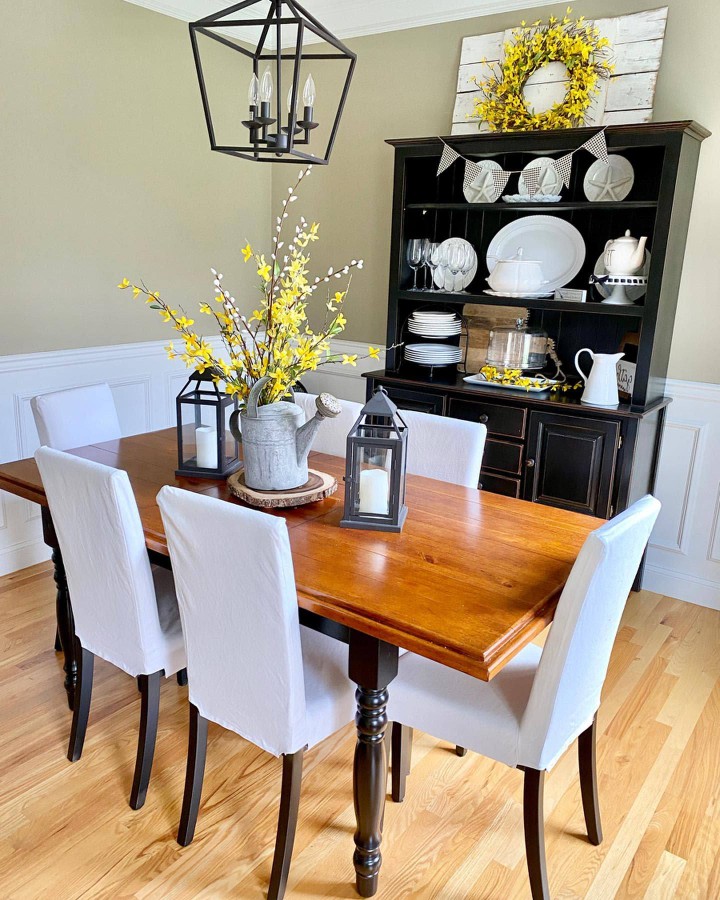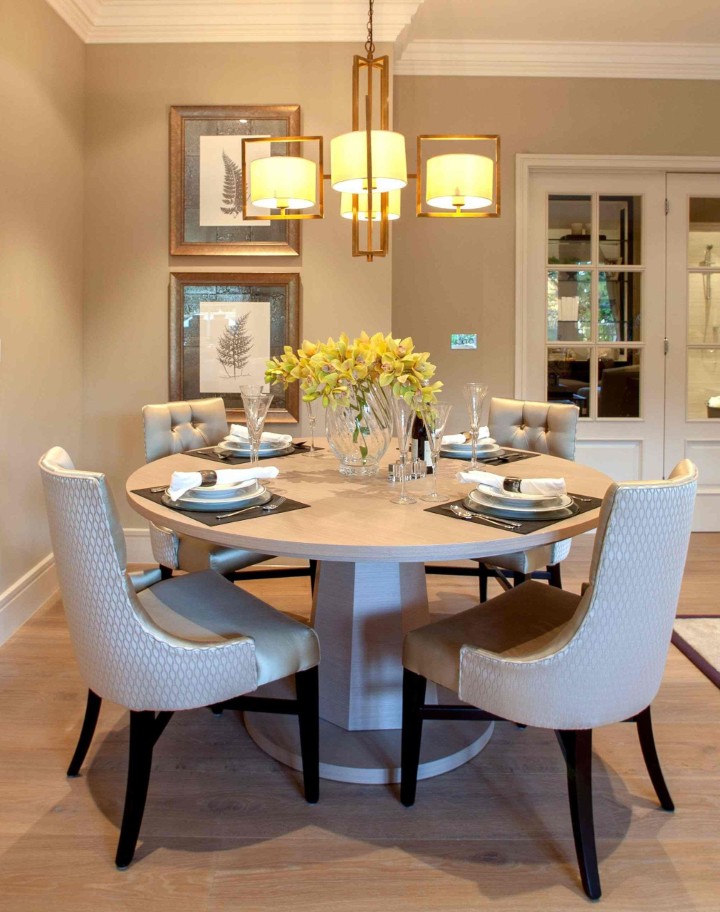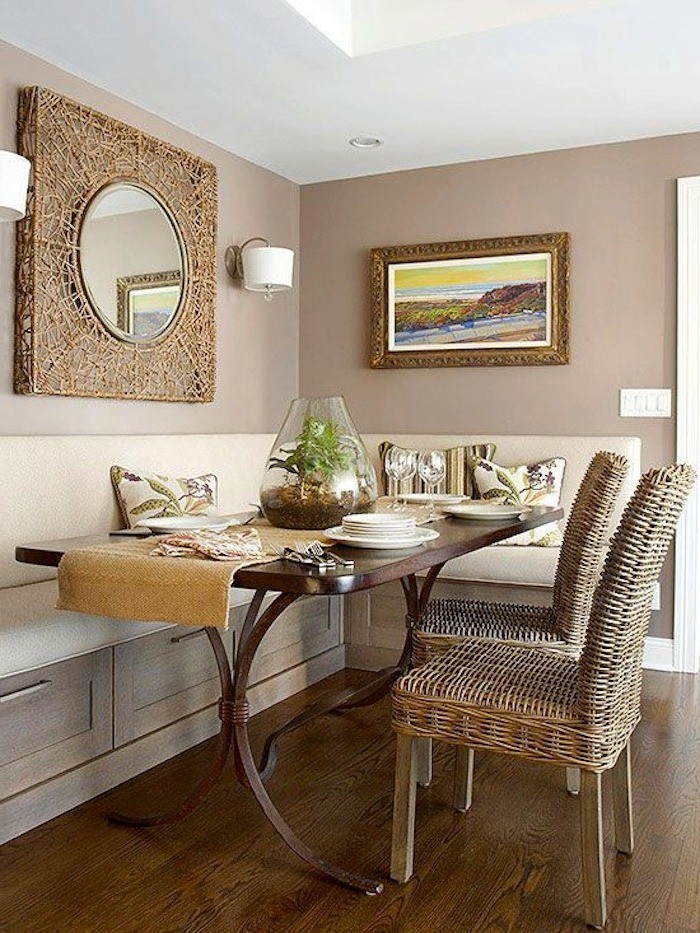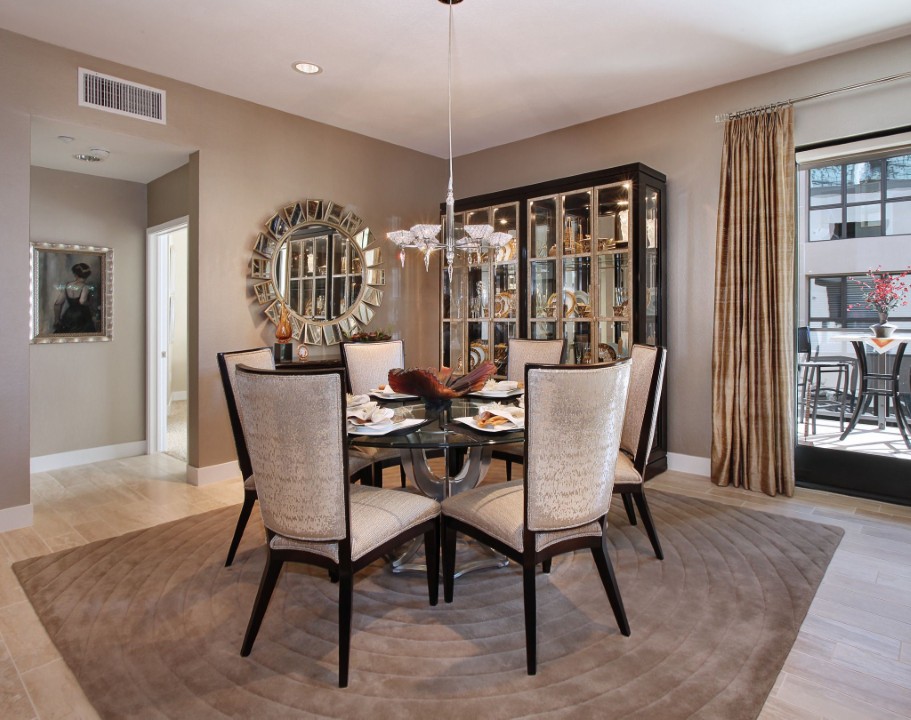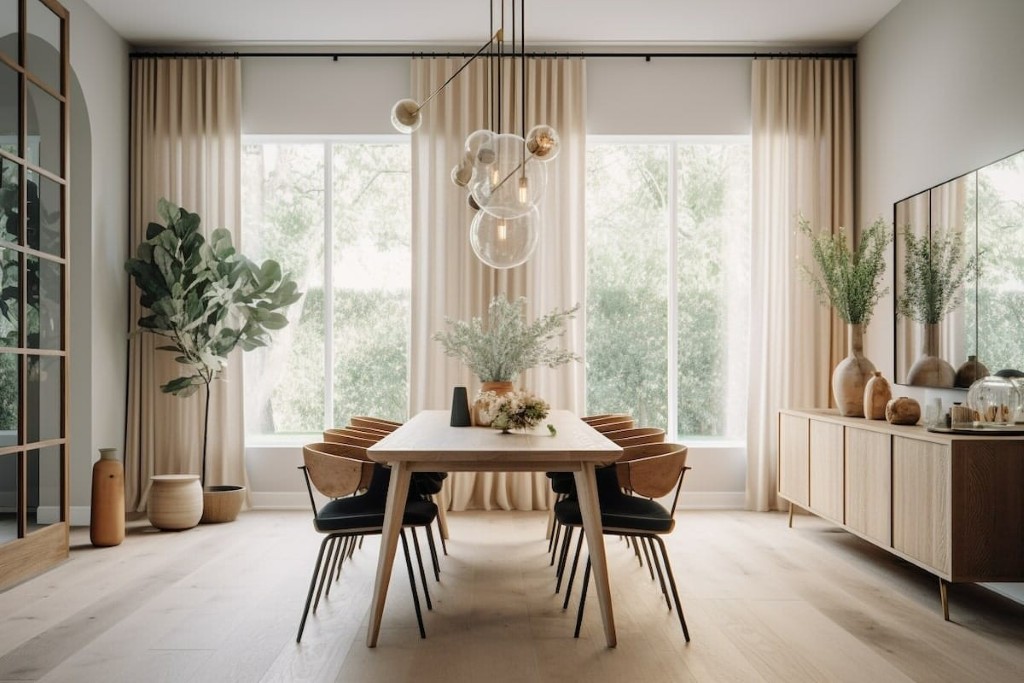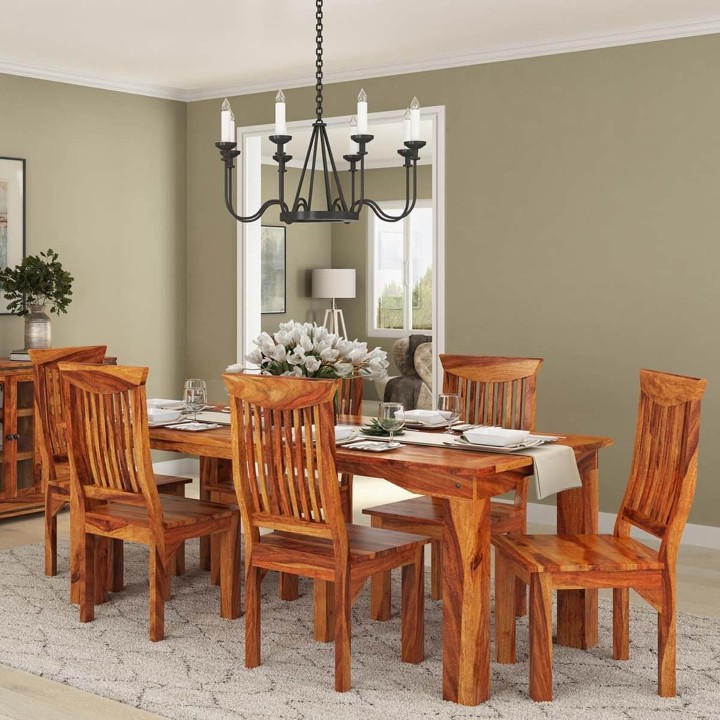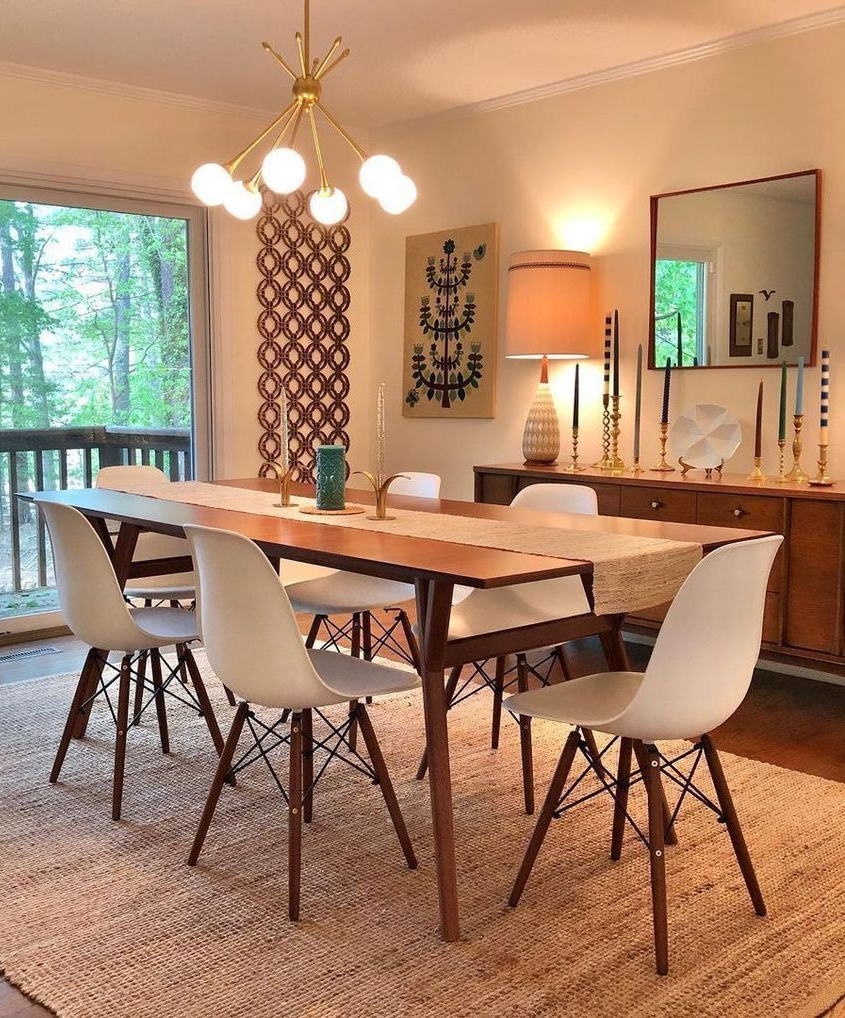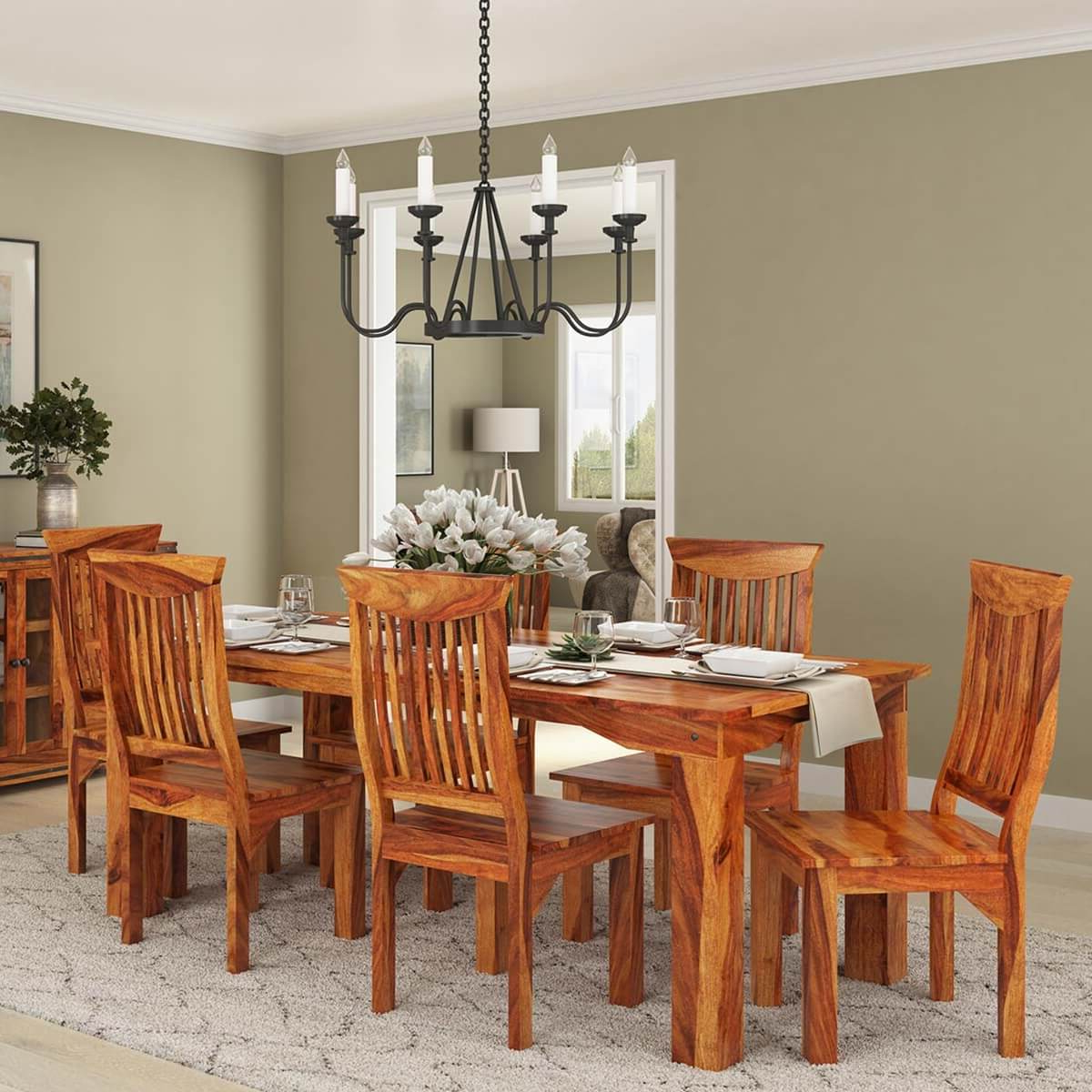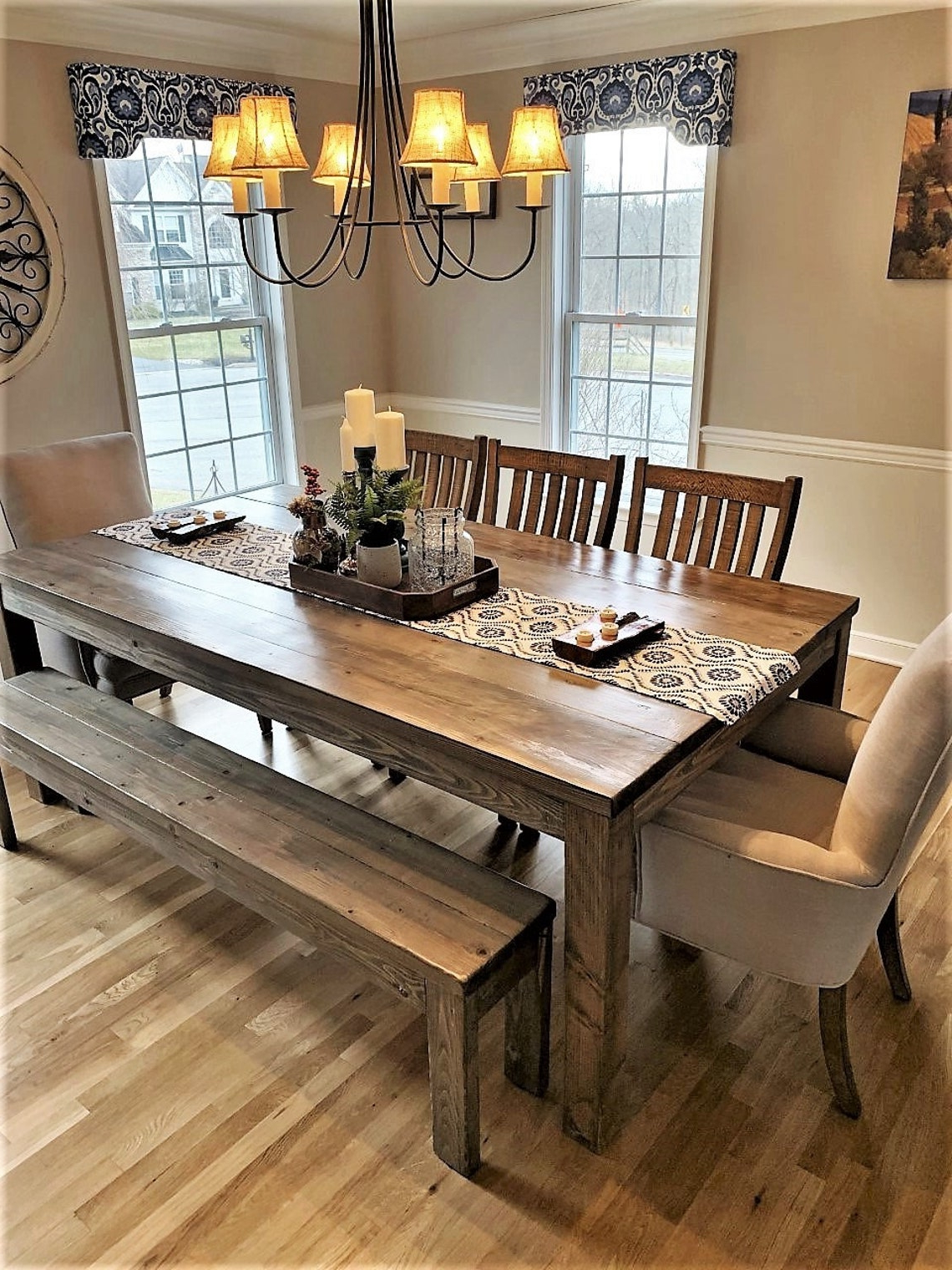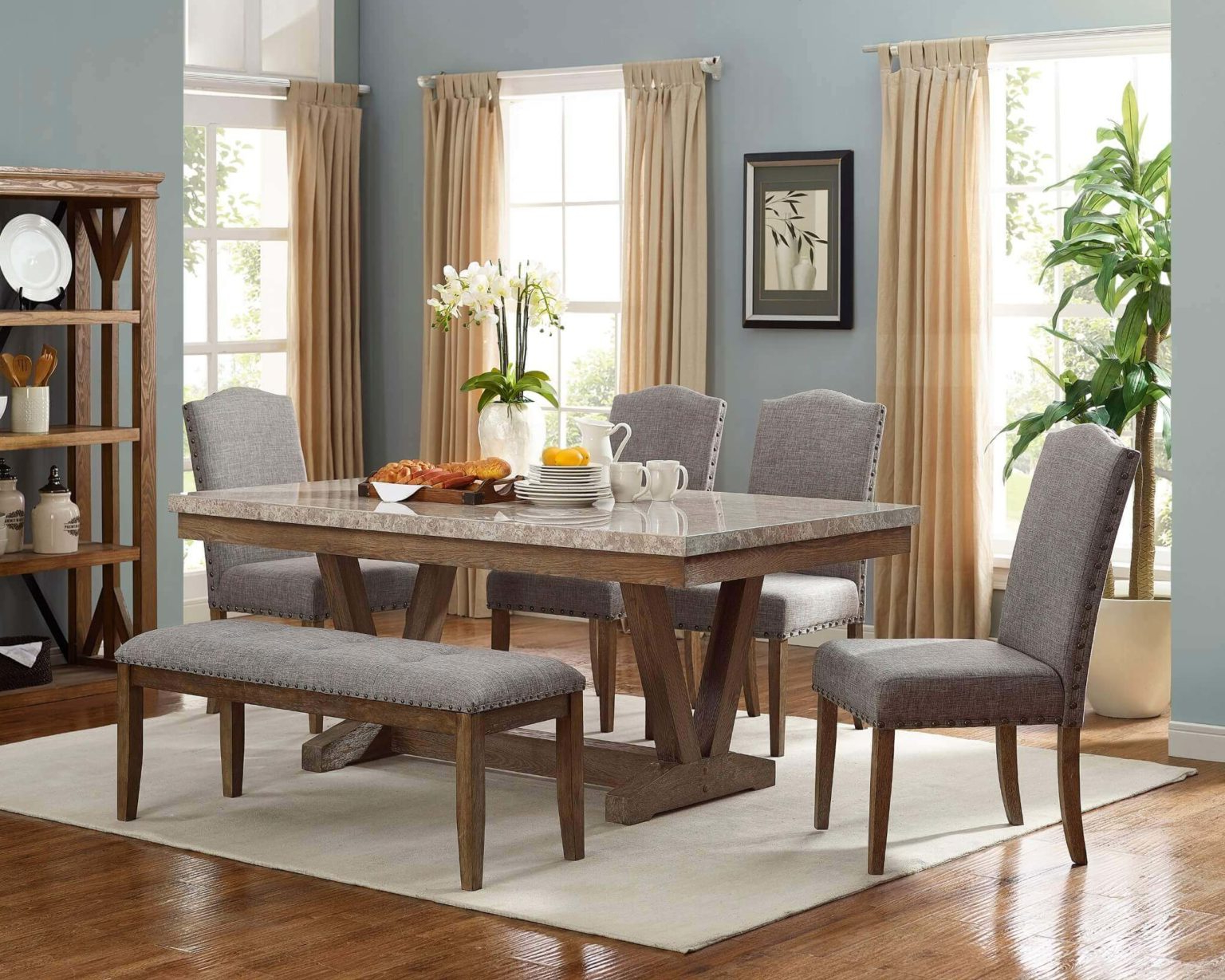
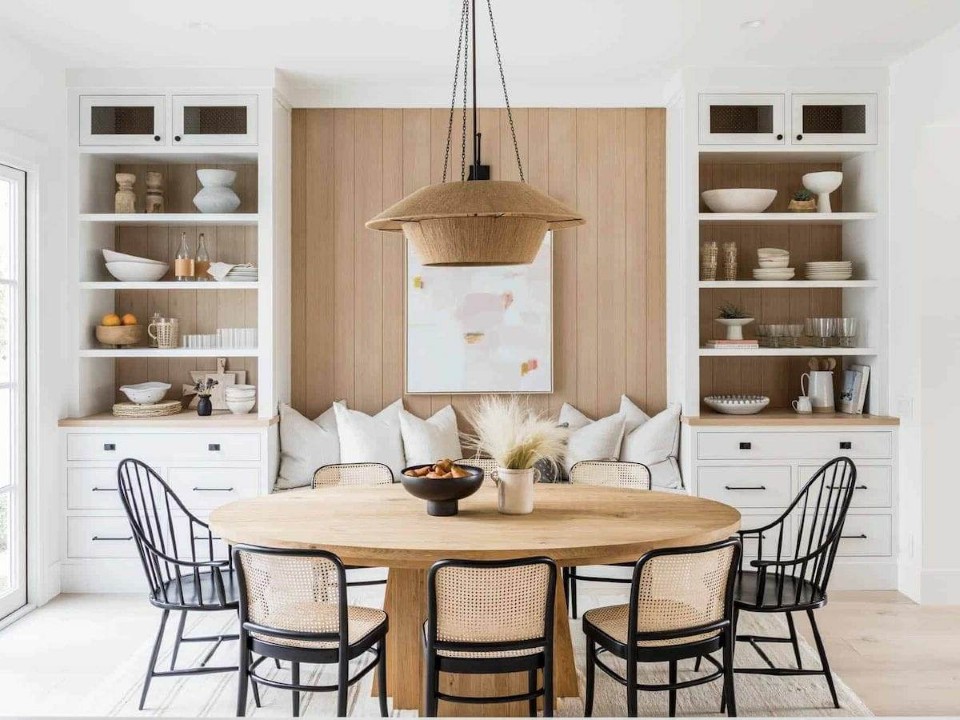
Whether you have a cozy corner or a grand living area, finding the right dining table size makes all the difference. It’s not just about how much food fits on the plate – it’s about creating a space where everyone feels comfortable and connected.
Picture this: you’ve finally found that perfect dining table. It’s beautiful, it’s functional, and it looks amazing in your home. But then you try to place it in your actual dining area and realize it’s too big, too small, or just doesn’t work with the rest of your space. Sound familiar? This happens more than you think. Choosing the right dining table size isn’t just about personal preference or style. It’s about understanding how much space you have, how many people will sit around it, and what your daily routine looks like. The truth is, a dining table that fits perfectly in one room might feel completely wrong in another. And that’s okay – it just means you need a little more guidance.
Understanding Your Room Dimensions
Before you even start looking at tables, take a good look at your space. Measure the length and width of your dining area carefully. Think about where furniture will go, and leave some breathing room. A dining table needs space around it for chairs to move freely, and for people to walk comfortably. You don’t want to end up with a table that’s so close to the wall that you can’t get your chair out.
Consider the shape of your room. Is it square, rectangular, or oddly shaped? Do you have windows, doors, or built-in features that might affect placement? These elements can change everything. For example, a long rectangular table might work perfectly in a large, open room but could feel cramped in a narrow space.
Here’s a simple rule of thumb: leave at least 36 inches of clearance around your table. That means if you’re planning to have chairs around all sides, make sure there’s enough room for people to pull out their seats and move around easily. If you’re dealing with a small space, you might consider a round table instead of a rectangular one – they often fit better in tight spots.
The Right Number of Seats
How many people do you actually plan to seat regularly? This question might seem simple, but it’s one of the most important decisions you’ll make when choosing a table. Consider not just your family members, but also guests, extended family, and even your pet dog who likes to watch dinner being served.
A typical family of four might need a table that seats six people. But if you’re hosting weekly game nights or monthly dinner parties, you might want to think bigger. On the flip side, if you live alone or with just one partner, a small two-person table might be all you need.
Don’t forget about children. Kids grow quickly, and they might need to sit on their parents’ laps or use booster seats. So if you have young ones, plan for a few extra seats.
Here’s a helpful tip: always add one or two extra seats to your table. That way, you won’t be scrambling to find a spot for that unexpected friend or family member who shows up unannounced. Plus, it gives you flexibility during holiday seasons when extra guests might show up.
Table Shape and Space Considerations
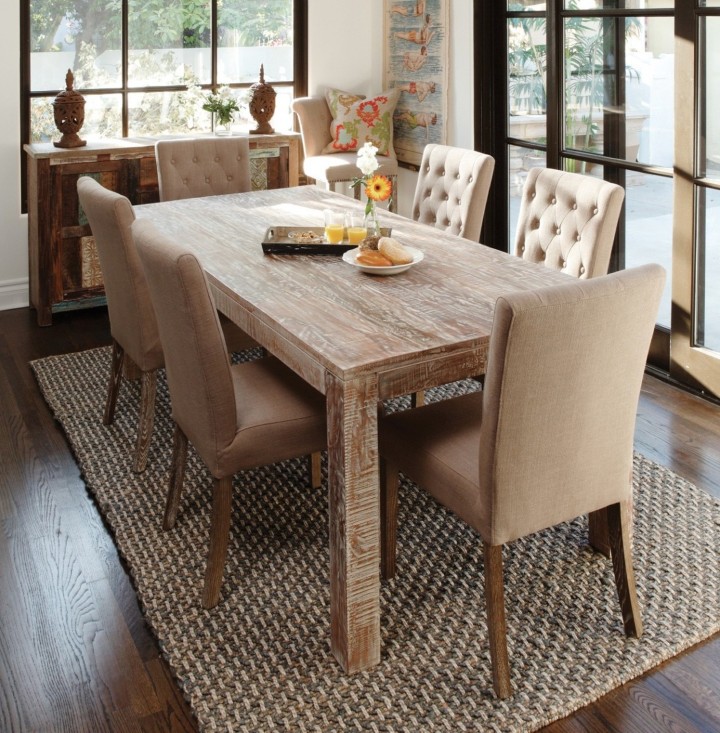
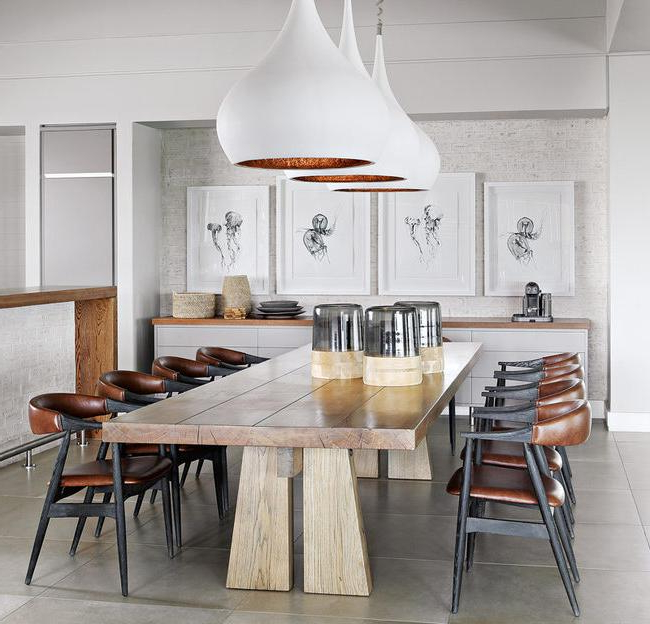
Different shapes of tables work better in different spaces. Rectangular tables are great for long rooms and can accommodate lots of people. They’re also ideal if you have a lot of space to work with. However, they can look awkward in smaller or oddly shaped rooms.
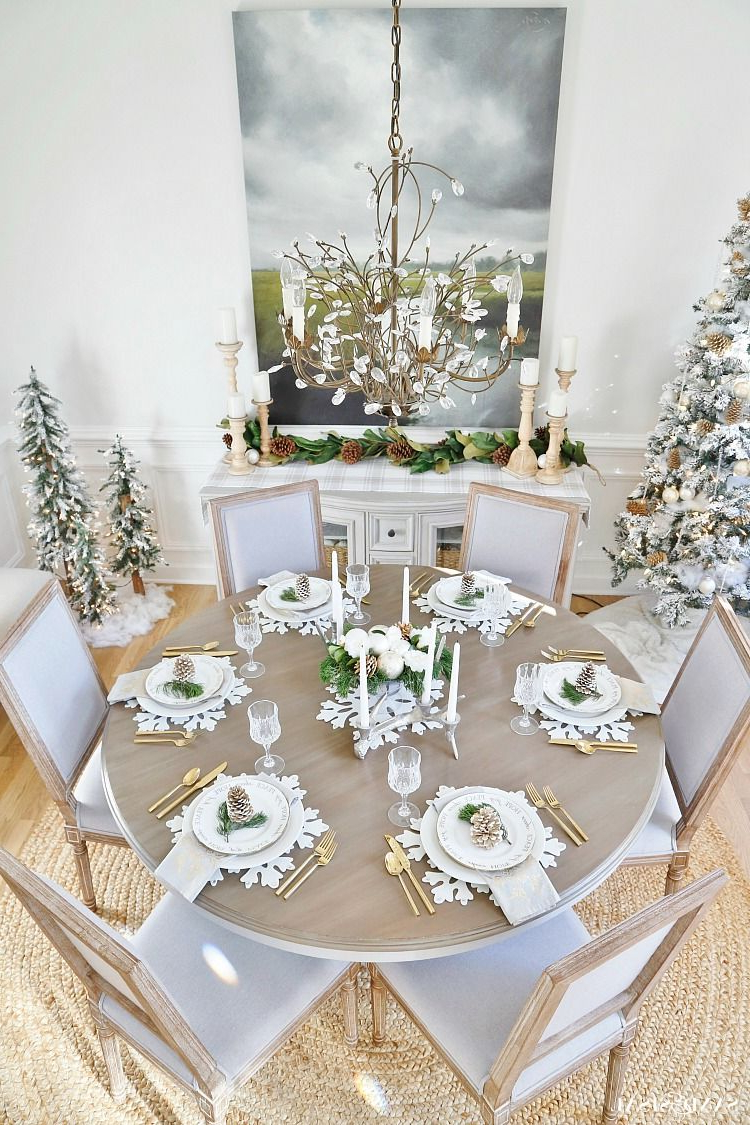
Round tables are more versatile and usually fit better in tight spaces. They’re also excellent for encouraging conversation because everyone faces each other. If you have a small dining area, a round table can make the room feel less cramped. Plus, they’re easier to move around if you ever need to rearrange your furniture.
Square tables offer a middle ground between rectangular and round. They’re good for small spaces but might not provide enough room for larger families. They’re also easier to fit into corners, which can be helpful if you’re working with limited space.
Consider your room’s layout and how people will move around the table. Will there be traffic flow? Are there obstacles like pillars or windows? These factors can influence whether a particular shape works well for your setup.
Room Flow and Traffic Patterns
One of the most overlooked aspects of choosing a dining table is thinking about how people will move around it. If your dining room is part of a larger open space, you need to consider traffic flow. People shouldn’t have to walk around the table to get to the kitchen or other areas.
Think about where the main door is, where people enter and exit, and how they’ll move through the room. If you’re planning to use your dining table for breakfast, consider how the kitchen area relates to it. Will you need to walk past the table to get to the sink or stove?
A common mistake is placing a table directly in front of a window or door. While it might look nice, it creates a bottleneck. People might bump into the table or struggle to get through the space. Instead, try positioning the table so that it doesn’t block any important pathways.
Also, think about the furniture surrounding the table. If you have a buffet or sideboard nearby, make sure there’s enough room to access it without having to squeeze around the table. And remember, if your dining area is used for multiple purposes, like a home office or playroom, consider how the table affects those other uses.
Size Guidelines Based on Room Type
Different room types require different table sizes. Here are some general guidelines:
• Small dining rooms (under 8 feet wide): Look for tables that are 4 to 5 feet long. A 4-foot round table or a 4×8-foot rectangular table works well.
• Medium dining rooms (8-12 feet wide): You can comfortably fit a 6-foot rectangular table or an 8-foot round table.
• Large dining rooms (over 12 feet wide): Go for tables that are 8 feet or longer. A 10-foot rectangular table or a 10-foot round table can easily handle larger gatherings.
Keep in mind that these are just starting points. Your specific layout, furniture arrangement, and lifestyle will ultimately determine the best fit. Sometimes a slightly smaller table in a larger room can look better than a massive table in a small space.
Another thing to consider is ceiling height. If you have high ceilings, you might be able to use a taller table without feeling cramped. But if your ceiling is low, a shorter table might make the room feel more spacious.
Practical Tips for Making It Work
Here are some smart tricks to help you find the perfect table size:
• Measure everything: Before buying anything, measure your room, the table, and all surrounding furniture. Take photos and sketch out possible layouts.
• Test fit: If possible, bring a table home before buying it. Sit at it and see how it feels. Does it work with your chairs? Is there enough space?
• Consider collapsible options: If space is really tight, consider a folding or extendable table. These can be perfect for small apartments or homes where you don’t want to commit to a permanent fixture.
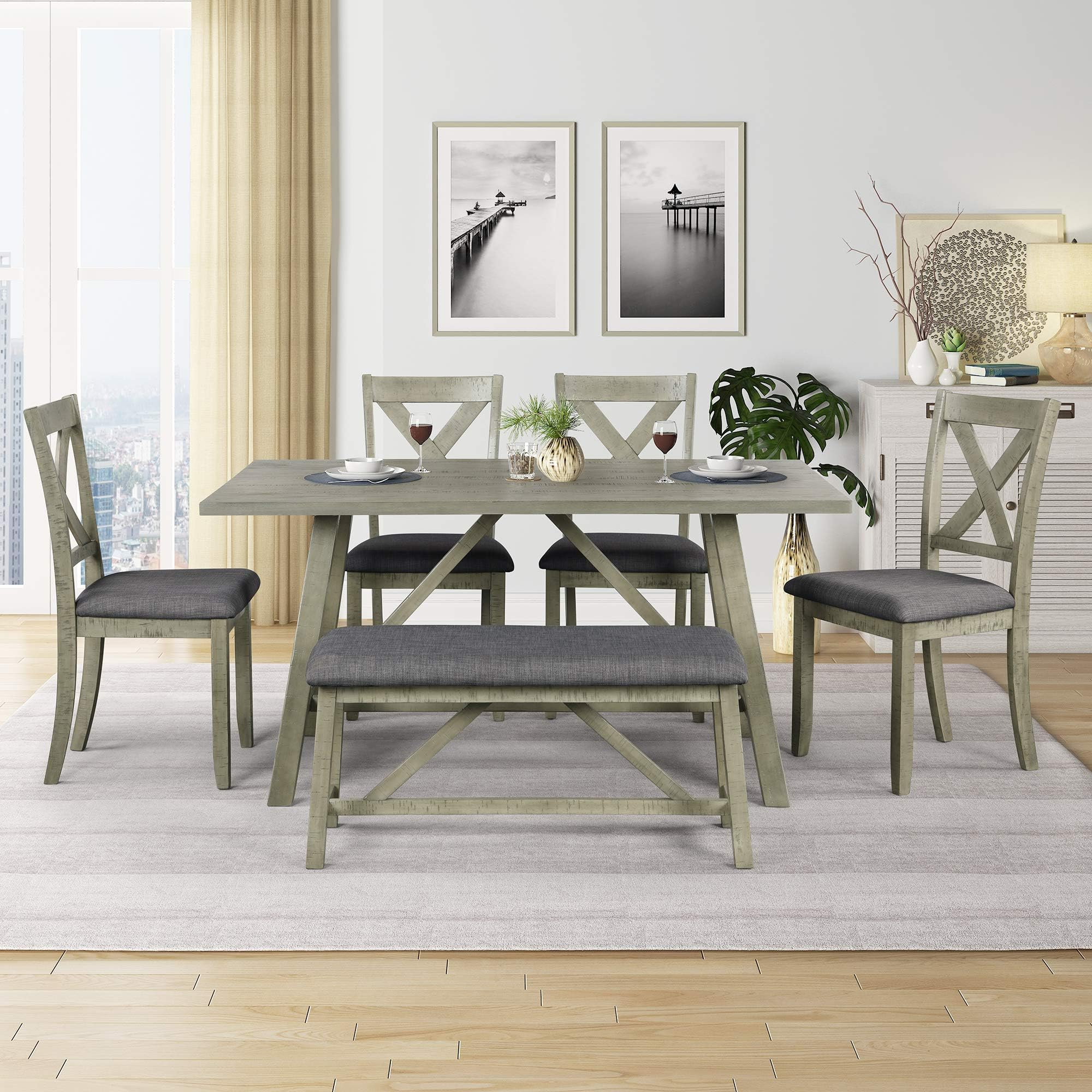
• Think about storage: If you have limited space, make sure you have somewhere to store chairs when they’re not in use. A bench or built-in seating can save space while still providing seating.
• Go for multi-purpose: A dining table that can double as a work desk or craft station is a smart investment. This is especially true if you’re working from home.
• Don’t forget lighting: Good lighting over the table makes meals more enjoyable and helps you see what you’re eating. Make sure any lighting fixtures won’t interfere with the table’s placement.
Final Thoughts
Choosing the right dining table size is more than just picking something that looks pretty. It’s about creating a space where you and your family can enjoy meals together without feeling cramped or uncomfortable. The key is balancing your needs with your space limitations.
Take your time with the decision. Measure twice, think thrice, and don’t be afraid to ask friends or family for their opinions. After all, the dining table is where memories are made, so it deserves careful consideration. Whether you’re going for a classic rectangular setup or a modern round design, the most important thing is that it fits your life and your home perfectly. And remember, sometimes the smallest table can hold the biggest conversations.
Summary of Key Points
• Always measure your room and consider traffic flow before choosing a table
• Determine how many people will use the table regularly and plan accordingly
• Consider the shape of your room and how it affects table placement
• Size guidelines vary based on room dimensions
• Test fit before purchasing
• Think about multi-use possibilities and storage solutions
Finding the right dining table size is an art and a science. It requires understanding both your physical space and your lifestyle. You don’t need a huge table to host big dinners, nor do you need a tiny table to keep things intimate. What matters most is that your table supports the way you live. Whether you’re planning a quiet evening with your partner or a lively gathering with friends and family, the right table size ensures that every meal feels just right. The process might seem overwhelming at first, but once you get the hang of it, it becomes second nature. So take a deep breath, measure your space, and choose a table that brings joy to your everyday life.