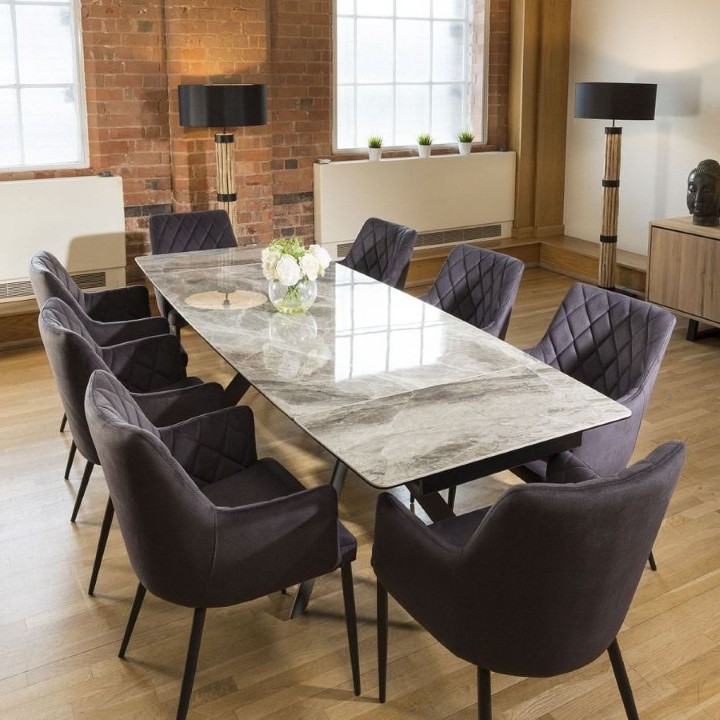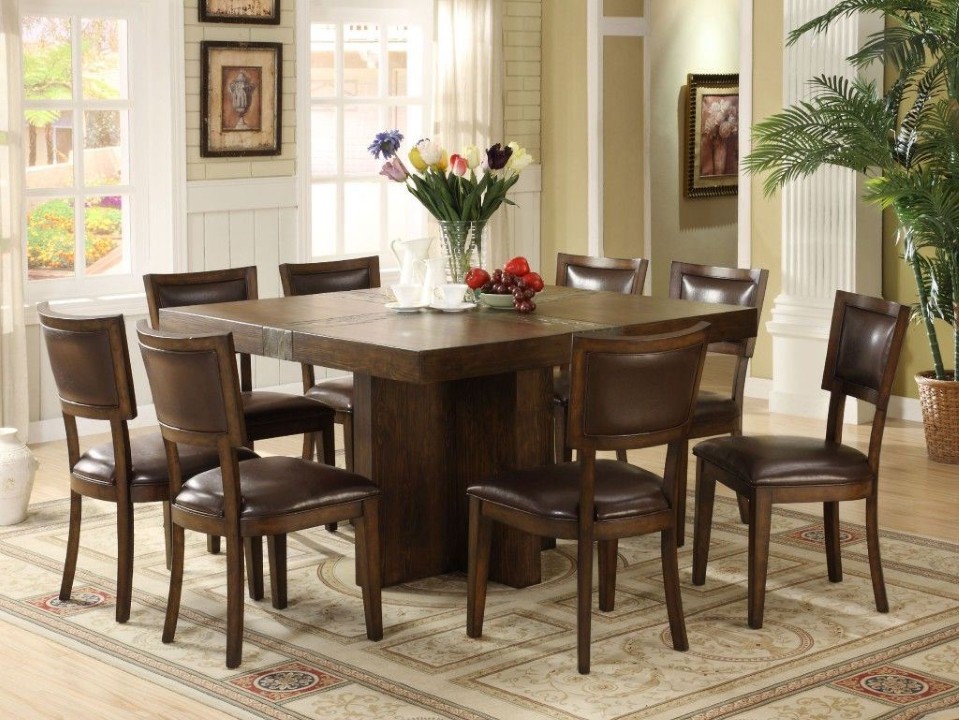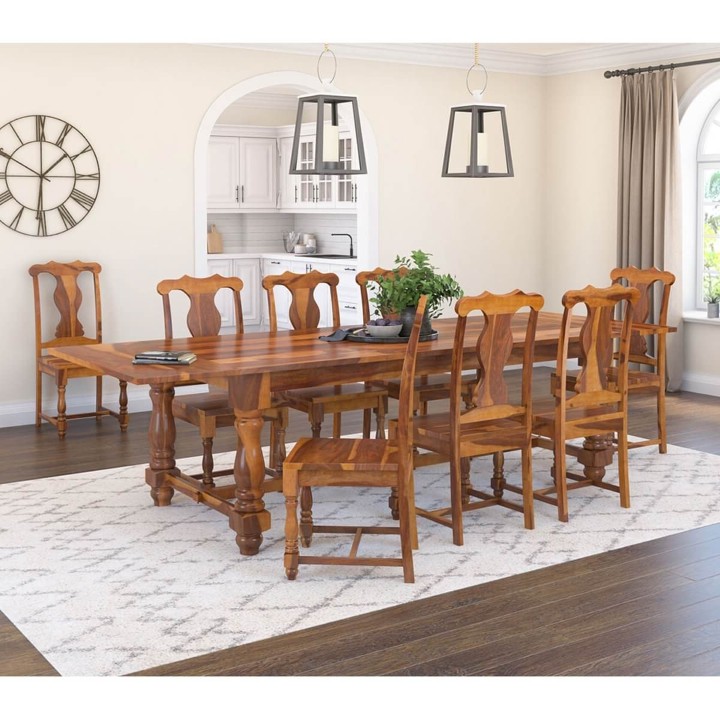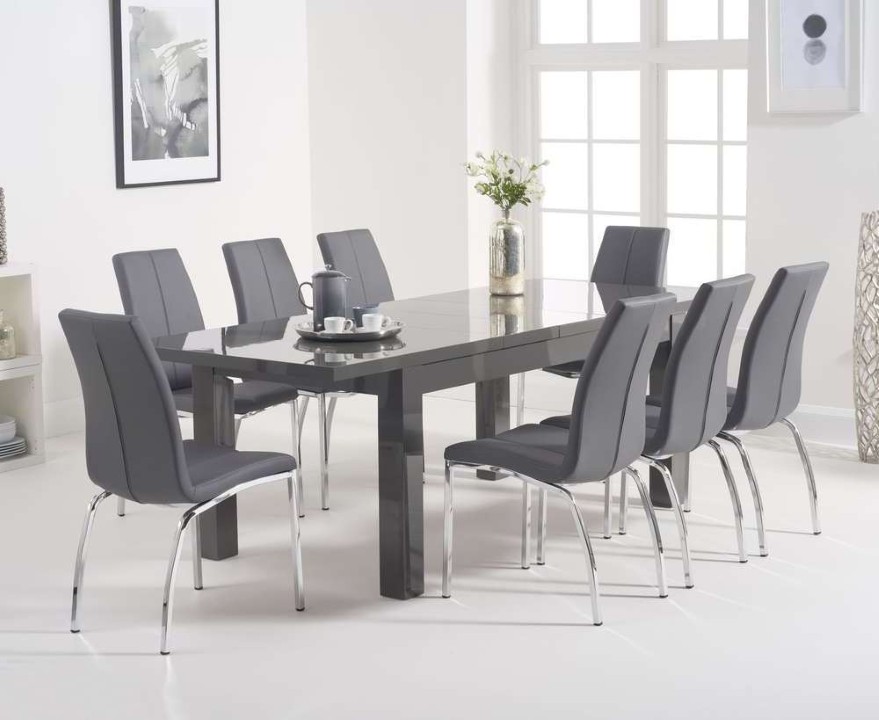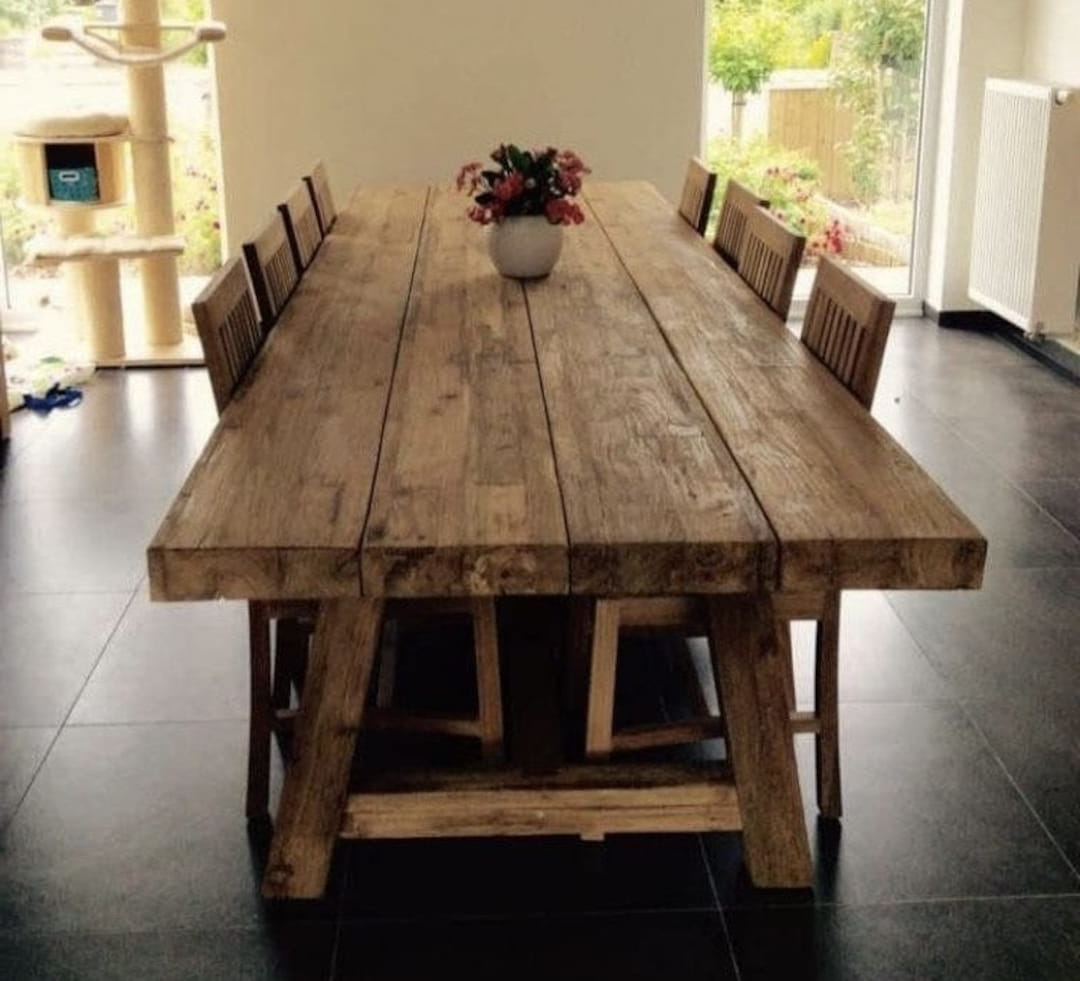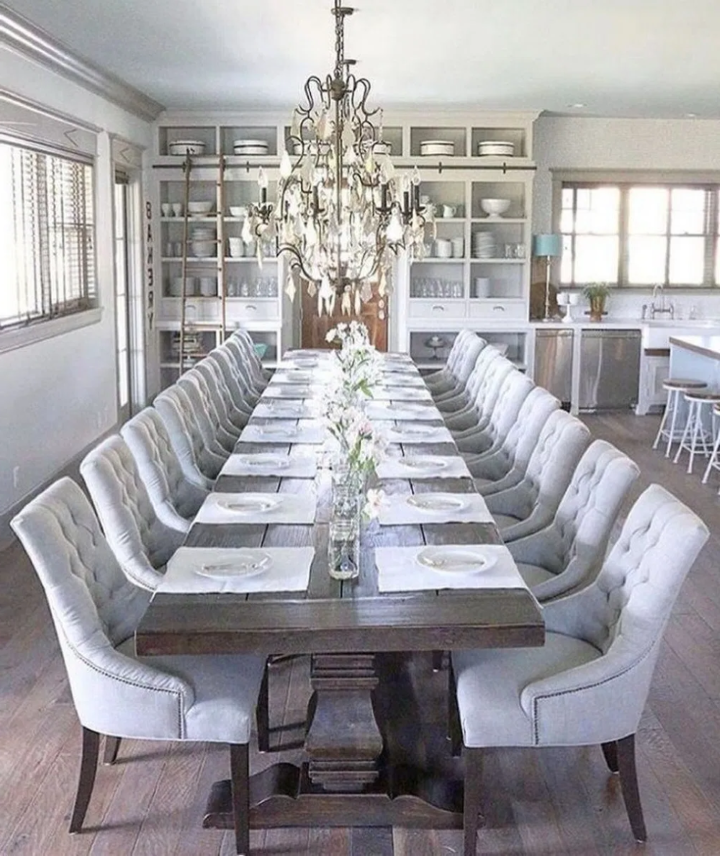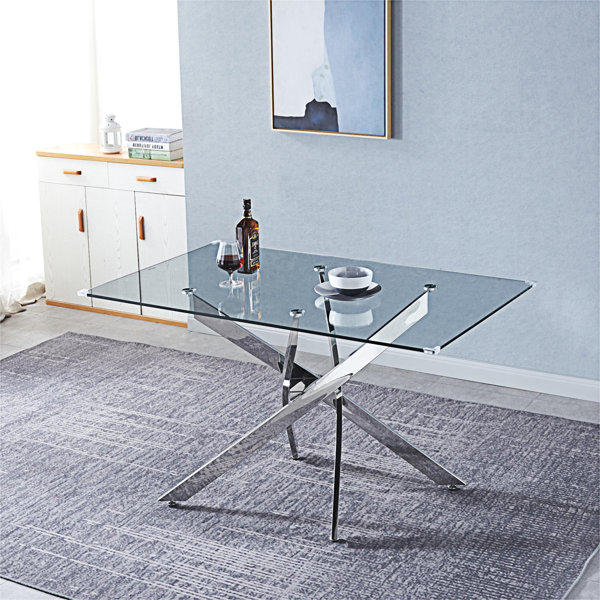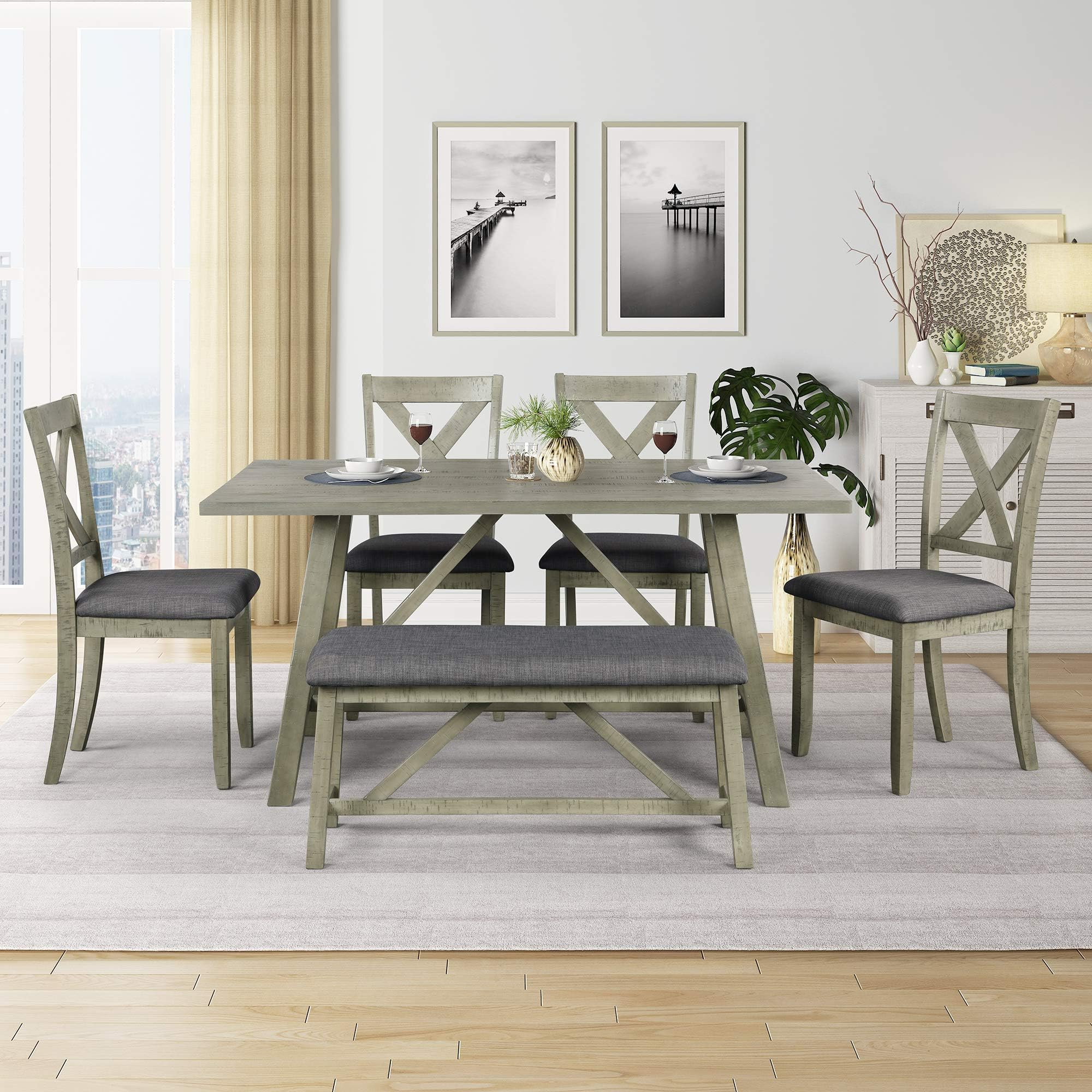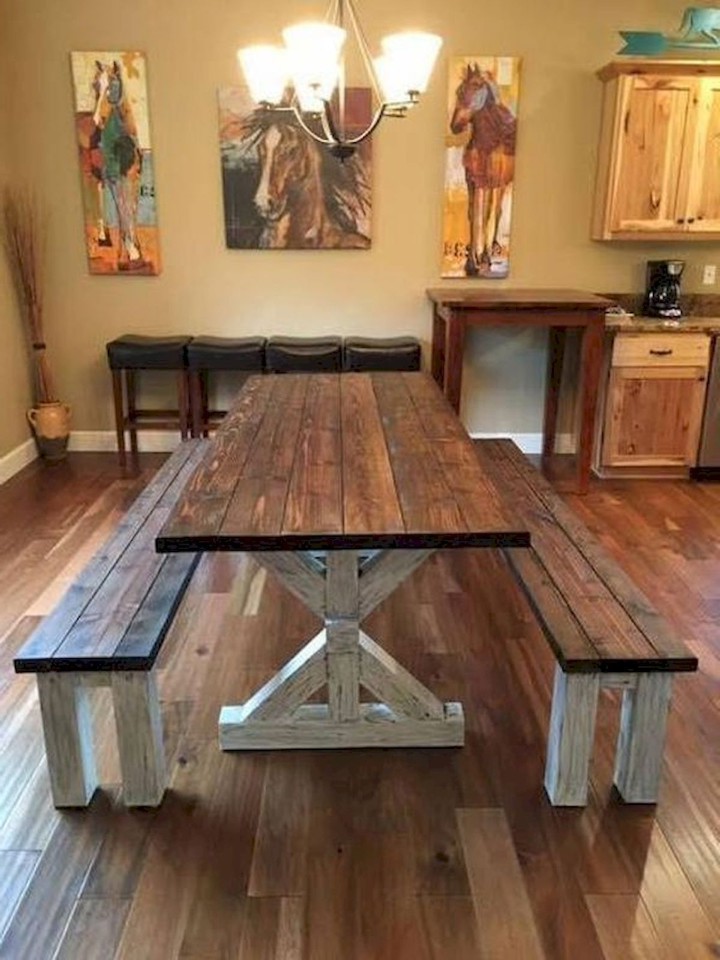
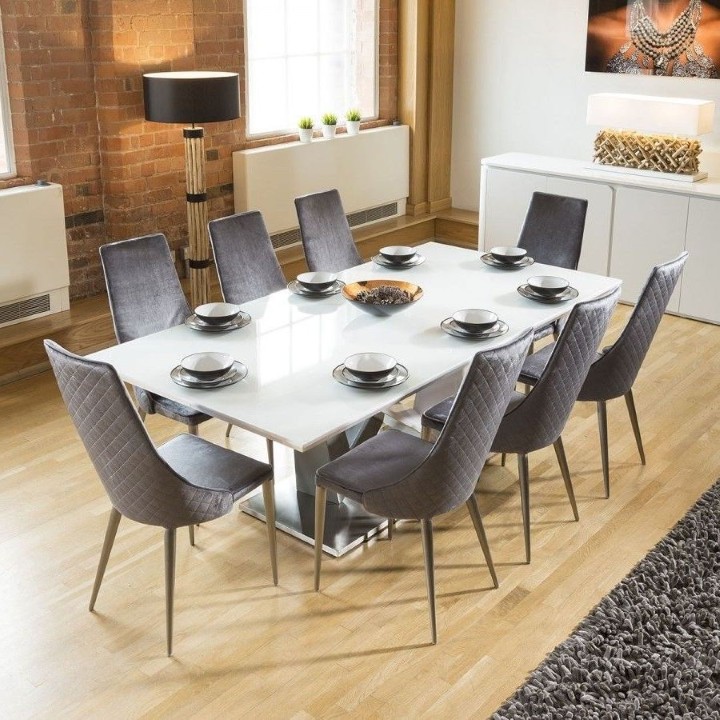
Picture this: your family is gathered around a table that feels just right. Not too cramped, not too spacious. Everyone can reach their food, conversations flow easily, and there’s room for laughter and shared moments. That’s the magic of choosing the correct table size for your 8-person family dinners. We’ve dug deep into the details to find what works best.
When it comes to hosting family gatherings, the dining table often becomes the centerpiece of your home. It’s where memories are made, stories are shared, and meals are enjoyed together. But how big should your table really be when you’re planning for eight people? This isn’t just about having enough seats – it’s about creating the perfect atmosphere for connection and comfort. The right dimensions can transform a simple meal into a cherished experience.
Understanding Basic Table Measurements
Before we dive into specific numbers, let’s talk about what matters most. The main measurements you’ll want to consider are length, width, and height. Length refers to how long the table is, while width is the measurement across the table’s surface. Height is the distance from the floor to the tabletop. These three factors work together to determine whether your table will fit perfectly in your space and accommodate everyone comfortably. A standard dining table typically measures between 24 and 36 inches in height. For the overall dimensions, think about both the physical space available in your dining area and how many people you want to seat.
The Ideal Length for Eight Seats
So, what length table do you need for eight people? Generally speaking, you’ll want a table that’s at least 72 inches long. This gives each person roughly 9 inches of table space per person. That might sound like a lot, but trust us, it makes all the difference. Picture this: your guests can move their plates without bumping into neighbors, and you have plenty of room for serving dishes and side items. If you’re working with a smaller dining room, a 72-inch table might be your best bet. However, if you have more space to work with, a table that’s 84 inches long offers even better comfort and flexibility. The extra length allows for easier movement and provides more room for larger dinnerware and serving platters.
Width Considerations for Comfortable Seating
Width is just as important as length when planning for eight diners. Most experts recommend a minimum width of 36 inches for a dining table. This ensures that people have enough room to sit comfortably without feeling cramped. When you add up the space needed for eight chairs plus some extra room for armrests and legroom, you’re looking at a total width of around 48 inches. But here’s something interesting: if your table is wider than 48 inches, it creates a more relaxed atmosphere. You can place decorative elements in the center, and there’s more space for conversation. Many families find that a table width between 42 and 48 inches strikes the perfect balance between functionality and elegance.
Height and Seating Comfort
The height of your dining table affects not only how comfortable people feel while eating but also how well they can see each other across the table. Standard dining tables range from 28 to 30 inches in height. This height works well for most people because it allows for comfortable seating with proper posture. If your table is too low, people might hunch over their food, leading to discomfort during longer meals. Conversely, if it’s too high, it can make conversation difficult and feel unnatural. The key is finding a height that matches your chairs and provides a good viewing angle for everyone at the table.
Space Planning Around Your Table
It’s not just about the table itself – it’s about the entire dining area. You need to consider how much space surrounds the table for people to walk around and get comfortable. Experts suggest having at least 36 inches of clearance around the table on all sides. This means you should measure the space carefully before purchasing a table. If you’re planning to put your table against a wall, make sure there’s at least 36 inches of clear space behind the chairs. For open areas, aim for 48 inches of clearance on all sides. This allows people to pull out their chairs easily and gives everyone room to move around naturally during the meal.
Practical Tips for Making the Right Choice
Choosing the perfect table isn’t just about numbers – it’s about how it fits into your lifestyle and daily routine. Here are some helpful pointers:
• Measure your dining space carefully before buying
• Consider how often you’ll host large gatherings
• Think about the type of meals you usually prepare
• Account for extra seating needs during holidays
• Factor in storage requirements for tablecloths and decorations
• Check if your existing chairs match the new table dimensions
Remember, a table that’s too small can create stress during family meals, while one that’s too large might make your dining room feel empty. Finding that sweet spot requires careful consideration of both your space and your family’s needs.
Real-Life Examples and Case Studies
Let’s look at some real situations to help illustrate the importance of proper sizing. Sarah had a 60-inch round table that she thought was perfect for her family. However, when her extended family came to visit, everyone felt cramped. She ended up moving to a 72-inch rectangular table, which instantly improved the situation. Meanwhile, the Johnsons had a very spacious dining room and chose an 84-inch table. While it looked impressive, they found it challenging to keep clean and manage during smaller gatherings. They eventually moved to a 72-inch table that worked better for their regular family meals.
These stories show how crucial it is to match your table size to your actual needs rather than just going by what looks big or fancy.
Special Considerations for Different Table Shapes
Not every family uses rectangular tables. Round tables offer a different kind of comfort and interaction. For eight people seated around a round table, you’ll need approximately 42 inches in diameter. This allows for comfortable seating with enough space for personal items and conversation. Square tables work similarly to rectangular ones but require slightly more space due to their corners. A square table that’s 42 inches on each side can comfortably seat eight people. The key is understanding that different shapes require different measurements to achieve the same level of comfort.
Budget-Friendly Options for Large Tables
You don’t have to break the bank to get the right table size. Many retailers offer affordable options that still meet the basic requirements for eight people. Look for tables with expandable features that can grow with your family’s needs. Some companies make tables that can be extended for special occasions while maintaining their regular size for everyday use. You might also consider buying a slightly smaller table and adding a leaf extension when needed. This approach gives you flexibility without requiring a massive investment upfront. Additionally, secondhand options can provide excellent value if you’re willing to shop around.
Maintenance and Longevity Factors
Finally, remember that your table’s size affects how easy it is to maintain over time. Larger tables can be harder to clean thoroughly, especially in corners and under the edges. Smaller tables might be easier to maintain but could limit your ability to host larger groups. Consider how much time you’re willing to spend cleaning and caring for your table. Also, think about how long you plan to keep it. A table that’s too small might need replacement sooner if your family grows or if you frequently host bigger gatherings.
Choosing the right dining table for eight people isn’t just about math and measurements – it’s about creating the perfect environment for your family’s connections. Whether you’re planning a quiet Sunday dinner or a festive holiday gathering, the table you choose sets the tone for everything that follows. Take your time to measure your space, consider your family’s habits, and remember that comfort matters more than size alone. The goal is to make every meal feel like a celebration, not a struggle. With the right dimensions, your dining table will become the heart of your home and the foundation for countless happy memories.