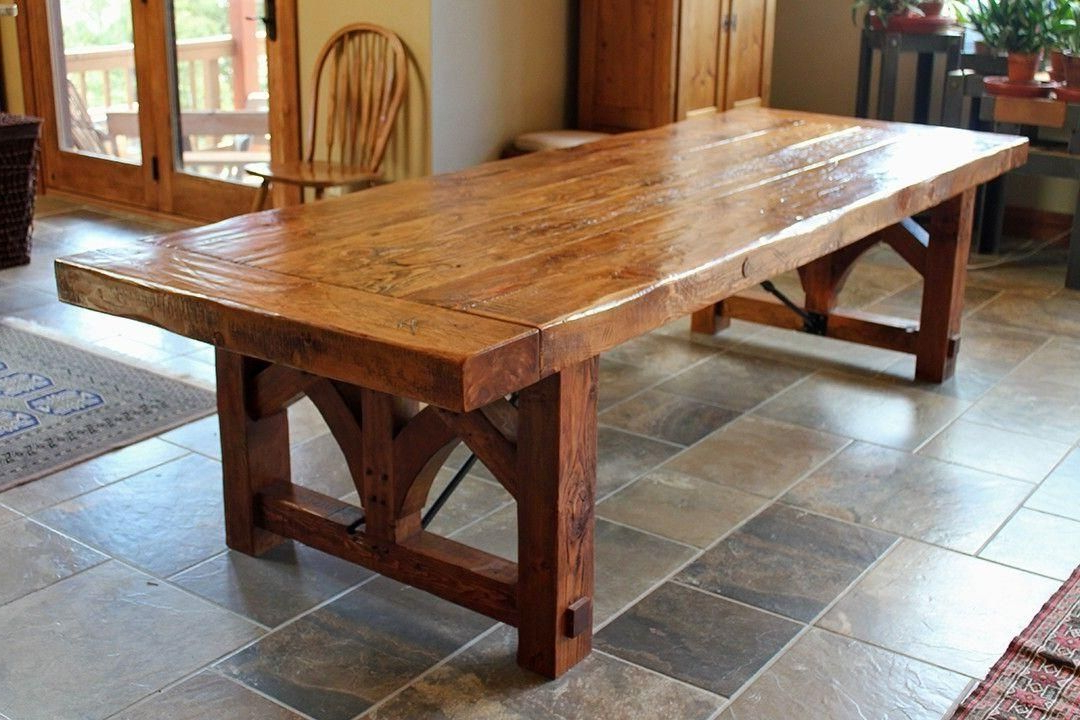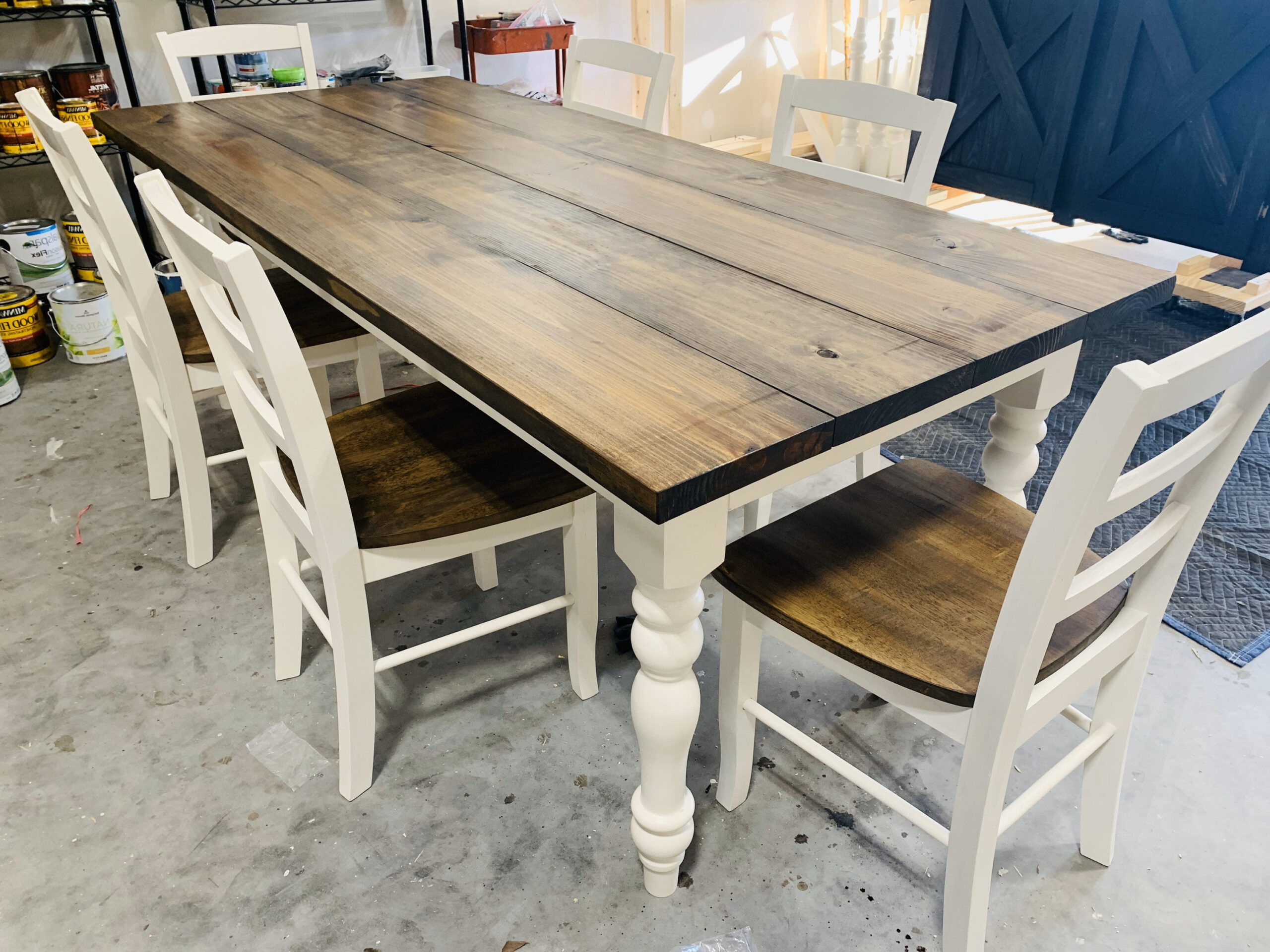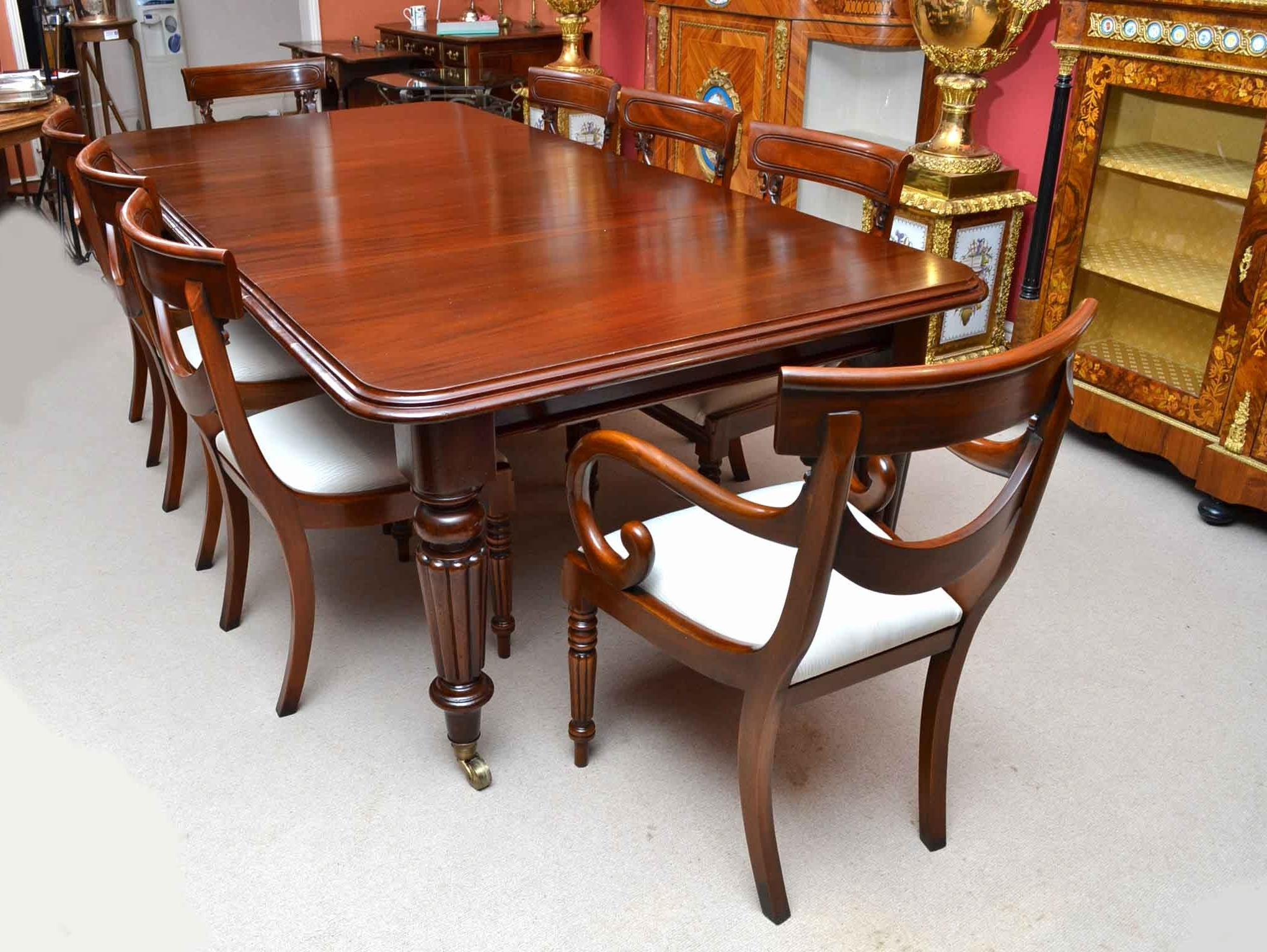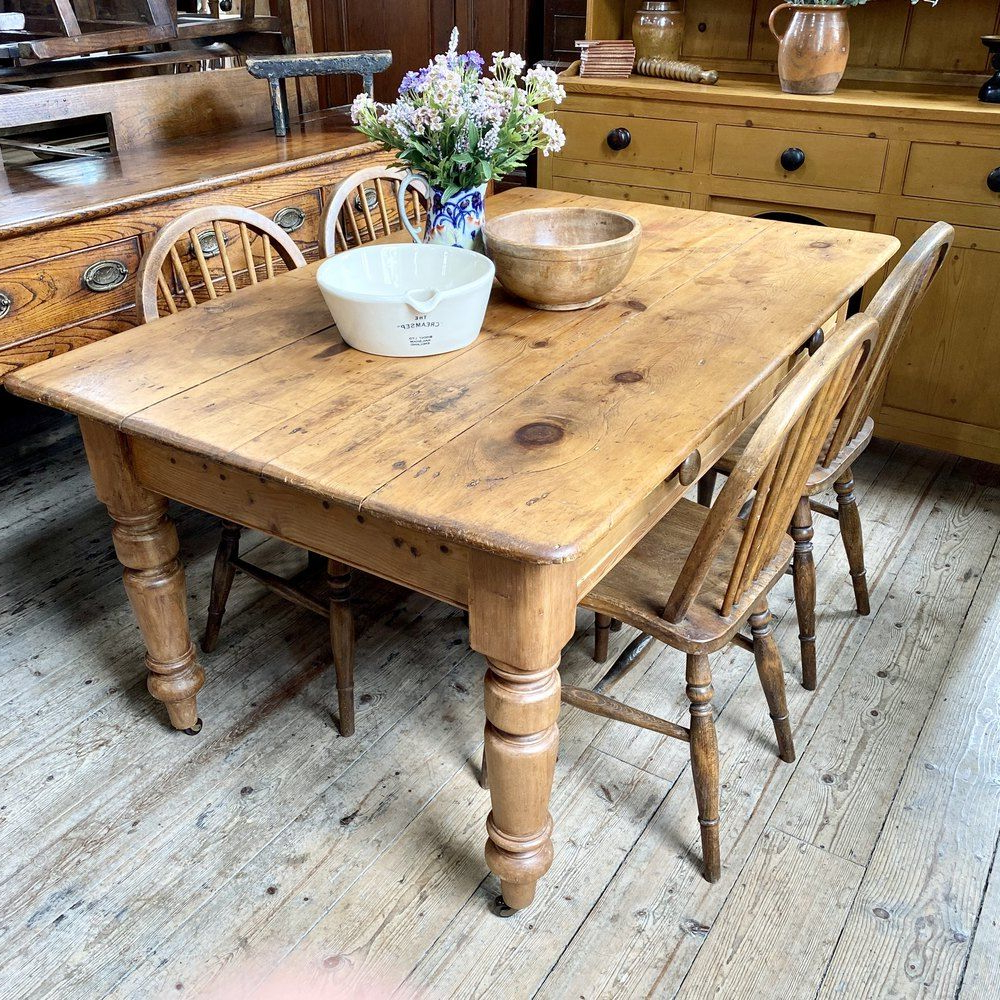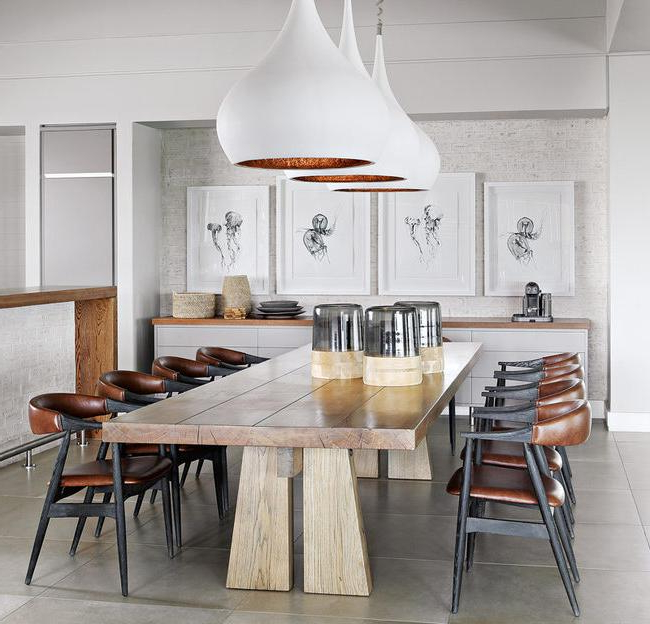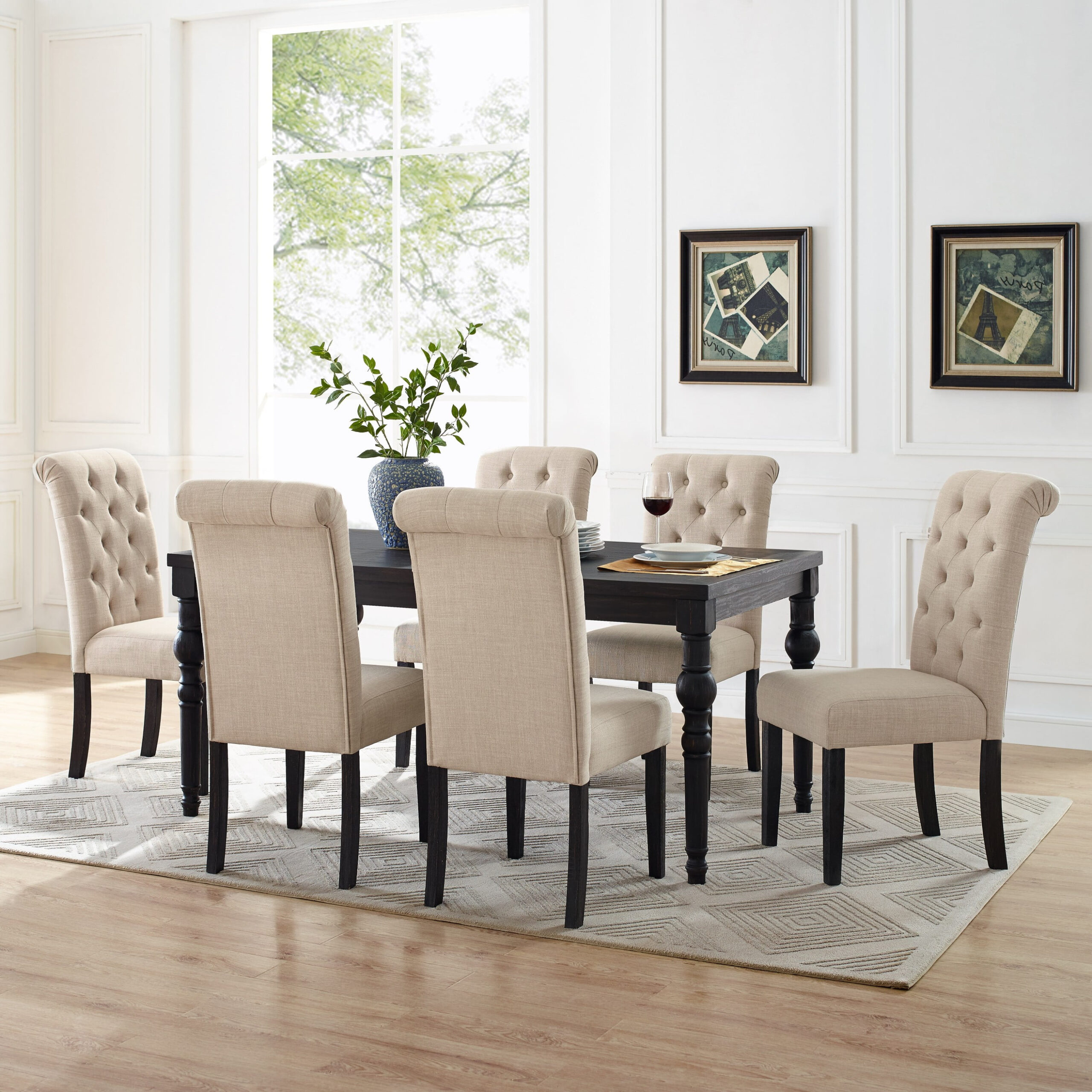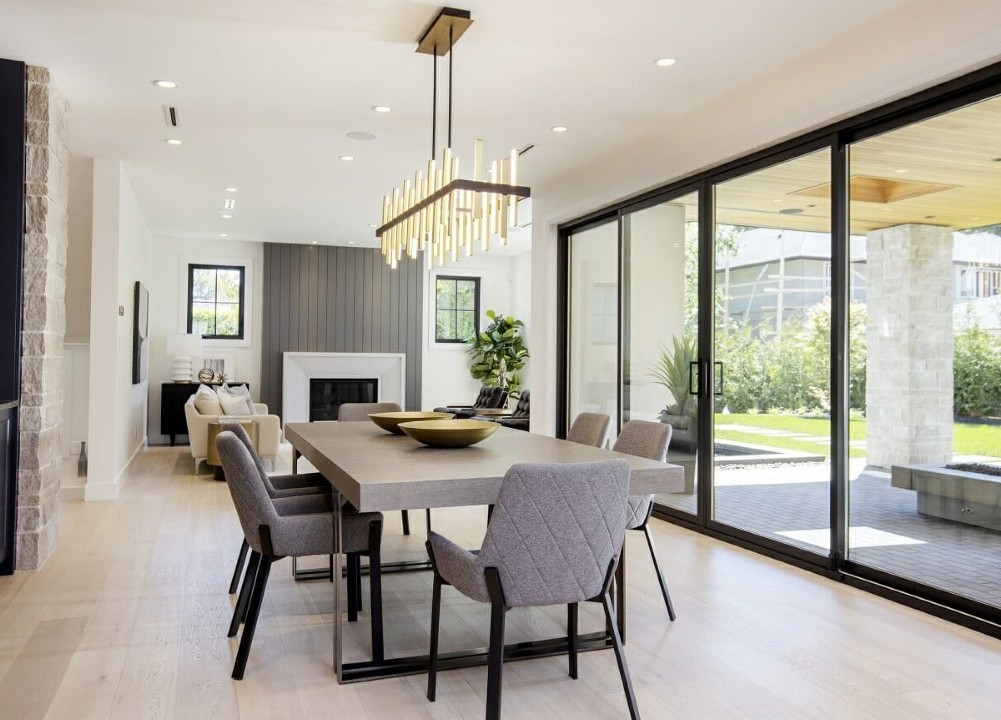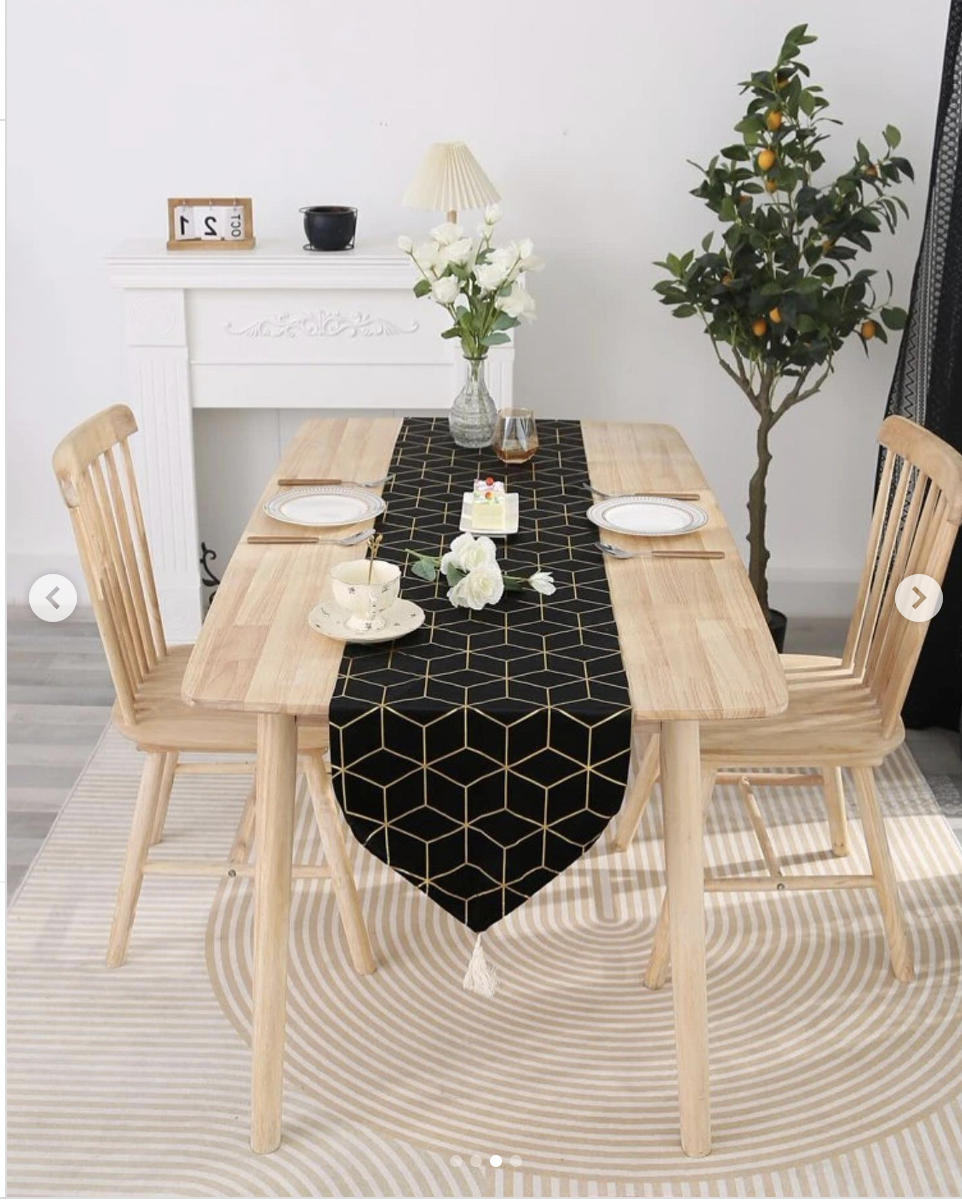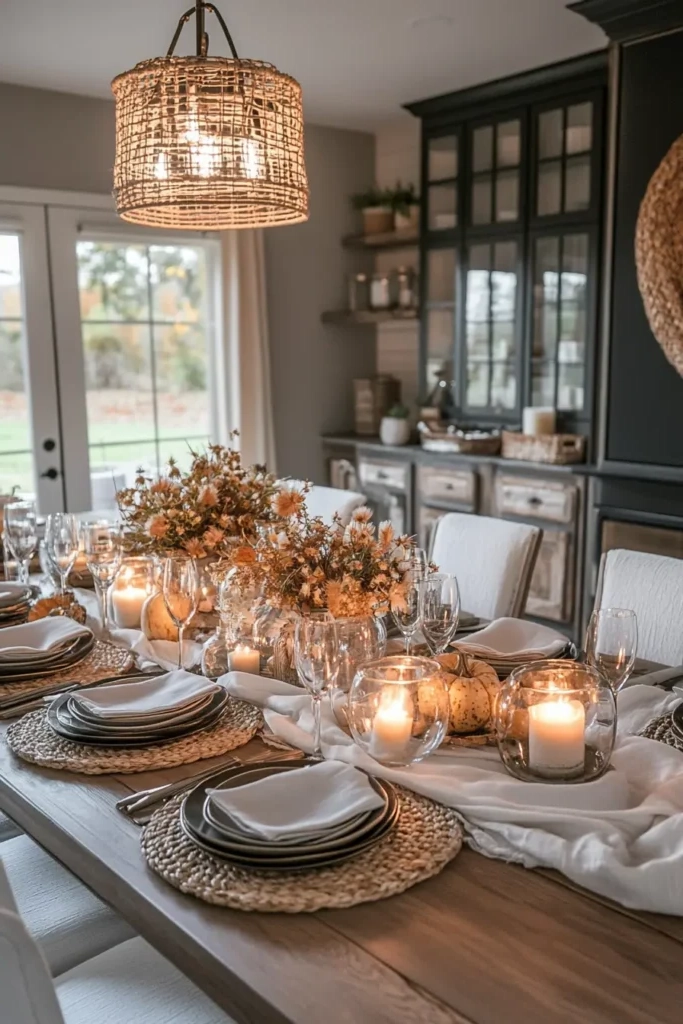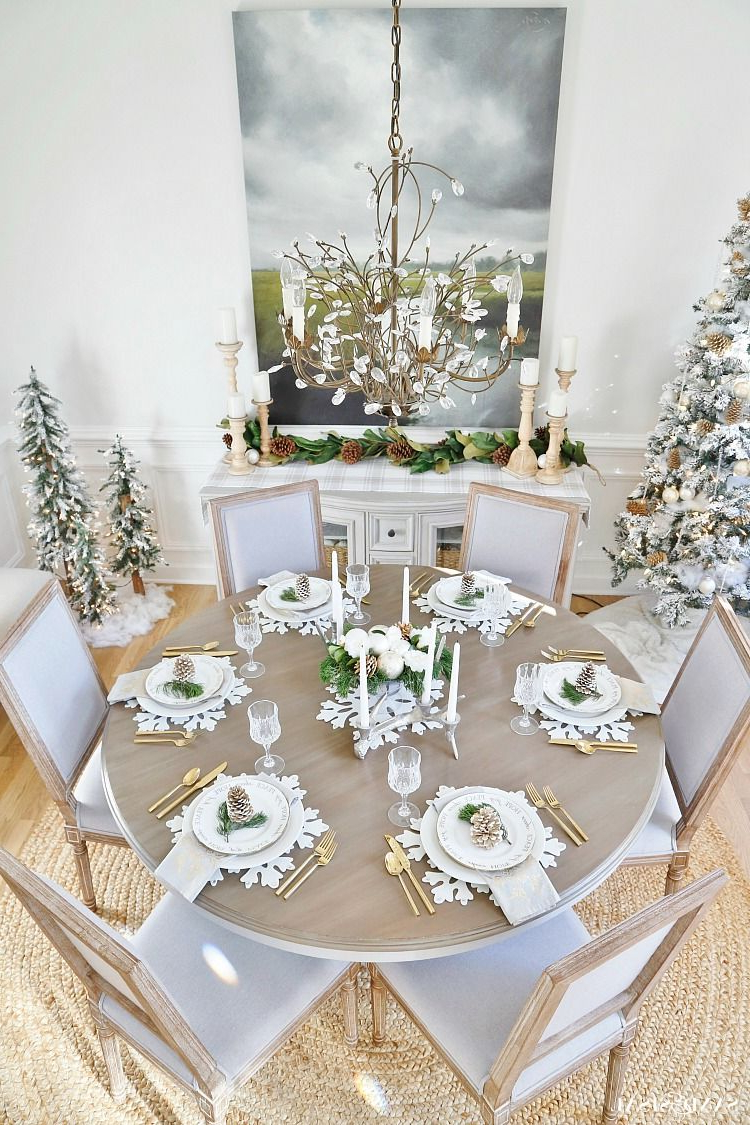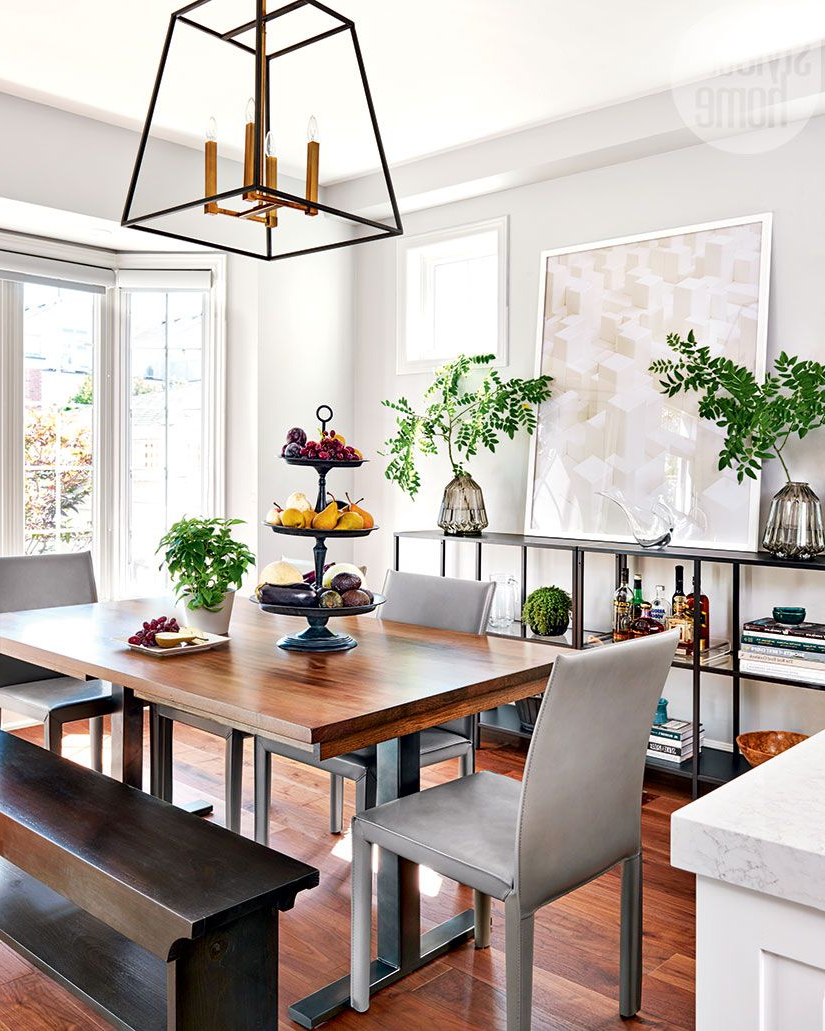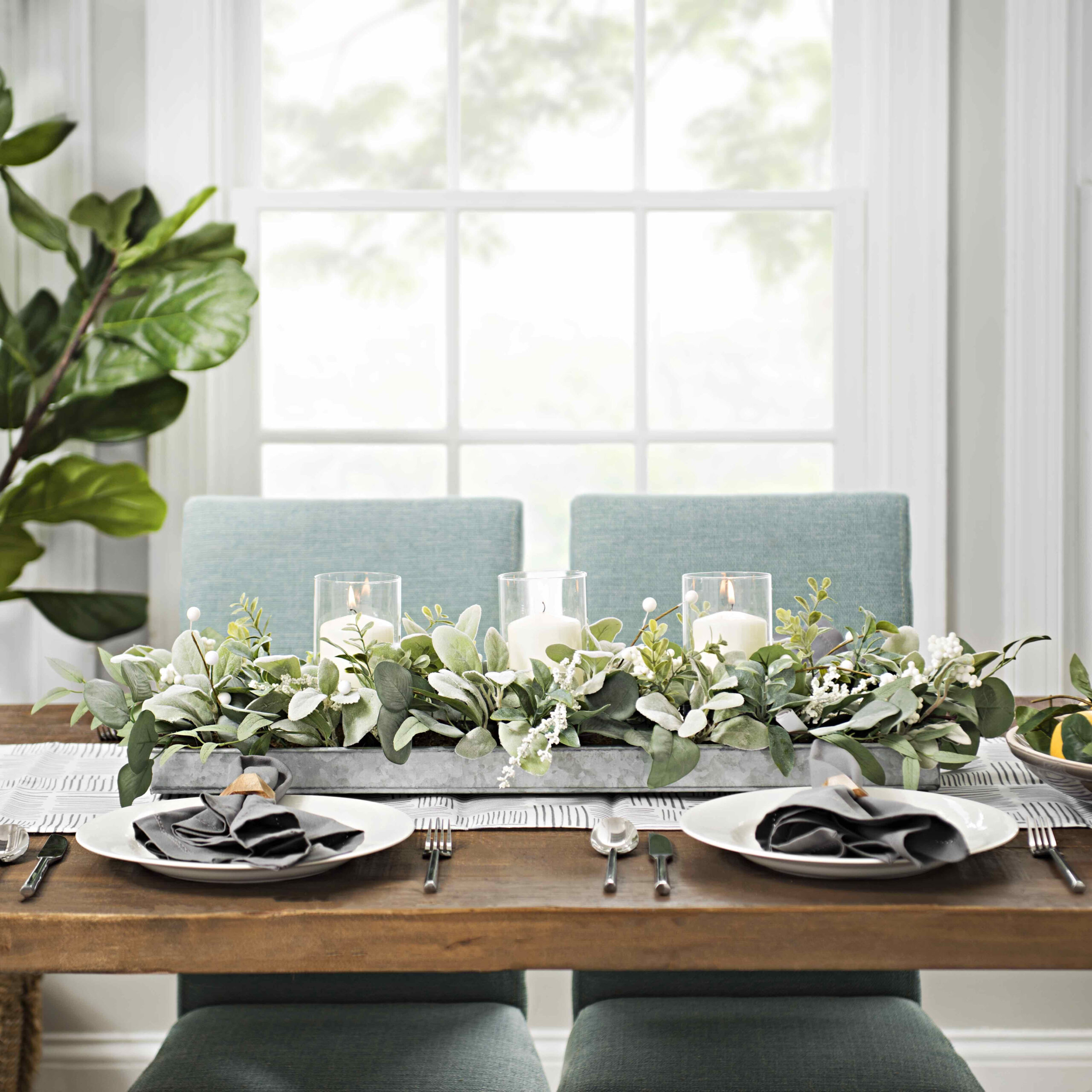
There’s something magical about sitting around a table that’s been in the family for generations. The grain patterns tell stories, the wear shows history, and every scratch and dent holds a memory. These aren’t just pieces of furniture – they’re time capsules that connect us to the past while serving as the heart of our present homes.
Imagine walking into a home where the dining room table has been the center of countless meals, celebrations, and quiet conversations. This isn’t just a piece of furniture – it’s a living artifact that carries the weight of memories and the skill of artisans who crafted it decades or even centuries ago. Every old wood dining room table tells its own unique story, one that speaks to the traditions, techniques, and personal histories of those who made and used them. What we often overlook is that these tables are more than functional objects; they represent the pinnacle of craftsmanship and human artistry that’s become increasingly rare in our modern world.
The Soul of Wood: Understanding Natural Characteristics
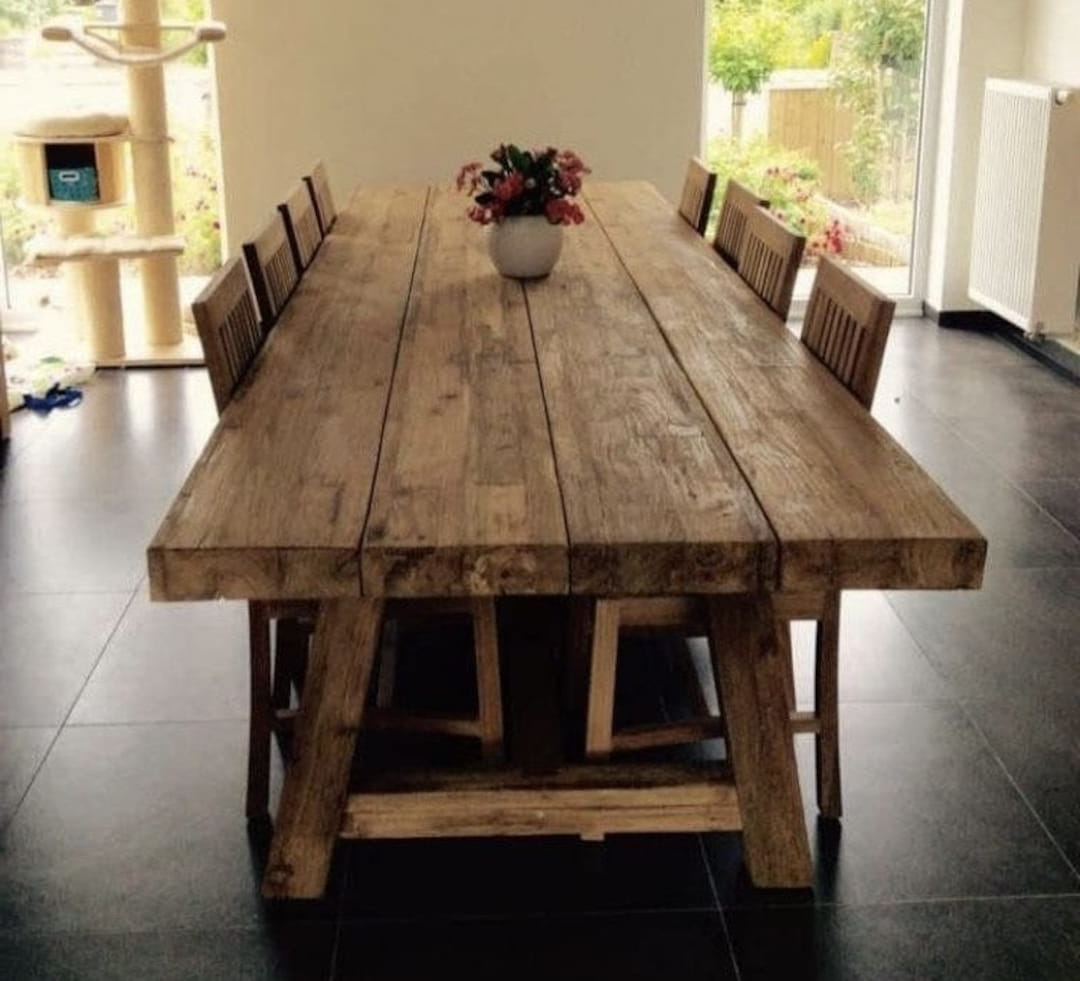
Every piece of wood has its own personality. The way light hits a table’s surface reveals the unique grain patterns that form over decades. A table might have knots from branches that were once part of the tree’s original structure. These aren’t flaws – they’re features that tell stories of the tree’s growth, weather conditions, and even the skill of the craftsman who selected the wood. The natural variations in color and texture mean no two tables are exactly alike. Some may have beautiful swirls that catch the eye, others might show the rings that indicate how old the tree was when it was cut down. The patina that develops over time adds another layer of character that simply cannot be replicated today.
Craftsmanship Through the Ages
Different eras brought different approaches to woodworking. Victorian-era tables often featured ornate carvings and heavy, elaborate designs that reflected the period’s love of decoration. The techniques used were passed down through generations of craftsmen, each adding their own touch to traditional methods. Artisan tables from the 1800s might have intricate inlay work or hand-carved details that required months of careful work. The joinery techniques used – like mortise and tenon joints – were designed to last forever. These weren’t just tables meant to hold plates; they were engineered to survive decades of daily use. Even the glue used in older tables was often made from animal products, creating bonds that were stronger than many modern adhesives.
The Hidden Stories Behind Old Wood Dining Tables
The Personal Touches That Make Each Table One-of-a-Kind
Every old wood dining table carries its own quiet personality, shaped by the hands that built it and the lives of the people who gathered around it. Unlike mass-produced modern furniture, older wooden tables often hold subtle yet meaningful traces of craftsmanship—details that reveal the maker’s dedication and skill. You might notice a gently rounded edge that was shaped by hand rather than machine, or a surface finish that took hours of careful sanding and polishing. These small touches demonstrate a level of care and intention that goes beyond functionality.
Over time, as the table becomes part of a household, it begins to accumulate its own set of unique features. Some of these markings are accidental: faint scratches from children learning to write, soft dents from dropped cutlery, or faded spots where sunlight hit the wood year after year. Others are entirely intentional. It’s not uncommon to discover initials carved discreetly into the underside of the tabletop, tiny signatures left by curious children or even the original woodworker. Some owners customize their tables with built-in elements such as wine bottle slots, hidden drawers for storing silverware, or decorative joinery that reflects personal taste.
Even the wear patterns tell a story. Over decades of use, certain areas of the table darken or smooth out more than others. These patterns reveal where family members sat most often—perhaps the head of the table where a parent presided over meals, or the corner where a child did homework every evening. In this sense, an old wood dining table becomes a silent map of domestic routine, preserving the small rituals that made up daily life. Its imperfections are not flaws but memories carved into the very grain of the wood.
Stories of Families, Traditions, and Community Life
Looking closely at an old table is like opening a window into the past. These pieces are often intertwined with the histories of families, neighborhoods, and even entire communities. In many cases, the table’s story starts long before it enters the home. It might have been crafted by a local woodworker, using lumber sourced from nearby forests or even from trees cut down on the family’s own land. Such materials carry emotional weight, connecting the furniture to a specific place and time.
Once brought into the household, the table begins its journey as a silent witness to milestone events. It might have been the first major purchase for a newly married couple, proudly displayed in their modest living space. Over the years, the table may have hosted countless celebrations—birthdays, graduations, anniversaries, or holiday feasts that brought extended family together. It may also have supported quieter, more intimate moments: late-night conversations, difficult family decisions, or shared meals during hard economic times.
More Info
Proven Tips for Crafting Centerpieces That Enhance Long Dining Room Experiences
In some families, the table becomes a cherished heirloom, passed down through generations. Each transfer adds another layer to its story. A child who once sat at the table may one day inherit it as an adult, continuing the tradition with a new family of their own. This continuity gives the table a symbolic presence—representing resilience, unity, and the strength of familial bonds over time.
Some dining tables have even survived historical challenges such as wars, natural disasters, migrations, or financial hardships. When a table endures through these events, it becomes more than furniture; it becomes a testament to perseverance. These pieces carry the weight of history in a tangible, everyday form. They remind us that even ordinary objects can hold extraordinary meaning when they accompany us through life’s most significant chapters.
Ultimately, an old wood dining table is far more than a surface for meals. It is a keeper of memories, a container of stories, and a physical link to the people who came before. Each scratch, stain, and mark serves as proof of a life lived fully around it—making it one of the most meaningful pieces a home can hold.
Preserving the Legacy for Future Generations
Today’s preservation efforts focus not just on maintaining the physical integrity of these tables, but also on understanding their historical significance. Museums and collectors often document the stories behind individual pieces, creating archives that help preserve both the physical artifacts and their narratives. Restoration work requires careful consideration of whether to preserve the table’s aged appearance or restore it to its original condition.
Some prefer to let the natural aging continue, viewing the weathered surfaces as part of the table’s character. Others choose to restore it carefully, bringing back its original beauty while preserving its historical integrity. The challenge lies in balancing respect for the table’s past with ensuring it can continue to serve future generations.
Modern Appreciation for Timeless Craftsmanship
In our fast-paced digital world, there’s something deeply satisfying about tables that require patience, skill, and dedication to create. The slow process of working with wood – selecting the right timber, allowing it to dry properly, carefully shaping each piece – reflects values that seem increasingly rare. Modern mass production has made everything faster and cheaper, but it’s often at the cost of quality and lasting beauty. Many people now seek out these old tables not just for their aesthetic appeal, but because they represent a way of life that valued craftsmanship over convenience. The fact that these tables still function beautifully after decades or centuries says volumes about the skill of their creators and the quality of materials they used.
Old wood dining room tables are far more than simple furniture pieces. They’re windows into the past, showcasing the skill and dedication of craftsmen who understood that true beauty comes from patience, attention to detail, and respect for materials. When you sit around one of these tables, you’re participating in a tradition that spans generations. The stories they tell are not just about the wood itself, but about the people who created them, lived with them, and carried them forward.
Whether you’re a collector, a homeowner, or simply someone who appreciates fine craftsmanship, these tables remind us that the most enduring beauty comes from the combination of skilled hands, quality materials, and the passage of time. They’re not just furniture – they’re heirlooms that connect us to our roots while providing a foundation for new memories to be made.