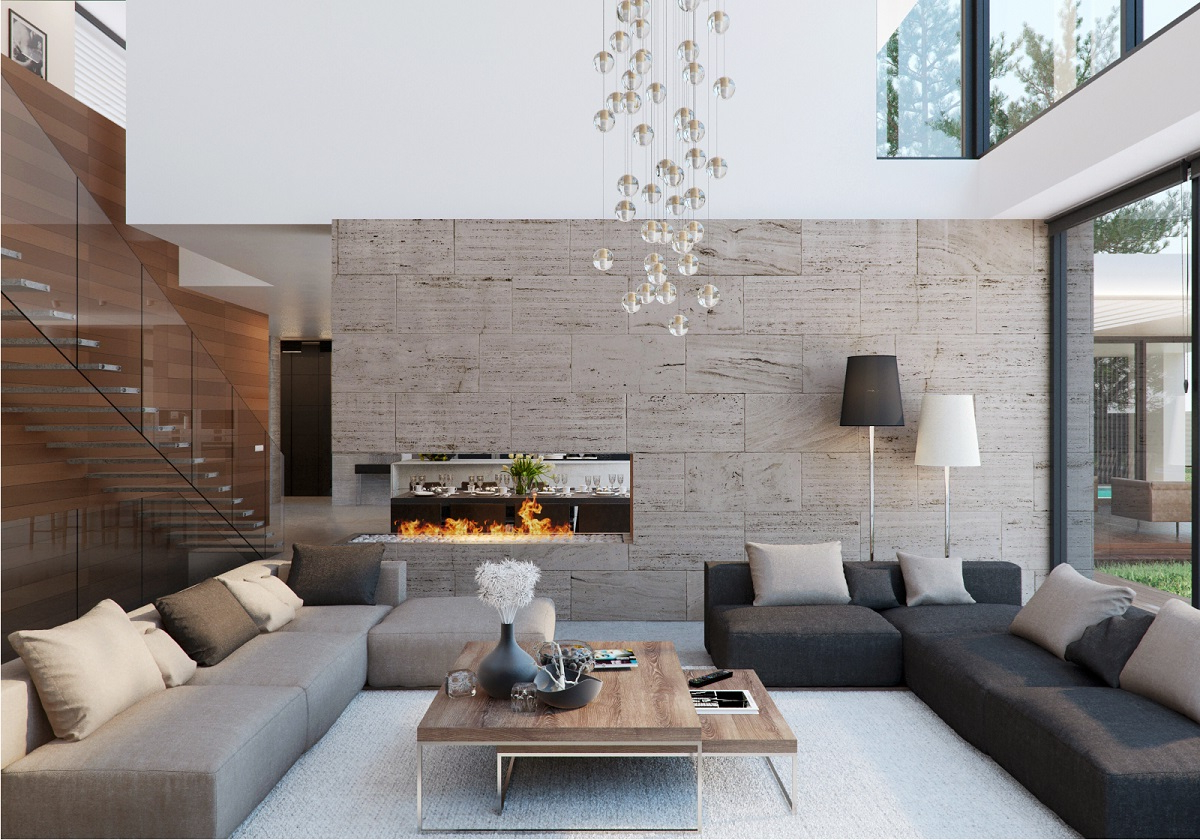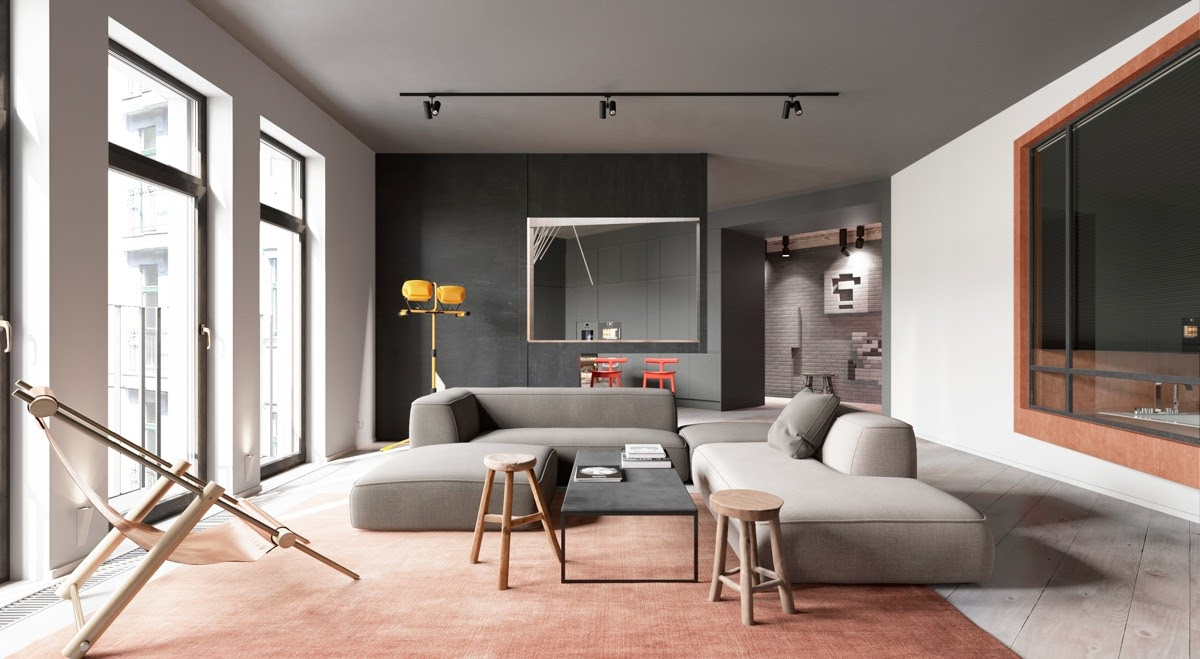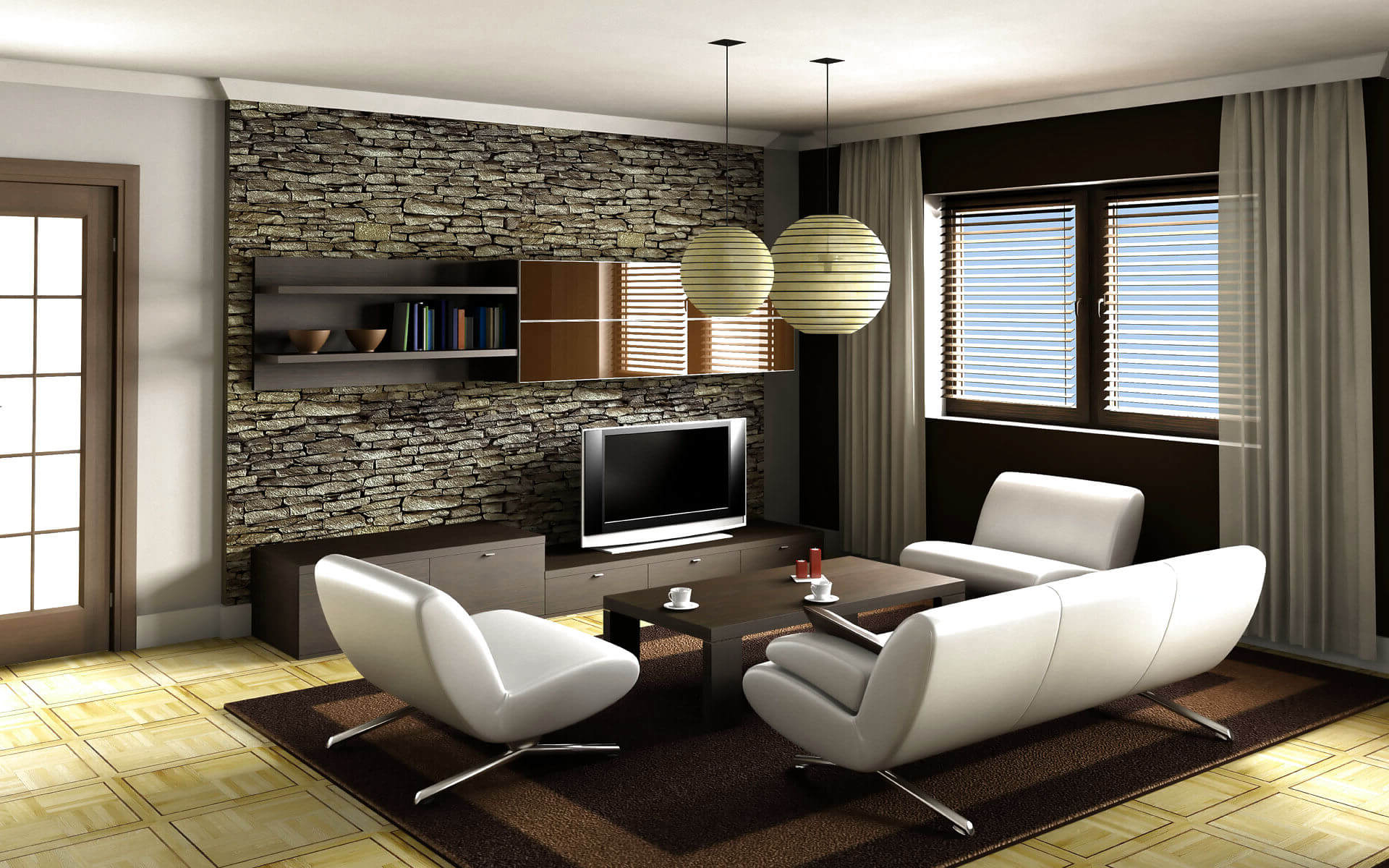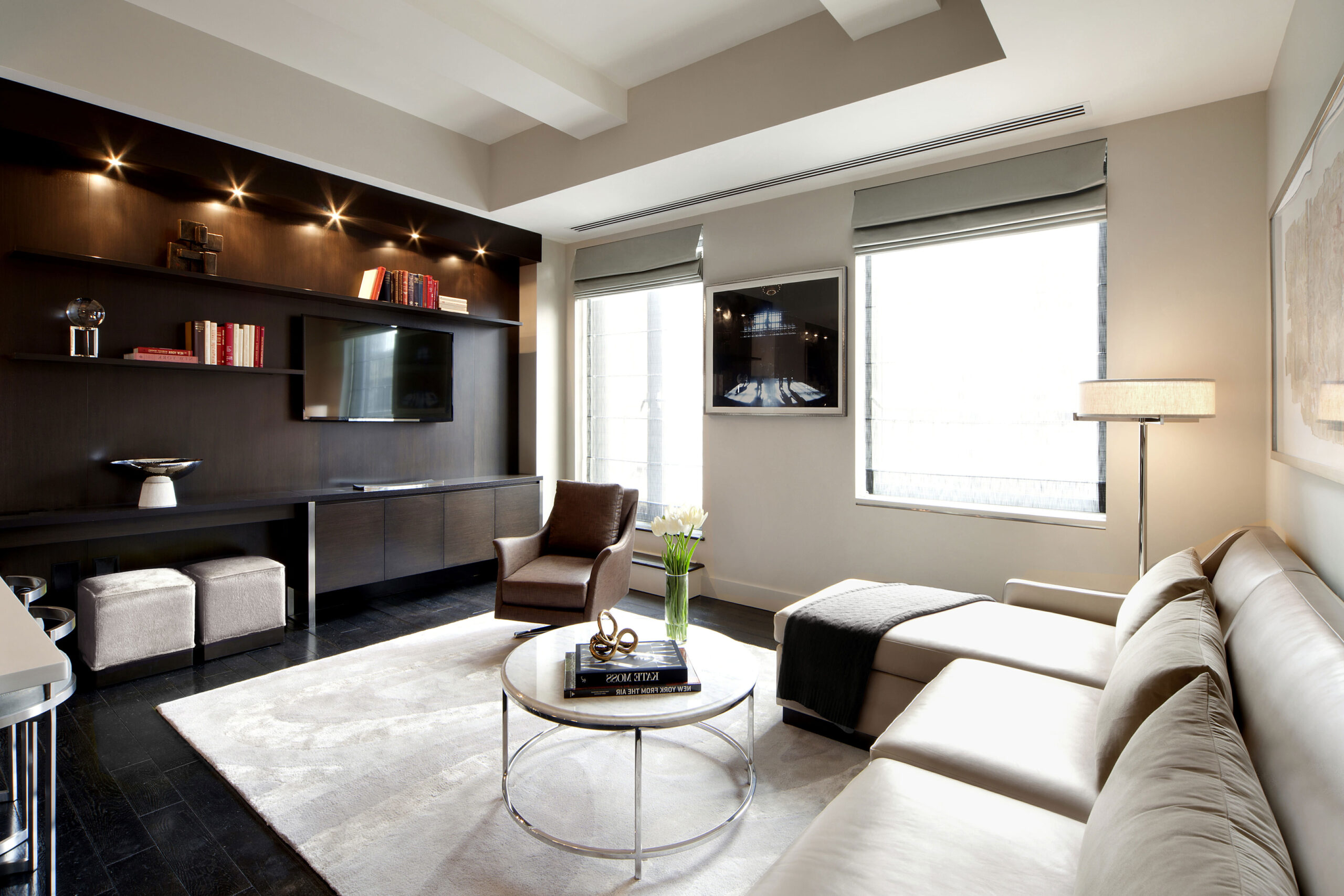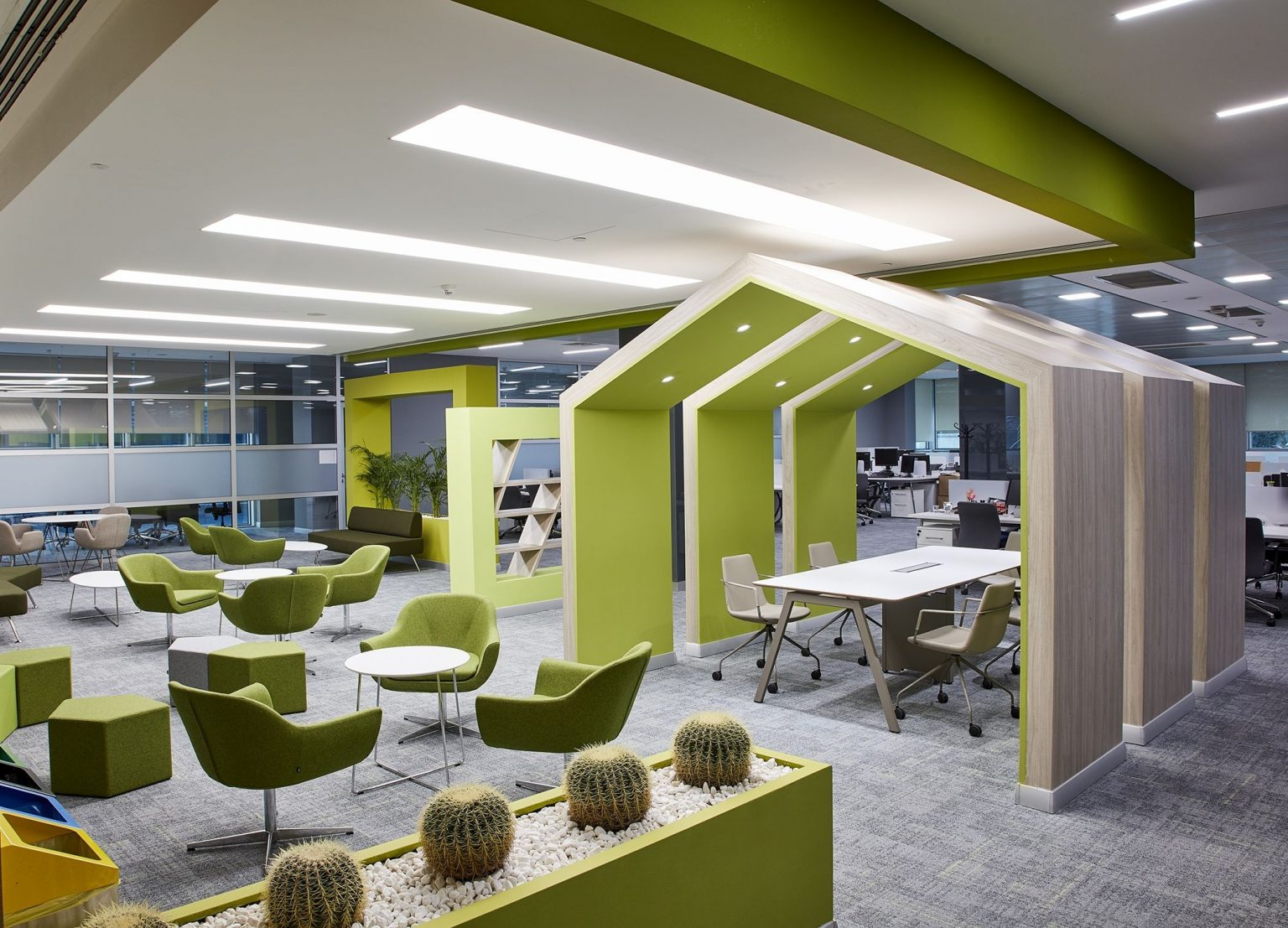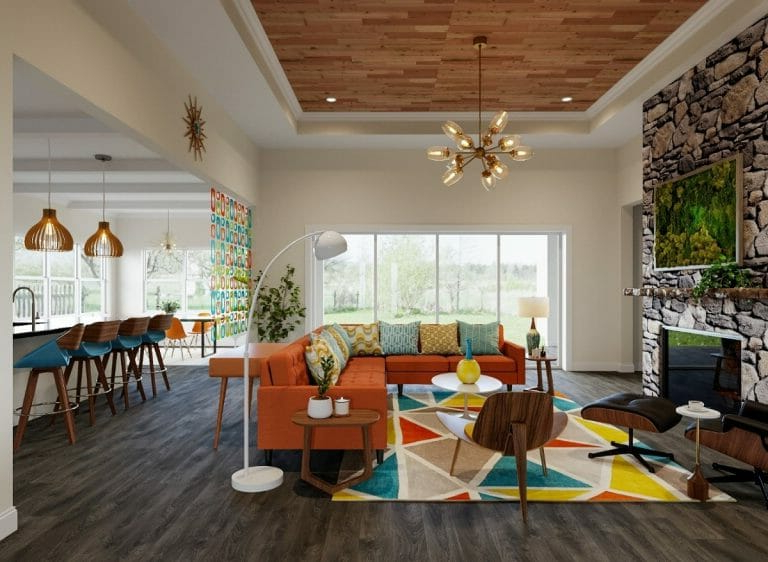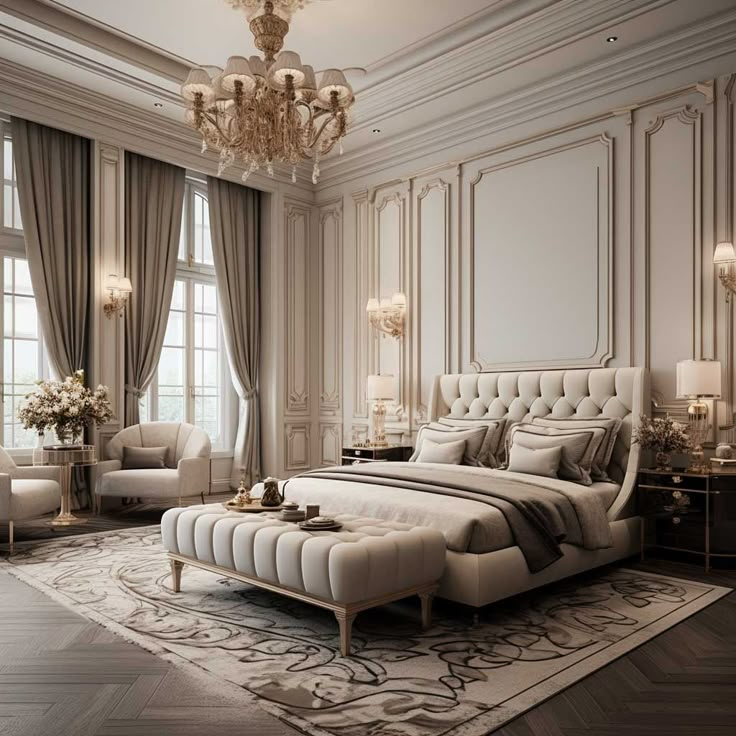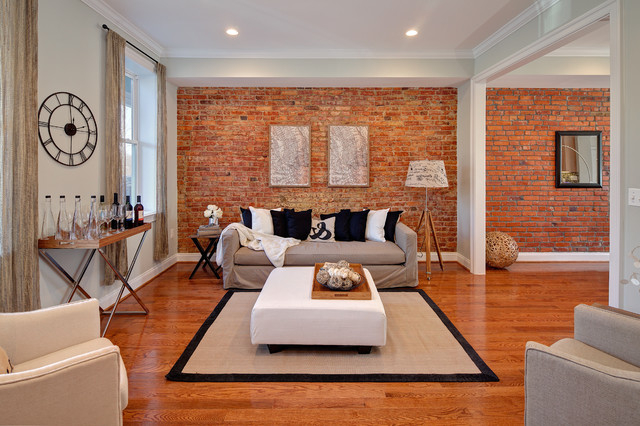
Imagine walking into a space where every surface whispers stories of forests, mountains, and soil. That’s the magic natural materials bring to modern interiors. Today, designers and homeowners alike are embracing the raw, unfiltered beauty of nature’s offerings. From reclaimed timber that carries the scars of time to stone that holds ancient geological secrets, these elements aren’t just decorative—they’re transforming how we think about home.
There’s something deeply satisfying about touching a surface that feels like it belongs to the earth itself. In our increasingly digital world, there’s a growing hunger for authenticity and connection to nature. This isn’t just a passing trend—it’s a fundamental shift in how we approach our living spaces. Natural materials have moved far beyond simple aesthetics. They’re now essential components that influence mood, health, and our overall relationship with the environments we inhabit. The conversation around interior design has evolved from merely looking good to feeling good, and natural materials are leading this charge.
Wood: Timeless Warmth and Character
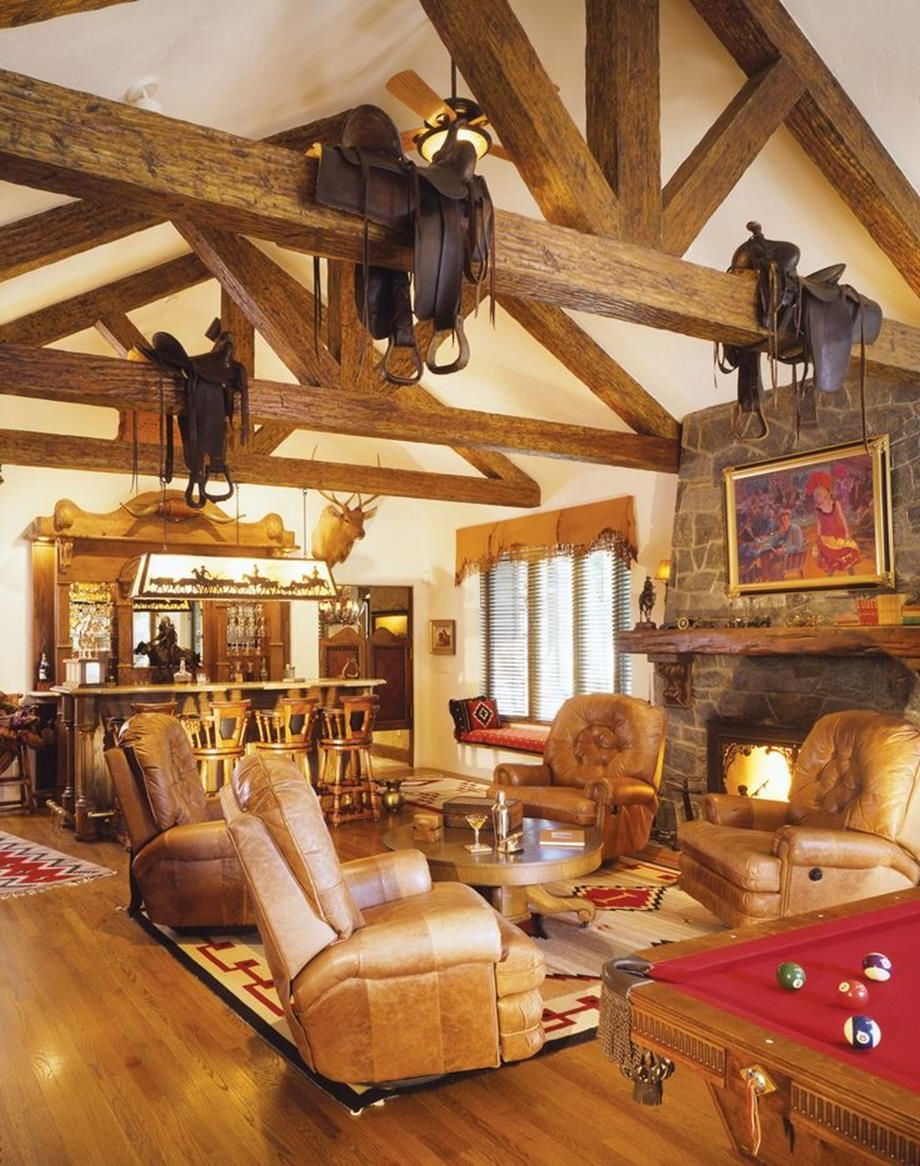
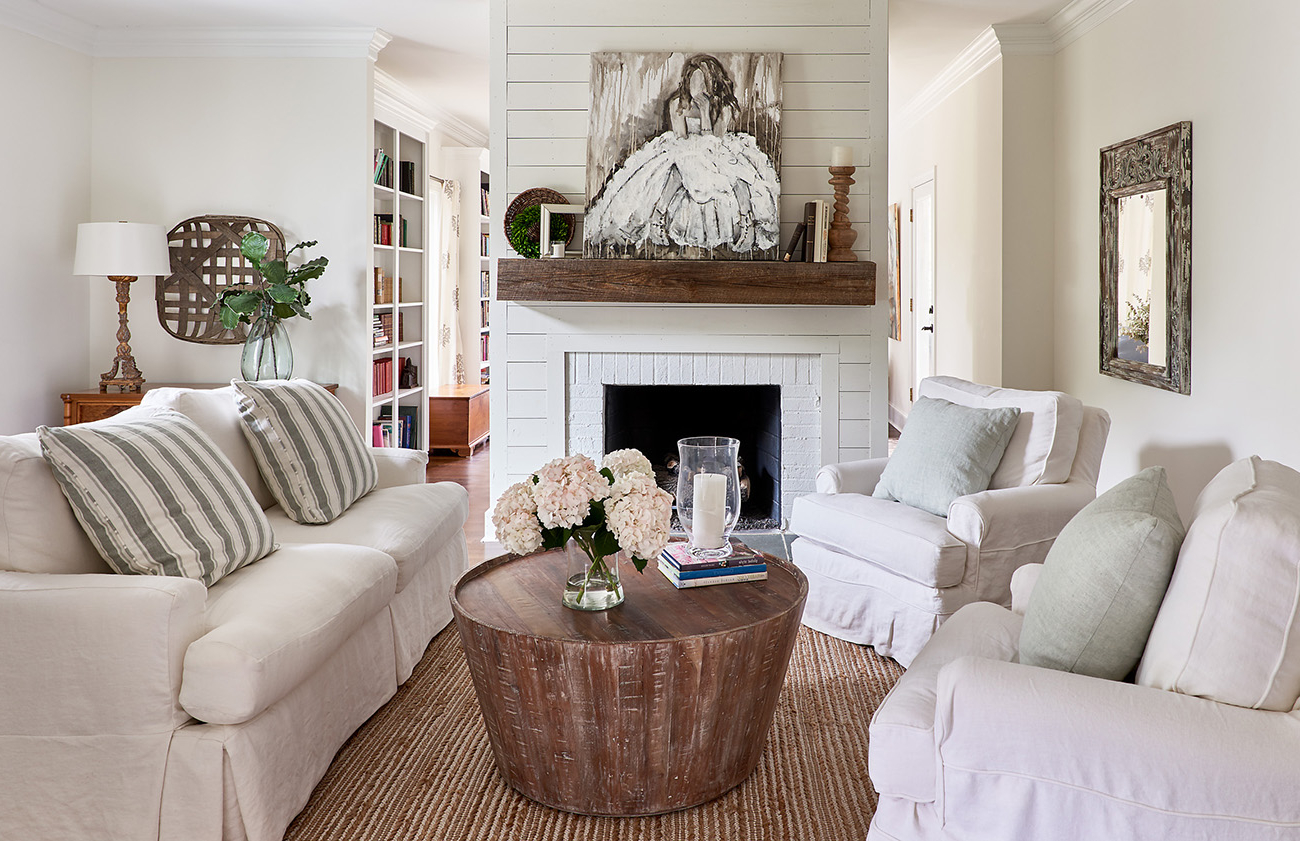
Wood remains the undisputed king of natural materials in interior design. But not just any wood—there’s a whole world of textures, tones, and stories to explore. Reclaimed timber brings history into your home, each plank carrying memories of previous lives. Think of those weathered barn boards that once sheltered livestock, now creating beautiful dining tables or accent walls.
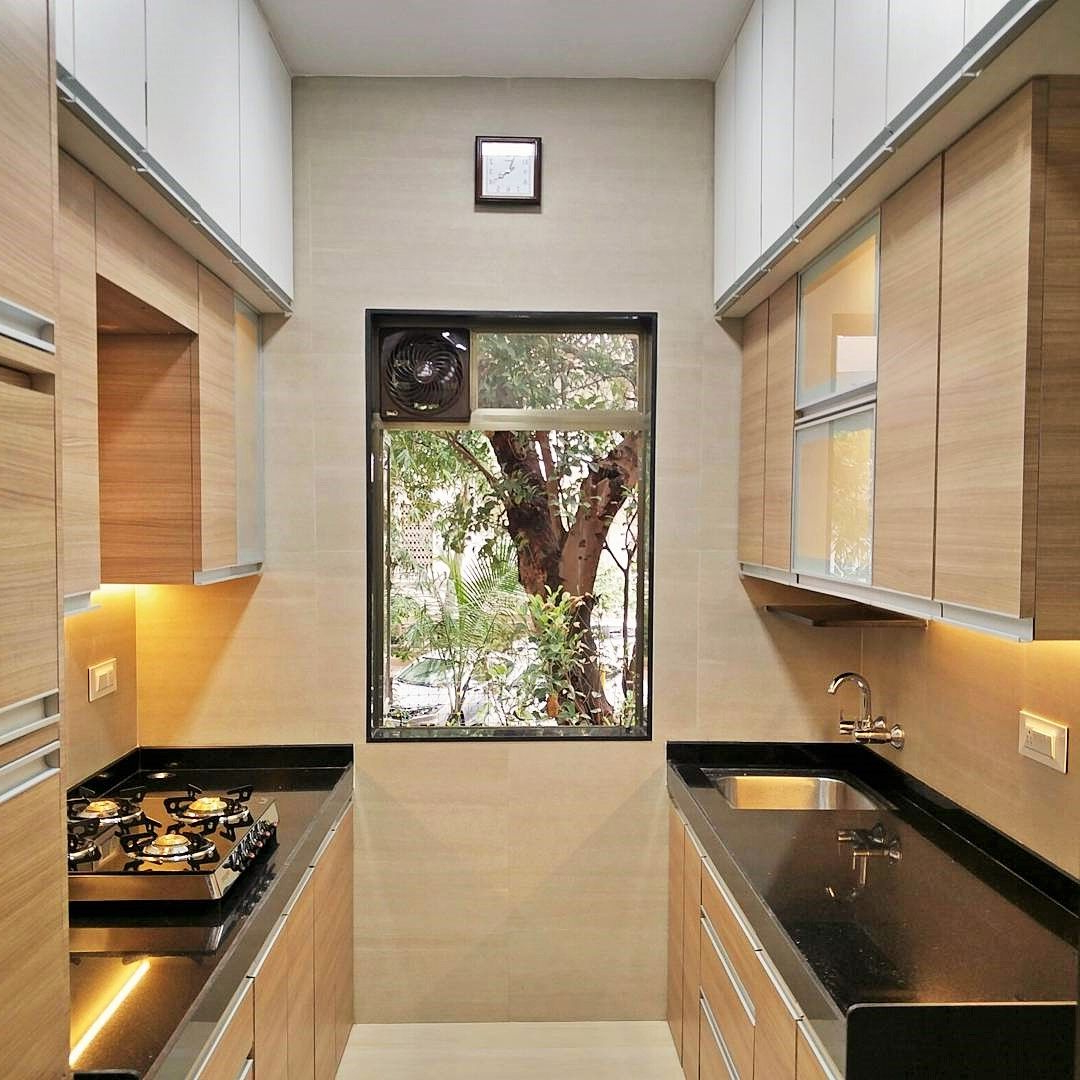
The beauty of wood lies in its imperfections. Knots, grain variations, and natural color shifts tell unique stories about each piece. These characteristics make every wooden element distinct, adding personality that mass-produced alternatives simply cannot match. Consider how a live-edge butcher block countertop brings the raw beauty of a fallen tree directly into your kitchen.
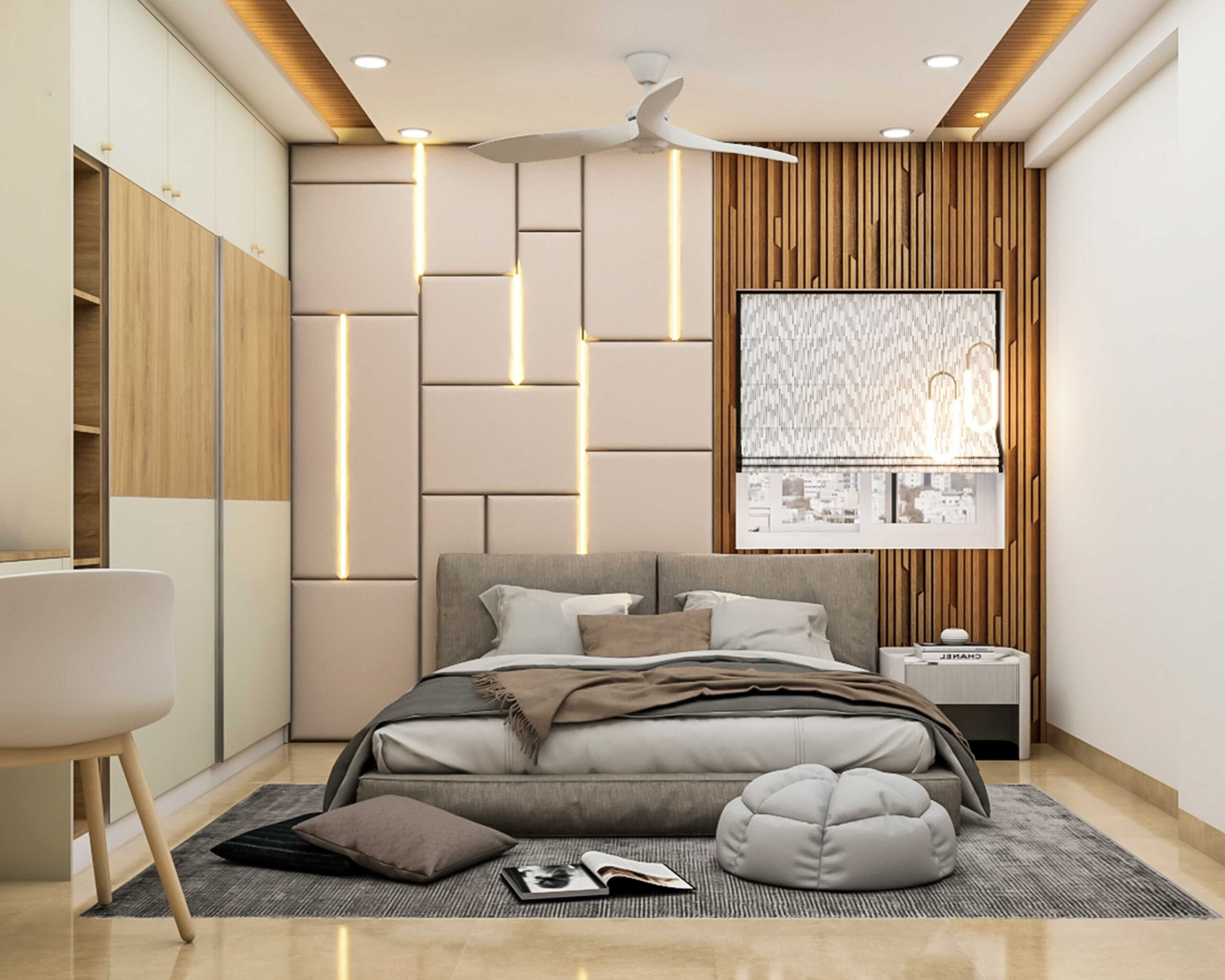
Modern applications stretch far beyond traditional furniture. Engineered wood products offer durability while maintaining that organic feel. Bamboo, often overlooked, provides an incredibly sustainable alternative that looks and performs like traditional hardwoods. The key is choosing the right wood for the right application—whether it’s the warm honey tones of oak for living rooms or the rich chocolate hues of walnut for office spaces.
Stone: The Foundation of Authenticity
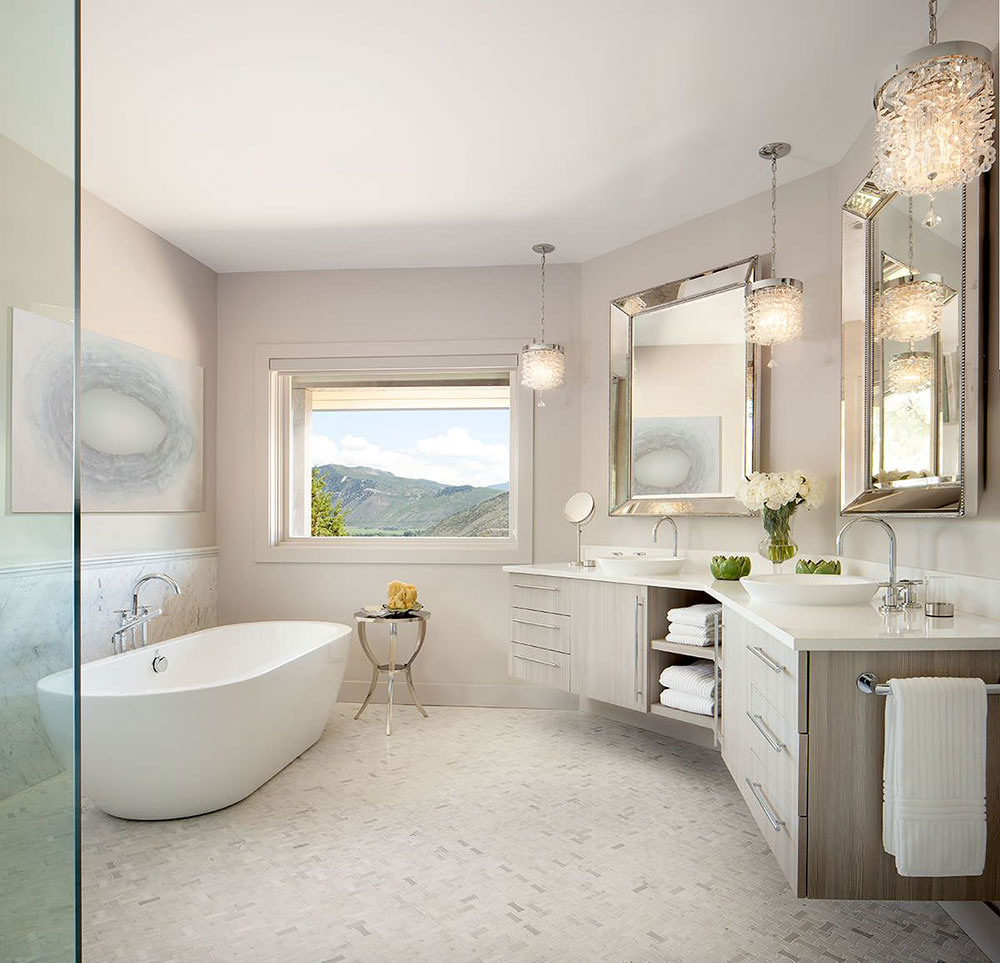
Stone represents permanence and grounding in our homes. Whether it’s the subtle veining of marble, the rustic charm of limestone, or the bold statement of granite, stone adds a sense of stability and luxury that few other materials can match. But the appeal goes deeper than appearance. Natural stone contains minerals that can positively impact indoor air quality and even reduce electromagnetic radiation in some cases.
The versatility of stone is remarkable. It works beautifully as flooring, countertops, fireplace surrounds, and even accent walls. Consider how a simple limestone backsplash can transform a basic kitchen into something sophisticated and timeless. The key is understanding that stone isn’t just about visual impact—it’s about creating spaces that feel grounded and substantial.
Sustainable sourcing has become crucial. Many designers now prioritize locally quarried stone to reduce environmental impact and support regional economies. The result? Spaces that feel connected to their geographic origins while delivering the durability and beauty that stone is renowned for.
Plant-Based Textiles and Fibers
Natural fibers are making a powerful comeback in interior design. Cotton, linen, hemp, and jute aren’t just functional—they’re creating emotional connections through texture and warmth. Linen, particularly, has emerged as a favorite for its ability to age gracefully while maintaining its structural integrity.
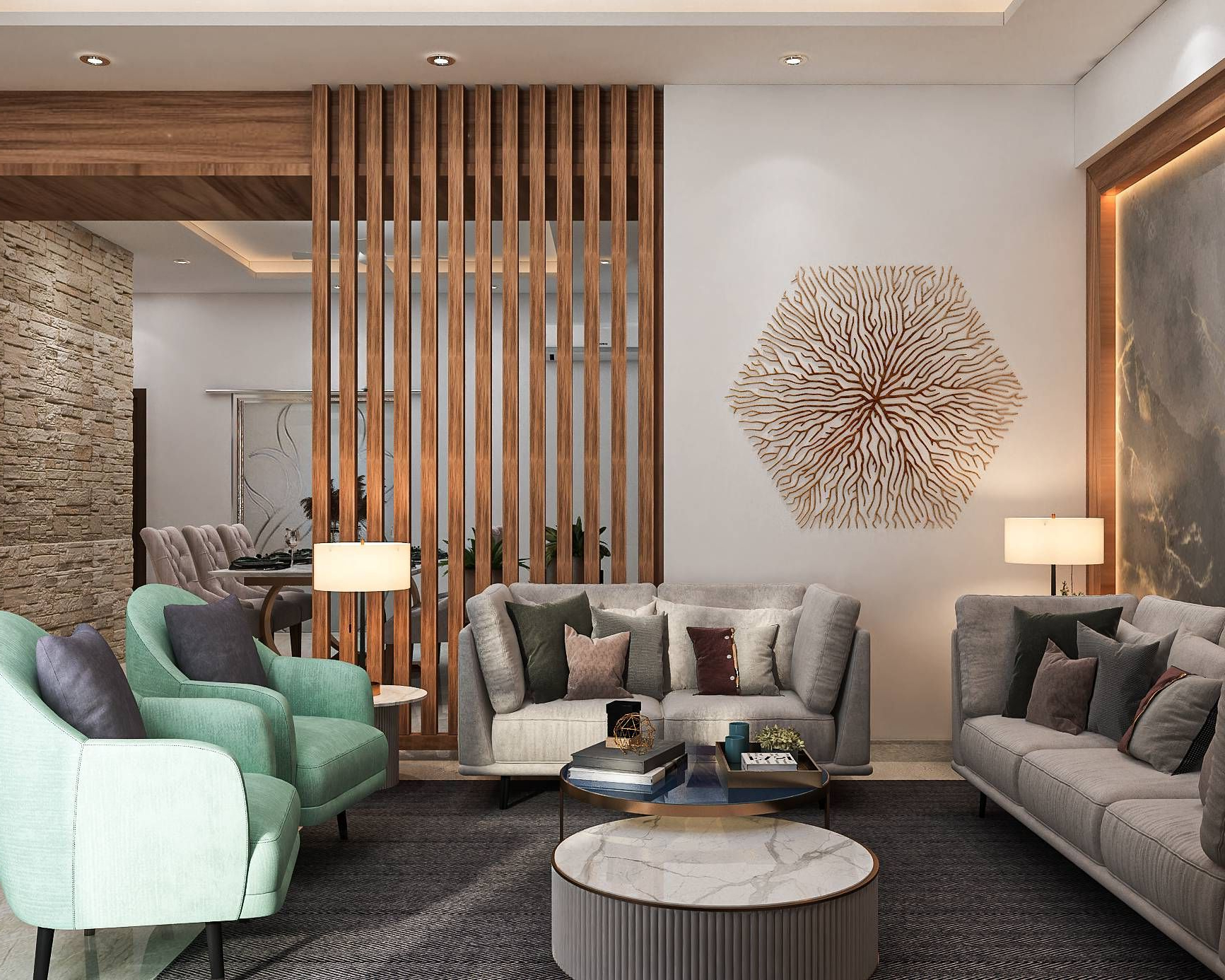
These materials breathe better than synthetic alternatives, creating more comfortable indoor climates. A linen sofa isn’t just visually appealing; it helps regulate temperature and humidity naturally. The subtle texture differences between various natural fibers create visual interest that keeps spaces feeling fresh and alive.
Consider how a hemp rug can anchor a room with its natural texture while providing practical benefits like durability and stain resistance. The challenge lies in balancing aesthetic appeal with practical considerations—natural fibers often require different care approaches than synthetic options, but the rewards are worth the extra attention.
The rise of organic cotton and sustainable linen production methods means we can enjoy these materials with less guilt about environmental impact. These choices reflect our growing awareness that beauty shouldn’t come at the expense of the planet.
Earth Tones and Natural Color Palettes
The palette of nature speaks to our deepest sense of harmony and balance. Earth tones—browns, tans, greens, and warm ochres—create spaces that feel both calming and energizing. These colors aren’t just aesthetically pleasing; they have psychological benefits that promote well-being and focus.
What makes this trend particularly compelling is how it celebrates the natural world rather than fighting against it. Instead of stark whites or cool grays, we’re seeing walls painted in warm terracotta or soft sage green that feel alive and connected to the outdoors. The key is choosing colors that reflect the natural environment around us.
This approach extends beyond paint to include everything from furniture to accessories. Natural wood tones work beautifully with earth-colored textiles, creating cohesive spaces that feel like they belong in a forest or garden rather than a sterile building. The result is an environment that nurtures the soul while remaining practical and functional.
Sustainable Sourcing and Ethical Practices
Modern natural material trends go hand-in-hand with ethical sourcing practices. Consumers today want to know where their materials come from and how they were produced. This transparency has created new standards for the industry and pushed manufacturers toward more responsible practices.
Reclaimed materials represent one of the most sustainable approaches to natural interior elements. Salvaged timber, old factory floors, and repurposed architectural elements carry stories of their previous lives while reducing waste. The challenge lies in finding quality sources and ensuring proper treatment and installation.
Certification programs like FSC (Forest Stewardship Council) and Cradle to Cradle provide consumers with confidence about material origins and environmental impact. These systems help distinguish truly sustainable products from those that might be marketed as such without actual verification.
Local sourcing has gained popularity because it reduces transportation costs and supports regional economies. It also ensures that materials are appropriate for local climate conditions, potentially improving performance and longevity. The movement toward sustainability shows no signs of slowing, making it a core consideration for any natural material selection.
Technology Integration with Natural Elements
The future of natural materials in interior spaces involves smart integration with modern technology. This doesn’t mean replacing natural elements with artificial ones—it means enhancing them with smart solutions that preserve their authenticity while adding functionality.
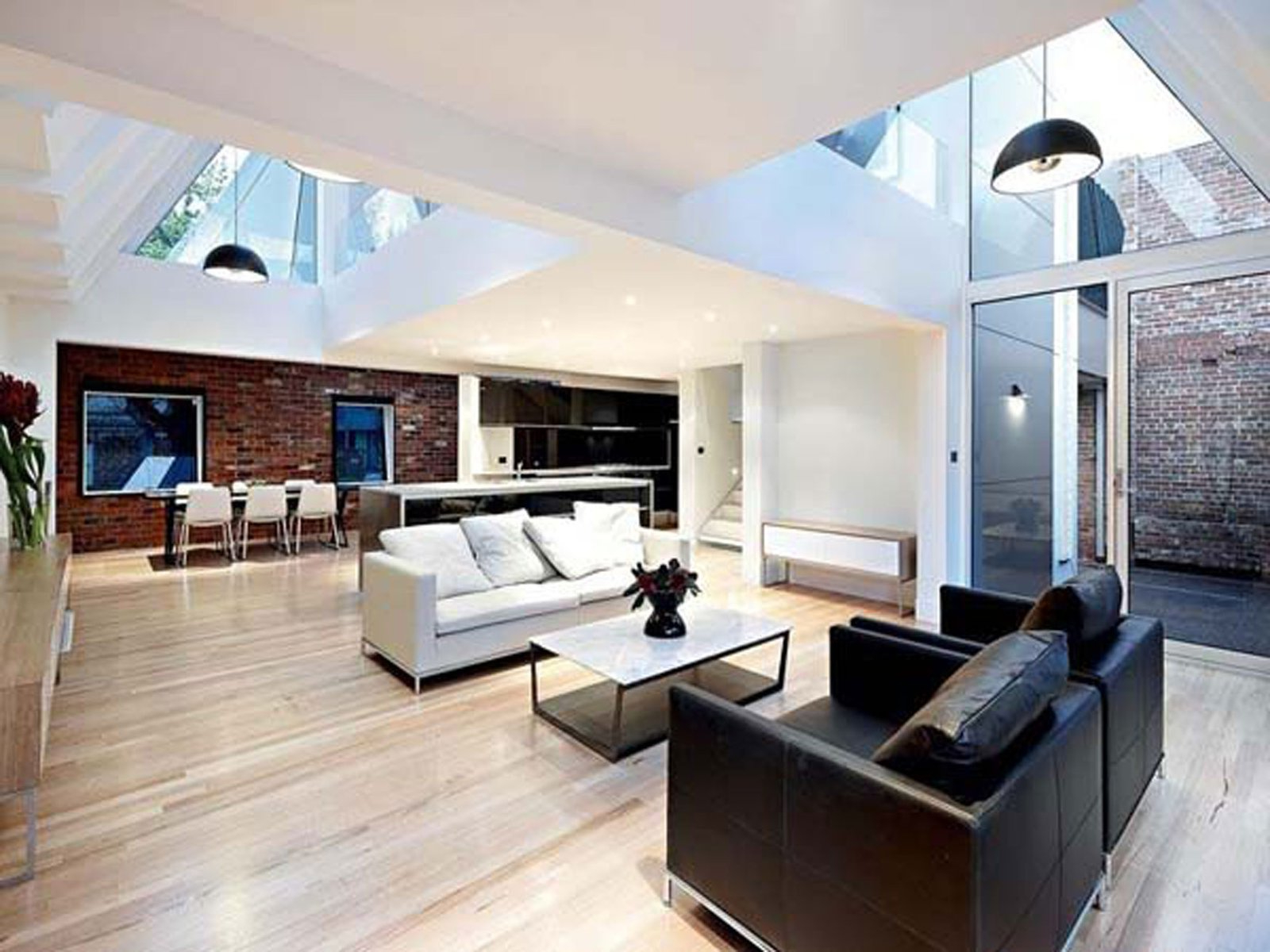
Smart lighting systems that mimic natural daylight can enhance the beauty of natural materials by showing off their true colors and textures. The way light plays across a stone wall or wooden beam changes dramatically depending on the time of day and lighting conditions. Technology helps us optimize these effects for maximum impact.
Innovations in natural material treatments allow for enhanced durability without compromising their organic nature. Water-resistant finishes on wood or stain-resistant coatings on stone can extend lifespan while maintaining natural appearance. These developments make natural materials more practical for high-traffic areas and challenging environments.
The combination creates spaces that honor tradition while embracing progress. Natural materials gain new life when paired with thoughtful technological enhancements that support their inherent qualities rather than mask them.
Natural materials in interior design represent more than a stylistic choice—they embody our growing desire to connect with the earth and create spaces that nourish both body and spirit. From the warmth of wood that carries centuries of history to the enduring strength of stone that has shaped landscapes for millennia, these elements offer something that manufactured alternatives simply cannot replicate. The trends we see today aren’t just about looking back at traditional craftsmanship; they’re about building forward with wisdom from nature’s own design principles.
As we continue to navigate an increasingly complex world, our homes remain sanctuaries where authenticity and comfort reign supreme. The natural materials movement reminds us that the best designs often come from the simplest sources—our planet’s own abundant resources. Whether you’re planning a complete renovation or simply updating a single room, choosing natural materials invites the essence of the outdoors inside, creating spaces that feel alive and purposeful. The question isn’t whether these trends will continue, but how deeply they’ll influence the way we imagine and build our living spaces for generations to come.