Living in a small space doesn’t mean sacrificing comfort or style. With the right approach, even the tiniest apartments can feel spacious and organized. The secret lies in thinking beyond traditional furniture boundaries.
Think about it – how many times have you looked around your cramped living area and wondered where all the space went? Tiny studios and compact two-bedroom units present unique challenges that demand creative solutions. But what if we told you that the answer isn’t about buying bigger furniture or moving to a larger place? What if it’s about choosing the right pieces that do double duty?
The Power of Multi-Functional Design
Multi-purpose furniture isn’t just a trend – it’s a lifestyle choice that makes sense for modern living. These clever designs work hard to serve multiple needs while maintaining aesthetic appeal. Picture this: a coffee table that doubles as storage, or a dining chair that transforms into a reading nook. The possibilities are endless when you start thinking strategically about space usage.
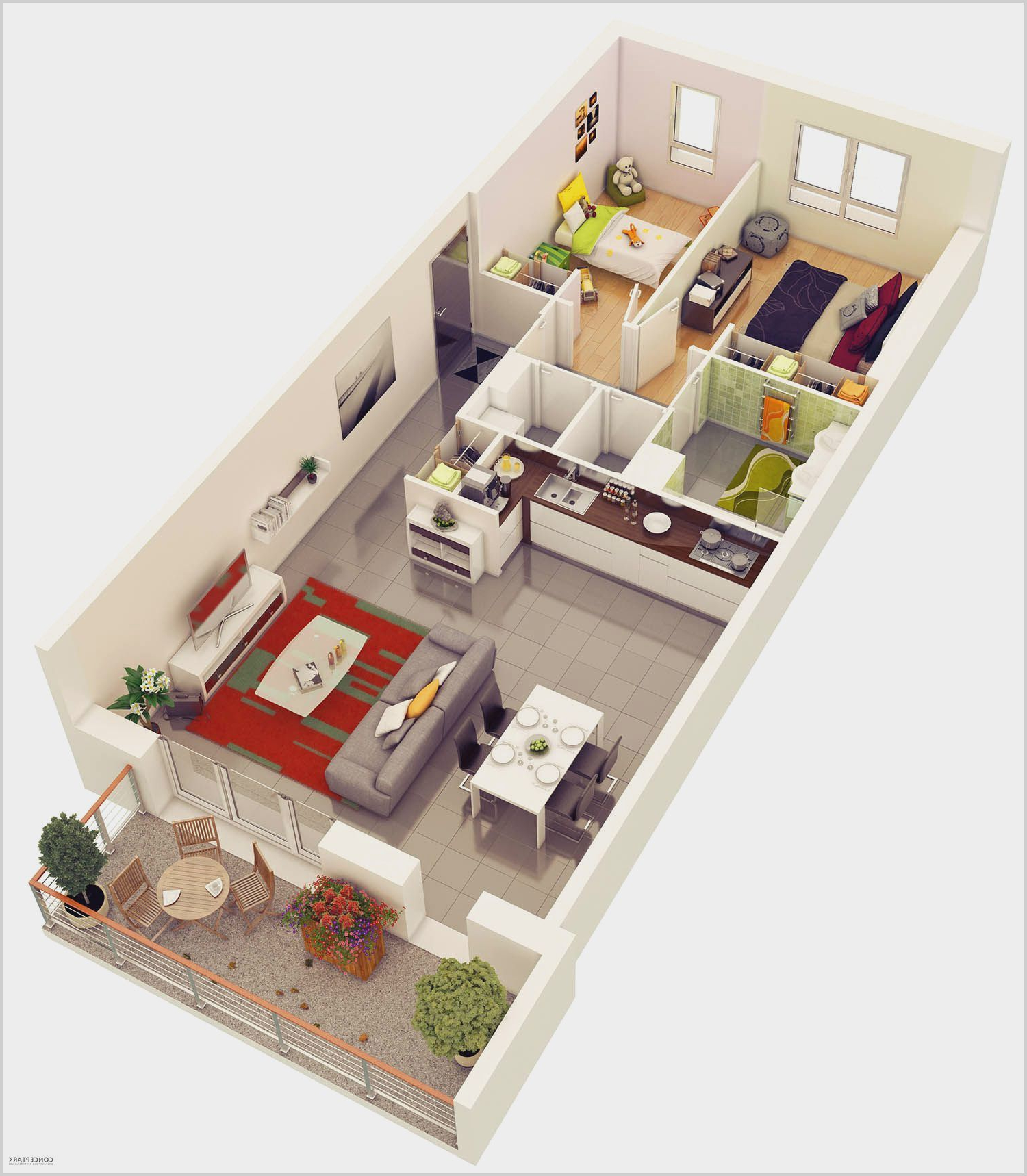
Consider the typical studio apartment layout. You’ve got one main room that needs to function as living area, sleeping space, workspace, and storage. Traditional furniture approaches often leave you feeling cramped and overwhelmed. But with the right multi-functional pieces, you can create distinct zones within your single space.
Take a look at how people actually live. They need to eat, sleep, work, relax, and store their belongings. That’s quite a lot for one room! So why not let your furniture do more than just sit there?
Storage Solutions That Actually Work
Let’s talk about storage because it’s probably the biggest issue in small spaces. We’ve all seen those apartments where everything seems to be stacked on top of each other like a tower of Babel. But smart storage solutions can completely change the game.
Here are some proven strategies:
• Under-bed storage containers that transform your sleeping area into a hidden vault
• Wall-mounted shelves that maximize vertical space without taking up floor area
• Storage ottomans that provide seating AND hiding spots for blankets and books
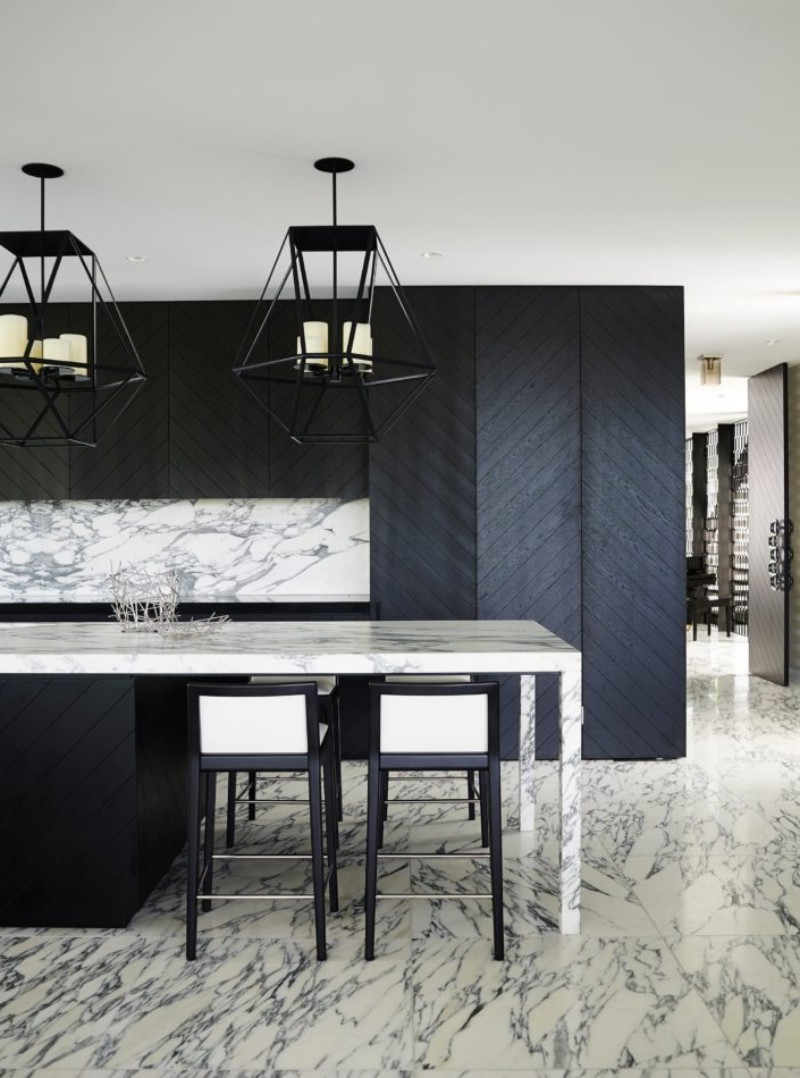
• Kitchen islands that serve as prep areas and extra dining space
The key is choosing pieces that blend seamlessly into your daily routine. When storage becomes part of the furniture rather than separate items, everything feels more organized and less cluttered. It’s like having a magic drawer that never gets full.
Bedroom Magic in Compact Spaces
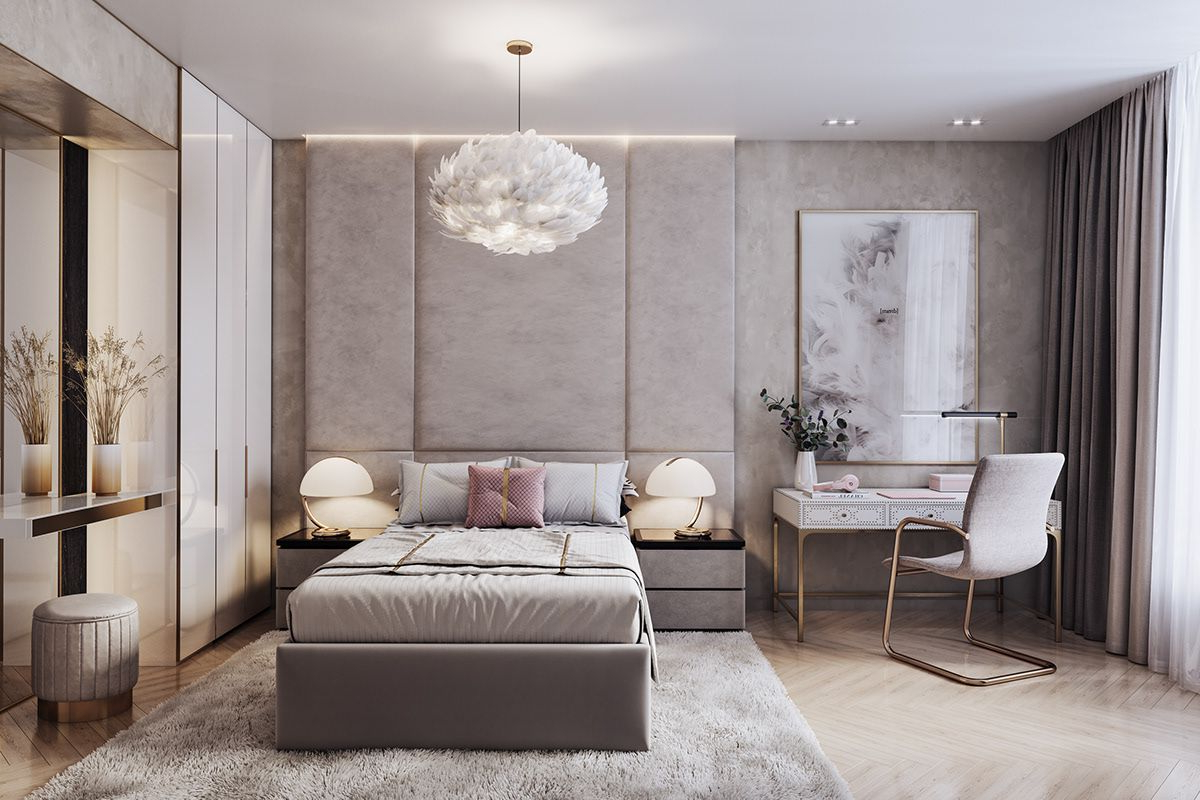
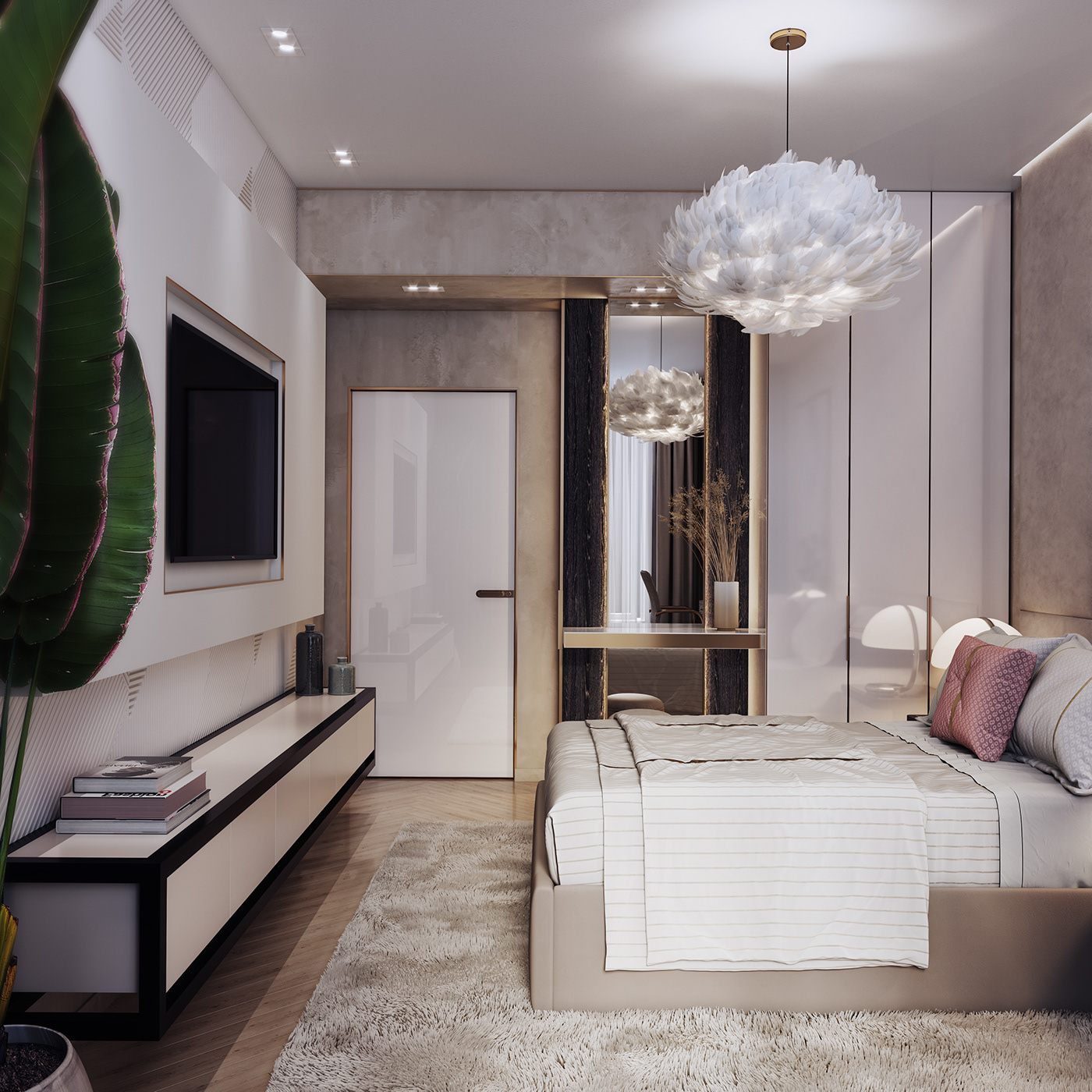
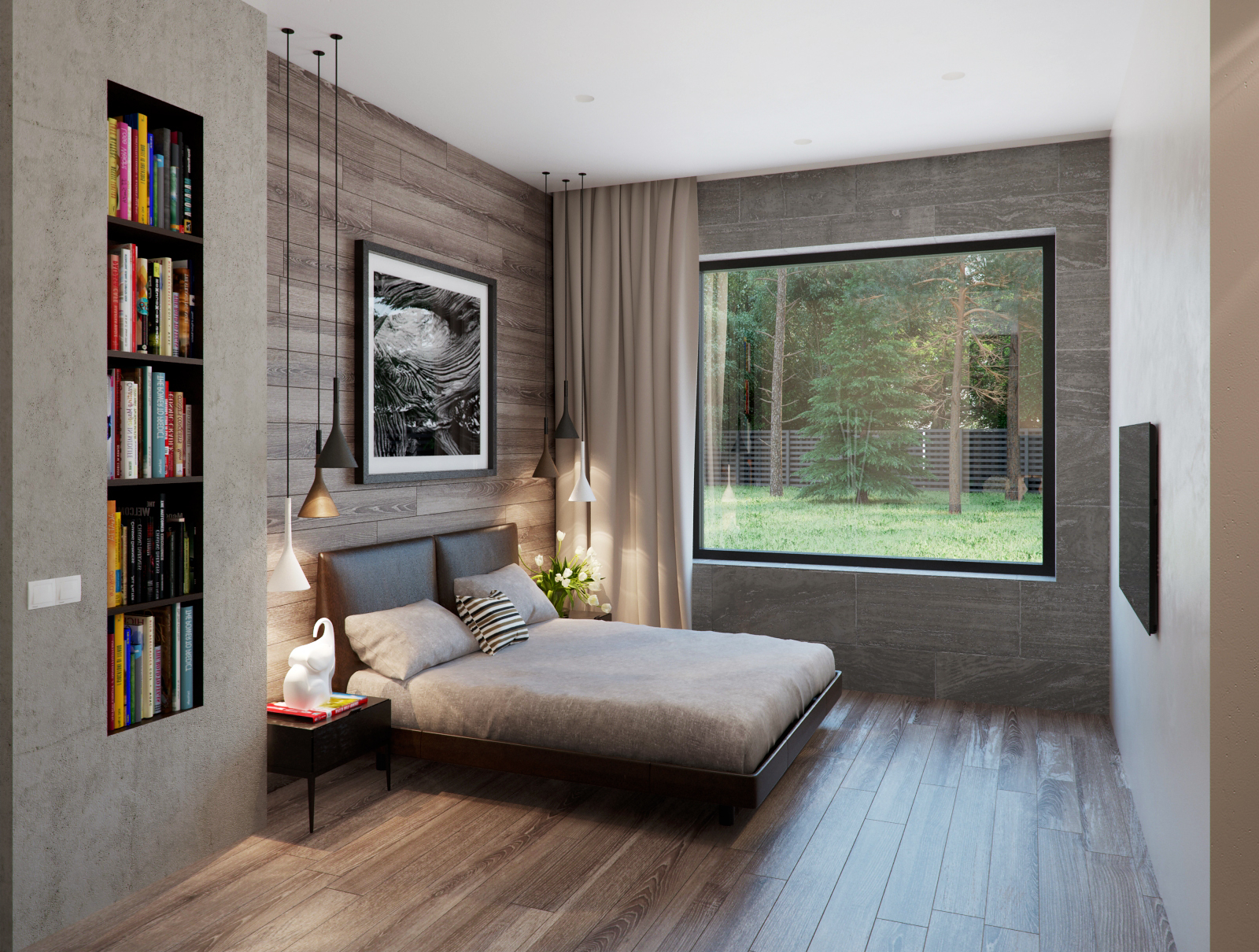
Sleeping areas in small apartments deserve special attention because they often get overlooked in favor of more visible living spaces. But a good bedroom setup can make or break your daily routine.
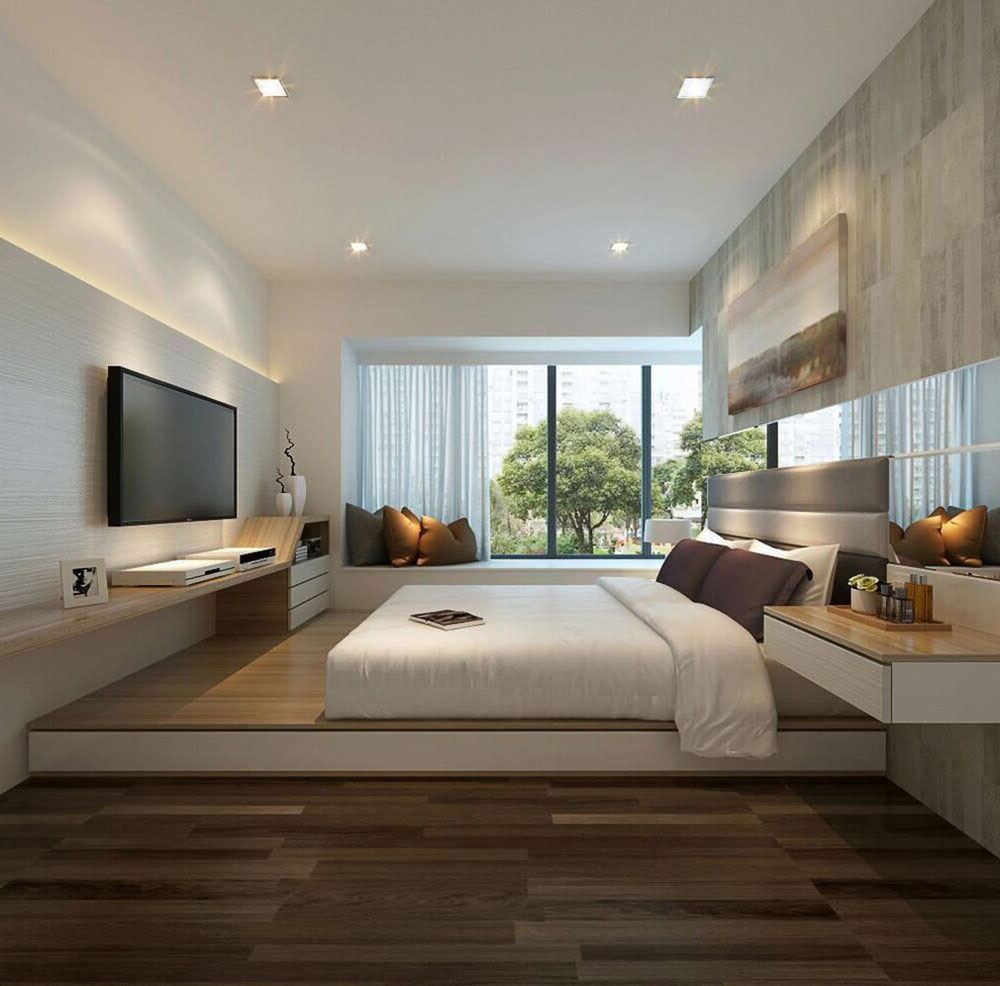
The most effective approach combines functionality with comfort. A platform bed with built-in drawers underneath can hold everything from seasonal clothing to bedding supplies. This eliminates the need for traditional dressers while keeping your space looking clean.
Another brilliant solution involves using the wall space above your bed. Install floating shelves or a custom headboard with storage compartments. You’ll be amazed how much you can fit in just a few inches of vertical space.
Don’t forget about the importance of light. In small bedrooms, natural light becomes crucial. Consider furniture that doesn’t block windows, and choose lighter colors that make the space feel bigger.
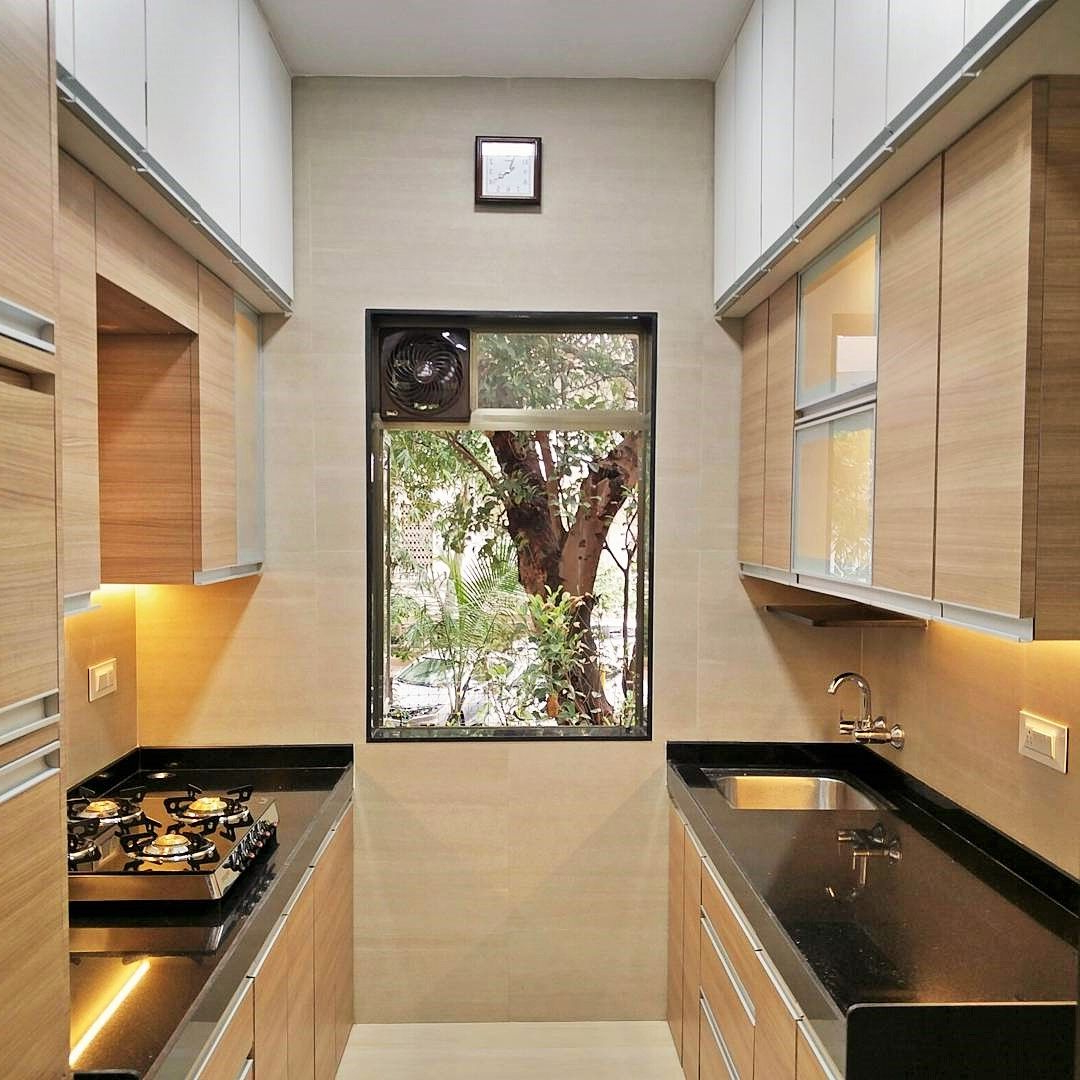
Kitchen Creativity for Small Living Areas
Kitchens in tiny spaces require a different mindset entirely. You can’t simply scale down regular kitchen furniture – you need to think about every inch being productive. This means choosing pieces that offer maximum utility with minimal footprint.
A few standout options include:
• Extendable dining tables that can shrink when not in use
• Fold-down kitchen islands that serve as both counter space and seating
• Corner cabinets that utilize those tricky angles
• Stackable appliances that can be tucked away when not needed
The real genius comes from considering how you move through the space. If you’re cooking dinner and want to eat, you shouldn’t have to pack away your dining table first. These solutions allow for fluid transitions between activities.
Many people assume small kitchens must mean poor functionality. Wrong! Smart design choices can make even the smallest kitchen feel spacious and efficient.
Living Room Flexibility
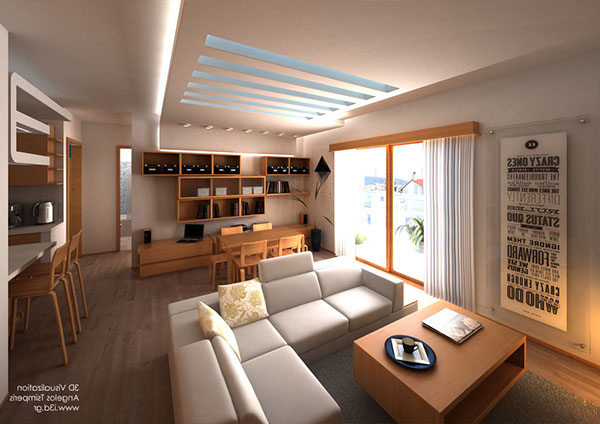
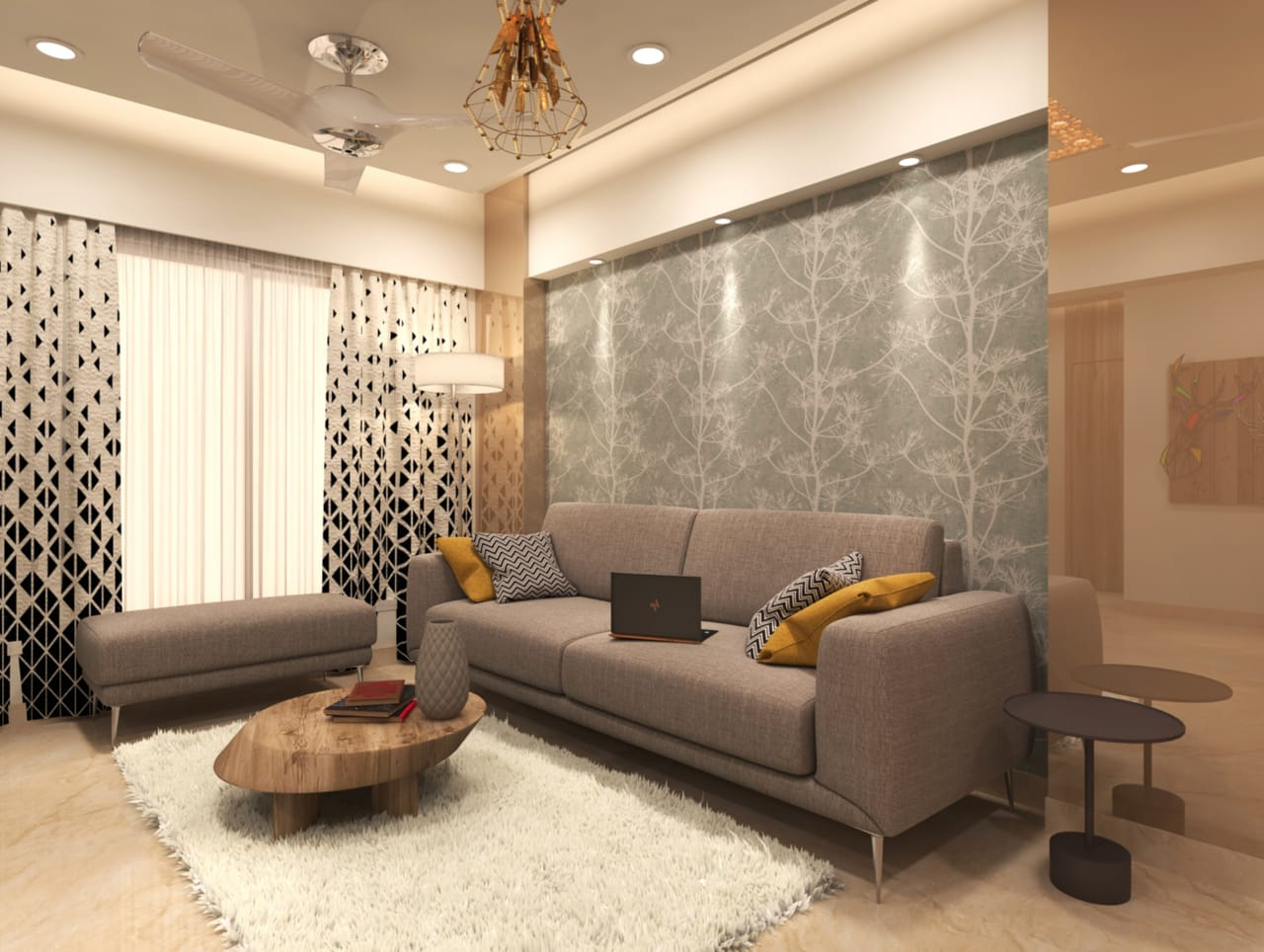
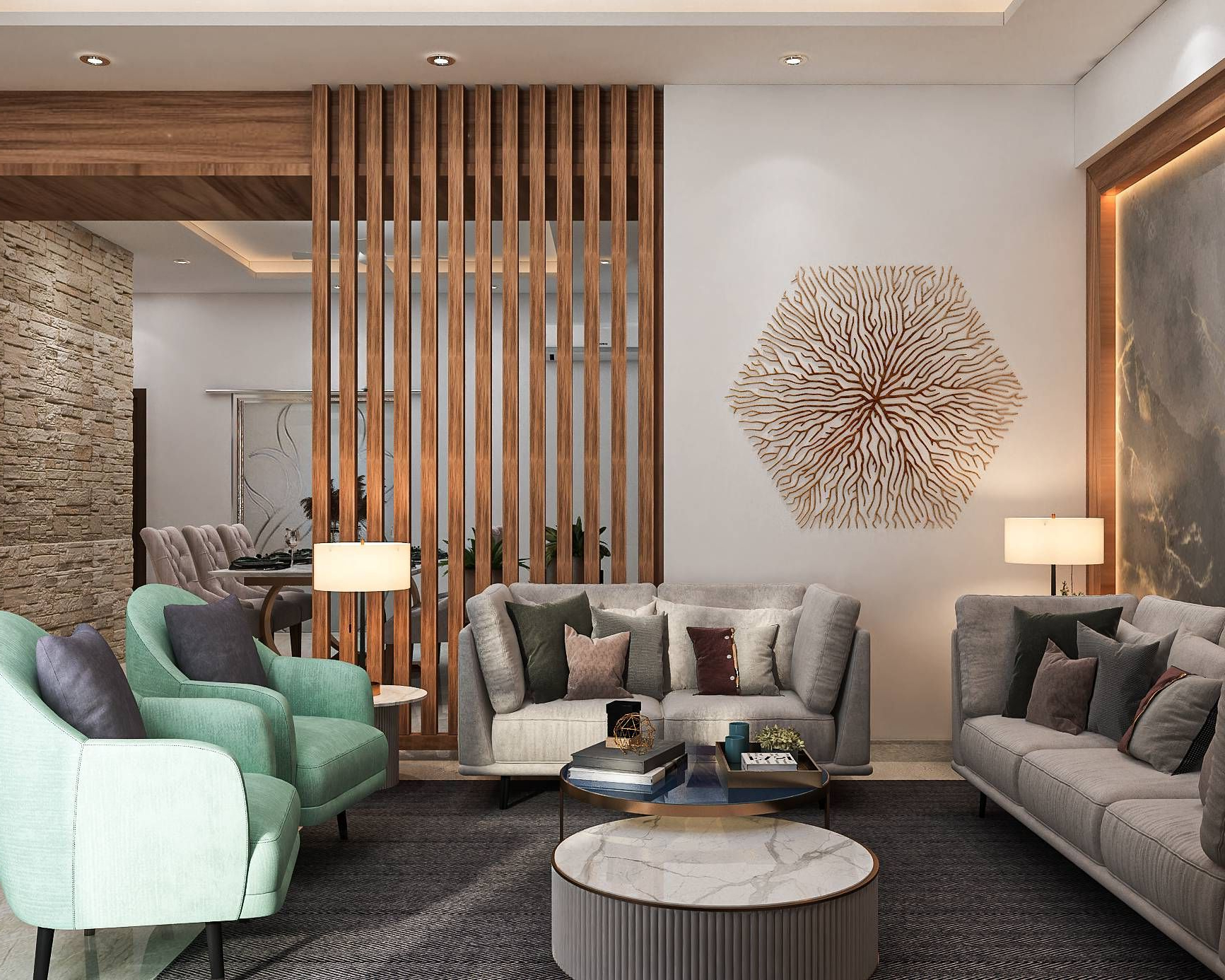
Your living room in a studio or small two-bedroom unit is likely your most important space. It needs to handle everything from entertaining guests to quiet evenings alone. The furniture you choose should support this variety of activities.
One of the best investments is a modular sofa system. These pieces can be rearranged to suit different situations. Maybe you need a long sofa for movie nights, or perhaps you want to create a cozy conversation area. Modular pieces give you that flexibility without requiring multiple purchases.
Also consider furniture that serves multiple purposes:
• A coffee table with hidden storage for remote controls and magazines
• Folding side tables that can disappear when not needed
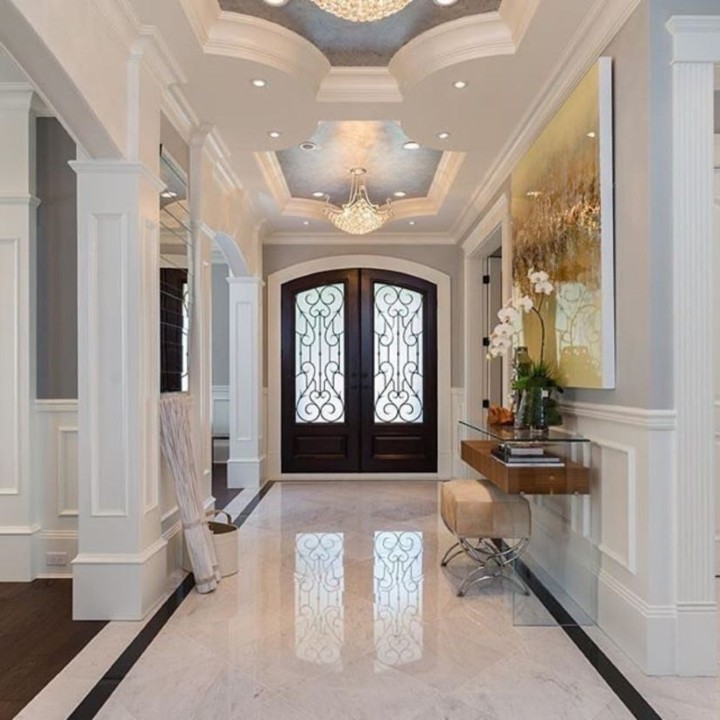
• A console table that works as both entryway and occasional table
The goal is creating a space that changes with your needs rather than forcing you to adapt to rigid furniture arrangements. When your furniture moves with your lifestyle, everything feels more natural.
Practical Tips for Implementation
Ready to transform your space? Here are some practical steps to make it happen:
• Start with a clear inventory of what you own and what you need
• Measure everything before purchasing new pieces
• Look for furniture with hidden storage capabilities
• Consider the flow of traffic in your space
• Choose neutral colors that make walls appear farther away
Remember that it’s not about having fewer things – it’s about organizing them better. The right furniture helps you keep everything accessible while maintaining visual simplicity. Some people struggle with the idea of decluttering, but when your furniture does double duty, it becomes easier to maintain order.
Don’t overlook the power of good lighting. Proper illumination can make a small space feel much larger than it really is. Layer your lighting with ambient, task, and accent lights to create depth and dimension.
Cost-Effective Solutions
You don’t need to spend a fortune to achieve great results. Many affordable options work just as well as expensive alternatives. Here’s how to get the most for your money:
• Shop secondhand stores and online marketplaces for quality pieces
• Look for sales and clearance items during seasonal transitions
• Consider DIY projects that add personal touches
• Buy multipurpose items rather than multiple single-purpose pieces
The most important factor is matching the right furniture to your actual lifestyle rather than following trends. A $50 storage ottoman that fits perfectly in your space will serve you better than a $200 piece that looks great but doesn’t solve your problems.
Some people worry that multi-purpose furniture looks cheap or unattractive. However, modern designs have evolved dramatically. Today’s options blend functionality with style beautifully. You can find pieces that look sophisticated and elegant while doing multiple jobs.
Maintenance and Longevity
Finally, consider how you’ll care for these pieces over time. Multi-functional furniture requires a slightly different approach to maintenance. For example, storage areas need regular cleaning to prevent dust buildup. Seating areas may require more frequent spot cleaning.
Choose materials that can handle daily wear and tear. Fabric sofas should be easy to clean, while wooden surfaces need protection from moisture and scratches. Remember that your furniture investment should last for years, so don’t compromise on quality for the sake of saving a few dollars.
Regular maintenance keeps everything looking fresh and working properly. Simple tasks like vacuuming storage areas monthly or rotating cushions regularly can extend the life of your pieces significantly. The payoff is worth it when you see how much more comfortable and organized your space becomes.
The journey toward maximizing your small space starts with rethinking what furniture can do. These multi-purpose solutions aren’t just about fitting more things into smaller rooms – they’re about creating a more intentional way of living. When you choose wisely, every piece becomes part of a cohesive system that supports your daily routines.
Whether you’re in a studio that needs to double as bedroom and office, or a two-bedroom unit trying to balance family life with personal space, these approaches offer real solutions. The key is starting with your actual needs rather than what looks pretty on Pinterest.
Small spaces don’t have to mean sacrificing comfort or style. With thoughtful planning and the right furniture choices, you can create a home that feels spacious, organized, and uniquely yours. The transformation happens gradually, but the results are lasting and meaningful. Sometimes the best upgrades are the ones that don’t cost much but change everything.