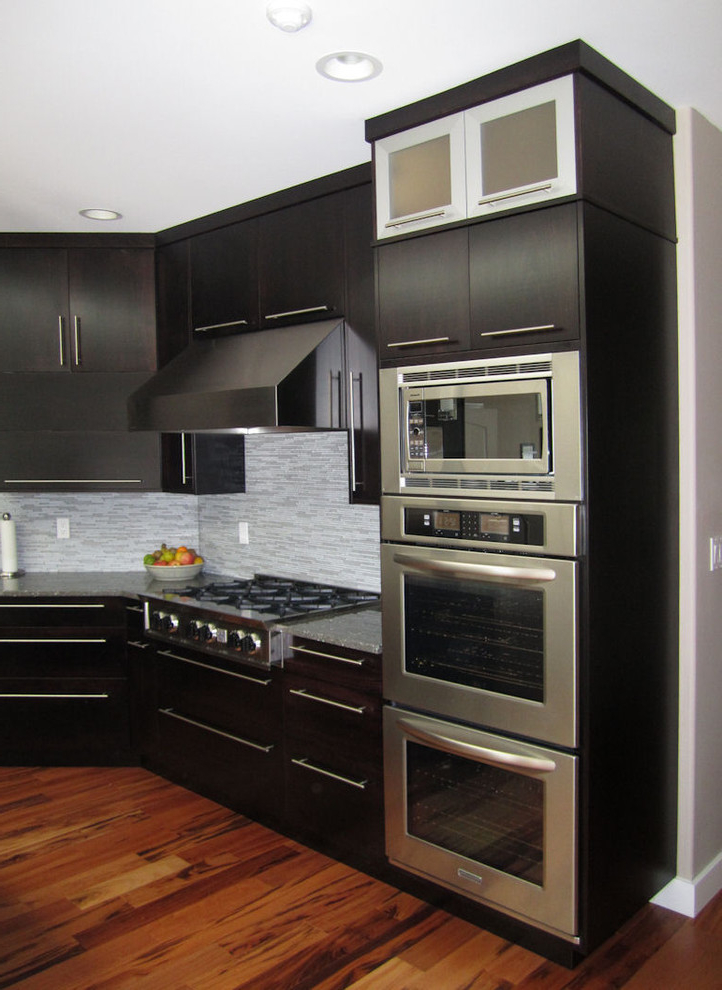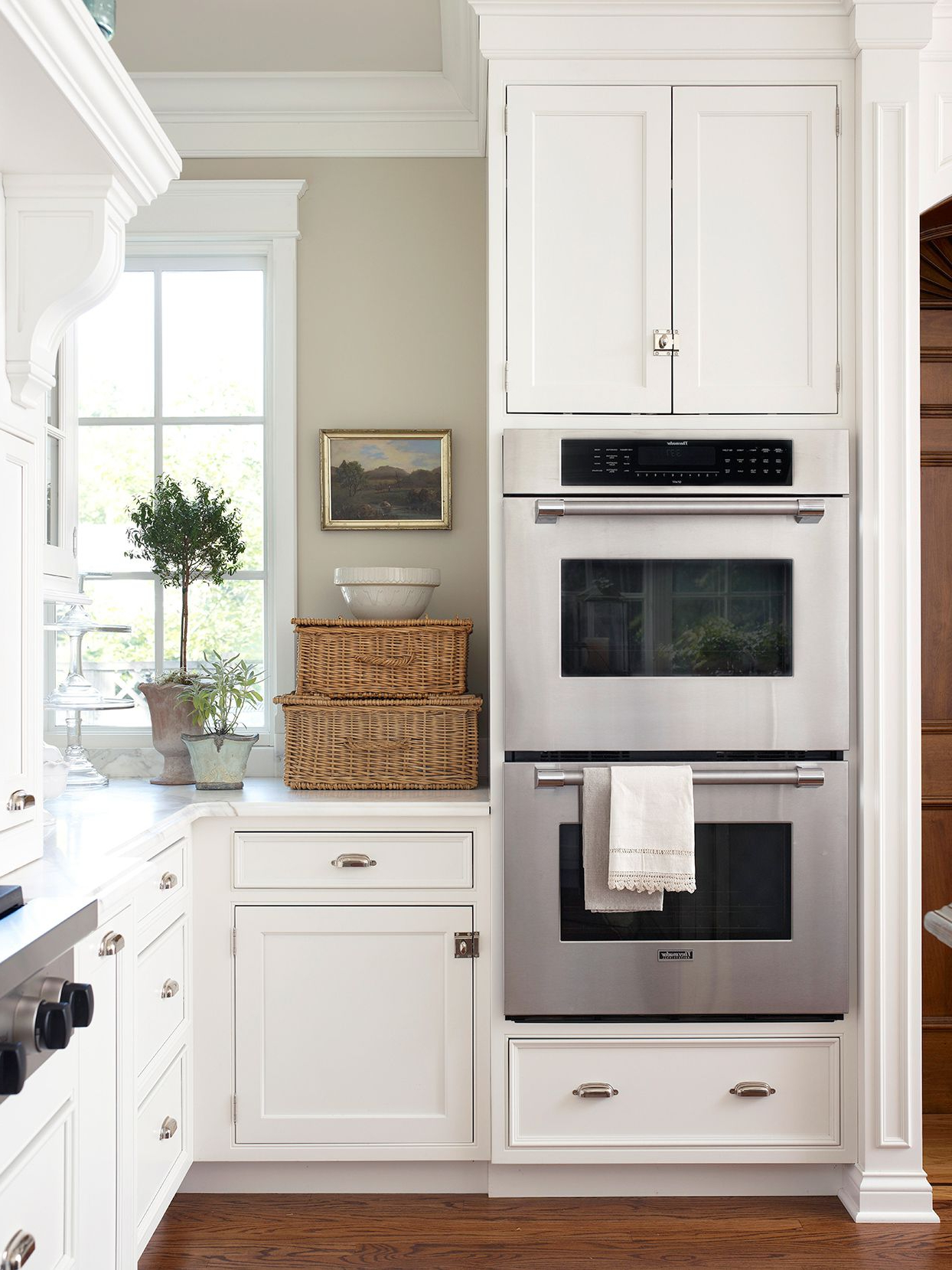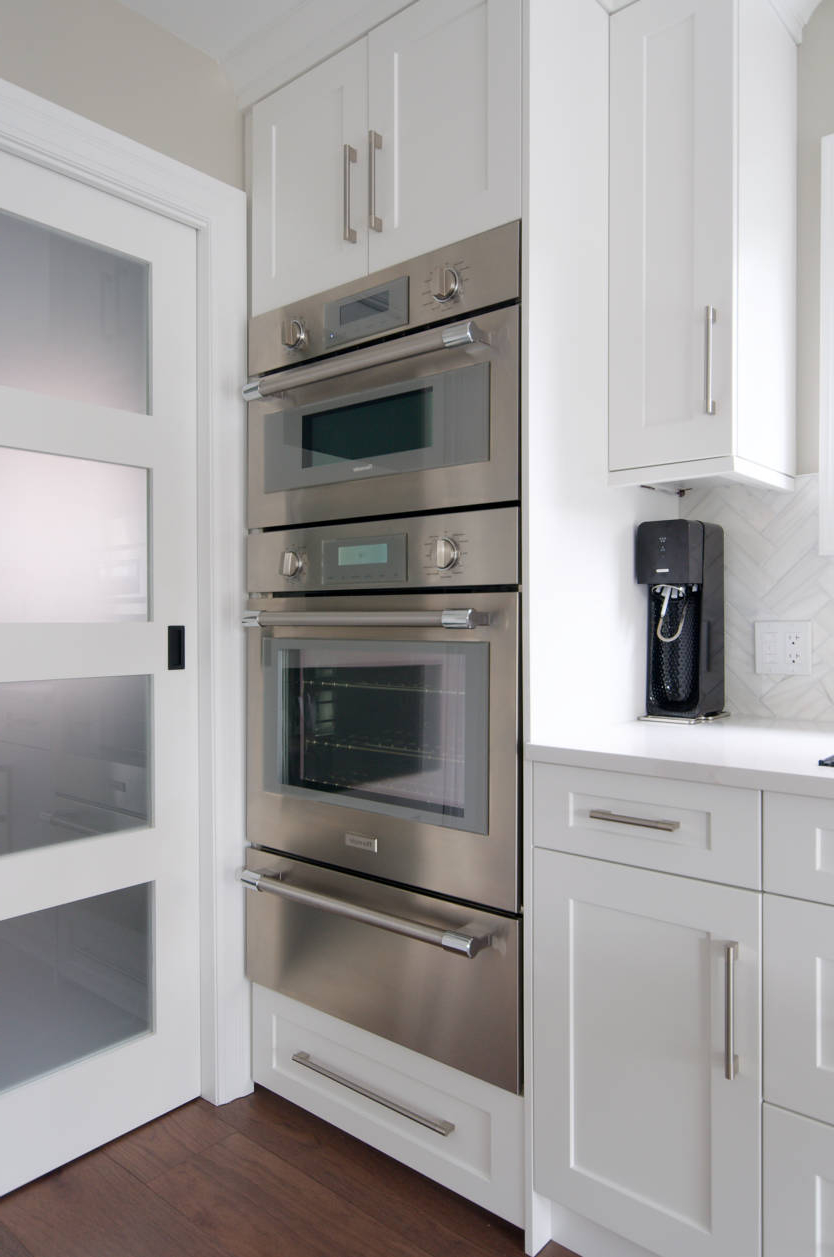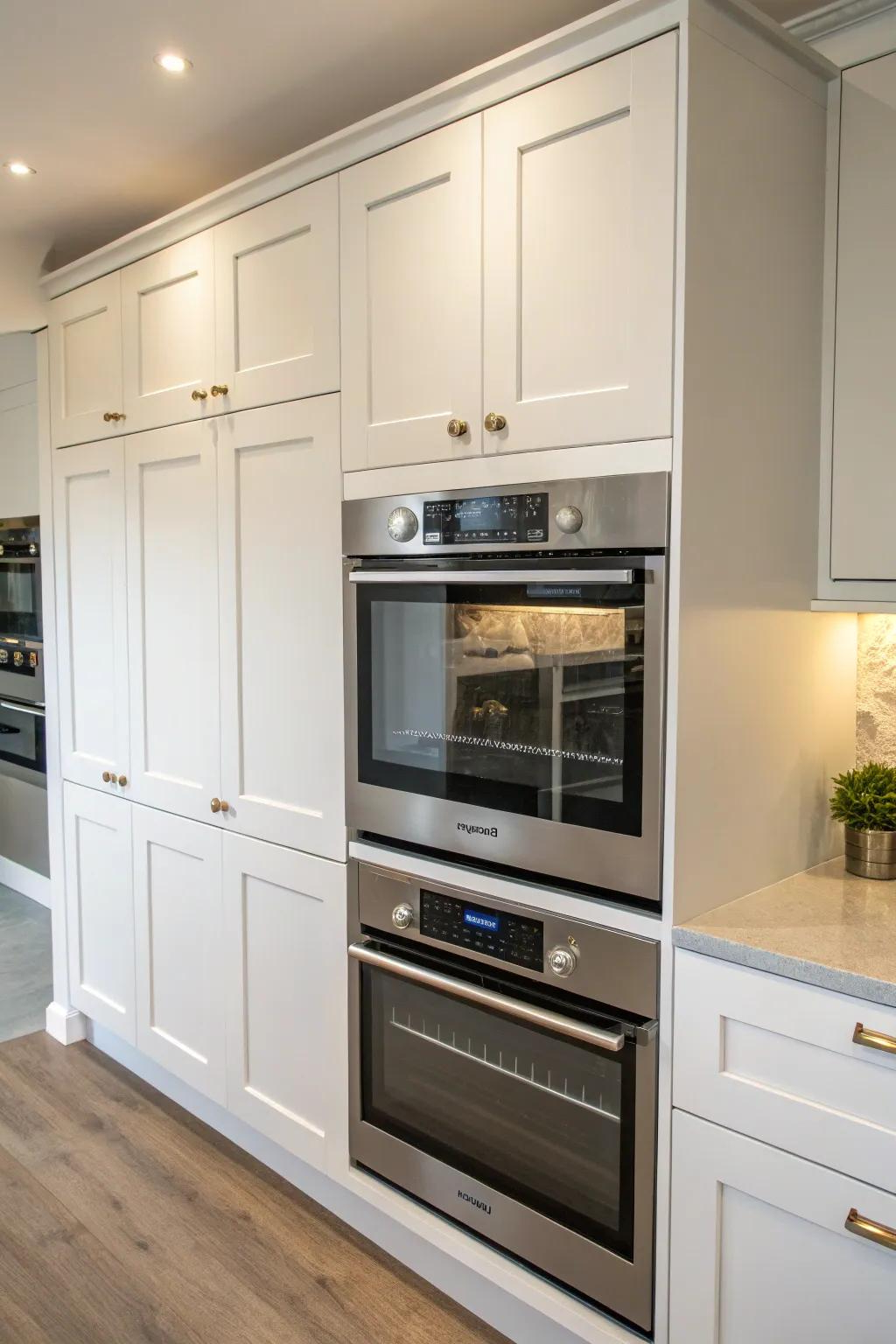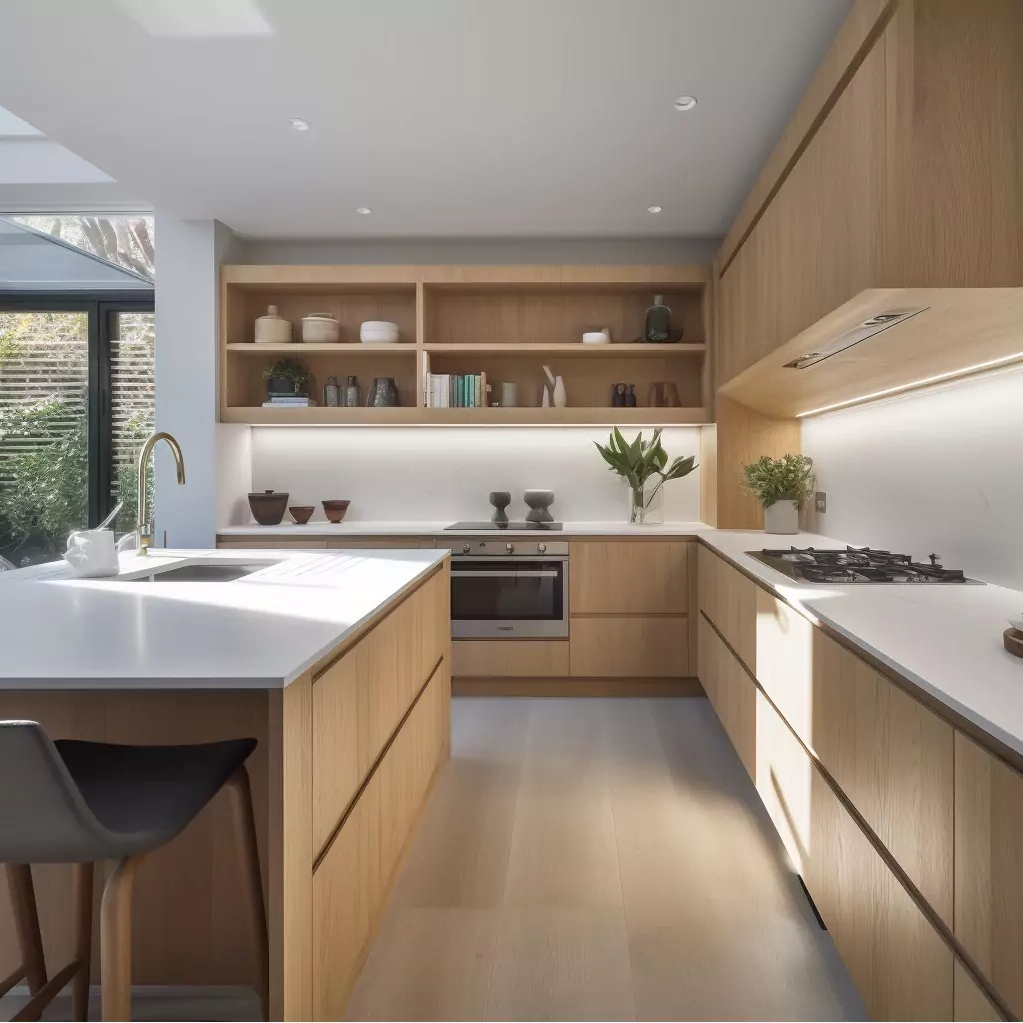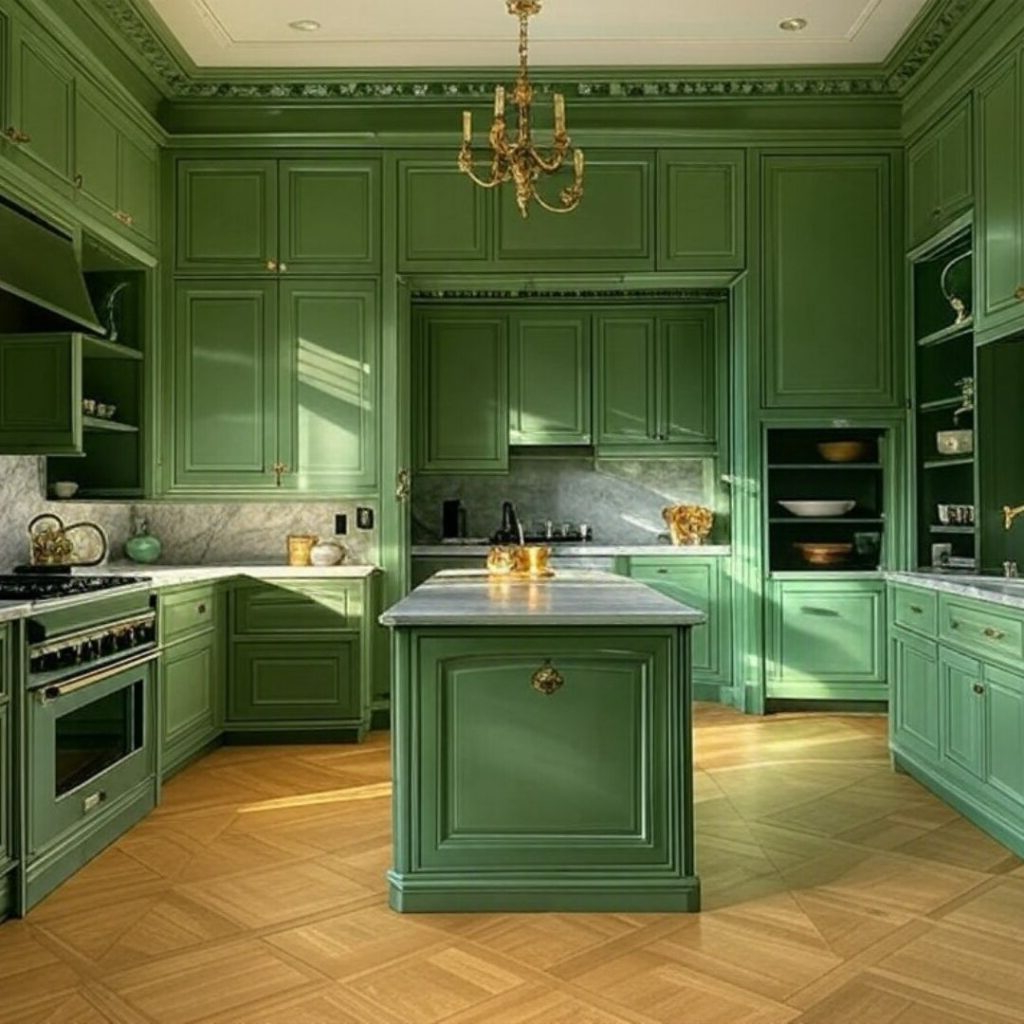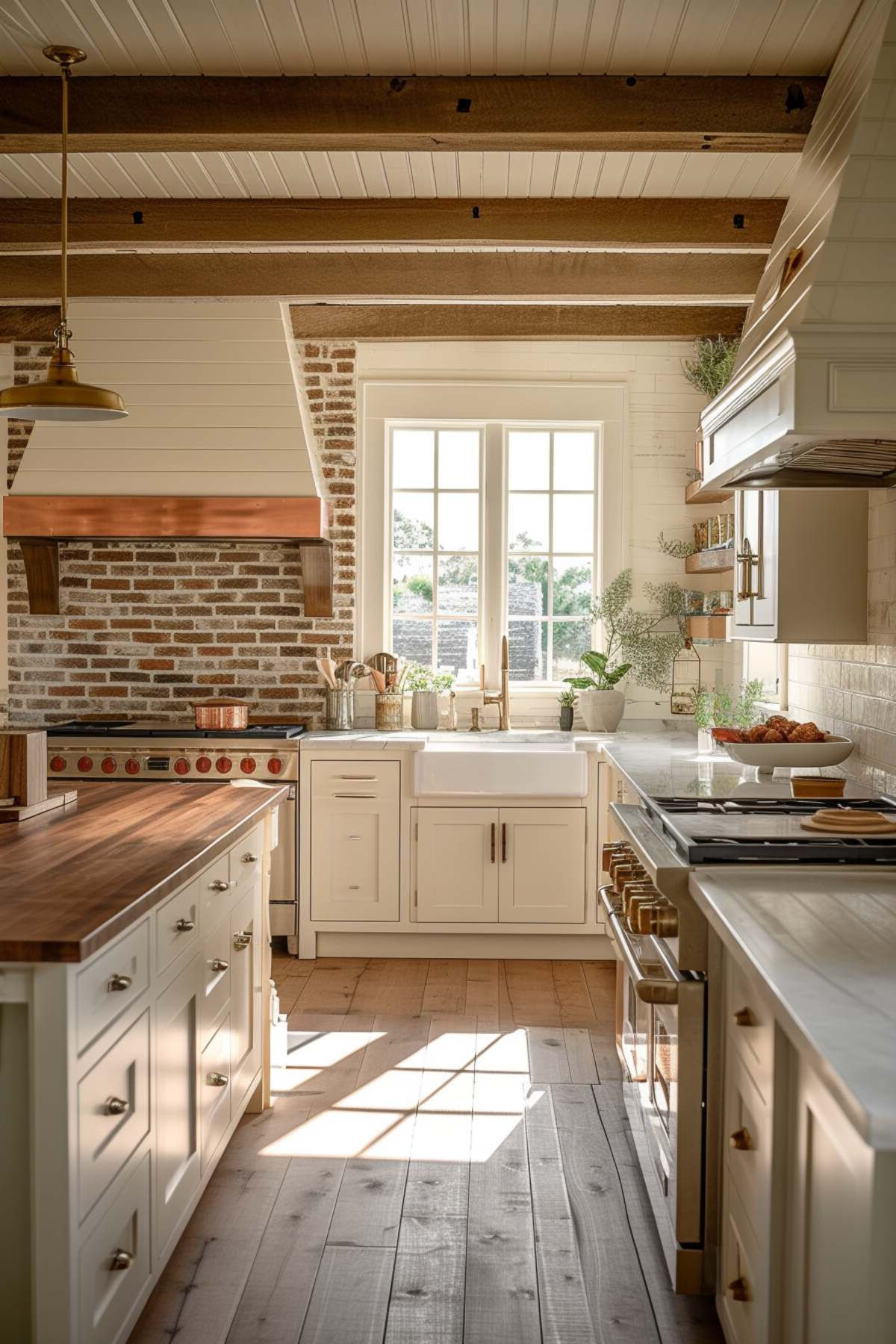
What happens when two ovens meet modern kitchen design? The answer might surprise you. Today’s kitchens aren’t just about aesthetics anymore – they’re about practicality, efficiency, and creating the ultimate cooking environment. Double ovens have emerged as one of the most transformative features in contemporary kitchen trends, offering homeowners unprecedented control over their culinary adventures.
Picture this: You’re preparing a family dinner with multiple dishes requiring different temperatures and cooking times. One oven is roasting chicken at 375°F while the other is baking cookies at 350°F. No more waiting, no more rushing, just perfectly cooked meals. This isn’t fantasy – it’s the reality that double oven functionality brings to modern kitchens. These dual appliances aren’t just fancy additions; they represent a fundamental shift in how we approach home cooking. From busy families to professional home chefs, the demand for this kitchen innovation continues to grow. What started as a luxury feature has now become a practical necessity for many households seeking to streamline their cooking processes.
The Evolution of Kitchen Appliances
Double ovens didn’t appear overnight. Their journey from commercial kitchens to residential spaces reflects our changing relationship with food preparation. Historically, these appliances were found primarily in restaurants and bakeries where consistency and volume mattered most. But as home cooking evolved, so did the desire for precision and convenience. The transition began in the 1980s and 1990s when manufacturers started experimenting with integrated designs. Today, you’ll find everything from built-in models to freestanding units that seamlessly blend into modern cabinetry. The technology behind these appliances has improved dramatically, offering features like convection cooking, steam functions, and precise temperature controls that make them far more sophisticated than their predecessors.
Space-Saving Solutions and Design Integration
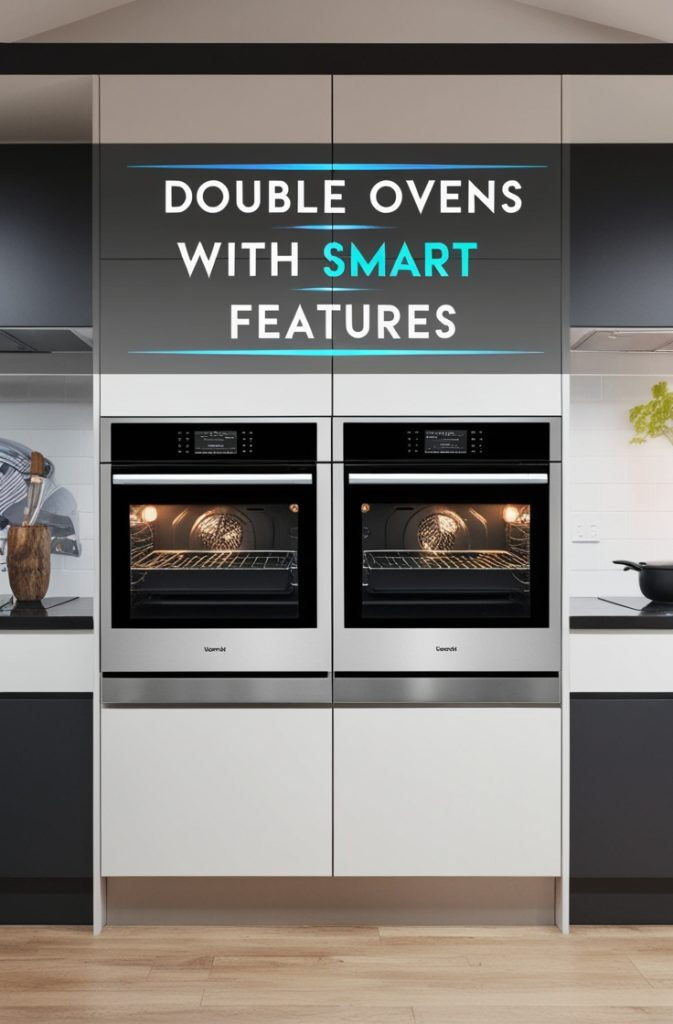
One of the biggest challenges with double ovens has been space management. Smart designers and manufacturers have tackled this head-on by creating compact solutions that maximize utility without sacrificing style. Built-in models now feature sleek profiles that match standard cabinet dimensions, making them virtually invisible when not in use. Some even offer pull-out configurations that make accessing the second oven effortless. The key is understanding that modern double oven installations require careful planning. Considerations include adequate clearance for opening doors, proper ventilation, and electrical requirements. Many homeowners discover that the extra space needed for double ovens actually creates opportunities for better workflow in their kitchen design. The strategic placement can improve traffic flow and create more efficient work zones.
Practical Benefits That Change Everything
The advantages of having two ovens extend far beyond simple convenience. When you’re hosting guests, you can cook multiple dishes simultaneously without compromising quality or timing. A roast can go into one oven while casseroles prepare in the other, eliminating the stress of meal coordination. For those who bake frequently, having separate ovens means no more cross-contamination between different recipes. One oven can handle delicate pastries while another manages hearty breads. The temperature control becomes incredibly precise – you can set exact temperatures for each oven independently. This level of control is especially beneficial for complex recipes that require specific conditions. Additionally, the ability to preheat both ovens simultaneously saves valuable time during busy cooking sessions. It’s not just about convenience; it’s about transforming how we think about meal preparation.
Energy Efficiency and Smart Technology
Modern double ovens incorporate smart features that address traditional concerns about energy consumption. Many models now include programmable timers, automatic shut-off functions, and energy-saving modes. Some even feature Wi-Fi connectivity that allows remote monitoring and control through smartphone apps. The heat distribution systems have improved significantly, ensuring even cooking across both chambers. Convection fans help circulate hot air more efficiently, reducing cooking times and energy usage. Smart sensors can detect when food is ready and automatically adjust settings accordingly. These innovations make double ovens more environmentally friendly than ever before. The investment in energy-efficient models often pays off quickly through reduced electricity bills and faster cooking times. Many manufacturers also provide detailed energy ratings that help consumers make informed decisions about their purchases.
Choosing the Right Configuration for Your Home
Not all double oven setups are created equal. Understanding your cooking habits helps determine which configuration works best for your lifestyle. Some people prefer separate ovens with completely independent controls, while others opt for combined ovens that share some features but maintain individual temperature settings. Built-in models typically offer the cleanest look and most seamless integration with existing kitchen designs. They often come with specialized accessories like rotisserie attachments or steam cooking capabilities. Freestanding options provide flexibility for those who want to upgrade gradually or need more mobility in their kitchen setup. Consider factors like your typical cooking load, available space, and budget constraints when making this important decision. Consulting with kitchen designers or experienced homeowners can provide valuable insights into what works best for similar situations.
Maintenance and Longevity Considerations
Like any major kitchen appliance, double ovens require proper care to maintain peak performance. Regular cleaning prevents buildup that can affect cooking results and energy efficiency. Most manufacturers recommend deep cleaning every few months, including checking door seals and venting systems. The dual nature of these appliances means more surfaces to clean and more potential areas for maintenance issues. However, the redundancy also provides backup functionality if one oven experiences problems. Many owners report that properly maintained double ovens last longer than single ovens due to less frequent use of each chamber. Professional servicing should occur annually to ensure optimal performance and safety compliance. Understanding warranty coverage and service options early in the purchase process can save headaches later on. Remember that regular maintenance directly impacts the lifespan and efficiency of your investment.
Double oven functionality represents more than just a kitchen trend – it’s a practical evolution that reflects how we live and cook today. Whether you’re a busy parent, a passionate home chef, or someone who simply values convenience, these dual appliances offer real benefits that enhance daily life. The key is choosing the right configuration for your specific needs and lifestyle. As technology continues advancing, we can expect even more innovative features that make double ovens smarter, more efficient, and more accessible. The future of kitchen design increasingly embraces these dual systems because they solve real problems in modern living. They allow us to cook more thoughtfully, enjoy meals more freely, and spend less time worrying about timing and temperature. This isn’t just about having more ovens – it’s about having better control over our culinary experiences.
[sps_html tag=”img” src=”https://roofdrivein.com/wp-content/uploads/2026/01/kitchen-layouts-with-double-wall-ovens-at-geraldine-raposo-blog-in-kitchen-ideas-with-double-ovens.jpg” alt=”Kitchen Layouts With Double Wall Ovens At Geraldine Raposo Blog in Kitchen Ideas With Double Ovens” style=”width: 100%; height: auto;”]
[sps_html tag=”img” src=”https://roofdrivein.com/wp-content/uploads/2026/01/15-double-oven-kitchen-layout-ideas-for-better-cooking-efficiency-with-kitchen-ideas-with-double-ovens.jpg” alt=”15 Double Oven Kitchen Layout Ideas For Better Cooking Efficiency with Kitchen Ideas With Double Ovens” style=”width: 100%; height: auto;”]
[sps_html tag=”img” src=”https://roofdrivein.com/wp-content/uploads/2026/01/kitchen-with-double-oven-layout-practical-cooking-and-style-throughout-modern-kitchen-trends-that-showcase-double-oven-functionality.jpg” alt=”Kitchen With Double Oven Layout: Practical Cooking And Style throughout Modern kitchen trends that showcase double oven functionality” style=”width: 100%; height: auto;”]
[sps_html tag=”img” src=”https://roofdrivein.com/wp-content/uploads/2026/01/25-must-have-kitchen-features-to-add-storage-and-style-throughout-modern-kitchen-trends-that-showcase-double-oven-functionality.jpg” alt=”25 Must-Have Kitchen Features To Add Storage And Style throughout Modern kitchen trends that showcase double oven functionality” style=”width: 100%; height: auto;”]
[sps_html tag=”img” src=”https://roofdrivein.com/wp-content/uploads/2026/01/19-stylish-kitchen-ideas-with-double-ovens-pertaining-to-kitchen-ideas-with-double-ovens.jpg” alt=”19+ Stylish Kitchen Ideas With Double Ovens pertaining to Kitchen Ideas With Double Ovens” style=”width: 100%; height: auto;”]