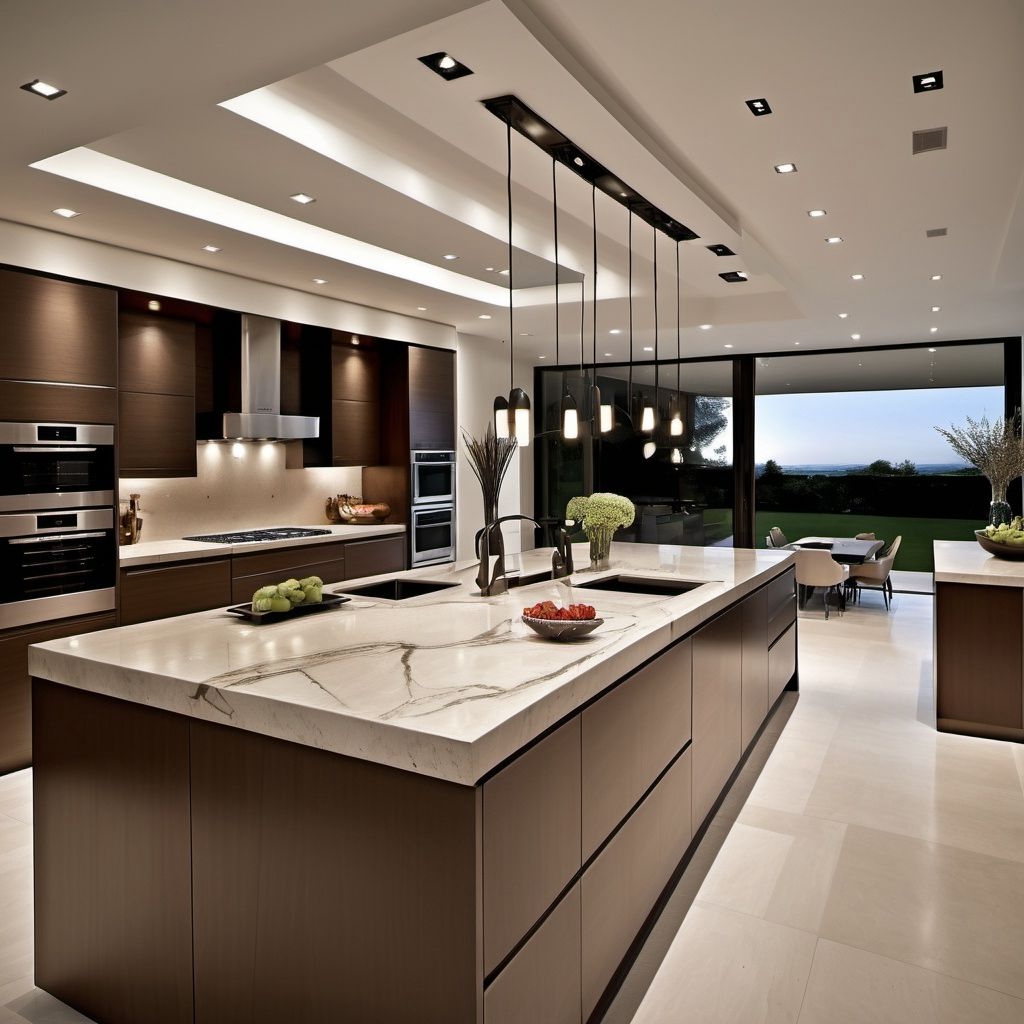
Every kitchen needs proper ventilation, but when it comes to modern exhaust hoods, the installation process can feel overwhelming. Whether you’re replacing an old system or installing one for the first time, understanding the ins and outs of proper installation makes all the difference. These essential tips will help you navigate the process with confidence.
Kitchen ventilation isn’t just about keeping smoke and odors out of your home. It’s about protecting your health, preserving your appliances, and maintaining a comfortable cooking environment. A well-installed exhaust hood can transform your kitchen experience. But what happens when you get it wrong? The result could be poor air quality, expensive repairs, or even safety hazards. That’s why knowing the right techniques matters more than ever. From measuring space to choosing the right mounting method, we’ll walk you through everything you need to know to install your modern kitchen exhaust hood correctly.
Understanding Different Types of Exhaust Hoods
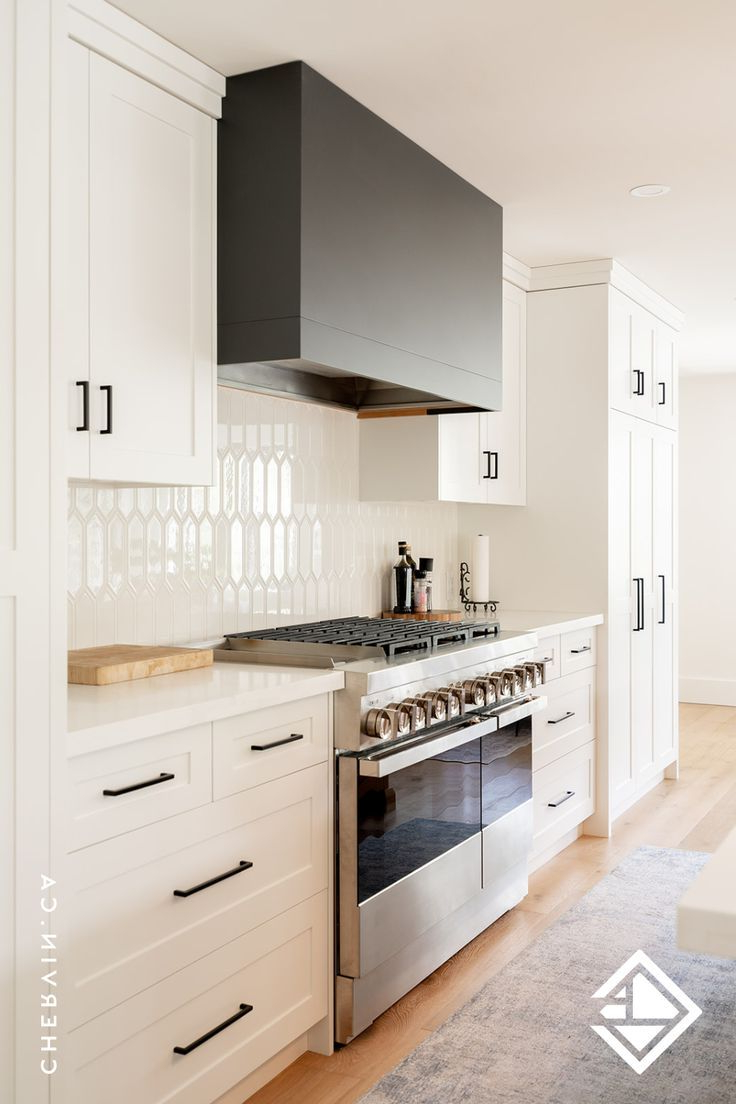
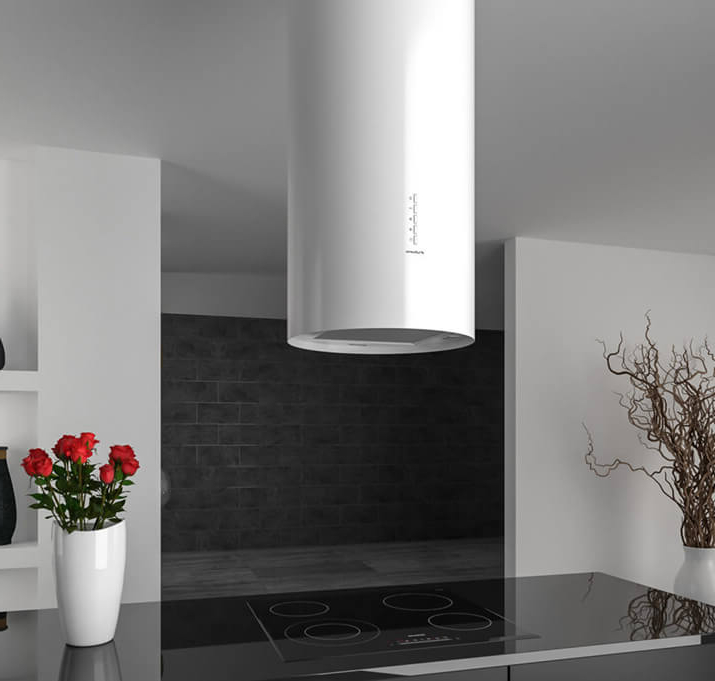
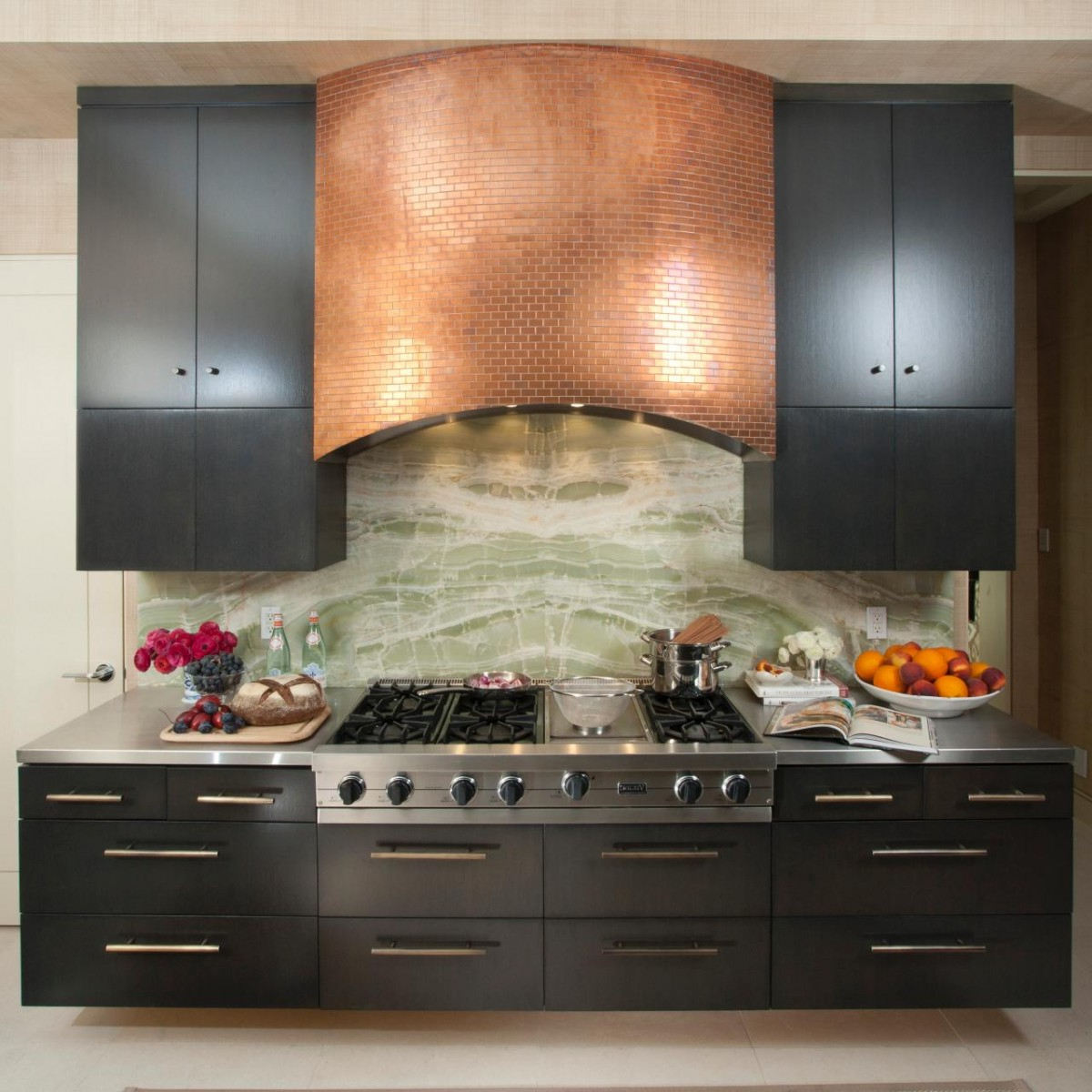
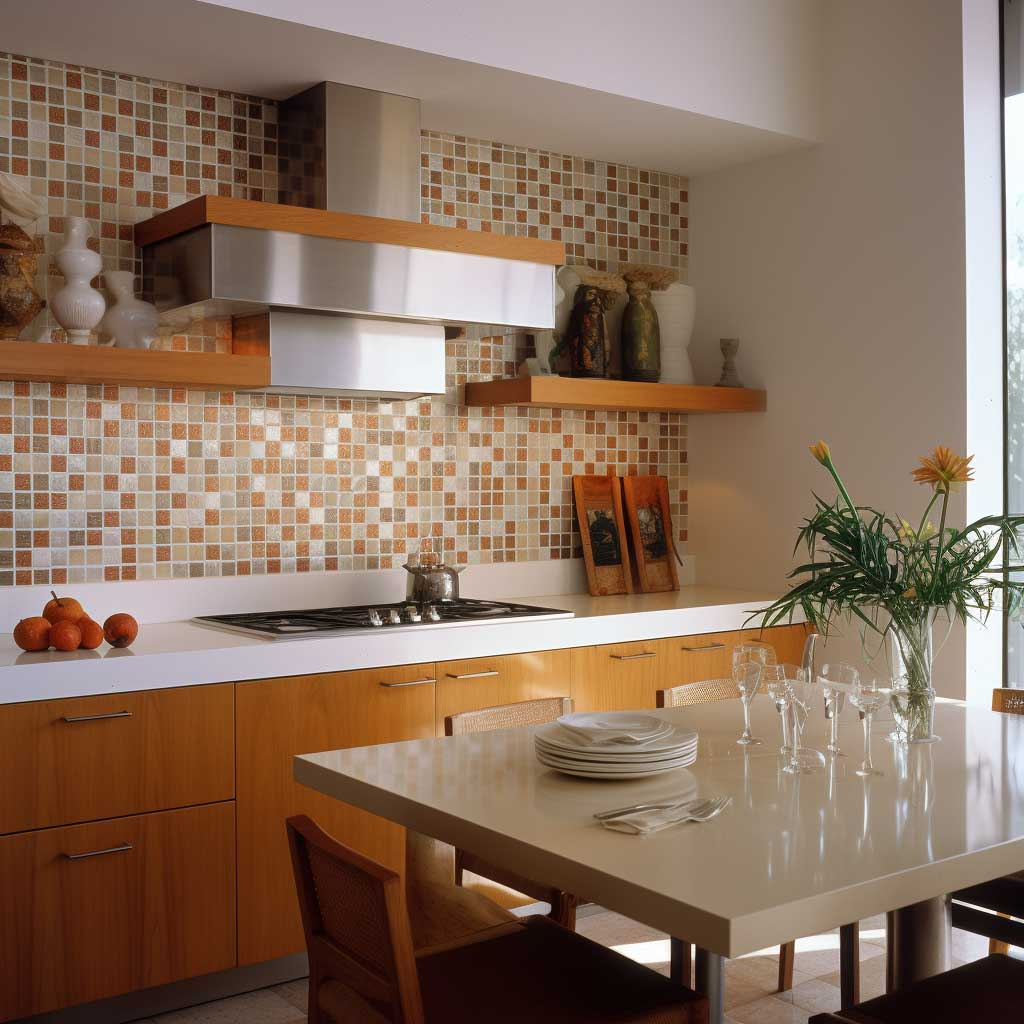
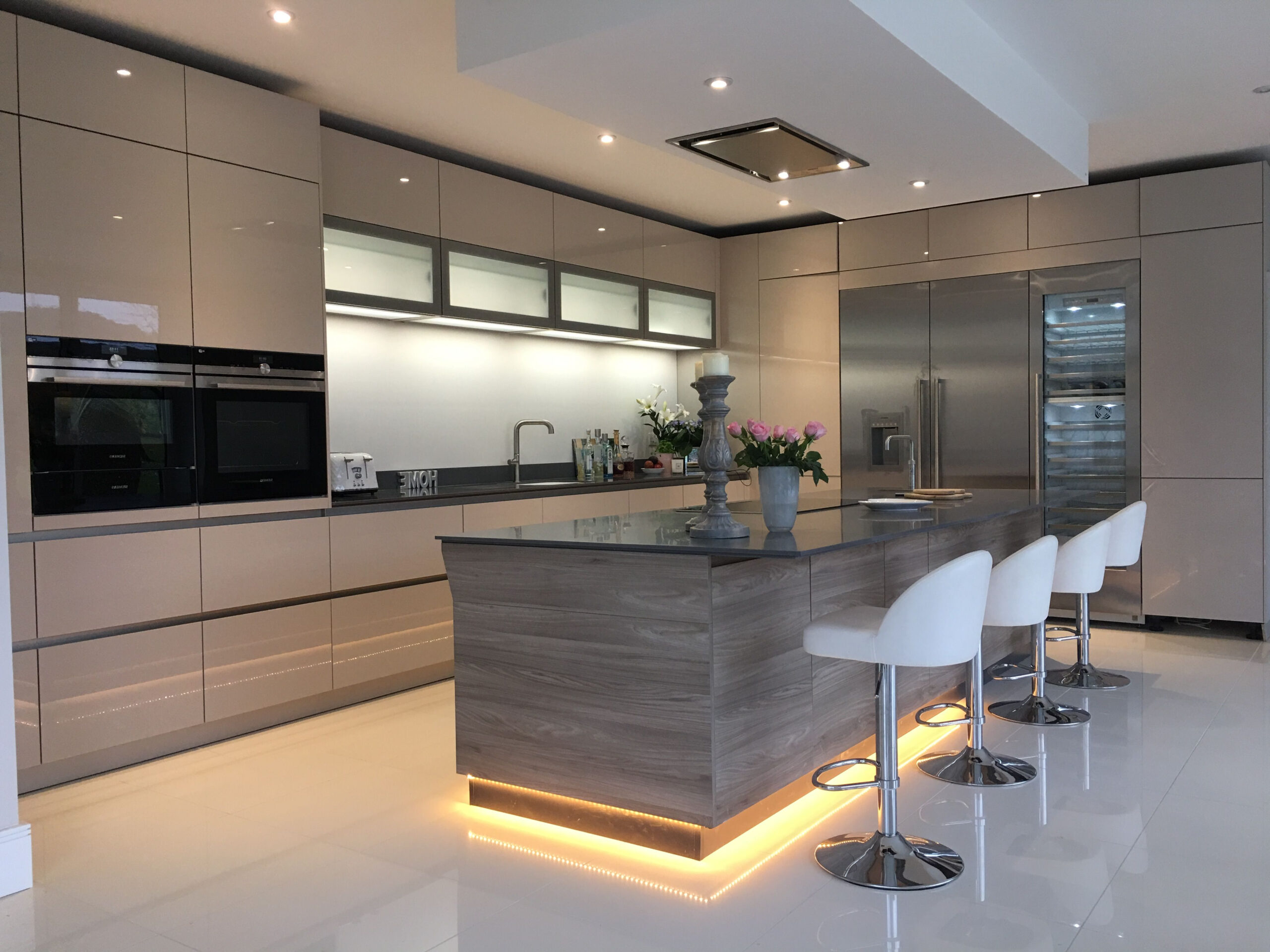
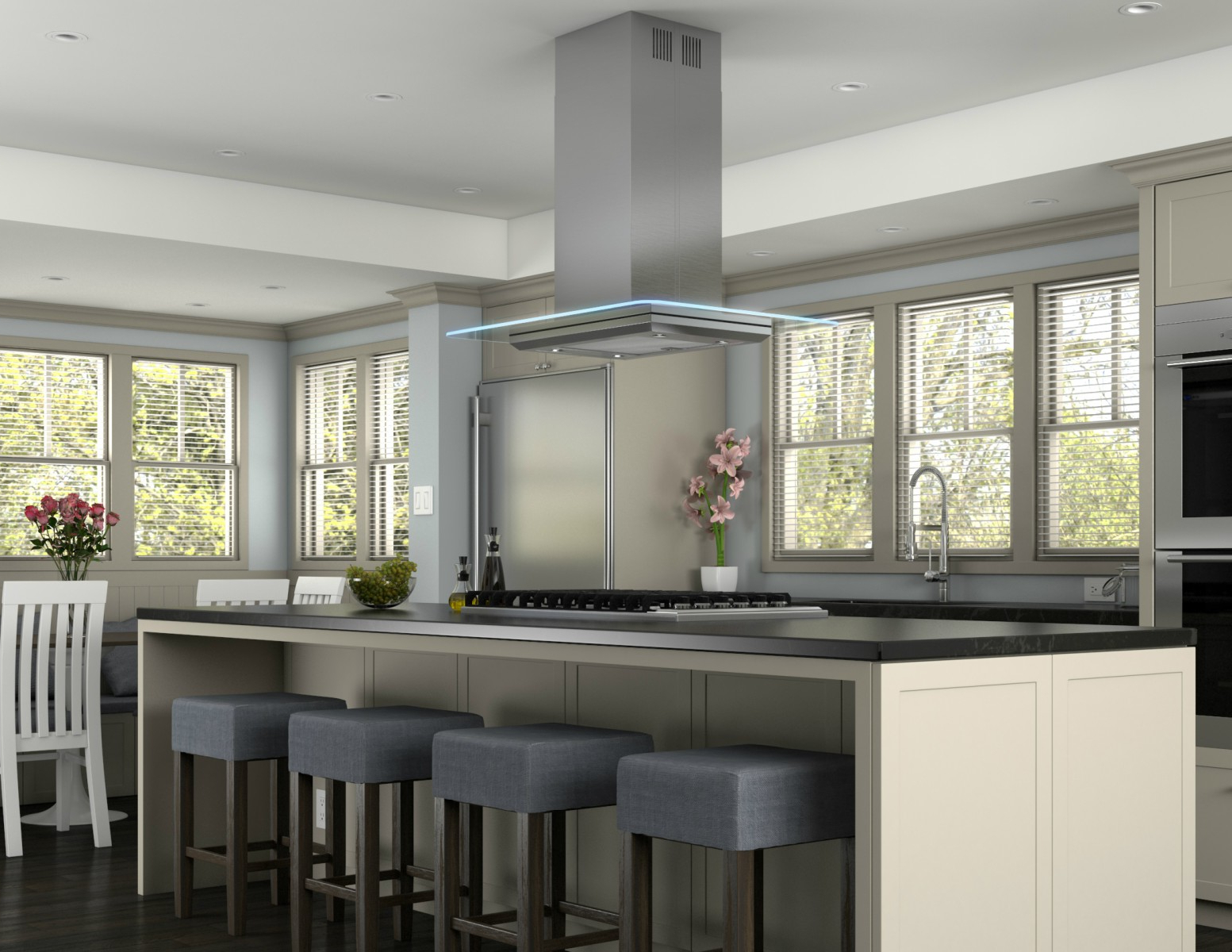
Before diving into installation, it’s important to know what options are available. There are three main types of kitchen exhaust hoods: range hoods, island hoods, and wall-mounted units. Range hoods sit above your stove and typically come in two varieties – canopy style and flush mount. Canopy hoods have a visible housing that extends outward from the wall, while flush mounts sit closer to the wall for a sleeker look. Island hoods are designed specifically for center islands and often feature a larger design to handle more airflow. Wall-mounted hoods work well when you want to keep things simple and clean looking. Each type has its own unique requirements for mounting and installation.
Measuring Your Space Accurately
Proper measurement is the foundation of successful installation. Start by taking detailed measurements of your kitchen area. Measure the width of your cooking surface, and add at least six inches on each side for adequate coverage. Most manufacturers recommend that the hood extend at least six inches beyond the edges of your cooktop. You’ll also need to measure the distance from your cooktop to the ceiling, as this determines the appropriate mounting height. For standard installations, the hood should hang between 24 and 30 inches above the cooking surface. Always double-check these dimensions before purchasing your hood to avoid costly mistakes later on.
Choosing the Right Mounting Method
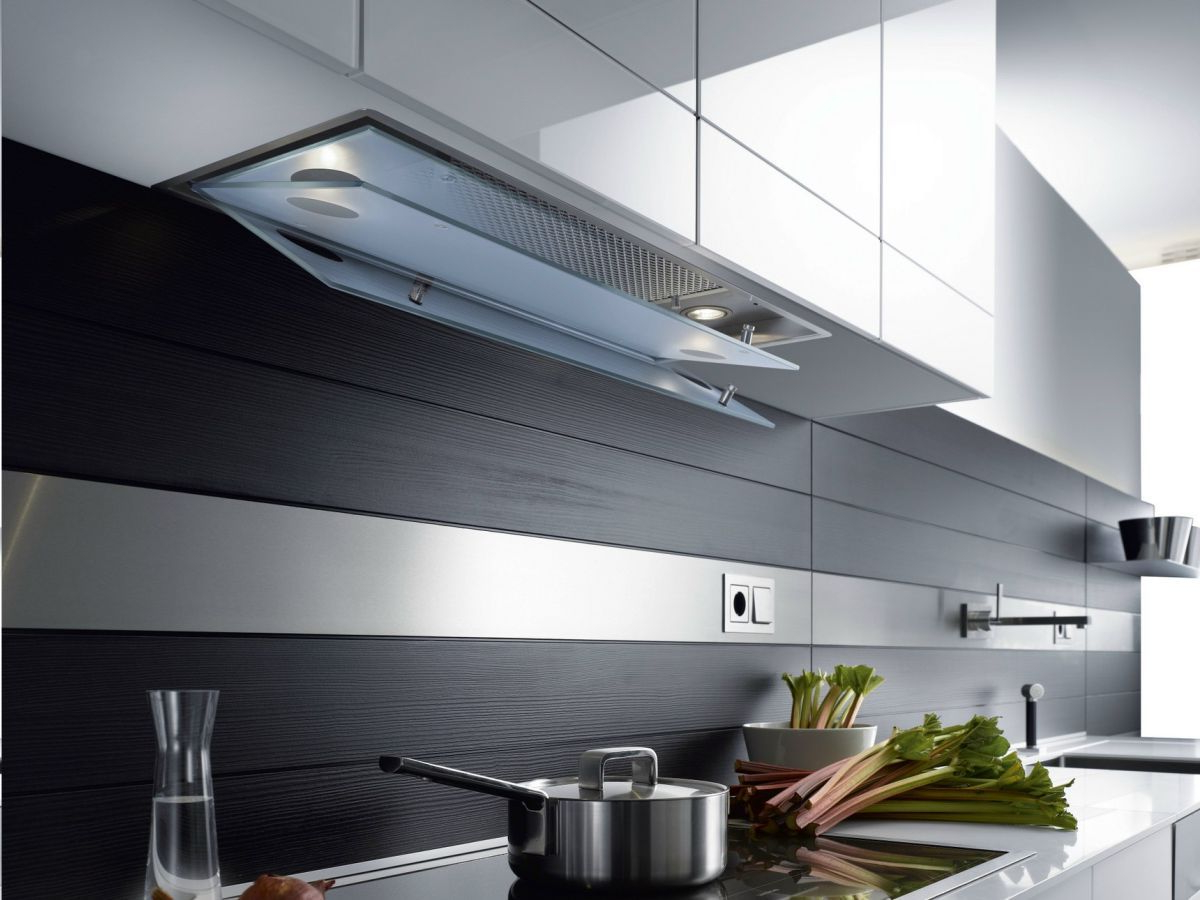
Mounting options vary depending on your kitchen setup and the type of hood you’ve chosen. Surface mounting is the most common approach, especially for newer installations. This method involves attaching brackets directly to the wall or cabinet above your stove. The key is ensuring your wall can support the weight of the hood and its components. If you’re working with drywall, consider reinforcing the area with additional studs. For built-in installations, you may need to cut into cabinets or walls to accommodate the unit properly. Some models offer concealed mounting, which allows you to hide the hood behind cabinetry for a seamless appearance. This option requires more precise planning and often means working with professionals.
Electrical Considerations and Wiring Basics
Most modern exhaust hoods require electrical connections, so it’s important to understand basic wiring principles. Check if your existing electrical setup can handle the hood’s power requirements. Many range hoods operate on 120-volt circuits, but some high-end models need 240-volt connections. Before beginning any electrical work, turn off the power at the circuit breaker to ensure safety. If you’re unsure about electrical work, it’s always wise to consult with a licensed electrician. The hood’s motor typically requires a dedicated circuit to prevent overloading. Some hoods include built-in lighting that also needs proper electrical connection. Following manufacturer instructions carefully helps avoid dangerous situations and ensures proper operation.
Ventilation Options and Ductwork Requirements
One of the most critical aspects of exhaust hood installation is proper ventilation. There are two main ventilation methods: recirculating and ducted systems. Recirculating hoods filter air through charcoal filters and return it to your kitchen, which works well in apartments or homes without exterior access. However, they’re less effective at removing grease and odors compared to ducted systems. Ducted hoods connect to an external vent, typically through the roof or wall, providing superior performance. When installing ducted systems, choose the shortest, straightest path possible to minimize resistance. The ductwork should be rigid metal rather than flexible plastic to ensure efficient airflow. Proper sizing of ducts is crucial – undersized ducts reduce effectiveness significantly.
Installation Steps and Common Mistakes to Avoid
The actual installation process involves several key steps. First, remove your old hood if applicable and check the mounting hardware. Next, position the new hood according to your measurements and secure it with appropriate fasteners. Connect the electrical wires following the manufacturer’s specifications. Install the ductwork if required, ensuring all connections are tight and sealed properly. Test the hood thoroughly before finalizing the installation. Common mistakes include improper mounting heights, incorrect electrical connections, and failing to seal duct joints properly. Another frequent error is choosing a hood that’s too small for the cooking area. Remember that a hood must be powerful enough to handle your typical cooking load. Don’t rush the process – take time to ensure everything is aligned correctly and securely fastened.
Installing a modern kitchen exhaust hood might seem daunting, but with careful preparation and attention to detail, anyone can do it successfully. Remember that proper ventilation protects both your health and your home’s integrity. Taking the time to measure accurately, understand electrical needs, and choose the right ventilation method pays dividends in comfort and performance. Whether you tackle the project yourself or bring in professional help, these fundamentals remain the same. A well-installed hood becomes a silent guardian of your kitchen, ensuring fresh air and efficient cooking for years to come. Don’t let a poorly installed system become a source of frustration – invest the time upfront to get it right.
[sps_html tag=”img” src=”https://roofdrivein.com/wp-content/uploads/2026/01/4-types-of-kitchen-range-hoods-to-transform-your-kitchen-throughout-modern-kitchen-exhaust-hood-installation-tips-every-homeowner-should-know.jpg” alt=”4 Types Of Kitchen Range Hoods To Transform Your Kitchen throughout Modern kitchen exhaust hood installation tips every homeowner should know” style=”width: 100%; height: auto;”]
[sps_html tag=”img” src=”https://roofdrivein.com/wp-content/uploads/2026/01/modern-kitchen-hood-artofit-pertaining-to-modern-kitchen-exhaust-hood-installation-tips-every-homeowner-should-know.jpg” alt=”Modern Kitchen Hood – Artofit pertaining to Modern kitchen exhaust hood installation tips every homeowner should know” style=”width: 100%; height: auto;”]
[sps_html tag=”img” src=”https://roofdrivein.com/wp-content/uploads/2026/01/5-stylish-hoods-for-modern-kitchens-pertaining-to-modern-kitchen-exhaust-hood.jpg” alt=”5 Stylish Hoods For Modern Kitchens pertaining to Modern Kitchen Exhaust Hood” style=”width: 100%; height: auto;”]
[sps_html tag=”img” src=”https://roofdrivein.com/wp-content/uploads/2026/01/15-kitchen-hood-design-ideas-that-will-capture-your-gaze-with-photos-in-modern-kitchen-exhaust-hood-installation-tips-every-homeowner-should-know.jpg” alt=”15 Kitchen Hood Design Ideas That Will Capture Your Gaze (With Photos!) in Modern kitchen exhaust hood installation tips every homeowner should know” style=”width: 100%; height: auto;”]
[sps_html tag=”img” src=”https://roofdrivein.com/wp-content/uploads/2026/01/transform-your-kitchen-with-modern-and-artistic-range-hoods-inside-modern-kitchen-exhaust-hood-installation-tips-every-homeowner-should-know.jpg” alt=”Transform Your Kitchen With Modern And Artistic Range Hoods inside Modern kitchen exhaust hood installation tips every homeowner should know” style=”width: 100%; height: auto;”]