Imagine walking into a kitchen that feels spacious despite its compact size. What if every inch was thoughtfully designed to serve multiple purposes? This isn’t just wishful thinking – it’s achievable with the right modern kitchen design trends. Whether you’re living in a studio apartment, a tiny house, or simply have limited square footage, these strategies will transform your cooking area into a functional masterpiece.
Small kitchens don’t have to mean sacrificing style or functionality. In fact, they often inspire creativity and innovation in ways larger spaces never could. The key lies in understanding what works and what doesn’t when working within tight constraints. Today’s modern kitchen design focuses heavily on maximizing space while maintaining aesthetic appeal. It’s about smart choices rather than bigger purchases. Think of it like solving a puzzle where every piece matters and fits perfectly. The beauty of contemporary small kitchen design is that it’s not just about fitting more stuff in less space – it’s about creating a seamless flow between form and function.
Multi-Purpose Storage Solutions
One of the biggest challenges in small kitchens is finding storage without overwhelming the space. The solution lies in thinking beyond traditional cabinets and drawers. Consider pull-out pantry systems that make the most of vertical space. These aren’t just for storing food – they can hold cleaning supplies, utensils, or even seasonal items. Over-the-range microwaves are another smart choice that saves counter space while serving dual purposes. Built-in wine racks tucked into cabinet spaces provide both storage and visual interest. Floating shelves create the illusion of more space while offering easy access to frequently used items. The key is choosing storage solutions that work hard for you rather than taking up valuable room.
Lighting That Makes Everything Look Bigger
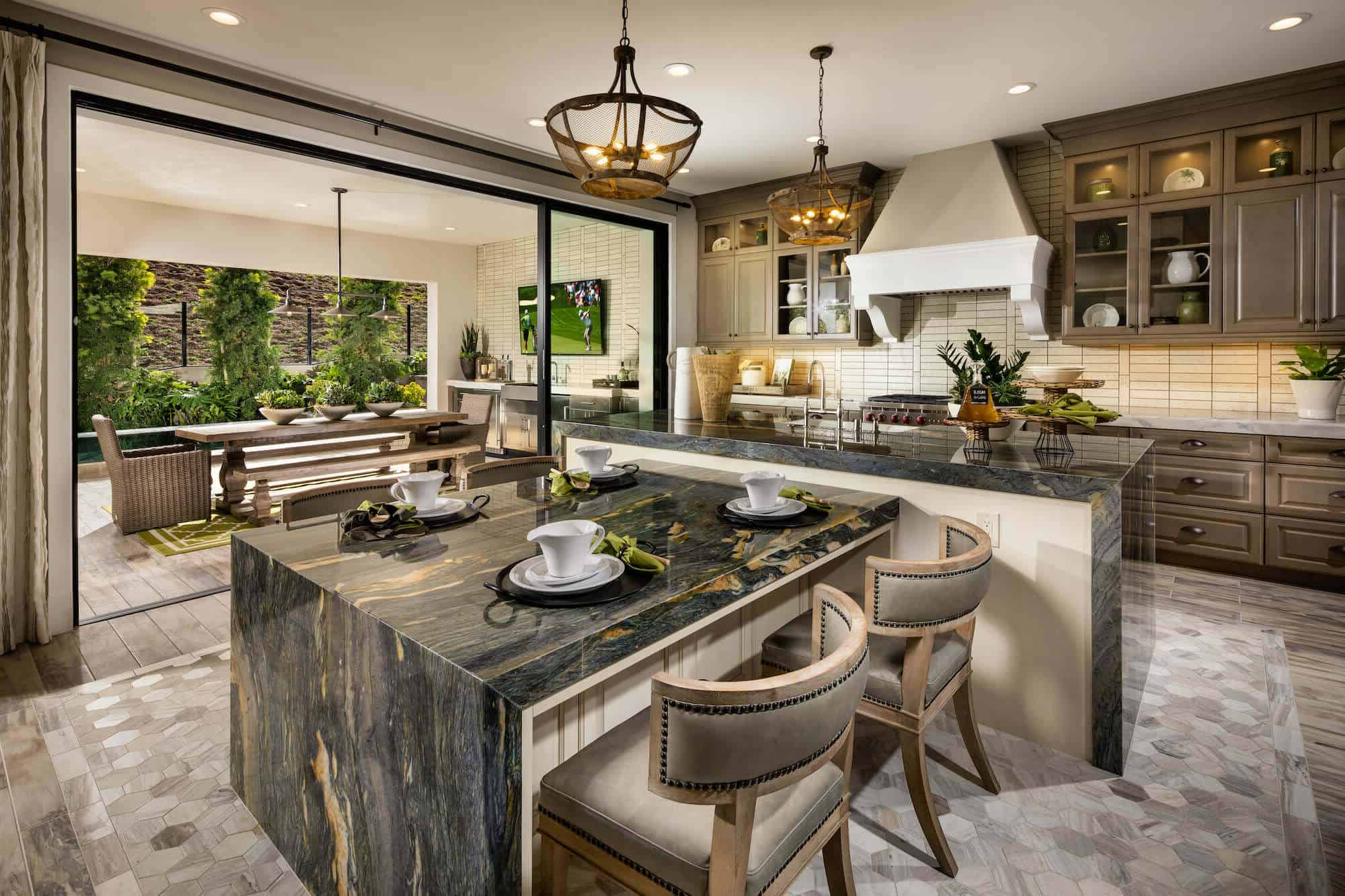
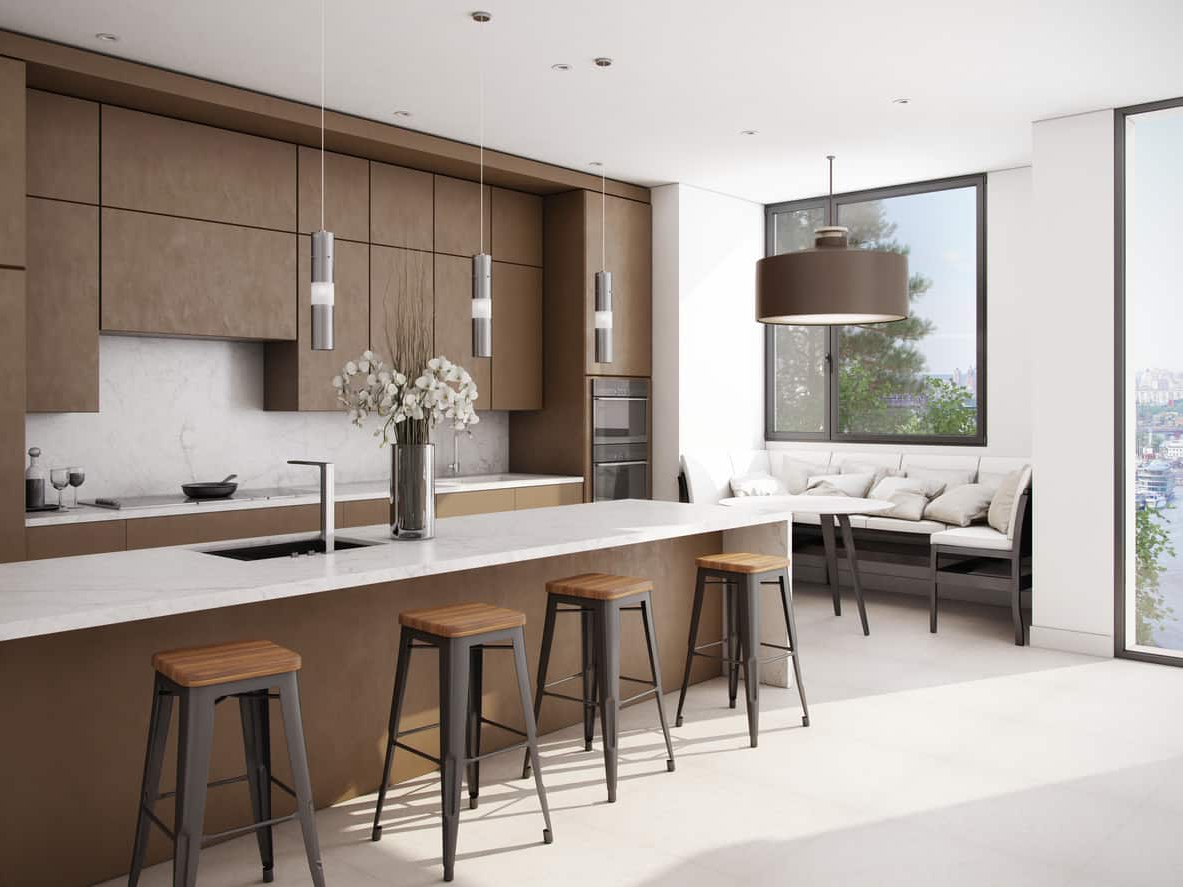
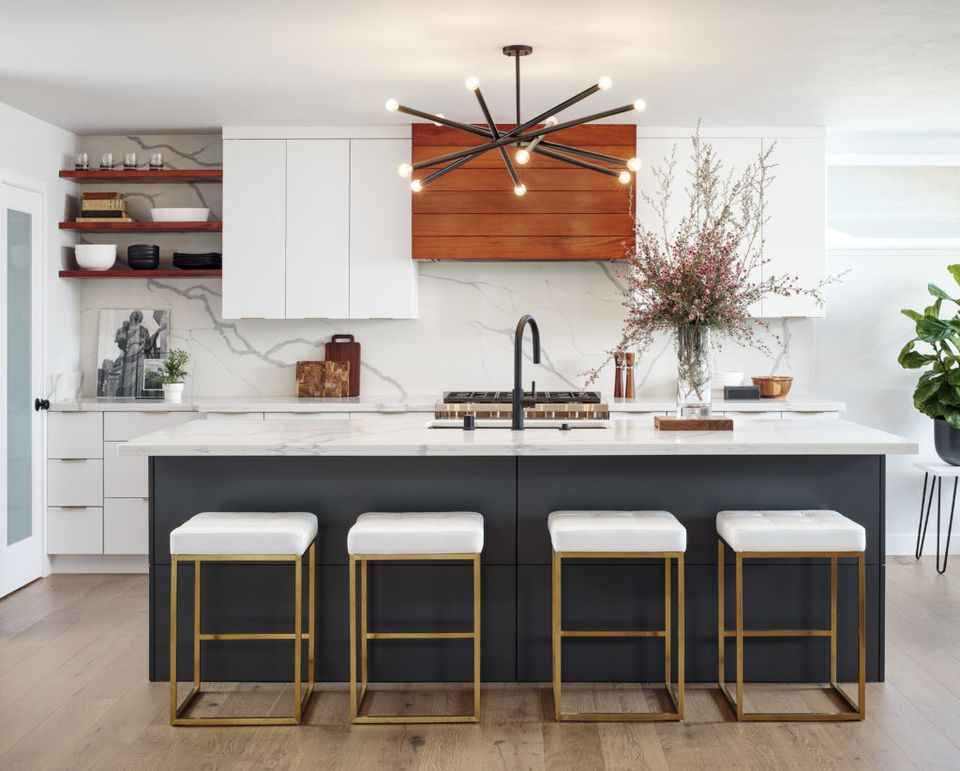
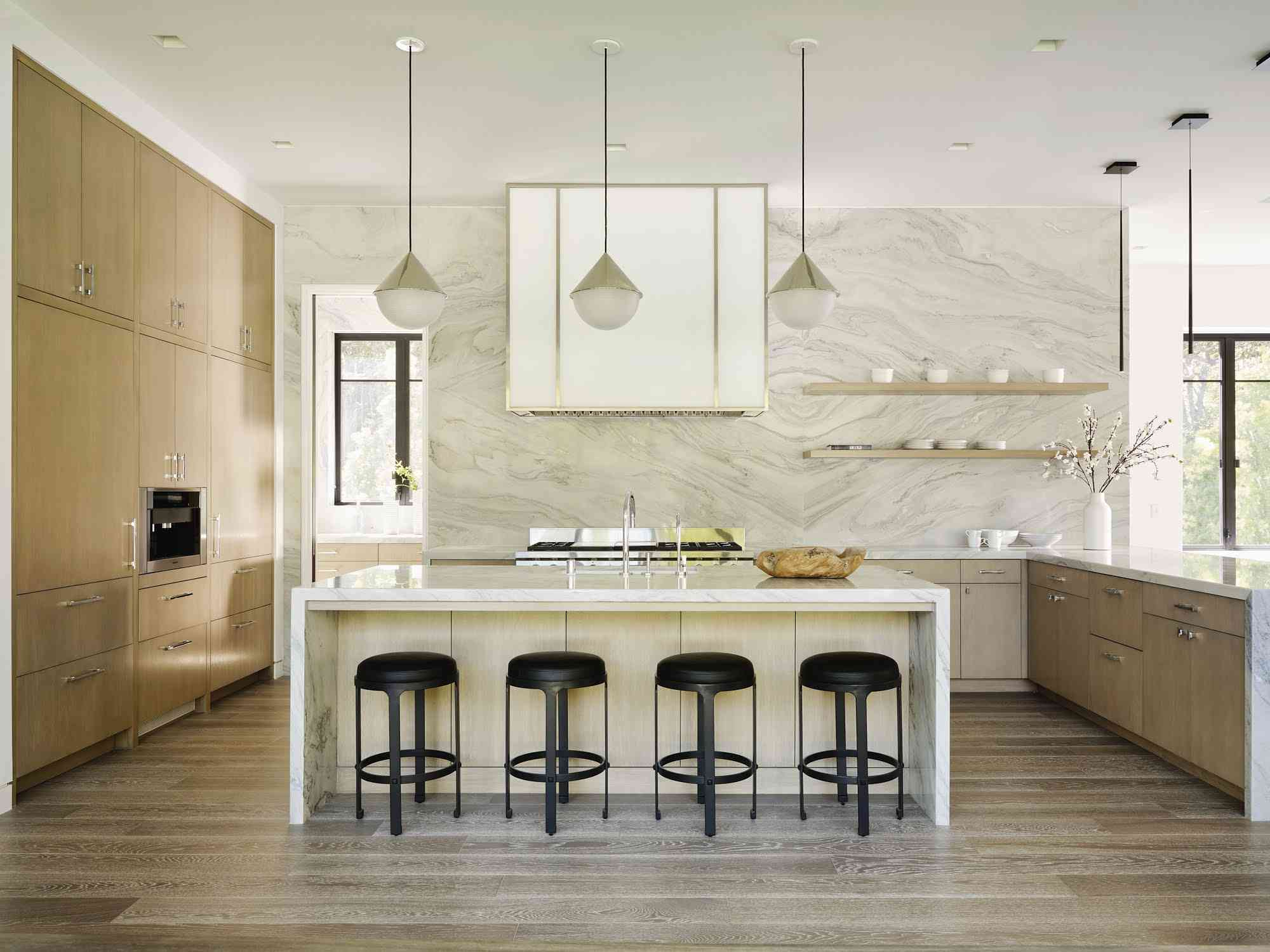
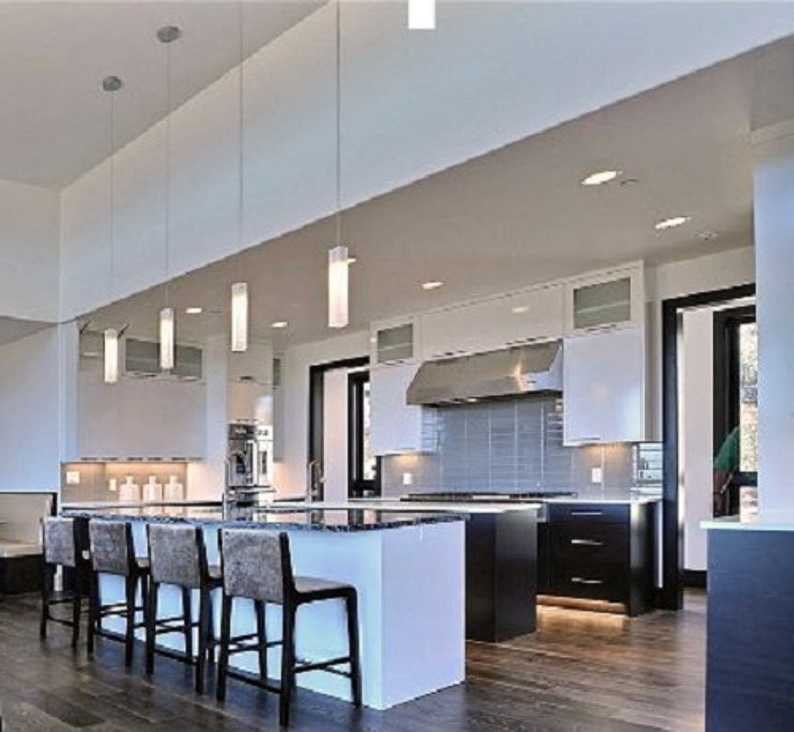
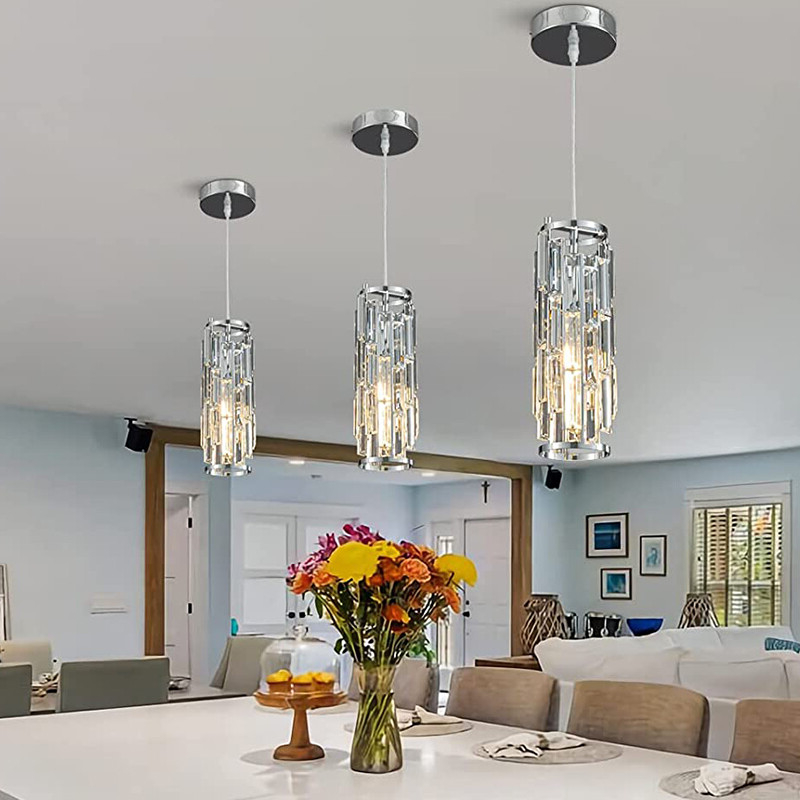
Proper lighting can completely change how a small kitchen feels. Natural light is always preferred, but that’s not always possible. When that happens, layered lighting becomes essential. Under-cabinet LED strips brighten work areas and eliminate shadows during meal prep. Pendant lights above islands or dining areas add focal points without blocking movement. Dimmer switches allow you to adjust the mood throughout the day. Consider using lighter colors for cabinetry and walls to reflect more light. The strategic placement of lights creates depth and makes spaces feel less cramped. Sometimes, a single well-placed light source can make an entire room seem twice its actual size.
Smart Countertop Choices
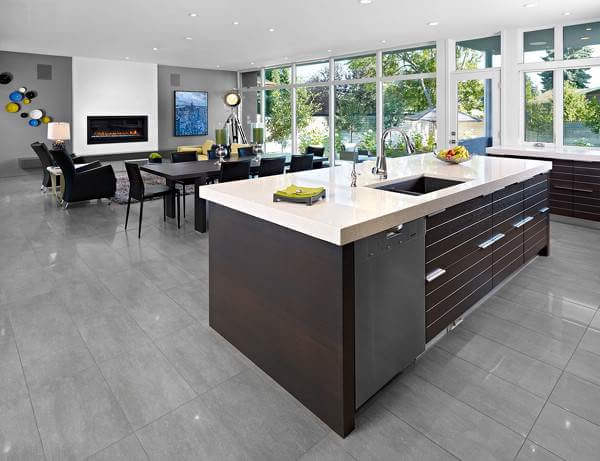
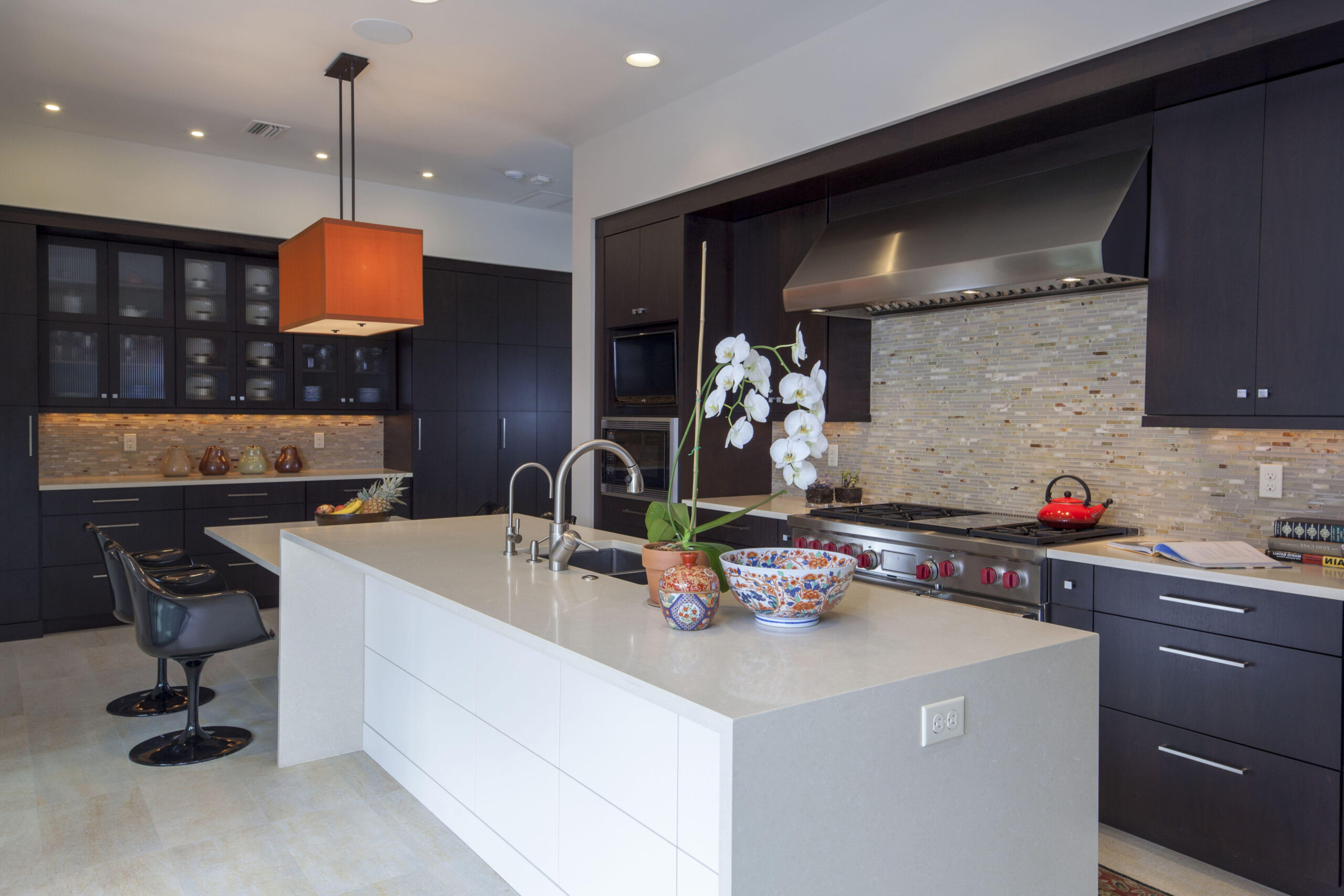
Countertops play a crucial role in small kitchen design. They’re not just surfaces for preparing food – they’re part of the overall aesthetic and functionality. Quartz countertops offer durability and low maintenance, making them ideal for busy households. They come in countless patterns and colors that can make a small space feel more expansive. Stainless steel backsplashes add a modern touch while being easy to clean. Glass tile backsplashes can create visual interest without adding bulk. For truly compact spaces, consider using the same countertop material for island and main surface to create continuity. The goal is to minimize visual breaks and maximize cohesive design elements that draw the eye outward.
Vertical Thinking for Maximum Efficiency
In small kitchens, every inch counts – including height. Vertical storage solutions take advantage of unused ceiling space. Tall pantry units reach toward the ceiling, storing items that might otherwise clutter countertops. Wall-mounted spice racks and utensil holders keep essentials within reach while freeing up drawer space. Open shelving in the upper levels allows for easy access to frequently used items. The trick is to organize vertically while maintaining easy accessibility. Install shelves at eye level for the most commonly used items. Keep heavier items lower for safety reasons. Vertical design creates a sense of upward movement that makes ceilings appear higher and rooms feel less confining.
Color Psychology in Compact Spaces
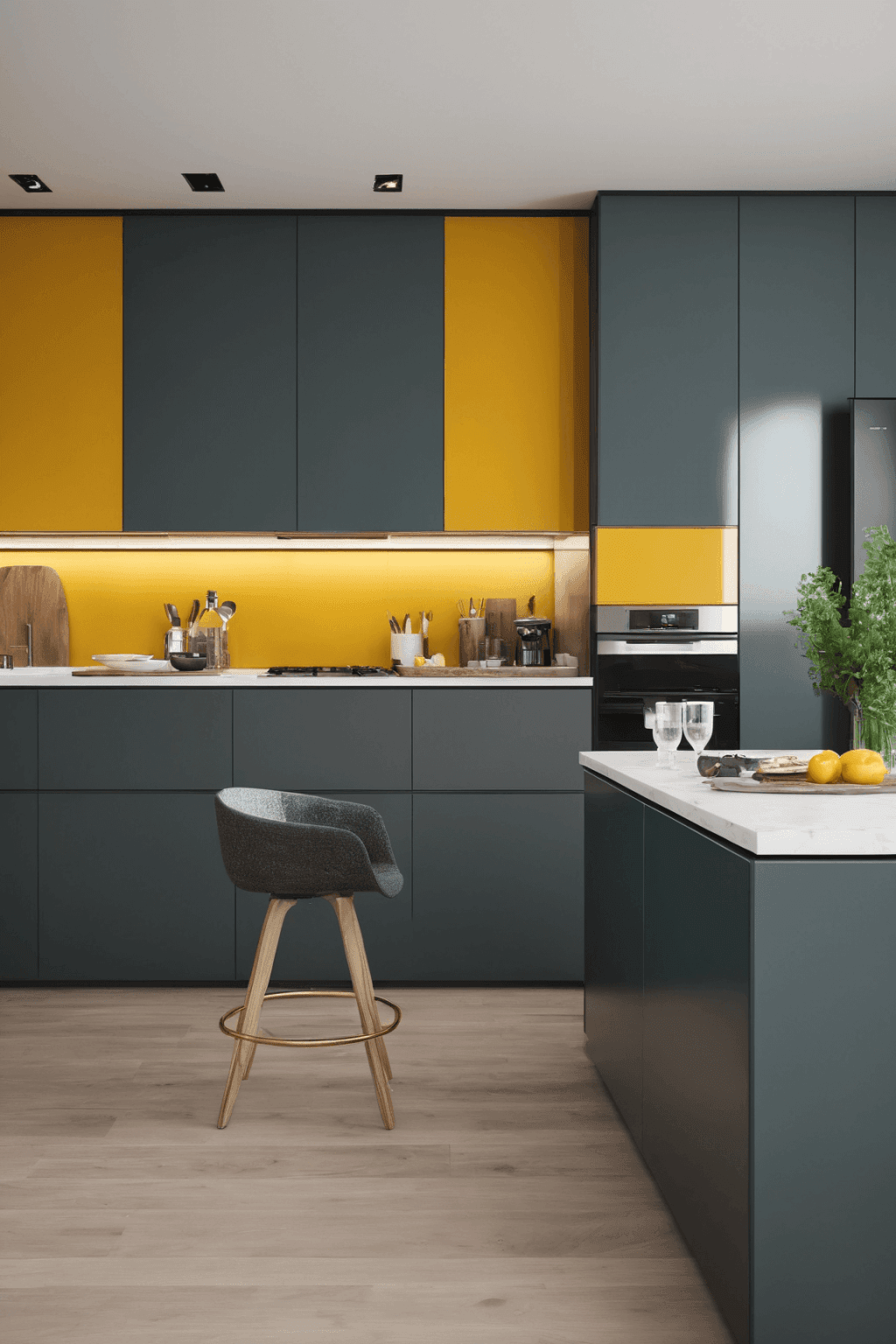
The colors you choose in a small kitchen can dramatically affect how spacious it feels. Light colors – whites, creams, soft grays – naturally make spaces appear larger. They reflect light and create an airy feeling that’s particularly important in smaller rooms. Accent colors can add personality without overwhelming the space. A pop of blue or green on a backsplash can energize the area while maintaining visual balance. Consider using the same color palette throughout the kitchen for a unified look. Darker colors should be used sparingly and strategically – perhaps as a bold accent wall or for small decorative elements. The psychological impact of color cannot be understated when trying to make small spaces feel more open.
Functional Furniture That Fits Any Size
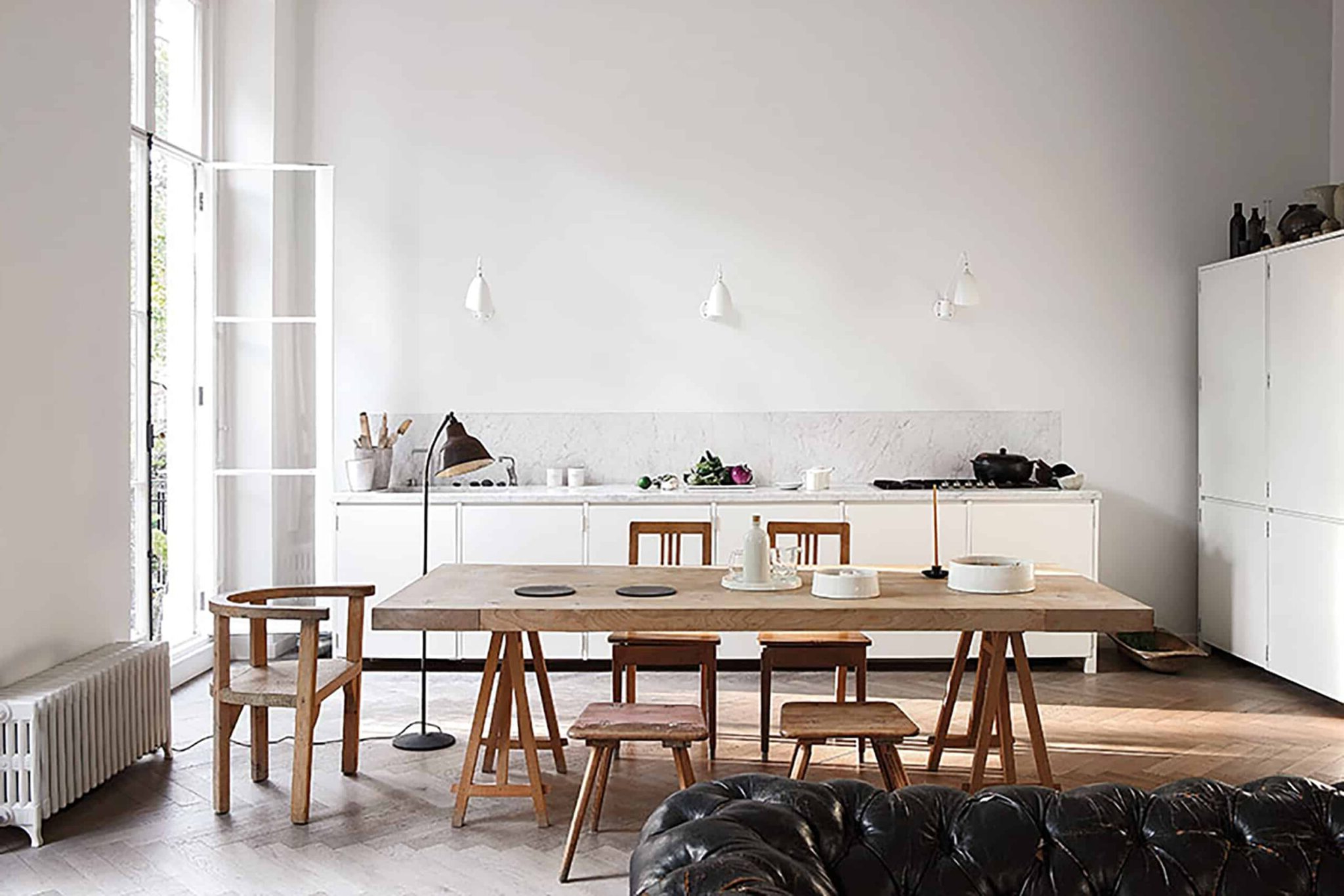
Sometimes the best design solution is simply choosing furniture that works with your space rather than against it. Kitchen islands with storage underneath provide additional workspace and organization. They can double as dining areas or casual seating. Fold-down tables offer flexibility for entertaining guests without permanent fixtures. Bar-height seating with storage underneath maximizes seating options while keeping things tidy. Consider stools that can be tucked away when not in use. Even simple changes like replacing bulky chairs with sleeker alternatives can make a significant difference. The goal is selecting pieces that enhance the space rather than fill it unnecessarily.
Designing a modern kitchen in a small space isn’t about doing less – it’s about doing better. Every element, from lighting to storage to color choices, should work together to create a harmonious environment. The trends discussed here aren’t just passing fads – they represent fundamental shifts in how we think about compact living. When you approach small kitchen design with intentionality and creativity, you’ll find that limitations often spark the most innovative solutions. Remember, a well-designed small kitchen can actually feel more comfortable and functional than a poorly planned larger one. The secret is understanding that less can indeed be more – especially when everything has a purpose and a place.
[sps_html tag=”img” src=”https://roofdrivein.com/wp-content/uploads/2026/01/styles-101-modern-contemporary-kitchens-for-kitchen-ideas-contemporary-scaled.jpg” alt=”Styles 101: Modern & Contemporary Kitchens for Kitchen Ideas Contemporary” style=”width: 100%; height: auto;”]
[sps_html tag=”img” src=”https://roofdrivein.com/wp-content/uploads/2026/01/60-modern-kitchen-design-ideas-photos-home-stratosphere-within-modern-kitchen-design-trends-that-actually-work-in-small-spaces.jpg” alt=”60 Modern Kitchen Design Ideas (Photos) - Home Stratosphere within Modern Kitchen Design Trends That Actually Work in Small Spaces” style=”width: 100%; height: auto;”]
[sps_html tag=”img” src=”https://roofdrivein.com/wp-content/uploads/2026/01/41-polished-modern-kitchen-design-ideas-to-consider-with-modern-kitchen-design-trends-that-actually-work-in-small-spaces.jpg” alt=”41 Polished Modern Kitchen Design Ideas To Consider with Modern Kitchen Design Trends That Actually Work in Small Spaces” style=”width: 100%; height: auto;”]
[sps_html tag=”img” src=”https://roofdrivein.com/wp-content/uploads/2026/01/20-modern-beautiful-kitchen-design-ideas-the-architecture-designs-with-kitchen-ideas-contemporary.jpg” alt=”20+ Modern & Beautiful Kitchen Design Ideas - The Architecture Designs with Kitchen Ideas Contemporary” style=”width: 100%; height: auto;”]
[sps_html tag=”img” src=”https://roofdrivein.com/wp-content/uploads/2026/01/25-contemporary-kitchens-pertaining-to-kitchen-ideas-contemporary.jpg” alt=”25 Contemporary Kitchens pertaining to Kitchen Ideas Contemporary” style=”width: 100%; height: auto;”]