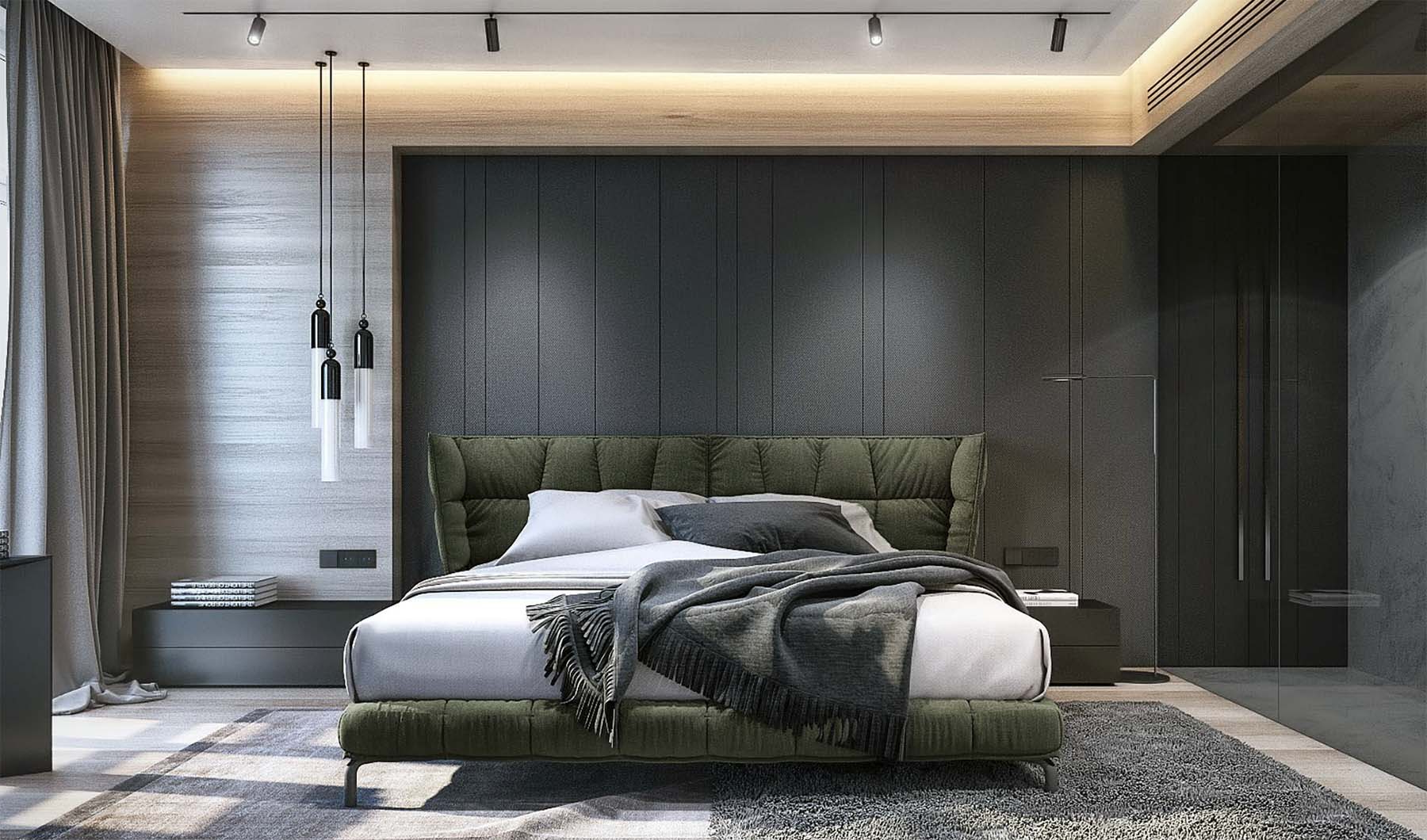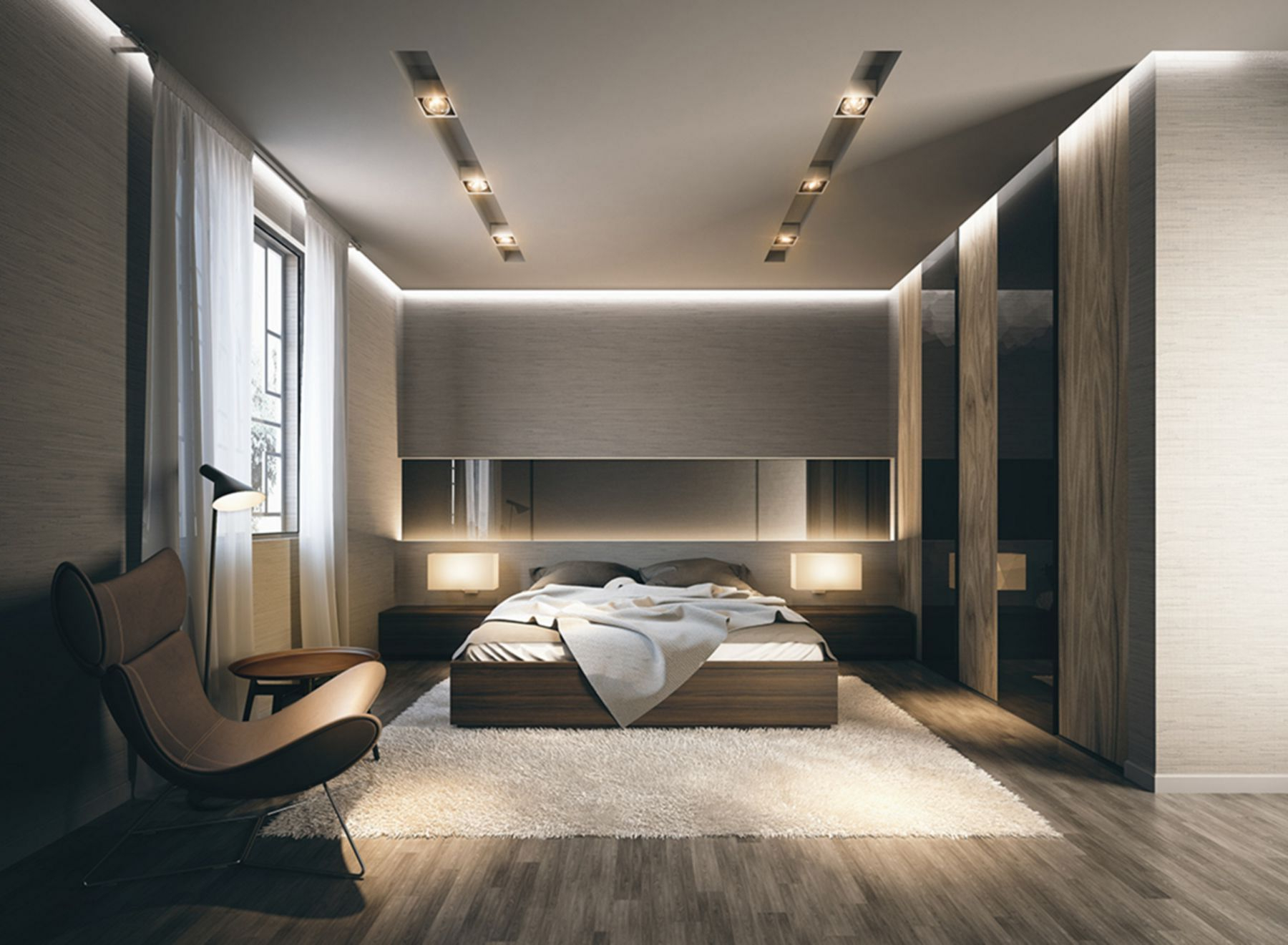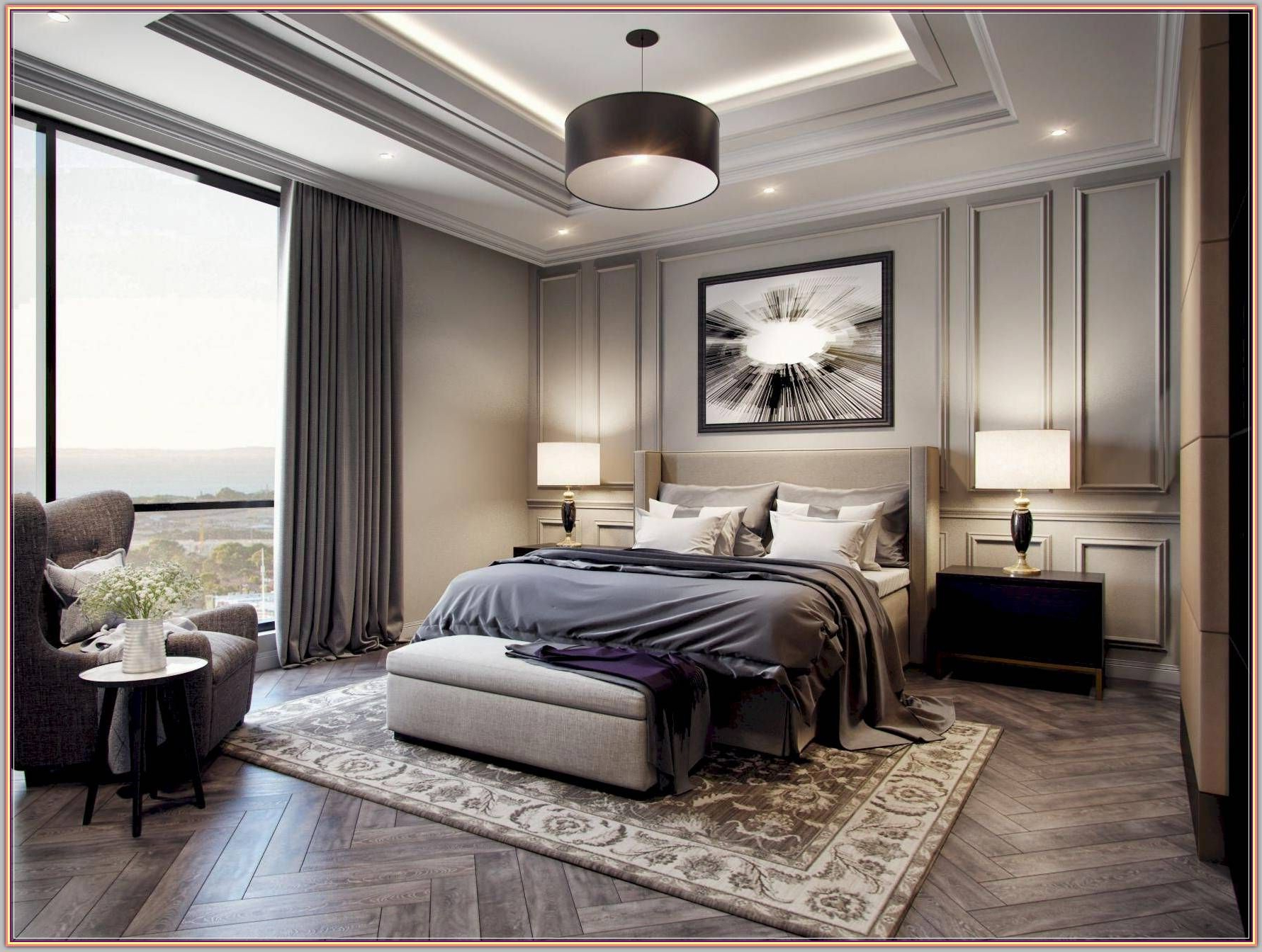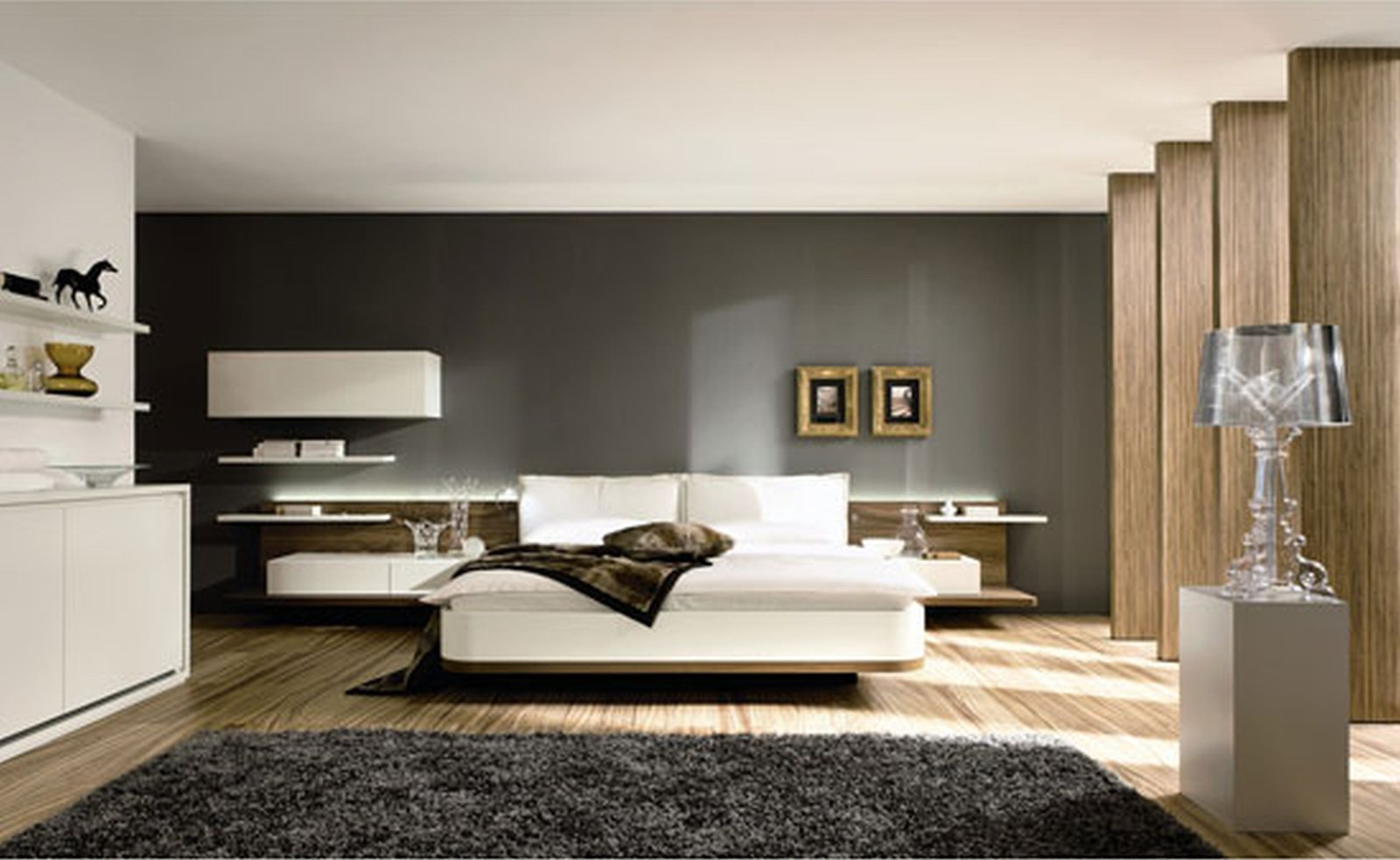
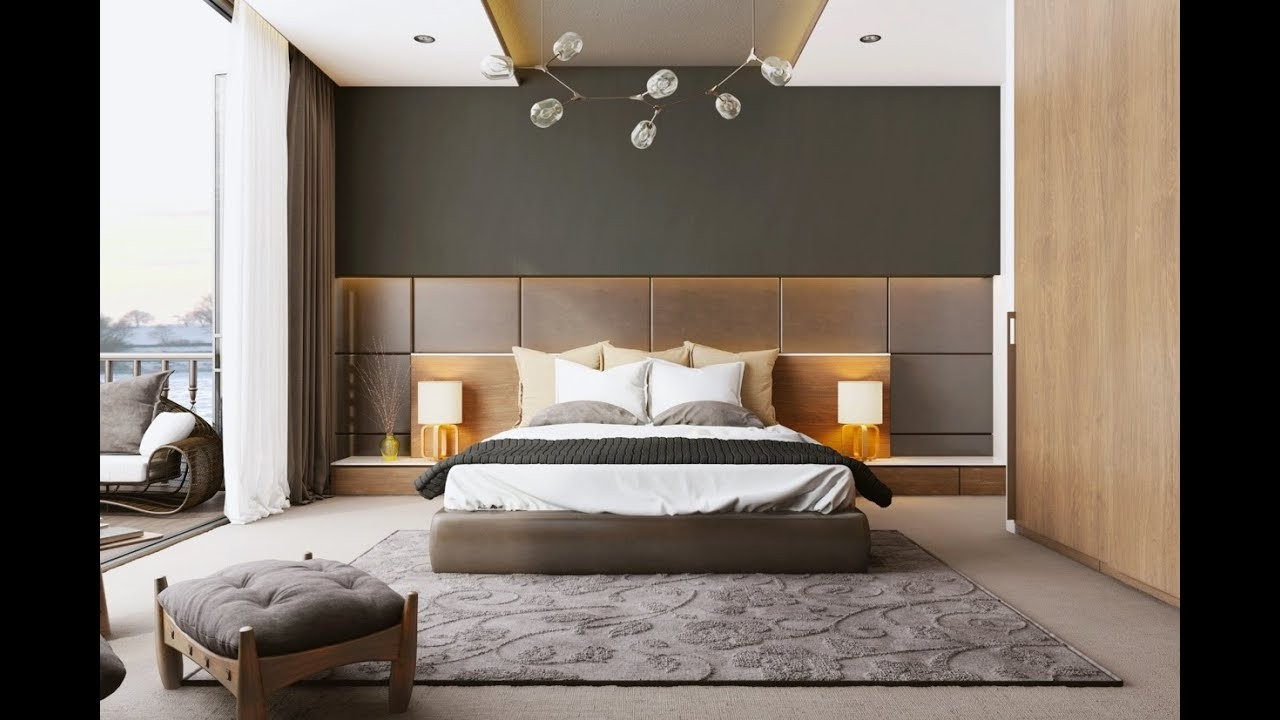
Small bedrooms don’t have to mean sacrificing style or functionality. With thoughtful planning and creative solutions, even the tiniest sleeping quarters can become a serene retreat that feels both spacious and sophisticated. The key lies in understanding how to work with constraints rather than against them.
Let’s face it – many of us live in spaces that don’t offer much room to spare. Whether you’re renting a studio apartment, working with a tiny house, or simply have a compact bedroom, the challenge remains the same: how do we create a space that feels both modern and functional? The good news is that today’s design landscape offers plenty of innovative solutions. We’re talking about smart storage, clever layouts, and stylish choices that make every inch count. It’s not about making things smaller – it’s about making them smarter.
Maximizing Vertical Space
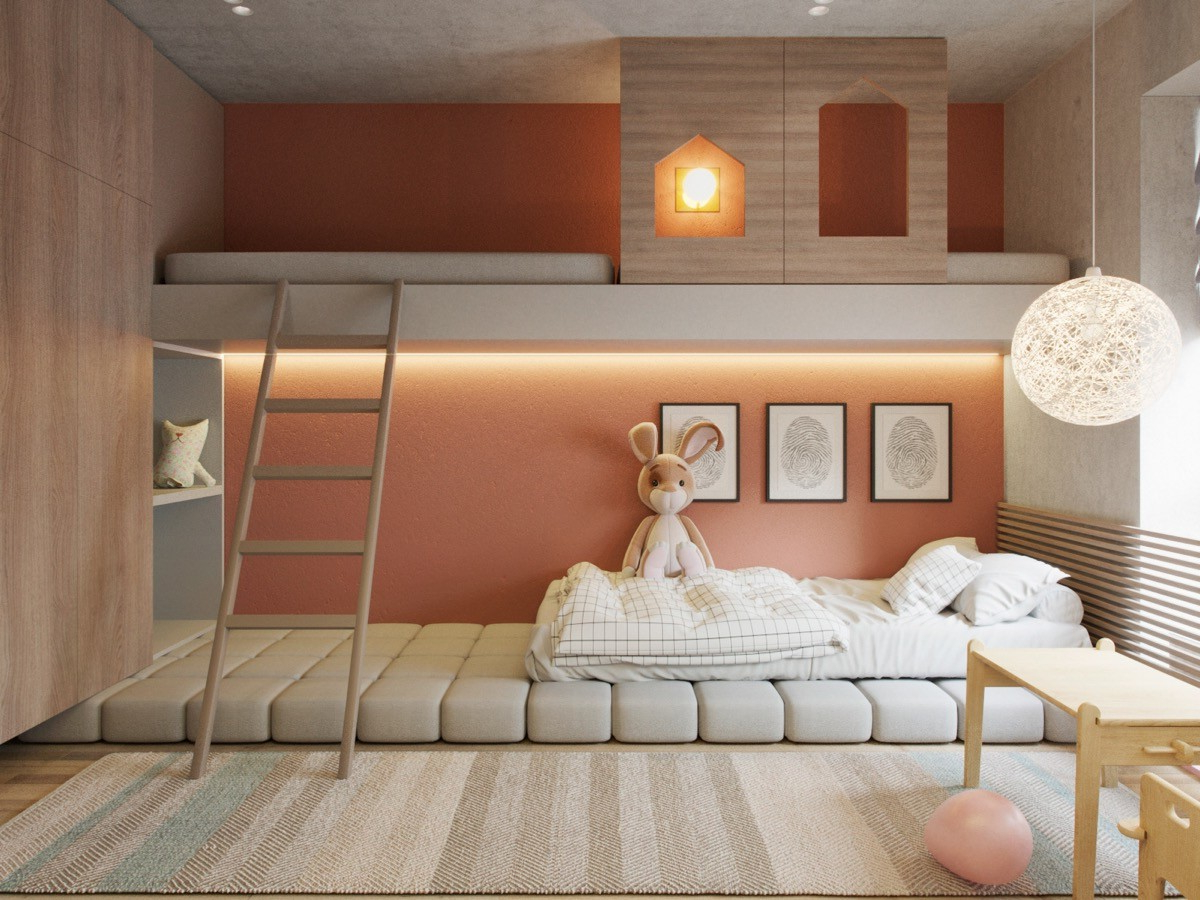
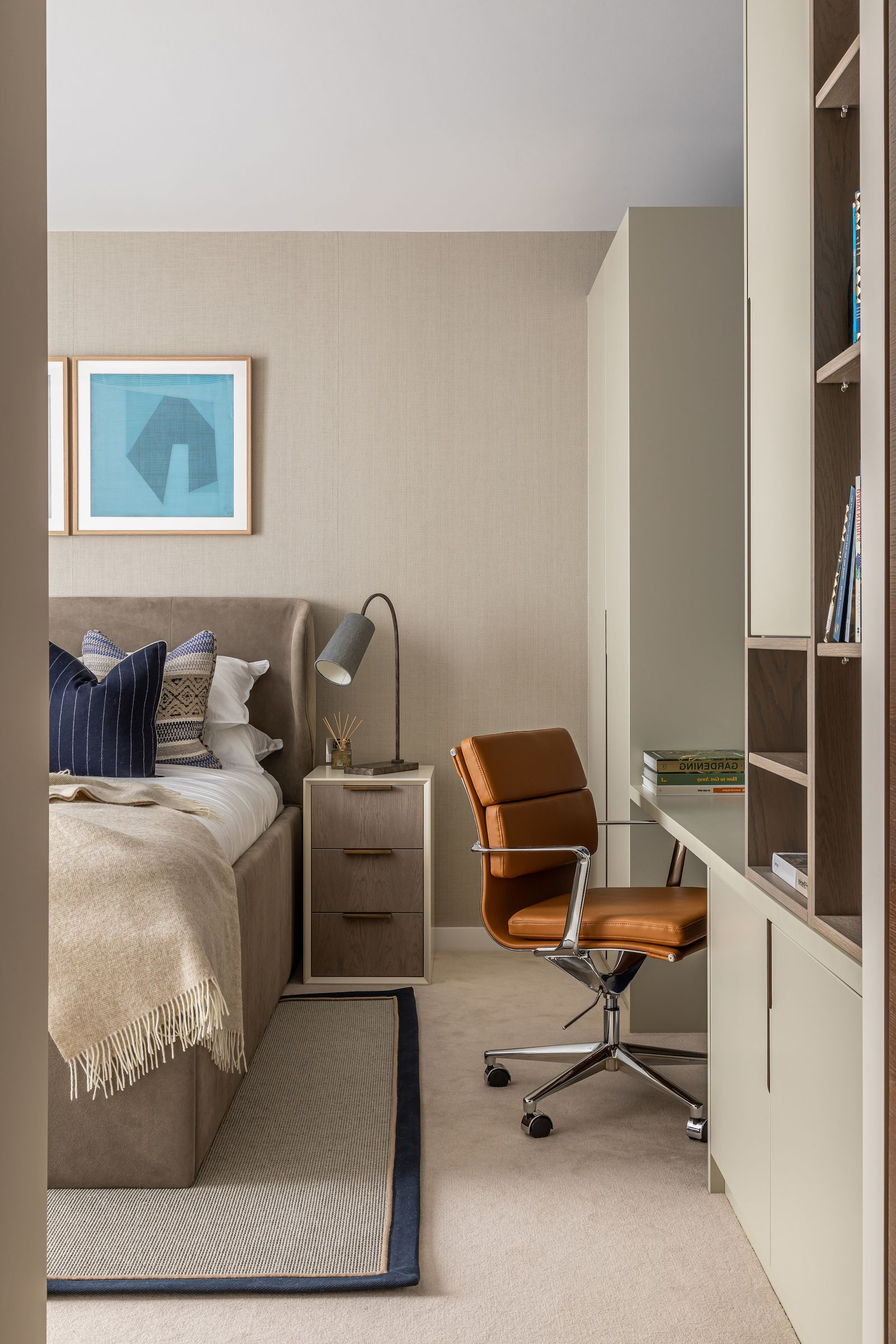
Vertical thinking is crucial when designing small bedrooms. The walls around us often go unused, but they hold tremendous potential for storage and style. Consider installing floating shelves that reach toward the ceiling – they add visual height while providing surfaces for books, plants, or decorative items. Built-in wardrobes that extend to the ceiling are another game-changer. These aren’t just storage solutions; they’re architectural elements that define the room’s character.
The trick isn’t just about stacking things upward – it’s about creating layers of function. Think about incorporating a tall dresser with multiple drawers, or using wall-mounted hooks for hanging robes or bags. When you’re working with limited floor space, vertical solutions become your best friends. They allow you to keep the room feeling open while still having all your essentials within reach.
Multi-Functional Furniture Solutions
In tiny bedrooms, every piece of furniture needs to earn its keep. That means choosing items that serve multiple purposes. A bed with built-in drawers underneath transforms a sleeping area into a storage hub. Or consider a coffee table that doubles as a desk when you need some work space. The beauty of multi-functional furniture lies in its ability to reduce clutter while maintaining aesthetic appeal.
Many modern designers focus on creating pieces that blend form and function seamlessly. For instance, a side table might feature hidden compartments for documents or electronics. A nightstand could incorporate charging stations and LED lighting. These solutions help maintain clean lines and minimalism while addressing real-world needs. The key is finding pieces that enhance your lifestyle rather than complicate it.
Lighting That Creates Illusion
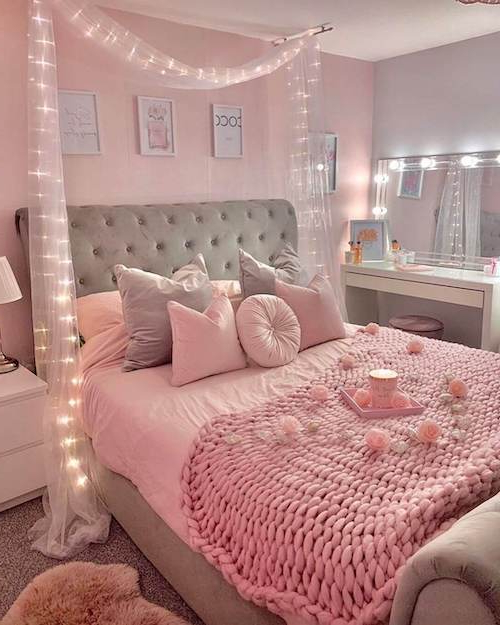
Lighting plays a crucial role in making small spaces feel larger. Natural light is always preferred, but when that’s limited, artificial lighting becomes essential. Layered lighting – combining ambient, task, and accent lights – creates depth and dimension. Picture a bedside lamp with adjustable brightness, a ceiling fixture that provides general illumination, and perhaps a string of fairy lights that add warmth.
Mirrors are another powerful tool in this lighting arsenal. Strategically placed mirrors can reflect light and create the illusion of more space. A large mirror above a dresser or one on a wall opposite a window can make a significant difference. The right lighting setup doesn’t just brighten a room – it makes it feel more expansive and welcoming.
Color Psychology and Visual Tricks
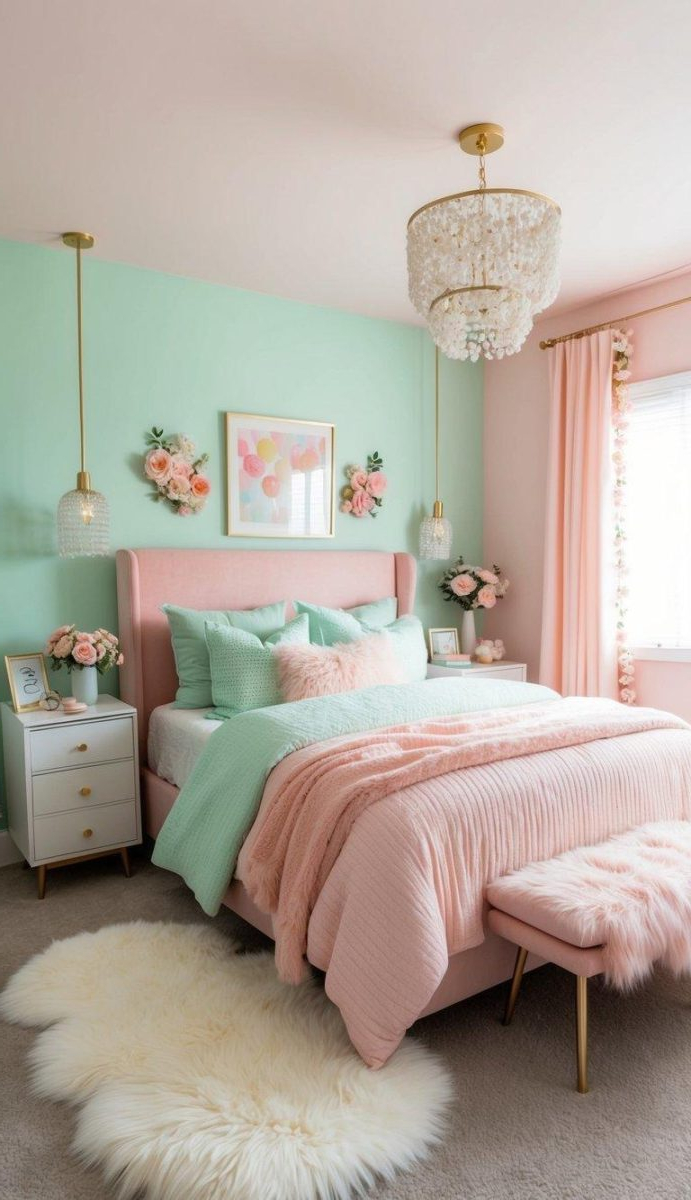
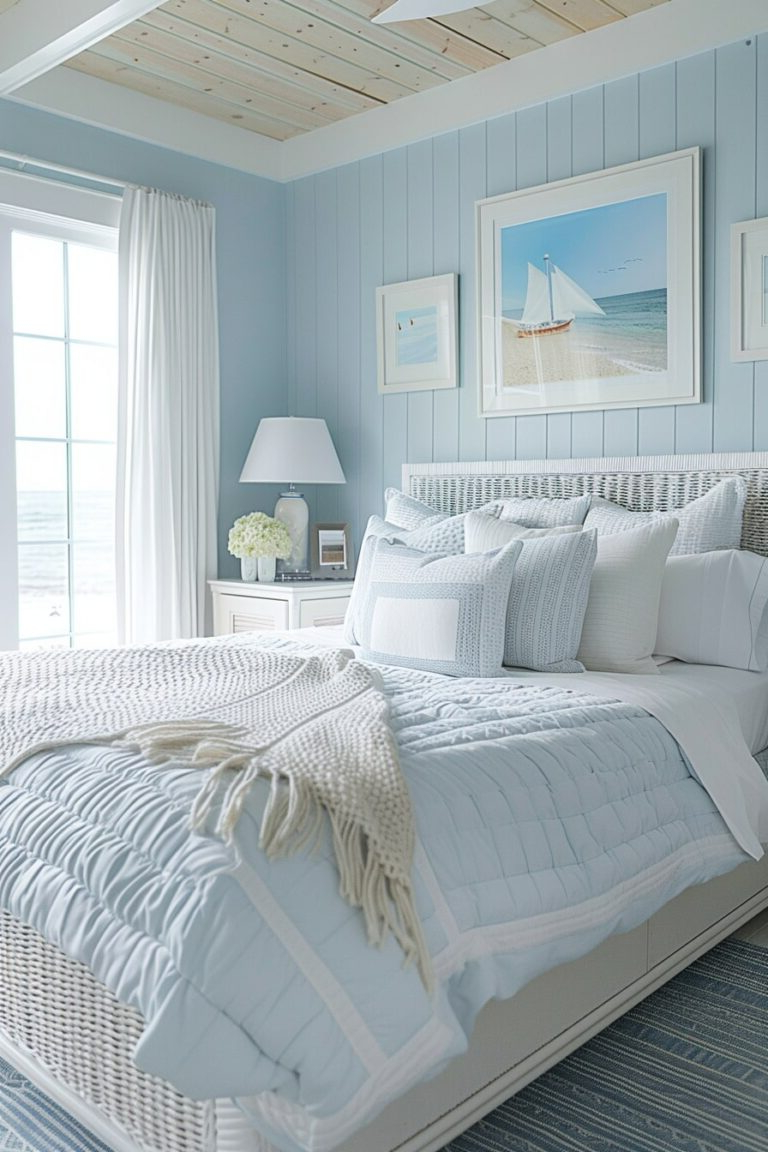
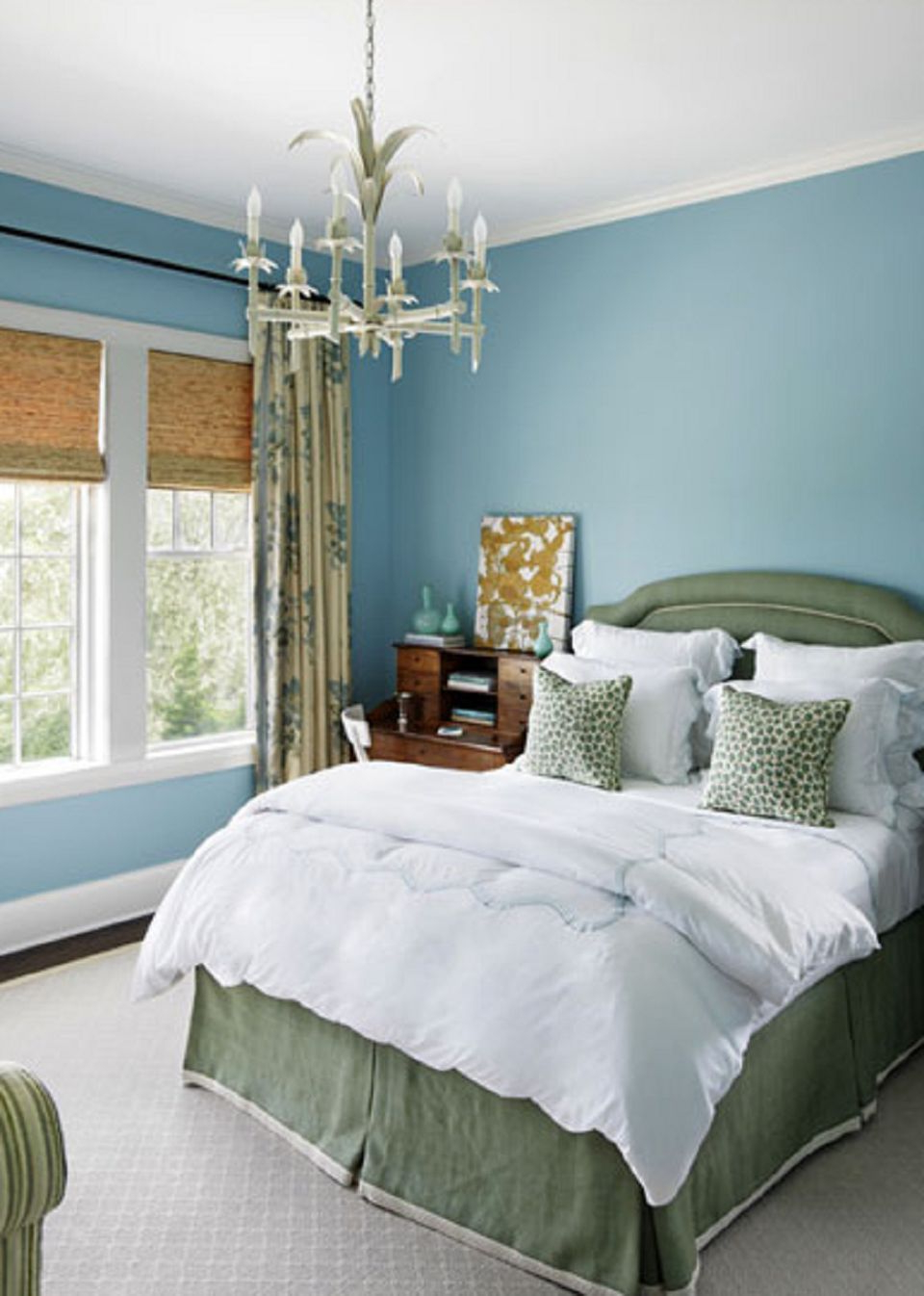
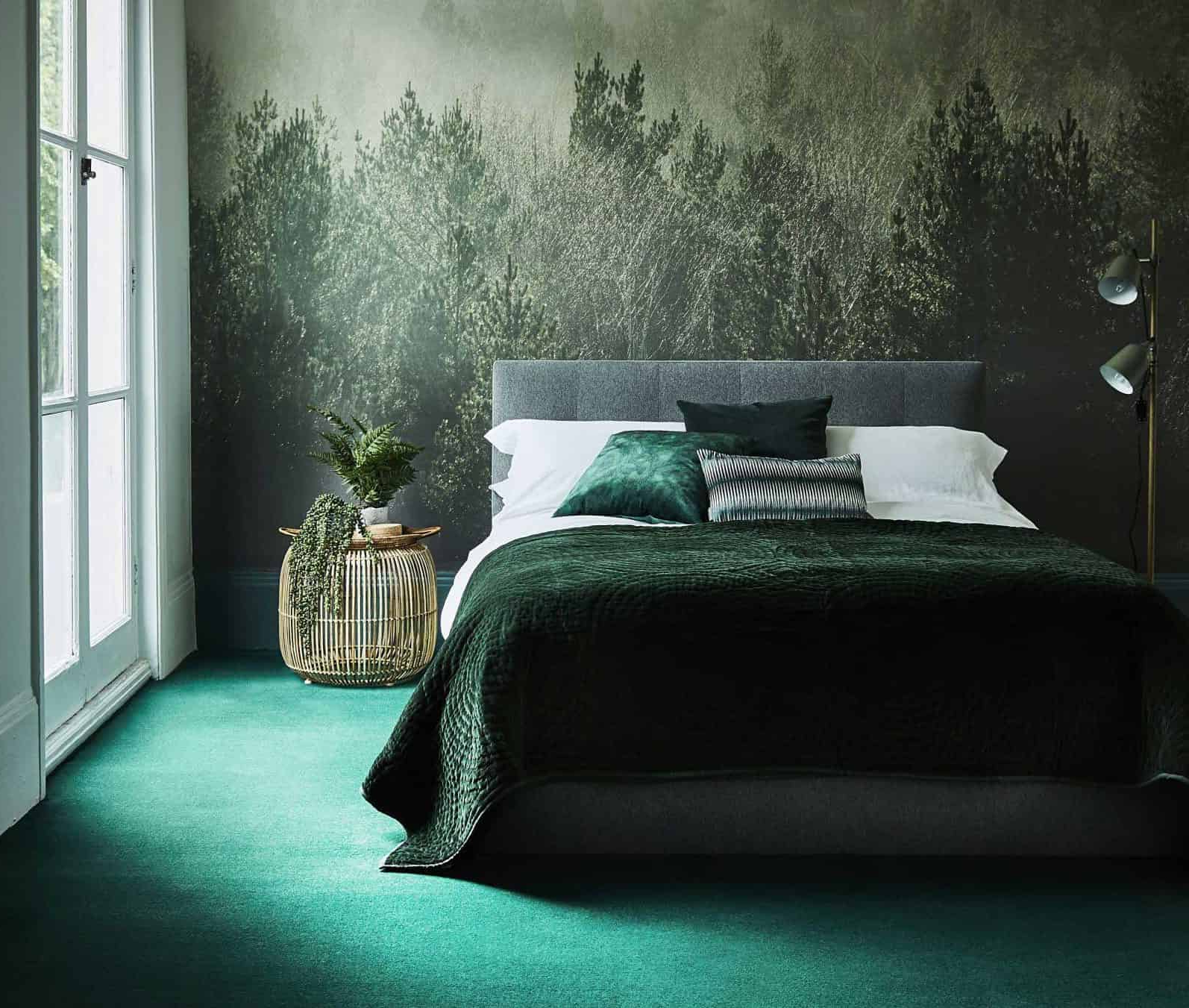
Colors have a profound impact on how we perceive space. Light, neutral colors like whites, creams, and soft grays tend to make small rooms appear larger. They reflect light and create an airy feeling that makes walls seem farther apart. But don’t think you have to stick to boring beige tones. Soft pastels, warm whites, and even muted blues can create a sense of spaciousness.
The color palette matters less than how it’s applied. Using the same colors throughout the room helps create continuity. If you’re painting your walls white, consider matching the trim and doors to that same hue. This uniformity removes visual barriers and makes the room feel more cohesive. You can add interest through textures, patterns, and accessories rather than bold color statements.
Smart Storage Systems
Storage solutions in small bedrooms need to be both effective and invisible. Hidden storage is particularly valuable because it keeps surfaces clean and uncluttered. Under-bed storage containers, for example, can house seasonal clothing or extra bedding without taking up visible space. Wall-mounted organizers provide easy access to frequently used items while keeping them off the floor.
Consider the concept of "one-touch" storage – items should be easily accessible and returned to their designated spot after use. This means avoiding deep shelving where you might struggle to see everything inside. Instead, opt for shallow shelves with clear containers or baskets. The goal is to make organization effortless, so you’re more likely to maintain the system over time.
Minimalist Approach to Decor
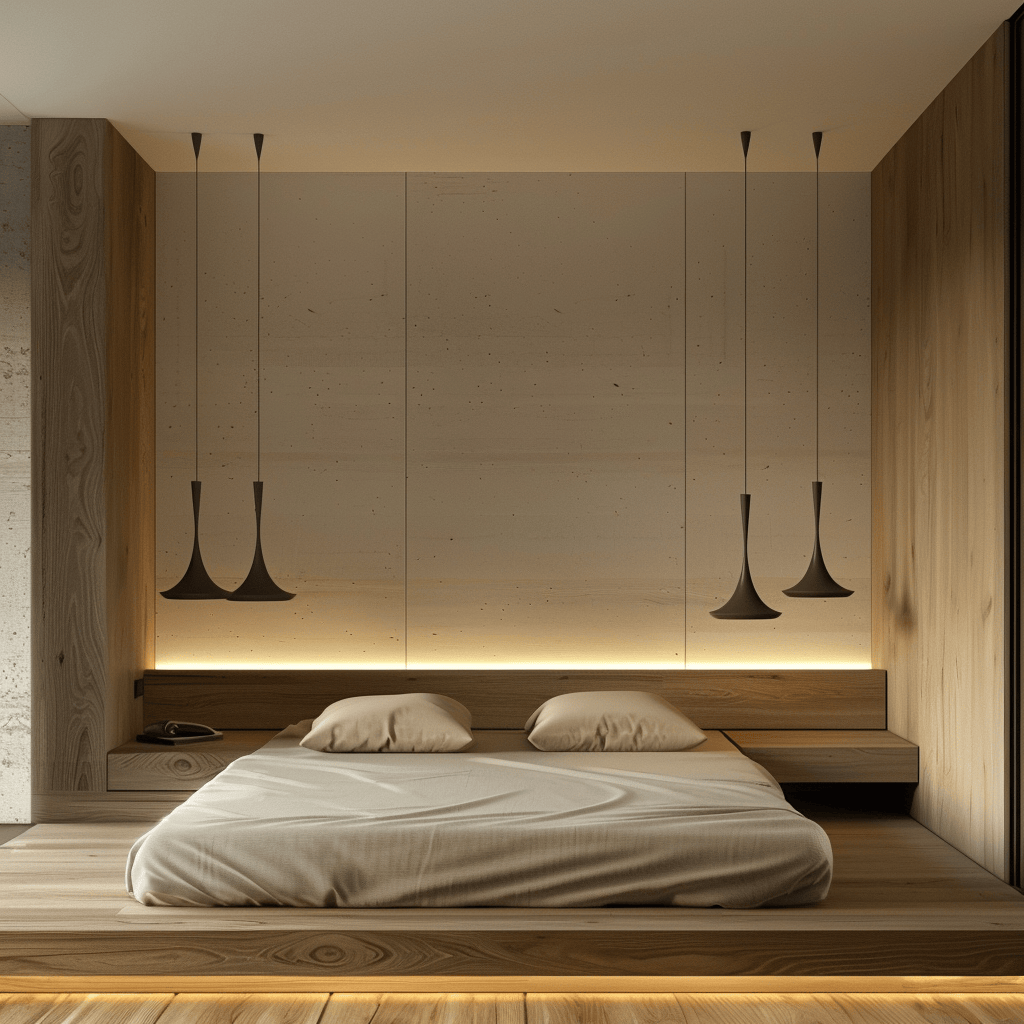
Sometimes less really is more when it comes to small bedroom design. A minimalist approach focuses on quality over quantity. Choose three to five statement pieces that truly speak to you rather than filling every corner with decorative items. This philosophy prevents visual overwhelm and maintains the feeling of openness.
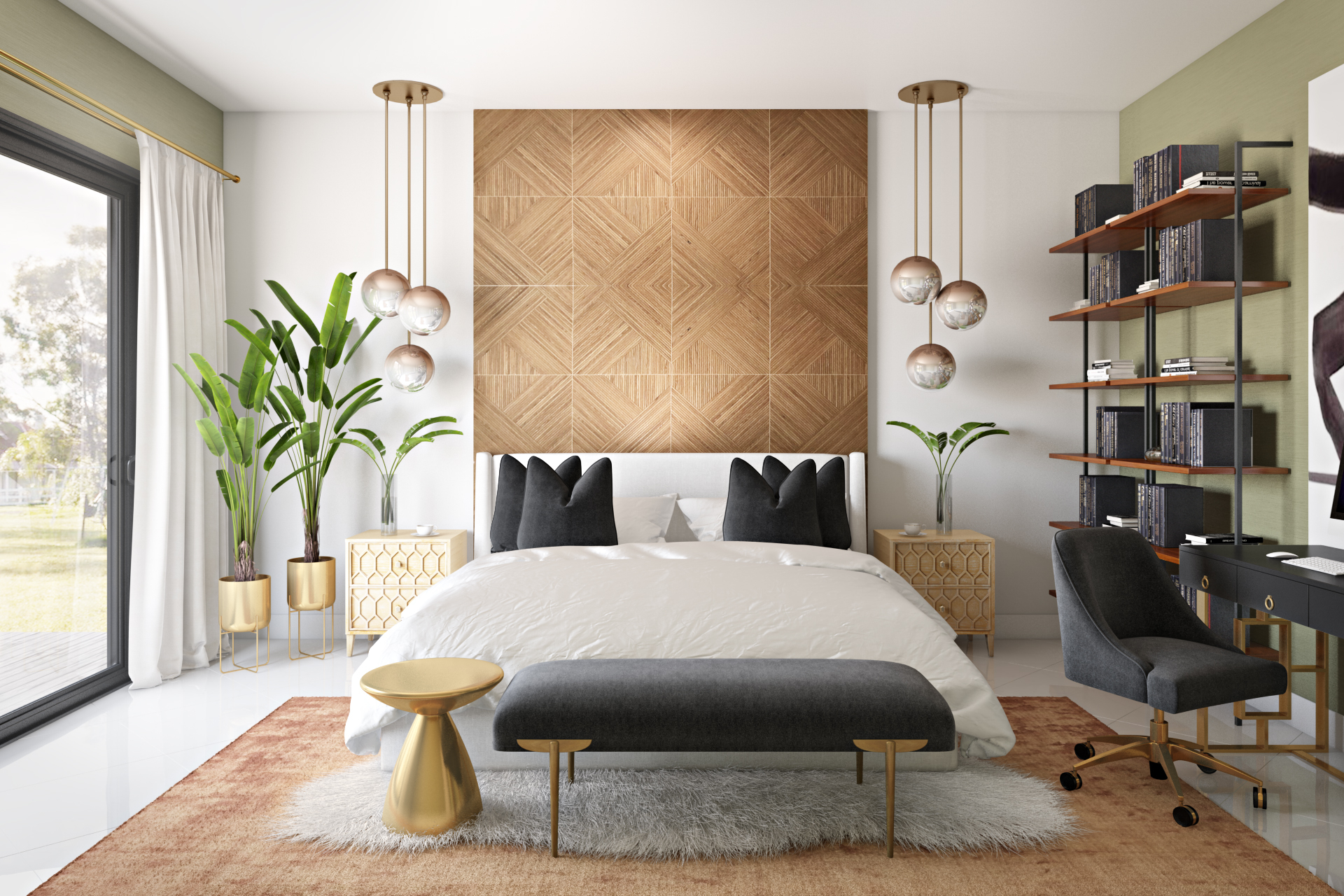
Natural materials like wood, linen, and cotton contribute to a calm atmosphere while adding texture without bulk. Plants bring life and color to a space without requiring much floor space. Even a single plant can transform a sterile room into something inviting and personal. The key is selecting items that serve a purpose beyond decoration – whether that’s providing comfort, enhancing function, or simply bringing joy.
Designing a modern bedroom in a small space is less about following trends and more about understanding what works for your lifestyle. It’s about making intentional choices that support your daily routines while creating a space that feels both comfortable and inspiring. Every element – from the way you organize your belongings to the colors you choose – should contribute to a sense of well-being. When you approach small space design with creativity and practicality, you’ll find that limitations can actually spark innovation. The result isn’t just a bedroom that fits your physical space – it’s a room that fits your soul. Remember, the most beautiful spaces often come from the most thoughtful compromises.
[sps_html tag=”img” src=”https://roofdrivein.com/wp-content/uploads/2026/01/modern-and-glam-bedroom-design-ideas-by-julio-havenly-pertaining-to-modern-bedroom-design-ideas-that-actually-work-for-small-spaces.jpg” alt=”Modern And Glam Bedroom Design Ideas By Julio | Havenly pertaining to Modern bedroom design ideas that actually work for small spaces” style=”width: 100%; height: auto;”]
[sps_html tag=”img” src=”https://roofdrivein.com/wp-content/uploads/2026/01/master-bedroom-design-ideas-bedroom-decorating-style-tips-regarding-bedroom-design-ideas-modern.jpg” alt=”Master Bedroom Design Ideas | Bedroom Decorating & Style Tips regarding Bedroom Design Ideas Modern” style=”width: 100%; height: auto;”]
[sps_html tag=”img” src=”https://roofdrivein.com/wp-content/uploads/2026/01/top-50-modern-bedroom-interior-design-ideas-for-2025-inside-modern-bedroom-design-ideas-that-actually-work-for-small-spaces.jpg” alt=”Top 50 Modern Bedroom Interior Design Ideas For 2025 inside Modern bedroom design ideas that actually work for small spaces” style=”width: 100%; height: auto;”]
[sps_html tag=”img” src=”https://roofdrivein.com/wp-content/uploads/2026/01/change-the-look-of-your-bedroom-with-these-design-tips-modern-with-bedroom-design-ideas-modern.jpg” alt=”Change The Look Of Your Bedroom With These Design Tips - Modern … with Bedroom Design Ideas Modern” style=”width: 100%; height: auto;”]
[sps_html tag=”img” src=”https://roofdrivein.com/wp-content/uploads/2026/01/modern-luxury-bedroom-design-ideas-5-easy-tips-for-bedroom-design-ideas-modern.jpg” alt=”Modern Luxury Bedroom Design Ideas : 5 Easy Tips for Bedroom Design Ideas Modern” style=”width: 100%; height: auto;”]