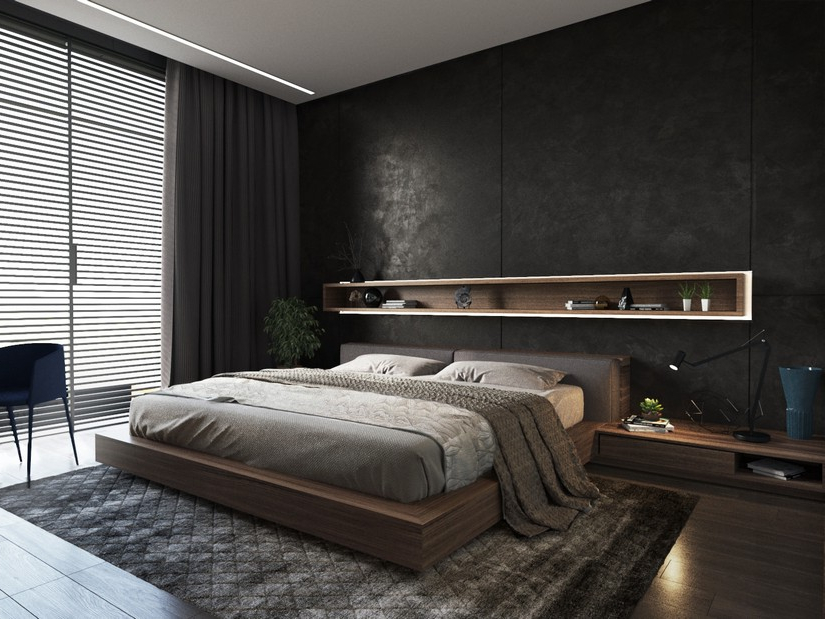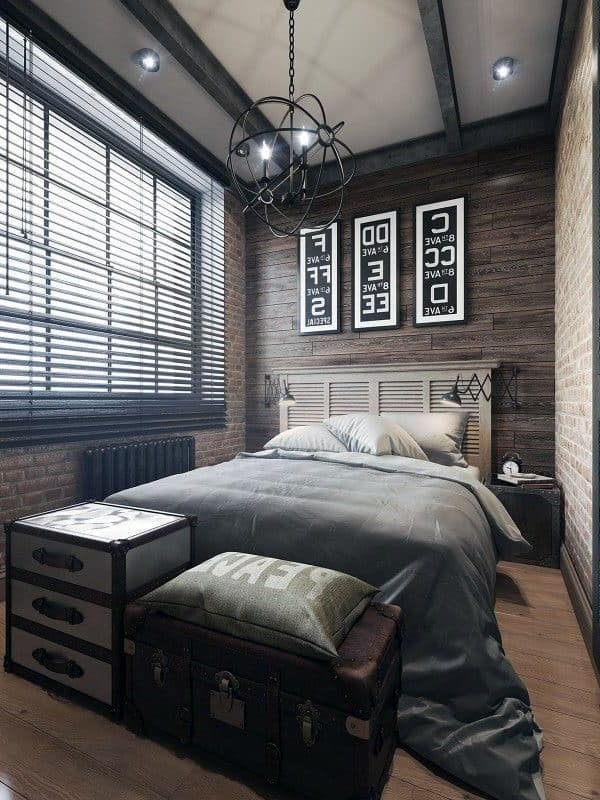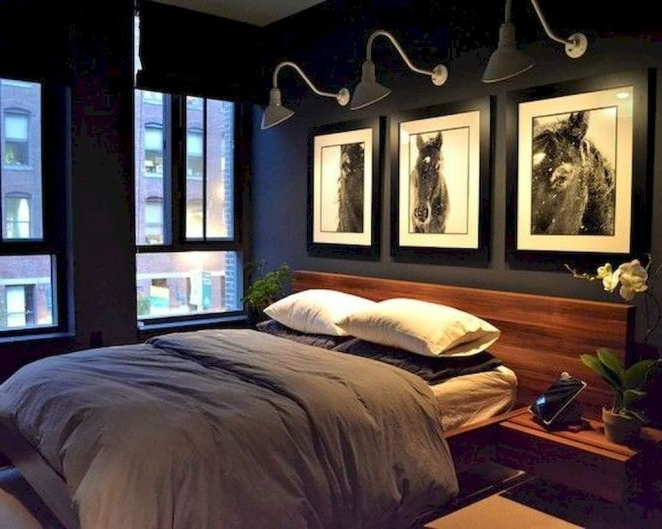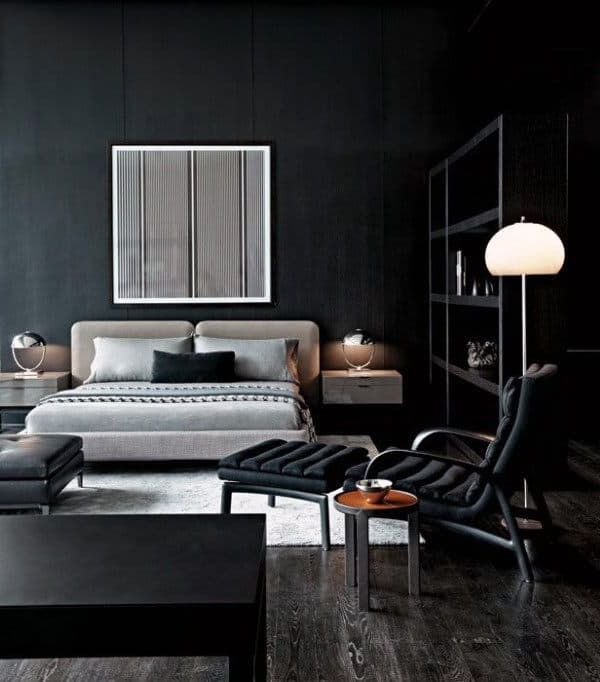
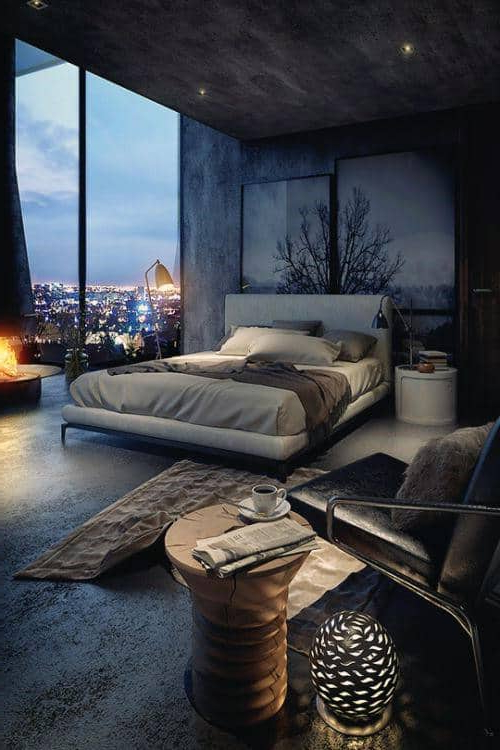
Every man deserves a bedroom that feels like his personal sanctuary – somewhere he can unwind, recharge, and express himself. But what happens when you want clean lines and simple design, yet also crave personality and visual interest? This isn’t just about choosing between two extremes. It’s about creating something entirely new.
Most guys face this struggle: they love the idea of a clean, uncluttered space, but deep down, they also want their bedroom to reflect who they are. The challenge becomes even trickier when you consider that your bedroom should serve two purposes – it needs to be both stylish and comfortable. How do you make that work? What if we told you there’s a way to have your cake and eat it too?
Understanding the Two Design Philosophies
Let’s start with the basics. Minimalism means keeping things simple, using less furniture, fewer colors, and focusing on quality over quantity. Think clean lines, neutral tones, and open spaces. Maximalism, on the other hand, is all about boldness – lots of textures, colors, patterns, and personal items. It’s about making a statement.
These philosophies might seem opposite, but they’re actually complementary. When you understand what each brings to the table, you’ll see how they can work together beautifully.
The Psychology Behind Bedroom Design Choices
Why do we feel drawn to certain styles? The answer lies in our psychology. Minimalist spaces tend to reduce stress and create a sense of calm. They help us focus on rest and relaxation. Maximalist spaces, meanwhile, can make us feel energized and expressive. They showcase our personalities and memories.
The key insight here is that we’re not choosing one or the other – we’re finding ways to incorporate elements from both worlds. You might prefer the calm of minimalism, but want to add some personality through curated items.
Choosing the Right Color Palette
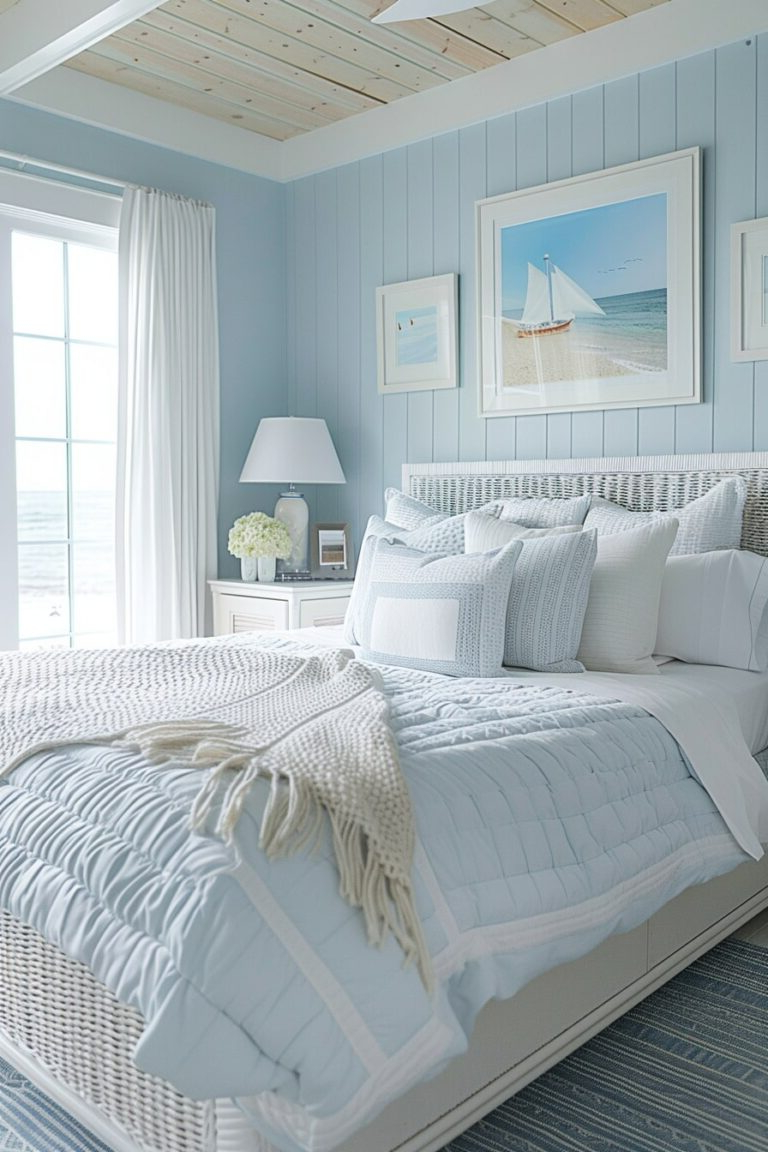
Colors set the tone for any room, especially bedrooms. A minimalist approach often relies on neutral colors like white, beige, gray, and soft pastels. These hues create a peaceful atmosphere and make small spaces feel larger.
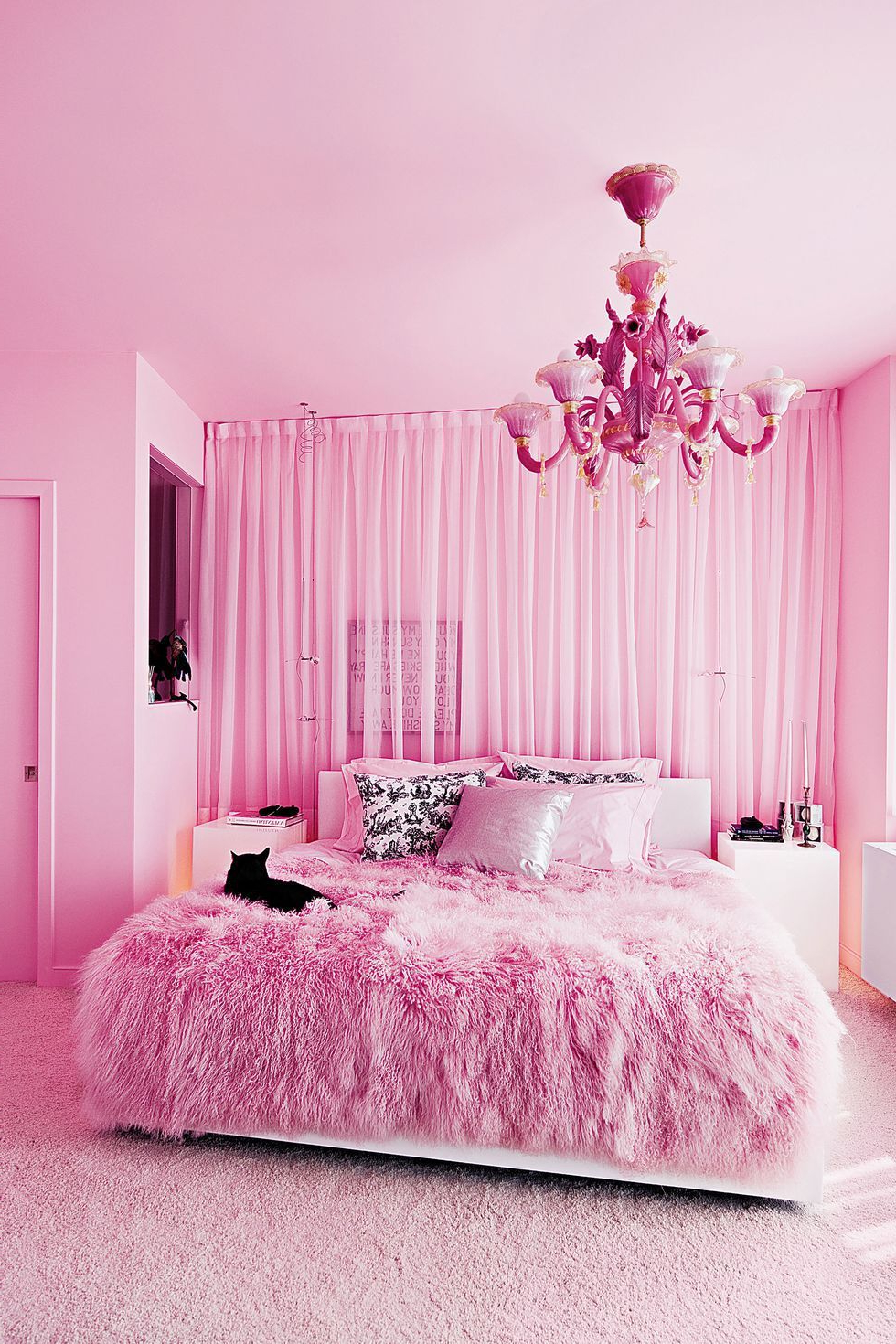
But you can still add pops of color in a minimalist way. Instead of painting your whole bedroom bold red, try adding a few accent pieces – perhaps a red throw pillow or a colorful artwork. This gives you the warmth of maximalism without overwhelming your space.
Consider these options:
• Start with a neutral base
• Add one or two bold accent colors
• Use texture and pattern to create visual interest
• Choose colors that make you feel relaxed
Strategic Furniture Placement
Furniture plays a crucial role in balancing these two approaches. In a minimalist setup, you typically have fewer pieces, but each one should be carefully chosen. You might have a simple bed frame, a basic nightstand, and maybe a small chair.
For a balanced look, add a few statement pieces that reflect your personality. Maybe a unique lamp, a vintage dresser, or an interesting piece of art. The trick is to ensure these additions don’t overcrowd the space.
Think about these placement strategies:
• Keep the center of attention clear
• Use furniture to define different areas
• Make sure there’s enough walking space
• Mix materials and textures subtly
Lighting as a Design Tool
Lighting can completely transform your bedroom’s mood. In minimalist spaces, you often rely on clean, functional lighting – maybe a simple ceiling fixture and a bedside lamp. This creates a serene environment.
Maximalist designers might go for layered lighting – multiple sources with varying heights and intensities. Think sconces, floor lamps, table lamps, and even string lights. This adds depth and dimension.
A smart approach combines both methods:
• Have a primary light source for general illumination
• Add secondary lights for ambiance
• Use dimmer switches to change the mood
• Consider LED strips behind headboards for subtle glow
Personal Touches Without Clutter
This is where many men struggle most. They want to personalize their space, but fear it will look messy. The solution? Choose carefully curated items that mean something to you.
A collection of vintage books, a few family photos, or a piece of art you love can add character without creating chaos. The key is quality over quantity.
Here are some ways to add personal touches:
• Display items that tell your story
• Include objects that bring you joy
• Use accessories strategically
• Keep surfaces clean but meaningful
• Rotate seasonal items to keep things fresh
Practical Tips for Implementation
Ready to try this balanced approach? Here are some concrete steps:
Start Small
• Pick one area of your bedroom to experiment with
• Try a new color scheme or lighting arrangement
• Add one personal item at a time
Plan Before You Buy
• Take photos of your current space
• Sketch out potential layouts
• Set a budget for new items
Create Zones
• Define sleeping area
• Establish a reading corner
• Designate space for storage
• Keep walkways clear
Maintain Balance
• Regularly assess what works
• Remove items that no longer serve you
• Adjust based on changing needs
• Stay true to your core preferences
Real-Life Examples That Work
Let’s look at some actual bedroom designs that successfully blend both styles:
Case Study 1: The Modern Minimalist
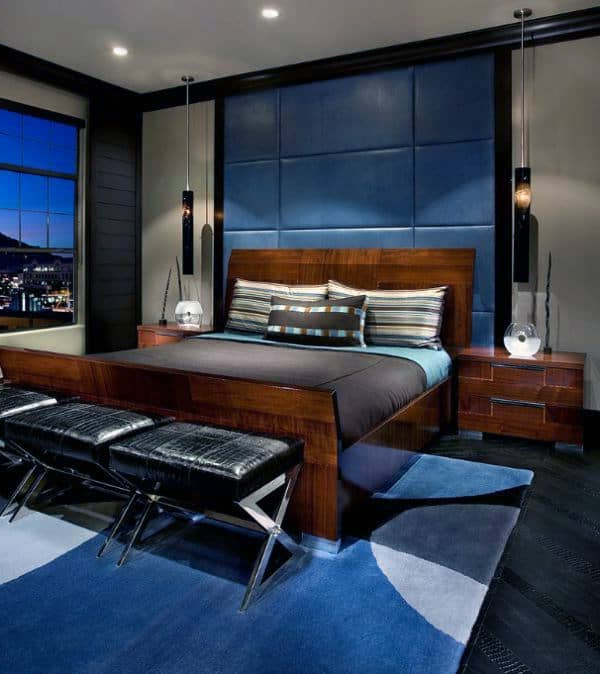
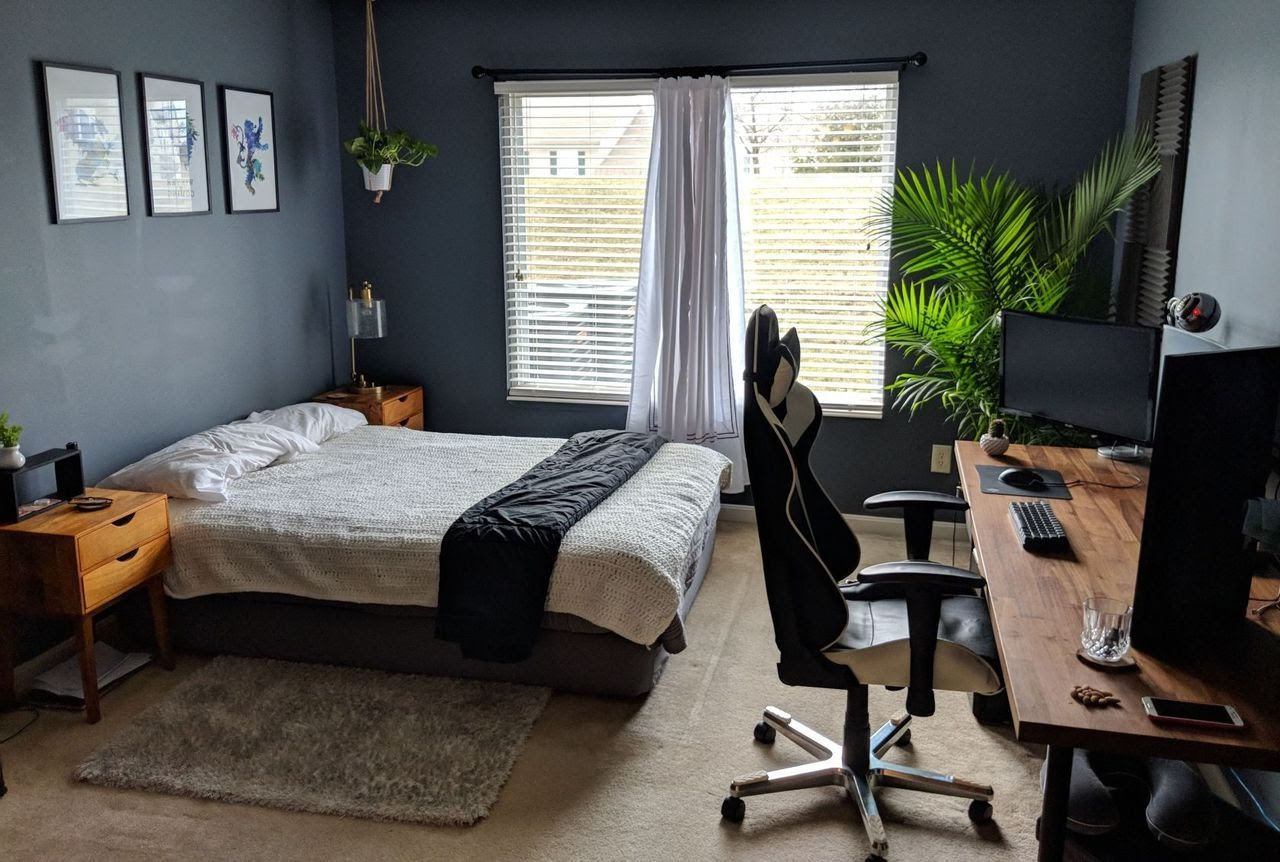
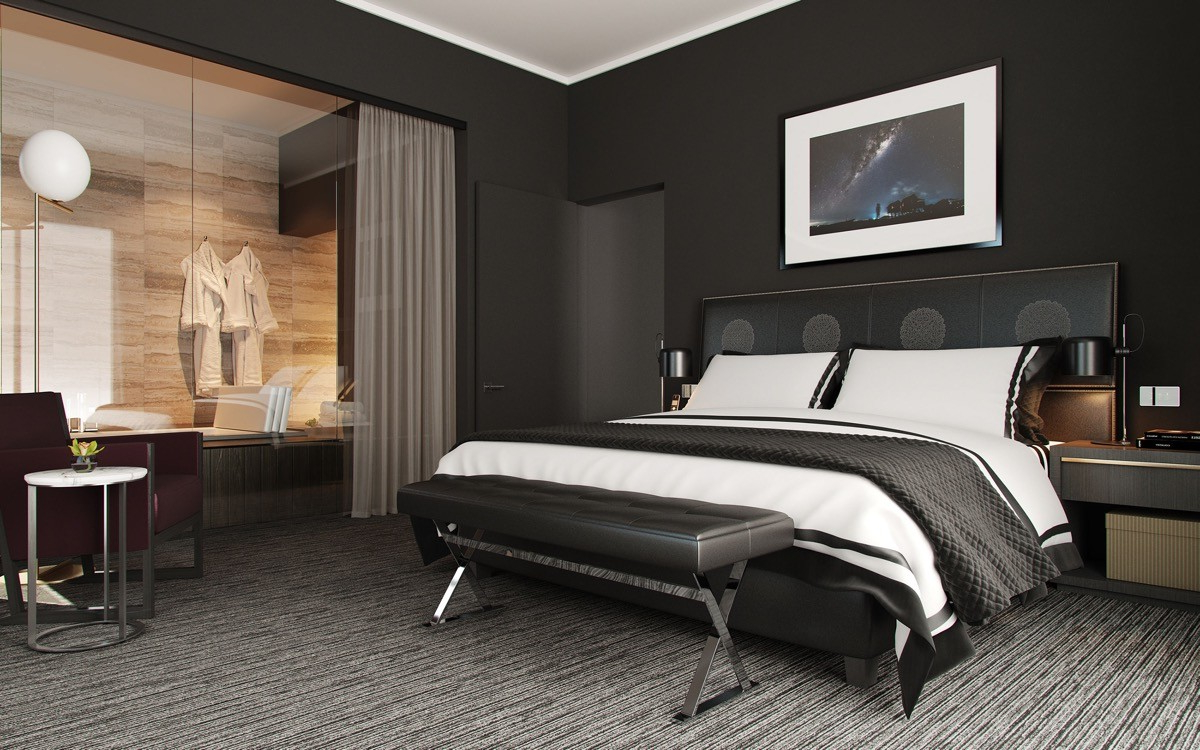
A man with a modern aesthetic chose a white bed frame with clean lines. He added a navy blue comforter and some neutral pillows. On the wall, he hung a large black and white photograph. The result was calm yet personal.
Case Study 2: The Vintage Maximalist
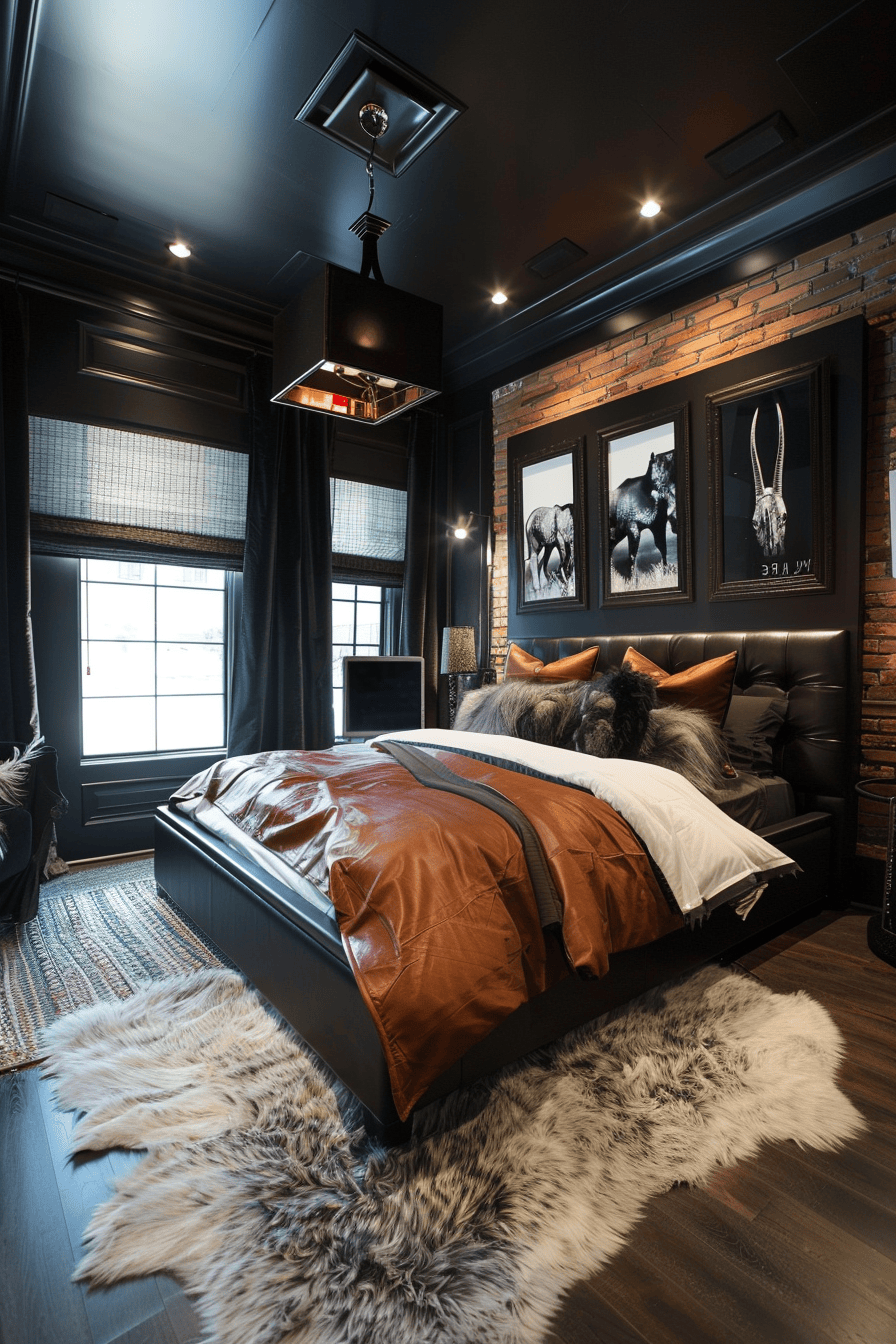
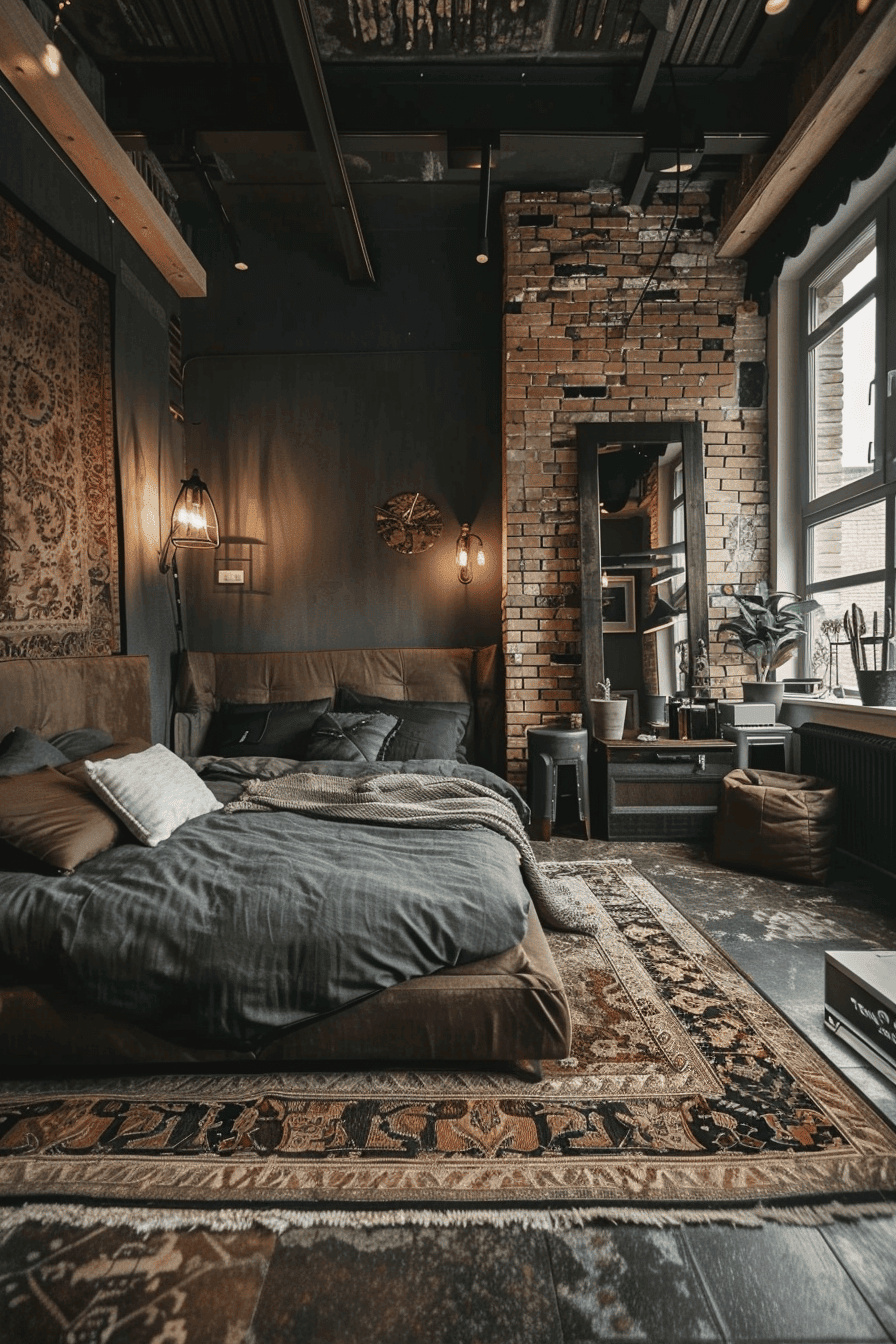
Another guy went with a rustic wooden bed and dark wood furniture. He surrounded himself with vintage posters, old books, and a collection of interesting objects. Despite the busy look, the space felt lived-in and comfortable.
Case Study 3: The Balanced Hybrid
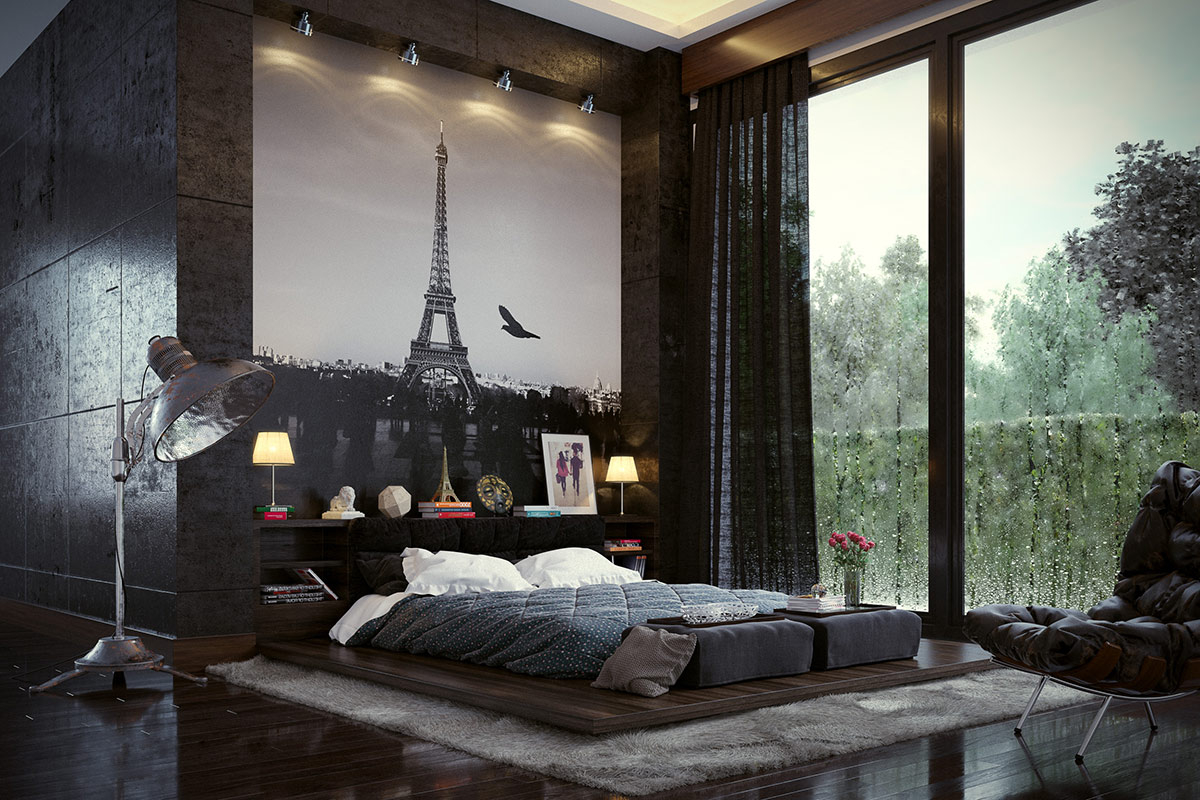
The most successful approach often involves combining elements from both sides. A man might choose a simple bed frame and neutral walls, but add bold artwork, textured rugs, and personal collections. The key is maintaining visual harmony.
Common Mistakes to Avoid
Even with good intentions, some pitfalls can ruin your balanced approach:
Overcomplicating Everything
• Trying to do too much at once
• Adding too many elements too quickly
• Ignoring the importance of breathing room
Ignoring Functionality
• Choosing style over comfort
• Neglecting practical needs
• Forgetting that beds should be easy to get in and out of
Not Planning Ahead
• Making impulsive purchases
• Not considering how items will work together
• Failing to think about long-term maintenance
Using the Wrong Materials
• Choosing cheap furniture that doesn’t last
• Mixing textures that clash
• Overlooking how items will age over time
Long-Term Maintenance and Evolution
Your bedroom design shouldn’t be static. As life changes, so should your space. The beauty of the balanced approach is that it allows for evolution.
Consider these ongoing practices:
• Regularly reassess what works for you
• Update lighting or textiles seasonally
• Swap out accessories to keep things fresh
• Reorganize furniture as needs change
• Be willing to let go of items that no longer serve you
Remember, your bedroom is meant to be a place of rest and reflection. The design should support that purpose while also reflecting your unique identity.
Final Thoughts on Finding Your Style
There’s no one-size-fits-all approach to bedroom design. Some men naturally gravitate toward clean lines, others toward rich textures and bold statements. The magic happens when you find a way to honor both aspects of your personality.
Don’t think of this as choosing between minimalist and maximalist. Think of it as creating a space that represents who you are – the person who appreciates simplicity but also craves personal expression. It’s about balance, intentionality, and making choices that support both your style and your well-being.
Your bedroom should be more than just a place to sleep – it should be a reflection of who you are and what makes you feel most comfortable. By blending minimalist principles with maximalist touches, you create a space that’s both calming and personal.
The key isn’t perfection – it’s finding what works for you. Whether you lean more toward clean, simple design or bold, expressive elements, remember that you can have both. The most important thing is that your bedroom feels like a true sanctuary.
Start small, stay intentional, and trust your instincts. Your ideal bedroom is waiting to be created.
[sps_html tag=”img” src=”https://roofdrivein.com/wp-content/uploads/2026/01/5-mens-bedroom-decor-ideas-for-a-modern-look-inspirations-and-ideas-for-minimalist-meets-maximalist-balancing-style-and-comfort-in-men039s-bedrooms.jpg” alt=”5 Men’s Bedroom Decor Ideas For A Modern Look | Inspirations And Ideas for Minimalist Meets Maximalist: Balancing Style and Comfort in Men's Bedrooms” style=”width: 100%; height: auto;”]
[sps_html tag=”img” src=”https://roofdrivein.com/wp-content/uploads/2026/01/60-mens-bedroom-ideas-masculine-interior-design-inspiration-with-minimalist-meets-maximalist-balancing-style-and-comfort-in-men039s-bedrooms.jpg” alt=”60 Men's Bedroom Ideas - Masculine Interior Design Inspiration with Minimalist Meets Maximalist: Balancing Style and Comfort in Men's Bedrooms” style=”width: 100%; height: auto;”]
[sps_html tag=”img” src=”https://roofdrivein.com/wp-content/uploads/2026/01/60-mens-bedroom-ideas-masculine-interior-design-inspiration-with-regard-to-men-bedroom-design-ideas.jpg” alt=”60 Men's Bedroom Ideas - Masculine Interior Design Inspiration with regard to Men Bedroom Design Ideas” style=”width: 100%; height: auto;”]
[sps_html tag=”img” src=”https://roofdrivein.com/wp-content/uploads/2026/01/48-amazing-men-s-bedroom-ideas-for-modern-masculine-appeal-artofit-inside-men-bedroom-design-ideas.png” alt=”48 Amazing Men S Bedroom Ideas For Modern Masculine Appeal – Artofit inside Men Bedroom Design Ideas” style=”width: 100%; height: auto;”]
[sps_html tag=”img” src=”https://roofdrivein.com/wp-content/uploads/2026/01/60-mens-bedroom-ideas-masculine-interior-design-inspiration-within-men-bedroom-design-ideas.jpg” alt=”60 Men's Bedroom Ideas - Masculine Interior Design Inspiration within Men Bedroom Design Ideas” style=”width: 100%; height: auto;”]