Picture this: You step into a bedroom that feels like a sanctuary. Clean lines, uncluttered surfaces, and just enough to feel cozy without feeling overwhelmed. This isn’t just about aesthetics – it’s about creating a space that supports your body’s natural rhythm. What if I told you that the way you arrange your bedroom could be one of the most powerful tools for better sleep? That’s exactly what minimalist design principles offer us. By stripping away the unnecessary and focusing on what truly matters, we can create environments that promote restful nights and refreshed mornings.
We all know the feeling of walking into a cluttered bedroom and instantly feeling stressed. It’s like your mind gets pulled in a million directions before you even get to bed. But what if your bedroom could be your peacekeeper instead? Minimalist bedroom design isn’t just about having fewer things – it’s about creating intentional spaces that support your sleep health. When we remove visual noise and focus on essential elements, our brains naturally begin to relax. Think about it – when was the last time you felt completely at ease in a room filled with too many items? Probably never. This simple shift in approach can transform your entire sleep experience.
The Psychology Behind Minimalist Bedrooms
Our minds are constantly processing visual information, even when we’re asleep. A cluttered environment sends signals to our brain that it needs to stay alert, which fights against the natural relaxation process required for deep sleep. Minimalism works because it reduces cognitive load. When your eyes don’t have to scan through countless objects, your brain can focus on winding down instead of sorting through visual distractions.
Research shows that people who sleep in simpler environments report better sleep quality and feel more rested upon waking. This isn’t just a trendy idea – it’s grounded in neuroscience. Our brains are wired to find order soothing. When we surround ourselves with purposeful items, we signal to our nervous system that it’s safe to let go of daily stressors. The calmness of a clean, simple space becomes a physical manifestation of mental clarity.
Essential Elements of Minimalist Bedroom Design
Creating a minimalist bedroom starts with understanding what truly matters. Here are the core components:
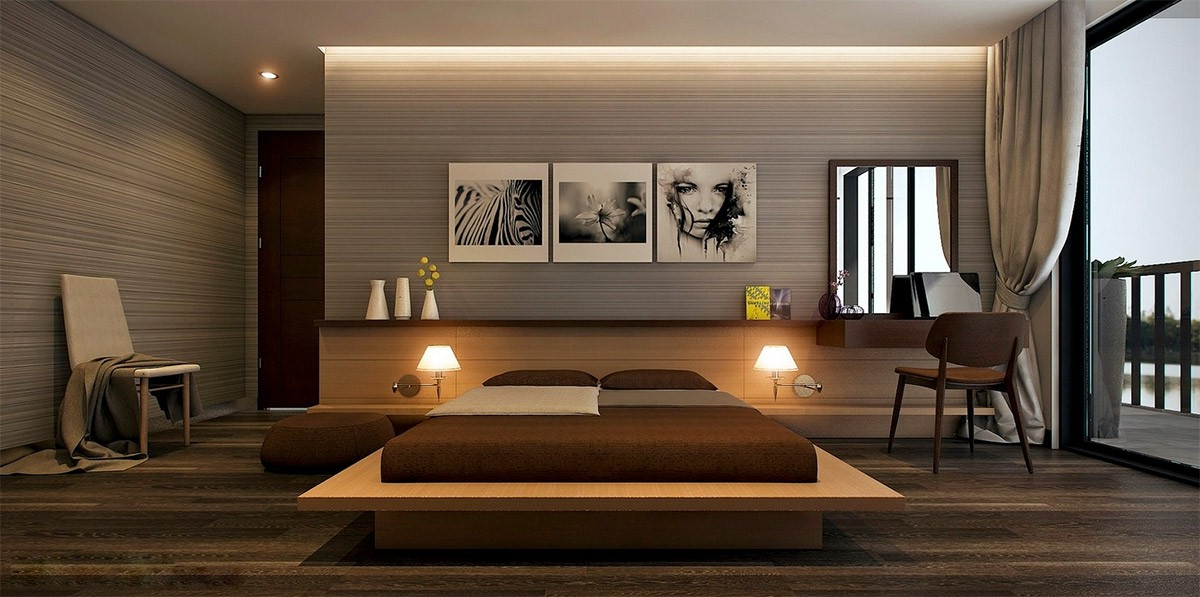
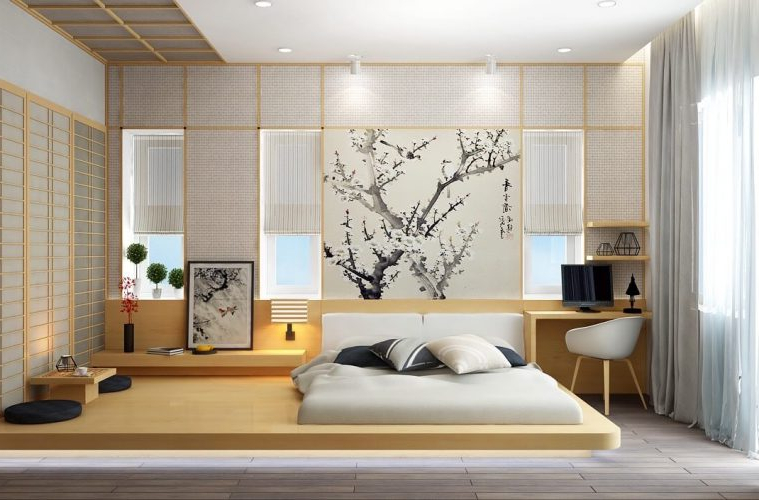
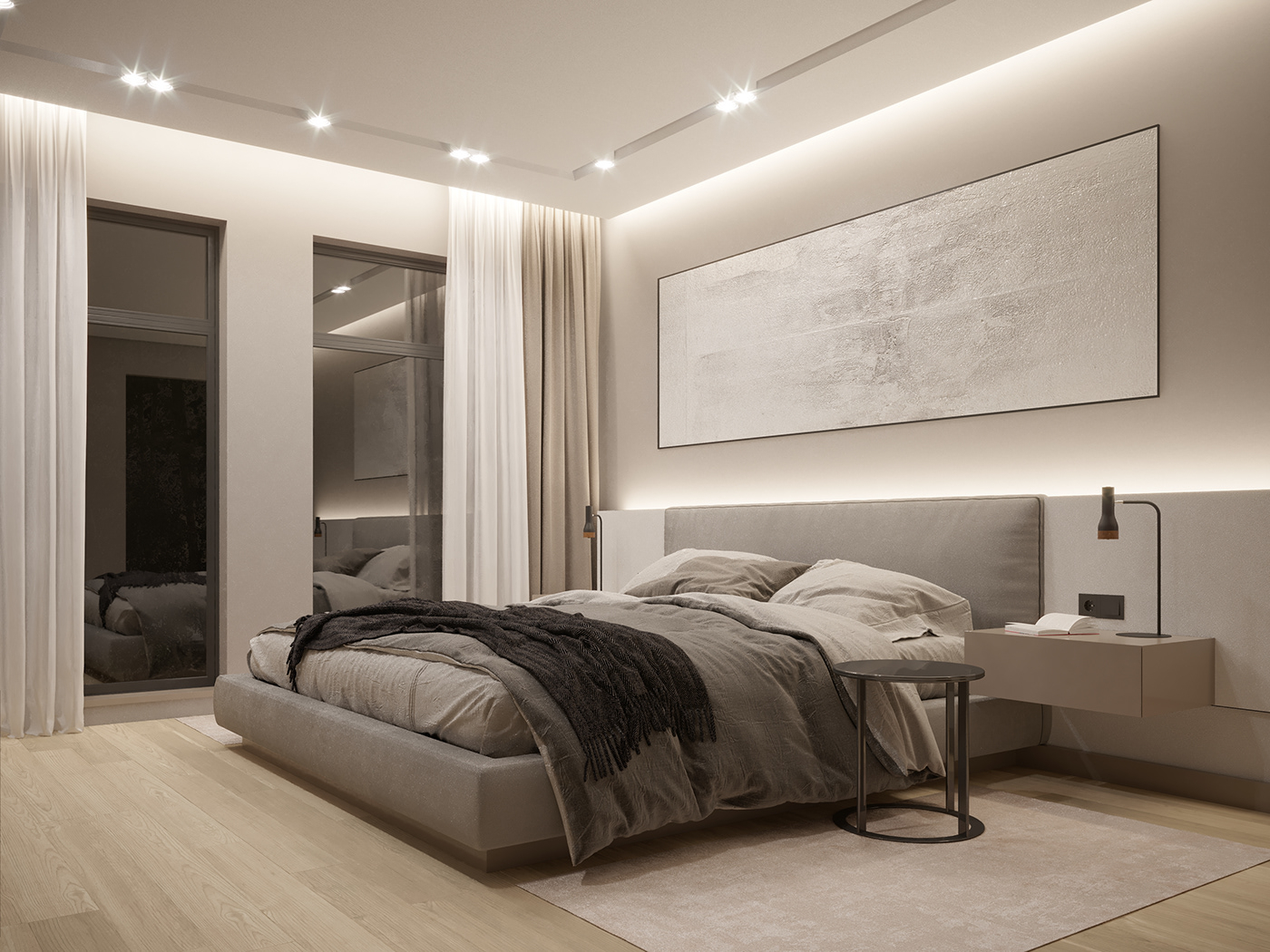
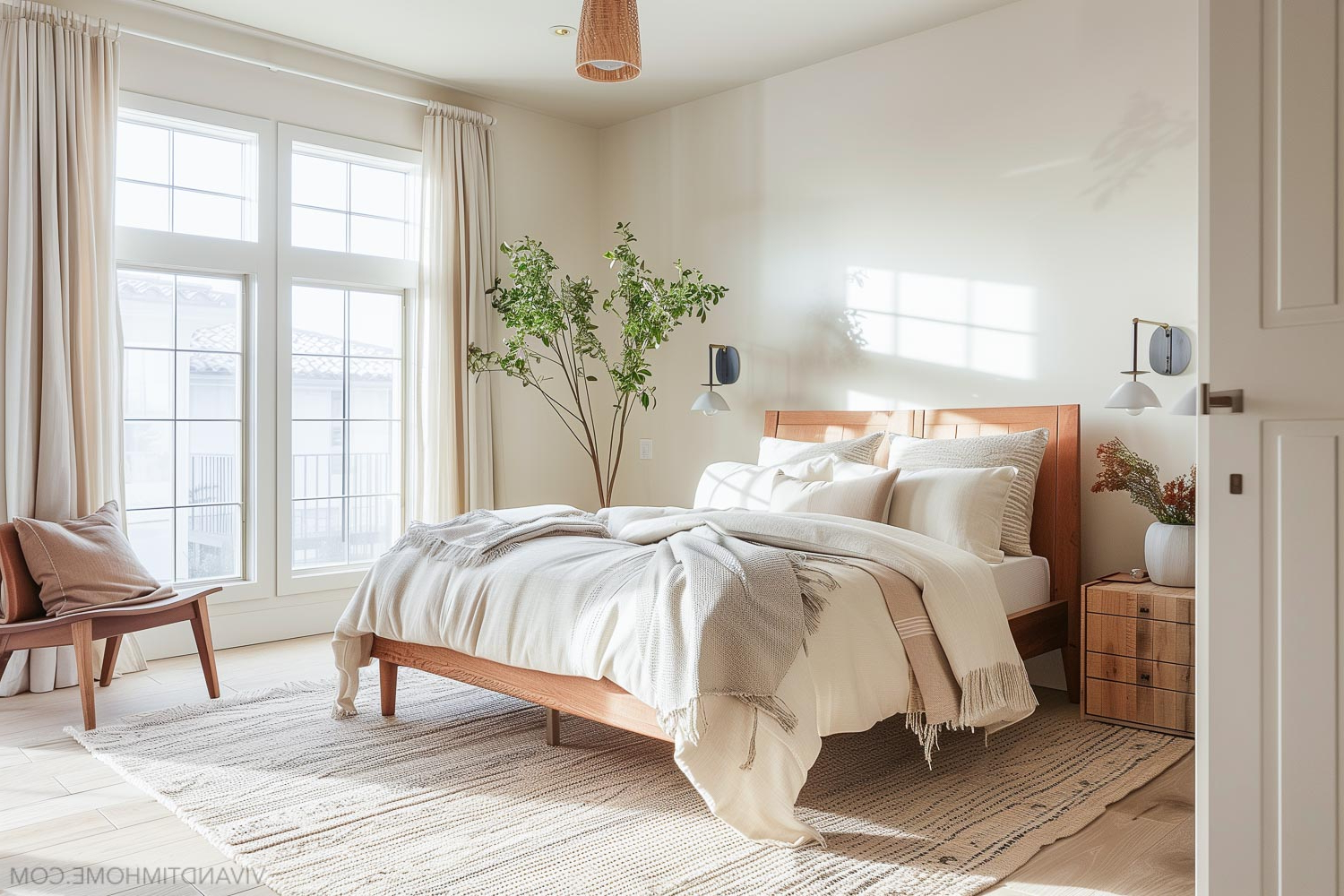
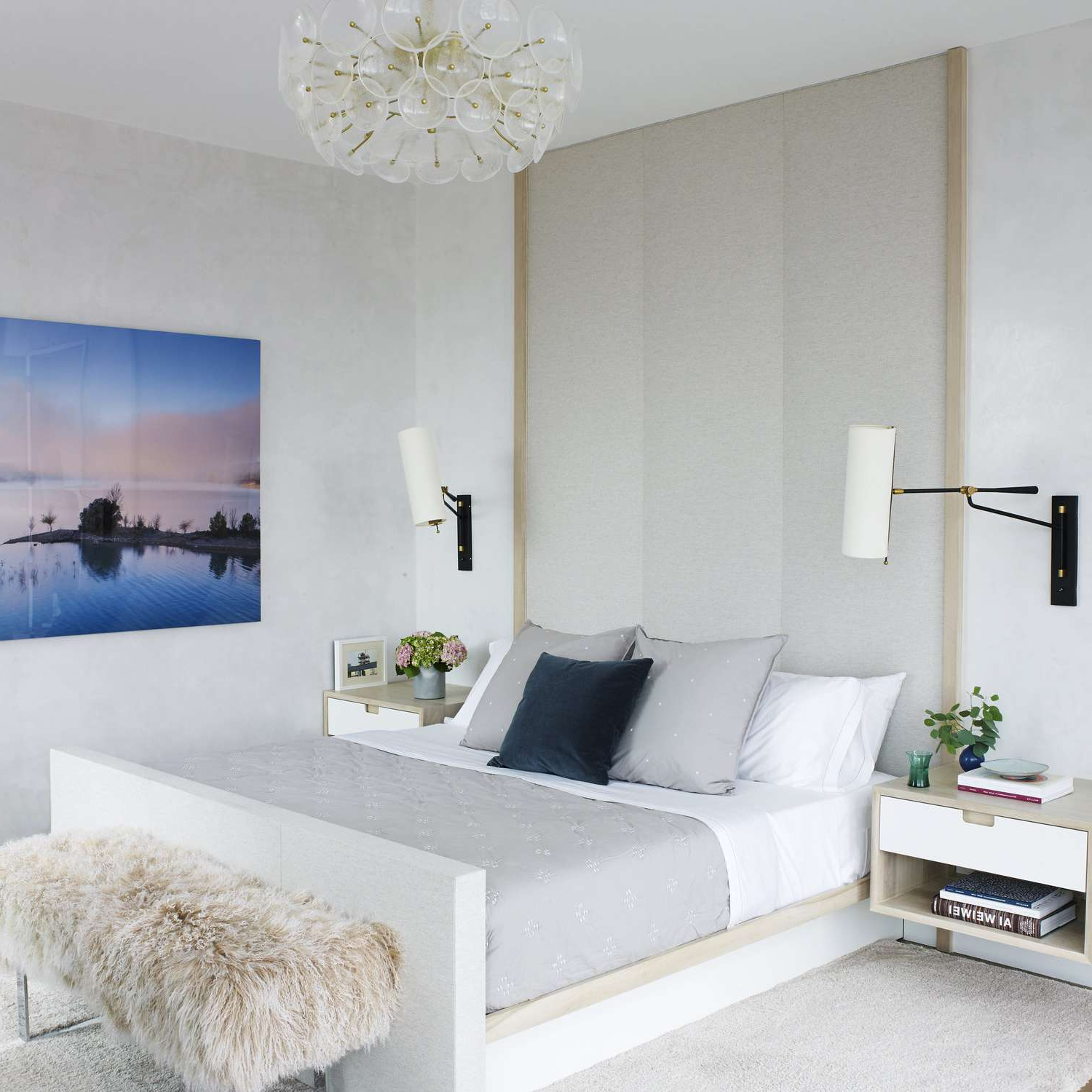
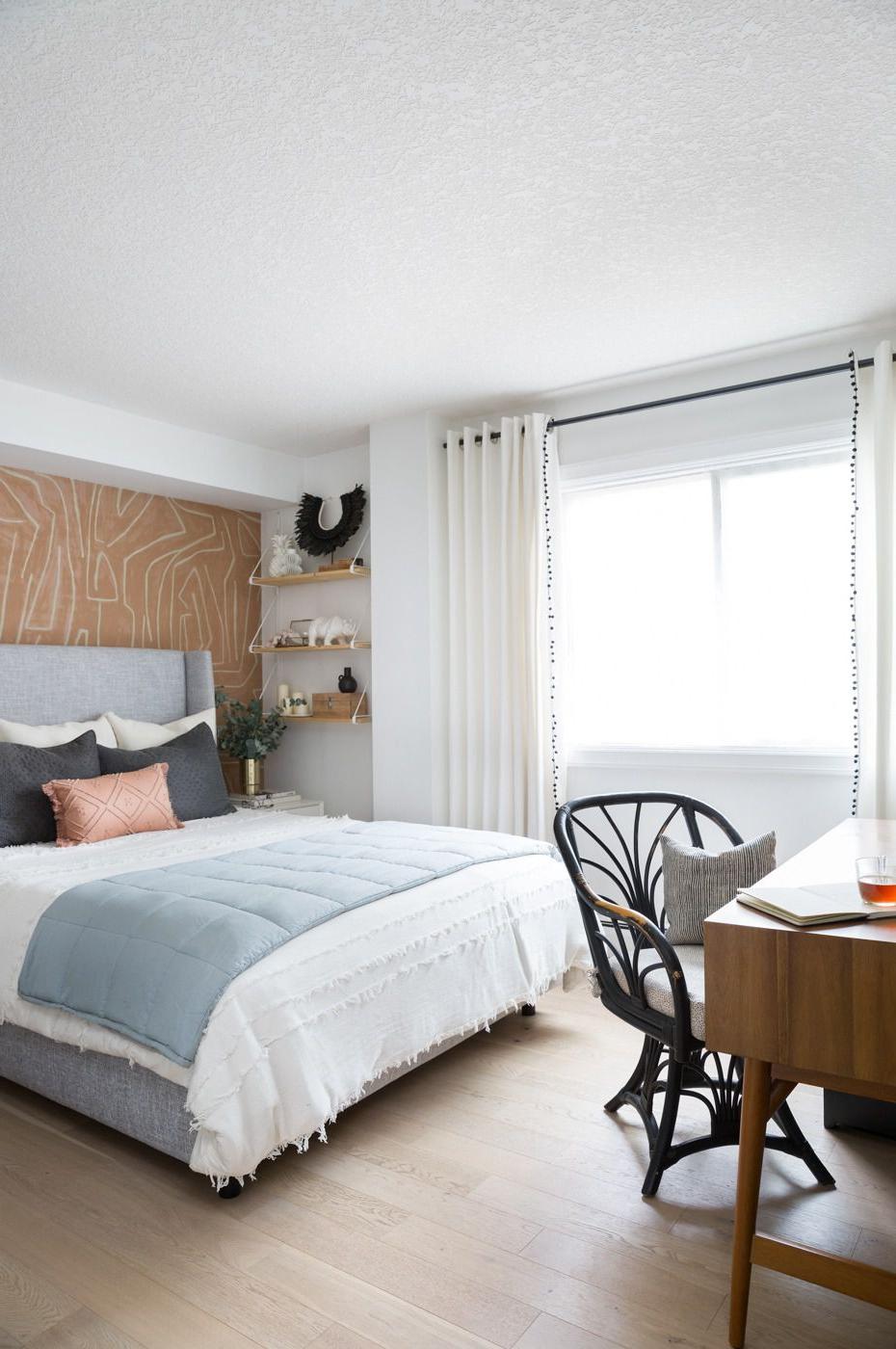
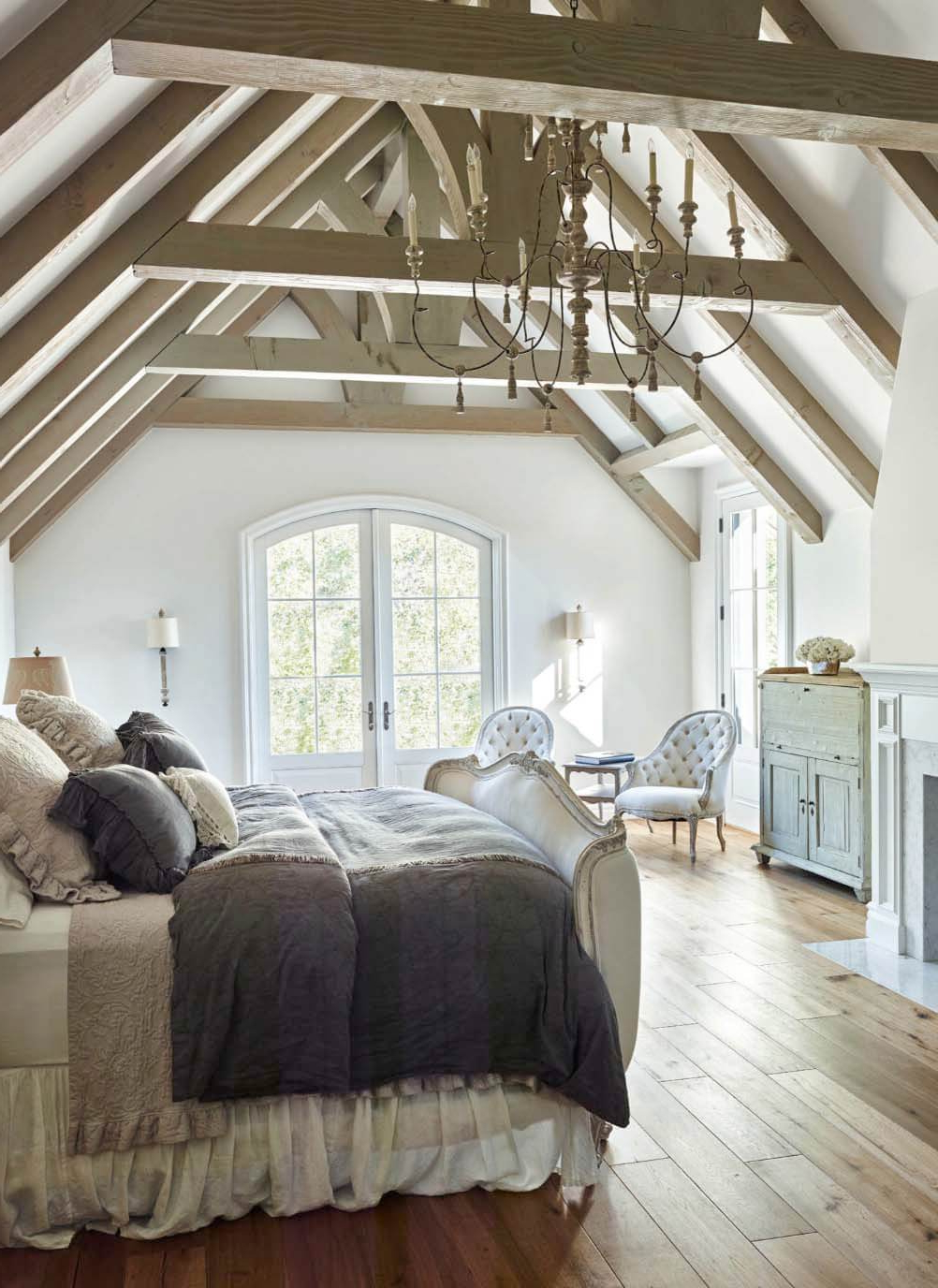
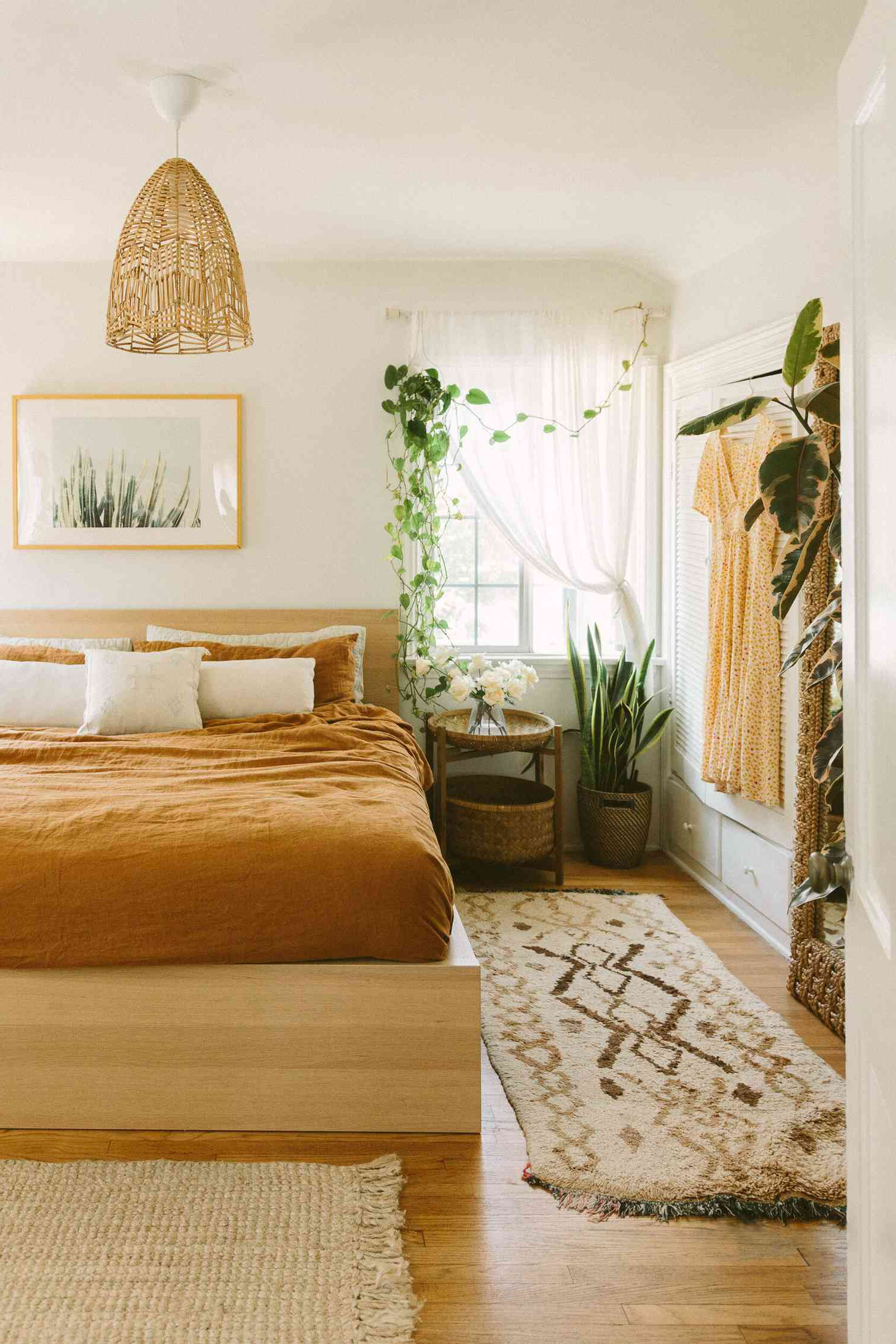
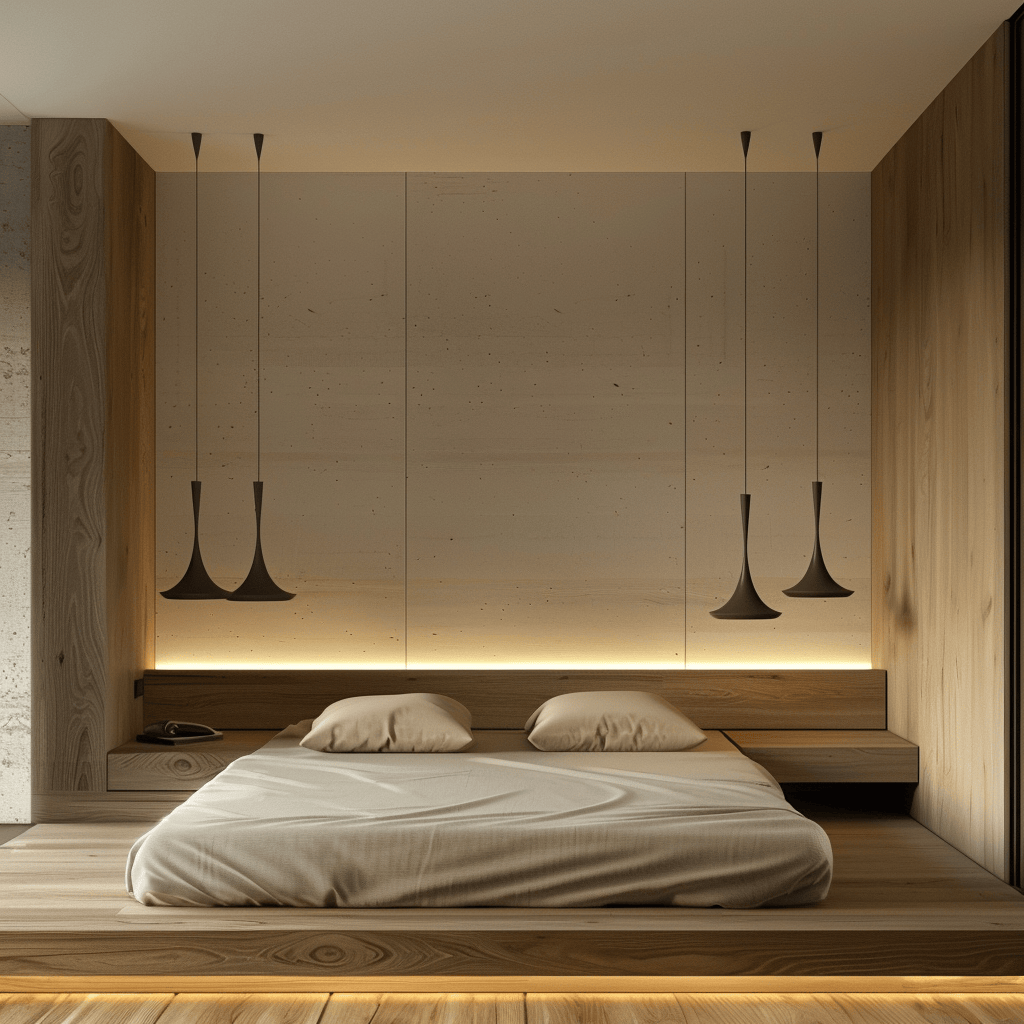
• Neutral color palette: Soft whites, warm beiges, and muted grays create a calming atmosphere. These colors don’t stimulate the mind and help signal to your body that it’s time for rest.
• Quality over quantity: Instead of filling your space with lots of decorative items, choose a few high-quality pieces that genuinely bring you joy or serve a purpose.
• Strategic storage solutions: Hidden storage keeps surfaces clear while maintaining functionality. Think baskets, under-bed containers, and built-in shelving.
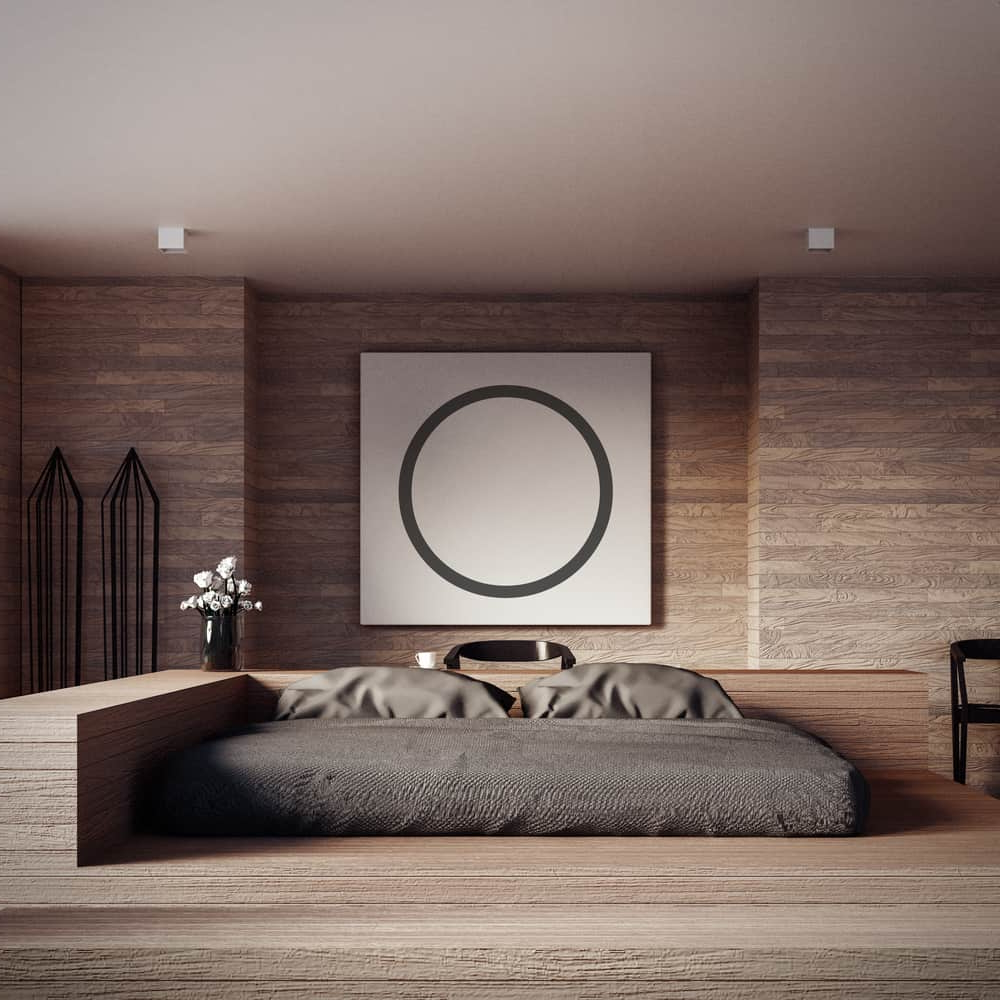
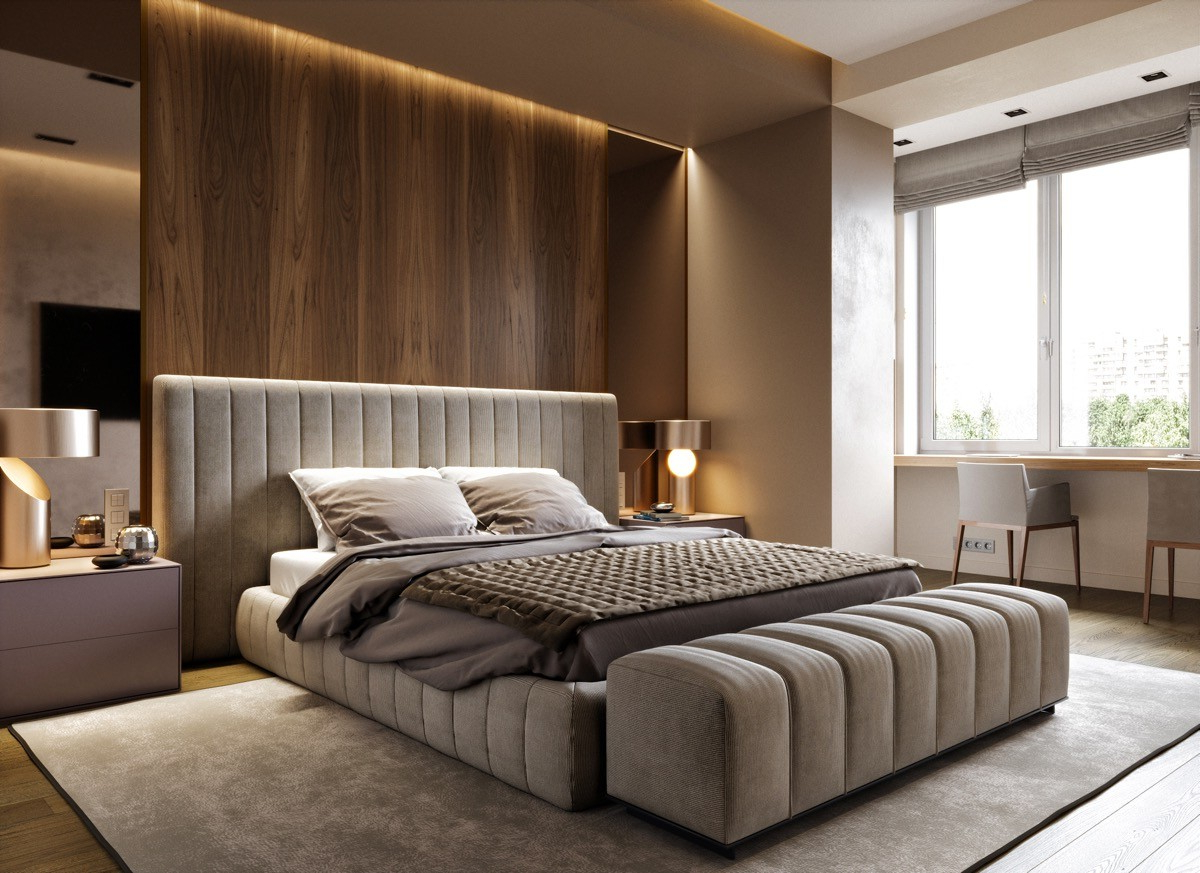
• Natural materials: Wood, linen, and cotton have a calming effect on both our senses and our nervous system. They feel organic and grounding.
• Intentional lighting: Soft, warm light sources that can be dimmed or turned off easily help regulate your circadian rhythms. Avoid harsh fluorescent lights that can disrupt sleep patterns.
Decluttering Strategies for Better Sleep
The first step toward a minimalist bedroom is letting go of what no longer serves you. Start by taking everything out of your closet and examining each item honestly. Ask yourself: does this bring me joy? Does it serve a purpose in my daily routine? If the answer is no, consider donating or selling it.
A helpful technique is the "one in, one out" rule. Every time you bring something new into your bedroom, remove something else. This prevents accumulation and forces you to be thoughtful about what enters your sacred sleep space.
Consider the emotional weight of items. Sometimes we hold onto things not because we want them, but because they represent memories or feelings. Letting go of these items can actually be liberating. You might be surprised to discover that removing sentimental objects creates more space for peace of mind rather than cluttered thoughts.
Lighting and Temperature Considerations
Lighting plays a crucial role in sleep quality. Your bedroom should ideally be dark enough to promote melatonin production. However, some gentle light is necessary for practical reasons. Use dimmer switches or smart bulbs that automatically adjust throughout the day.
In the evening, switch to warm, amber tones rather than bright white light. This helps your body prepare for sleep naturally. Many people find that using blackout curtains or eye masks significantly improves their sleep quality.
Temperature also affects how well you sleep. A cool room between 65-68°F (18-20°C) is optimal for most people. Choose breathable bedding materials like cotton or bamboo fiber. These fabrics help regulate body temperature during the night, preventing overheating that can disrupt sleep cycles.
The Role of Textures and Materials
Your bedroom’s tactile elements can profoundly impact your sleep experience. Soft textures encourage relaxation and comfort. Choose bedding with natural fibers that feel gentle against your skin. Linen sheets are particularly popular among those seeking minimalist comfort because they’re breathable and develop a soft, worn-in feel over time.
Avoid synthetic materials that can trap heat or cause irritation. Remember that your bedroom is your sanctuary, so every material should contribute positively to your sense of well-being. Natural wood furniture adds warmth and grounding energy to the space. Stone or metal accents, while beautiful, can sometimes create an overly clinical atmosphere.
Consider the sound quality of your materials too. Soft fabrics and natural woods absorb sound better than hard surfaces. This means less noise disruption during the night and a more peaceful environment overall.
Practical Tips for Maintaining Your Minimalist Space
Keeping your minimalist bedroom functional requires ongoing attention. Here are some strategies that work well:
• Daily maintenance routines: Spend five minutes each morning organizing your space. This prevents clutter from building up.
• Seasonal reviews: Every season, take time to assess whether items still serve you. Some things may be seasonal or situationally useful.
• Create designated spots: Every item should have a home. This makes it easy to keep things organized and prevents random accumulation.
• Mindful shopping: Before purchasing anything new, ask yourself if it aligns with your current needs and aesthetic goals.
• Digital decluttering: Don’t forget about electronic devices. Keep phones, tablets, and computers out of the bedroom to avoid blue light exposure and mental stimulation that interferes with sleep.
Remember, minimalism isn’t about perfection. It’s about intentionality. Even small steps toward simplification can create significant improvements in how you sleep and feel.
The journey to better sleep through minimalist bedroom design isn’t about deprivation – it’s about optimization. When we carefully select what enters our sleeping environment, we create conditions that support our bodies’ natural healing processes. The beauty of this approach lies in its simplicity and effectiveness. You don’t need expensive furniture or elaborate renovations. Just a thoughtful consideration of what belongs in your bedroom space.
Start small. Pick one area to simplify, whether it’s your nightstand, your closet, or your entire room. Notice how that change affects your mood and sleep quality. Over time, these small improvements compound into a more restorative nighttime routine. Your bedroom can become more than just a place to sleep – it can be a retreat where your mind and body can truly recharge. The key is remembering that less often really is more when it comes to creating the perfect environment for restful sleep.
[sps_html tag=”img” src=”https://roofdrivein.com/wp-content/uploads/2026/01/55-minimalist-bedroom-ideas-that-will-instantly-calm-your-mind-edward-inside-bedroom-design-ideas-minimalist.png” alt=”55 Minimalist Bedroom Ideas That Will Instantly Calm Your Mind - Edward … inside Bedroom Design Ideas Minimalist” style=”width: 100%; height: auto;”]
[sps_html tag=”img” src=”https://roofdrivein.com/wp-content/uploads/2026/01/28-minimalist-bedroom-design-ideas-b-e-d-r-o-o-m-images-intended-for-minimalist-bedroom-design-principles-for-better-sleep-quality.jpg” alt=”28+ Minimalist Bedroom Design Ideas :: B E D R O O M Images intended for Minimalist bedroom design principles for better sleep quality” style=”width: 100%; height: auto;”]
[sps_html tag=”img” src=”https://roofdrivein.com/wp-content/uploads/2026/01/19-minimalist-bedroom-ideas-for-a-cozy-and-aesthetic-retreat-viv-tim-pertaining-to-minimalist-bedroom-design-principles-for-better-sleep-quality.jpg” alt=”19 Minimalist Bedroom Ideas For A Cozy And Aesthetic Retreat - Viv & Tim pertaining to Minimalist bedroom design principles for better sleep quality” style=”width: 100%; height: auto;”]
[sps_html tag=”img” src=”https://roofdrivein.com/wp-content/uploads/2026/01/40-serenely-minimalist-bedrooms-to-help-you-embrace-simple-with-regard-to-bedroom-design-ideas-minimalist.jpg” alt=”40 Serenely Minimalist Bedrooms To Help You Embrace Simple … with regard to Bedroom Design Ideas Minimalist” style=”width: 100%; height: auto;”]
[sps_html tag=”img” src=”https://roofdrivein.com/wp-content/uploads/2026/01/30-minimalist-bedroom-ideas-that-will-inspire-you-to-declutter-with-regard-to-minimalist-bedroom-design-principles-for-better-sleep-quality.jpg” alt=”30 Minimalist Bedroom Ideas That Will Inspire You To Declutter with regard to Minimalist bedroom design principles for better sleep quality” style=”width: 100%; height: auto;”]