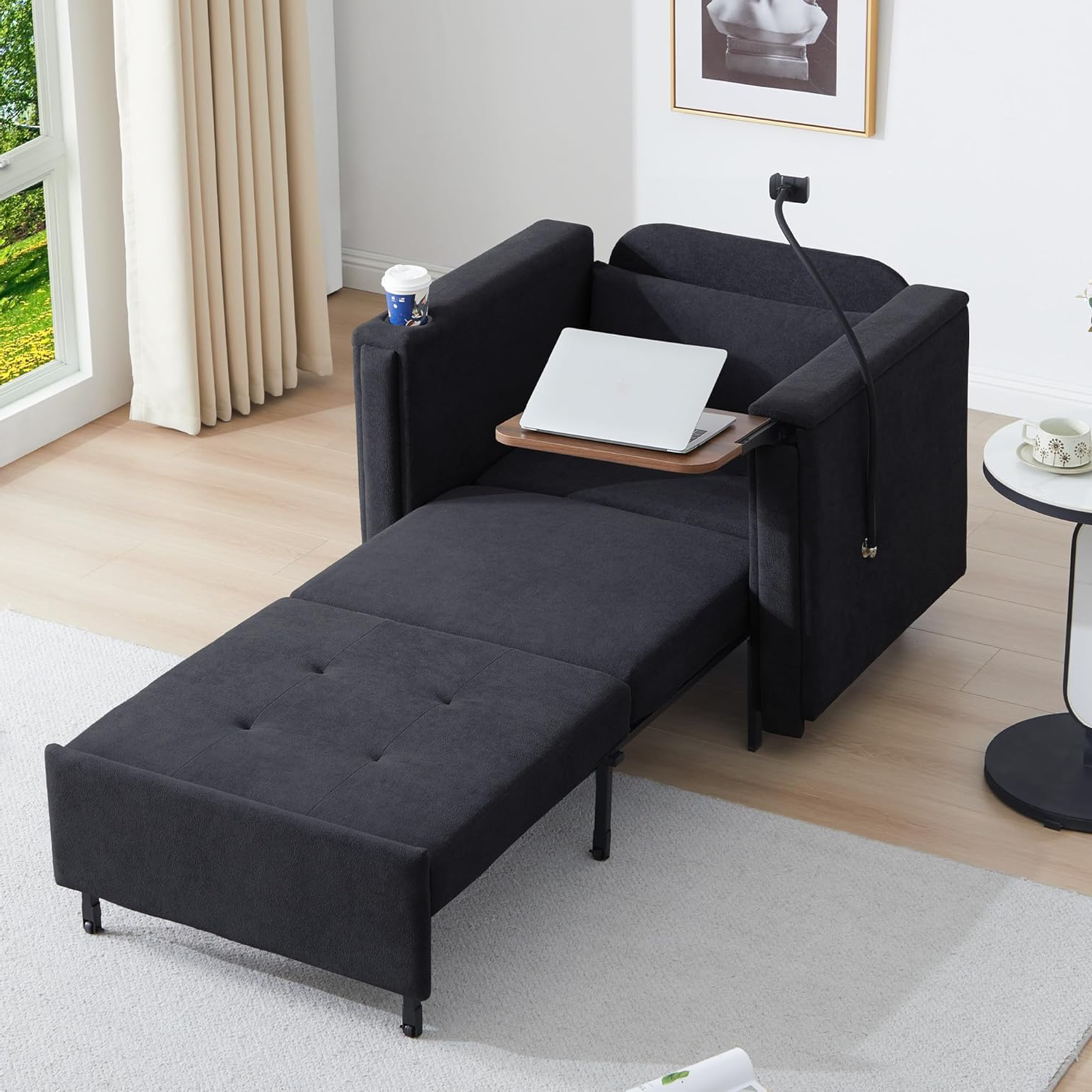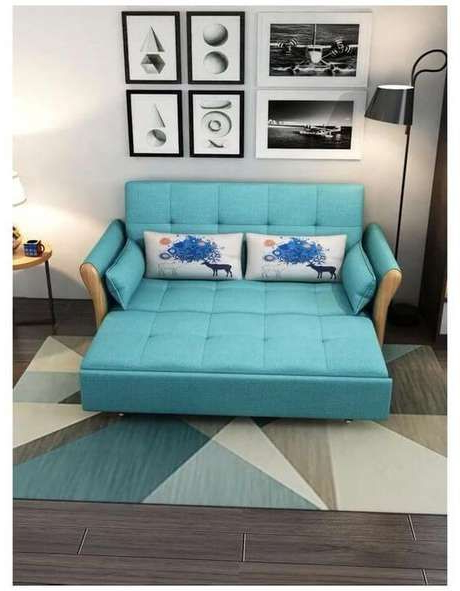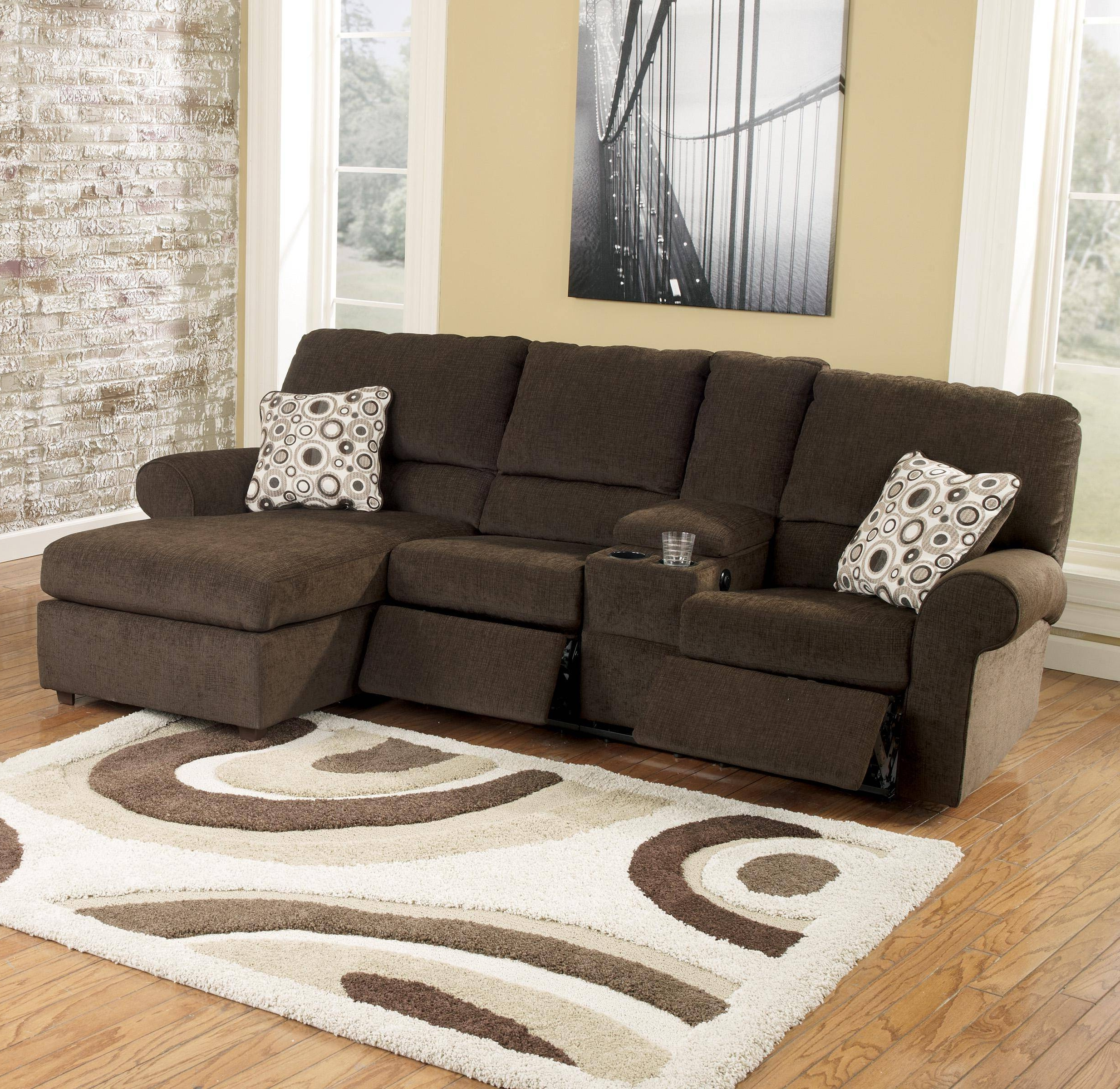
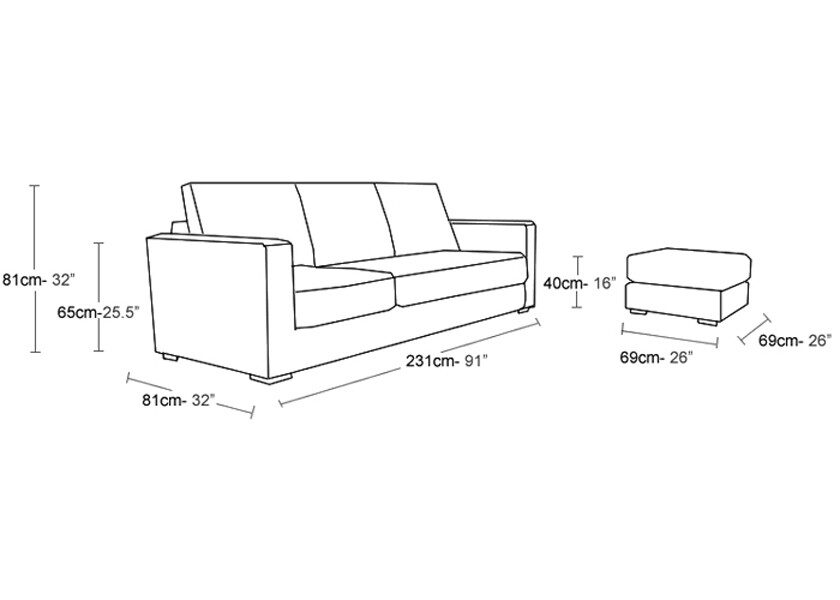
Living in a compact apartment or studio doesn’t mean sacrificing comfort. In fact, the right sofa bed can transform your tiny space into a versatile haven. But what size actually works best? We’ll explore the magic numbers and practical wisdom behind choosing the perfect dimensions that fit both your room and your lifestyle.
Picture this: you’re standing in a 10×10 foot studio apartment, wondering how to fit everything you need. A dining table, a desk, maybe even a place to sleep. The answer might just be hiding under your couch. Sofa beds have become the unsung heroes of modern small-space living. They offer the ultimate in multi-functionality – sitting, lounging, and sleeping all in one. But here’s the thing: not every sofa bed is created equal. Size matters enormously when it comes to making the most of limited square footage. The wrong dimensions can make your space feel cramped, while the right ones can create a sense of openness and ease. Let’s dive into what makes a sofa bed truly work for small spaces.
Understanding Small Space Constraints
Before we get into measurements, it helps to understand what we’re working with. Small spaces aren’t just about square footage – they’re about relationships between furniture and walls, light and shadow, and movement and comfort. When you’re working with less than 400 square feet, every inch counts. That’s why the first step in choosing the right sofa bed is understanding your room’s actual dimensions. You don’t want to measure once and assume everything will fit. Measure twice, then measure again. Check doorways, window sills, and any tight corners that might cause problems. Many people overlook the fact that getting furniture through a doorway can be just as challenging as fitting it inside the room. Consider the path of entry too. Will you be able to maneuver the sofa bed into position? Will there be enough clearance around it for daily activities? These are crucial questions that determine whether your chosen dimensions will actually work in practice. Sometimes, a slightly smaller sofa bed that fits perfectly through a narrow doorway will be better than a larger one that gets stuck in the hallway.
The Golden Rule: Length and Width Ratios
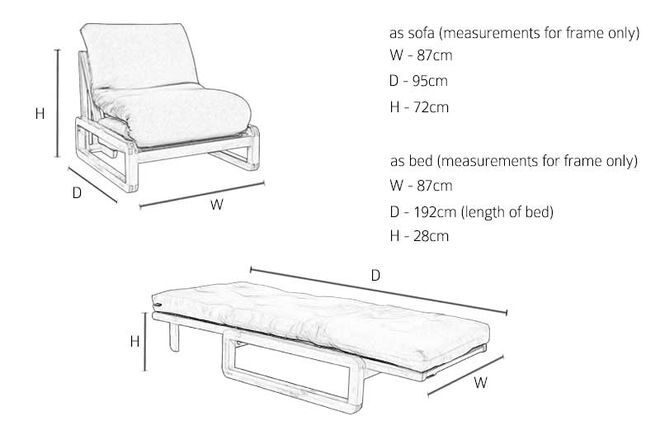
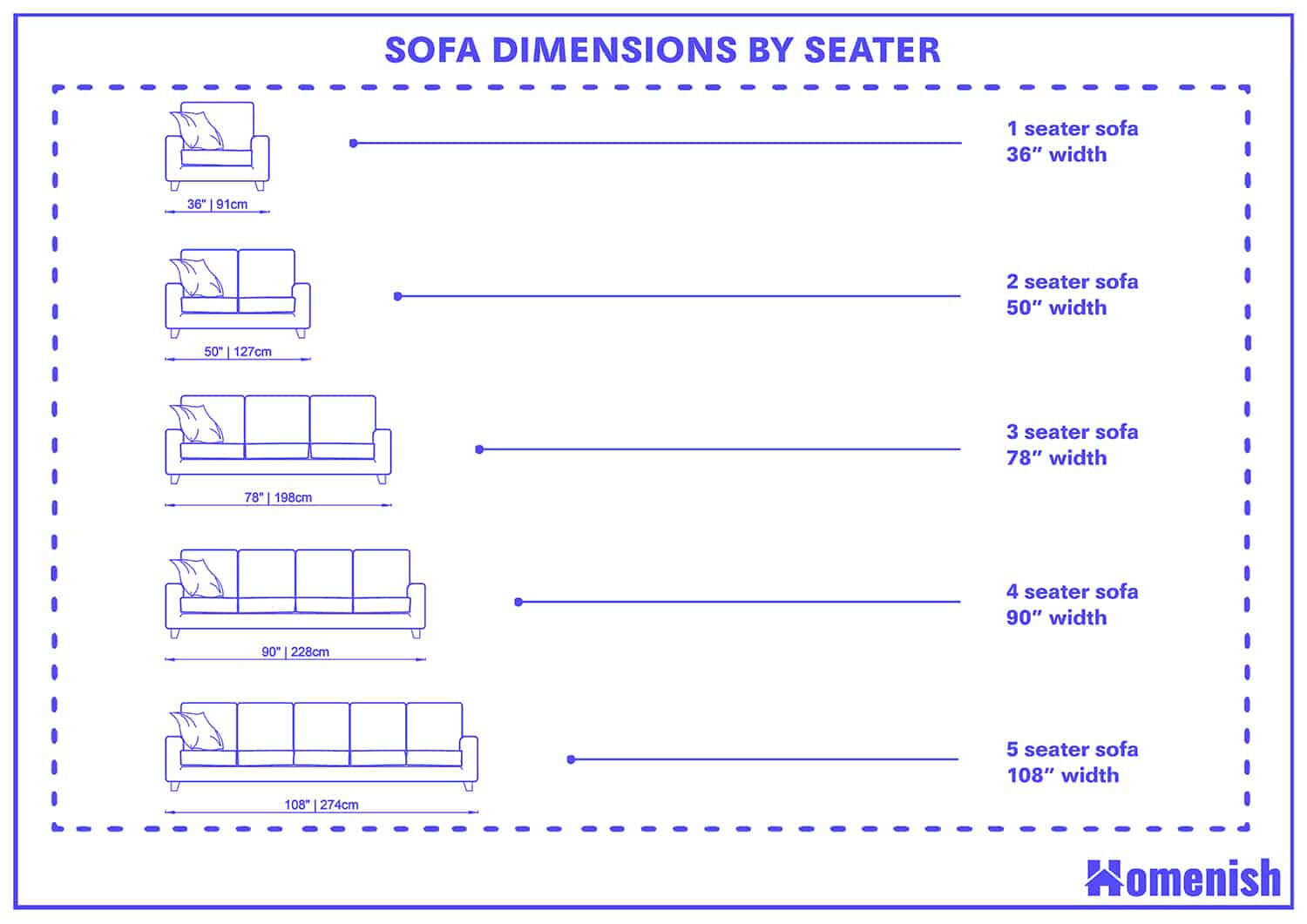
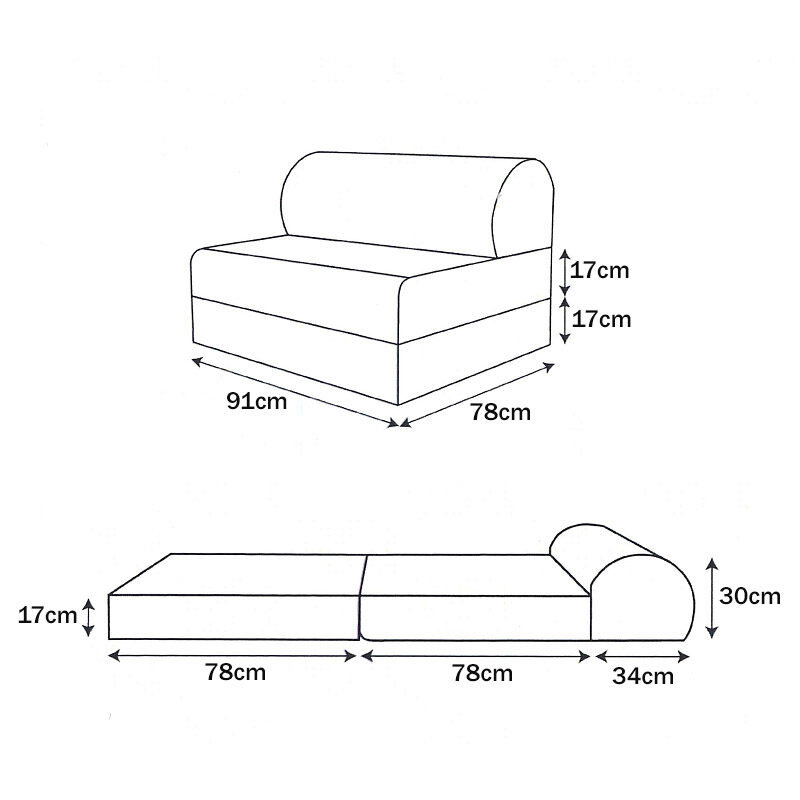
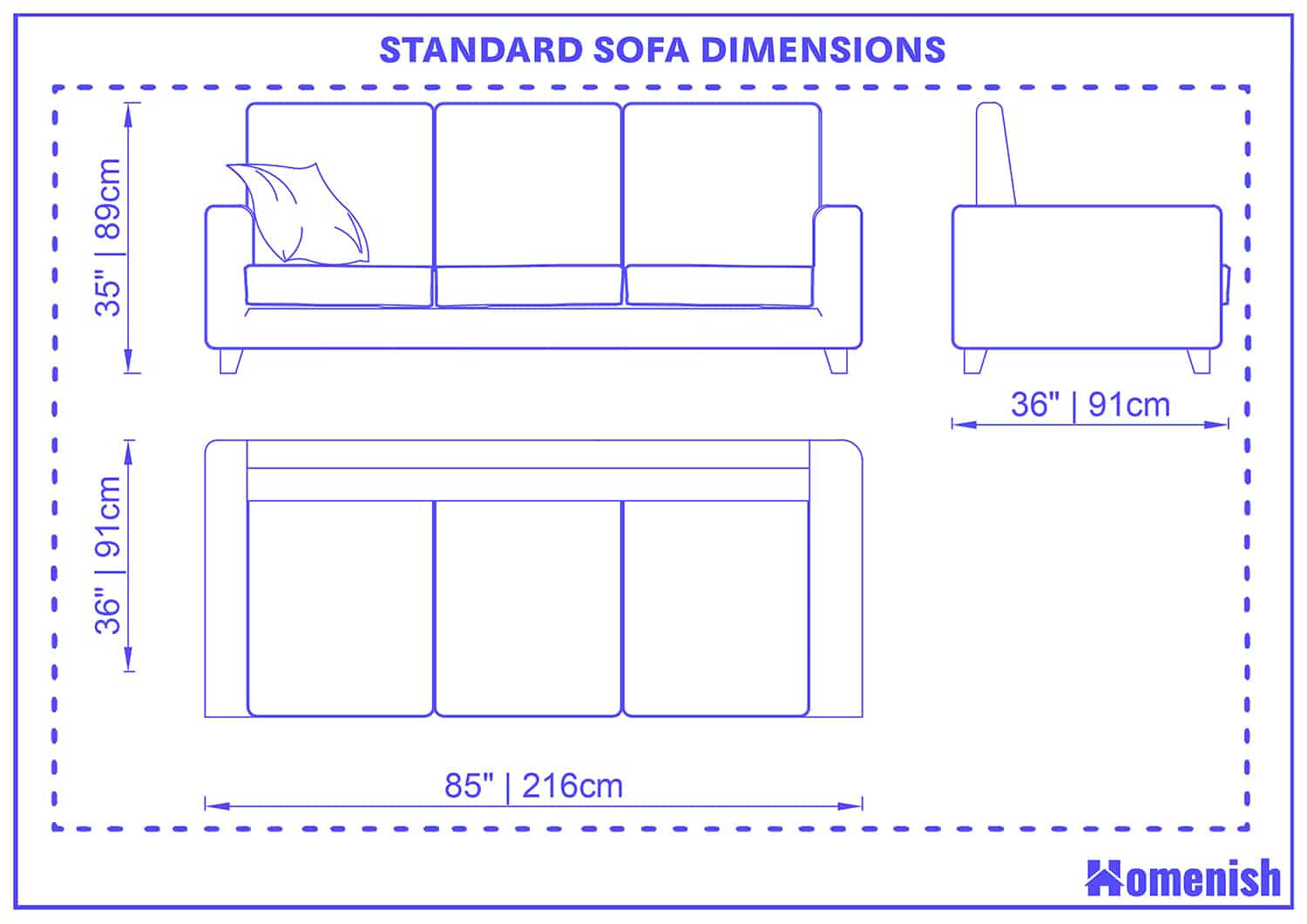
When it comes to sofa bed dimensions, there’s no one-size-fits-all approach, but some general guidelines emerge from real-world experience. The golden rule for small spaces is to consider the length-to-width ratio. For a typical 10×12 foot room, a sofa bed that’s around 7 feet long and 3 feet wide creates a good balance between functionality and space efficiency. This size provides enough room for comfortable seating during the day and adequate sleeping space at night. Think about how you use your space. Do you entertain guests regularly? Then maybe you’ll want a slightly wider option. Do you mostly live alone? A more compact design might be perfect. The key is finding that sweet spot where your sofa bed feels substantial enough for daily use but not so large that it dominates the room. Consider also the depth of your sofa bed. While you might think more depth means more comfort, a shallow profile often works better in small spaces because it allows for easier folding and storage.
Height Matters Too
We often focus on length and width, but height plays a surprisingly important role in small space optimization. Standard sofa beds typically range from 18 to 24 inches in height. Lower profiles, around 18 inches, tend to make rooms feel more open and airy. They’re also easier to get in and out of, especially for older adults or those with mobility concerns. Higher sofas, around 24 inches, offer more traditional seating comfort but can make a small room feel more cramped. There’s also something to consider about visual weight. A low-profile sofa bed doesn’t draw attention upward like taller furniture does. It creates a more horizontal feel, which can actually make small rooms appear larger. Think about your ceiling height too. If you have high ceilings, you might be able to accommodate a taller sofa bed without feeling claustrophobic. But if your ceiling is already low, a shorter sofa bed will help maintain that feeling of openness. Some designers recommend keeping the overall profile of your furniture proportional to your room’s dimensions.
Material and Construction Considerations
The materials used in building a sofa bed significantly impact both its performance and its suitability for small spaces. Lightweight materials like foam padding and fabric covers make it easier to move and adjust the sofa bed when needed. This is particularly important in very small spaces where you might need to shift furniture frequently. Heavier construction materials, while offering more durability, can make moving the piece difficult and potentially damage floors or walls. Consider the type of mattress included. Memory foam mattresses provide excellent comfort but can add significant weight and bulk. Spring mattresses are lighter and easier to handle, though they might not offer the same level of support. Some modern sofa beds feature hybrid designs that combine different materials for optimal performance. The frame itself matters too. Metal frames are generally more durable but can be heavier. Wood frames offer classic aesthetics but may not be ideal for very small spaces due to their tendency to take up more visual space. Also factor in the ease of assembly. Some sofa beds require professional installation, while others are designed for easy DIY setup. This can be a major consideration if you’re planning to move frequently or have limited help available.
Storage Solutions and Hidden Features
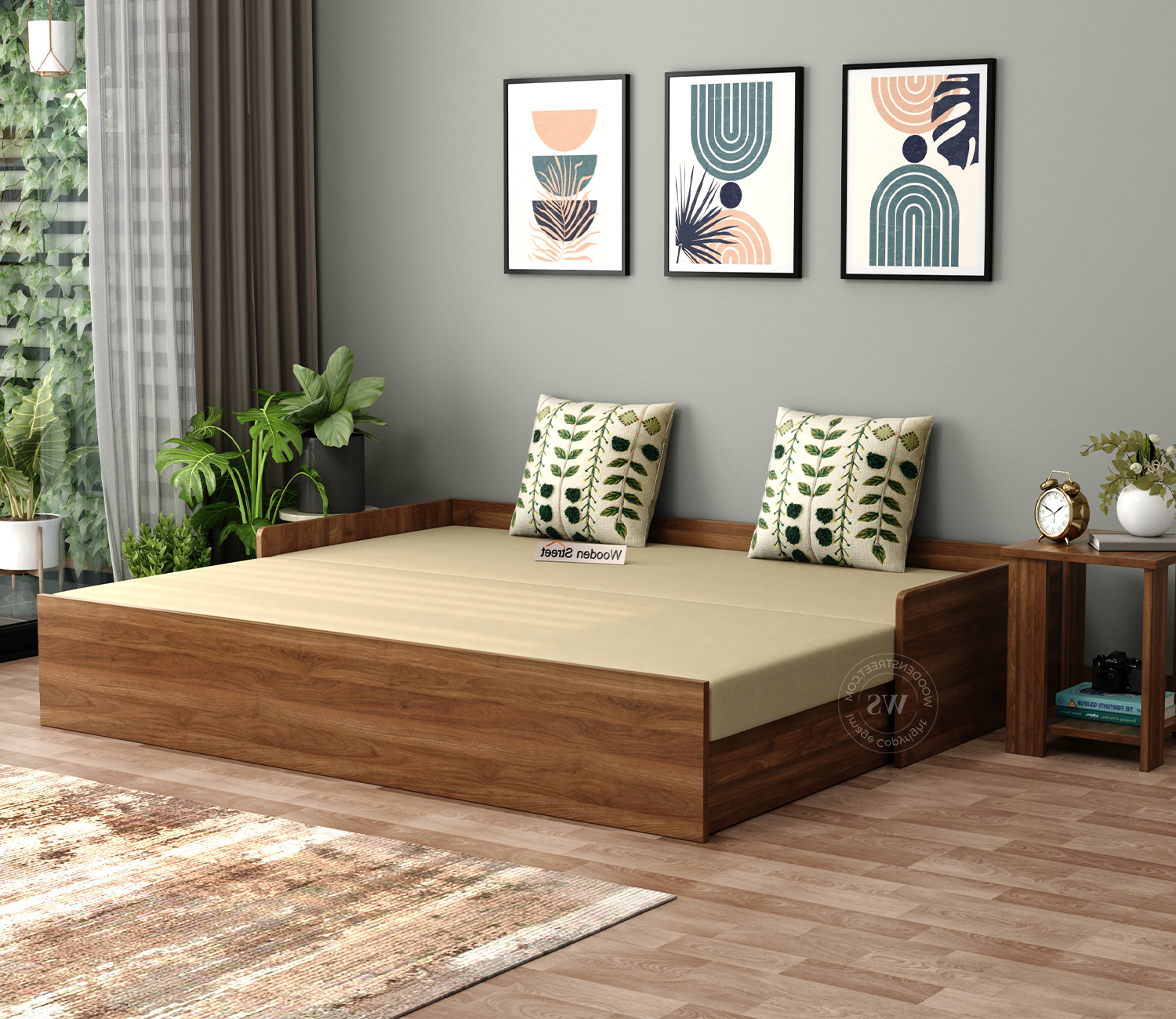
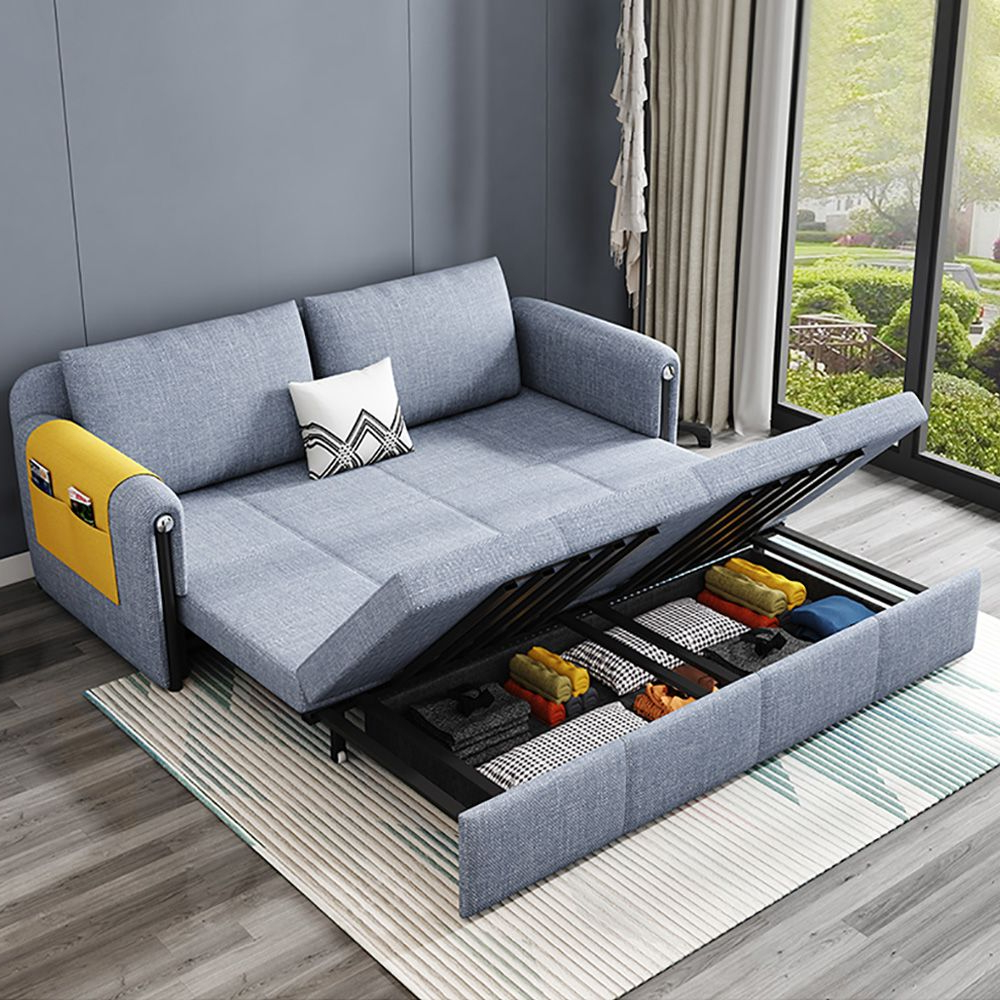
One of the biggest advantages of a well-designed sofa bed is its ability to incorporate storage solutions. Many modern models include hidden compartments, drawers, or even built-in shelving. These features can be game-changers in small spaces where every surface needs to serve multiple purposes. Consider how much storage you actually need versus how much you might want. A simple drawer for blankets and pillows might be perfect for some people, while others might benefit from a more elaborate storage system. Look for models with storage that doesn’t compromise the sofa bed’s primary function. The best storage solutions integrate seamlessly into the design rather than appearing as afterthoughts. Some sofa beds feature storage in the back, while others have storage in the arms or underneath. The key is ensuring that whatever storage you choose enhances rather than detracts from the overall look and feel of your space. Don’t forget about the importance of organization within that storage. A well-organized storage compartment can make the difference between a cluttered space and a clean, functional area. Consider using storage boxes or bins to keep things sorted and easily accessible.
Real-World Examples and Practical Tips
Let’s look at some actual scenarios that show how different dimensions work in practice. Sarah lives in a 12×14 foot apartment and chose a 7-foot sofa bed with a 3-foot width. She reports that it works perfectly for her needs, providing comfortable seating for her and her partner during the day and a good-sized sleeping surface at night. Her main concern was making sure it fit through her doorway, which was 32 inches wide. She ended up choosing a model with a narrower profile that still provided adequate comfort. Meanwhile, Tom has a 10×10 foot studio and went with a 6-foot sofa bed. He found that this size gave him more flexibility in arranging his furniture and made the room feel less cramped. His decision was influenced by his need for a desk in the same area and his desire to maintain clear pathways. Both of these examples demonstrate how personal lifestyle factors and specific room constraints influence the choice of dimensions. Practical tips include measuring your space in multiple locations, considering how you’ll use the room throughout the day, and thinking about future changes in your lifestyle. A sofa bed that works perfectly today might not suit tomorrow’s needs. Always account for the fact that you’ll probably want to rearrange furniture occasionally, so leave yourself some flexibility in your measurements.
Choosing the right sofa bed dimensions for small spaces isn’t just about math – it’s about creating a space that supports your lifestyle and feels comfortable to live in. The key is balancing functionality with comfort, and understanding that the ‘perfect’ size depends on your unique situation. Whether you’re working with a studio apartment or a converted garage, the right dimensions can make all the difference. Remember, the goal isn’t to cram as much furniture as possible into your space. It’s to create a harmonious environment where every piece serves a purpose and contributes to your wellbeing. Take your time with measurements, consider your daily routines, and don’t hesitate to consult with furniture experts if you’re unsure. The investment in proper sizing will pay off in comfort, usability, and peace of mind. After all, your home should be a sanctuary, not a maze of poorly chosen furniture. Choose wisely, and your small space can be just as comfortable as a large one.
[sps_html tag=”img” src=”https://roofdrivein.com/wp-content/uploads/2026/01/small-sectional-sofa-dimensions-hawk-haven-in-small-sofa-bed-dimensions.jpg” alt=”Small Sectional Sofa Dimensions | Hawk Haven in Small Sofa Bed Dimensions” style=”width: 100%; height: auto;”]
[sps_html tag=”img” src=”https://roofdrivein.com/wp-content/uploads/2026/01/sofa-dimensions-a-ultimate-guide-with-drawings-homenish-for-small-sofa-bed-dimensions.jpg” alt=”Sofa Dimensions - A Ultimate Guide (With Drawings) - Homenish for Small Sofa Bed Dimensions” style=”width: 100%; height: auto;”]
[sps_html tag=”img” src=”https://roofdrivein.com/wp-content/uploads/2026/01/single-sofa-bed-dimensions-at-nathaniel-ackerman-blog-in-maximizing-your-small-space-with-optimal-sofa-bed-dimensions.jpg” alt=”Single Sofa Bed Dimensions At Nathaniel Ackerman Blog in Maximizing Your Small Space with Optimal Sofa Bed Dimensions” style=”width: 100%; height: auto;”]
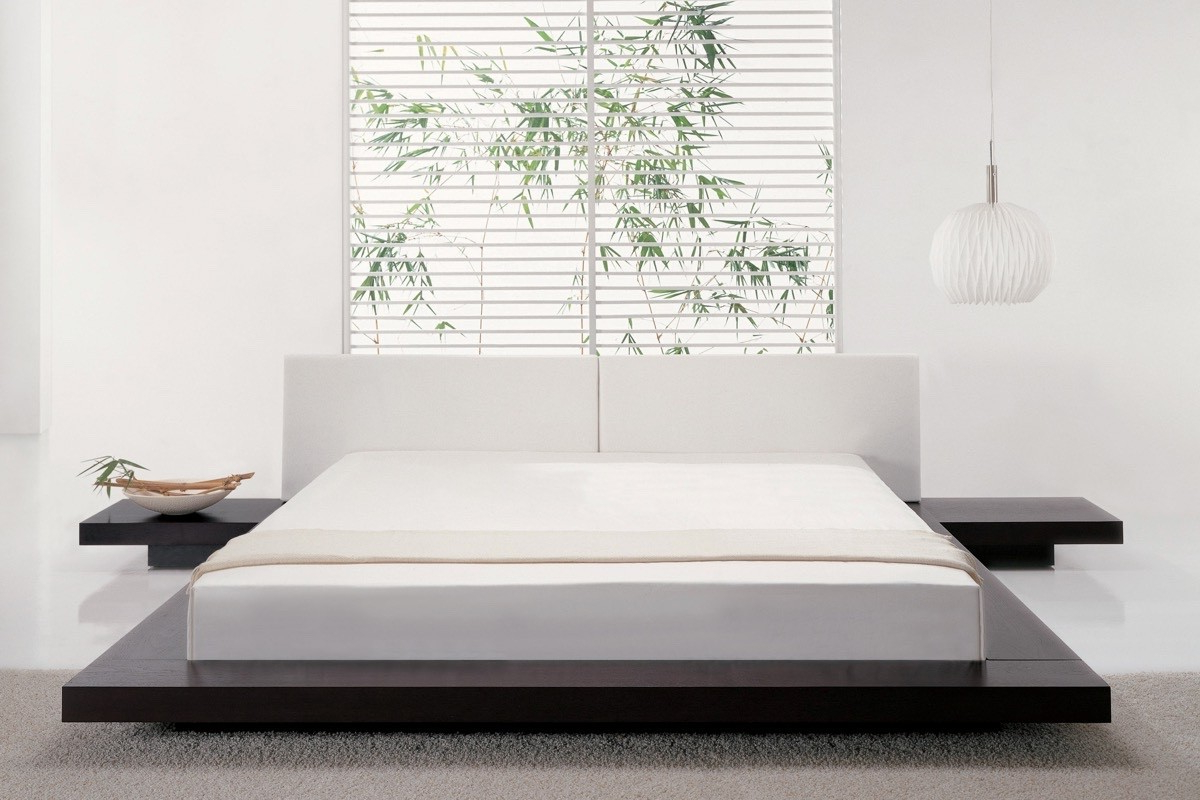
[sps_html tag=”img” src=”https://roofdrivein.com/wp-content/uploads/2026/01/sofa-bed-mattress-sizes-and-dimensions-guide-for-maximizing-your-small-space-with-optimal-sofa-bed-dimensions.png” alt=”Sofa Bed Mattress Sizes And Dimensions Guide for Maximizing Your Small Space with Optimal Sofa Bed Dimensions” style=”width: 100%; height: auto;”]
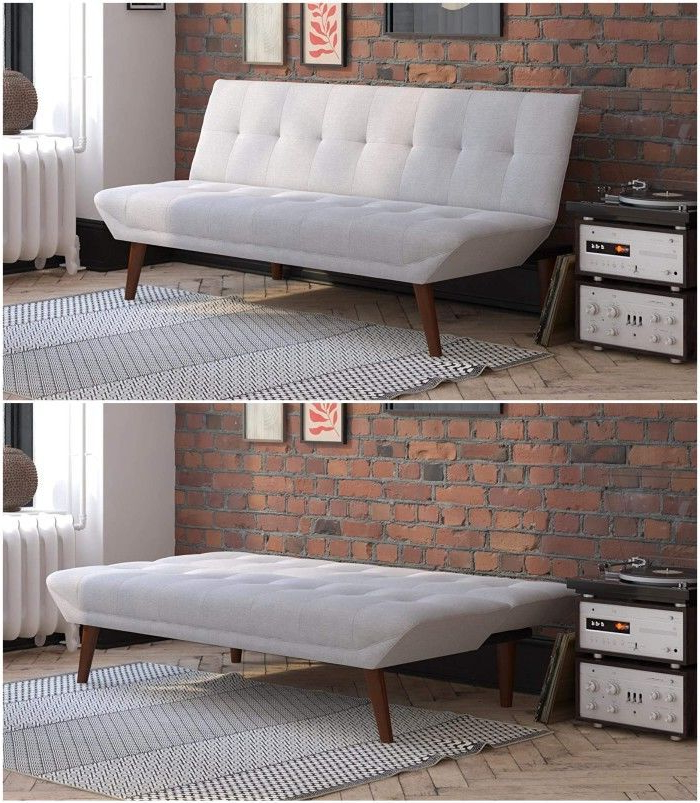
[sps_html tag=”img” src=”https://roofdrivein.com/wp-content/uploads/2026/01/sofa-bed-dimensions-intended-for-maximizing-your-small-space-with-optimal-sofa-bed-dimensions.jpg” alt=”Sofa Bed Dimensions intended for Maximizing Your Small Space with Optimal Sofa Bed Dimensions” style=”width: 100%; height: auto;”]