Picture this: you’re standing in your tiny kitchen, staring at the same cramped space that feels like it’s shrinking every day. You’ve got pots, pans, spices, and gadgets everywhere, yet somehow there’s still no room for anything new. Sound familiar? It’s a common struggle for apartment dwellers everywhere. But what if we told you that with just a few clever changes, you could transform that cluttered chaos into a streamlined wonder zone?
Living in a small apartment means living with limitations. And nowhere are those limitations more evident than in the kitchen. Whether you’re renting a studio or sharing a shared kitchen with roommates, the challenge remains the same: how do you fit everything you need in such a limited space? The good news is that smart storage solutions can work wonders. These aren’t just fancy gadgets or expensive overhauls – they’re practical approaches that anyone can implement, regardless of budget or experience level. Think of it as reorganizing your mental map of what’s possible in a small space.
The Psychology of Small Space Storage
Before diving into specific solutions, it helps to understand why small spaces feel so cramped. Our brains naturally perceive space differently when it’s limited. When you’re constantly surrounded by things that seem to take up all available room, your mind starts to see everything as essential, even when it’s not. This creates a feedback loop where more stuff gets added because "you might need it someday."
This mental trap is particularly tricky in kitchens because they’re emotional spaces. We associate food preparation with memories, comfort, and family. So when we can’t find what we need, it’s not just about organization – it’s about stress.
Smart storage works by creating visual clarity. When everything has its place, your brain stops worrying about finding things. Instead, it focuses on what matters most: cooking, enjoying meals, and feeling comfortable in your space. Consider this approach: if you can’t easily see what’s in your pantry or cabinets, you’ll probably keep adding items without realizing you already have them. That’s where thoughtful storage becomes crucial.
Vertical Storage: Making the Most of Height
One of the biggest mistakes people make in small kitchens is ignoring vertical space. You’re looking at walls that are begging to be used, and you’re missing out on a massive opportunity. Vertical storage isn’t just about hanging things on the wall – it’s about maximizing every available inch of height.
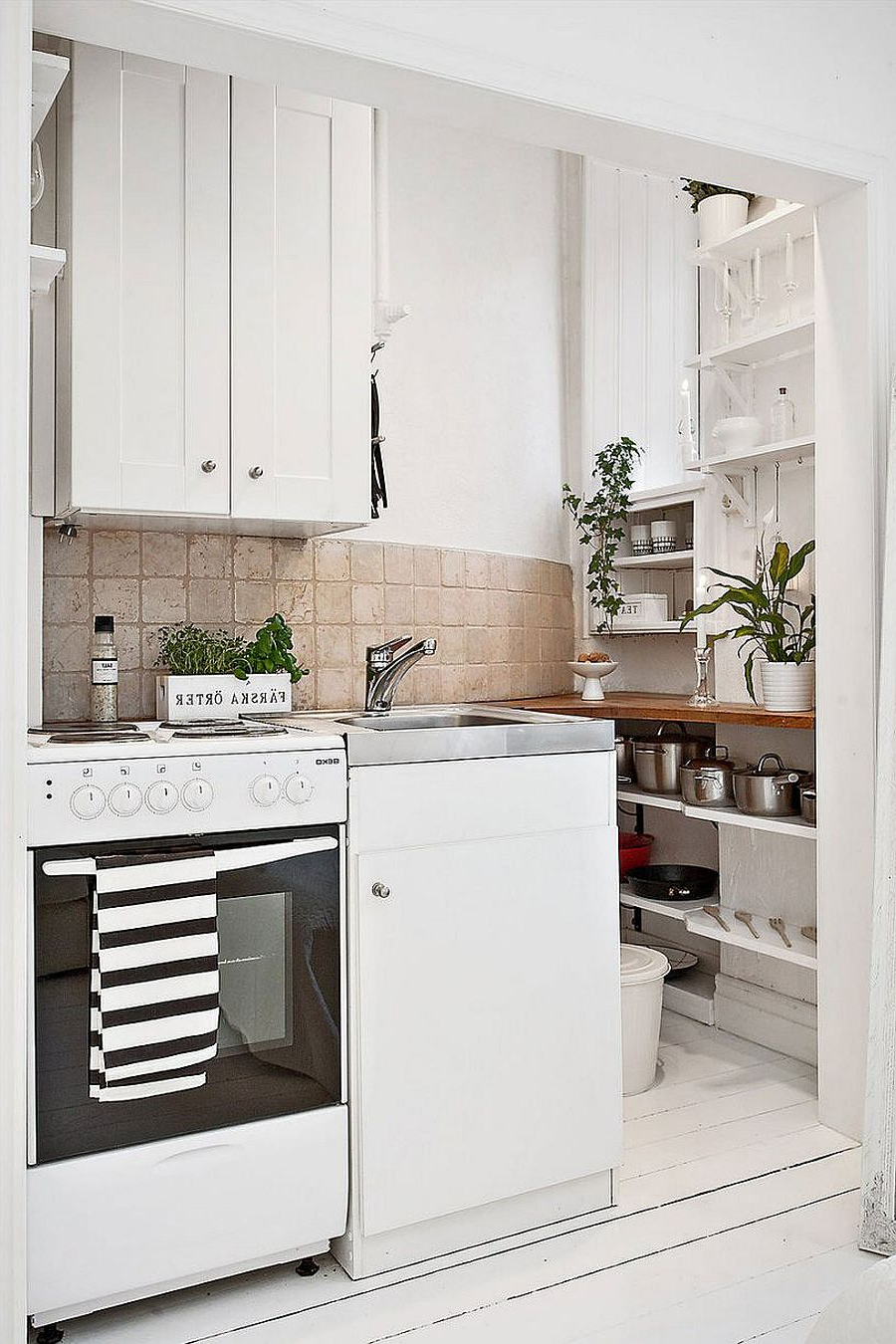
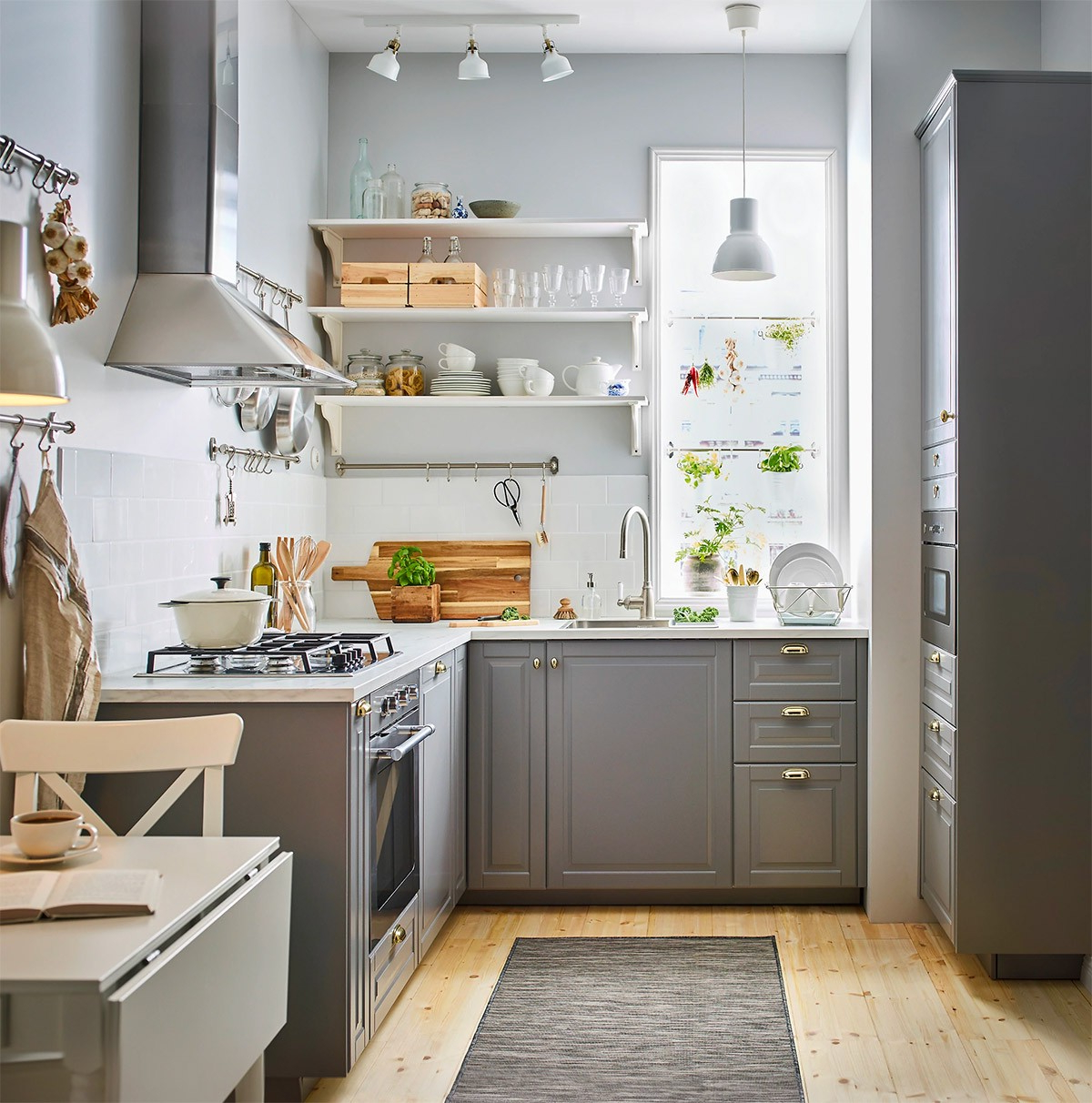
Think about your cabinet walls. Most people stop at the standard counter height, but there’s usually plenty of room above. Install shelves that go up to the ceiling or at least halfway up the wall. These aren’t just for decorative items – they’re perfect for storing rarely-used appliances, spices, or even extra cookware.
Consider these options:
• Wall-mounted spice racks that extend from floor to ceiling
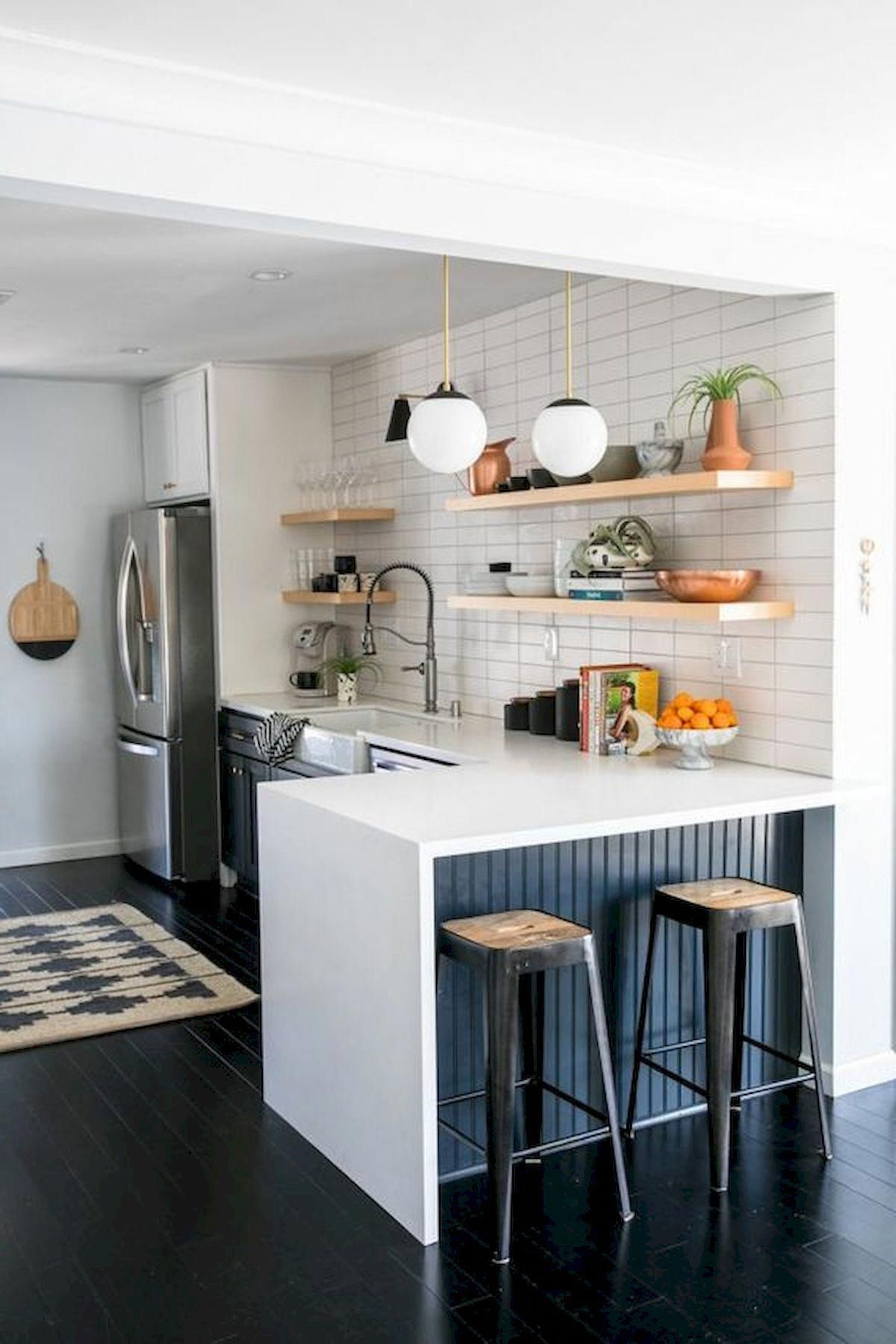
• Floating shelves for books, plants, or frequently-used items
• Over-the-range microwave storage solutions
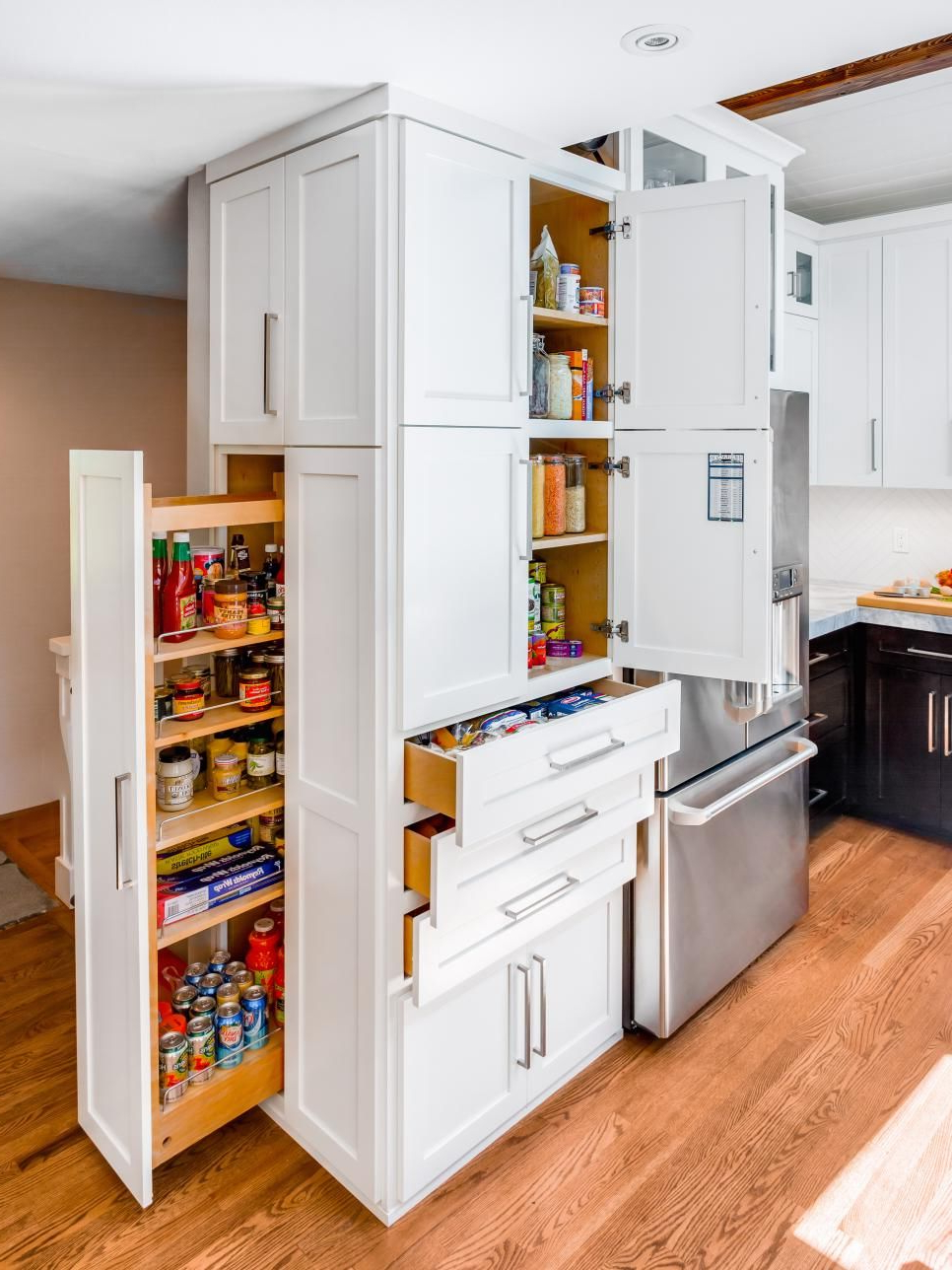
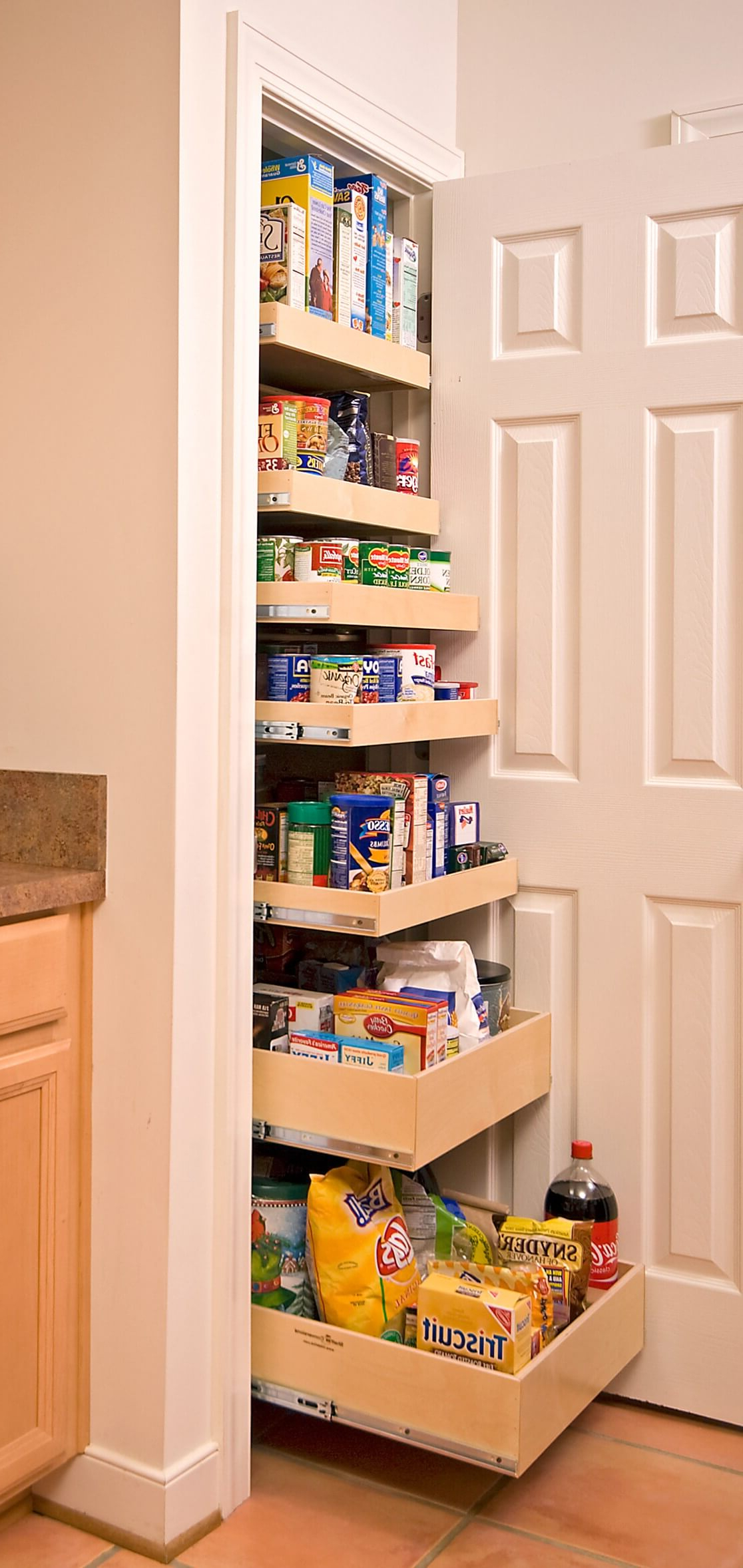
• Tall pantry organizers that utilize the full height of your cabinets
The key is to think vertically. When you start looking at your kitchen from top to bottom, you’ll see opportunities you never noticed before. A few well-placed shelves can double your storage capacity without taking up any additional floor space. And remember, you don’t have to go all-in on vertical storage immediately. Start small and build up gradually.
Multi-Purpose Furniture and Fixtures
In a small kitchen, every item needs to serve multiple functions. This is where multi-purpose furniture and fixtures really shine. Instead of having separate items for different tasks, choose pieces that can do several jobs at once.
Here are some practical examples:
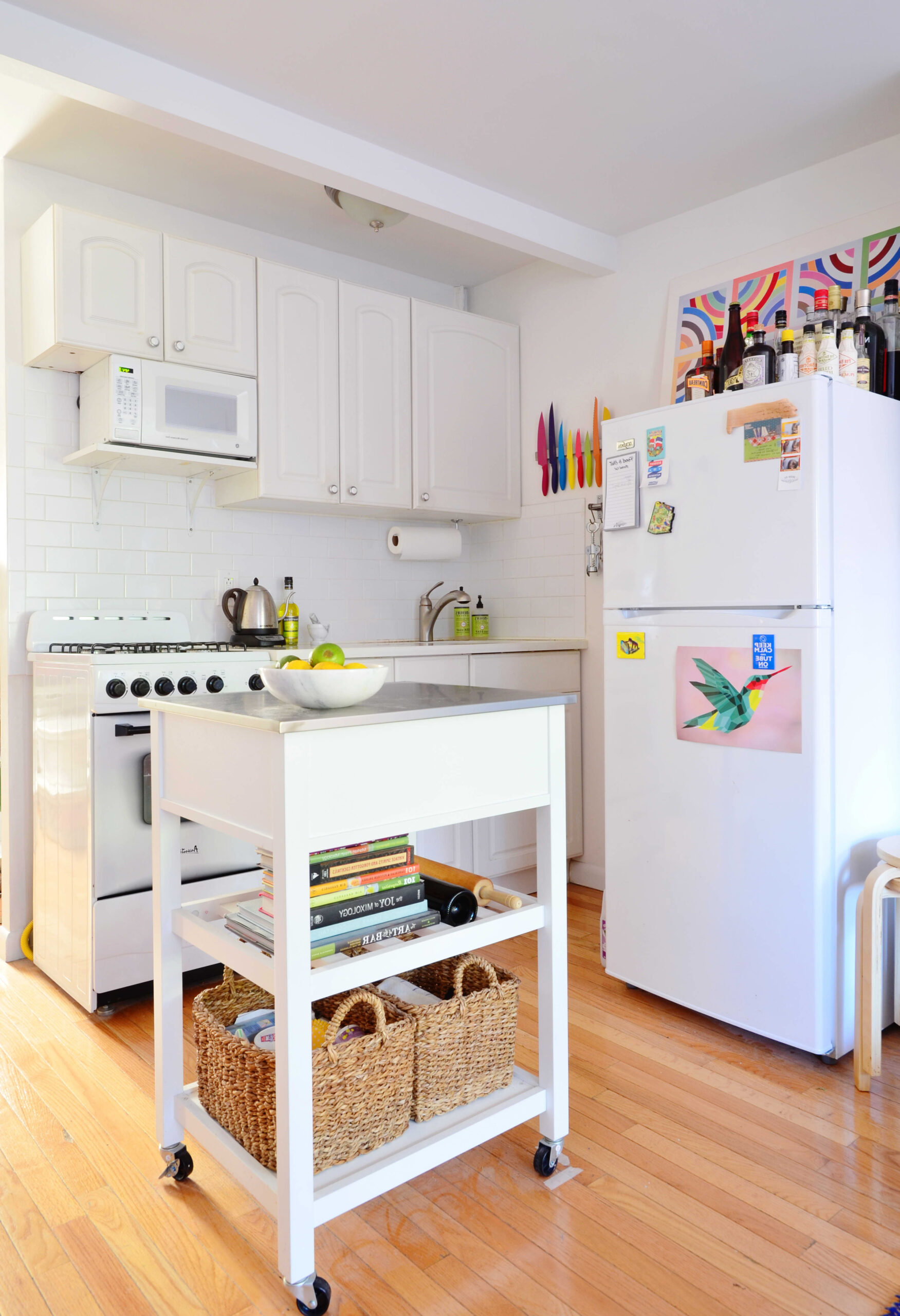
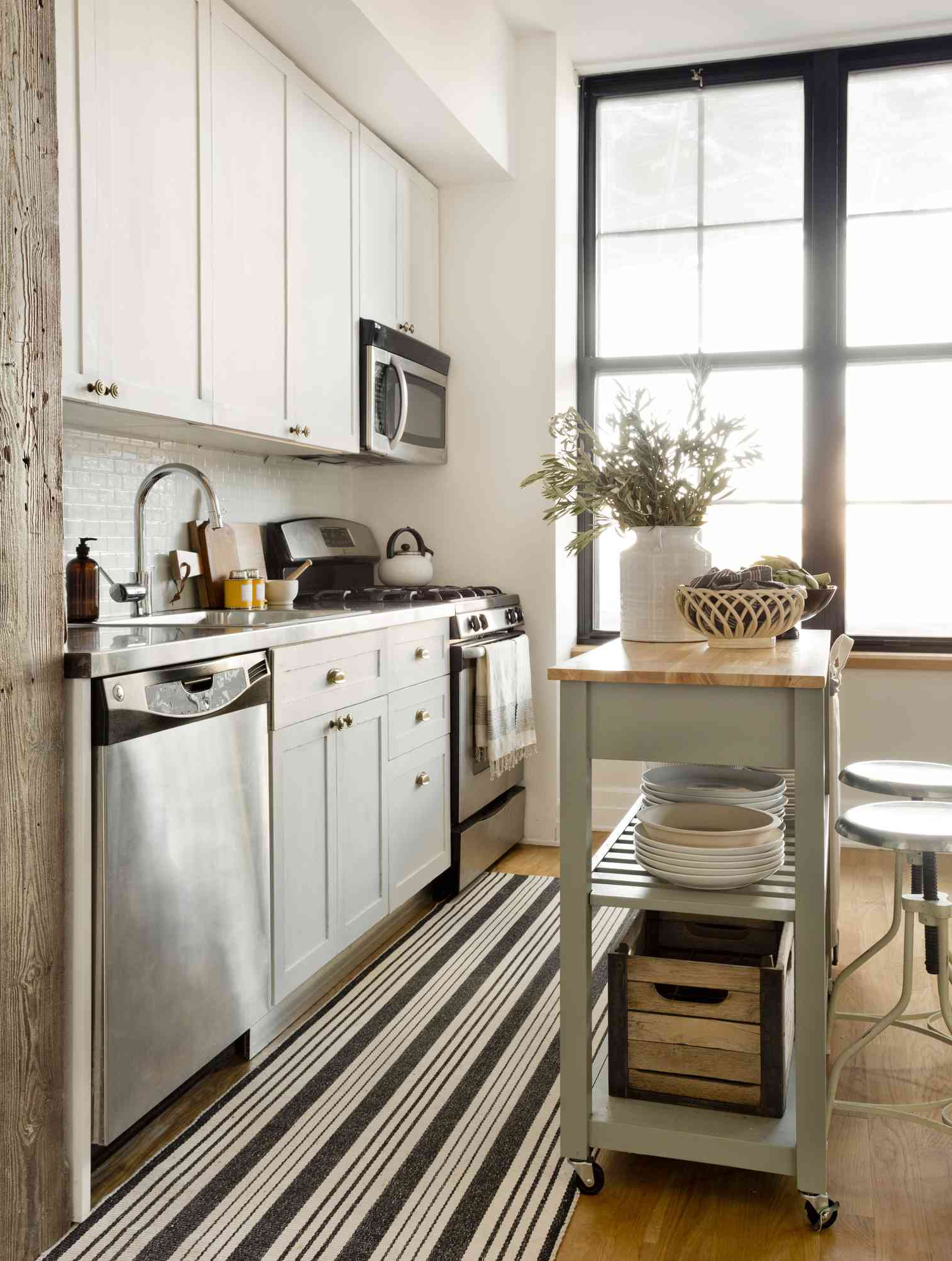
• A rolling cart that doubles as storage and workspace
• A dining table that can fold away when not in use
• Cabinet doors that hide storage while providing surface area
• Under-sink storage that keeps cleaning supplies out of sight
These solutions often come with a price tag, but they’re investments in efficiency. When you’re working in a tight space, having items that do double duty means you can keep your kitchen organized and clutter-free. For instance, a rolling cart can hold everything from spices to small appliances, and when you’re not using it, it can roll out of the way. It’s the ultimate in flexibility.
Don’t overlook the power of creative storage solutions like:
• Drawer dividers that organize utensils and cutlery
• Pot racks that hang from ceilings
• Magnetic strips for knives and metal tools
• Hooks for hanging pots and pans
The beauty of multi-functional storage is that it solves multiple problems simultaneously. It reduces clutter, improves workflow, and makes your kitchen feel larger than it actually is.
Underutilized Spaces and Hidden Storage
Small kitchens are notorious for having hidden spaces that are easy to forget about. But these spots are goldmines for storage. The space under the sink is one of the most overlooked areas, yet it can hold a surprising amount of items.
Under-sink storage options include:
• Pull-out drawers for cleaning supplies and paper towels
• Over-the-sink baskets for produce and ingredients
• Shelf inserts that maximize the depth of cabinets
• Rolling trays that can be pulled out and pushed back in
But it’s not just the space under the sink. Consider:
• Behind cabinet doors for items you use daily
• Inside refrigerator compartments for better organization
• Between appliances and walls
• Under the counter for smaller items
The secret to successful hidden storage is accessibility. You want to be able to reach everything easily without having to move heavy items or climb over furniture. Think about how often you use something, and store it accordingly. Items you use every day should be within arm’s reach, while seasonal items can be tucked away in harder-to-reach places.
Another hidden gem is the space between your refrigerator and the wall. Many people ignore this area entirely, but it’s perfect for storing condiments, beverages, or even a small freezer compartment. It’s not just about maximizing space – it’s about making your kitchen feel more organized and efficient.
Smart Pantry and Cabinet Organization
Pantry and cabinet organization is where many people get frustrated. You’ve got dozens of items, and somehow everything seems to be in the wrong place. The solution lies in systematic organization that considers both what you have and what you need.
Start by taking inventory of everything in your pantry and cabinets. Group similar items together – all baking supplies in one area, all pasta sauces in another. This isn’t just about aesthetics; it’s about reducing the time you spend searching for ingredients.
Here are some effective strategies:
• Use clear containers for dry goods like rice, beans, and flour
• Label everything, especially items that look similar
• Implement the FIFO system (first in, first out) to prevent waste
• Utilize shelf risers to create more usable space
• Install lazy susans for easy access to corner cabinets
The key insight here is that organization isn’t about perfection – it’s about consistency. Once you establish a system, stick with it. It doesn’t matter if it’s the most elaborate setup in the world; what matters is that you can find what you need quickly and efficiently.
Consider investing in some simple organizational tools like:
• Adjustable shelf liners
• Canister storage systems
• Baskets and bins for grouping items
• Door-mounted storage for spices and condiments
These tools help you visualize your inventory and make it easier to maintain order. When you know exactly where everything belongs, you’re less likely to accumulate unnecessary items.
Technology Integration for Modern Kitchens
Today’s kitchen storage solutions aren’t just physical – they’re increasingly tech-enabled too. Smart technology can help you manage what you have, track what’s running low, and even suggest recipes based on your ingredients.
Some practical smart storage solutions include:
• Smart refrigerators with built-in inventory tracking
• Apps that help you organize your pantry and grocery lists
• Voice-activated reminders for meal planning
• Digital recipe collections that sync across devices
These technologies don’t require massive investments. Even simple smartphone apps can help you keep track of expiration dates and ingredient quantities. Some people swear by apps that let them scan barcodes and automatically add items to their shopping list.
But don’t get carried away with high-tech solutions. Sometimes the simplest approach works best. A basic checklist app or even a simple notebook can help you stay organized. The key is finding technology that enhances your workflow rather than complicates it.
Consider how technology can support your existing habits. If you already make weekly grocery lists, a digital version might be helpful. If you’re prone to buying duplicates, a simple inventory tracking system could save you money and space. The goal isn’t to become a tech addict – it’s to leverage tools that make your life easier.
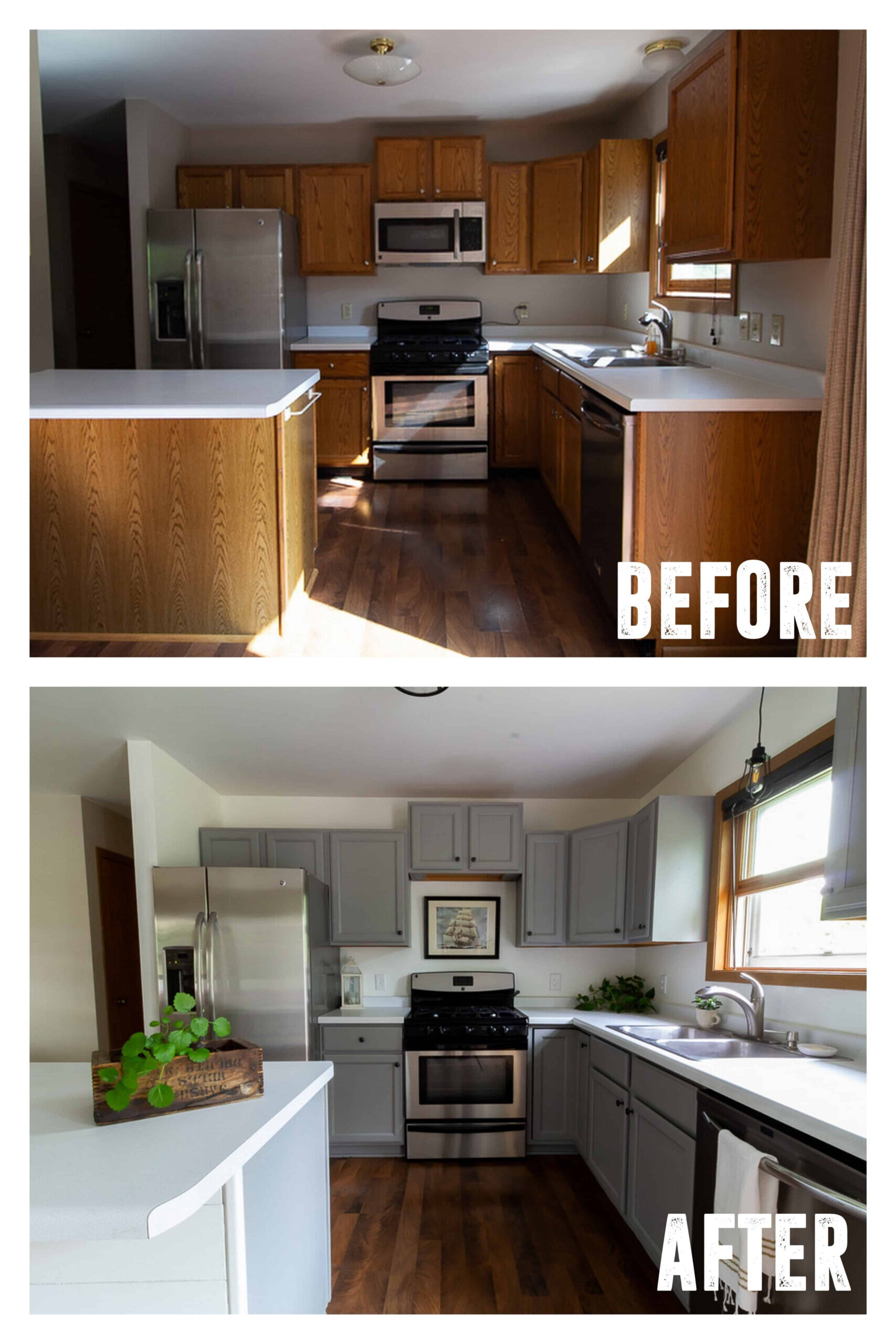
Transforming your small apartment kitchen into a functional, organized space isn’t about expensive renovations or major lifestyle changes. It’s about making smarter choices with the resources you already have. The key is to start small and build gradually. Pick one area that drives you crazy – maybe the pantry or the spice rack – and tackle that first. Once you see results, you’ll be motivated to continue.
Remember, the goal isn’t to eliminate all clutter, but to create systems that work for your lifestyle. Your kitchen should feel welcoming, not overwhelming. When you can find what you need quickly and efficiently, you’ll discover that your small space is actually quite spacious.
The journey toward better storage begins with awareness. Notice where you’re struggling most, identify what’s causing friction in your daily routine, and then apply targeted solutions. Whether it’s adding a few vertical shelves, organizing your pantry systematically, or integrating simple technology, each step forward makes a difference. The result? A kitchen that’s both beautiful and functional, where every item has its place and every moment feels more manageable.
[sps_html tag=”img” src=”https://roofdrivein.com/wp-content/uploads/2026/01/50-tiny-apartment-kitchens-that-excel-at-maximizing-small-spaces-in-kitchen-ideas-apartment.jpg” alt=”50 Tiny Apartment Kitchens That Excel At Maximizing Small Spaces in Kitchen Ideas Apartment” style=”width: 100%; height: auto;”]
[sps_html tag=”img” src=”https://roofdrivein.com/wp-content/uploads/2026/01/kitchen-ideas-for-studio-apartment-at-anne-ledbetter-blog-intended-for-maximizing-your-apartment-kitchen-with-smart-storage-solutions.jpg” alt=”Kitchen Ideas For Studio Apartment At Anne Ledbetter Blog intended for Maximizing your apartment kitchen with smart storage solutions” style=”width: 100%; height: auto;”]
[sps_html tag=”img” src=”https://roofdrivein.com/wp-content/uploads/2026/01/52-apartment-kitchen-ideas-that-are-renter-friendly-intended-for-kitchen-ideas-apartment.jpg” alt=”52 Apartment Kitchen Ideas That Are Renter-Friendly intended for Kitchen Ideas Apartment” style=”width: 100%; height: auto;”]
[sps_html tag=”img” src=”https://roofdrivein.com/wp-content/uploads/2026/01/best-small-kitchen-design-ideas-smart-small-kitchen-solutions-intended-for-maximizing-your-apartment-kitchen-with-smart-storage-solutions-scaled.jpeg” alt=”Best Small Kitchen Design Ideas - Smart Small Kitchen Solutions … intended for Maximizing your apartment kitchen with smart storage solutions” style=”width: 100%; height: auto;”]
[sps_html tag=”img” src=”https://roofdrivein.com/wp-content/uploads/2026/01/apartment-kitchen-ideas-make-the-most-of-your-small-space-kitchen-ideas-pertaining-to-maximizing-your-apartment-kitchen-with-smart-storage-solutions.jpg” alt=”Apartment Kitchen Ideas: Make The Most Of Your Small Space - Kitchen Ideas pertaining to Maximizing your apartment kitchen with smart storage solutions” style=”width: 100%; height: auto;”]