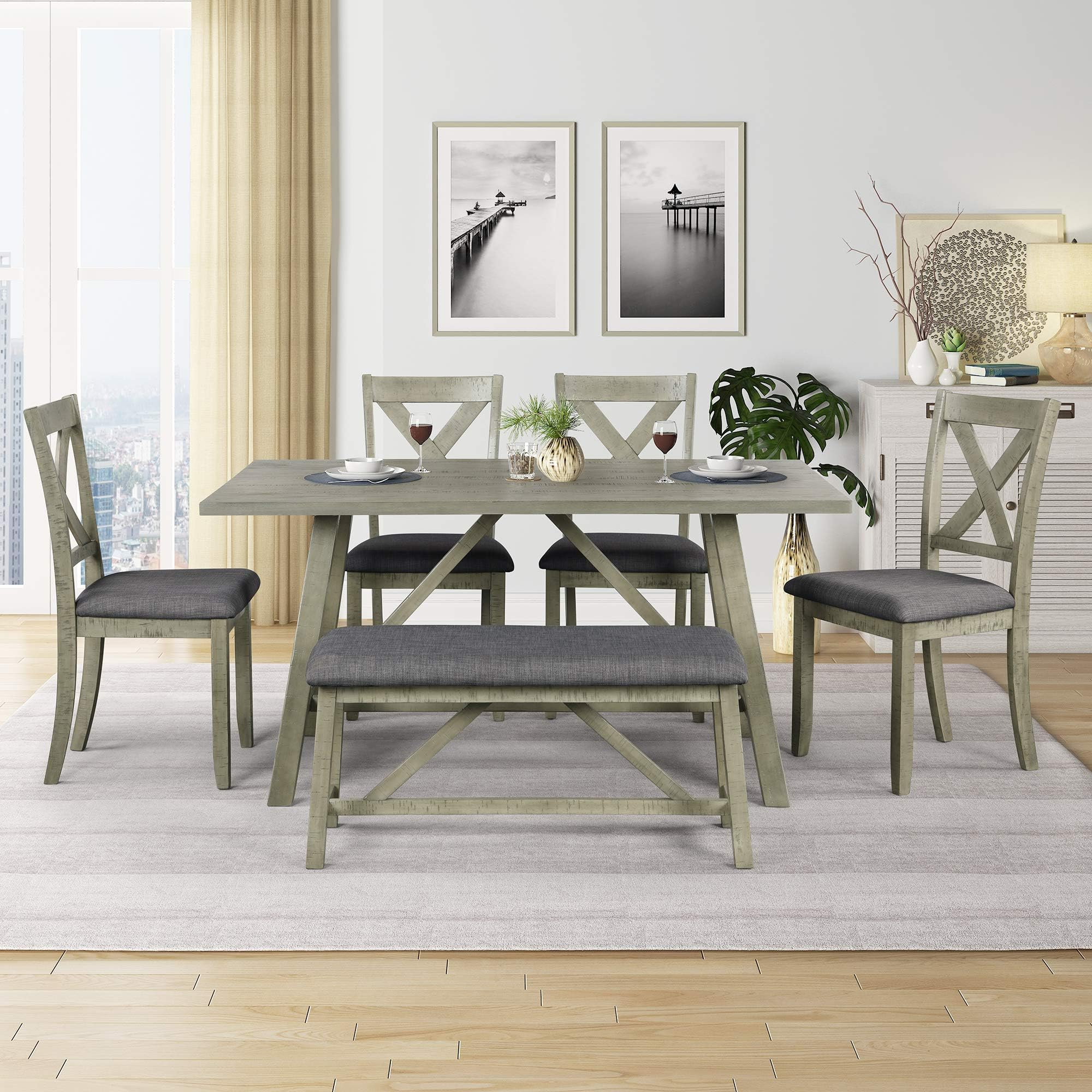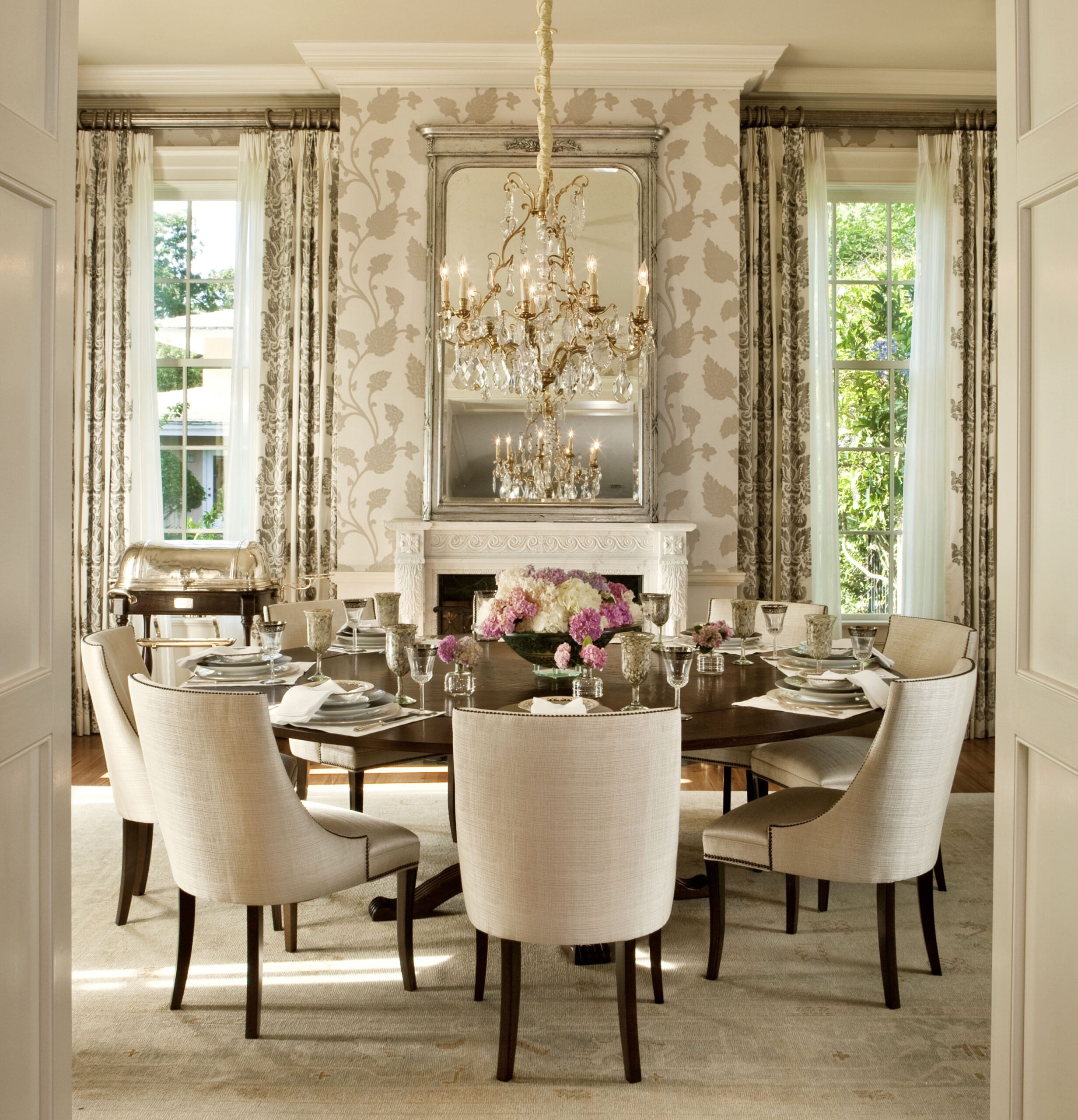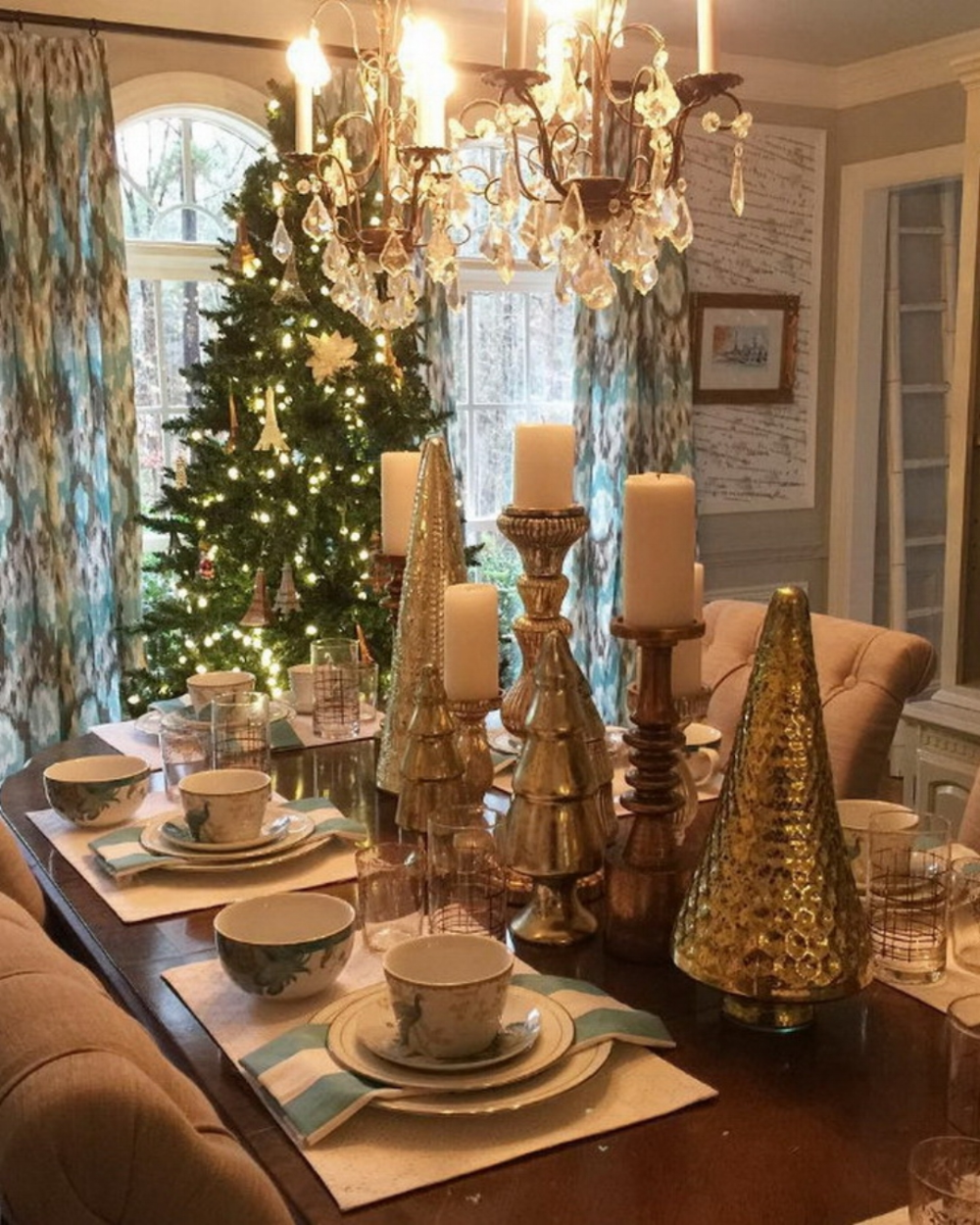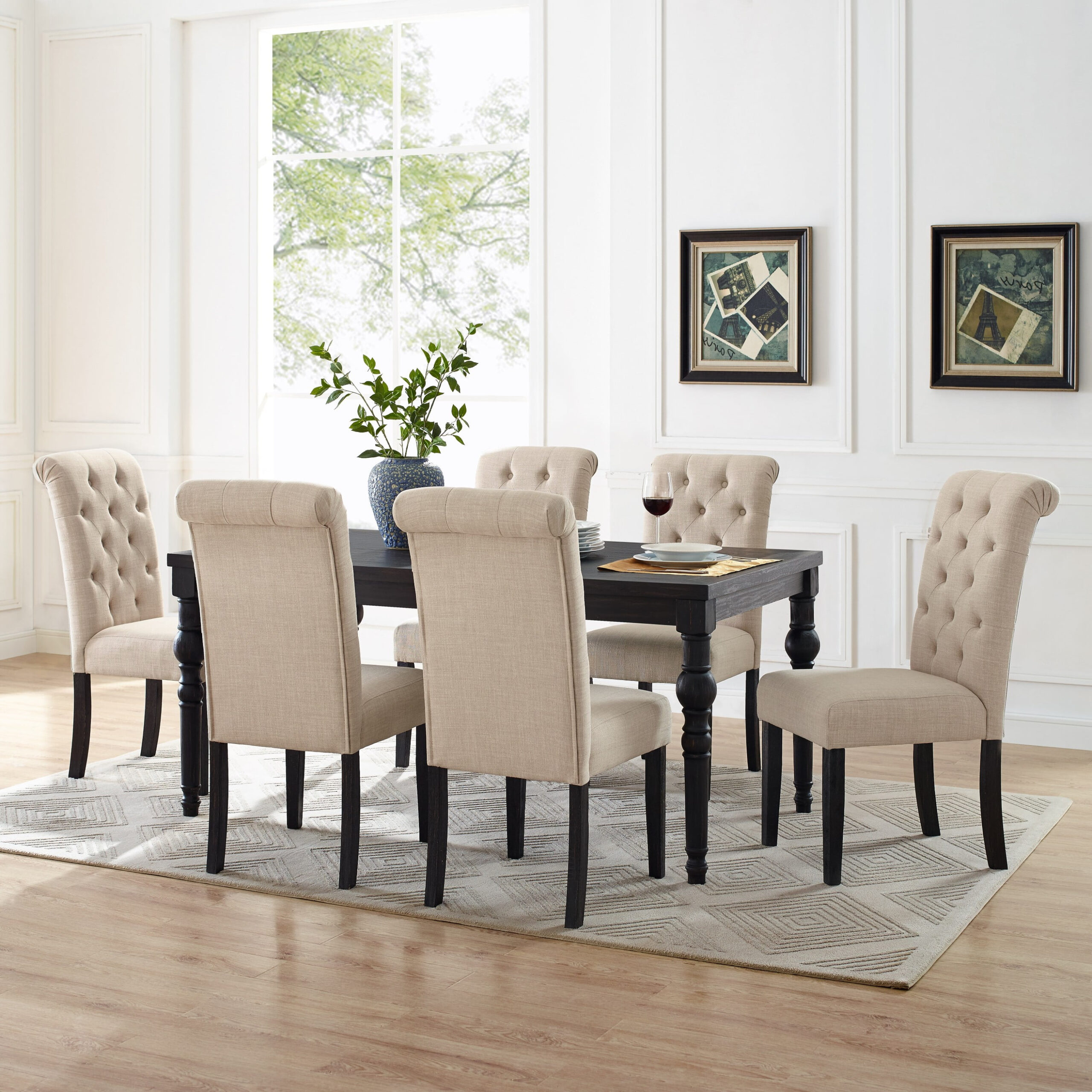
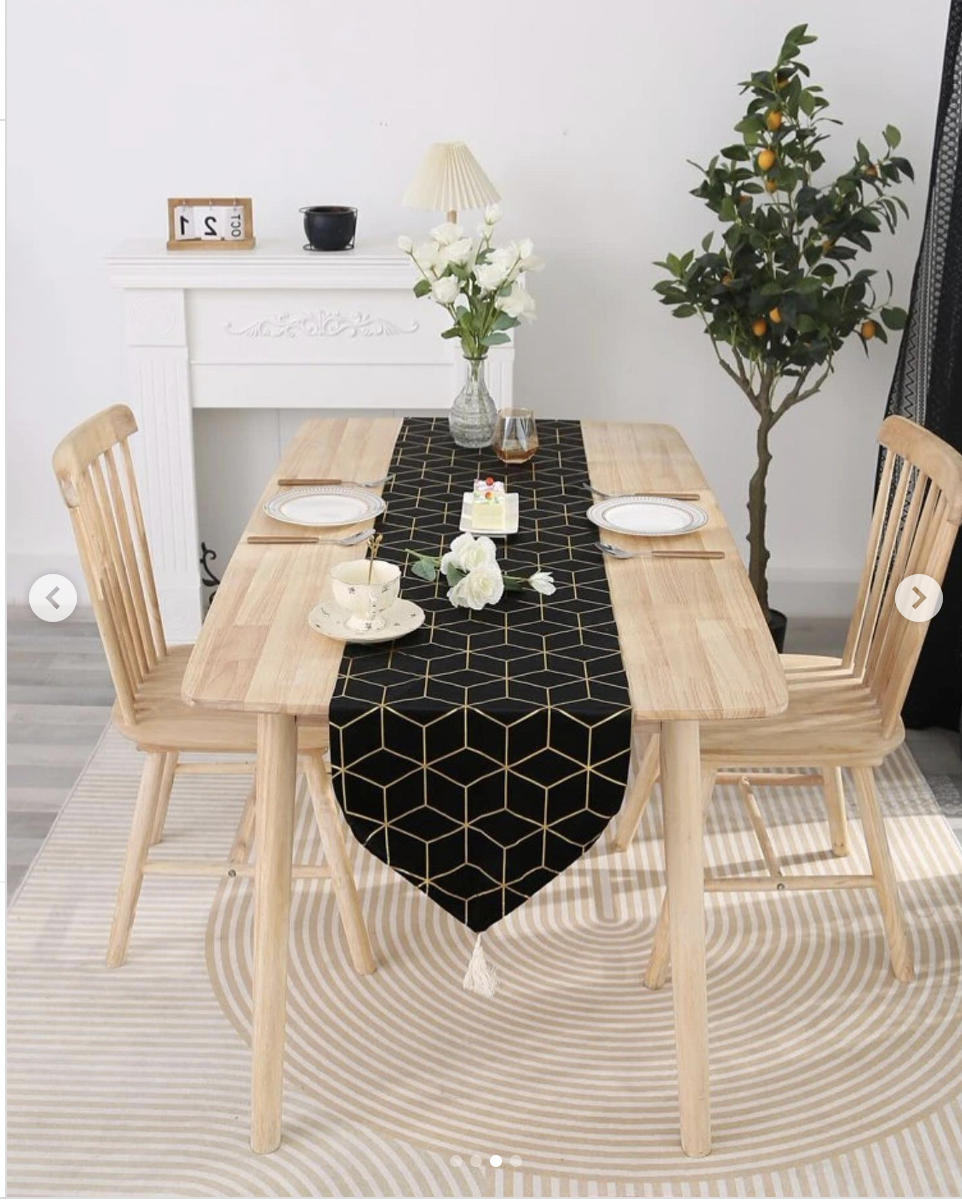
Picture this: You’ve spent hours crafting the perfect dinner party setting. The candles flicker, the wine is chilled, and every detail seems just right. But something feels off. Maybe it’s subtle, maybe it’s obvious, but your table lacks that polished, intentional look that makes guests feel welcome and impressed. The secret often lies in one simple element: the strategic placement of your table runner. It’s not just about covering the table surface—it’s about creating visual harmony, guiding the eye, and establishing the tone for your entire meal.
When we think about dining room aesthetics, we often focus on the big-ticket items—the chandelier, the centerpiece, the chairs. But the small details matter just as much, if not more. A well-placed table runner can make or break the overall look of your dining space. It’s the invisible thread that ties everything together, creating balance and flow. Whether you have a modest six-seater or a grand Victorian table that seats twelve, the principles remain the same. It’s about understanding how to maximize the impact of your runner while keeping functionality in mind. The right placement doesn’t just make your table look better—it makes your entire dining experience more enjoyable and memorable.
Understanding the Basics of Table Runner Placement
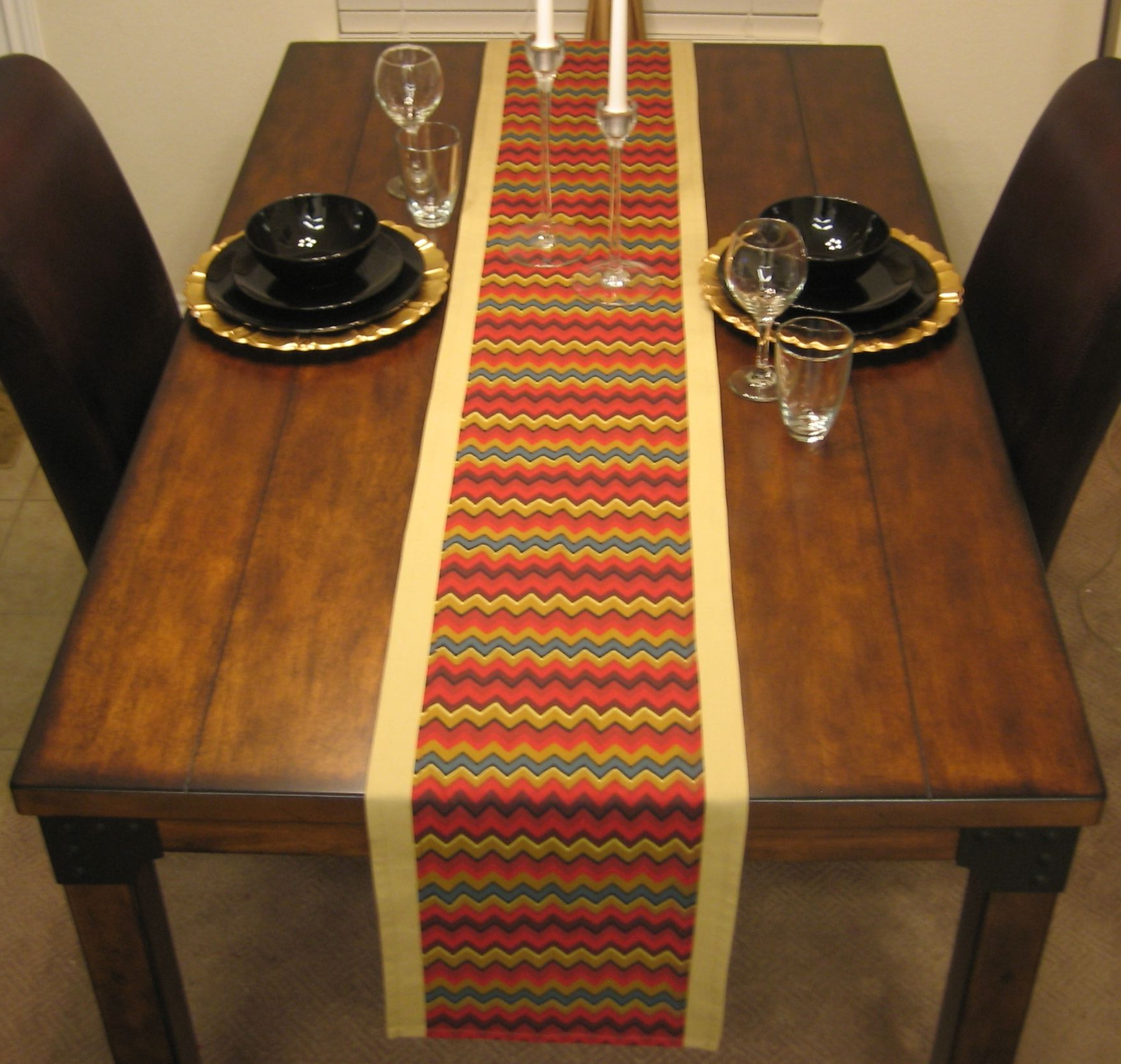
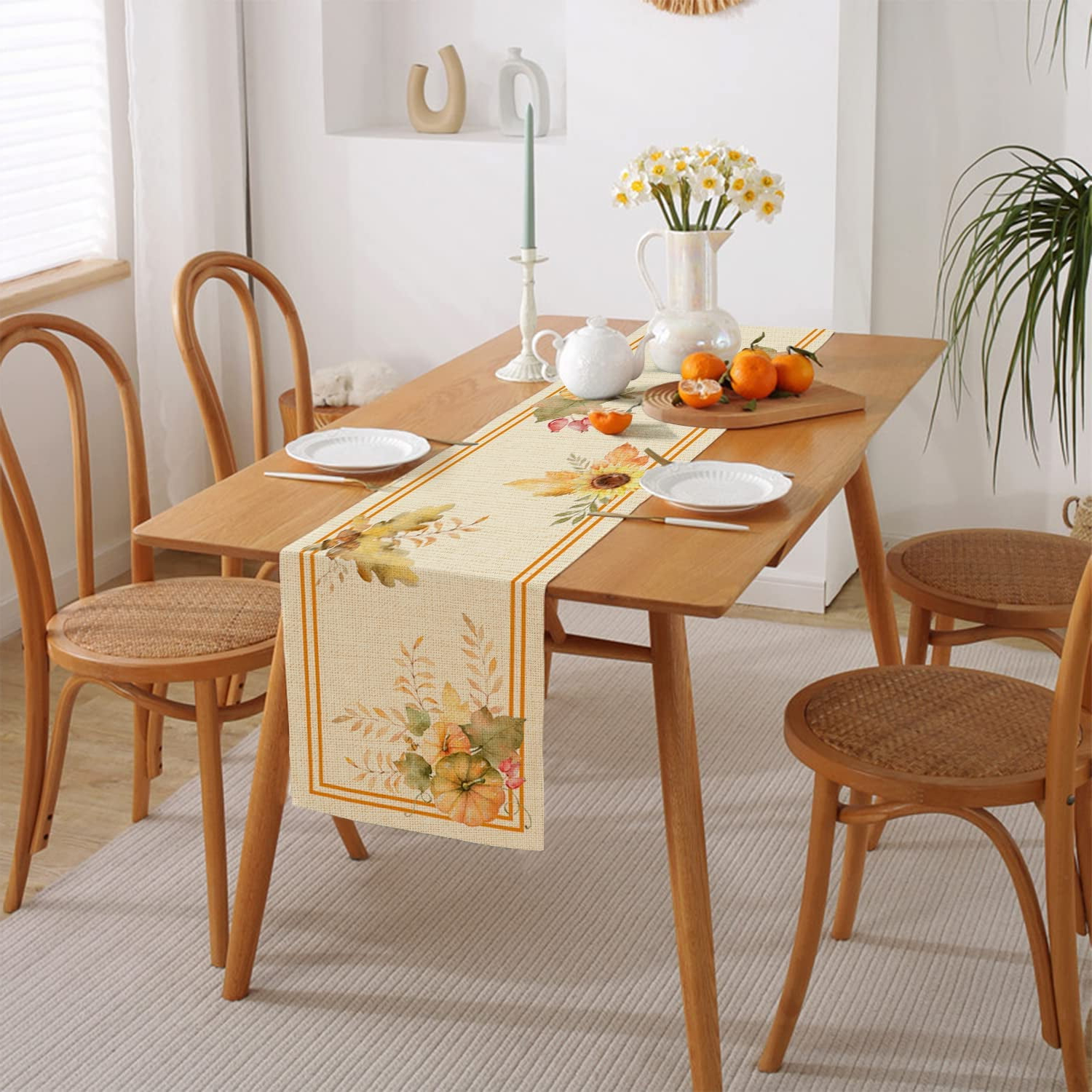
Before diving into specific placement strategies, it’s essential to grasp fundamental concepts. A table runner isn’t just a decorative element—it’s a functional component that serves multiple purposes. First, it protects your table surface from spills and scratches. Second, it adds visual interest and texture to an otherwise plain surface. Third, it helps define the dining area within your space. The length of your runner should extend beyond the table edges, typically about 6 inches on each side for standard tables. This extra length creates a clean, finished look and prevents the runner from looking cramped. Consider the shape of your table too. Rectangular tables benefit from center placement, while round tables might work better with runners that follow the curve of the table edge. The key is ensuring the runner complements rather than competes with your existing decor.
Choosing the Right Runner for Your Table Size
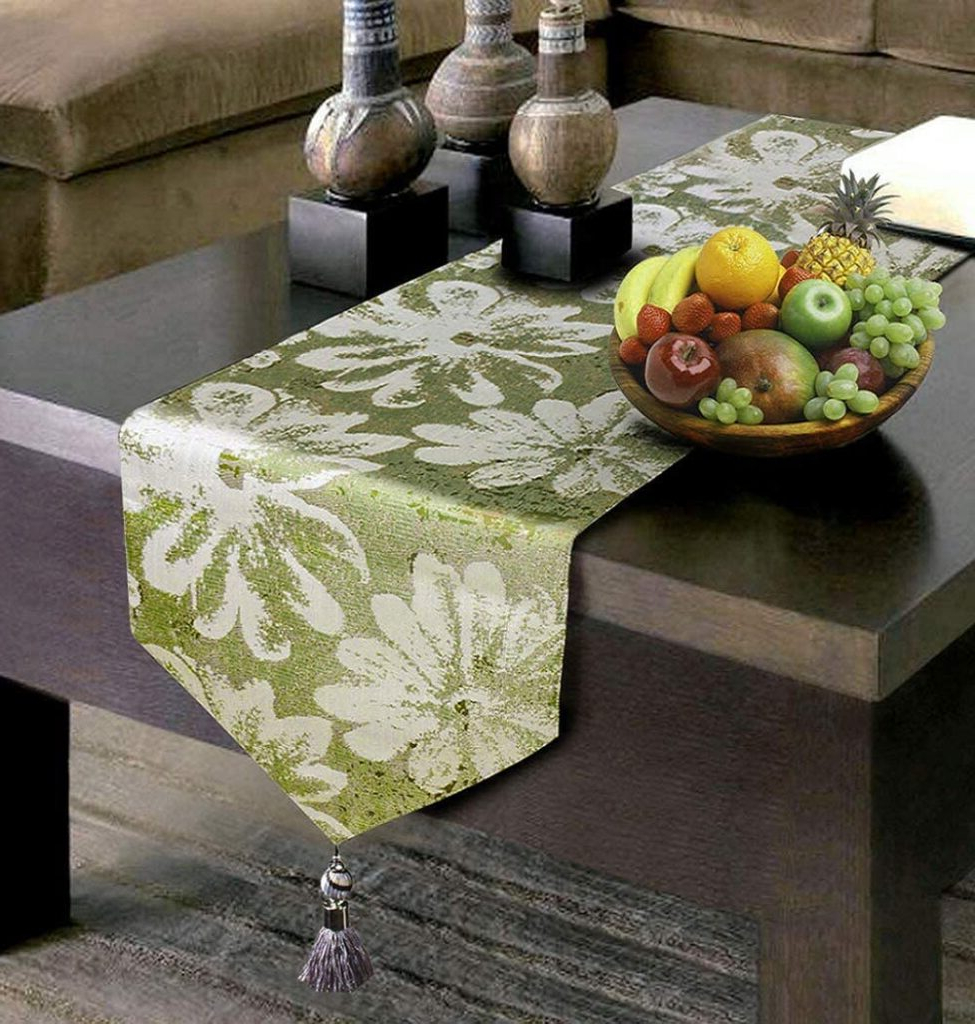
Not all runners are created equal, and choosing the correct size and style for your table is crucial. For smaller tables, say 4-6 person settings, a narrower runner works best. Think about proportions. A 24-inch wide runner on a 48-inch table might look overwhelming, while a 12-inch runner could appear insignificant. On larger tables, you have more flexibility. A 36-inch runner on an 8-foot rectangular table can create a striking focal point. Material choices also play a significant role. Linen runners offer a classic, sophisticated look and are easy to care for. Cotton runners provide a casual, homey vibe. Velvet runners add luxury and warmth, especially in colder months. Silk runners bring elegance and sheen to formal settings. The color and pattern should complement your tablecloth or the natural wood grain of your table. If you’re unsure, go for neutral tones like beige, cream, or soft gray—they tend to work with almost any aesthetic.
Strategic Placement Techniques for Different Table Shapes
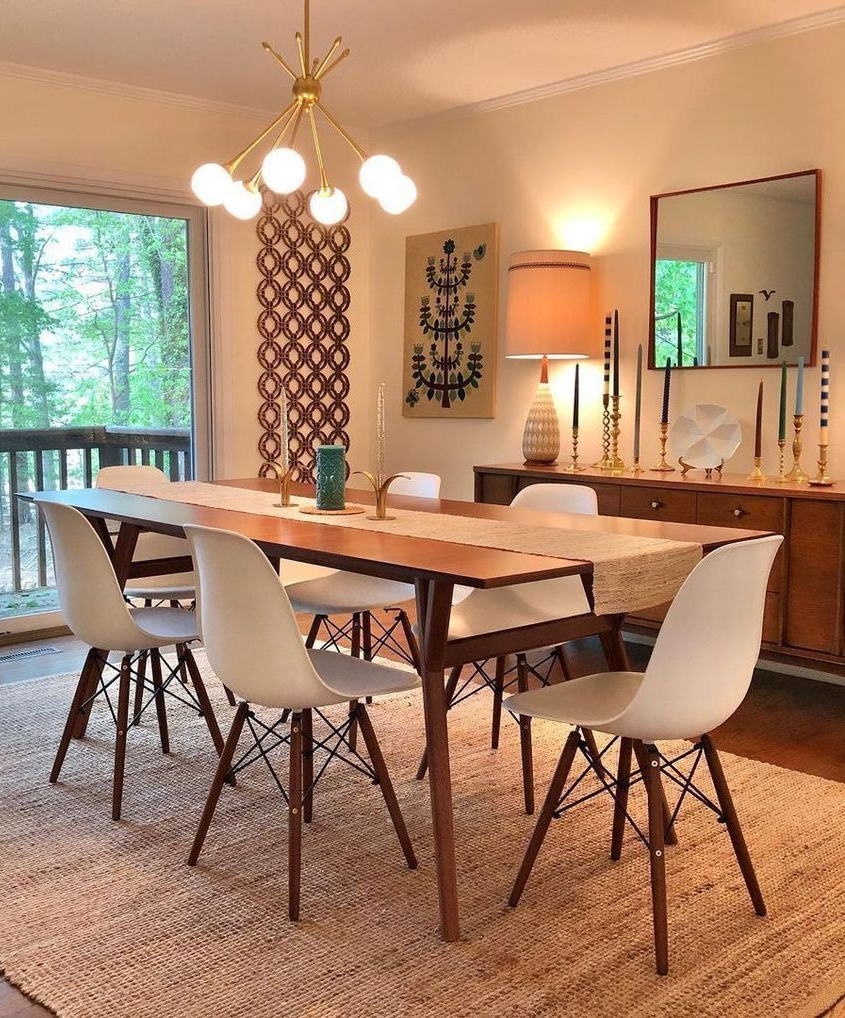
Every table shape presents unique challenges and opportunities for runner placement. Rectangular tables are the most straightforward. Center the runner across the table’s width, ensuring even distribution on both sides. The runner should be long enough to extend past the table edges, creating a balanced look. Round tables require a different approach. The runner should align with the table’s curve, creating a continuous flow around the perimeter. In some cases, a circular runner might work better, but this is less common. For unusual shapes like oval or L-shaped tables, the key is maintaining visual balance. Place the runner so it flows naturally with the table’s form. Sometimes, two shorter runners work better than one long one. Always consider the dining chair arrangement and ensure there’s adequate clearance for comfortable seating. The goal is to create a seamless transition from table to chairs, making the space feel cohesive and intentional.
Considering Table Height and Chair Clearance
Height matters more than you might think when placing a runner. A runner that’s too thick can interfere with chair clearance, making it difficult for diners to sit comfortably. Thin runners work best for tables with low seating, while slightly thicker runners might be necessary for higher chairs or banquet-style setups. Consider the dining experience itself. You want guests to be able to pull out their chairs easily and sit without bumping into the runner. Measure the distance from the table edge to the chair backrest and ensure the runner doesn’t impede this movement. Some runners come with built-in padding or texture that might affect clearance. Test the setup before hosting guests. A runner that looks great on paper might not work in practice. The ultimate test is whether your guests can move freely and enjoy their meal without any physical discomfort.
Seasonal and Occasion-Based Placement Tips
Your table runner placement can change dramatically depending on the season or occasion. During winter months, consider using heavier fabrics like velvet or wool that add warmth and coziness to your space. These materials can also help insulate against cold temperatures. Summer calls for lighter, breathable options like linen or cotton. These fabrics keep the table feeling fresh and airy. For special occasions like holidays or birthdays, you might want to experiment with bolder colors or patterns. A festive red runner during Christmas or a gold runner for a wedding reception can instantly elevate the mood. Don’t forget about lighting considerations. Dark-colored runners can create dramatic shadows under bright lights, while light-colored runners reflect light and make the space feel brighter. Plan your runner selection based on how you’ll be using the space and what atmosphere you want to create.
Combining Runners with Other Table Settings
Runners don’t exist in isolation—they work best when they complement other elements of your table setting. Consider how your runner interacts with napkins, placemats, and centerpieces. If you’re using a runner with a bold pattern, keep other elements simple to avoid visual overload. Conversely, if your runner is subtle, you might want to add some visual interest with patterned napkins or colorful place settings. Tablecloths can also influence runner placement. If you’re using a full tablecloth, the runner can be positioned in the center or offset to one side. The decision depends on whether you want to emphasize the table’s length or width. Sometimes, layering elements creates unexpected beauty. A sheer tablecloth underneath a runner can create depth and dimension. Experiment with different combinations to see what works best for your particular setup. The key is creating harmony between all components, not just focusing on individual pieces.
Maintenance and Longevity of Runner Placement
A beautiful runner placement is only half the battle—maintaining its appearance over time is equally important. Regular cleaning and proper storage prevent damage and wear. Most runners can be machine washed, but always check the manufacturer’s instructions first. Ironing may be required after washing, especially for linen or cotton materials. Store runners properly to prevent wrinkles and fading. Fold them carefully and avoid stacking heavy items on top. When placing a runner, consider potential spillage areas and choose materials accordingly. Natural fibers like cotton and linen handle spills better than synthetic materials. Rotate your runners periodically to ensure even wear and prevent fading from sunlight exposure. A well-maintained runner will continue to enhance your dining experience for years to come. Invest in quality pieces that will stand up to regular use and still look good after countless meals.
Common Mistakes to Avoid in Runner Placement
Even experienced hosts sometimes fall into common pitfalls when placing table runners. One frequent error is choosing a runner that’s too short or too long. A runner that’s too short makes the table look unfinished, while one that’s too long can create tripping hazards or look unbalanced. Another mistake is ignoring the table’s natural proportions. A runner that’s disproportionately wide or narrow can throw off the entire visual composition. Many people also overlook the importance of coordinating with existing table elements. A runner that clashes with the table’s finish or the room’s color scheme can make the whole setting feel disjointed. Finally, don’t underestimate the importance of practicality. A runner that’s too thick or rigid can interfere with chair movement and make the dining experience uncomfortable. Remember, function and form must work together to create a successful table setting.
Advanced Tips for Professional-Level Table Setting
For those looking to take their table setting to the next level, consider these advanced techniques. Layering multiple runners can create depth and visual interest. Try a thin, textured runner underneath a thicker, patterned one for a sophisticated look. Position runners to guide guests’ eyes toward focal points, such as a stunning centerpiece or a beautiful window view. Consider the height of your table and how it affects the runner’s visibility. Tall tables might benefit from runners that are slightly raised above the surface, creating a floating effect. Some hosts create custom runner arrangements that match seasonal themes or event types. This attention to detail transforms an ordinary dinner into an unforgettable experience. The key is thinking beyond the immediate function and considering how the runner contributes to the overall narrative of the meal.
Making Your Own Table Runner: DIY Considerations
Creating your own runner allows for complete control over design and material choices. Start by measuring your table accurately and deciding on the desired length and width. Fabric selection is crucial—consider both aesthetics and durability. If you’re making a runner for frequent use, choose materials that can withstand regular washing and daily wear. Cutting and sewing techniques vary depending on fabric type. Lightweight fabrics might require simpler seams, while heavier materials need reinforced stitching. Adding features like bias binding or fringe can enhance the runner’s appearance and functionality. Consider incorporating personal touches like embroidery or custom prints that reflect your style. While DIY runners require more effort upfront, they offer unmatched customization and can be more cost-effective than buying pre-made options. Plus, there’s satisfaction in knowing exactly how your runner was made and what went into its creation.
Mastering the art of strategic table runner placement is more than just arranging fabric on a surface—it’s about creating an environment where people want to gather, connect, and enjoy their meals. The right runner placement can transform a simple dining table into a focal point of your home, a place where memories are made and conversations flourish. Whether you’re preparing for a casual family dinner or a formal evening gathering, thoughtful runner placement elevates the entire experience. Remember that there’s no single ‘correct’ way to do it—what matters most is finding what works for your specific table, your lifestyle, and your aesthetic preferences. The journey to perfect runner placement involves experimentation, attention to detail, and a willingness to adjust based on practical needs and visual feedback. With time and practice, you’ll develop an intuitive sense for what works, creating dining spaces that feel both welcoming and refined. After all, the best table settings aren’t just about looking good—they’re about making every meal feel special.