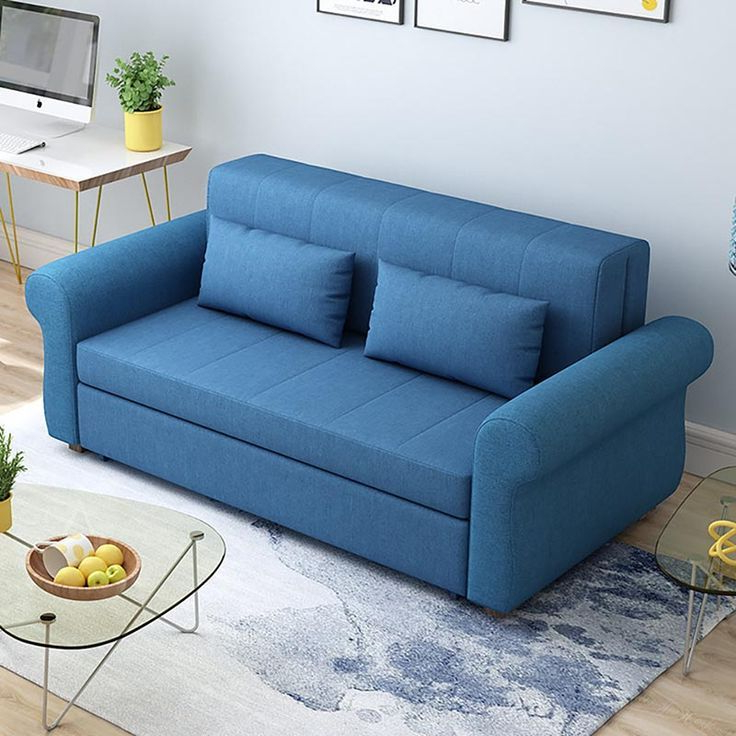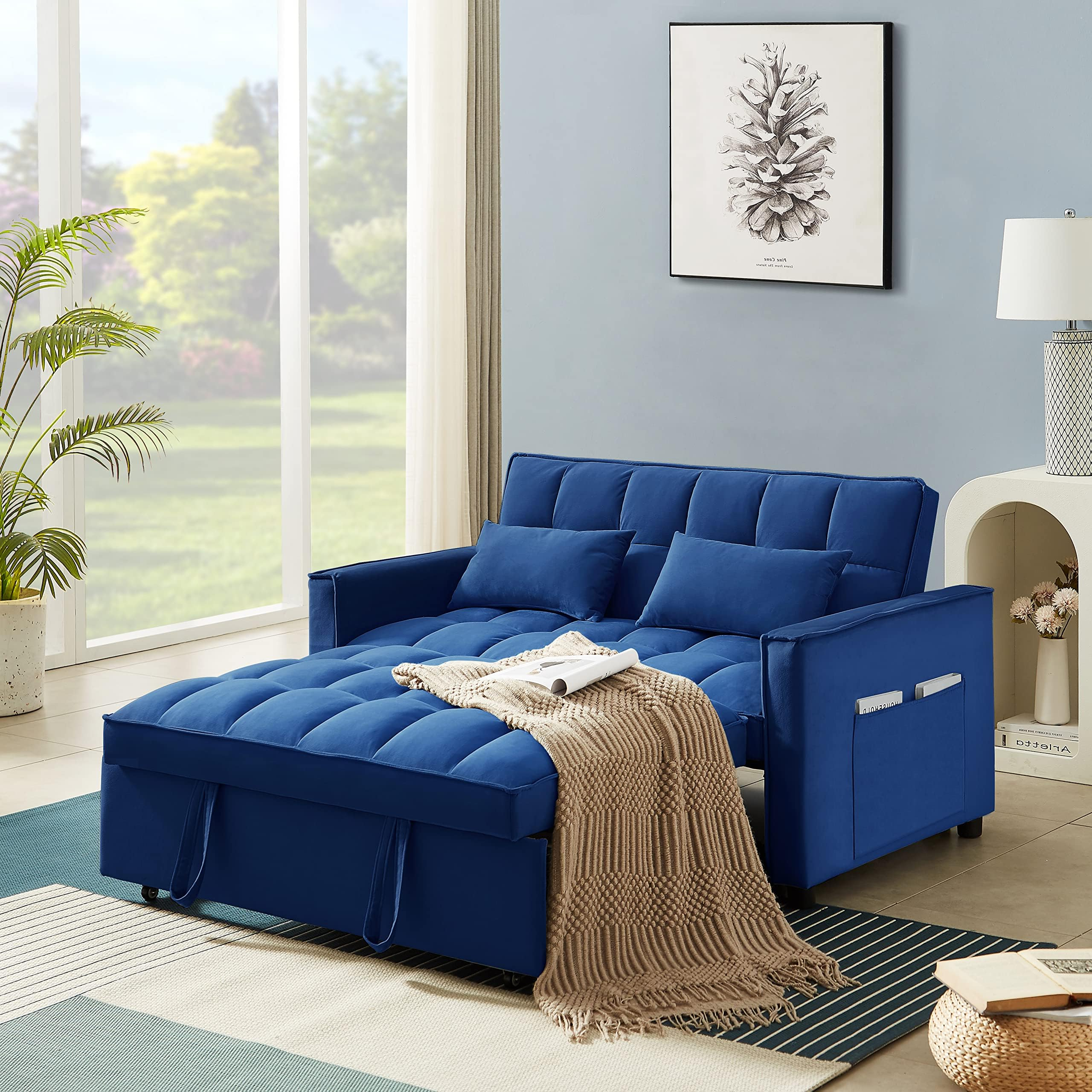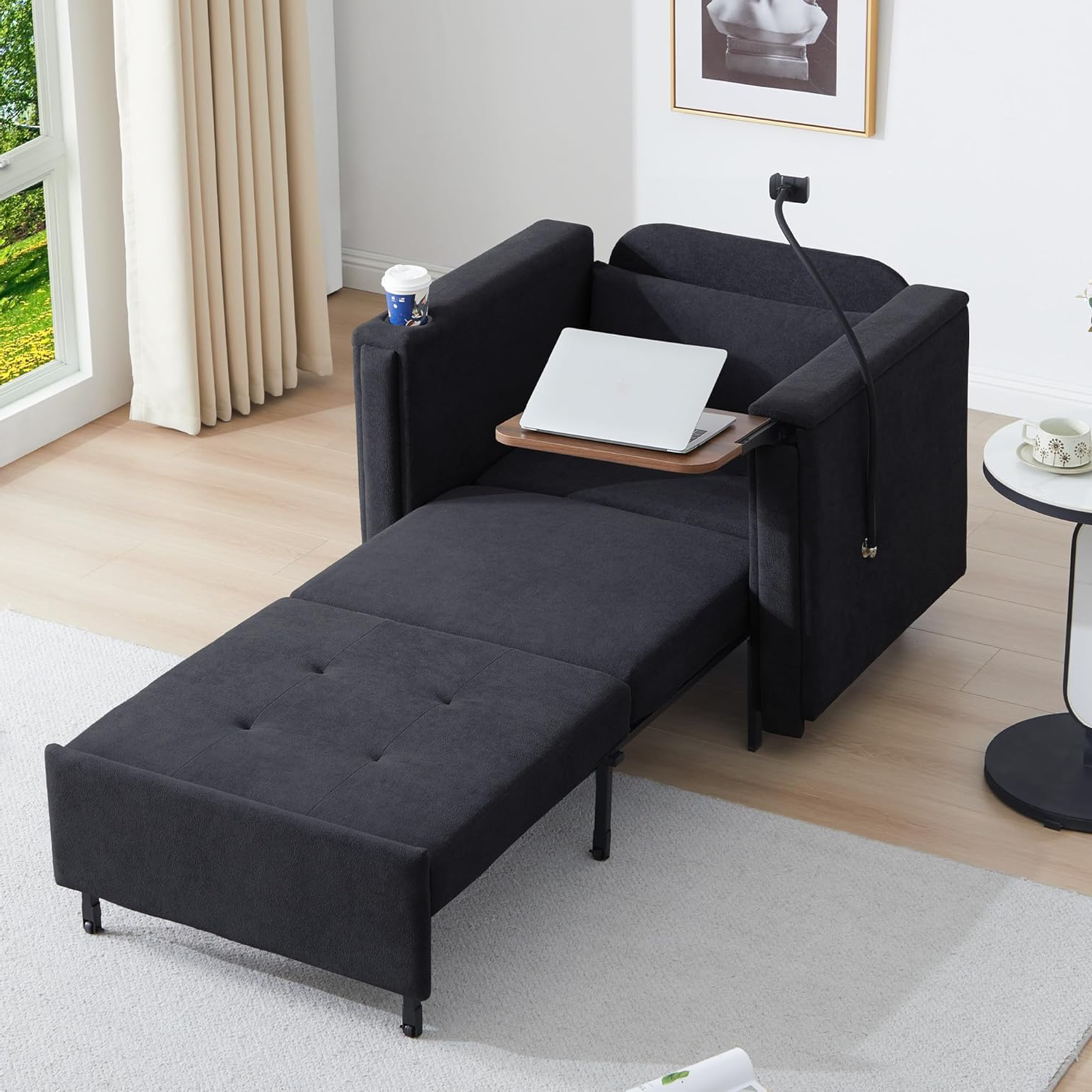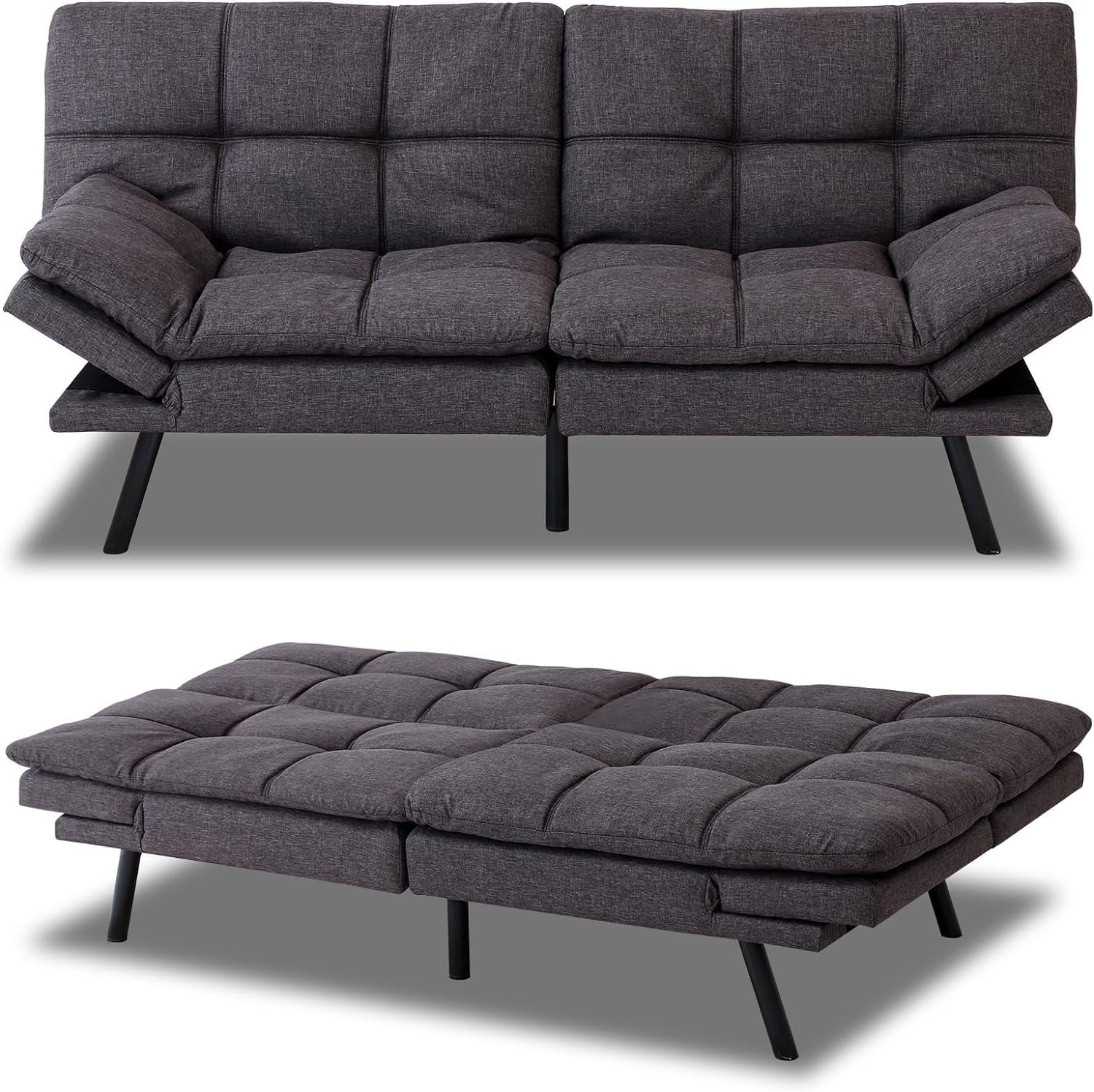
Imagine walking into a room where every inch matters. Where your furniture does double duty, where a couch transforms into a bed with a simple flip of a switch. This isn’t just wishful thinking – it’s the reality of smart design solutions that have been transforming tiny living spaces for years. Today, we’re diving deep into the world of DIY sofa beds that don’t just save space, they enhance your entire lifestyle experience.
Living in smaller spaces doesn’t mean sacrificing comfort or style. In fact, it often pushes us to get more creative with how we use our limited areas. A sofa bed represents one of the most ingenious solutions to the age-old problem of maximizing utility in minimal space. Whether you’re dealing with a studio apartment, a guest room that doubles as a home office, or simply want to optimize your living area, the right sofa bed can work wonders. These aren’t just pieces of furniture – they’re life-changing innovations that let you sleep better, entertain guests, and keep your space looking clean and organized all at once. The beauty of DIY approaches means you can customize everything from size to style to perfectly match your unique needs and aesthetic preferences.
Understanding the Basics of Space-Saving Furniture
Before jumping into the creative process, it’s important to understand why space-saving furniture works so well. The fundamental concept is simple: maximize functionality while minimizing footprint. Traditional furniture often takes up valuable floor space and serves only one purpose. But when you think about it, how many times do you actually use a couch for sitting? Often, it’s just a few hours a day, while you spend much more time sleeping. That’s where the magic happens. A sofa bed allows you to use the same piece for multiple purposes throughout the day.
The math is pretty straightforward. If you have a 4×8 foot room and you’re using a regular couch that’s 6 feet long, you’re losing nearly half your usable space to furniture. A good sofa bed design can reduce that footprint significantly while still providing comfortable seating during the day and a proper sleeping surface at night. The key is understanding how to incorporate hidden storage, multi-functional elements, and smart structural choices into your design.
Consider this: a typical sofa bed can provide anywhere from 7 to 9 square feet of sleeping space while only taking up 6 to 8 square feet of floor area when folded up. That’s essentially a 25% increase in usable space. It’s not just about saving floor space – it’s about optimizing every square inch of your environment.
Key Design Principles for Maximum Efficiency
Creating an effective DIY sofa bed requires understanding some core design principles that make all the difference between a functional piece and something that looks like it was thrown together.
First, consider the importance of hinges and mechanisms. The way your sofa bed folds and unfolds determines how smoothly it functions. Quality hinges should allow for easy conversion between seating and sleeping modes without requiring excessive force. Think about how many times you’ll be using this feature daily – if it’s twice a week, you want something that feels effortless. If it’s multiple times per day, you’ll want to invest more in quality hardware.
Another crucial element is the mattress support system. Many people overlook this part, but it makes or breaks the comfort level. You don’t want a thin mattress that sags in the middle or feels like you’re sleeping on a board. Look into options like solid wood slats, spring systems, or even memory foam options that provide adequate support for both sitting and sleeping. The difference between a poor and excellent mattress support can be felt immediately.
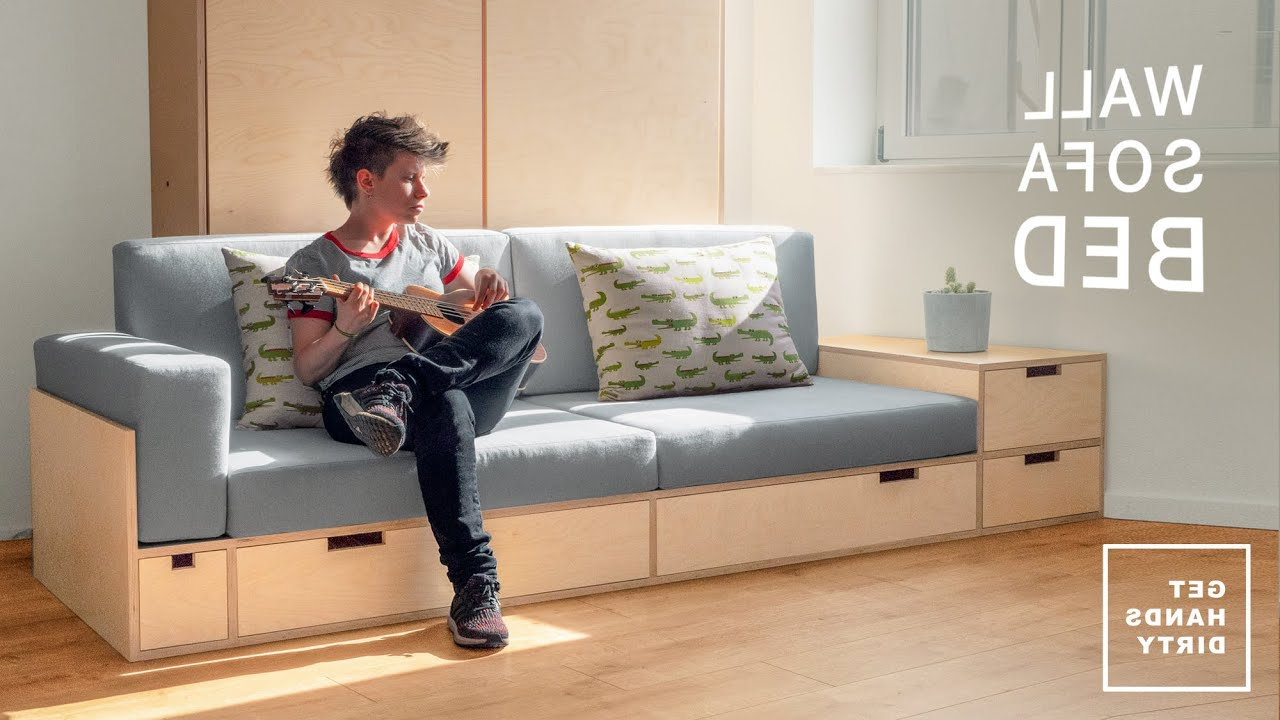
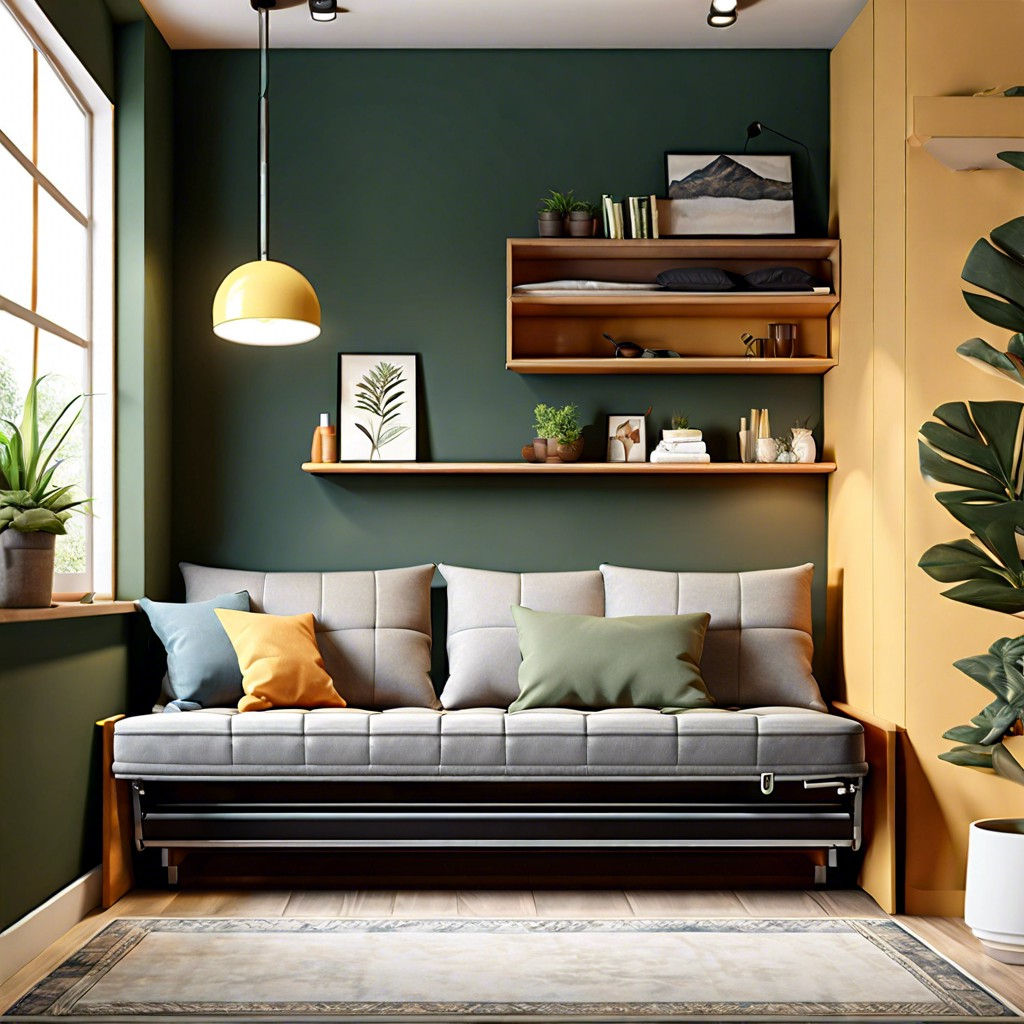
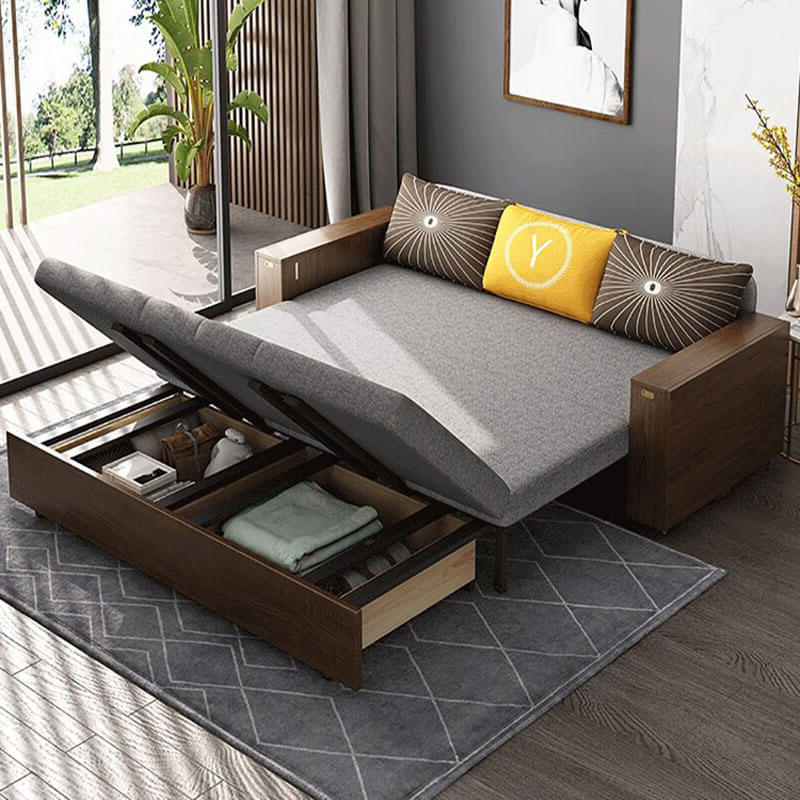
Storage integration deserves special attention too. Many successful sofa bed designs incorporate built-in storage compartments that can hold bedding, books, or seasonal items. This isn’t just about hiding things away – it’s about making the most of every possible space in your home. Think about where you typically store extra blankets or pillows. Can those be integrated into your design?
Finally, the overall dimensions matter greatly. Measure your space carefully before starting any project. Consider the width of doorways, the height of ceilings, and whether you can easily maneuver your completed piece around the room. Sometimes the best design is one that fits perfectly in a tight corner or under a window rather than trying to make it fit in the center of a large room.
Popular DIY Sofa Bed Styles and Their Benefits
There are several popular styles of DIY sofa beds that each offer distinct advantages depending on your space and needs. Let’s explore the most common types and what makes them work so well.
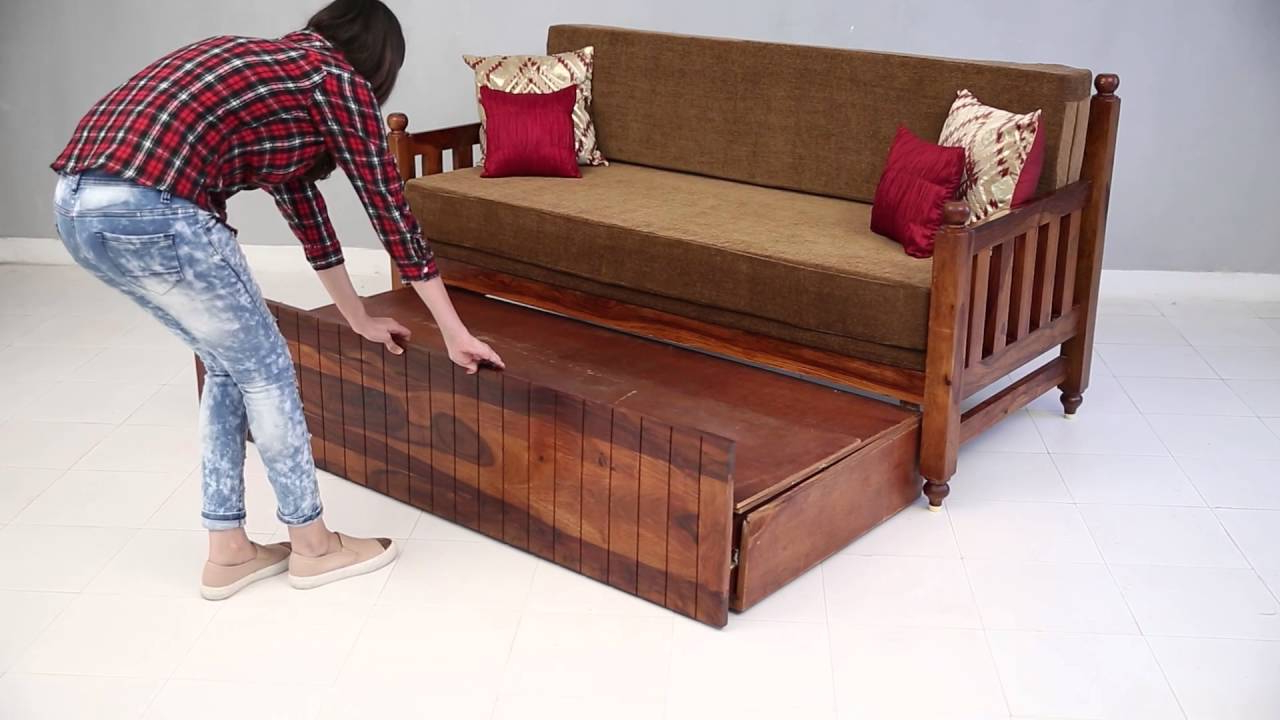
The traditional pull-out sofa bed is probably the most familiar style. It features a hidden mattress that slides out from underneath the seating area. These are great because they maintain the same overall dimensions whether in use or stored. The main benefit is that they’re very easy to use and don’t require much space to operate. They’re particularly good for guest rooms where you want to keep the furniture looking neat when not in use.
L-shaped sofa beds are another popular choice that offer both seating and sleeping in a more compact package. These are ideal for corners and can provide a more comfortable seating arrangement for watching TV or reading. The downside is they take up more floor space when unfolded, but the versatility makes up for it. They’re especially useful in larger living areas where you want to maximize the seating area.
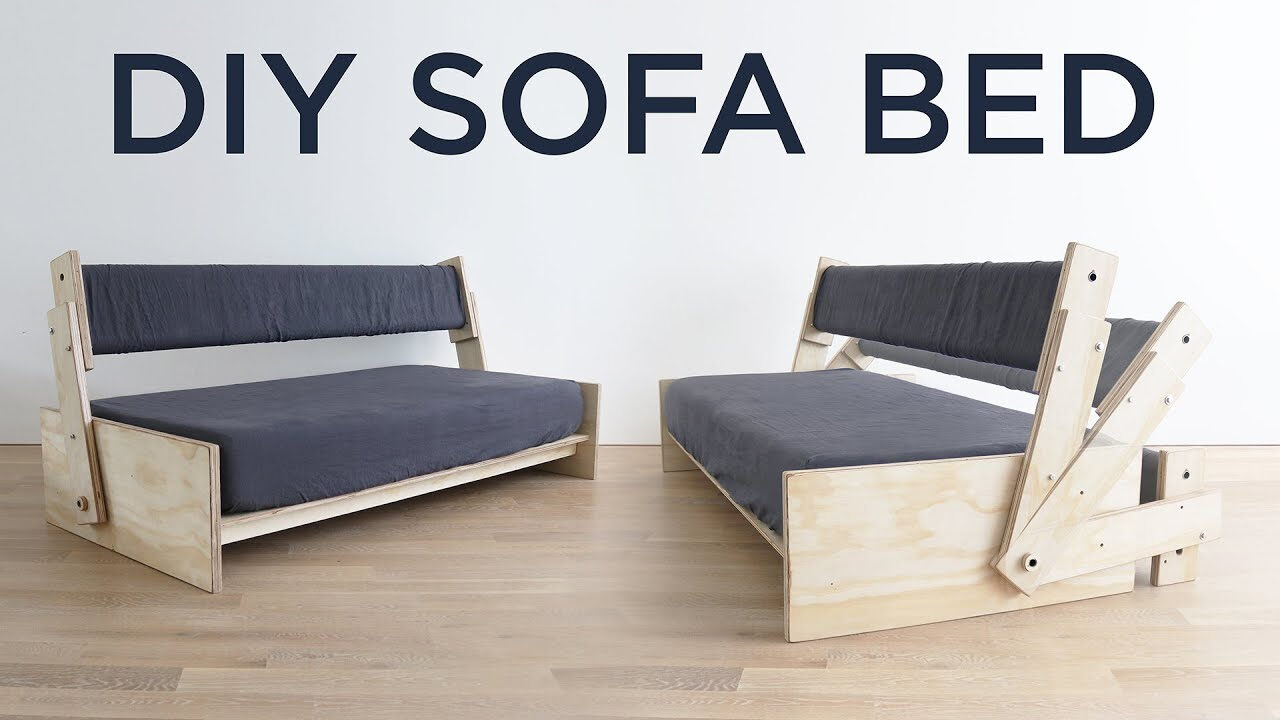
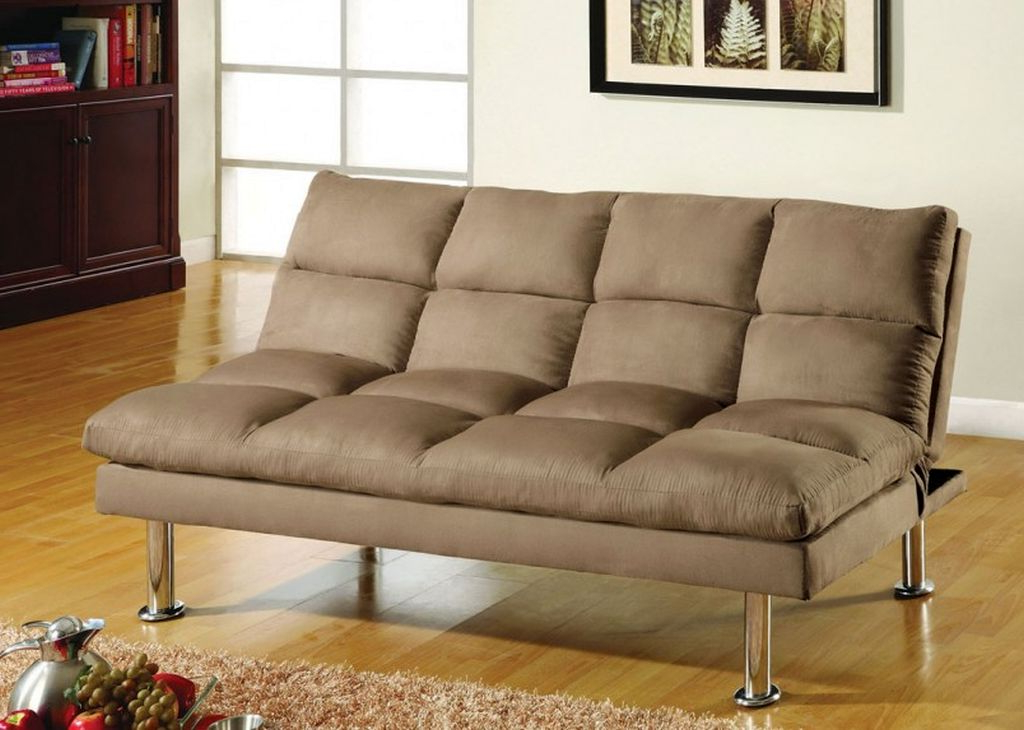
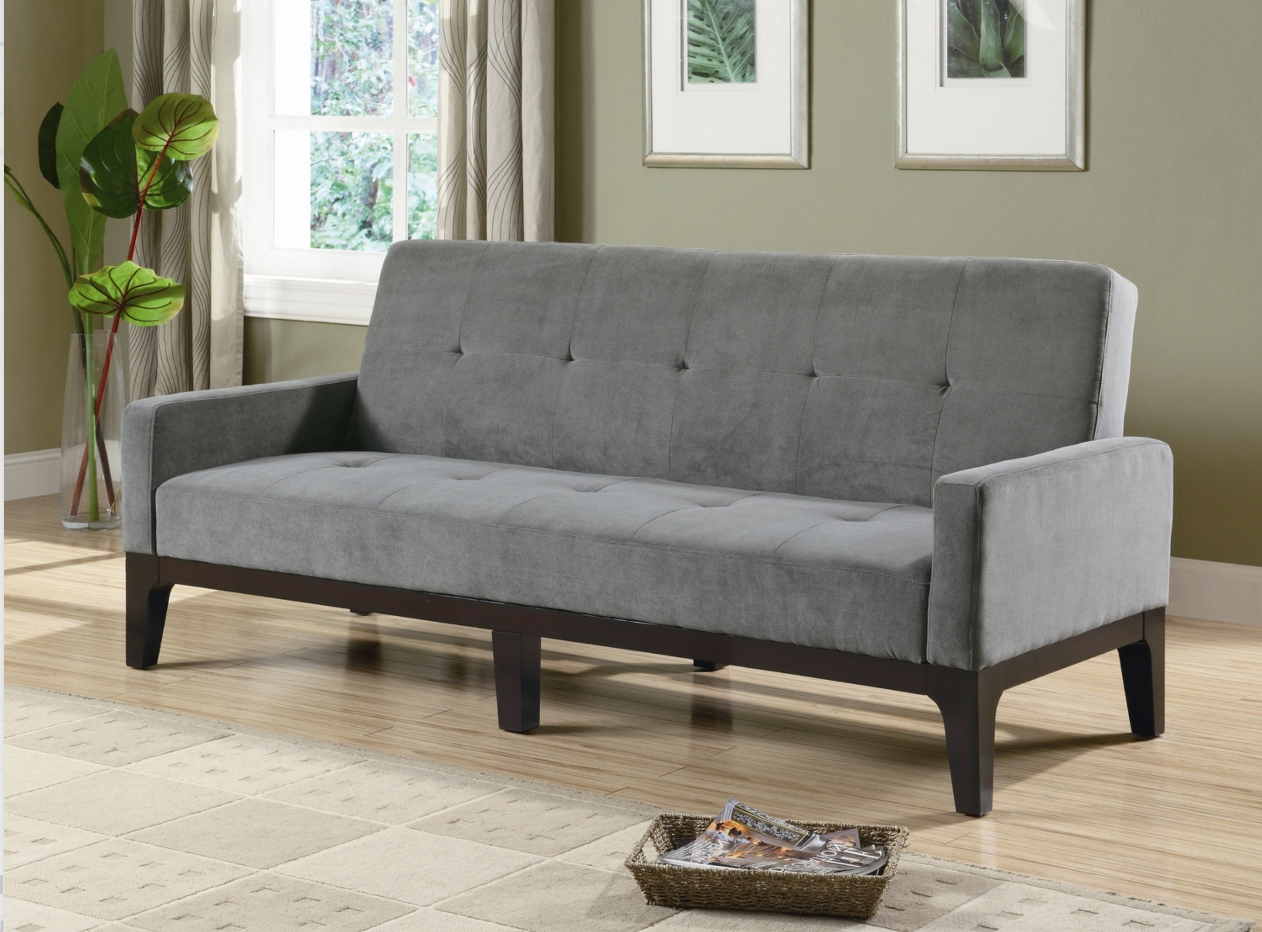
The futon-style sofa bed offers a different approach altogether. Instead of sliding out, the mattress is often positioned higher up and can be flipped or folded over the seating area. These are great for people who prefer a more elevated sleeping position or want to avoid having their mattress touch the ground directly. They’re also generally lighter weight and easier to move around.
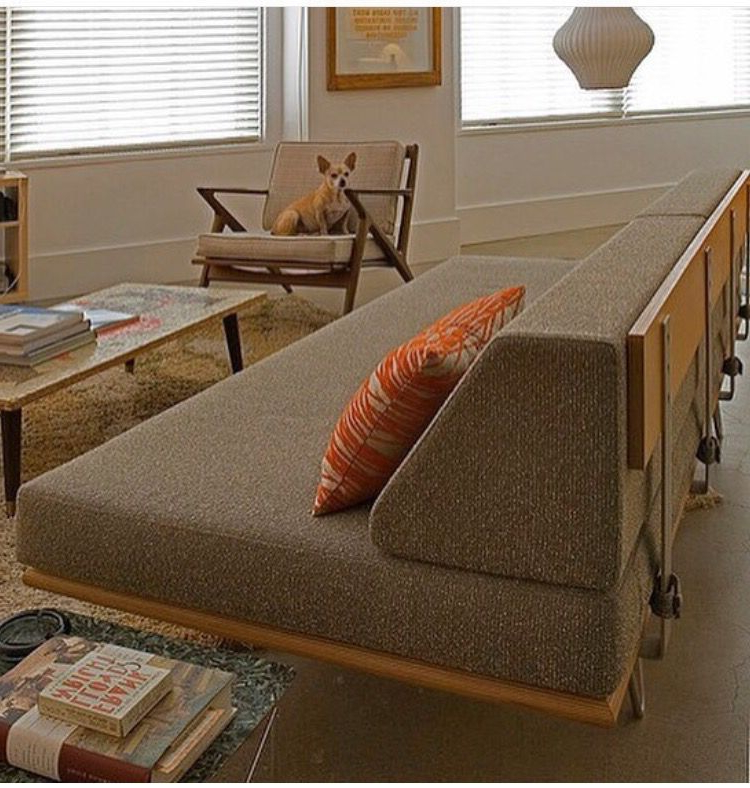
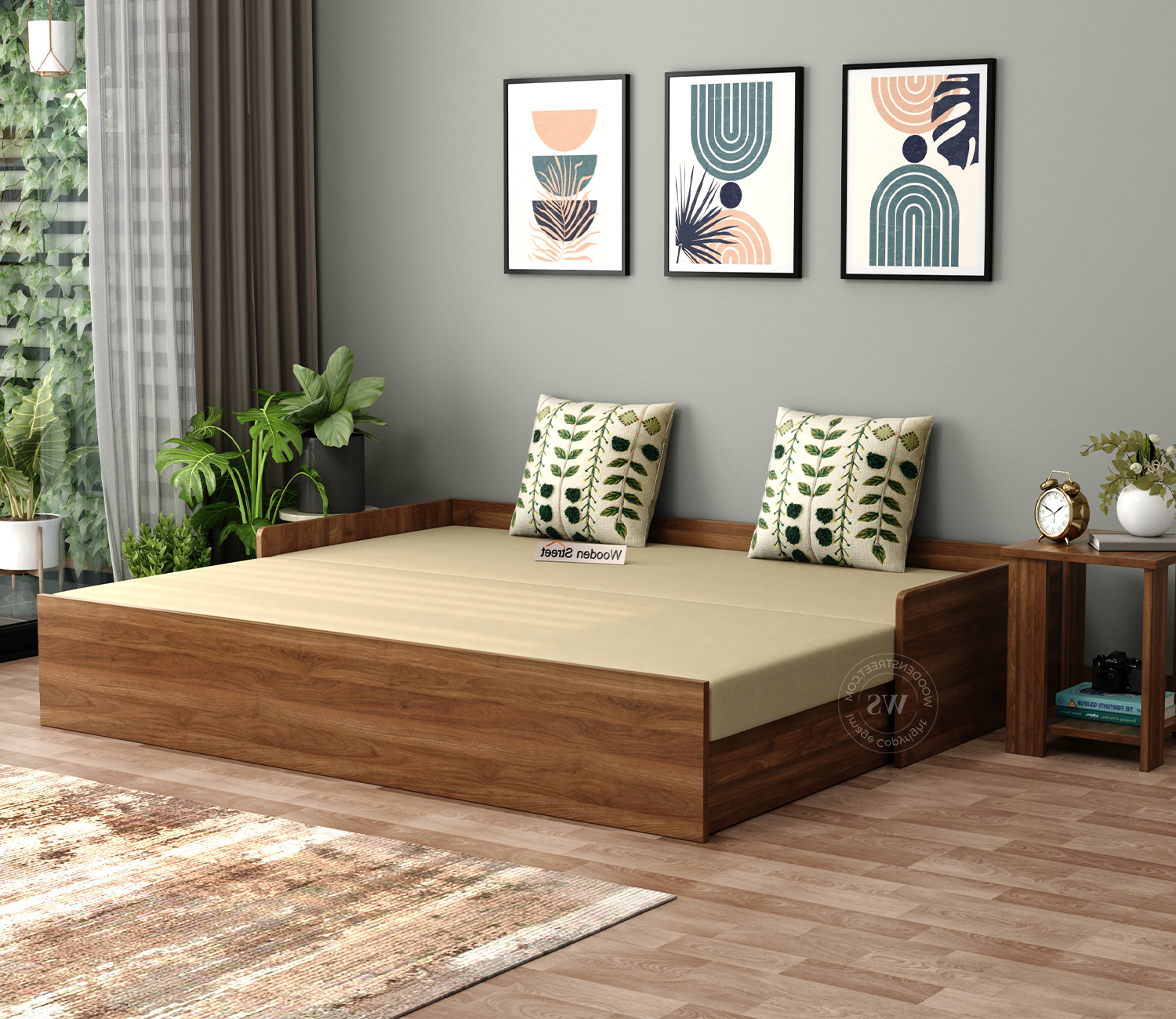
Platform sofa beds represent a more modern approach, featuring a raised platform that can accommodate a full-size mattress. These offer excellent support and are often designed to look more like traditional furniture pieces. They’re perfect for those who want the comfort of a regular bed but don’t have the space for a separate bedroom. The challenge with these is ensuring there’s enough clearance for people to get on and off comfortably.
Materials and Tools You’ll Need for Your Project
Building your own sofa bed is definitely achievable with the right materials and tools. Here’s what you’ll typically need:
Starting with materials, you’ll want to consider your budget and desired durability. Plywood works well for the frame construction, offering strength while remaining relatively affordable. For the outer shell, you might choose solid wood for a premium feel, or high-quality particle board for a more budget-conscious approach. The fabric selection is crucial – you want something durable enough for daily use but comfortable enough for sleeping.
For cushions and padding, look for materials that provide both comfort and longevity. Memory foam or high-density polyester fillings work well for the seating area, while you might want to consider a combination of materials for the sleeping surface. The key is finding a balance between comfort and support.
Essential tools include basic woodworking equipment like a drill, saw, measuring tape, and sandpaper. You’ll also need specialized tools for upholstery work such as a staple gun, scissors, and fabric measuring tools. If you’re planning to add intricate details or decorative elements, additional tools might be necessary, but start with the basics first.
Don’t forget about hardware components. Quality hinges, latches, and support brackets are essential for making your sofa bed function properly. These aren’t the kind of items you want to skimp on – they determine how long your project will last and how smoothly it operates. Some people find it helpful to buy pre-made sections and then customize them, which can simplify the process significantly.
Step-by-Step Construction Process
Building a DIY sofa bed can seem daunting at first, but breaking it down into manageable steps makes it much more approachable. Here’s a general outline of the construction process:
Start with careful measurements and planning. Sketch out your design and calculate exactly how much material you’ll need. Double-check your dimensions against your actual space requirements. It’s always better to have a little extra material than to run short.
Next, focus on the frame construction. This is where your sofa bed gets its structure and stability. Cut all your wood pieces according to your plans, paying close attention to angles and measurements. Pre-drill holes to prevent splitting, and use appropriate joinery methods for maximum strength. A well-built frame will last decades.
Once the frame is complete, move on to the upholstery phase. This is where your sofa bed really starts to come alive. Choose fabrics that complement your existing décor while being practical for daily use. Consider water-resistant options if you have children or pets. The padding stage is equally important – ensure even distribution and secure attachment.
Install the mattress support system next. This involves creating a sturdy platform that can handle the weight of a person sleeping on it. Make sure it’s level and properly supported. Test it with weights to ensure it won’t sag or flex.
Finally, add finishing touches like decorative trim, handles, or storage compartments. These elements can transform a basic piece into a showpiece. Pay attention to how everything looks when assembled – you want a cohesive appearance from every angle.
Customization Tips for Personal Style
One of the biggest advantages of DIY projects is the ability to personalize everything to match your unique style and needs. Here are some ways to make your sofa bed truly yours:
Color and pattern selection can completely change the mood of a room. Bold patterns work well in larger spaces, while subtle tones might be better for small apartments. Consider how your sofa bed will interact with other colors in the room. Does it complement your walls, or does it need to stand out?
Size modifications are often overlooked but incredibly powerful. You might want to make your sofa bed slightly wider to accommodate a larger family member, or shorter to fit into a specific space. Adjusting proportions can solve layout problems that standard sizes can’t address.
Adding personal touches like custom embroidery, unique hardware finishes, or specialty materials can elevate your piece from ordinary to extraordinary. These elements don’t have to be expensive – sometimes a few carefully chosen details make all the difference.
Consider how your lifestyle affects your customization needs. If you frequently host guests, maybe you want extra storage compartments. If you work from home, perhaps you’d benefit from a built-in tray table or laptop holder. Think about your daily routines and how your furniture can support them.
Integration with existing furniture is also important. Your new sofa bed should complement your current setup rather than clash with it. Look at the overall aesthetic of your space and make adjustments accordingly. Sometimes, a small modification can make a huge impact on how everything works together.
The journey toward maximizing space efficiency through clever DIY sofa bed designs isn’t just about solving a practical problem – it’s about creating a more harmonious relationship with your living environment. When done thoughtfully, these projects become more than just furniture; they become expressions of your lifestyle and creativity. Every measurement you calculate, every material you choose, and every detail you perfect contributes to a solution that works perfectly for your unique situation.
The beauty of DIY sofa bed projects lies in their adaptability. Whether you’re working with a cramped studio apartment or a spacious family home, there’s a design approach that can make your space work better for you. The key is to start with a clear understanding of your needs, plan carefully, and don’t be afraid to experiment with different ideas.
Remember, the goal isn’t just to save space – it’s to create a space that feels bigger, more organized, and more comfortable. When your furniture performs multiple functions seamlessly, it frees up mental space too. You’re no longer worrying about where to put a guest bed or how to arrange furniture in a small room. Instead, you’re focusing on enjoying your space and making it work for you in ways you never thought possible. The investment in time and effort pays off not just in physical space saved, but in the peace of mind that comes from knowing your home works perfectly for your lifestyle.
[sps_html tag=”img” src=”https://roofdrivein.com/wp-content/uploads/2026/01/how-to-make-a-small-sofa-bed-at-charlie-oppen-blog-intended-for-maximizing-space-efficiency-through-clever-diy-sofa-bed-designs.jpg” alt=”How To Make A Small Sofa Bed At Charlie Oppen Blog intended for Maximizing space efficiency through clever DIY sofa bed designs” style=”width: 100%; height: auto;”]
[sps_html tag=”img” src=”https://roofdrivein.com/wp-content/uploads/2026/01/how-to-make-a-sofa-for-the-wall-sofa-bed-system-tiny-apartment-build-within-maximizing-space-efficiency-through-clever-diy-sofa-bed-designs.jpg” alt=”How To Make A Sofa For The Wall Sofa Bed System // Tiny Apartment Build … within Maximizing space efficiency through clever DIY sofa bed designs” style=”width: 100%; height: auto;”]
[sps_html tag=”img” src=”https://roofdrivein.com/wp-content/uploads/2026/01/15-sofa-bed-for-small-spaces-ideas-to-maximize-your-room-with-sofa-bed-ideas-for-small-spaces-diy.jpg” alt=”15 Sofa Bed For Small Spaces Ideas To Maximize Your Room with Sofa Bed Ideas For Small Spaces Diy” style=”width: 100%; height: auto;”]
[sps_html tag=”img” src=”https://roofdrivein.com/wp-content/uploads/2026/01/diy-sofa-bed-ideas-for-small-spaces-within-sofa-bed-ideas-for-small-spaces-diy.jpg” alt=”Diy Sofa Bed Ideas For Small Spaces within Sofa Bed Ideas For Small Spaces Diy” style=”width: 100%; height: auto;”]
[sps_html tag=”img” src=”https://roofdrivein.com/wp-content/uploads/2026/01/diy-sofa-bed-youtube-with-regard-to-sofa-bed-ideas-for-small-spaces-diy.jpg” alt=”Diy Sofa Bed - Youtube with regard to Sofa Bed Ideas For Small Spaces Diy” style=”width: 100%; height: auto;”]