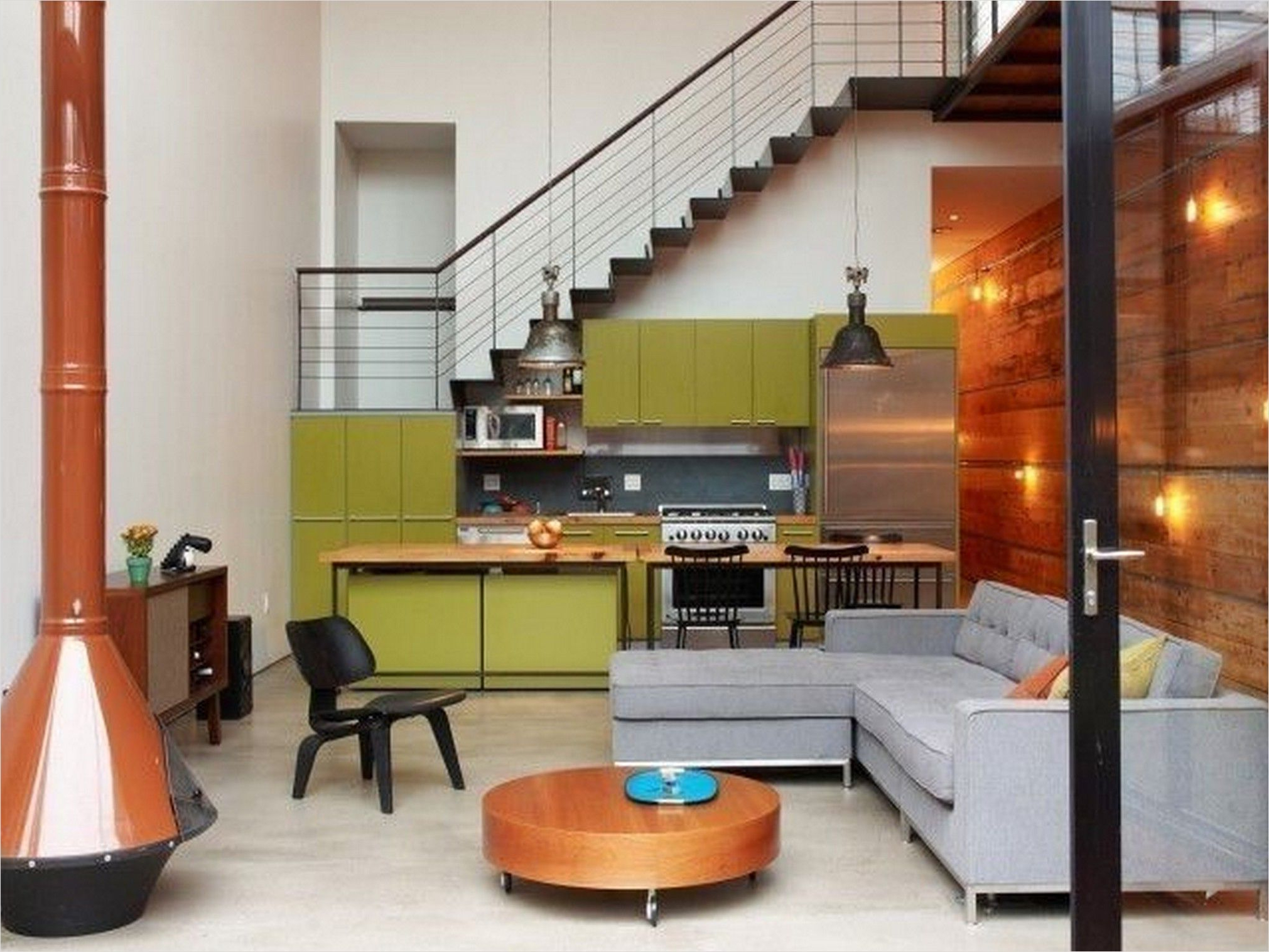
Living in a cramped space doesn’t have to mean sacrificing organization or comfort. With the right approach, even the tiniest of homes can feel spacious and perfectly organized. The secret lies in thinking outside the box and embracing creative storage solutions that work with your space rather than against it. Whether you’re dealing with a studio apartment, a converted garage, or a cozy cabin, there are countless ways to make every inch work harder for you.
The modern world has brought us closer to urban living, where space is often at a premium. But that doesn’t mean we have to compromise on how our homes function or look. In fact, smaller spaces can inspire some of the most ingenious storage solutions you’ll ever encounter. Think about it – when you’re limited by space, you’re forced to be more thoughtful about what you keep, how you organize it, and what truly matters to you. This mindset shift transforms ordinary storage challenges into opportunities for creativity. Today’s compact living isn’t just about fitting more things into less space – it’s about creating smart systems that enhance your daily life while maintaining a sense of calm and order.
Understanding Your Space’s Hidden Potential
Before diving into storage solutions, take a good hard look at your space. What are those overlooked corners, awkward angles, and underutilized areas? A kitchen corner that’s always been empty might hold a vertical pantry. A hallway that feels cramped could accommodate a built-in shelving unit. Sometimes the best storage solutions come from reimagining existing elements rather than adding new ones.
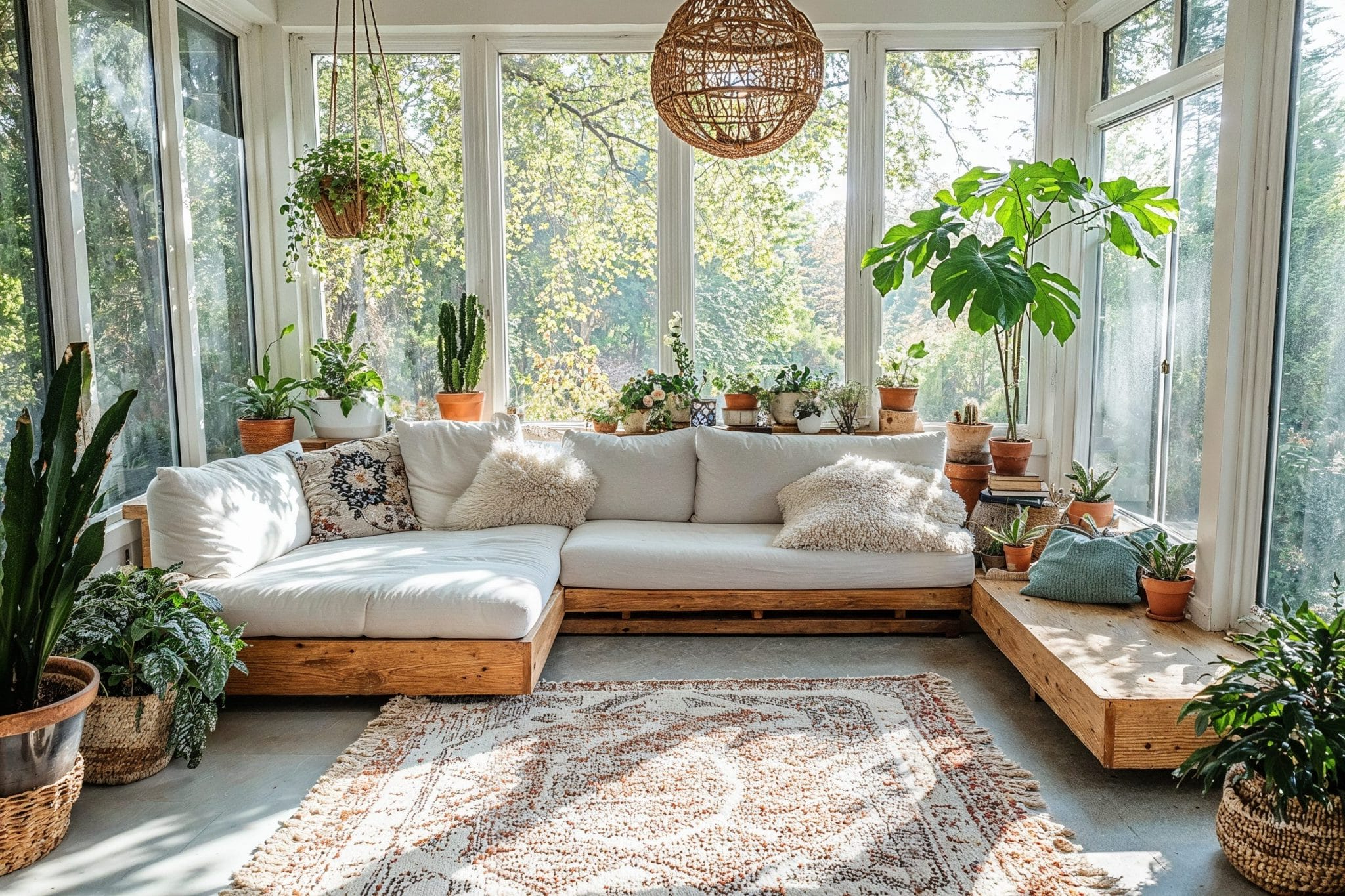
Consider how light moves through your space. Areas that receive natural light often feel larger and more inviting. If you have a window seat, don’t just use it for sitting – turn it into a storage compartment with hidden drawers underneath. The key is to think about how each element can serve multiple purposes. A dining table that doubles as a work surface, a coffee table with secret storage compartments, or a bed frame with built-in drawers.
Don’t forget about vertical space. Most people stop looking for storage solutions at eye level. But what about the walls above your head? The ceiling height in a room can provide surprising storage opportunities. Think about using tall bookcases that reach the ceiling, or installing floating shelves that draw the eye upward and create a sense of height.
Multi-Purpose Furniture That Works Hard
This is where the magic happens. Multi-purpose furniture can transform a small space from cluttered to cleverly organized. When you’re working with limited square footage, every piece needs to do double duty. Consider a storage ottoman that serves as both seating and a place to stash blankets and books. Or a dining table with built-in storage compartments that can hide away serving dishes and utensils.
Bedroom storage is particularly important in small spaces. A platform bed with drawers underneath can store everything from seasonal clothing to bedding. Look for beds with integrated headboards that offer shelving or cubbies. Even a simple nightstand can be transformed into a multifunctional piece by choosing one with hidden compartments or a built-in charging station.
Kitchen islands are another excellent example of multi-functional furniture. They can serve as prep space, dining area, and storage all at once. Choose an island with drawers and cabinets underneath, and consider adding a few open shelves for frequently used items. The key is to make sure the furniture you choose fits your lifestyle and doesn’t become another cluttering element.
Vertical Storage Strategies That Make a Difference
Vertical space is often the most overlooked storage opportunity in small homes. It’s amazing how much can fit in a wall-mounted cabinet or a tall shelving unit. Start by measuring your available wall space carefully. You might be surprised how much you can cram into a narrow corridor or beside a door.
Floating shelves are particularly effective because they don’t block light and create the illusion of height. Install them at different heights to add visual interest and create sections for different items. Use baskets or boxes to group similar items together, making it easier to find what you need quickly. For example, keep all your spices in one basket on a shelf, or organize your books by color or genre.
Wall-mounted storage solutions also work well in bathrooms and entryways. A bathroom vanity with extra storage above can house towels and toiletries without taking up floor space. In entryways, consider a console table with cubbies for keys, mail, and shoes. These solutions keep the floor area clear while providing plenty of storage options.
Don’t forget about the ceiling. If your room has high ceilings, consider installing storage racks or hanging organizers. These can be particularly useful for storing seasonal items or items you don’t use daily. Just make sure they’re easily accessible and don’t create safety hazards.
Creative Solutions for Unusual Spaces
Some spaces in your home are naturally odd-shaped or difficult to use. These might include the space under stairs, behind doors, or in corners. Rather than letting these areas go to waste, think about how they can be transformed into functional storage.
Under-stair storage is one of the most common and effective solutions for small homes. These spaces are often ignored, but they can hold a lot of stuff if you use the right containers. Install adjustable shelving or custom-built storage units that fit exactly into the space. Consider using the area for seasonal items, books, or even a small reading nook with a comfortable chair and a small table.
Behind doors can also be surprisingly useful. Install hooks or a small shelf inside a closet or pantry door. This space is perfect for storing items you use regularly but don’t want to keep visible. A door with a shelf can hold cleaning supplies, small appliances, or even a small plant.
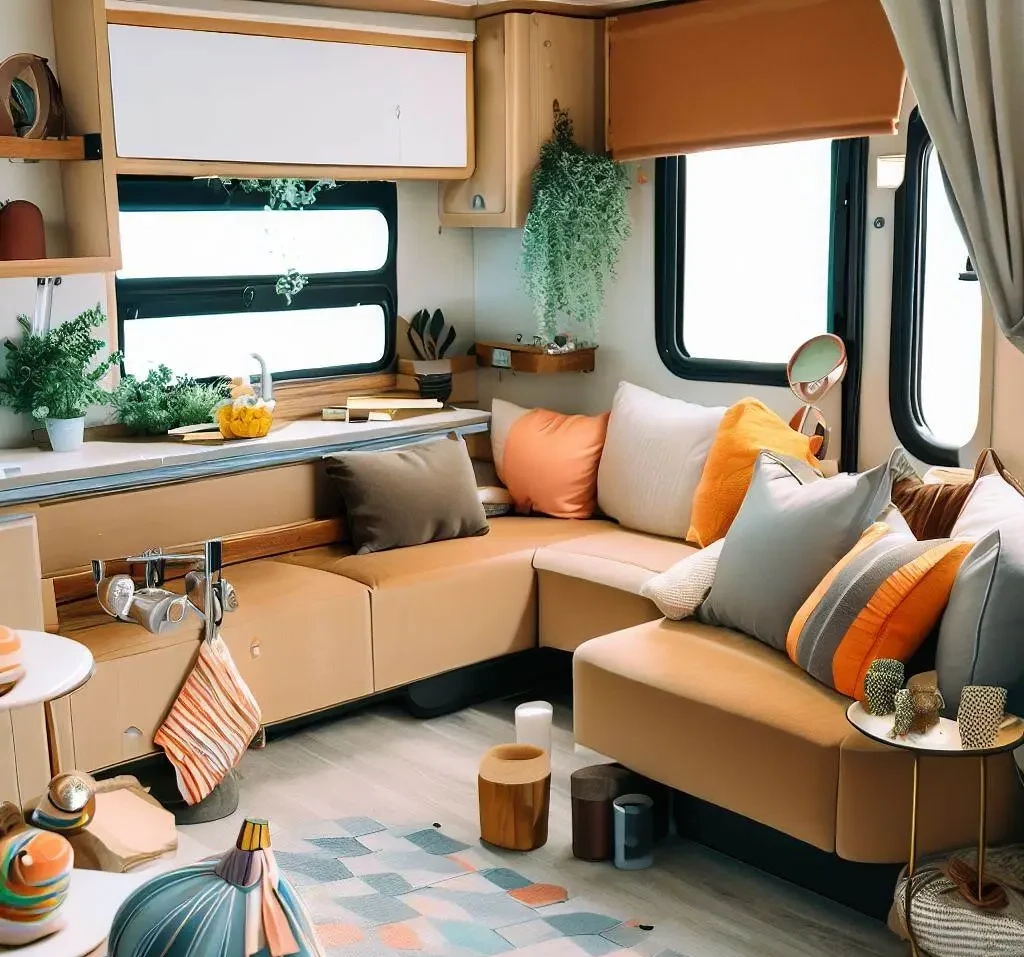
Corner spaces are another challenge, but they can be turned into storage gems. Corner shelving units or L-shaped furniture can make full use of these awkward angles. Some companies now make specialized corner storage solutions designed specifically for these spaces. These can be particularly useful for keeping frequently used items within easy reach while keeping the rest stored away.
Smart Organization Techniques for Maximum Efficiency
Having storage is one thing, but organizing it effectively is another. The right system can make the difference between a cluttered mess and a perfectly ordered space. Start by sorting your belongings into categories and deciding what you actually use versus what you keep out of habit.
One effective method is the ‘one in, one out’ rule. When you bring something new into your space, remove something else. This prevents accumulation and helps you stay mindful about what you own. Another helpful technique is grouping items by frequency of use. Keep the things you use daily in easily accessible places, and store seasonal or rarely used items higher up or further back.
Label everything. Yes, even the obvious stuff. Labels make it easier to find what you need quickly and prevent confusion. Use clear containers or bins so you can see what’s inside without having to open them. Color-coding can also be helpful – assign colors to different categories or rooms.
Think about accessibility. If you’re short or tall, make sure your storage is at a comfortable height. Adjustable shelving allows you to change the configuration as your needs change. Also consider the weight of items you’re storing – make sure your storage solutions can handle the load without sagging or breaking.
Budget-Friendly Storage Solutions That Work
You don’t need to spend a fortune to create effective storage solutions. Many of the best ideas are simple, DIY projects that anyone can accomplish with basic tools and materials. Start with what you already have. A cardboard box can be a temporary solution until you find something better, and sometimes that’s all you need.
Repurposing everyday objects is another excellent way to save money while creating storage. A vintage ladder can become a bookshelf or a clothing rack. A wooden crate can be painted and used as a side table or storage unit. Old suitcases can be stacked and used as a bookshelf or even a small dining table.
Shopping secondhand is also a great option. Thrift stores, estate sales, and online marketplaces often have perfectly good furniture at a fraction of the cost. You might find a beautiful dresser that’s perfect for your bedroom, or a vintage cabinet that can be repainted and transformed into a pantry or linen storage unit.
Finally, consider buying in bulk when it makes sense. A few large storage containers can often be more economical than many small ones. And remember, the cheapest solution isn’t always the best one – invest in quality pieces that will last and continue to serve you well over time.
Maximizing storage in small spaces isn’t just about fitting more things into less room – it’s about creating systems that support your lifestyle and make daily tasks easier. The key is to start with a clear understanding of your space and your needs, then build solutions that are both practical and pleasing to look at. Remember, the best storage solutions are those that become invisible – they work so seamlessly that you forget they’re there until you need them.
Whether you’re tackling a tiny studio apartment or a converted garage, the principles remain the same. Think creatively, plan carefully, and don’t be afraid to experiment. Sometimes the most successful storage solutions come from unexpected places or unconventional thinking. The beauty of small-space living is that it forces you to focus on what really matters, making your home both functional and meaningful. So embrace the challenge, get creative, and watch as your compact space transforms into a well-organized haven that works perfectly for your life.