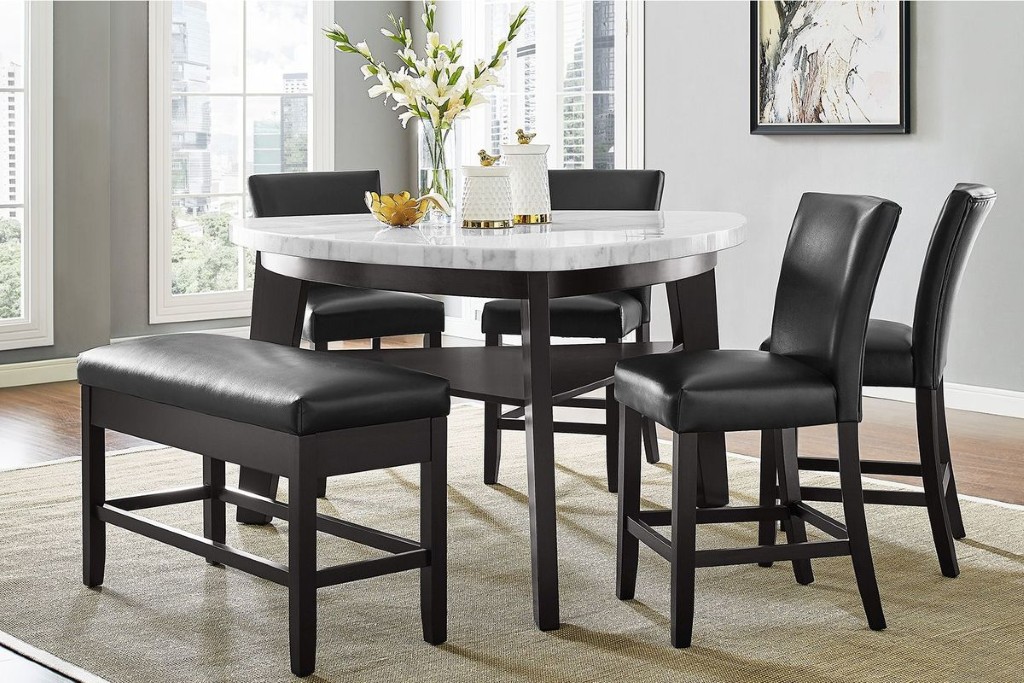

Think about how many times you’ve sat down for dinner and felt your back ache, your legs cramped, or your posture strained. You might think it’s just one of those ‘that’s life’ moments, but what if the problem wasn’t your body’s weakness? What if it was simply the wrong chair height? The truth is, getting your dining chair height right isn’t just about looking good – it’s about feeling good, staying healthy, and making every meal a pleasure rather than a chore.
Everyday people spend countless hours around their dining tables, whether it’s for family dinners, business meetings, or quiet solo meals. Yet so many of us never stop to consider how our seating arrangement affects our comfort and health. It’s easy to overlook the dining chair height when we’re focused on other aspects of our home – the table design, the lighting, the decor. But the chair we choose could be the difference between enjoying a meal and wincing through it. This isn’t just about aesthetics or fashion – it’s about ergonomics, physical comfort, and long-term wellness. When we get chair height right, we’re not just sitting down for a meal, we’re creating a foundation for better posture, reduced strain, and enhanced dining experiences.
Understanding the Basics of Chair Height
Let’s start with something fundamental: what makes a chair height ‘right’ for a dining table? The simple answer is that it should allow your feet to rest flat on the floor while your thighs remain parallel to the ground. That means when you sit down, there should be a slight bend in your knees, not a straight leg position. Imagine trying to eat with your feet dangling or your hips hanging too low – it’s uncomfortable and potentially harmful. The standard dining chair height typically ranges from 17 to 20 inches, but this isn’t one-size-fits-all. Different table heights require different chair heights to create proper proportions. If your table is unusually tall, you’ll want a taller chair to maintain that comfortable seating angle. Conversely, shorter tables might need lower chairs. The key is ensuring that when seated, your forearms rest naturally on the table surface, and you can comfortably reach your food without straining your shoulders or neck.
The Science Behind Proper Posture
When your chair height is incorrect, you’re essentially forcing your body into unnatural positions. This can lead to chronic issues like back pain, shoulder tension, and even digestive problems. Think about it – when you slouch or hunch over a table because the chair is too low, you’re putting unnecessary pressure on your spine. Your core muscles have to work overtime to maintain balance, which can cause fatigue. Proper chair height allows your body to settle into its natural alignment. Your spine maintains its natural curves, your shoulders relax, and your breathing becomes deeper and more comfortable. This isn’t just about feeling better for the moment – it’s about preventing long-term damage to your musculoskeletal system. Studies show that people who maintain proper ergonomic seating during meals experience fewer instances of back discomfort and report better overall satisfaction with their dining experiences.
Common Mistakes in Chair Selection
Many people make assumptions about chair height based on what looks good or what they’ve seen before. But there’s a big difference between style and function. One common error is assuming that all dining rooms need the same chair height. A modern farmhouse table might look great with a high-backed chair, but if the chair is too tall, it creates an awkward seating position. Another frequent mistake is ignoring the relationship between chair and table heights. If you have a 30-inch table and a 19-inch chair, you’re creating a significant gap that makes it difficult to sit properly. Sometimes, people focus too much on the chair’s appearance and forget that the chair should complement the table, not compete with it. Some also fail to consider the space under the table – if you’re using a chair that’s too tall, you might not have enough clearance for your legs or feet to rest comfortably.
Measuring for the Perfect Fit
Getting the measurements right starts with understanding your table dimensions and your personal comfort needs. The ideal setup involves measuring from the floor to the bottom edge of your table. Then, you need to account for the thickness of the table top and the desired chair height. Most people find that a 17- to 18-inch chair works well with standard 29- to 30-inch tables. However, individual preferences vary based on height, body type, and personal comfort levels. You can test your current setup by sitting down and checking if your feet touch the floor and if your thighs are parallel to the ground. If not, you might need to adjust either the chair or table height. For those with mobility concerns or specific medical conditions, consulting with an ergonomic specialist can provide personalized guidance. Remember, small adjustments can make a huge difference in how comfortable you feel during meals.
Special Considerations for Different Table Types
Not all dining tables are created equal, and neither should be your chairs. Traditional rectangular tables often work best with standard chair heights, but they require careful attention to ensure that everyone at the table has adequate legroom. Round tables present unique challenges because the seating arrangement changes the dynamics of how chairs interact with the table surface. For these setups, you might need to consider the distance between the table edge and the chair backrest to prevent people from feeling cramped. Some people opt for bar-height tables, which are typically 40 to 42 inches tall. These require special chairs that are 29 to 31 inches tall to maintain proper proportions. For outdoor dining areas, weather-resistant materials and adjustable features become important considerations. Additionally, some tables come with built-in height variations or adjustable components that can accommodate different chair heights more easily.
Making Adjustments and Maintenance Tips
Once you’ve selected the right chair height, maintaining it properly is just as important as getting it right initially. Regular maintenance helps ensure your chairs continue to support proper posture and comfort. Check that chair mechanisms are functioning smoothly – if you have adjustable chairs, make sure the height settings stay secure. Clean your chairs regularly to maintain their structural integrity, especially if they’re frequently used. Some people find that adding cushioning or lumbar support helps maintain comfort over extended periods. If you notice that your current chair no longer provides adequate support, don’t hesitate to make adjustments or consider replacements. Remember, the goal isn’t to make every chair identical, but rather to ensure each person at your table can sit comfortably and maintain good posture throughout their meal.
Getting your dining room chair height right might seem like a small detail, but it’s actually one of the most impactful ways to enhance your daily dining experience. It’s not just about looking put together or having a perfectly matched dining set – it’s about taking care of your body, improving your posture, and making every meal more enjoyable. When you invest time in finding the right chair height, you’re investing in your long-term comfort and health. Whether you’re hosting dinner parties or enjoying quiet family meals, proper seating ensures that the focus remains on the food, conversation, and connection rather than discomfort or physical strain. The next time you sit down for a meal, take a moment to assess whether your chair is truly working for you. Your back, your legs, and your overall well-being will thank you for making this simple but significant change.