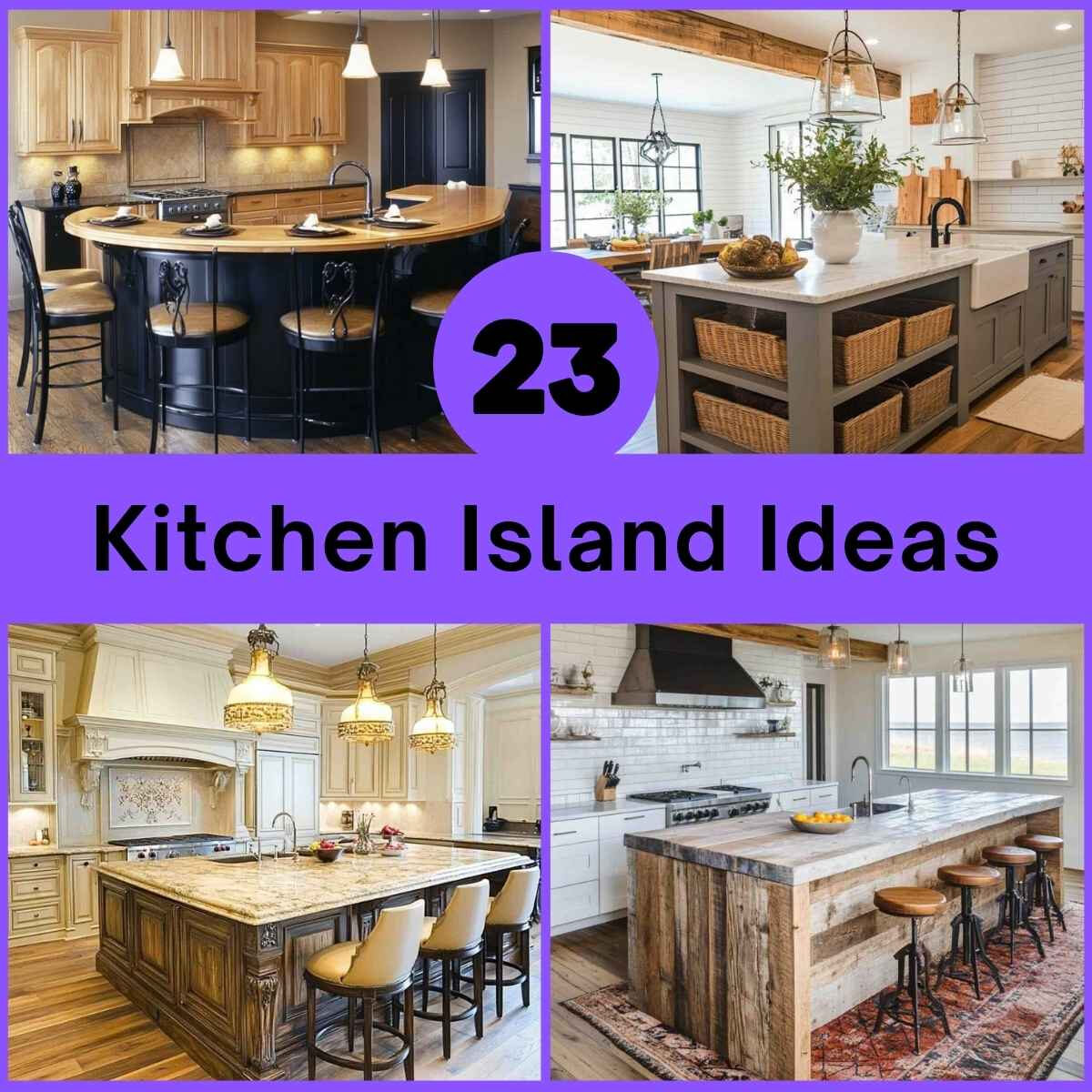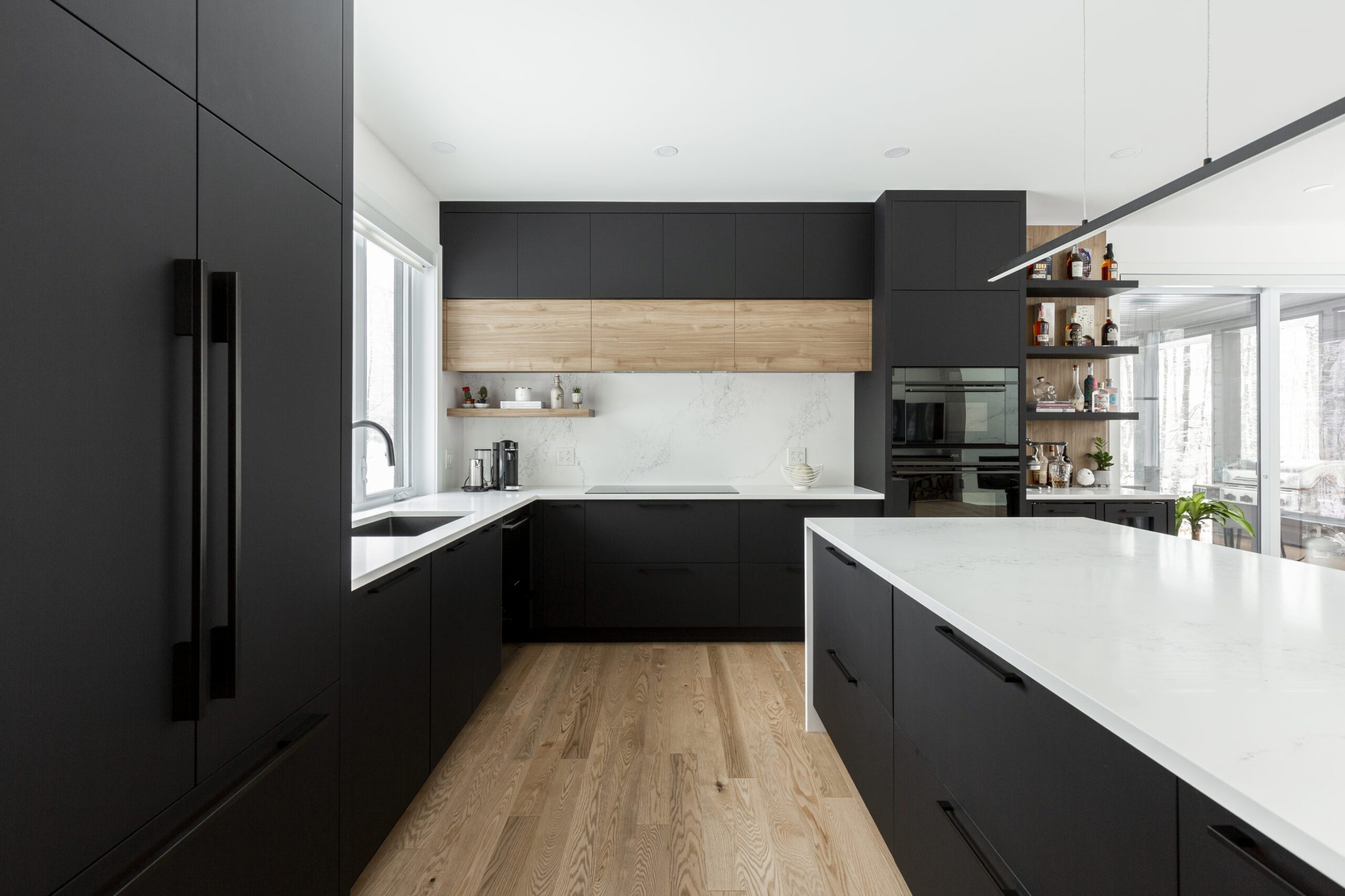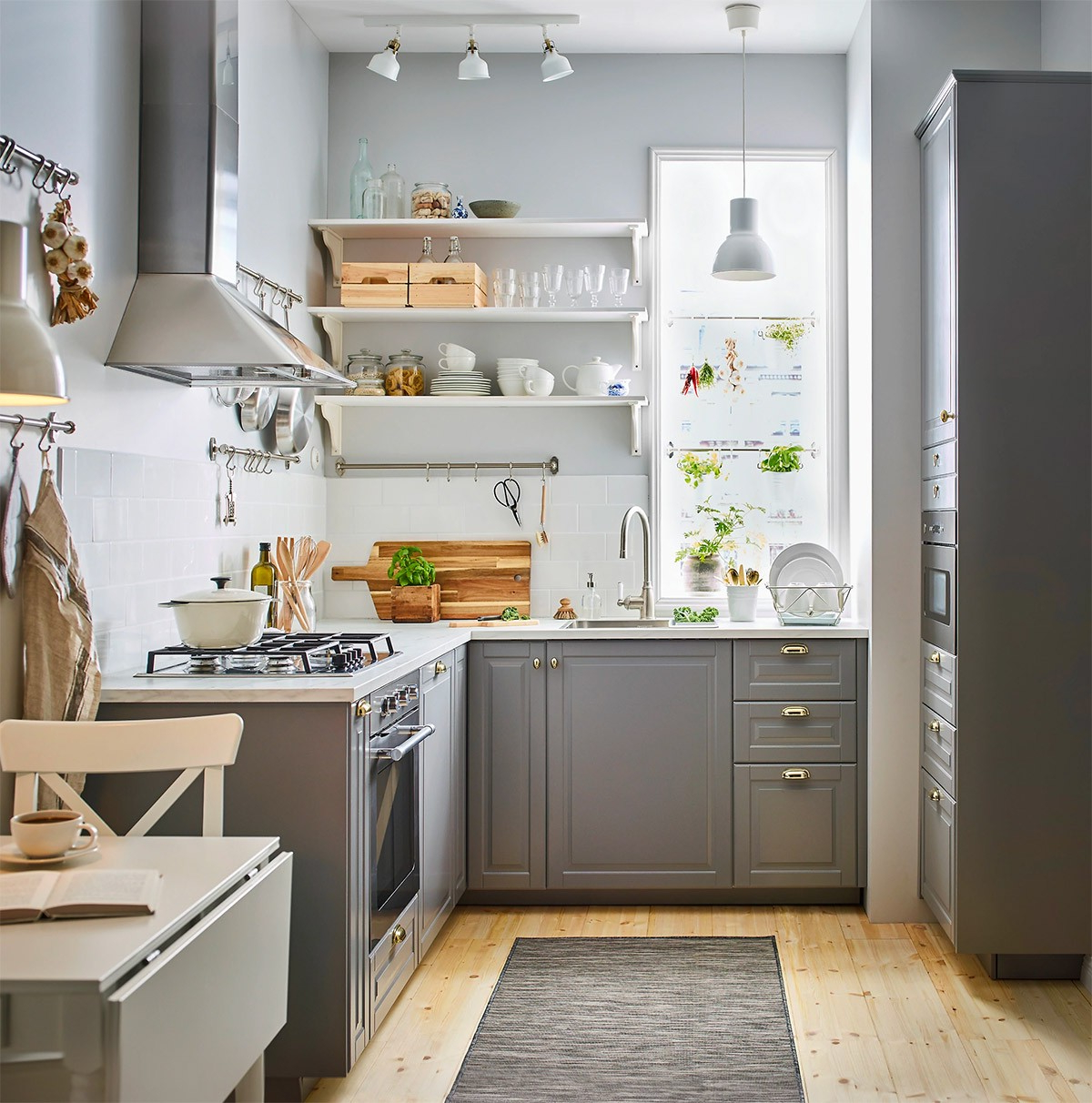
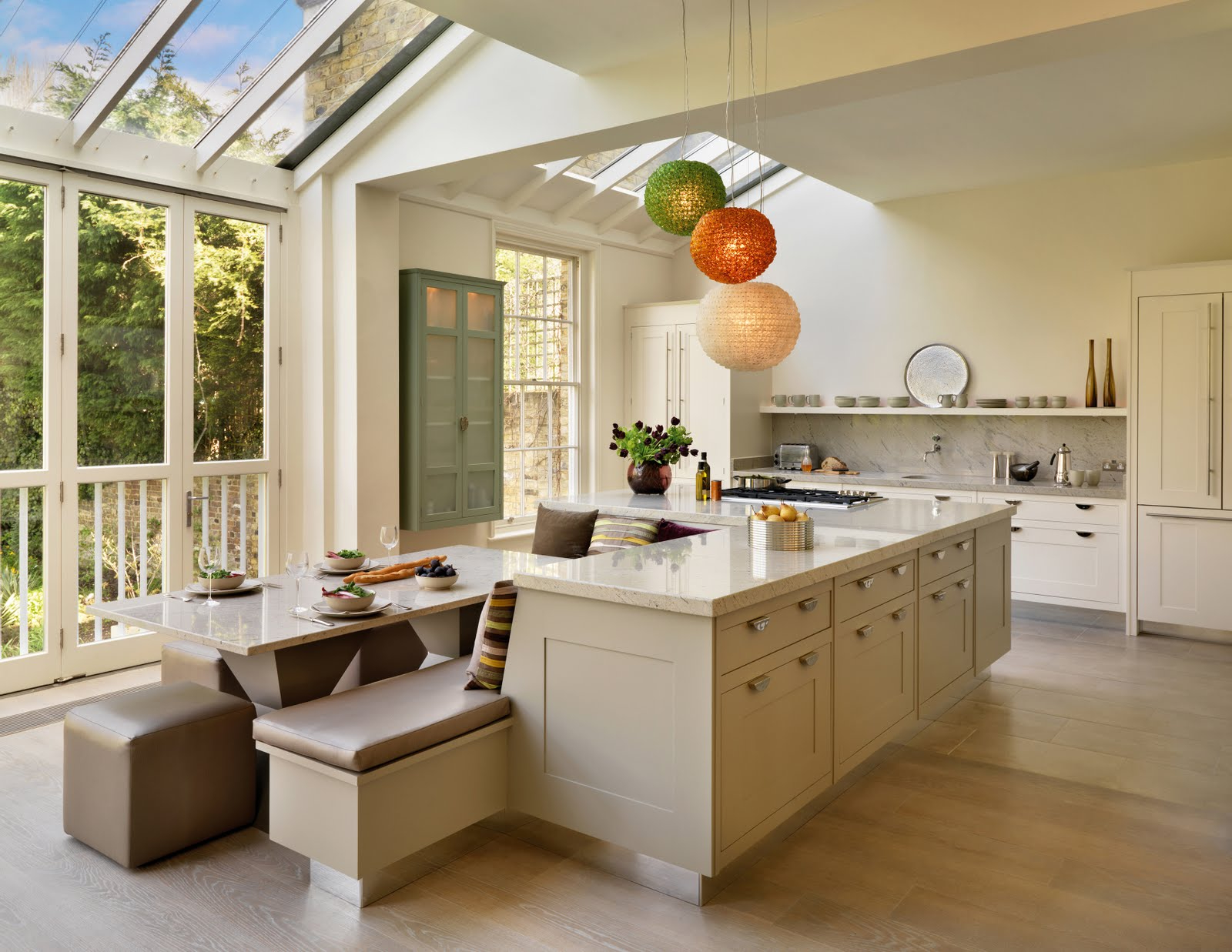
Every island has untapped potential. When you think about it, counter space isn’t just about having more room for things. It’s about how cleverly you can organize what you have. What if we told you there are simple tricks to make every inch count? This isn’t just about buying more furniture or building bigger. It’s about seeing your island differently.
Islands are special places. They offer unique opportunities and challenges when it comes to organizing space. Whether you’re working with a tiny kitchen island or a larger outdoor dining area, the way you plan and use counter space can make all the difference between feeling cramped and feeling spacious. Think about it – you probably have a few items that take up space you didn’t expect. That’s where smart planning steps in. It’s not magic, but it’s definitely smart thinking. The secret lies in looking at everything you have and figuring out how to make it work better together.
Understanding Counter Space Dynamics
Counter space might seem simple at first glance, but it’s actually quite complex. Every surface you have is a potential workspace, storage area, or social gathering spot. The key insight is that good counter space planning involves understanding how people move through and interact with these areas. Consider the flow of activity. How do you prepare meals? Where do you place ingredients while cooking? Do you need room for guests to sit and eat? These questions shape how you approach each square foot. Real-world examples show that islands with poor counter space design often end up feeling chaotic. People find themselves bumping into each other, reaching across hot surfaces, or struggling to find room for their favorite tools. Smart planning addresses these issues before they happen.
Strategic Storage Solutions
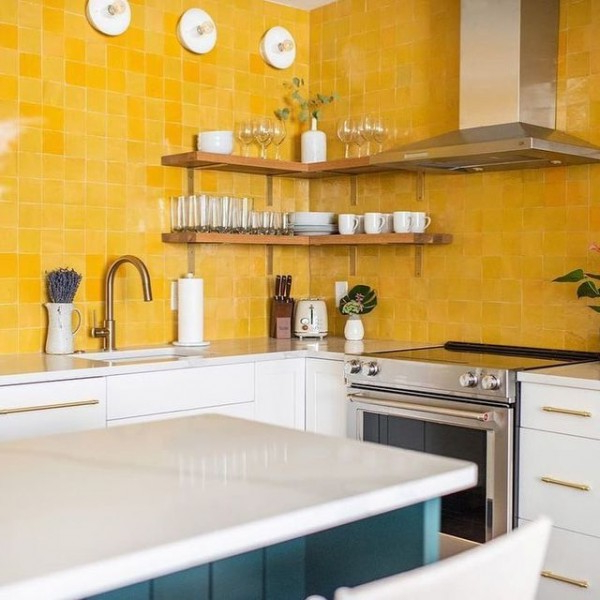
Storage isn’t just about keeping things tidy – it’s about creating functional spaces that support daily life. The best counter space planning includes hidden storage solutions that don’t compromise on aesthetics. Think under-counter shelves, pull-out drawers, and built-in cabinets that blend seamlessly with your countertop. For those who love to cook, consider installing spice racks that slide out easily. Many island owners discover that a few well-placed storage solutions can dramatically change how much they can fit on their counters. A good example is using vertical space effectively. Instead of stacking pots on top of each other, try installing wall-mounted racks that keep them visible but off the main counter. The result? More room for prep work and less clutter.
Multi-Functional Design Elements
The most effective island designs incorporate multiple functions within a single space. You might have a breakfast bar that doubles as a dining table, or a counter that works as both preparation area and serving station. This approach maximizes utility while minimizing visual clutter. One popular strategy involves using modular elements that can be rearranged as needs change. For instance, adding removable sections allows you to adjust the length of your island depending on whether you’re hosting a small family dinner or entertaining a crowd. The beauty of multi-functional design is that it adapts to your lifestyle rather than forcing you to change your habits. When you think about it, every element on your island should serve more than one purpose. This philosophy leads to cleaner, more efficient spaces.
Optimizing Workflow Patterns
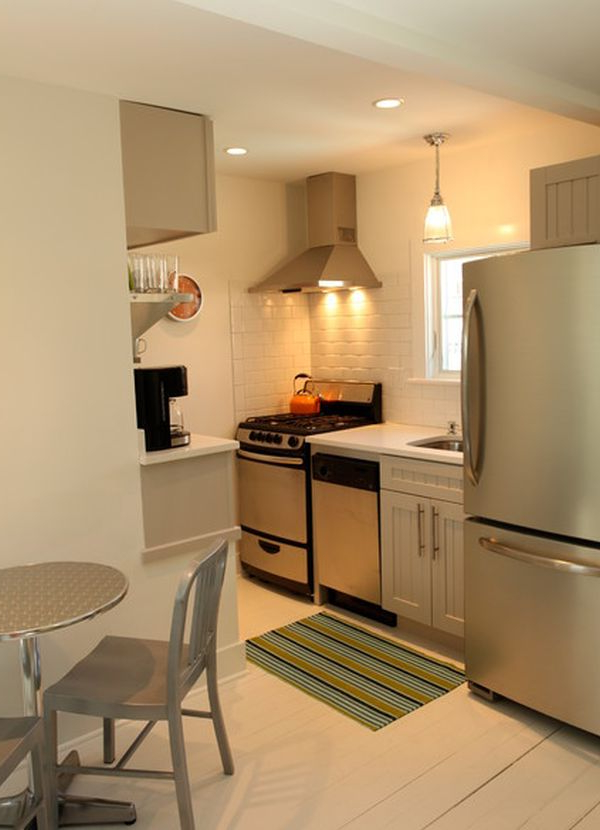
Effective counter space planning considers how you actually use your kitchen or island. The classic triangle layout – between sink, stove, and refrigerator – remains important, but modern approaches go further. You want to minimize unnecessary movement while maximizing efficiency. This means placing frequently used items within easy reach. For example, if you always use the same cutting board and knife set, position them in a logical sequence. Some island designers recommend grouping related items together. If you’re a coffee lover, why not create a dedicated coffee zone with everything from beans to mugs in one area? This kind of workflow optimization reduces stress and makes daily tasks feel effortless. It’s amazing how much better things go when you think like someone who uses the space regularly.
Lighting and Visual Impact
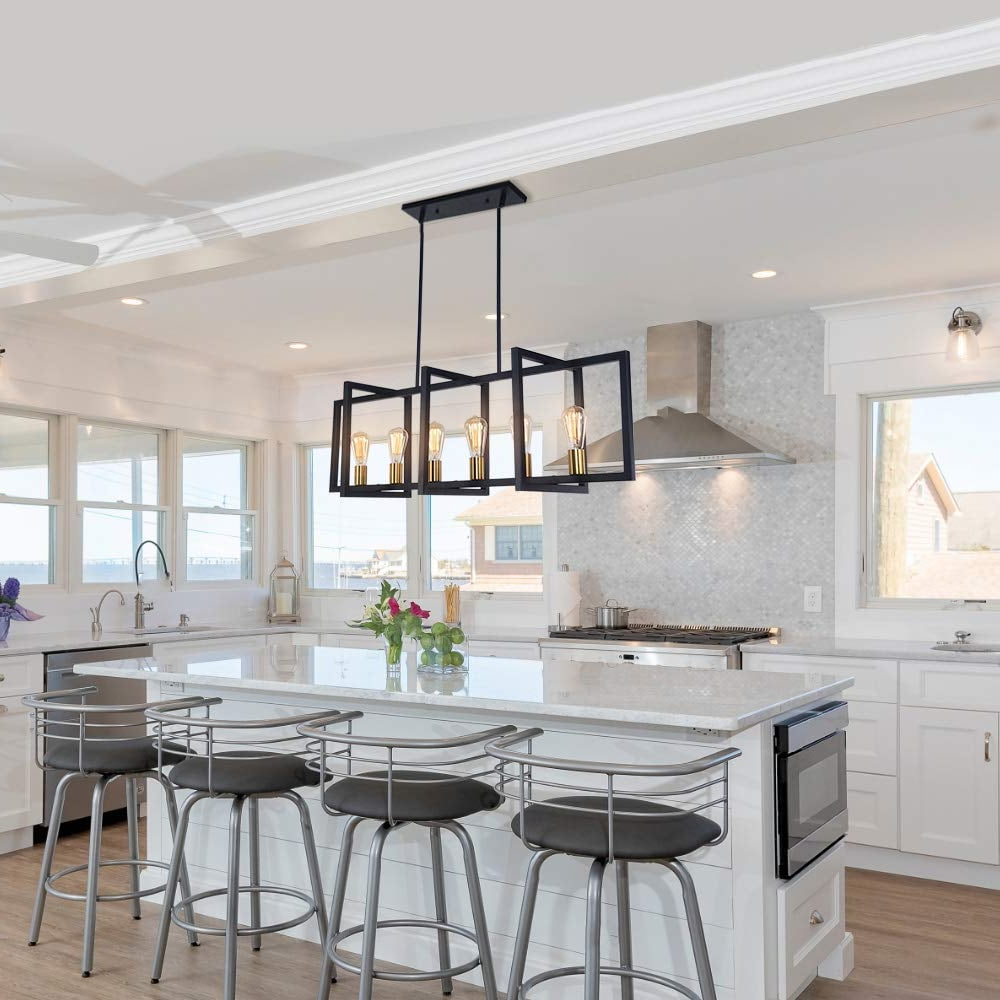
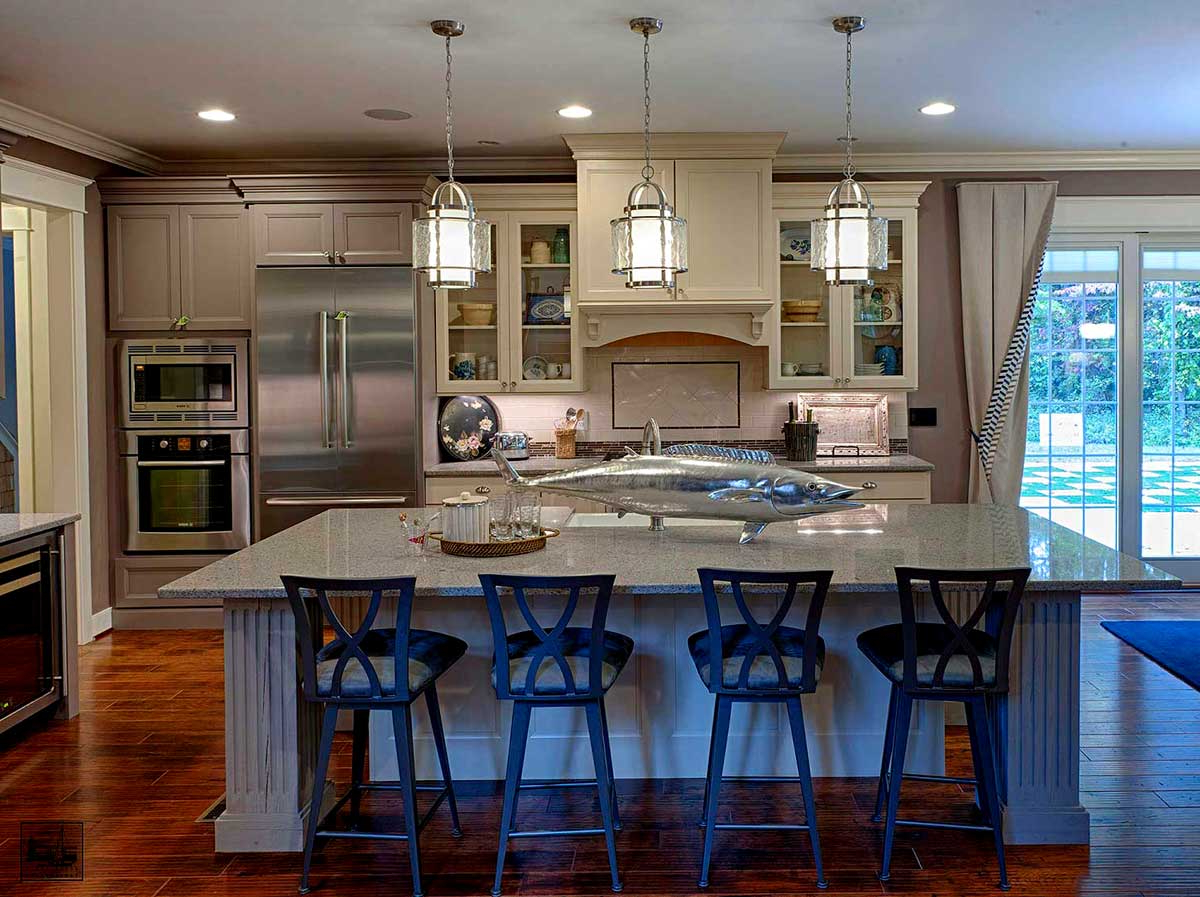
Good lighting can make a counter space feel bigger and more inviting. Natural light is ideal, but it’s not always available. In these cases, strategic artificial lighting becomes essential. Task lighting over work areas helps prevent eye strain and improves precision when cooking. Ambient lighting creates a welcoming atmosphere, especially important for islands that double as social spaces. Consider layering different types of lights to create depth and interest. LED strips underneath cabinets provide subtle illumination while highlighting the edges of your island. Some homeowners find that adding a pendant light above their island creates a focal point that draws attention away from smaller problems. The right lighting choices can completely transform how a space feels and functions.
Material Selection and Durability
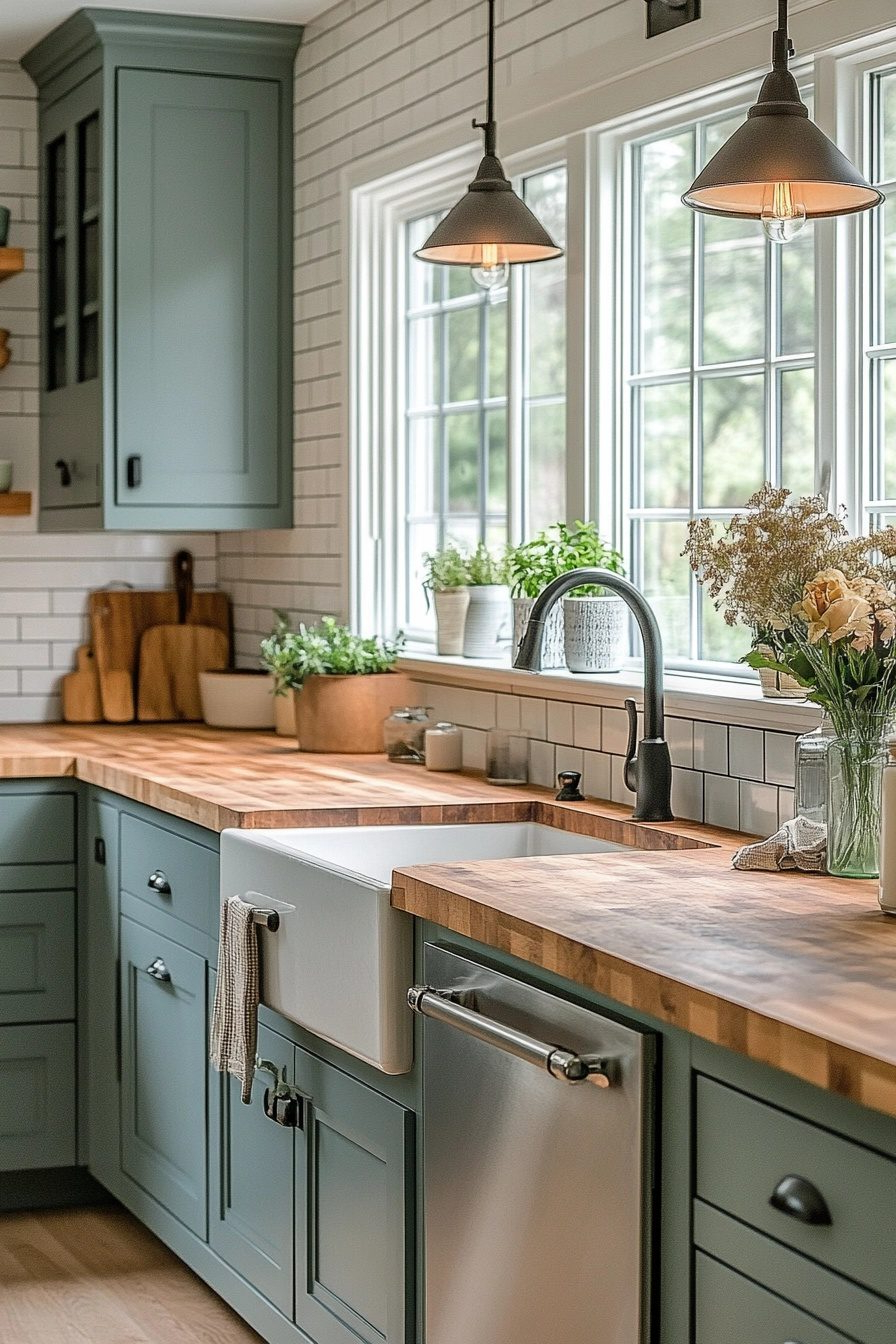
Choosing the right materials for your island counters is crucial for long-term satisfaction. Different materials handle wear and tear differently, and some are better suited to island environments than others. Granite and quartz offer durability and resistance to heat and scratches, making them excellent choices for high-use areas. Wood brings warmth and character, but requires more maintenance. Stainless steel provides a clean, modern look and is easy to clean, though it may show fingerprints more easily. When selecting materials, think about your lifestyle and how much time you want to spend maintaining your island. A recent study found that islands with proper material selection lasted 30% longer than those built with less durable options. The investment in quality materials pays off in reduced replacement costs and greater satisfaction with your space.
Maximizing counter space through smart island planning isn’t about buying more things or spending more money. It’s about making smarter decisions with what you already have. When you approach your island with intentionality, you’ll notice immediate improvements in how your space functions. The key is to start small – perhaps reorganizing your current items or adding one new storage solution. From there, you can build on success and gradually implement more sophisticated planning techniques. Remember, the best island designs are those that evolve with your needs. They support your daily routines while providing flexibility for unexpected moments. Your island deserves thoughtful attention, and when you give it that attention, you’ll see results that last far beyond the initial planning phase. Sometimes the simplest changes lead to the biggest improvements.
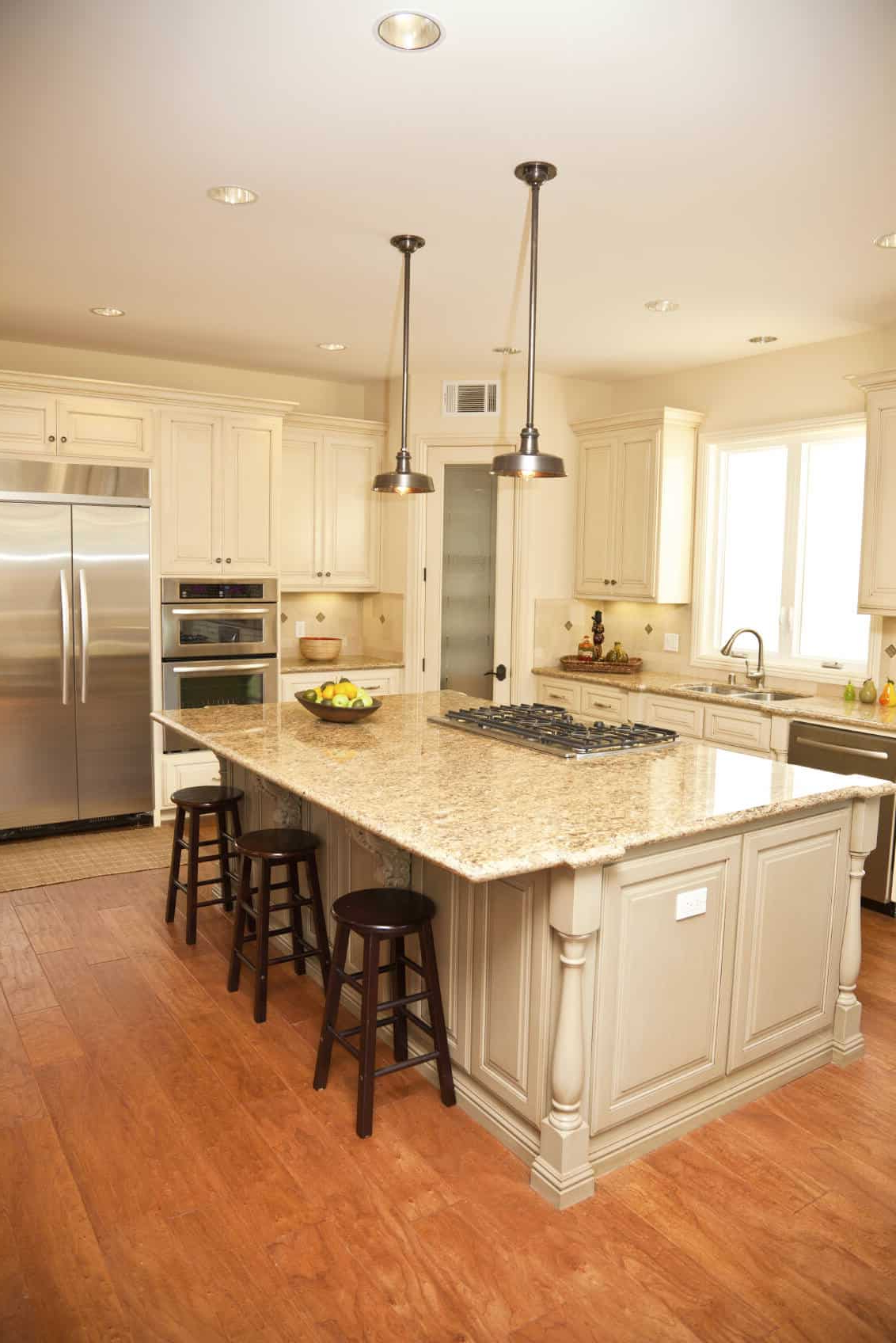
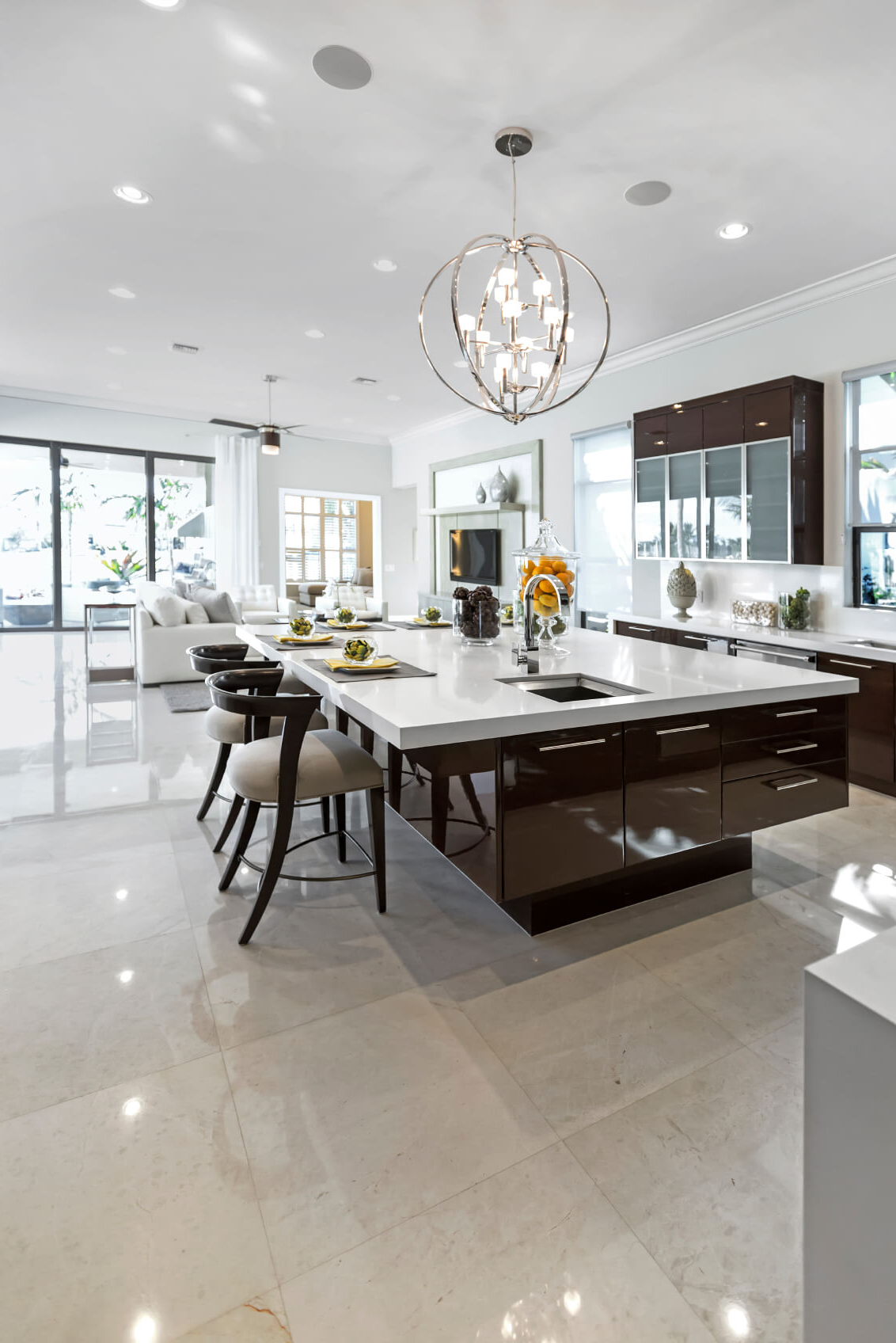
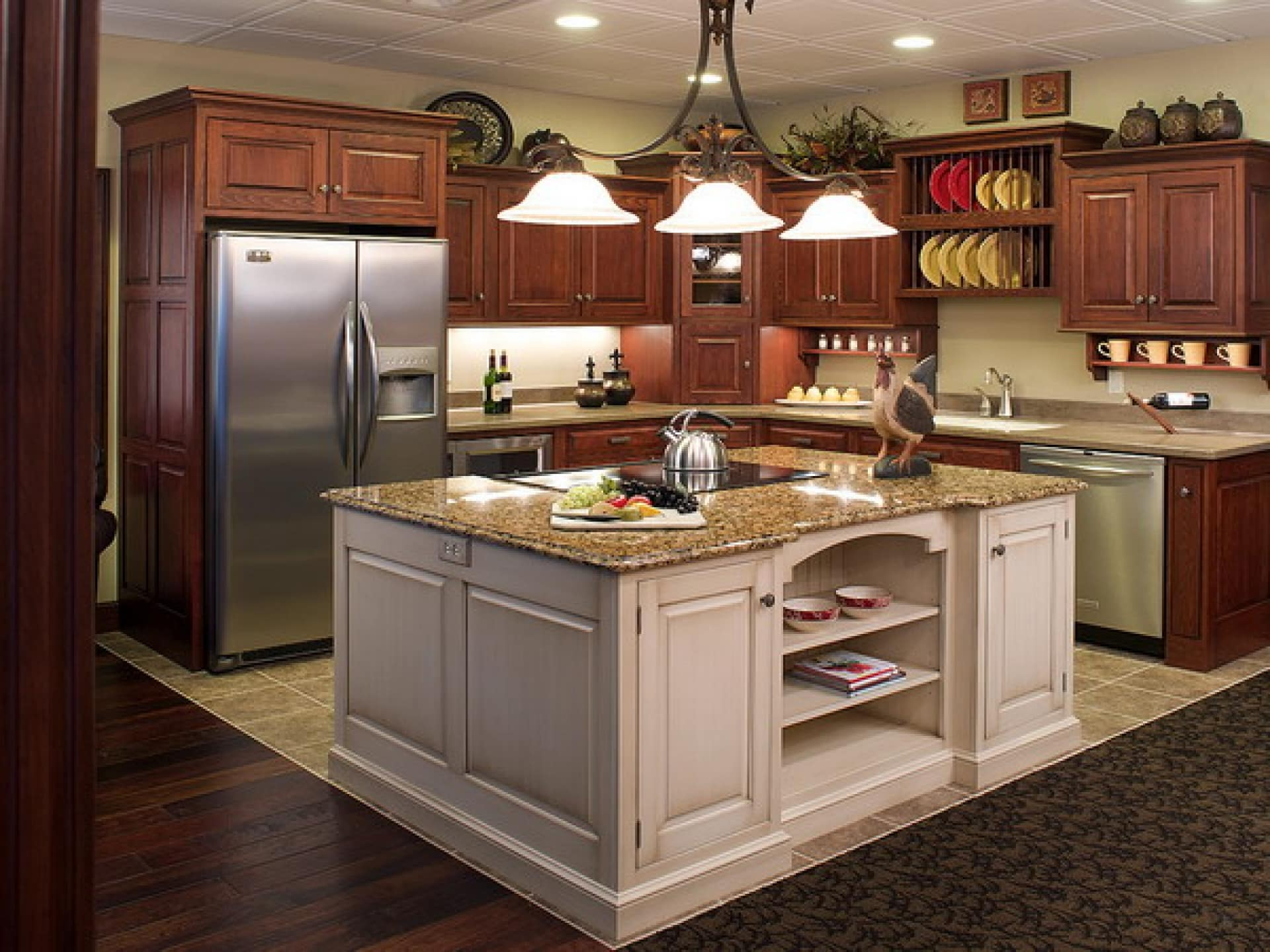
[sps_html tag=”img” src=”https://roofdrivein.com/wp-content/uploads/2026/01/84-custom-luxury-kitchen-island-ideas-designs-pictures-within-maximizing-counter-space-through-smart-island-planning.jpg” alt=”84 Custom Luxury Kitchen Island Ideas & Designs (Pictures) within Maximizing Counter Space Through Smart Island Planning” style=”width: 100%; height: auto;”]
[sps_html tag=”img” src=”https://roofdrivein.com/wp-content/uploads/2026/01/24-most-creative-kitchen-island-ideas-designbump-in-maximizing-counter-space-through-smart-island-planning.jpg” alt=”24 Most Creative Kitchen Island Ideas -Designbump in Maximizing Counter Space Through Smart Island Planning” style=”width: 100%; height: auto;”]
[sps_html tag=”img” src=”https://roofdrivein.com/wp-content/uploads/2026/01/90-different-kitchen-island-ideas-and-designs-photos-home-stratosphere-for-maximizing-counter-space-through-smart-island-planning.jpg” alt=”90 Different Kitchen Island Ideas And Designs (Photos) - Home Stratosphere for Maximizing Counter Space Through Smart Island Planning” style=”width: 100%; height: auto;”]
[sps_html tag=”img” src=”https://roofdrivein.com/wp-content/uploads/2026/01/24-most-creative-kitchen-island-ideas-designbump-with-regard-to-maximizing-counter-space-through-smart-island-planning.jpg” alt=”24 Most Creative Kitchen Island Ideas -Designbump with regard to Maximizing Counter Space Through Smart Island Planning” style=”width: 100%; height: auto;”]
[sps_html tag=”img” src=”https://roofdrivein.com/wp-content/uploads/2026/01/23-stunning-kitchen-island-ideas-youll-fall-in-love-with-pertaining-to-maximizing-counter-space-through-smart-island-planning.jpg” alt=”23 Stunning Kitchen Island Ideas You’ll Fall In Love With pertaining to Maximizing Counter Space Through Smart Island Planning” style=”width: 100%; height: auto;”]