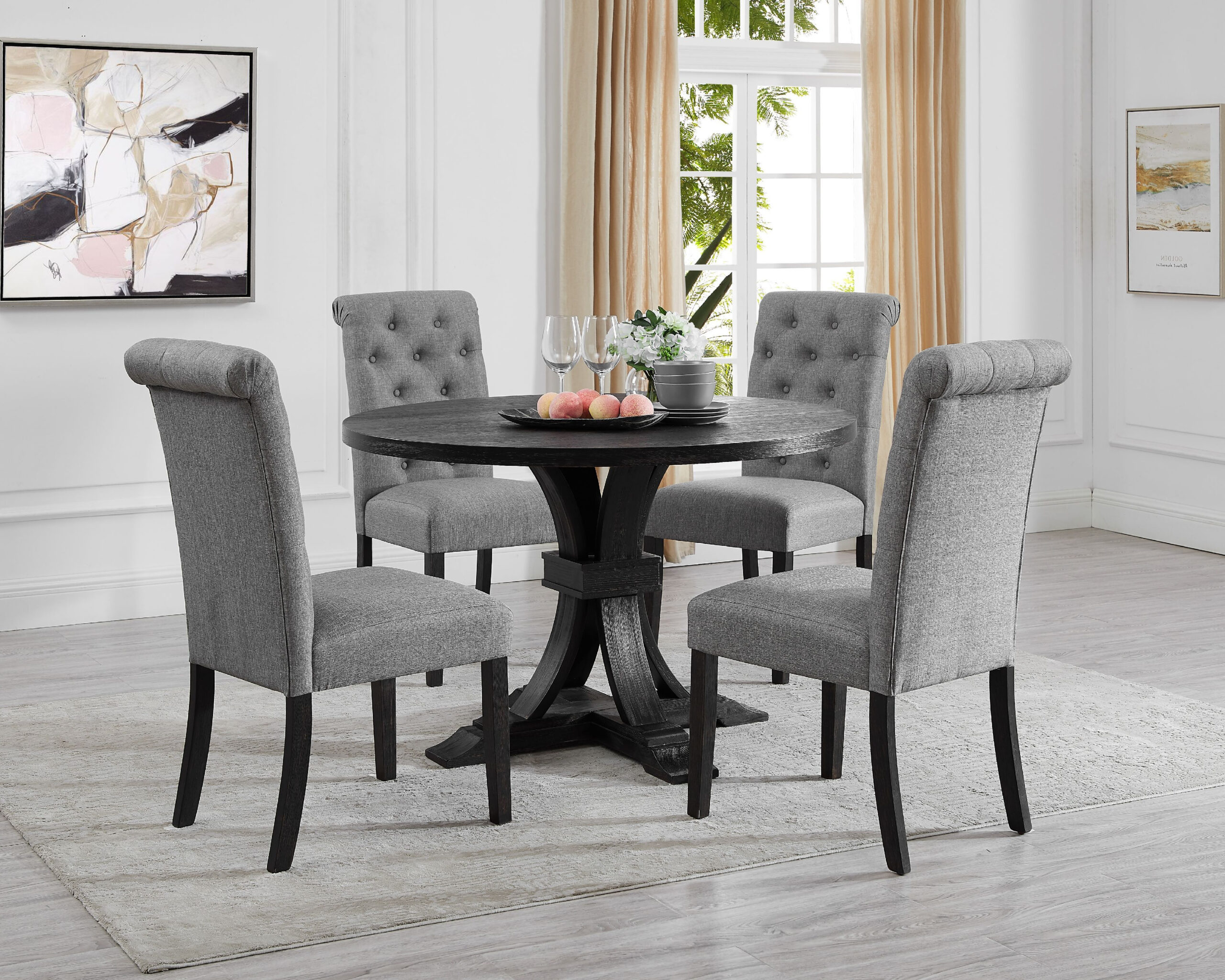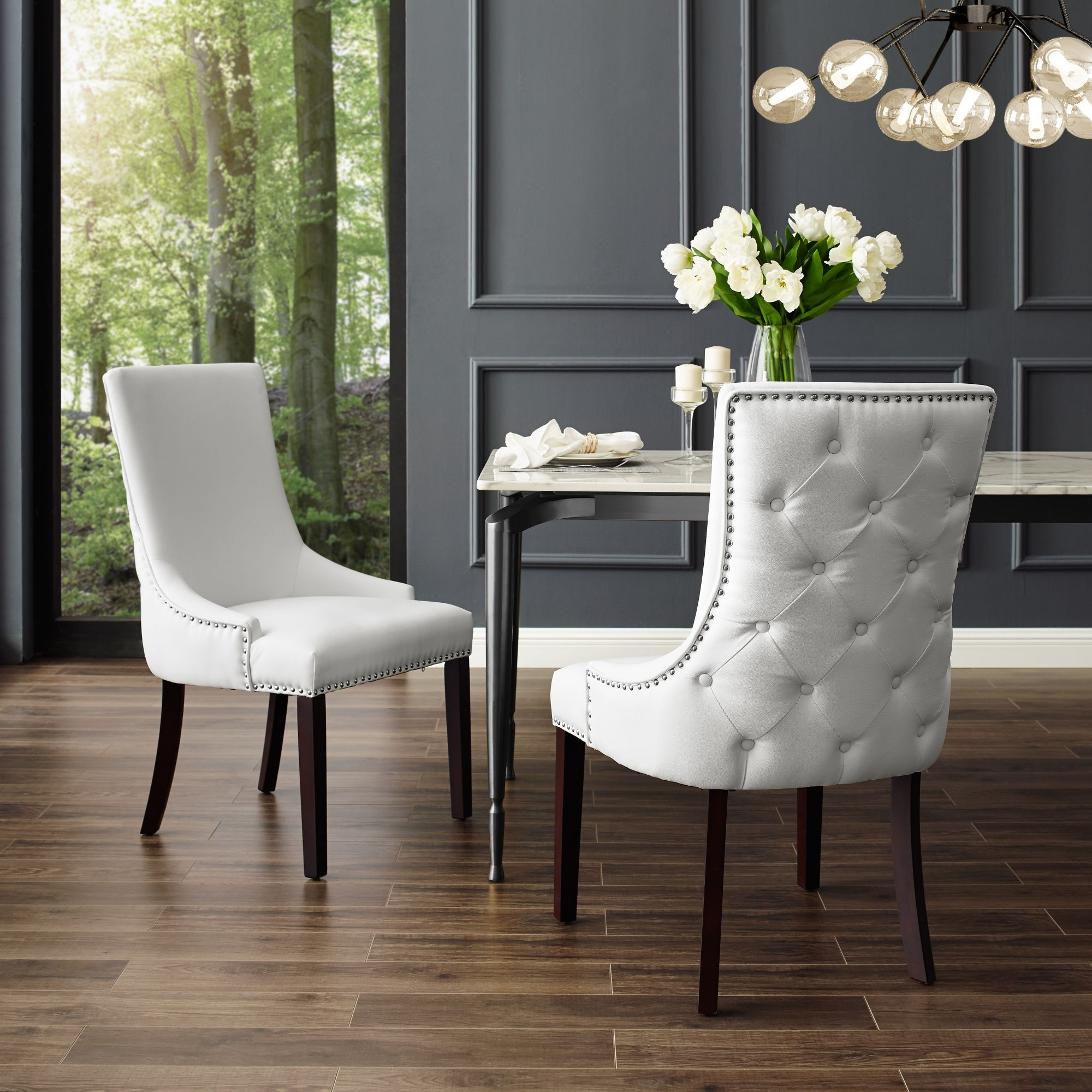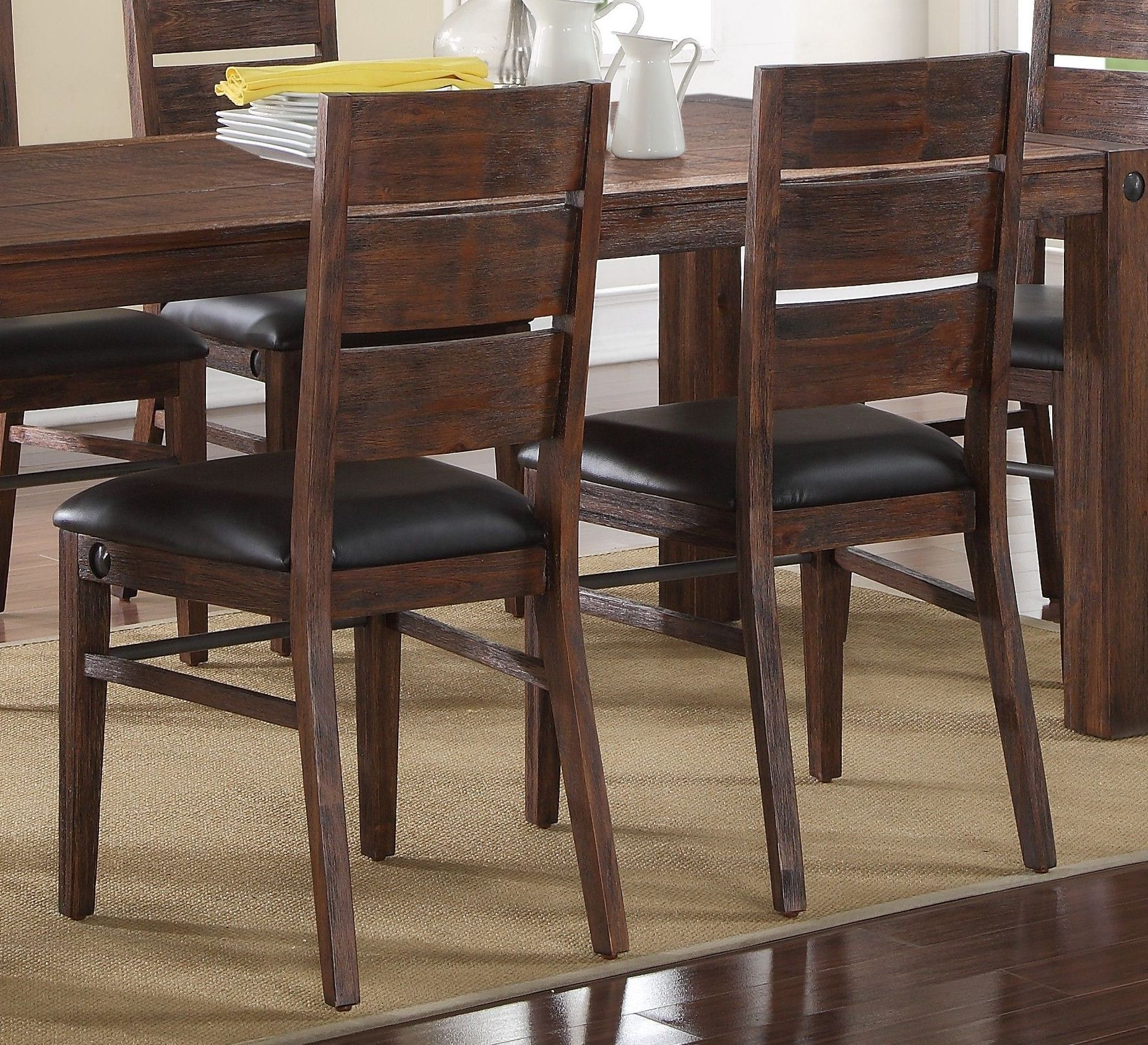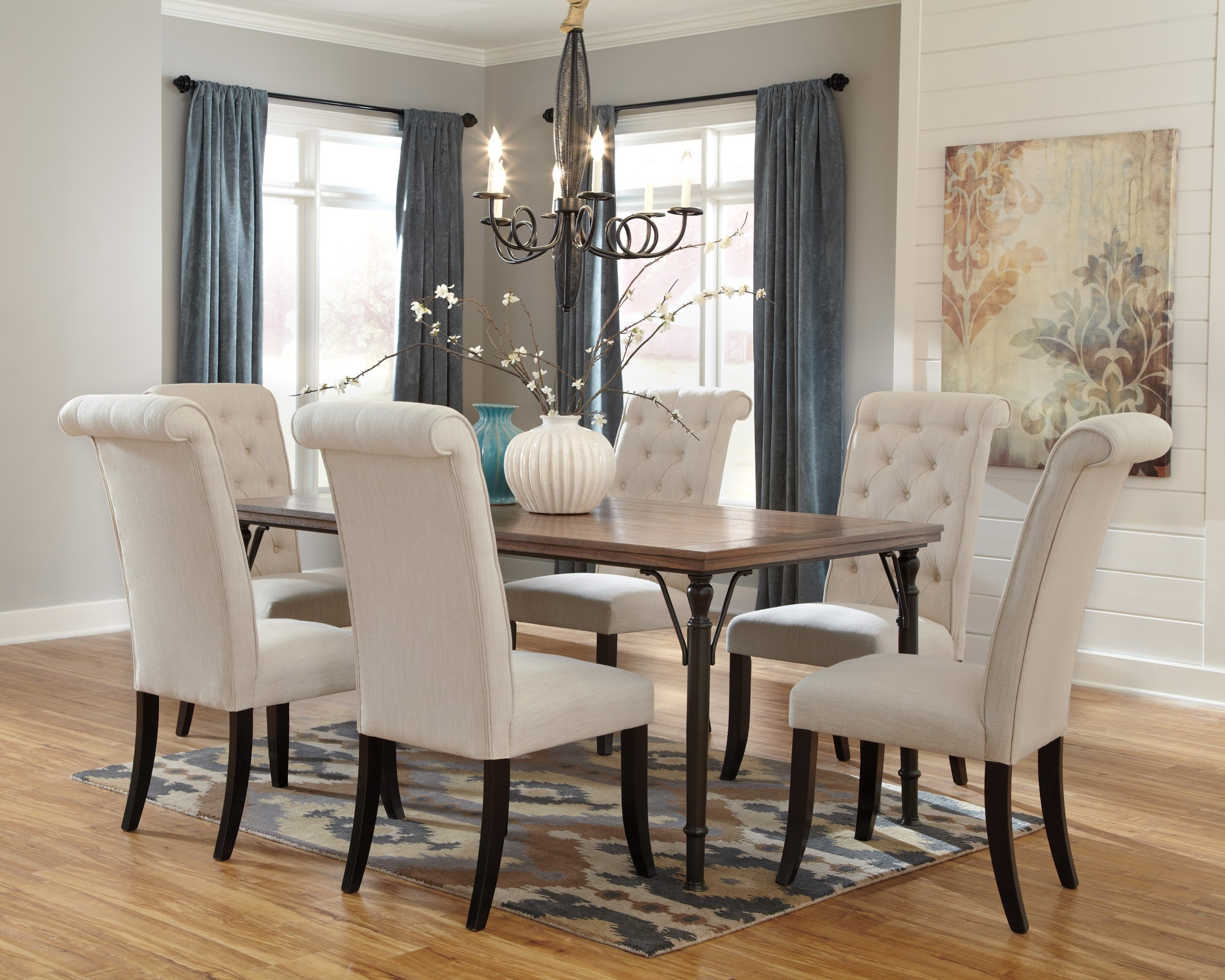
Every home deserves a dining room that feels both welcoming and functional. The chairs you choose can make or break the entire experience. Think about it – you spend hours around that table, sharing meals, stories, and laughter. So why settle for uncomfortable seating that makes you want to rush through dinner? The right dining chair should feel like a cozy hug every time you sit down.
Dining room chairs are often overlooked when it comes to home design, yet they play a crucial role in creating a space that’s both inviting and practical. Whether you’re hosting weekly family dinners or monthly gatherings with friends, the chairs you choose set the tone for everything that happens around your table. The secret lies in finding that perfect balance between comfort and aesthetics. It’s not just about looking good – though that’s important too. You want chairs that support your body during long meals, complement your existing decor, and feel like they belong in your space.
Understanding Your Body’s Needs
Comfort isn’t just a luxury – it’s essential. Every person has different physical needs when it comes to seating. Start by considering the shape of your back and how much support you require. If you have lower back issues, look for chairs with good lumbar support. Some people prefer higher seats while others enjoy a more casual, lower profile. Think about how long you’ll typically be seated. Are you planning quick coffee breaks or extended dinner parties? The answer will influence your choice of height and cushioning. Try before you buy whenever possible. Sit in different chairs, move around, and pay attention to how your body feels. A chair that looks perfect but leaves you slouching after ten minutes isn’t really comfortable at all.
The Role of Material and Construction
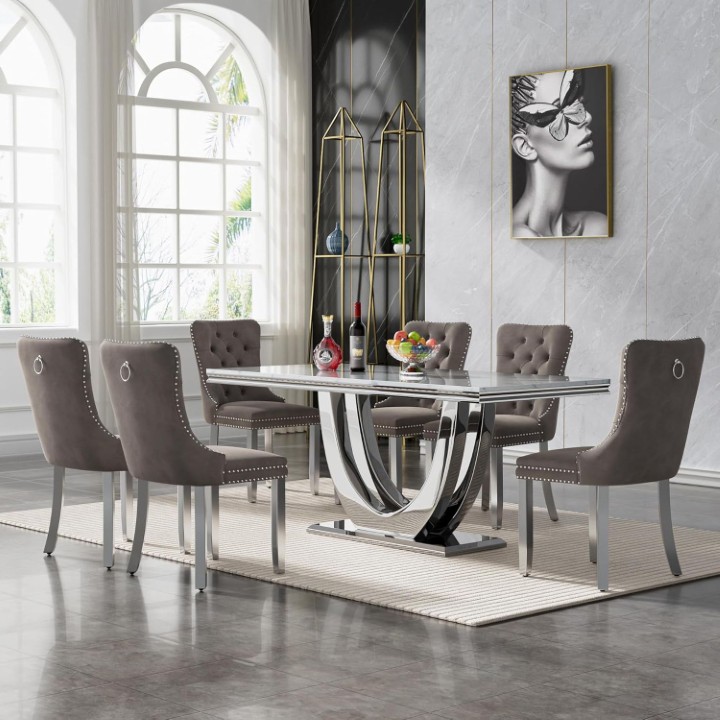
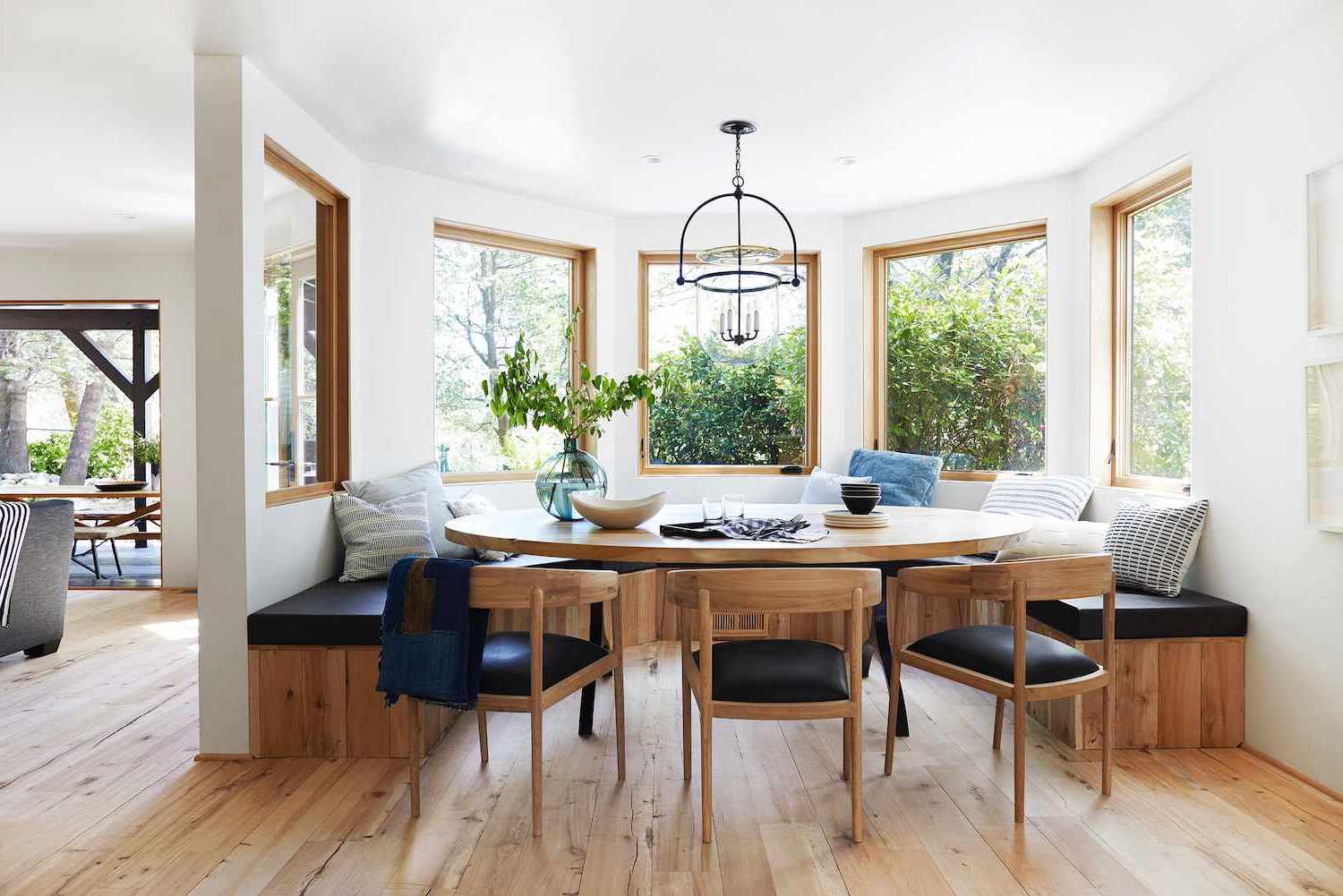
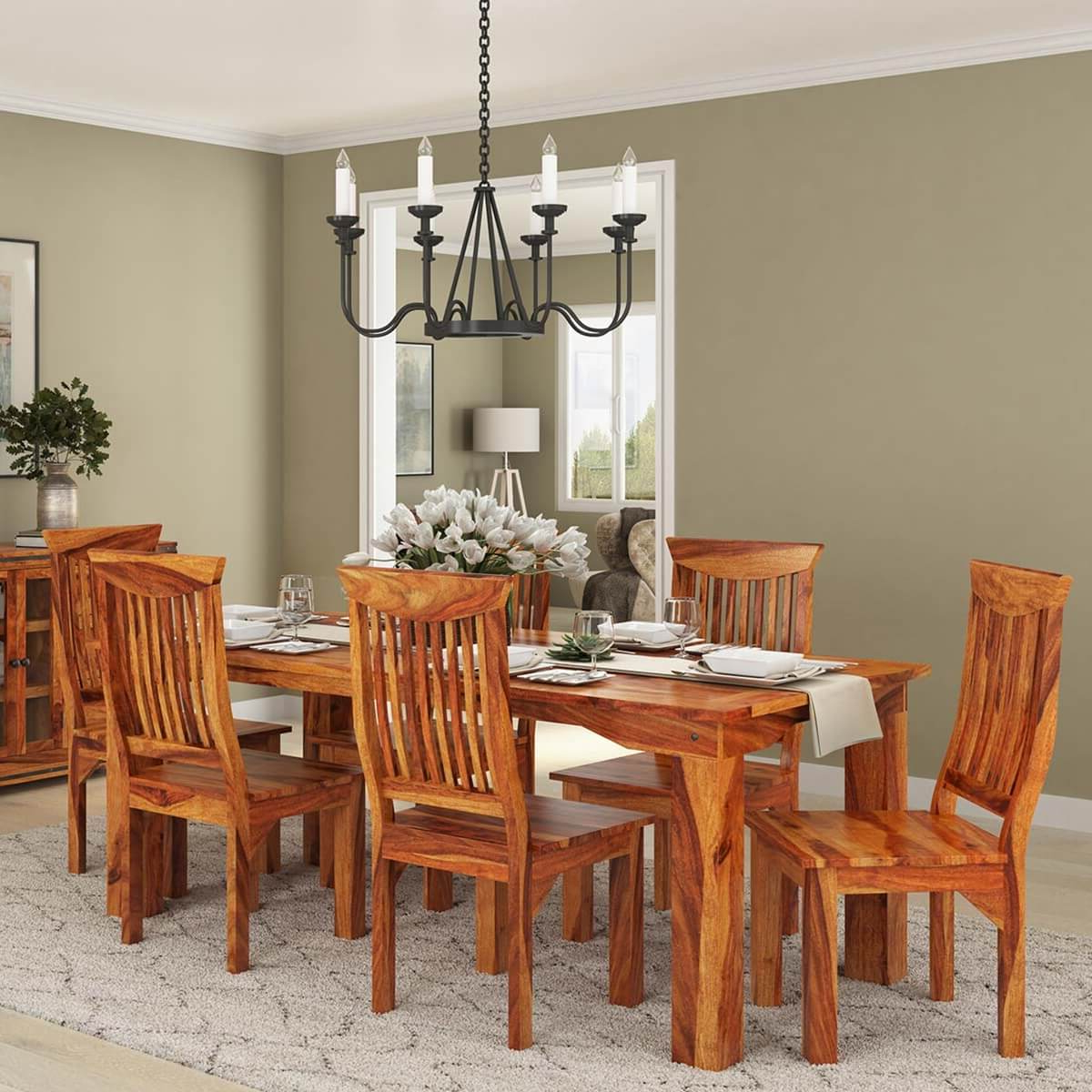
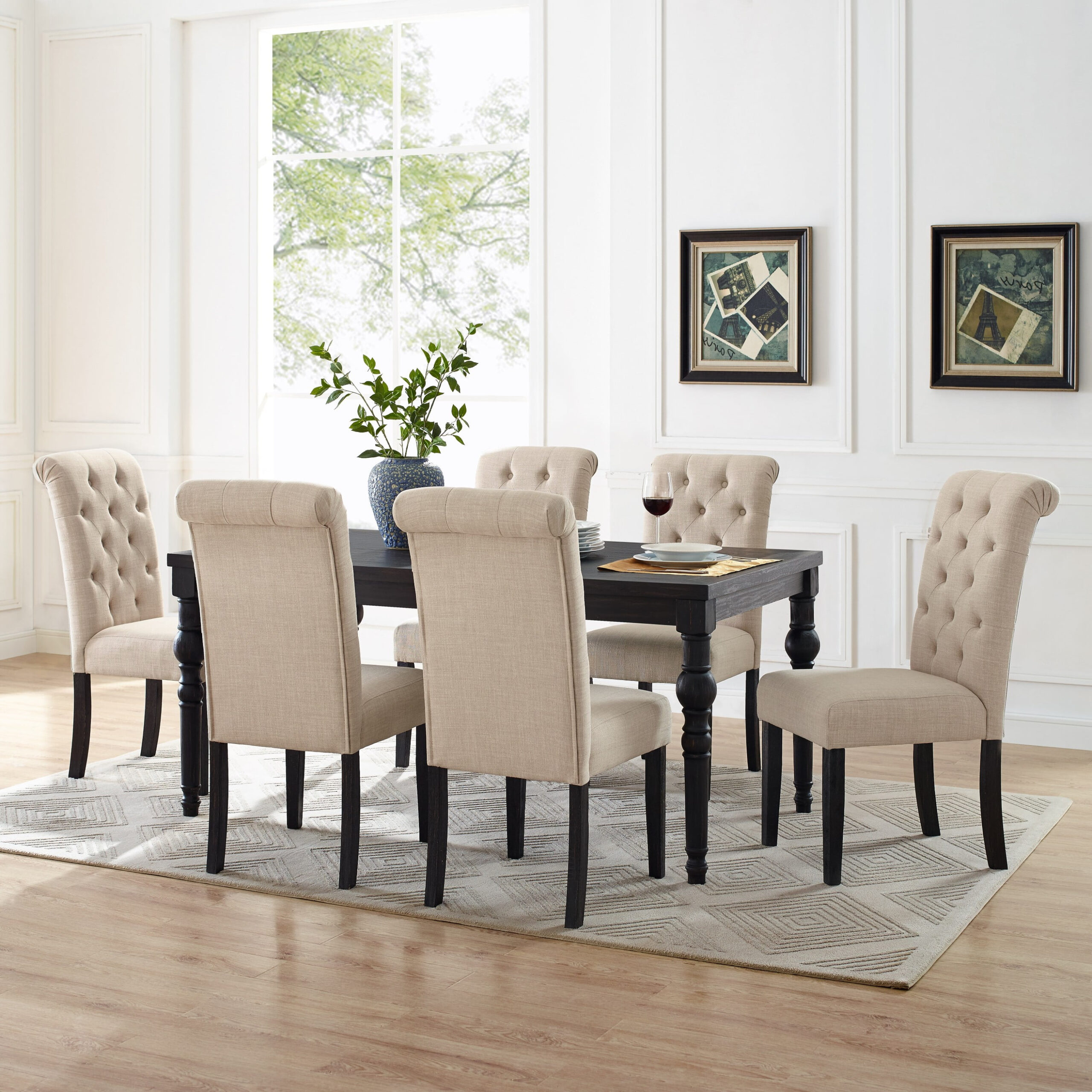
What a chair is made of affects everything from its durability to how it feels against your skin. Wood frames offer classic charm and lasting strength, but they can feel cold in winter months. Upholstered chairs provide softness and warmth, but require more maintenance. Metal frames bring modern appeal but might not suit everyone’s taste. The construction matters just as much as the materials themselves. Look for solid wood joints rather than glued connections. Check that the frame is sturdy enough to handle regular use. A well-built chair should feel substantial under your weight, not wobbly or unstable. Quality craftsmanship shows in the details – smooth finish, even stitching, proper padding. These small elements add up to big differences in how a chair performs over time.
Style and Design Integration
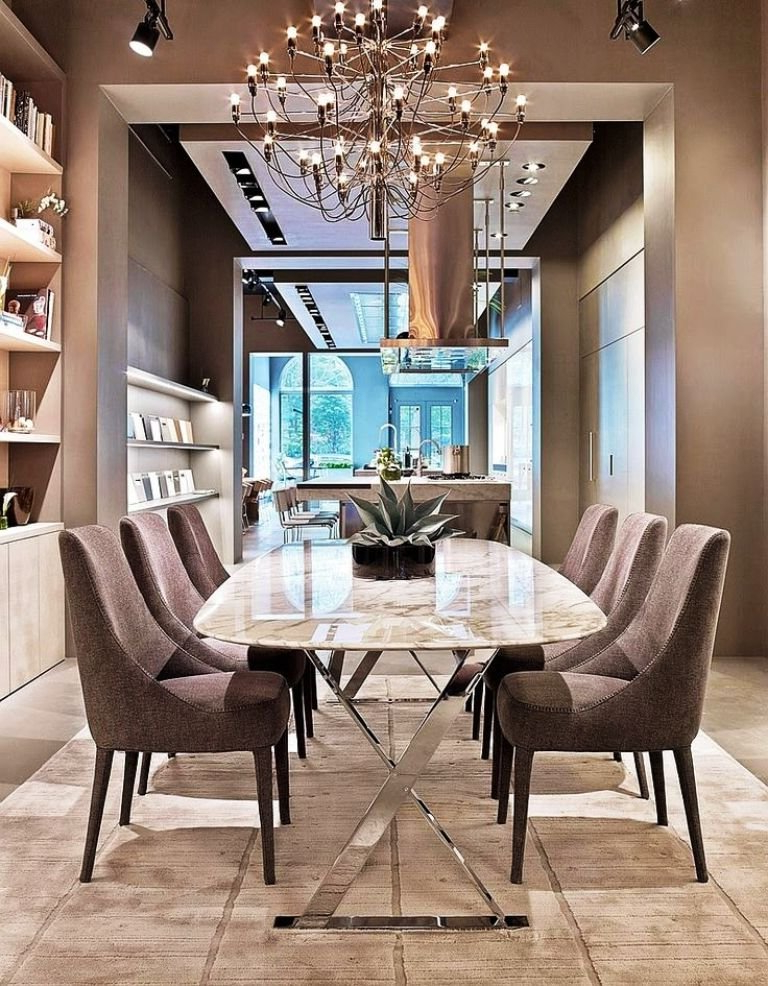
Choosing chairs that match your dining room’s aesthetic creates a cohesive look that feels intentional rather than random. Modern spaces often work best with clean lines and minimal ornamentation. Traditional homes may benefit from carved wooden details or rich fabrics. Consider the overall color scheme of your dining area. Do you want bold statement pieces or subtle, neutral tones? The chair’s silhouette should complement rather than compete with your table and other furniture. Don’t forget about scale – a large, imposing chair in a small dining room can overwhelm the space. Sometimes less is more, especially when it comes to creating visual harmony. Think about how the chair will look from different angles and distances.
Practical Considerations for Daily Life
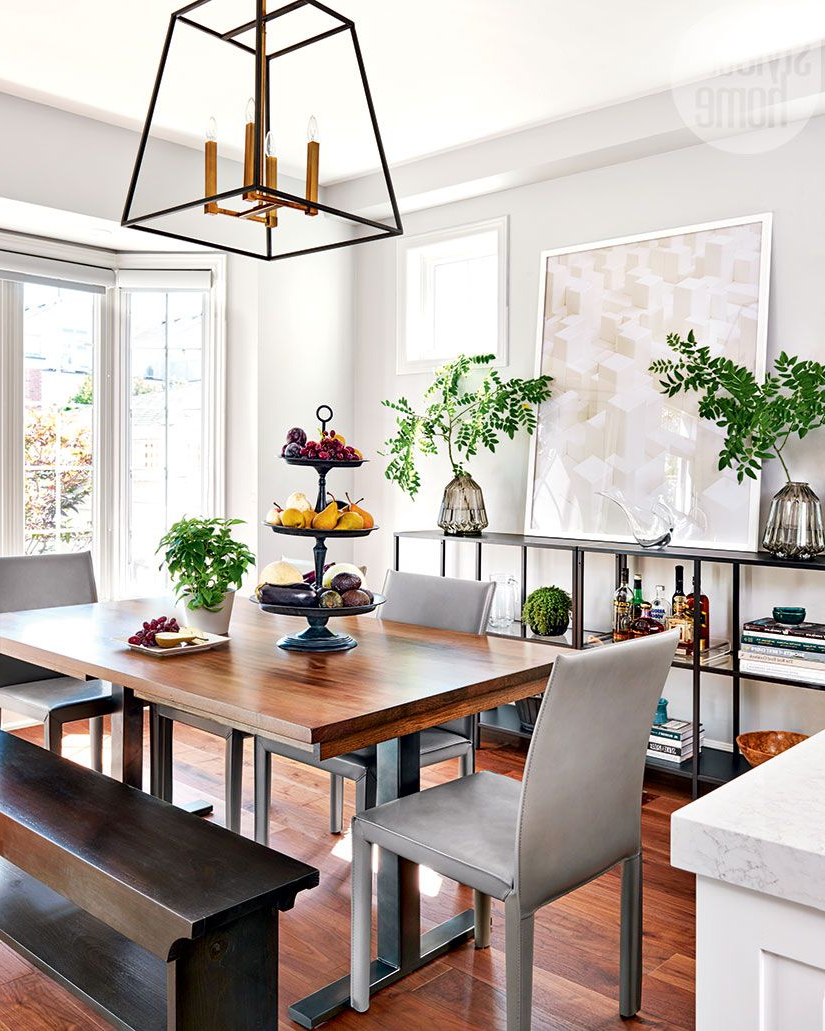
Real life means wear and tear, spills, and daily use that goes beyond the occasional dinner party. Consider how easy the chairs are to clean and maintain. Fabric upholstery might be pretty but can stain easily. Leather offers a more durable surface that resists marks and is easier to wipe down. If you have children or pets, think about stain-resistant options or removable covers. Storage is another factor. Some chairs fold up nicely for easy storage when not in use. Others might need special care during seasonal changes. Factor in the practical aspects of your lifestyle – do you entertain frequently? Will the chairs fit in your kitchen or dining area without blocking movement? These decisions impact your daily routine more than you might realize.
Budget and Value Thinking
Money talks, but it’s not always the most important factor. A cheap chair might save you money upfront, but if it breaks after six months, you’ve actually spent more in the long run. Look for quality pieces that offer good value for their price point. Consider buying two mid-range chairs instead of one expensive one if that works better for your budget. Sometimes spending a little extra on a chair that truly fits your needs pays off in comfort and longevity. Don’t ignore sales or clearance items entirely, but be careful about rushing into deals that seem too good to be true. Quality pieces tend to hold their value better over time, and they’ll make your dining experience more enjoyable.
Making the Final Choice
The final decision should feel right on multiple levels. You want a chair that looks good with your table and decor, supports your body properly, and fits within your budget. Test the chair thoroughly – sit in it, lean back, move around. Notice how it feels when you’re fully relaxed versus when you’re actively using it. Consider the long-term commitment – how will this chair age with your home? Will it still feel good in five years? Trust your instincts, but also take time to research similar models. Read reviews from people with similar needs to yours. Sometimes a chair that seems perfect online won’t work in person, and that’s okay. The goal is finding something that works for you and your specific situation.
Choosing dining room chairs is more than just picking something that looks nice. It’s about creating a space where you and your guests can truly enjoy each other’s company. The right chair combines comfort with style, supporting your body during meals while enhancing your home’s aesthetic. Take time to consider your needs, test different options, and remember that the best choice is one that makes you feel good every time you sit down. Whether you’re looking for a single chair to upgrade or a complete set to refresh your dining area, focus on finding pieces that serve you well. After all, your dining room should be a place where you want to spend time, not just eat. The investment in quality, comfortable seating will pay dividends in every meal you share with loved ones.