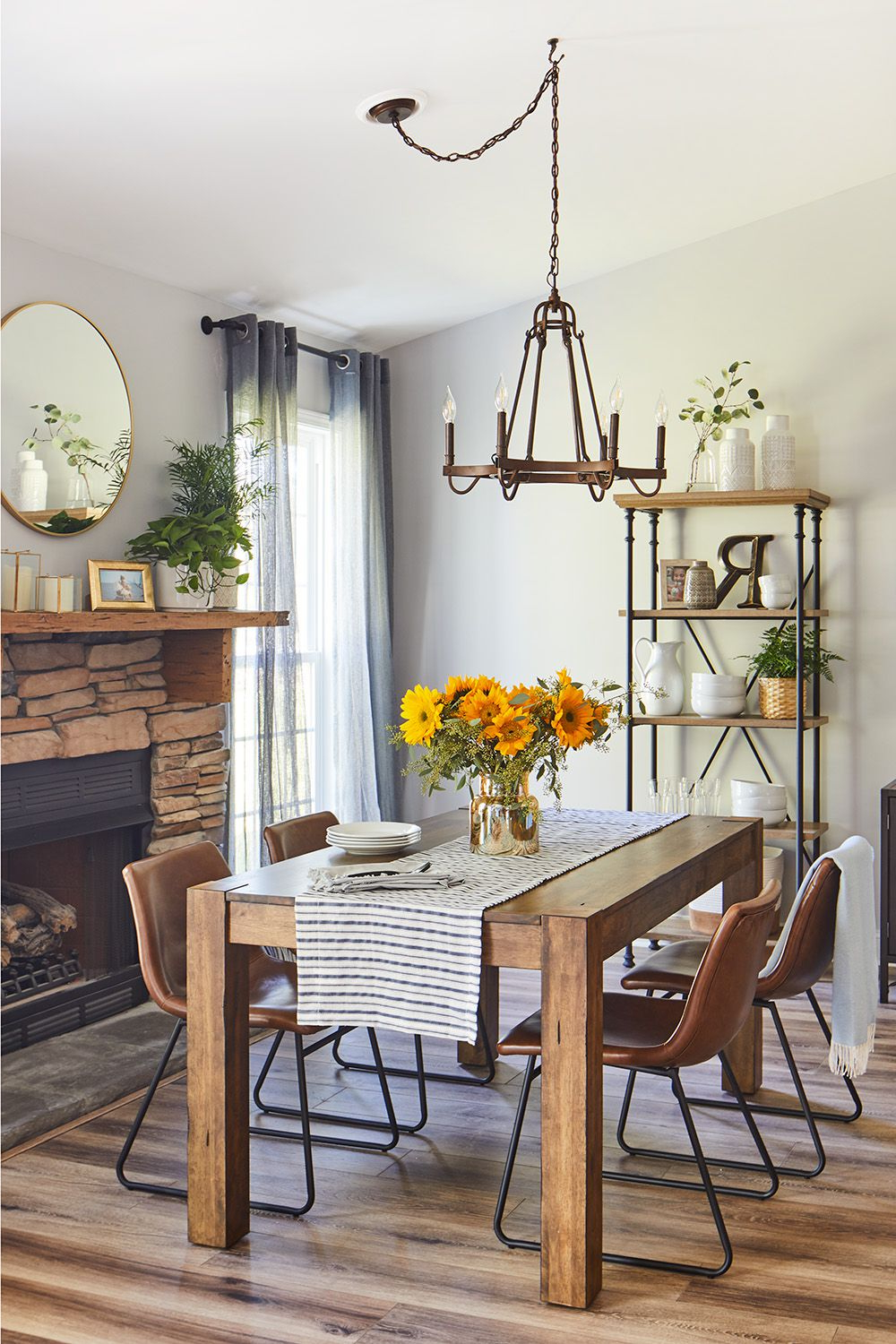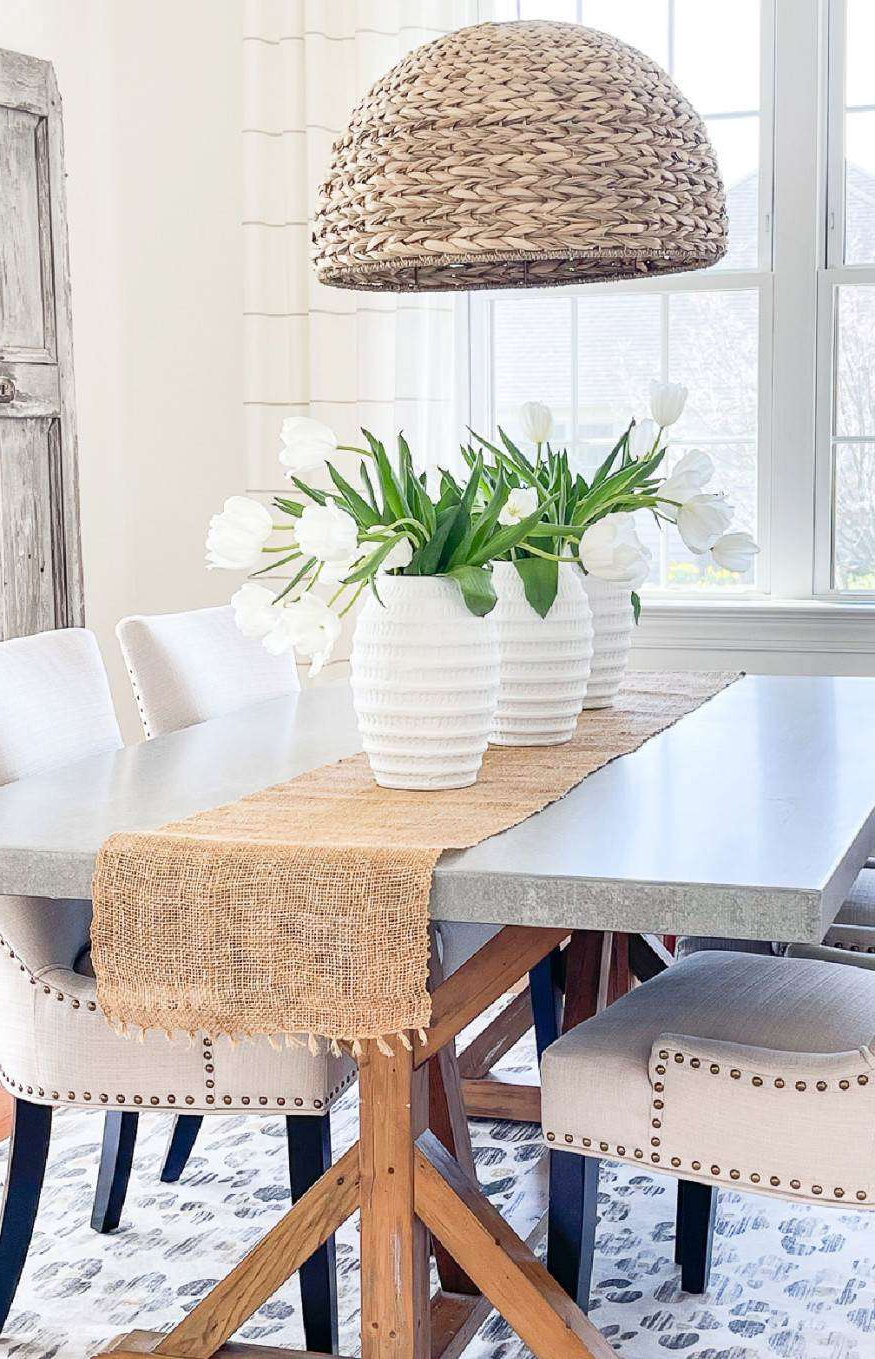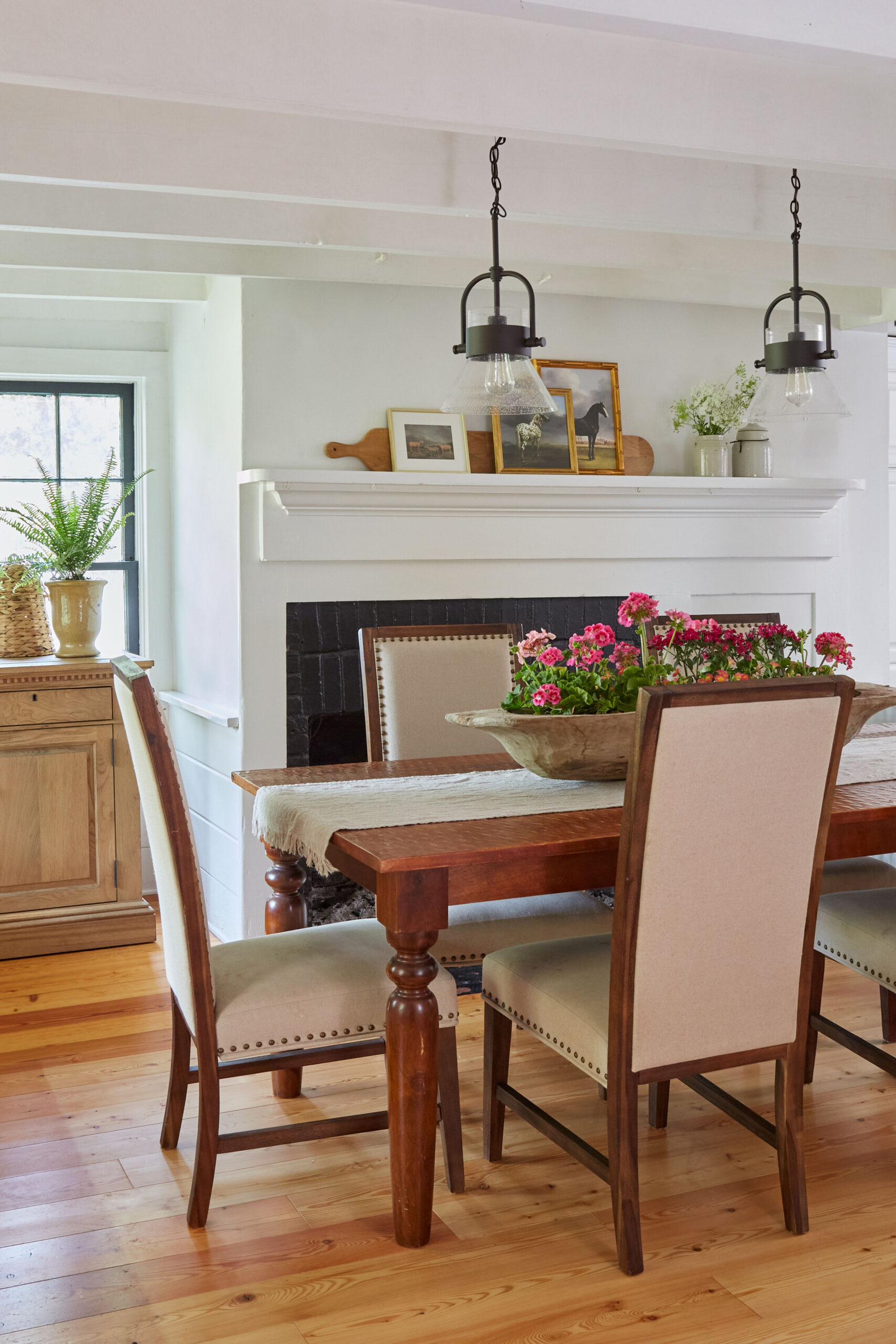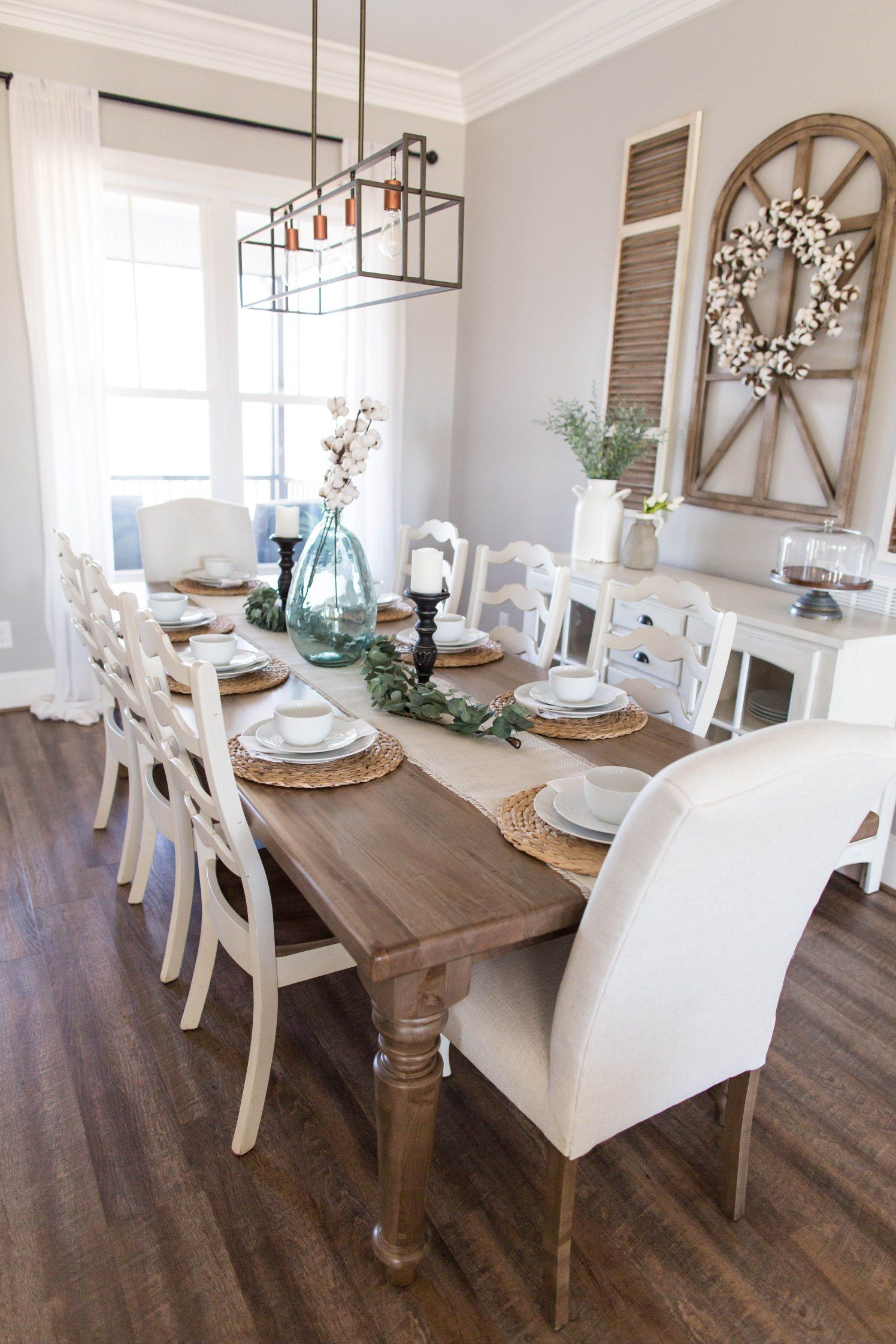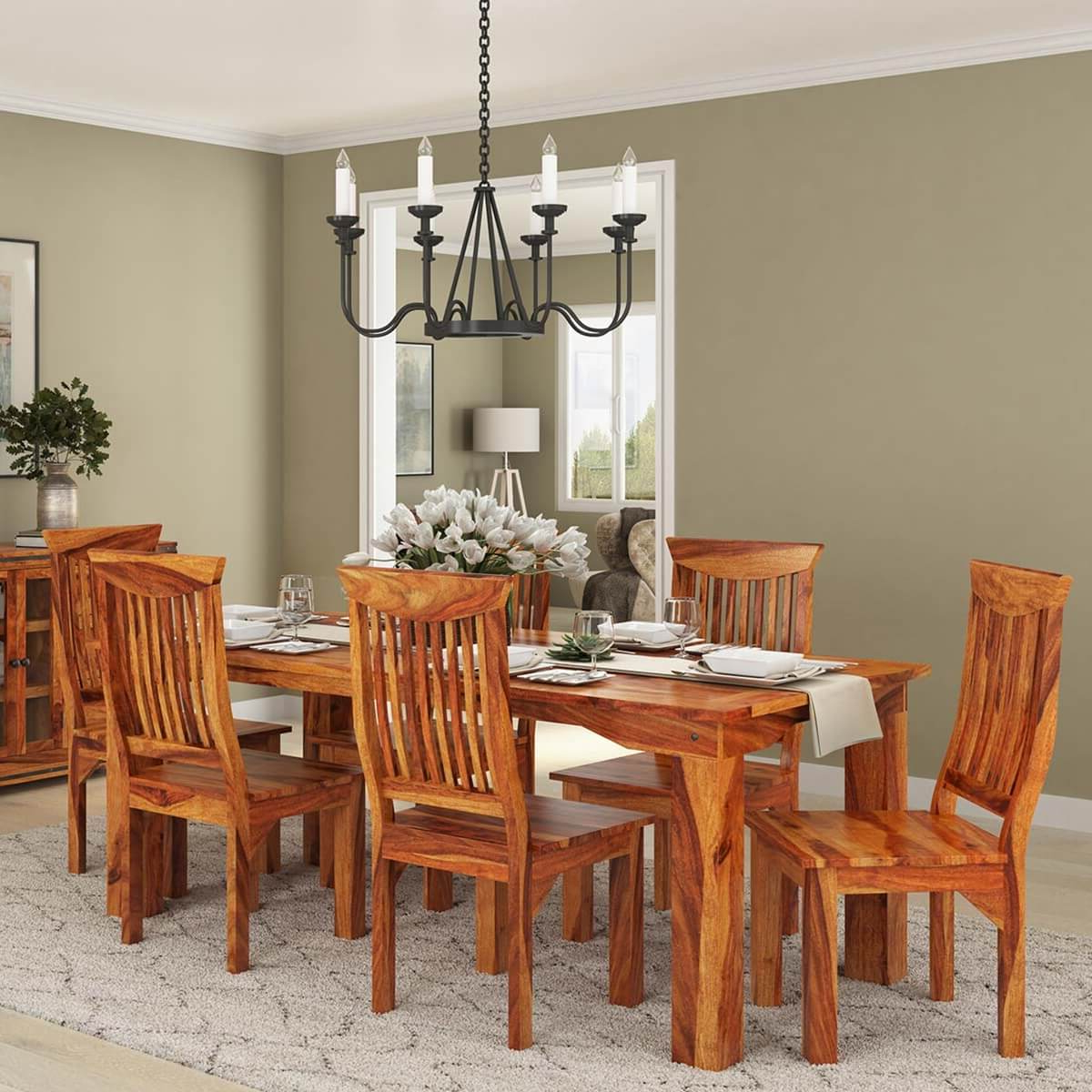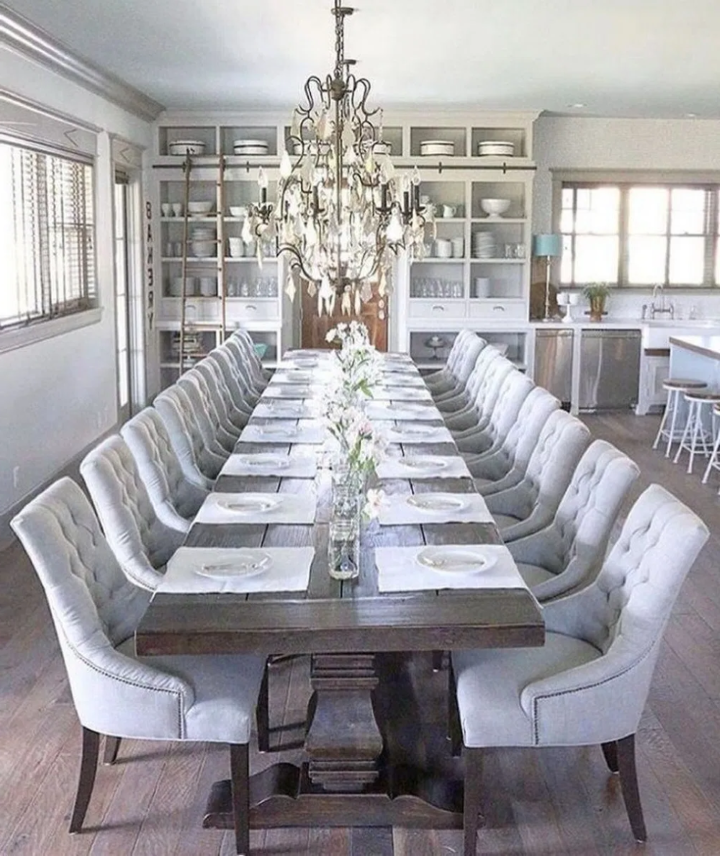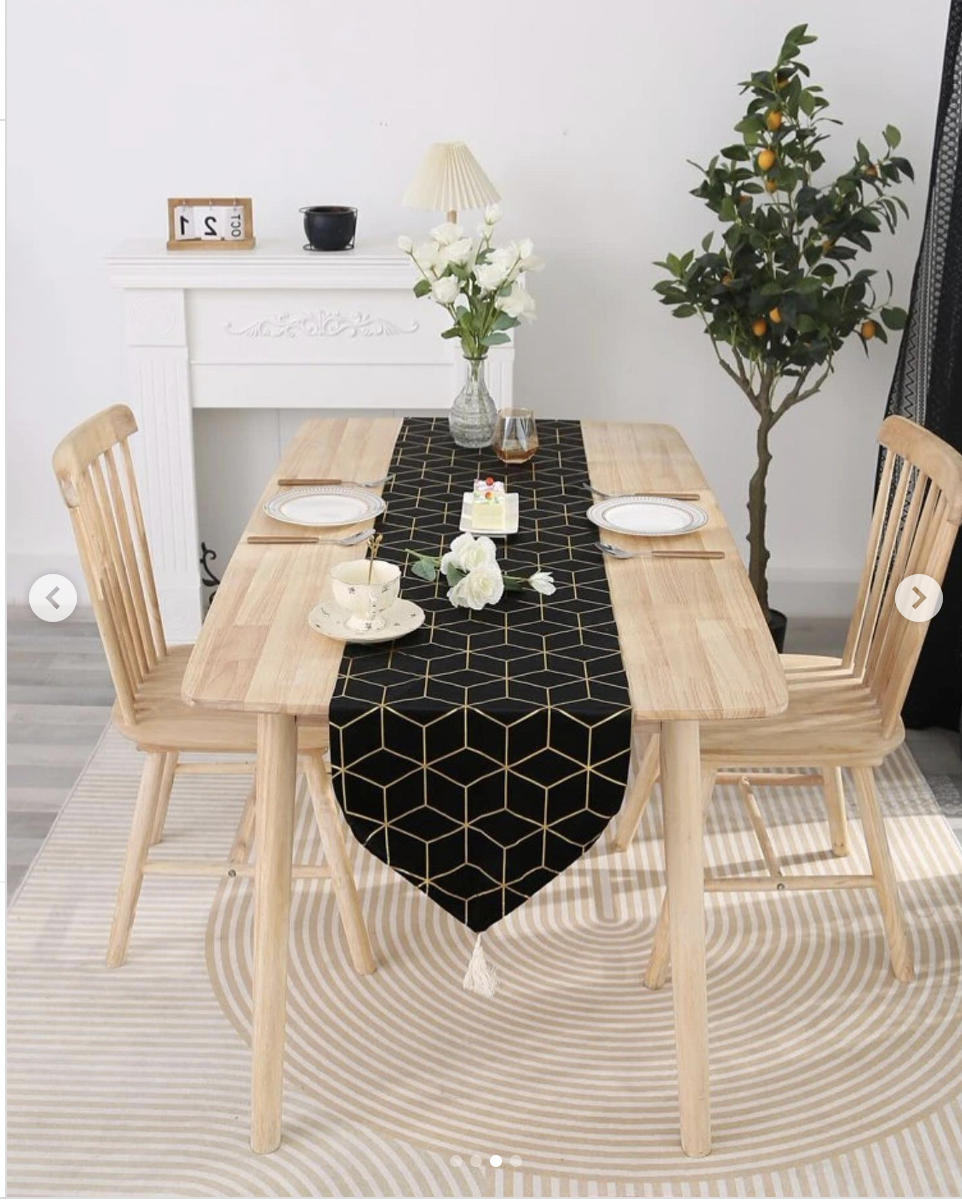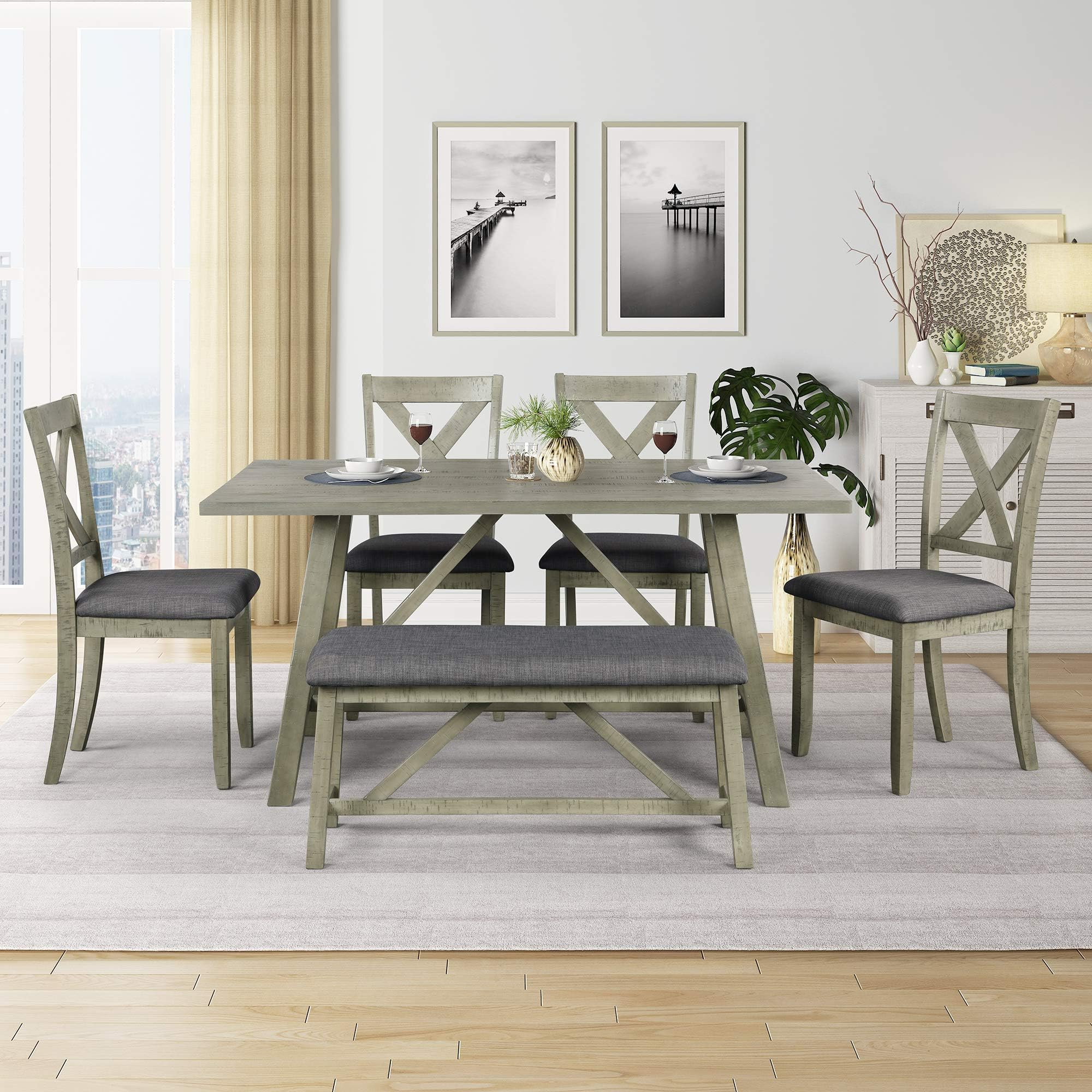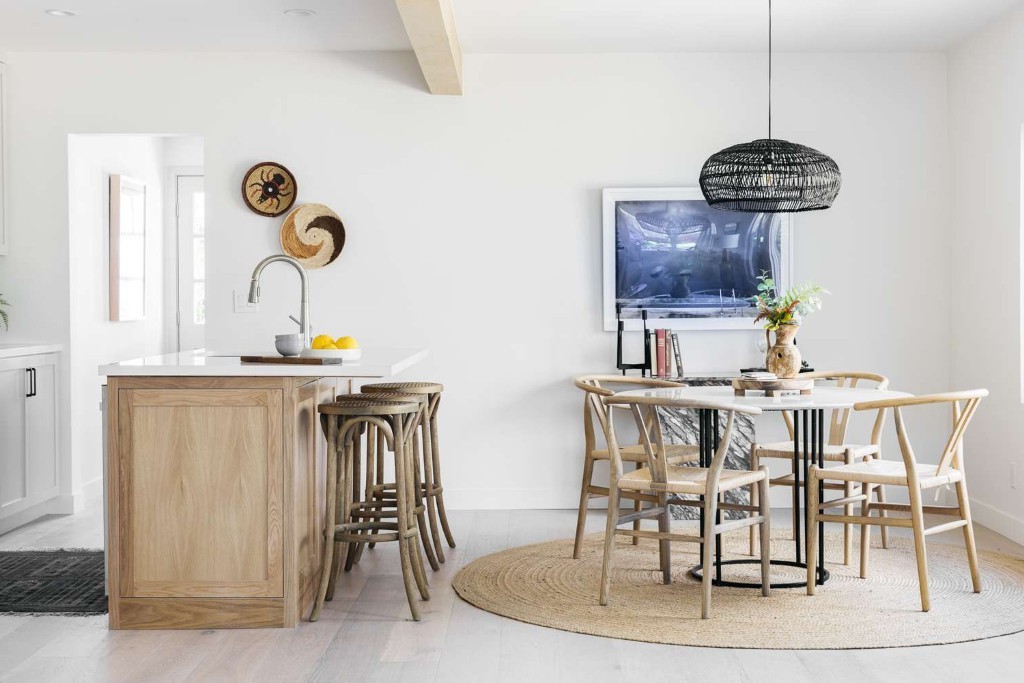
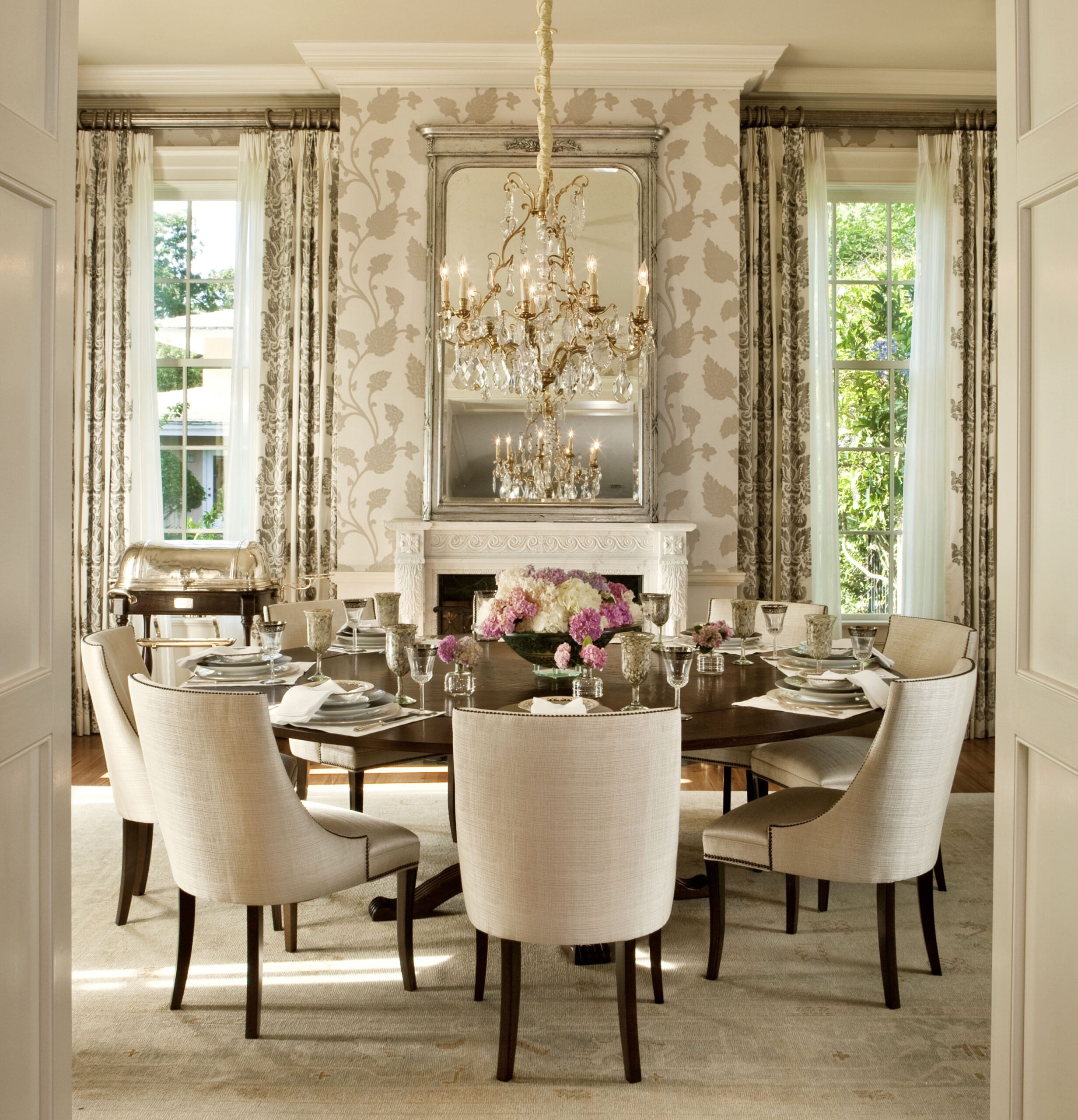
Every great dinner party starts with a well-planned table. It’s not just about putting food on plates and chairs around a table. The right arrangement can transform a simple meal into an unforgettable experience. Think about it – when you walk into a restaurant and see perfectly set tables, you know something special is about to happen. That’s the power of good table design.
Dining room table arrangements aren’t just about aesthetics – they’re about creating spaces where people want to gather, connect, and enjoy time together. Whether you’re planning a casual family dinner or hosting guests for a special occasion, the way you arrange your table matters more than you might think. It’s like setting the stage for conversation and connection. When everything feels balanced and intentional, it makes everyone feel welcome and comfortable. This isn’t about following rigid rules, but rather understanding the principles that make tables feel right. The magic happens when you consider how people will move around, what they’ll see, and how the space supports the mood you want to create.
Understanding Visual Balance
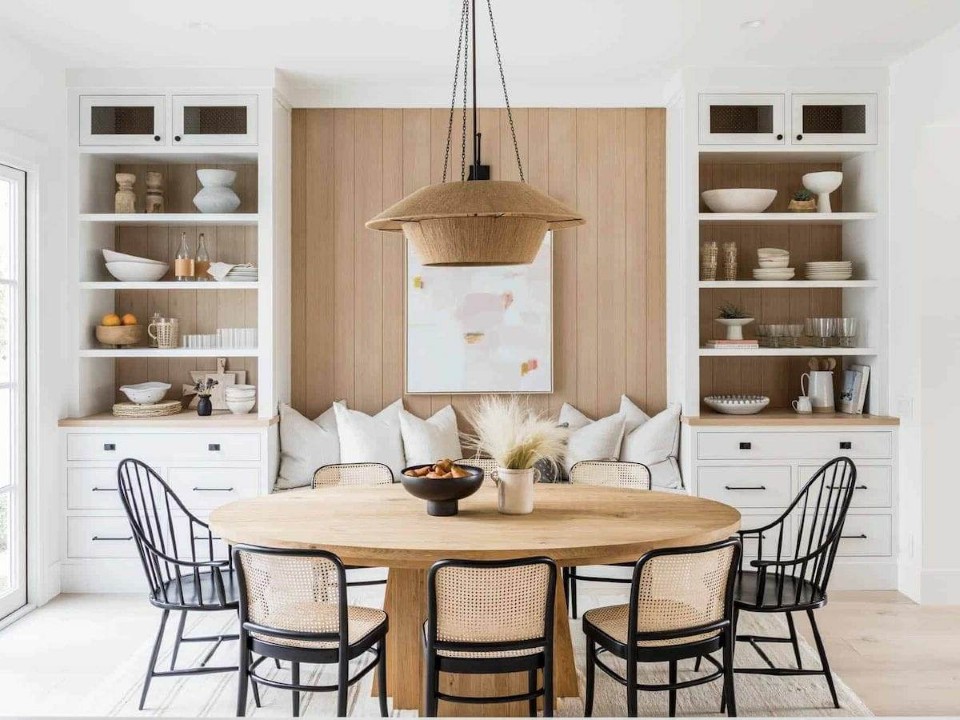
Visual balance is the foundation of any good table arrangement. It’s not about having identical items on both sides, though symmetry can work beautifully. Instead, it’s about creating harmony through proportions, colors, textures, and heights. Picture this: You have a tall candlestick on one side and a small bowl of fruit on the other. If the candlestick is much taller than the bowl, you need to add visual weight somewhere else to balance it out. Maybe a larger centerpiece or some additional decorative elements. The key is to think in terms of weight distribution rather than exact matching. Consider using varying heights – tall vases paired with shorter bowls, or groupings of different sizes to create visual interest while maintaining equilibrium. Remember, a well-balanced table doesn’t feel forced or overly planned. It should look effortless and welcoming.
Proper Seating Considerations
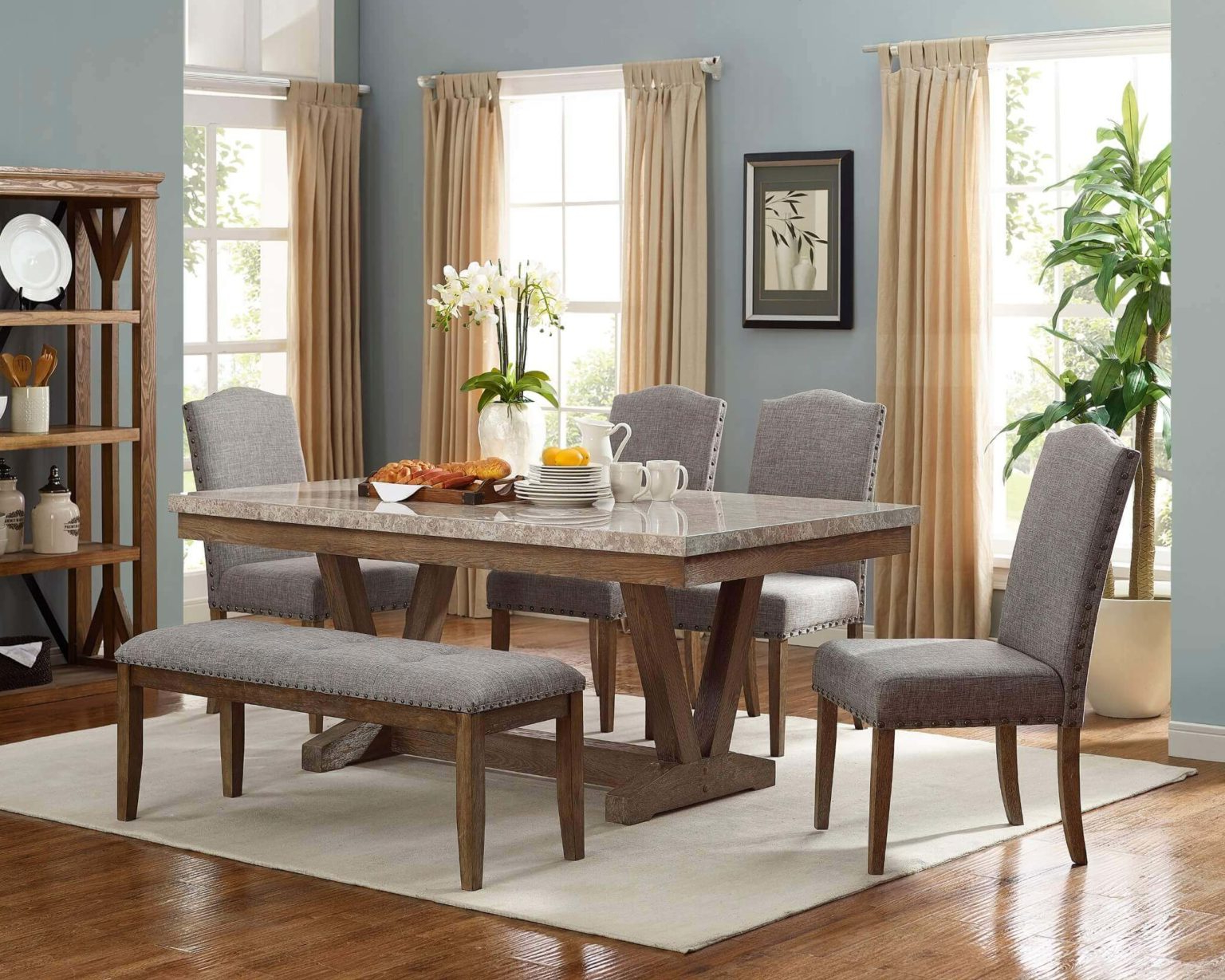
Before you even think about decorations, consider who will be sitting where. A good dining table arrangement starts with understanding your guests’ needs and the flow of movement. For smaller tables, you might have 4-6 people, but for larger gatherings, think about how chairs will be positioned. Are there people with mobility challenges? Do you need extra space for serving dishes? Sometimes, the most beautiful arrangement looks terrible if someone can’t get comfortable or reach their plate easily. Try arranging chairs first, then add elements around them. This approach helps ensure that every guest has enough room to eat comfortably and move around naturally. Also, think about the view from each seat. You don’t want someone seated directly facing a wall or awkwardly positioned in a corner. The best dining experiences happen when everyone feels included and connected to the overall atmosphere.
Lighting and Ambiance Elements
Lighting plays a crucial role in how your table arrangement appears and feels. Natural light during the day creates a bright, open feeling, but evening dinners often call for softer, more intimate lighting. Candles are classic choices, but they’re not the only option. String lights, lanterns, or even soft LED strips can create magical atmospheres. The key is ensuring that whatever lighting you choose provides adequate illumination for eating without being too harsh or distracting. You might want to layer different types of lighting – ambient light for general visibility, task lighting for reading menus, and accent lighting to highlight special pieces. Consider how light interacts with your table settings too. A warm glow can make simple arrangements look elegant, while cool lighting might make colorful elements pop more dramatically. The right lighting turns a regular dinner table into a special place for memorable meals.
Color Coordination Strategies
Color schemes can make or break a dining table’s appeal. You don’t need to match every element exactly, but you do want to create a cohesive palette that feels intentional. Start with a base color – perhaps your tablecloth or napkins – and build from there. If you’re going with a neutral background, you can experiment with bolder accent colors in your centerpieces or serving pieces. Think about seasonal changes too. Spring might call for fresh greens and pastels, while autumn brings rich earth tones and warm golds. Don’t forget to consider skin tones when choosing colors. Some hues make people look better in photos, while others might clash with the overall aesthetic. Sometimes, the best approach is to use colors that complement your existing décor rather than trying to change it entirely. The goal is to create a space that feels inviting and harmonious, not overwhelming or jarring.
Practical Serving Solutions
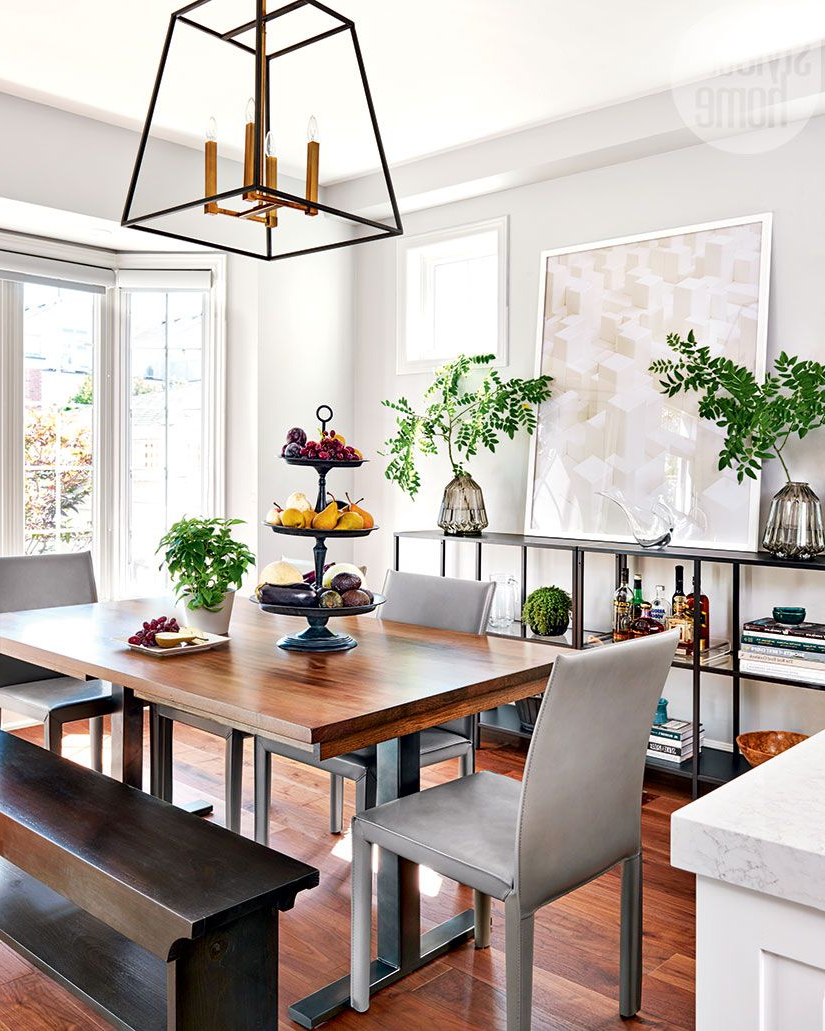
Good table arrangements must also work practically. No matter how beautiful your setup looks, it needs to function for actual meals. This means considering how dishes will be served, how people will access their food, and what storage solutions you might need. A large centerpiece can block views between diners, so keep height reasonable. If you’re serving from the middle of the table, make sure there’s enough space for people to reach dishes without bumping into each other. You might want to use serving trays or bowls that sit low enough to be seen clearly. Consider the logistics of multiple courses – will you need extra plates, utensils, or glasses? Sometimes, the most practical arrangements are the most successful ones. People appreciate when a table works well for eating, not just for looking pretty. This attention to functionality often makes all the difference between a dinner that’s merely presentable and one that’s truly enjoyable.
Seasonal and Occasion Adaptations
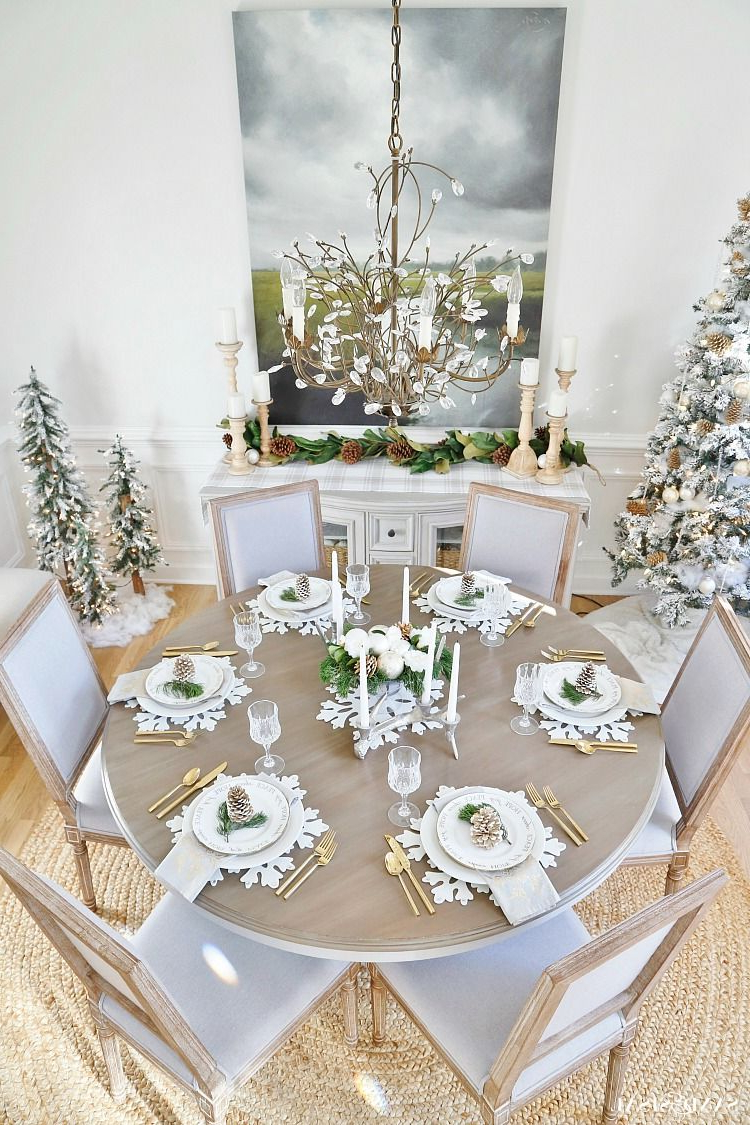
What works for a summer barbecue might not work for a winter holiday dinner. Seasonal changes affect everything from color choices to material preferences. In spring, lighter fabrics, fresh flowers, and airy arrangements tend to work well. Summer calls for breezy, casual setups with maybe some tropical elements. Fall brings rich textures, warm colors, and cozy materials like wood or woven baskets. Winter might mean more dramatic lighting, heavier fabrics, and metallic accents. Special occasions require extra thought too. Birthday parties might include personalized elements, while anniversary dinners could feature romantic touches like rose petals or vintage-style serveware. The key is adapting your basic principles to fit the moment. You don’t need to completely overhaul your style for every event, but you should consider how to enhance the appropriate mood. These adaptations keep your dining experience fresh and meaningful throughout the year.
Budget-Friendly Table Design Tips
Creating beautiful table arrangements doesn’t require spending a fortune. Many stunning looks come from creative combinations of simple items. Repurpose things you already have – old picture frames can become unique place cards, or vintage books can serve as bookends for napkin rings. Thrift stores, garage sales, and even your own home can provide unexpected treasures. Mix high-end and inexpensive pieces strategically. A few statement items can elevate a whole setup without breaking the bank. Consider DIY projects like painted mason jars or handmade place cards. These personal touches often make the biggest impact. You can also create different looks with the same basic elements by changing accessories seasonally. A simple white tablecloth with seasonal flowers can transform your dining space for various occasions. The most important thing is thinking creatively about what you already have and finding ways to showcase it in new contexts.
Mastering dining room table arrangements is less about following strict rules and more about developing an eye for what feels right. It’s about creating spaces where people want to stay, talk, and enjoy each other’s company. Remember that the best table settings are those that support the experience of dining together, whether it’s a quiet evening with family or a festive gathering with friends. Pay attention to balance, consider practical needs, and don’t forget to have fun with the process. The most important ingredient isn’t expensive decor or perfect symmetry – it’s the care and intention you put into making everyone feel welcomed and comfortable. Your table should reflect your personality while supporting the joy of shared meals. With practice and attention to these fundamental principles, anyone can create arrangements that make every dinner feel special.